
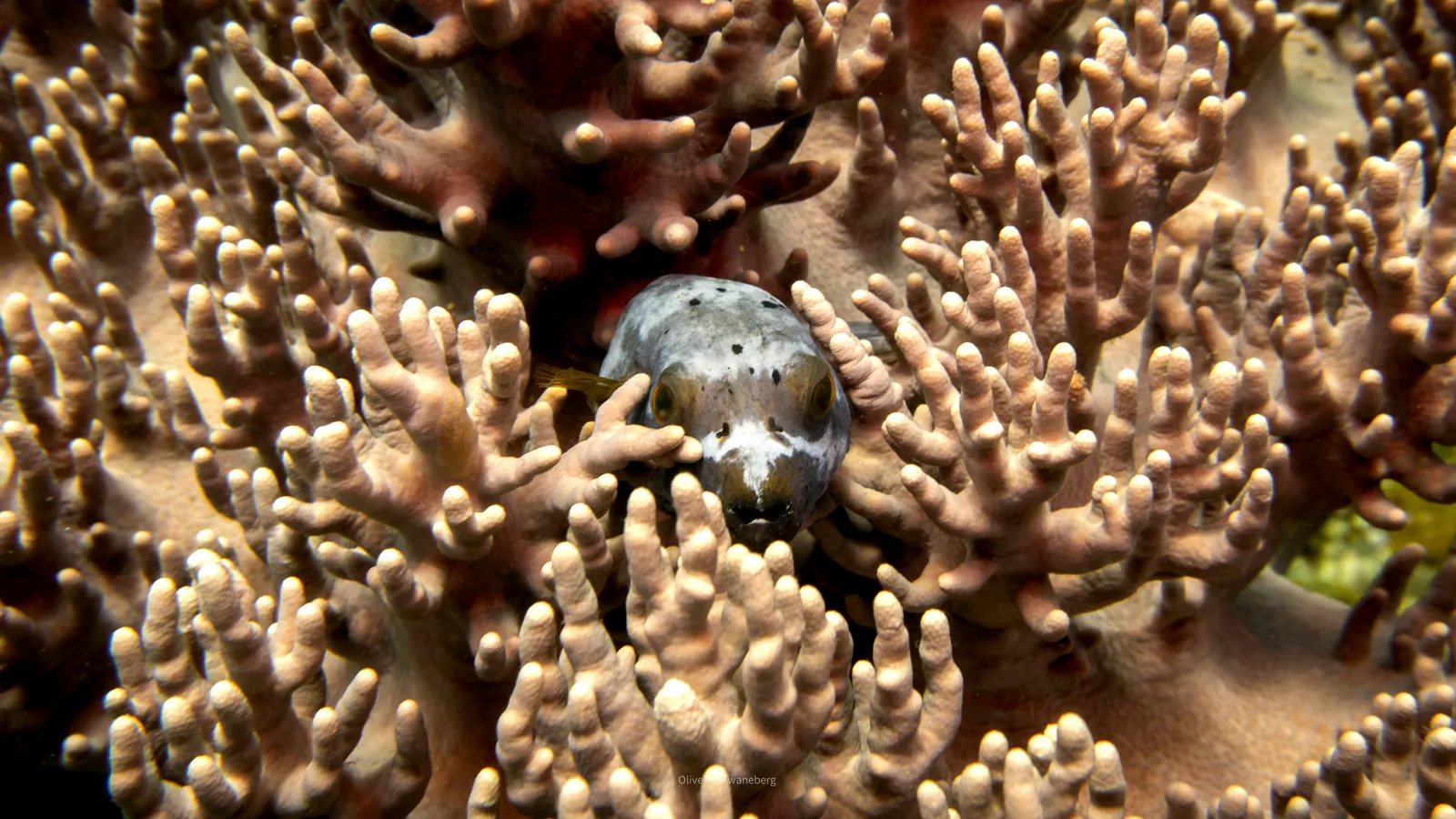
In the 1970s, large groupers appeared every 50 feet or so along many Philippine reefs. Some reached the size of Volkswagen Beetles. Snappers, fusiliers, wrasses, turtles, and abundant corals filled the waters around them. A young biologist arriving at that time could dive for days and still sense only the surface of what lived there.
Arrival and First Assignments
Kent E. Carpenter reached the Philippines at age 22, shortly after finishing his studies at the Florida Institute of Technology. The Peace Corps placed him with the Philippine Bureau of Fisheries and Aquatic Resources and gave him responsibility for coral-reef research. He later described the posting as the best job the Peace Corps had ever offered or would offer. The assignment opened access to reefs throughout the archipelago and shaped the rest of his professional life.
Early Abundance and Emerging Pressures
Carpenter began his work when many reefs still supported dense populations of large predators. Pollution and destructive fishing practices were already present, however, and the biggest fish grew harder to find over time. He responded by turning his attention to systematic recording of marine life. His focus included species distributions, evolutionary relationships, population trends, and factors that increased vulnerability.
Decades of Detailed Observation
Over the following half century Carpenter continued to document the same waters with growing precision. He tracked which species remained in particular locations and how their numbers shifted. The work produced a long-term record of change that few others could match. Colleagues noted that his data helped clarify both the scale of losses and the remaining pockets of resilience.
Final Days and Open Questions
Carpenter was killed at his home in Sibulan, Negros Oriental, on July 12. He was 73. Police reported that three men entered the house late at night. A special task group was formed to investigate, and no motive had been identified at the time of the announcement. His death leaves unfinished the long record he had built across Philippine waters.