

Walk into a typical American kitchen in 1975 and you wouldn’t recognize half of what you saw. Not because the technology was primitive – but because it was aggressively, defiantly specific. There was a machine just for bacon. A machine just for crushing ice. A machine just for opening cans. The refrigerator was gold. The stove matched. And the whole room was built around one idea that has almost completely disappeared: people staying in it together.
Some of these appliances were genuinely brilliant. Others were slightly dangerous, deeply weird, or so perfectly of their moment that they lasted exactly one decade before vanishing forever. A few are still running in American kitchens right now – the same units, from the same era – which is either impressive or unsettling depending on how you look at it. Here are 28 things about 1970s household appliances that will either flood you with nostalgia or leave you completely baffled.
#28 – The Entire Kitchen Could Be One Dominant Color, and That Was Considered Elegant
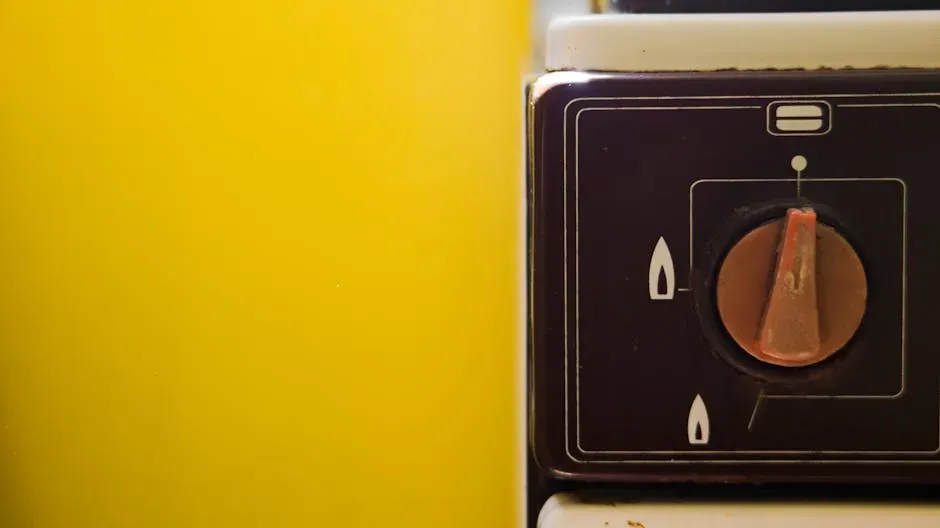
During the 1970s, appliance colors like harvest gold and avocado green weren’t accent choices – they were full commitments. The refrigerator, the stove, the dishwasher, and every countertop accessory could be the exact same shade of mustardy gold or olive green, and that was the goal. Coordinated monochrome wasn’t a design accident. It was aspirational. You weren’t just buying a refrigerator; you were completing a statement.
When design trends shifted in the 1980s, millions of Americans scrapped those appliances not because they stopped working – but because the color stopped fitting. Perfectly functional refrigerators went to the curb purely for aesthetic reasons. Imagine throwing out a running car because you didn’t like the paint anymore. That’s exactly what happened, at scale, across the entire country.
At a Glance: The 1970s Appliance Color Palette
- Harvest Gold – a warm, muted yellow-orange; introduced by GE in 1968; paired with dark wood and cream
- Avocado Green – officially introduced by GE in 1966; listed by Kohler as “fresh green” from 1971 to 1979
- Coppertone Brown – warm chocolate tones; debuted in 1964; sold under names like “tobacco brown” and “Tudor brown”
- Sunflower Orange – Kohler’s name for the bright warm orange; used on appliances from 1974 to 1984
- Almond / White – began replacing earth tones by the late 1970s as the shift toward neutrals accelerated
#27 – Avocado Green Wasn’t Actually the Color of an Avocado
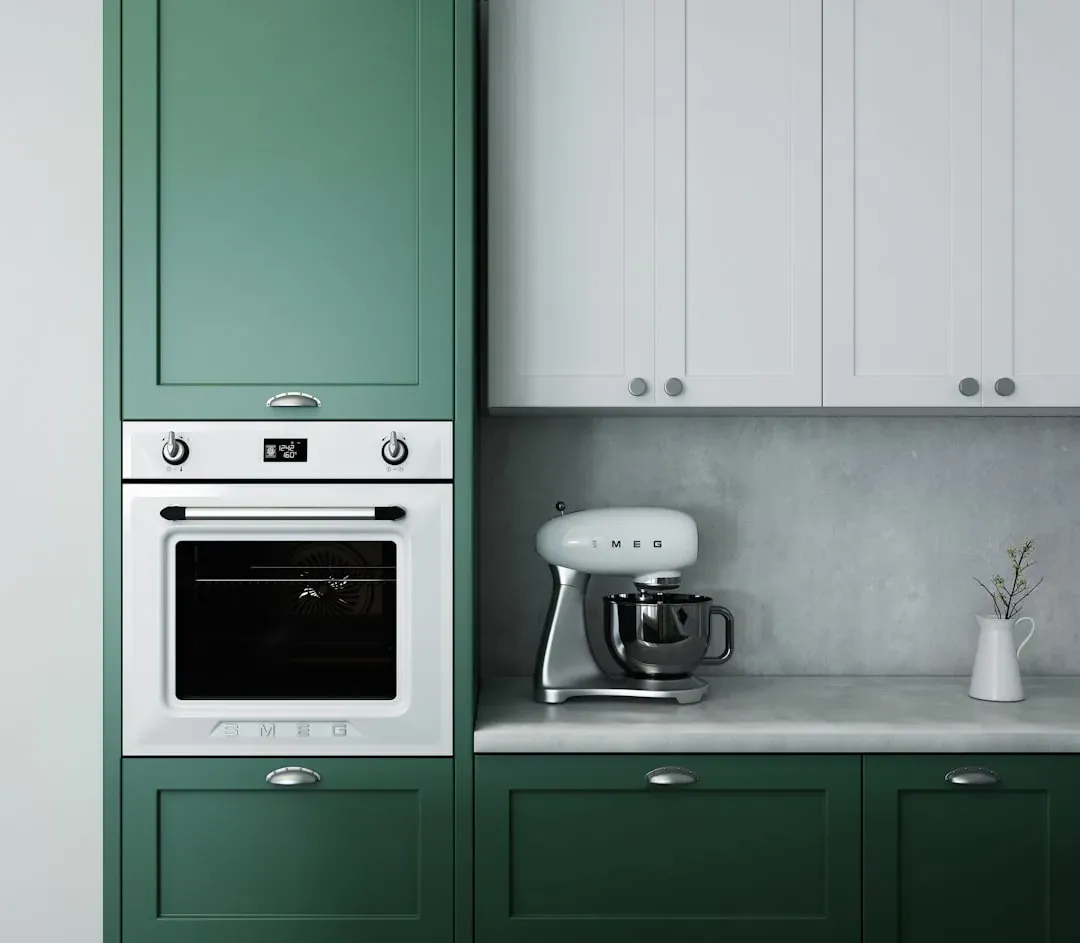
Here’s something that trips people up every time. The iconic “avocado green” that defined so many 1970s kitchens wasn’t really avocado-colored at all. The shade leaned heavily yellow-green – closer to olive than to the flesh of an actual avocado. Kohler listed the color as “fresh green,” in production between 1971 and 1979, and its warm yellow tones marked a deliberate departure from the bluer greens and teals of the late 1960s. The name was marketing, not botany.
The avocado palette was a cultural statement as much as a design choice – earthy, slightly countercultural, tethered to the back-to-nature movement that ran alongside the decade’s politics. Harvest gold looked like straw. Avocado green looked like something growing in a garden. Both were a hard swerve away from the candy colors of the 1950s. Your grandmother’s refrigerator was, in a very real sense, a political opinion rendered in enamel paint.
#26 – There Was a Fourth Color Almost Nobody Remembers: Coppertone Brown
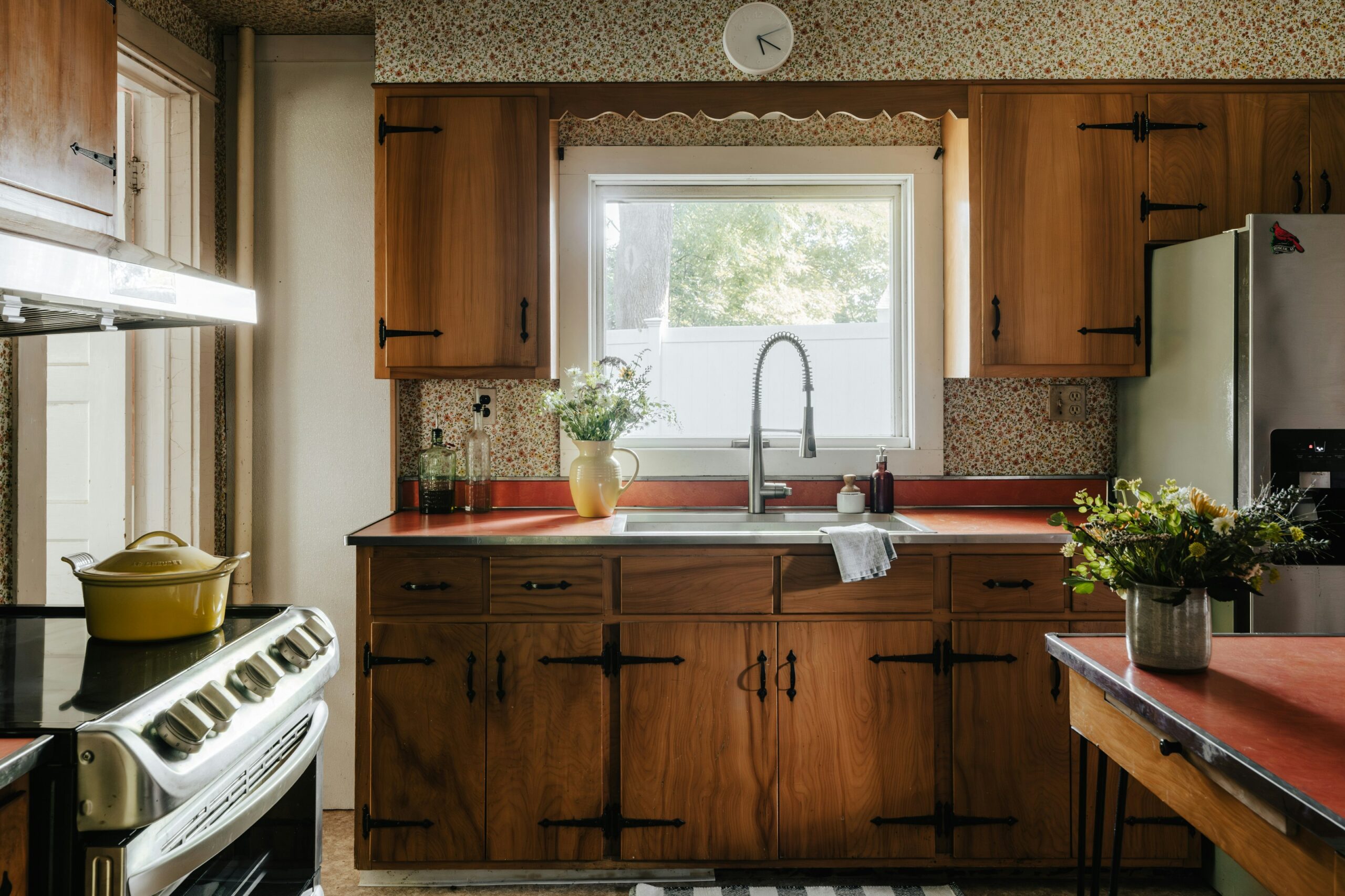
Everyone remembers harvest gold and avocado green. Far fewer people remember that a full range of warm browns – sold under names like “tobacco brown,” “chocolate brown,” and “Tudor brown” – were also legitimate kitchen color choices throughout the decade. A complete suite of Coppertone appliances, fridge through dishwasher, was sold, purchased, and displayed in homes where people genuinely considered it the sophisticated option.
Brown appliances were less dominant than green or gold, but they occupied real shelf space and real kitchens for a solid stretch of the ’70s. The slow fade toward white, and eventually stainless steel, happened gradually through the ’80s – but for anyone who owned a chocolate-brown refrigerator in 1974, it wasn’t ironic. It was a flex. Today it reads as almost surreal, which is precisely why it belongs on this list.
#25 – The Electric Can Opener Was a Status Symbol
Electric can openers arrived in American kitchens in 1958 and spent the entire 1970s sitting on countertops in avocado green or harvest gold, whirring to life multiple times a day. By 1970, General Electric had introduced a model combining a can opener and a knife sharpener in a single unit. The idea that you needed a motorized device to open a can of soup was not considered lazy. It was considered advanced. It signaled that your kitchen had moved past the manual age.
Some models mounted under kitchen cabinets to save counter space – which itself was a design conversation the decade was actively having. In a home where canned goods and convenience foods anchored most weeknight dinners, the electric can opener got a real workout. Anyone born after 1985 likely has a manual can opener shoved somewhere in a junk drawer and reaches for it maybe four times a year. Their grandparents had a dedicated electric countertop unit for the same job, and it was plugged in and ready at all times.
#24 – The Electric Skillet Basically Replaced the Stove for an Entire Generation
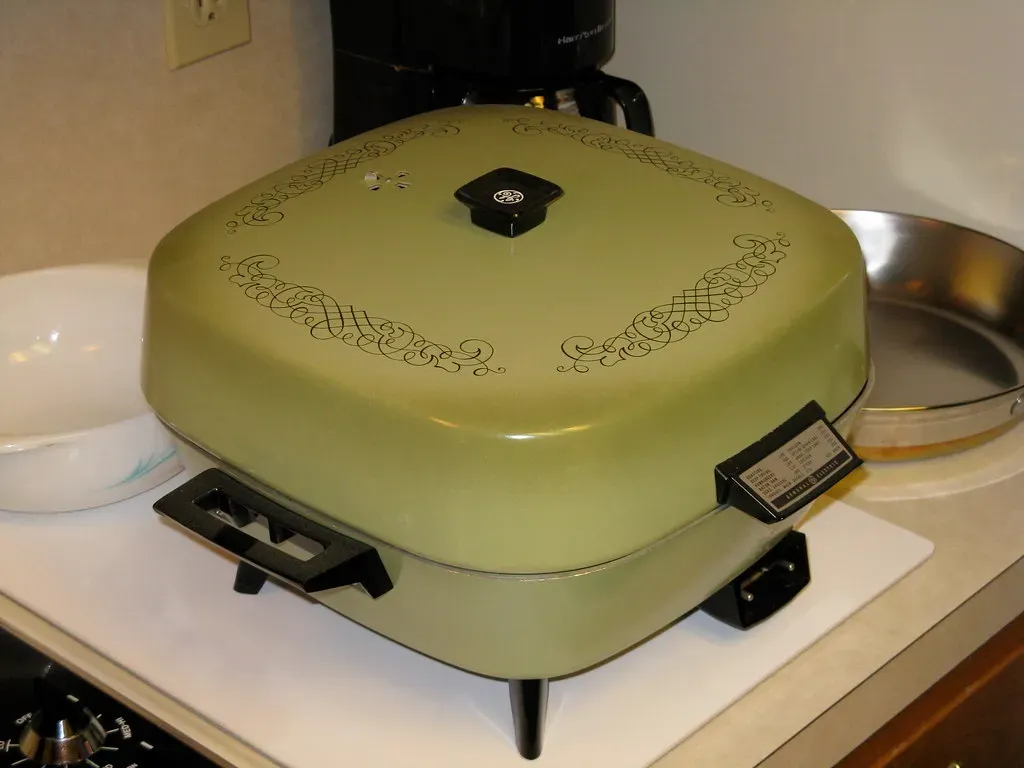
The electric skillet wasn’t a backup appliance. For millions of 1970s families, it was the primary cooking tool – sitting permanently on the counter, plugged in, ready to sauté, deep-fry, and even bake without touching the stove once. It was essentially the Instant Pot of its era: versatile, communal, and so useful that it never got put away. You set the temperature on the dial, let it preheat, and cooked a full meal without heating up the oven.
The electric skillet was large enough for an entire casserole, easy to clean, and practical enough to carry to church potlucks and holiday gatherings. The sturdy lid and side handles made it as portable as it was powerful. Anyone who inherited one of these from a grandparent and actually plugged it in discovered something mildly shocking: it still works perfectly. The engineering was that simple and that solid.
#23 – Patterned Cookware Was a Deliberate Fashion Choice
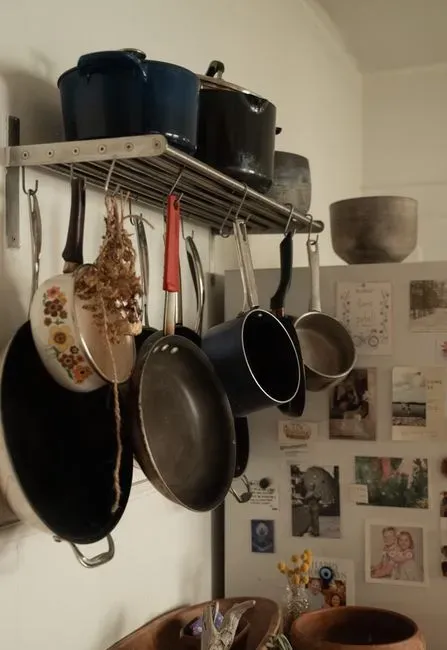
A casserole dish covered in mushrooms. A pot in burnt orange with geometric trim. A serving platter with sunflowers on a chocolate-brown background. These weren’t thrift store finds or novelty gifts – they were what you bought new when you wanted to impress people. Patterned cookware in the 1970s turned everyday kitchen items into decorative statements, and the design was fully intentional: the dish was meant to go from oven to table without looking out of place in either setting.
Floral patterns bloomed on mustard yellow and avocado enamel. Geometric designs covered ceramic casserole dishes that were also serving pieces at dinner parties. The cookware wasn’t made just to prepare food – it was designed to decorate the table during the meal itself. Your Le Creuset sitting on the counter today is a direct descendant of this exact thinking. The 1970s just went considerably louder with the mushrooms.
#22 – The Food Processor Felt Like Having a Robot in the Kitchen
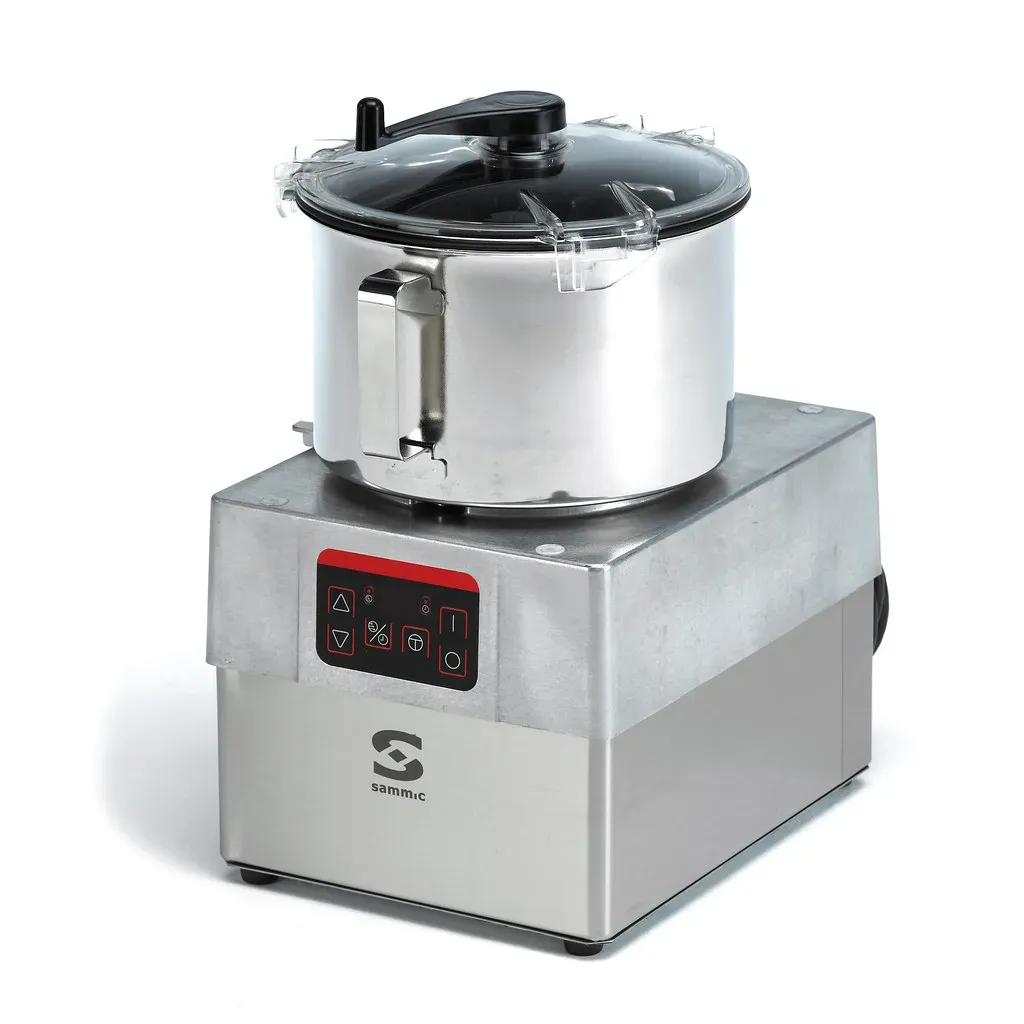
The Cuisinart food processor arrived in American kitchens in the early 1970s after a debut at a Chicago housewares show, and it genuinely changed the pace of home cooking. Slicing, chopping, shredding, and puréeing – tasks that used to take the better part of an hour with a knife on a cutting board – could now happen in under two minutes. For home cooks who wanted to try ambitious recipes but dreaded the prep work, it was a revelation. Gourmet dishes that once felt unreachable became weeknight possibilities.
The 1970s kitchen philosophy had room for this kind of specialization. Unlike today’s kitchens, where the goal is fewer appliances doing more things, the ’70s home chef embraced dedicated tools that handled specific tasks brilliantly. The food processor didn’t need to also be a blender or a mixer. It needed to chop an onion in four seconds. It did. That was enough to make it one of the decade’s most beloved purchases.
#21 – The Trash Compactor Was a Genuine Status Symbol

Not everyone had a trash compactor – and that was precisely the point. Tucked neatly into cabinetry and reducing a family’s weekly garbage to about one-quarter its original volume, the trash compactor was the walk-in closet of kitchen appliances: not strictly necessary, but a clear signal about what kind of household you were running. It made a high-tech statement in otherwise traditional kitchens, and the families who had one were not shy about mentioning it.
The logic was sound for its era: less trash meant fewer trips to the curb, less odor, and less space consumed in the can. What nobody fully anticipated was that the same compression that made it efficient for landfill-bound garbage made it completely useless once recycling and composting became mainstream. The very feature that made it cool in 1974 is the reason it almost entirely disappeared. You cannot meaningfully recycle what has been crushed into a single brick.
#20 – The Fondue Pot Was Basically Mandatory for Social Life
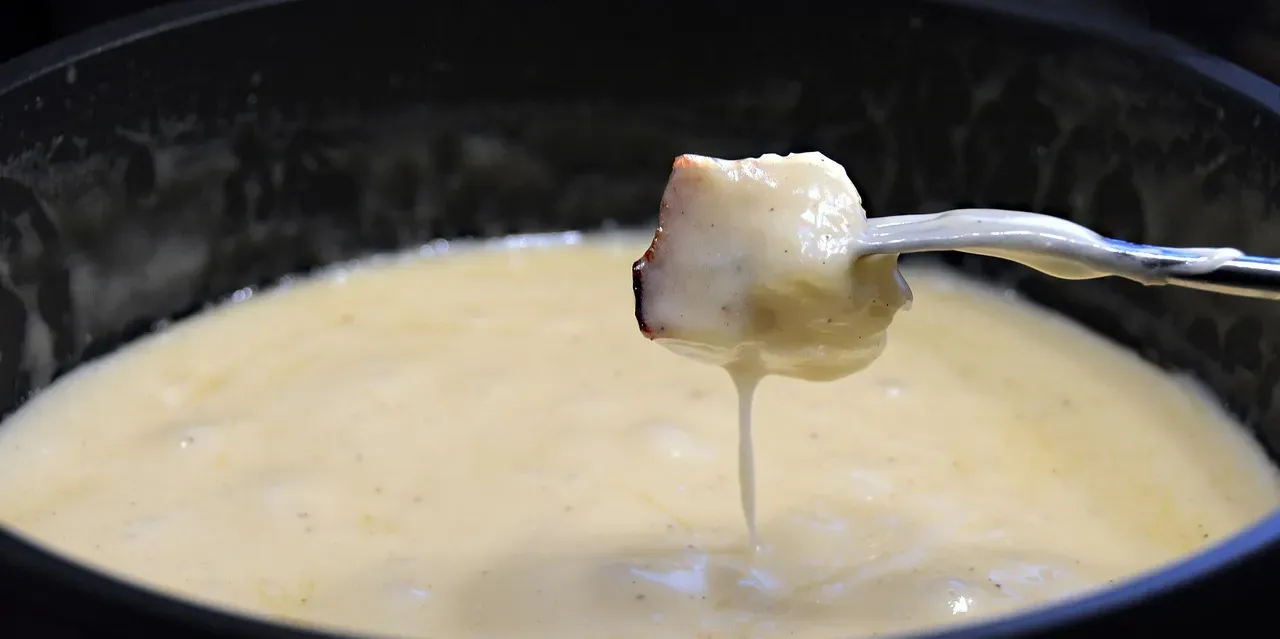
The electric fondue pot wasn’t just a cooking tool – it was the centerpiece of an entire social ritual. You invited people over specifically to stand around a bubbling pot, skewer bread and meat on long forks, and call it a dinner party. The most common fondue cheeses included Gruyère, Emmenthal, and Neufchâtel, mixed with white wine or kirsch, and in addition to French bread, guests dipped vegetables, meats, and whatever else seemed plausible into the communal pot. It was convivial, slightly chaotic, and completely of its moment.
The fondue set’s rise and fall is one of the most perfectly ’70s stories imaginable. An overnight sensation that became a garage sale staple within a decade. Once the novelty of standing over hot cheese with strangers wore off, the pots migrated to the back of the pantry, then to the attic, then to the estate sale table priced at three dollars. Today they’re back – retro fondue nights are a genuine trend – which means the 1970s were simply ahead of schedule.
#19 – The Crock-Pot Originally Cost $25 and Was Considered Expensive
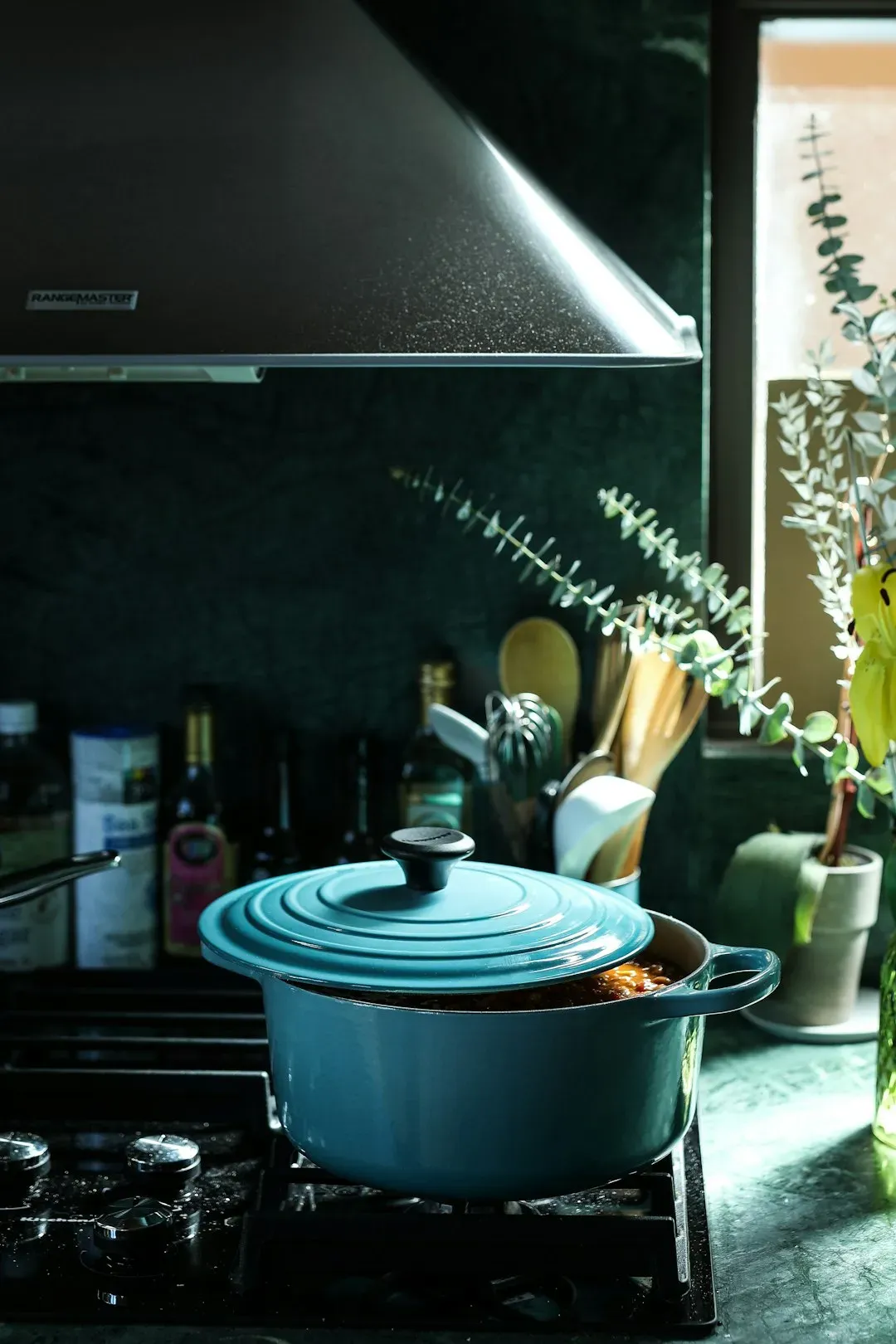
In 1971, Rival Manufacturing released the Crock-Pot at the Chicago National Housewares Show, and their slogan – “cooks all day while the cook’s away” – turned out to be one of the most effective pieces of appliance marketing in American history. The device was revolutionary not because of what it cooked, but because of what it freed people from: standing over a hot stove after a full workday. With more women entering the workforce than any previous decade, the promise of a hot meal that required zero supervision was not a small thing. The Crock-Pot earned $2 million in sales its very first year on the market.
The Crock-Pot ran all day for roughly four cents of electricity, which in the middle of the 1970s energy crisis was a genuinely meaningful selling point. It wasn’t just a slow cooker – it was a practical response to two simultaneous pressures: women’s time and the rising cost of energy. Paula Johnson, curator of food history at the National Museum of American History, has noted that it gave working women a way to provide a nutritious, affordable meal without the time penalty. The appliance was efficient, cheap to operate, and built for a cultural moment that arrived exactly on schedule.
Fast Facts: The Crock-Pot’s Rise
- Launched in 1971 by Rival Manufacturing of Kansas City; debuted at the Chicago National Housewares Show
- Originally priced at $25 – considered expensive enough that it primarily reached middle-class households at first
- Cost approximately 4 cents of electricity to run all day – a major selling point during the 1970s energy crisis
- Earned $2 million in sales in its first year on the market
- Nearly 12 million slow cookers are still purchased every year in the U.S. – the design has barely changed
#18 – Mr. Coffee Sold Over a Million Units in Its First Two Years
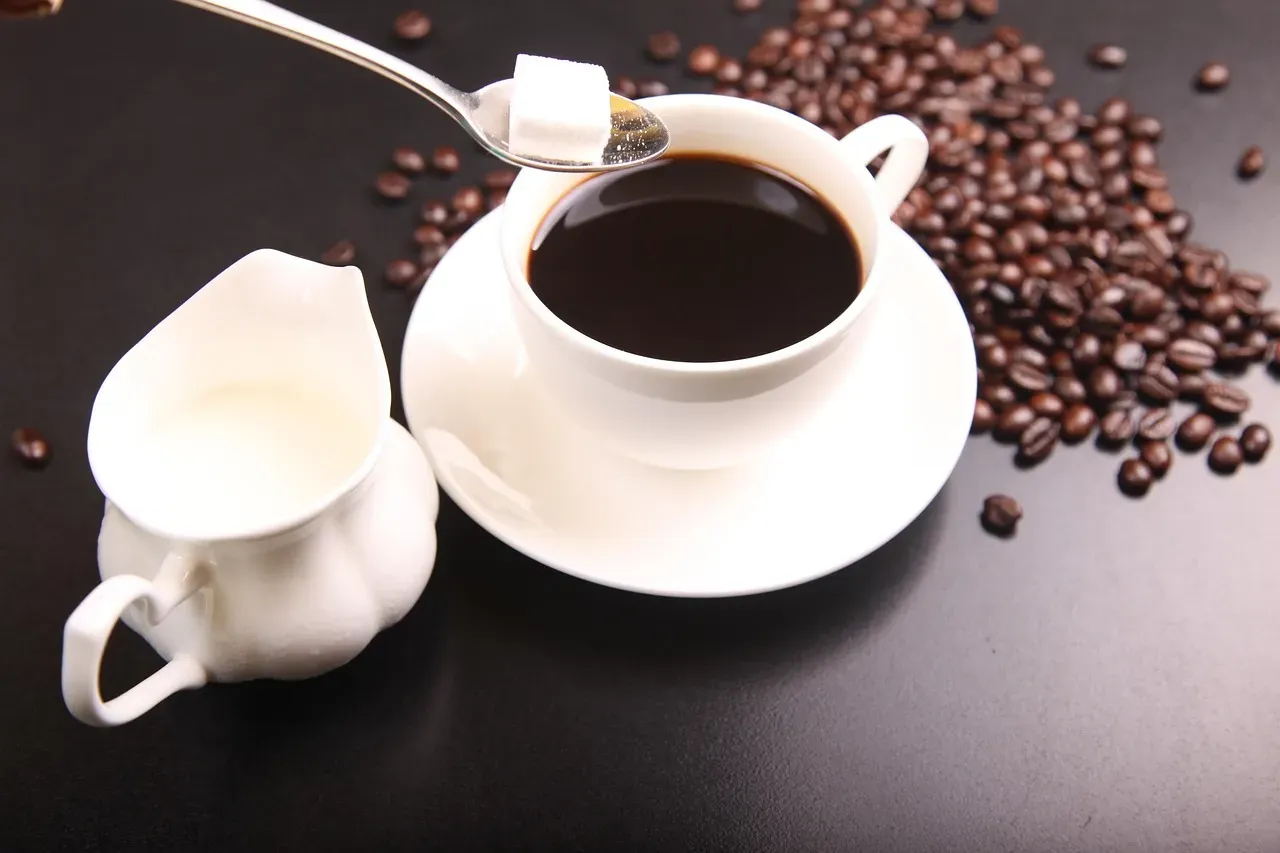
Mr. Coffee debuted in 1972 and ended the percolator era almost overnight. Before it, Americans brewed coffee in stovetop or countertop percolators that cycled boiling water back over the grounds repeatedly – essentially scorching the coffee the longer it ran. Nobody fully realized how bad their morning cup was until Mr. Coffee showed up with drip brewing and produced something dramatically smoother. The percolator had been standard for decades; it took about eighteen months for it to become obsolete.
In 1973, inventor Vincent Marotta convinced Hall of Fame baseball player Joe DiMaggio to become the brand’s spokesman – sealing the deal over a single lunch in San Francisco with a handshake and no lawyers. The combination of DiMaggio’s credibility and the product’s genuine quality drove sales to over one million units by April 1974. By Christmas 1977, department stores were selling more than 40,000 Mr. Coffees per day. That is not a misprint. Forty thousand units, daily, at the peak of the holiday season. Mr. Coffee didn’t just sell well – it permanently changed what Americans expected their morning coffee to taste like.
#17 – The Microwave Oven Was a Luxury Item That Cost More Than a Used Car
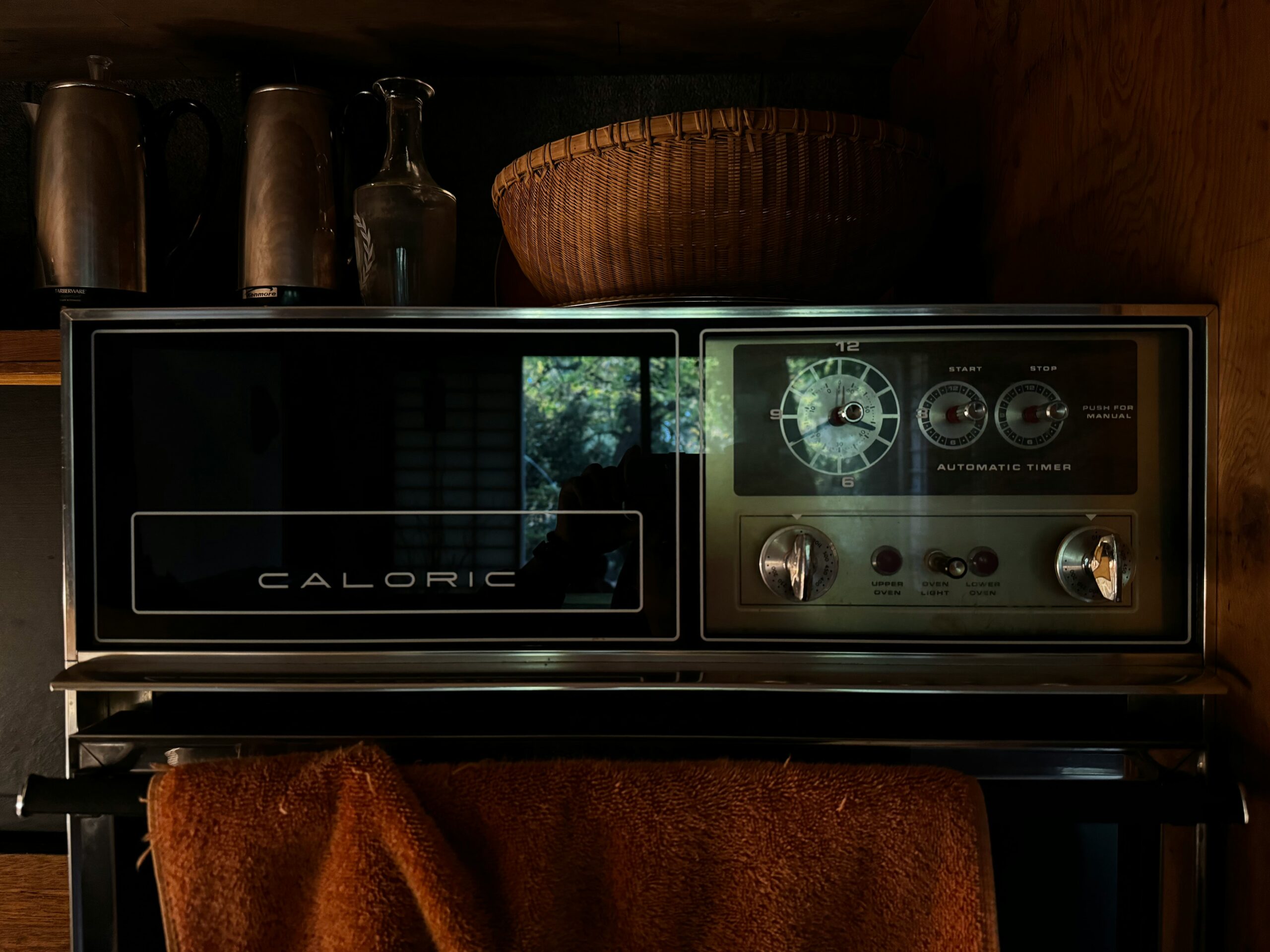
The microwave oven’s arrival in the 1970s felt like the future landing in the kitchen. Having one meant your household was operating at a different level – faster, more modern, less tethered to conventional cooking logic. What tends to get lost is how genuinely expensive early consumer microwaves were. When the Amana Radarange launched as a countertop model in the late 1960s, it cost roughly $500 – equivalent to several thousand dollars today. It was not a casual purchase.
By the mid-1970s, prices had come down enough for middle-class families to justify it, but a microwave still ran around $169 in a mid-sized American city in 1976 – at a time when a Crock-Pot cost under $10. The speed was the selling point: reheating leftovers in three minutes instead of twenty felt like a genuine superpower the first time you experienced it. Anyone born after 1985 has never known a kitchen without one. For most of the 1970s, owning a microwave meant you had made a serious, deliberate financial decision to own one.
#16 – The Electric Popcorn Popper Was an Event, Not Just an Appliance

Long before microwave popcorn existed, the electric popcorn popper was the only way to get a fresh, buttery, movie-theater experience at home – and it was an experience, not just a snack. The smell hit the whole house. The sound of kernels bouncing against the lid pulled everyone into the kitchen. Families stood around and watched it work, which sounds ridiculous now and felt completely natural then. The popper turned an ordinary weeknight into something worth gathering for.
The microwave popcorn bag eventually won on convenience, but it also made popcorn a solitary, invisible act – you push a button, walk away, and come back to a finished bag. The 1970s popper required attention, presence, and a bowl big enough for everyone. It turned popcorn into a family spectator sport. In retrospect, that sounds like the better Friday night. The fact that we traded it for a bag you’re not supposed to inhale directly from says something about the direction consumer culture decided to go.
#15 – The Stand Mixer Sat on the Counter Permanently and Was Never Put Away
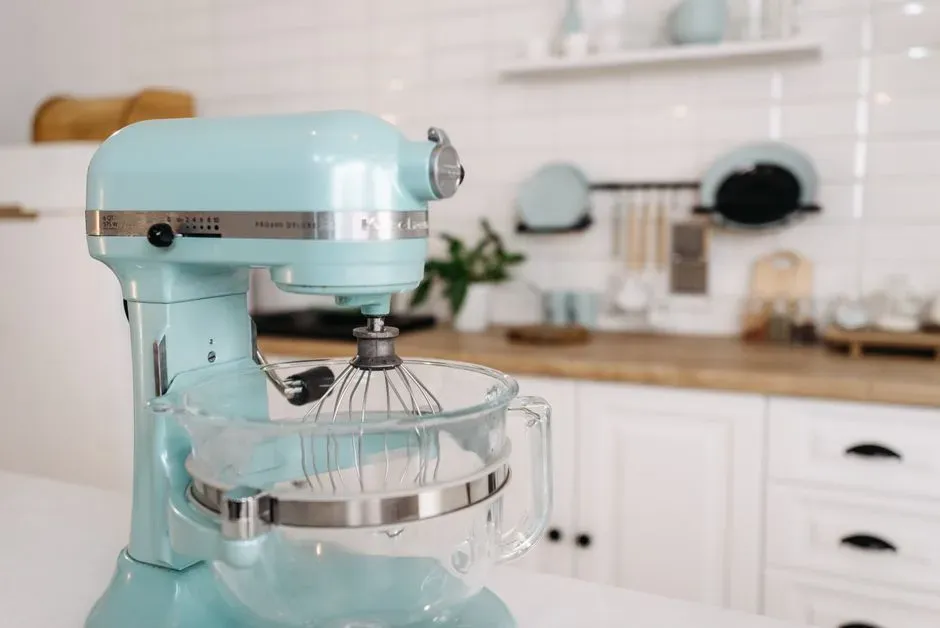
The avocado green stand mixer didn’t live in a cabinet. It lived on the counter, permanently, as part of the kitchen’s identity – as fixed a feature as the stove. Home bakers used it for cake batters, bread dough, and meringues, and the machine’s color and presence were as much a design statement as a practical tool. Today, stand mixers come out for special occasions and go back into storage. In the 1970s, putting one away would have been like folding up a piece of furniture.
The Sunbeam Mixmaster was built with a heavy all-metal body and a motor designed to run continuously for decades. These mixers are still actively sought by collectors not for nostalgia alone, but because they outperform many newer models in raw durability. A well-maintained Mixmaster from 1972 will very likely still be working in 2040. That is not a reasonable expectation for any appliance purchased at retail today, and the fact that it was once the baseline tells you exactly how much the industry’s standards have shifted.
#14 – The Waffle Iron Weighed About as Much as a Brick and Lasted Forever
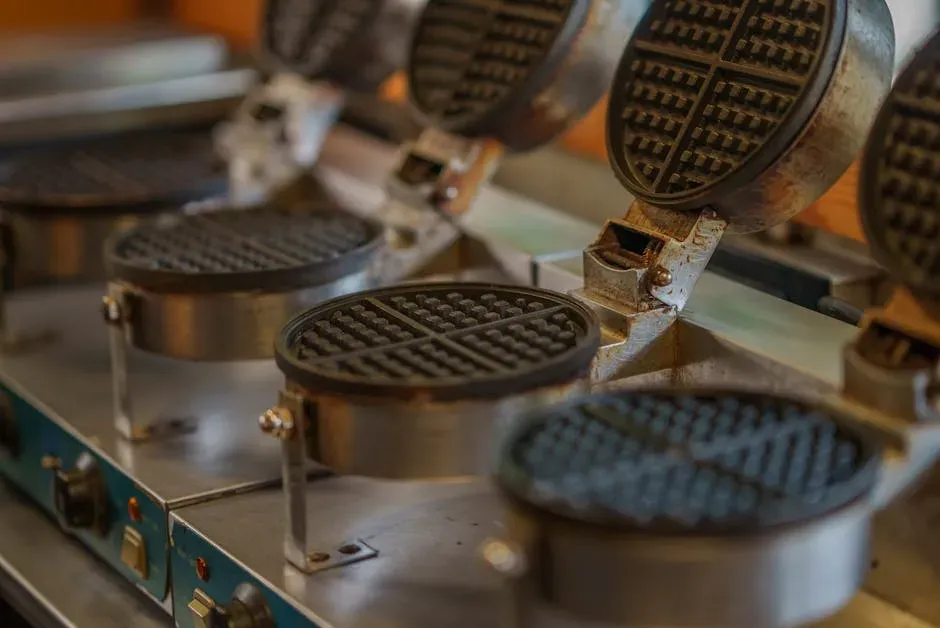
The 1970s waffle iron was heavy, solid, and built to stay in the family. Bronze or woodgrain finishes matched the decade’s earthy aesthetic, and the machine itself turned out golden, crispy waffles with a consistency that cheaper modern versions struggle to match. The smell of batter sizzling on the hot plates, the steam lifting from the iron, the weight of the lid pressing down – these were sensory experiences embedded in the weekly rhythms of millions of households.
What makes the 1970s waffle iron genuinely baffling to younger generations is that it was passed down. Not as an antique or a curiosity – as a functioning kitchen appliance that someone’s grandmother used, then their mother used, and that still works today. The idea that a kitchen appliance could be an heirloom is foreign to anyone who has bought a $30 waffle maker from a big-box store and watched it warp after two seasons. The 1970s version wasn’t just better built. It was built with a completely different assumption about how long things were supposed to last.
#13 – The Dishwasher Was a Sign That You’d Arrived
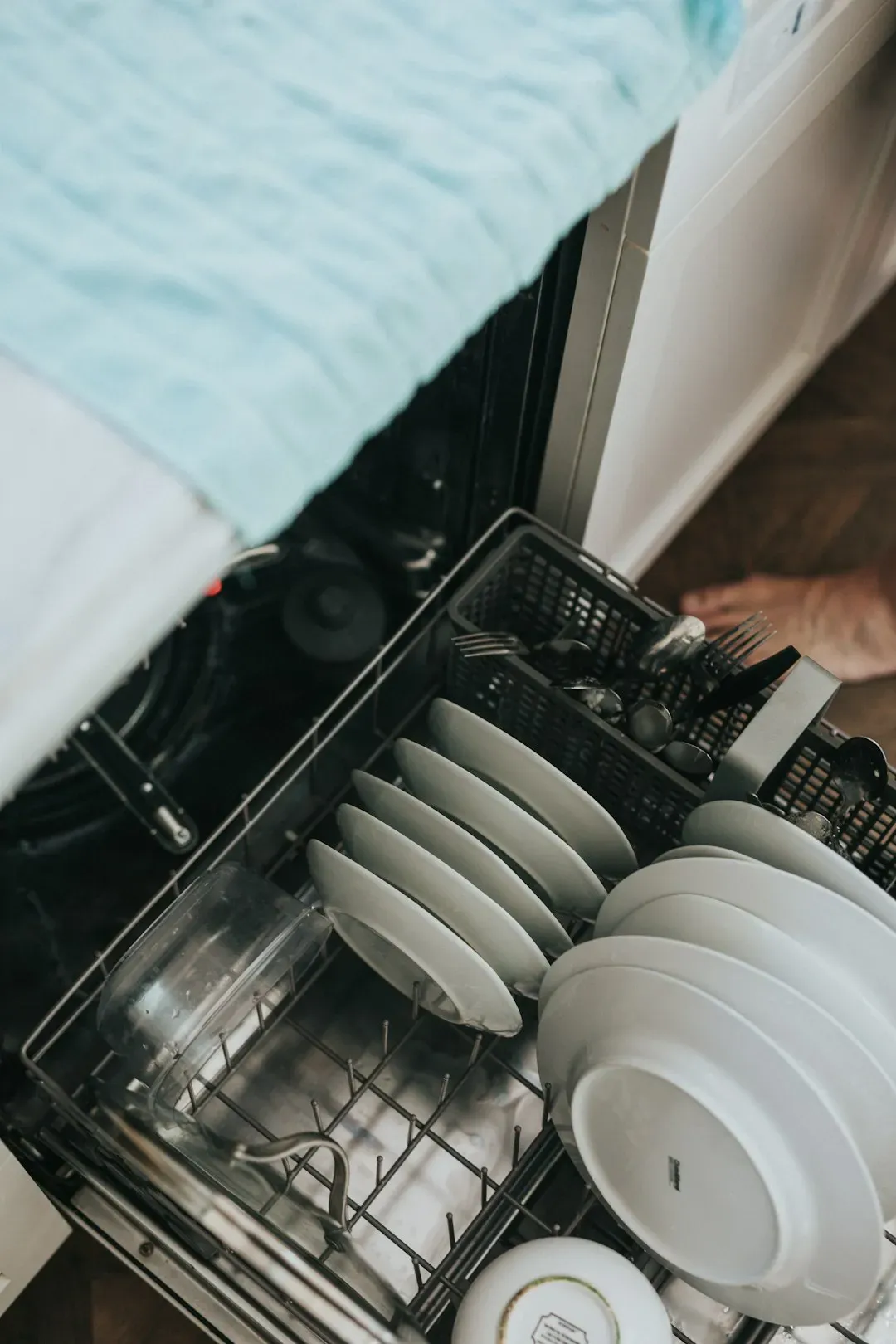
Having an automatic dishwasher in the 1970s was not a given – it was a declaration. The machine promised freedom from “dishpan hands” (a real concern that soap commercials actively capitalized on) and from the nightly ritual of standing at the sink while everyone else watched television. Early dishwashers were loud, occasionally left soap residue, and required specific loading techniques to actually get things clean. None of that mattered. The fact that a machine did the dishes at all felt like a genuine luxury.
A dishwasher ran about $259 in an average American market in 1976 – more than a full month’s rent in many cities at the time. It was not standard equipment in new homes the way it is today. Owning one meant your family had made a conscious choice to spend real money on domestic convenience, and that choice was visible to anyone who came over for dinner. The appliance that anyone born after 1985 simply assumes is part of a kitchen was, for most of the 1970s, something you either had or you didn’t – and the difference was noticeable.
Quick Compare: Then vs. Now on Key Appliances
| Appliance | 1970s Reality | Today |
|---|---|---|
| Dishwasher | ~$259; a deliberate luxury purchase | Standard in most new homes |
| Microwave | $169–$500+; a major financial decision | Under $60; assumed in every kitchen |
| Crock-Pot | $25; considered expensive for the era | ~$30–$60; nearly 12 million sold yearly |
| Stand Mixer | All-metal; lived on the counter permanently | Often stored away; many plastic components |
#12 – Warming Trays Were the Secret Weapon of Every Party Host
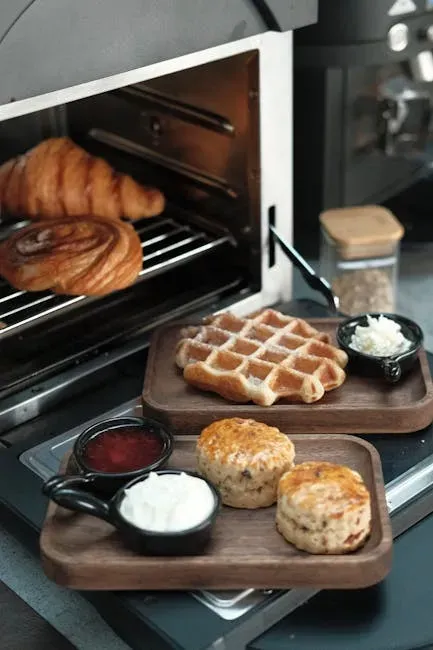
The warming tray was built for a specific kind of entertaining that has almost entirely disappeared: the long, unhurried cocktail party where food needed to stay hot for two or three hours because guests were expected to graze, not sit. These trays kept appetizers and side dishes at serving temperature without a microwave nearby, and they looked like they belonged at the party – many featured geometric patterns, floral embellishments, or warm wood finishes that matched the paneled walls and shag rugs of the era.
Today we’d text guests to come eat now before it gets cold, then reheat things twice and apologize. In the 1970s, you planned for the extended social hour, and your warming tray handled the logistics without drama. It was an appliance built around an assumption that people had time – and the expectation that a dinner party was an event lasting several hours, not a meal lasting ninety minutes. That assumption is gone. The warming tray went with it.
#11 – The Electric Carving Knife Made Thanksgiving Feel Like Surgery
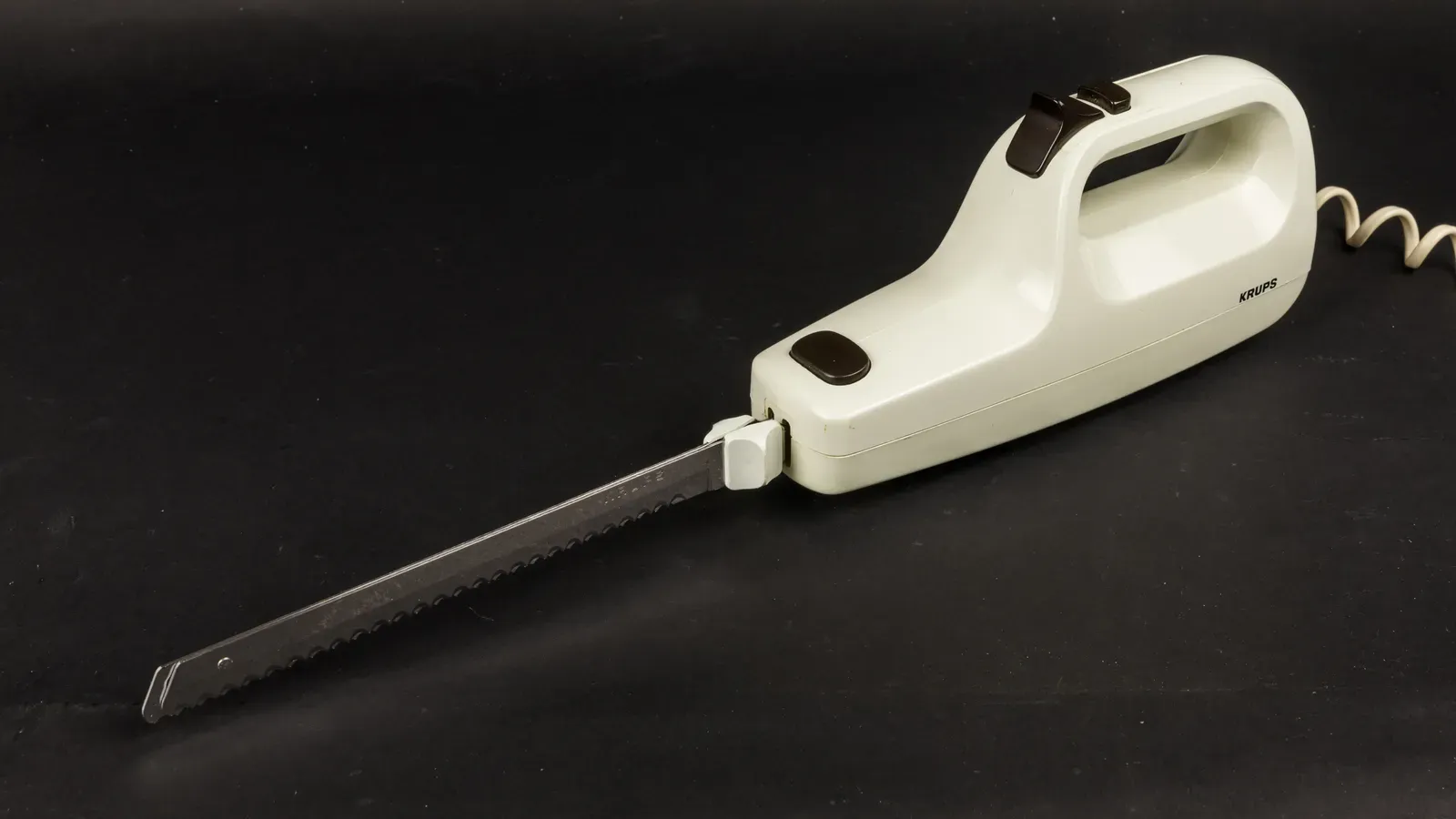
The electric carving knife was exactly what it sounds like: two serrated blades vibrating against each other at high speed, slicing through roasts and Thanksgiving turkeys with a mechanical buzz that filled the dining room. For anyone who grew up in a ’70s household, the sound of that knife humming to life on a holiday was as iconic as the smell of the bird itself. Dad wielding an electric blade over the turkey was an annual performance, and the whole table watched.
It required no carving skill, no arm strength, and no technique – you pressed the button and guided the machine. Anyone born after 1985 encountering one for the first time tends to find the concept mildly alarming, given that it is, functionally, a handheld power saw pointed at dinner. That was entirely the point. The 1970s believed that if electricity could do a job a human had been doing by hand, that was unambiguously progress. The electric carving knife is that philosophy in its purest form.
#10 – The Ice Crusher Was How You Made Fancy Drinks Before Built-In Ice Makers

Before refrigerators came with built-in ice makers and crushed-ice dispensers on the door, getting cocktail-ready ice required a dedicated countertop machine. The Rival Ice-O-Mat and its competitors sat on bar carts and kitchen counters across America, often requiring a manual crank to shave or crush ice cubes down to the right size for a proper drink. This was not considered inconvenient. This was considered doing it correctly. Crushed ice was something you made deliberately, before company arrived, as part of preparing to entertain.
The cocktail hour was a genuine institution in the 1970s American home, and the ice crusher was essential equipment. When refrigerators eventually began offering built-in crushed ice as a feature, it was genuinely marketed as something worth marveling at. The fact that a freezer door dispensing ice was considered marvel-worthy tells you exactly where the baseline was. Today it’s the minimum expectation on any mid-range refrigerator. In 1974, it was the future.
#9 – The Blender Had 16 Speeds and You Used Maybe Two of Them
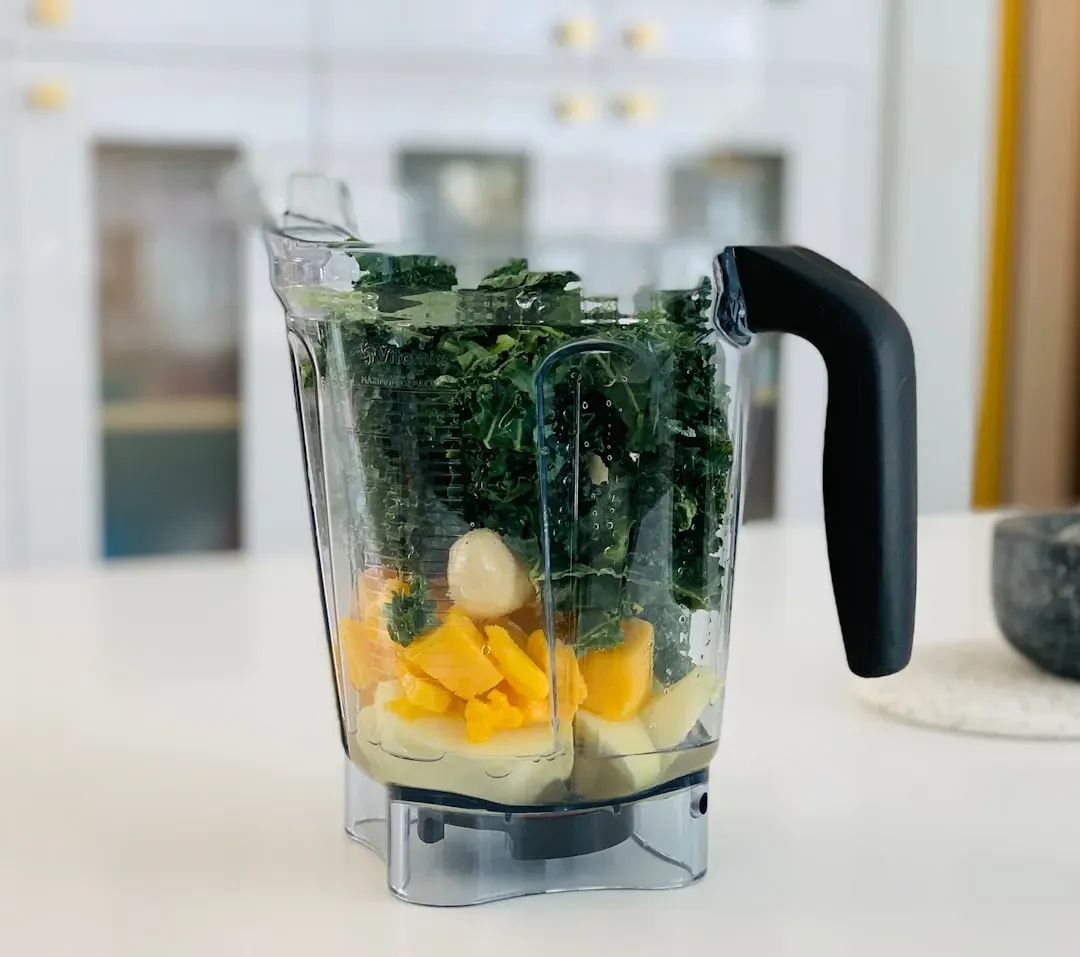
Sixteen speeds. On a blender. The marketing logic held that more speeds meant more control, more sophistication, more technology – and in the 1970s, that argument landed. A row of buttons running from “stir” to “liquefy” looked undeniably impressive on the counter, and impressive-looking was a genuine value in a decade where kitchen appliances doubled as status signals. In practice, most people hit the highest setting and let it run. The other fourteen speeds were largely theoretical.
The multi-speed blender was a permanent counter fixture, not a cabinet appliance – it sat out, visible, as a declaration of kitchen capability. Modern blenders have largely gone the opposite direction: today’s premium models advertise simplicity, with one or two programs and a clean interface. The 1970s insisted on sixteen options and expected you to feel good about having them. More buttons meant more modern. The fact that nobody needed most of those buttons was beside the point entirely.
#8 – “The Baconer” Was a Real Appliance Built Specifically to Cook Bacon
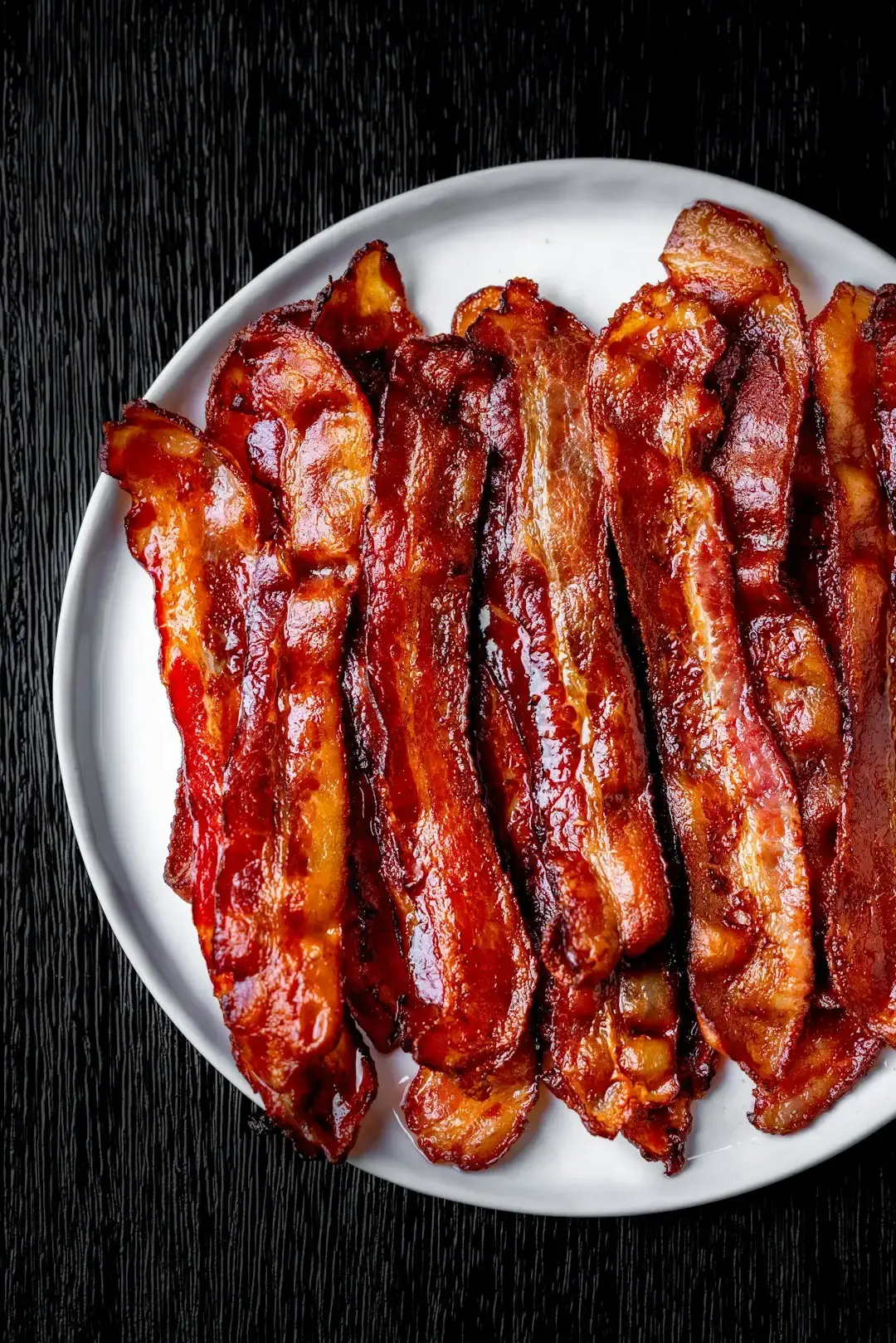
The Baconer was a real product, shaped roughly like a toaster, with a Teflon surface heated to your preferred crispiness setting, designed to do one thing: cook bacon. Not eggs. Not sausage. Bacon. It was a completely natural fit in the 1970s kitchen, where the prevailing logic was not “one appliance that does everything” but “a specific, well-built appliance for every specific task.” The Baconer sat on the counter next to the electric can opener, the food processor, the blender with sixteen speeds, and the dedicated popcorn popper.
This is the part that genuinely baffles younger generations most – not any single gadget, but the overall philosophy. The 1970s kitchen was a room full of specialists. There was a device for melon balls. A device for hot dog buns. A device for bacon. Modern kitchen culture has moved so far in the opposite direction – toward single multifunctional appliances and minimal counter footprint – that the 1970s approach reads almost as absurdist. And yet: some of those specialists worked beautifully, and nobody ever ate a bad piece of Baconer bacon.
#7 – The Clock Radio Was the First “Smart” Bedside Device

The clock radio did two things at once – told time and played music – and in the early 1970s, that combination felt genuinely futuristic to people who had grown up with wind-up mechanical alarms. The shift from analog dials to glowing red LED numbers was a small visual revolution: suddenly your bedside table had a device that looked like it belonged on a spaceship. The flip-clock version, with its soft mechanical clicking as numbers turned over, became one of the decade’s most distinctive sounds.
You didn’t tap a screen or ask a voice assistant to set an alarm. You turned a physical dial, double-checked whether you’d landed on AM or PM, and trusted the machine to do the rest. The anxiety of that small uncertainty – did I set it right? – is something younger generations have never experienced in quite that form. The aesthetic has made a full comeback: retro flip clocks now sell for premium prices as deliberate décor choices, purchased by people who want the look of the 1970s bedside table without the actual uncertainty about whether the alarm will fire.
#6 – The JVC Videosphere TV Looked Like It Came From Outer Space
The JVC Videosphere television was shaped like a space helmet. Not metaphorically – it was a literal sphere on a swinging base, designed to look like something from a science fiction film, and it functioned as a completely real television that people put in their kitchens, bedrooms, and dens. It was portable. It was compact. And it was the most visually striking object in any room that contained one. The design ethos of the 1970s was not “blend into the background.” It was “be noticed immediately.”
Color television itself was still new enough in the early 1970s to feel like an event – upgrading from black-and-white to color meant watching the evening news become something you actually looked forward to. Giant console TVs in wooden cabinets occupied prime living room real estate, and if yours came with a remote control, you felt the specific satisfaction of never having to get up to turn the dial. That detail – physically walking across the room to change a channel – is the one that generates the most disbelief from younger viewers. The 1970s required a level of physical commitment to television that is genuinely unimaginable today.
#5 – The Kenmore Washer Was Built to Last Decades Without a Single Repair
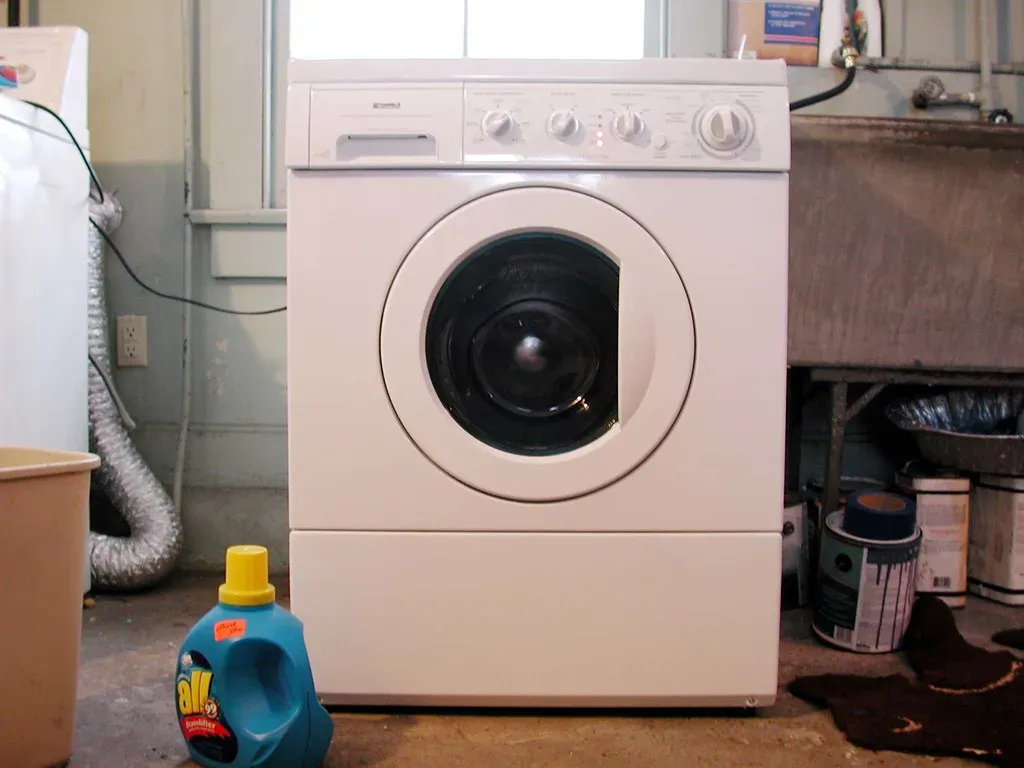
The Kenmore 80 Series washer was legendary for a simple reason: it had almost no electronic components. Just a motor, mechanical timers, hoses, and a drum. Simple systems don’t fail. Complex systems do. The 1970s Kenmore was deliberately, almost stubbornly simple – which meant it ran for twenty, thirty, sometimes forty years without a service call. People who own them today are not surprised. They expected it.
This is the single fact that tends to genuinely frustrate younger homeowners when they hear it. Their grandparents bought a washing machine once. One time. And never thought about buying another one. The reason modern appliances break faster is not mysterious: more electronic components create more failure points, and the economics of appliance manufacturing have shifted toward replacement rather than repair. The 1970s Kenmore knew nothing about those economics. It just kept running. Some of them still are.
#4 – The CB Radio Turned Living Rooms Into a Social Network Decades Before the Internet
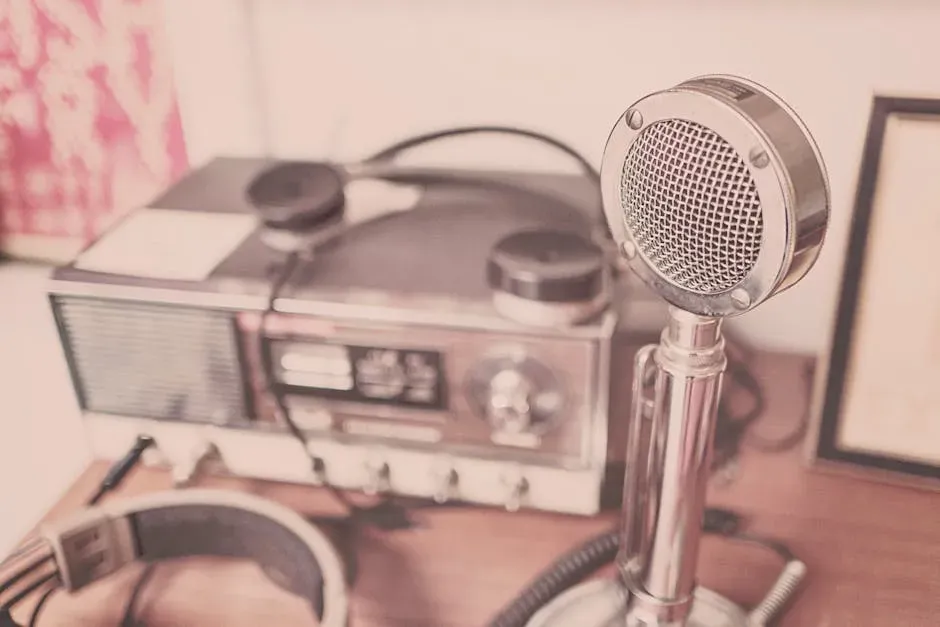
The CB radio craze of the mid-to-late 1970s is almost impossible to explain to anyone who didn’t live through it. Fueled in part by Smokey and the Bandit and a genuine countercultural appeal, the CB radio let ordinary people talk to strangers across several miles using anonymous handles. Truckers, teenagers, housewives, and businessmen all had them. People installed them in their homes, not just their cars. The craze got so large that the FCC established a dedicated zip code in Gettysburg, Pennsylvania – 17326 – just to handle the flood of incoming license applications. At the CB’s peak year of 1979, there were approximately 14 million licensed CB users in the United States.
Anonymous. Real-time. Community-based. Organized around handles instead of real names. The 1970s did not invent social media, but they built a hardware version of it and put it in millions of living rooms. By 1977, the original 23 channels were so overwhelmed by users that the FCC expanded the band to 40 channels to accommodate demand. The fact that we look back at the CB radio as quaint and look at social media as inevitable says something interesting about how we tell the story of technology.
Worth Knowing: The CB Radio by the Numbers
- Peak year: 1979 – approximately 14 million licensed CB users in the U.S.
- The FCC had to create a dedicated zip code (Gettysburg, PA: 17326) solely to process the volume of license applications
- Original band: 23 channels; expanded to 40 channels in 1977 to handle the surge in users
- License cost dropped from $20 in the early 1970s to $4 by March 1975, fueling even wider adoption
- Individual licensing ended entirely on April 28, 1983 – the craze had already burned bright and faded
#3 – The Harvest Gold Refrigerator Was the Emotional Heart of the Whole House
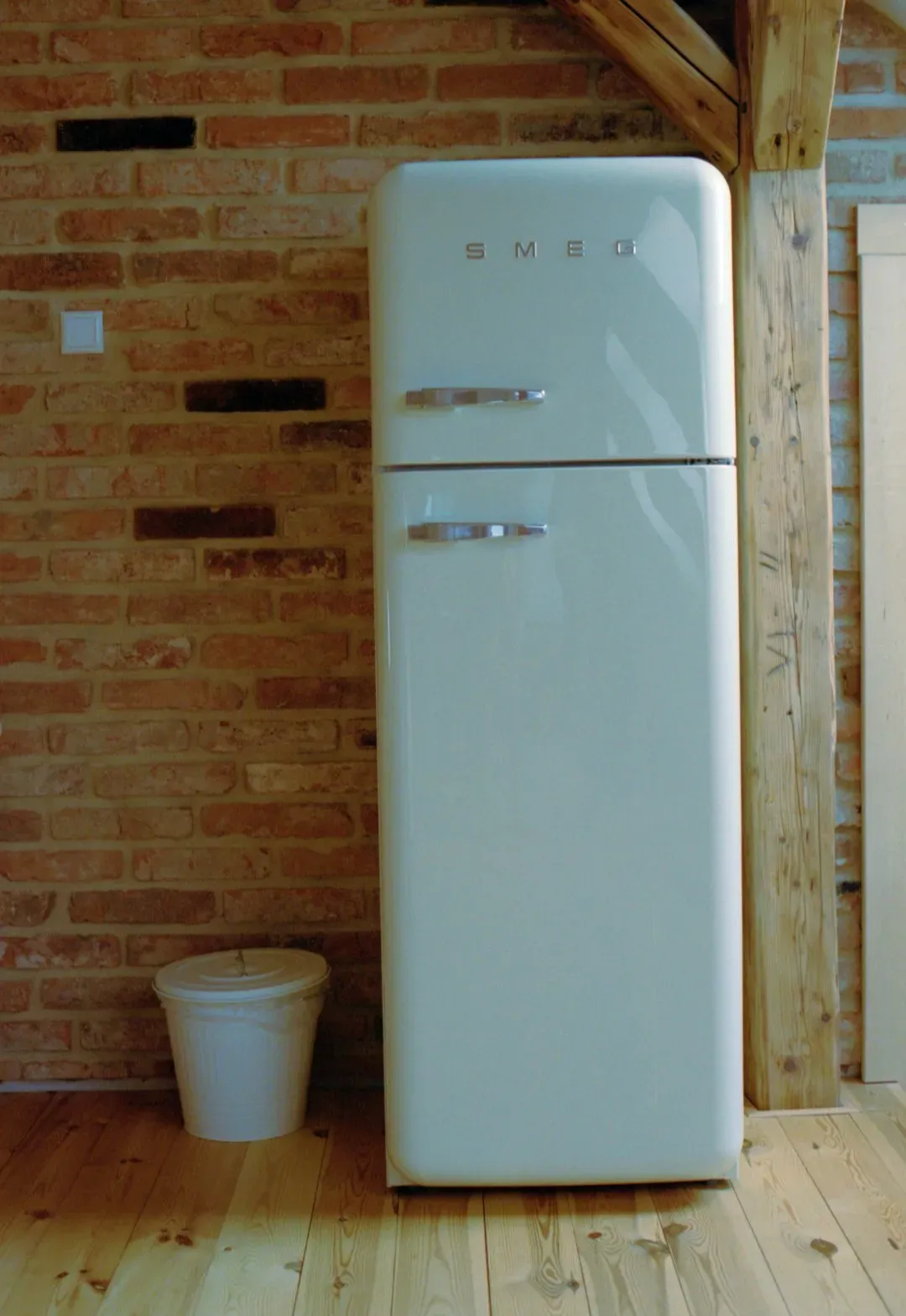
The harvest gold refrigerator was not just an appliance – it was a fixture in the emotional geography of the 1970s home. Its warm, rounded doors and chrome handles anchored the kitchen the way a fireplace anchors a living room. Families opened it dozens of times a day. It hummed steadily in the background of every meal, every after-school snack, every late-night conversation in the kitchen. The color, which looks jarring in photographs now, looked completely right next to avocado cabinets and wood paneling.
Many of these refrigerators were replaced not because they stopped working, but because the color stopped fitting the decade. That’s a specific kind of loss – disposing of something functional because culture moved on. For the people who kept theirs, or who grew up around one, the sight of harvest gold triggers something physical: the weight of the handle, the particular hum of the compressor, the cold rush of air on a summer afternoon. Nostalgia for an appliance is real, and the harvest gold refrigerator earns every bit of it.
#2 – The Sunbeam Mixmaster Is Still Running in Homes Right Now, 50 Years Later
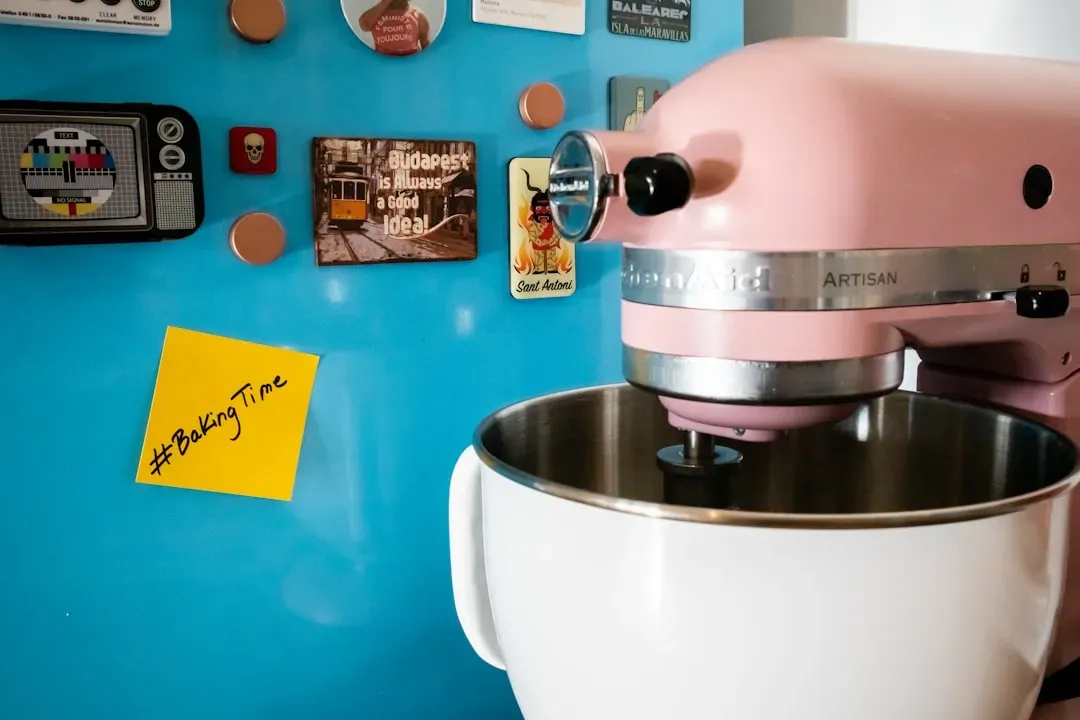
The Sunbeam Mixmaster was built with a heavy all-metal body, a powerful motor, and essentially no electronic components to fail. Collectors actively seek out vintage units not for display but for daily use, because a well-maintained Mixmaster from 1971 will outperform many newer machines and has a realistic chance of running for another fifty years. These are not exaggerated claims made by nostalgic enthusiasts. They are the straightforward result of a design philosophy that prioritized longevity over everything else.
The planned obsolescence model – building products to be replaced on a cycle – was not yet the dominant logic of American consumer manufacturing in the 1970s. Appliances were designed to last because lasting was the expectation, and because the people buying them expected to own one for life. The Sunbeam Mixmaster, the Kenmore washer, the cast-iron waffle iron – all of them reflect the same underlying assumption: you buy it once, you maintain it, and it serves you until you decide you’re done with it. That assumption is almost entirely gone from modern retail. The machines are still running. The philosophy isn’t.
#1 – The Entire 1970s Kitchen Was Designed Around People Staying in the Room Together

Look at every appliance on this list – the fondue pot, the electric skillet, the warming tray, the popcorn popper, the ice crusher for the cocktail hour – and a single design intention becomes visible underneath all of them. They were built for rooms with people in them. The 1970s kitchen was not a passthrough space optimized for speed and minimal cleanup. It was a gathering place, designed to slow things down, keep people close, and turn ordinary evenings into something worth remembering.
That is the thing that genuinely baffles anyone born after 1985, and it has nothing to do with the technology and everything to do with the intention behind it. The modern kitchen optimizes for solo use, fast turnaround, and invisible effort. The 1970s kitchen optimized for noise, color, togetherness, and the specific pleasure of watching a pot of cheese melt while someone put on a record. We traded one version for the other and mostly didn’t notice until the fondue sets started showing up at estate sales for three dollars apiece – still perfectly functional, waiting for someone to plug them back in.
Which of these did you grow up with? And which one makes absolutely zero sense to you now? The comments are open.