
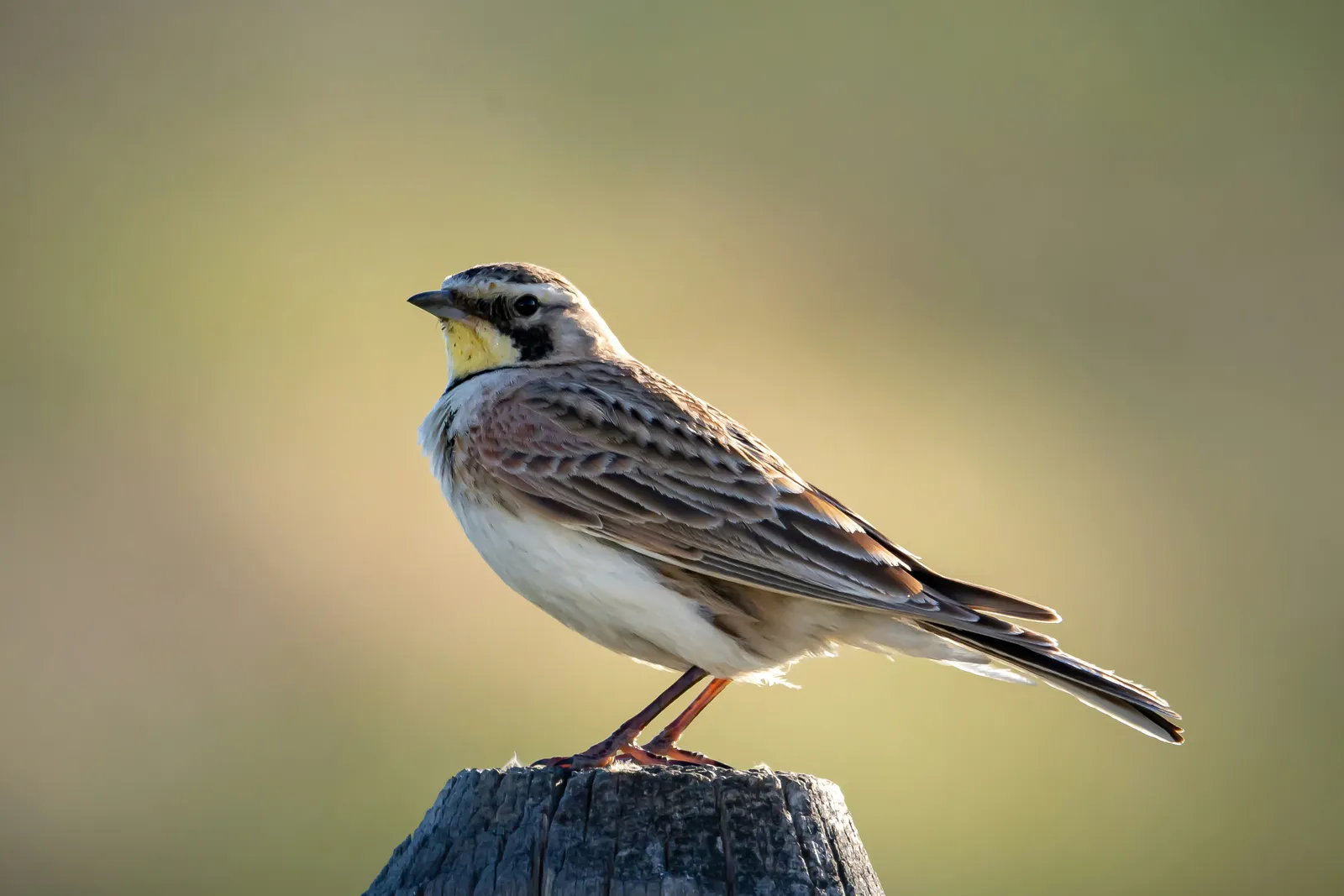
On a clear February morning in 2026, two experienced French ornithologists stood in the Abou Telfane Game Reserve in central Chad, scanning the Sahelian landscape for signs of life. The day began with familiar heat and a light breeze, conditions that had drawn Pierre Defos du Rau and Julien Birard back to the region repeatedly since 2016. Their work focused on tracking migratory species that cross vast distances to reach these wetlands, while noting the growing pressures on those habitats.
Long Absence From Records
The rusty lark had not been documented by scientists for nearly a century before this expedition. Its disappearance from formal records left ornithologists with little more than historical notes and speculation about its status. The find in Chad now places the species back on the map of known distributions in the Sahel. Defos du Rau, affiliated with the French Biodiversity Agency, and Birard, from the Tour du Valat Research Institute, have built extensive datasets on regional bird movements over the years. Their surveys document both routine arrivals and emerging concerns tied to habitat loss. Construction of farms and settlements continues to shrink wetland areas, while shifting rainfall patterns intensify dry spells that affect water sources.
Joint Effort on the Ground
Local partners joined the French team that day. Idriss Dapsia and Abakar Saleh Wachoum, representing Chad’s governmental department for wildlife and protected areas, contributed essential knowledge of the reserve and its conditions. The collaboration reflects ongoing bilateral work to monitor biodiversity across borders. The group had planned to search for another localized species, the Kordofan rufous sparrow. Instead, the morning yielded the unexpected confirmation of the rusty lark. Such outcomes illustrate how systematic fieldwork can produce results beyond initial targets. – Habitat conversion for agriculture and urban growth
– More frequent and severe droughts linked to climate trends
– Hunting pressure in areas with limited food security
Broader Context for Migratory Routes
Birds traveling between Europe, the Mediterranean, and the Sahel face cumulative risks along their paths. The reserve serves as a critical stopover, yet its wetlands remain vulnerable to both human activity and environmental change. Continued monitoring helps identify which species persist and which face steeper declines. The rediscovery adds one verified data point to a longer record of observations collected since 2016. It also underscores the value of sustained presence in remote sites where access and resources are limited.
Next Steps in Monitoring
Further surveys will help clarify the current range and population size of the rusty lark in Chad. The same teams plan additional visits to track seasonal patterns and any new threats that emerge. Reliable records support better decisions on protection measures for the wetlands that sustain many migratory species. This single sighting does not resolve every question about the bird’s status, yet it demonstrates that targeted fieldwork in understudied areas can still yield meaningful updates. The effort continues through the established partnership between the two countries.