
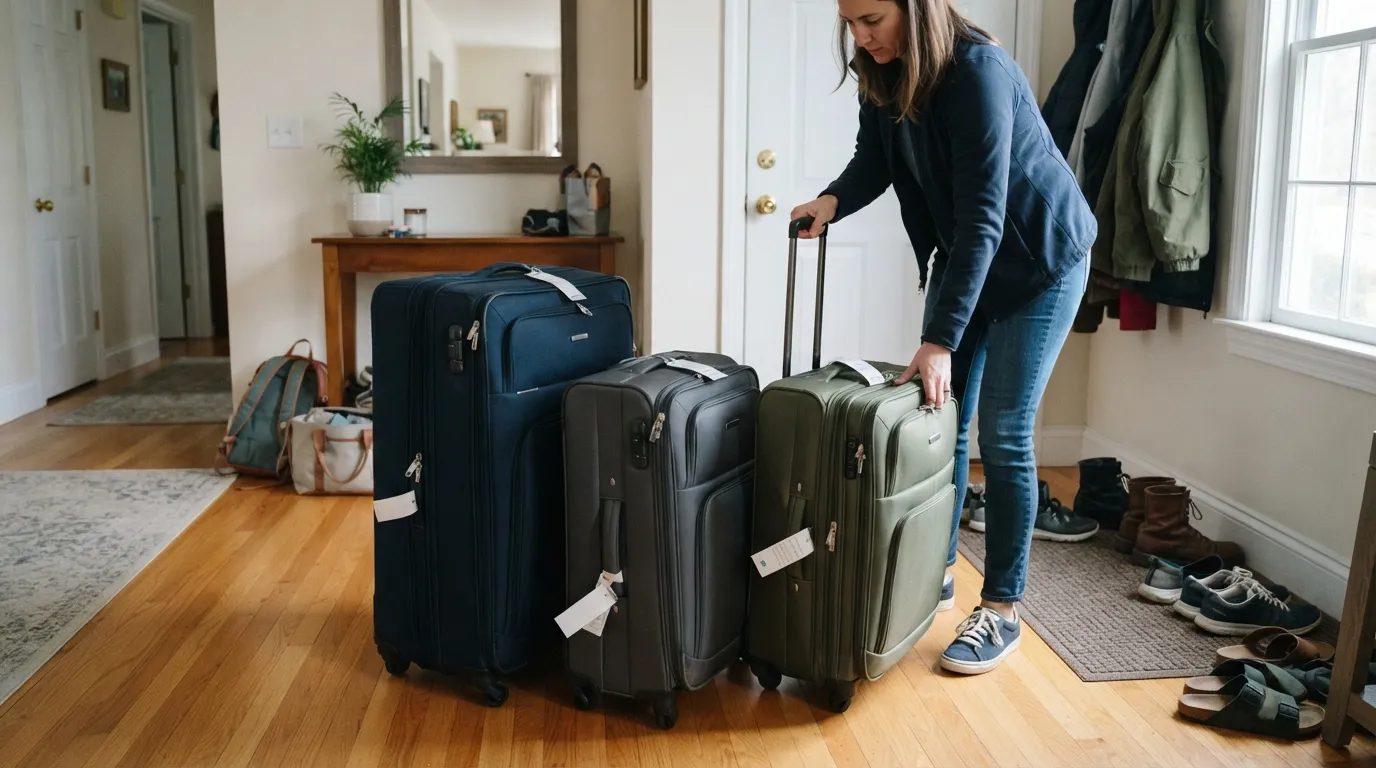
Everyone braces for the airport to nickel-and-dime them. The bin fees, the overpriced water, the gate agent with bad news. But here’s the twist nobody tells you: by the time you’re standing in that line, the money is already gone. It walked out the door with you, folded inside your suitcase.
The real damage happens days earlier, at home, while you’re zipping a bag or clicking “confirm” on a booking screen. Airlines and parking lots have quietly turned ordinary habits into hidden revenue, and most travelers never even notice the moment it happened. Here’s where the money actually leaks out.
#7 – Skipping the Bathroom Scale Before You Ever Leave the House
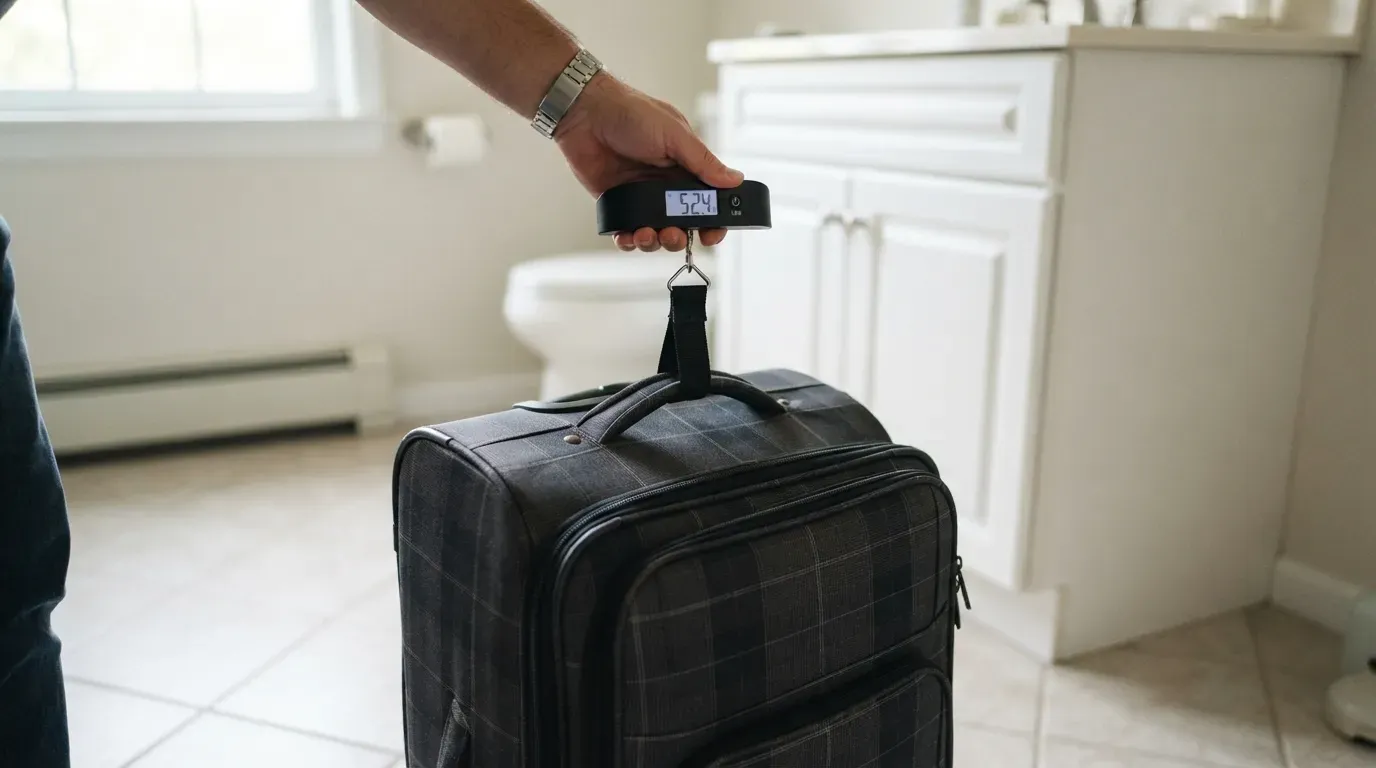
Skipping a five-second scale check at home is one of the most preventable ways to lose money before you board. Overweight baggage fees generally run $100 to $200, depending on the airline and how far over the limit your bag falls, since most carriers cap standard checked bags at 50 pounds and 62 linear inches.
Fast Facts
- 50-53 lbs: Bags that weigh more than 50 pounds or up to 53 pounds incur a $30 fee.
- 54-70 lbs: Bags that are more than 53 pounds but less than 70 pounds cost $100 (or $200 if you’re flying to Cuba).
- 70-100 lbs: For bags that are over 70 pounds and up to 100 pounds, the fees range from $200 to $450.
- A $15 luggage scale pays for itself the very first time you use it.
The fix costs about $15 at any big-box store. Weigh your bags at home and the fee simply disappears, no negotiation required. Most travelers only find out they’re over the limit when an agent breaks the news at the counter, and by then there’s no way out of paying.
#6 – Tossing In Skis, Golf Clubs, or a Guitar Without Checking the Fine Print
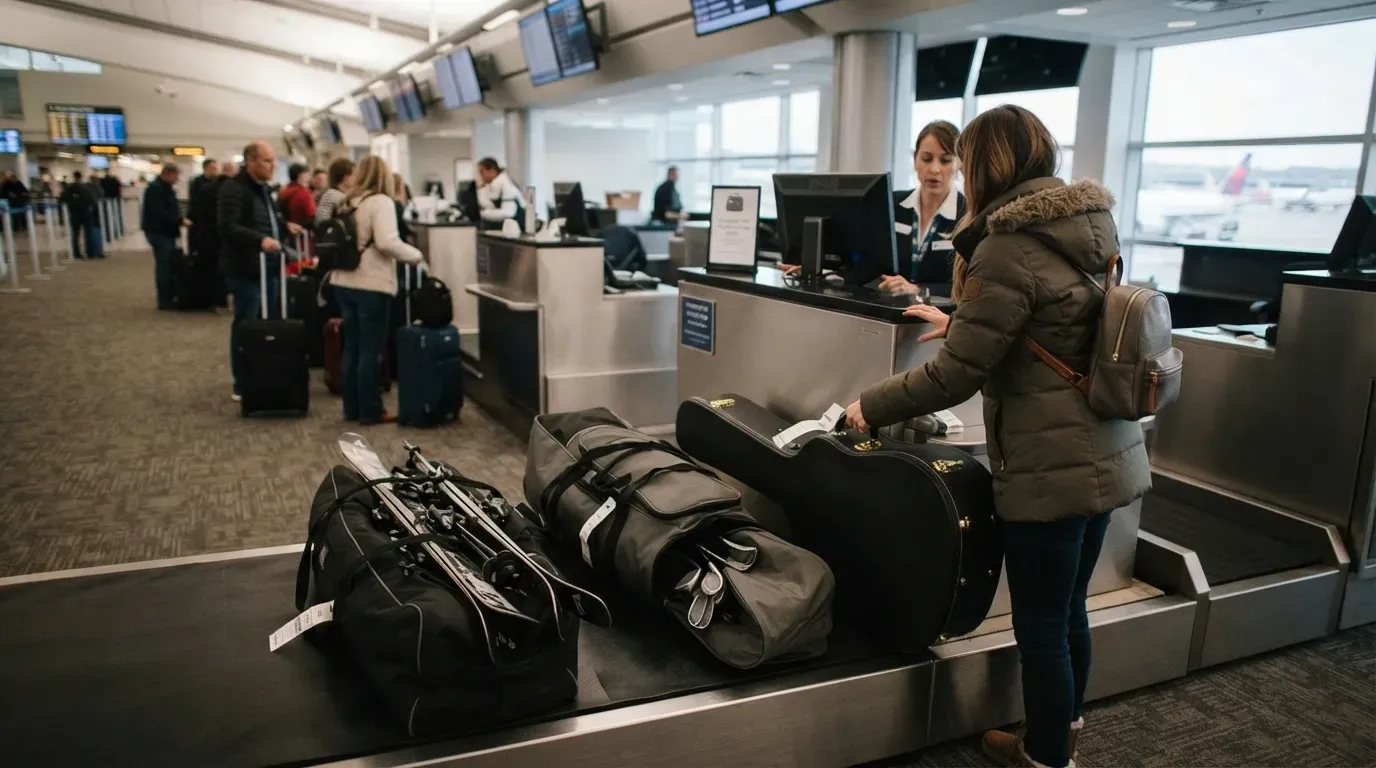
Specialty gear doesn’t play by normal baggage rules, and that catches even seasoned travelers off guard. Oversized items like sports equipment or musical instruments typically run $75 to $200, with some carriers charging as much as $500 for bulky gear depending on size and weight.
The mistake isn’t bringing the gear – it’s assuming it counts as a regular checked bag. Skis, golf bags, and instrument cases almost always trigger an oversize or overweight surcharge stacked on top of the base checked-bag fee, not instead of it. Families flying to a ski trip or a golf weekend routinely get hit with two separate charges on the same piece of luggage.
#5 – Buying a “Great Deal” Suitcase That’s Secretly Too Big
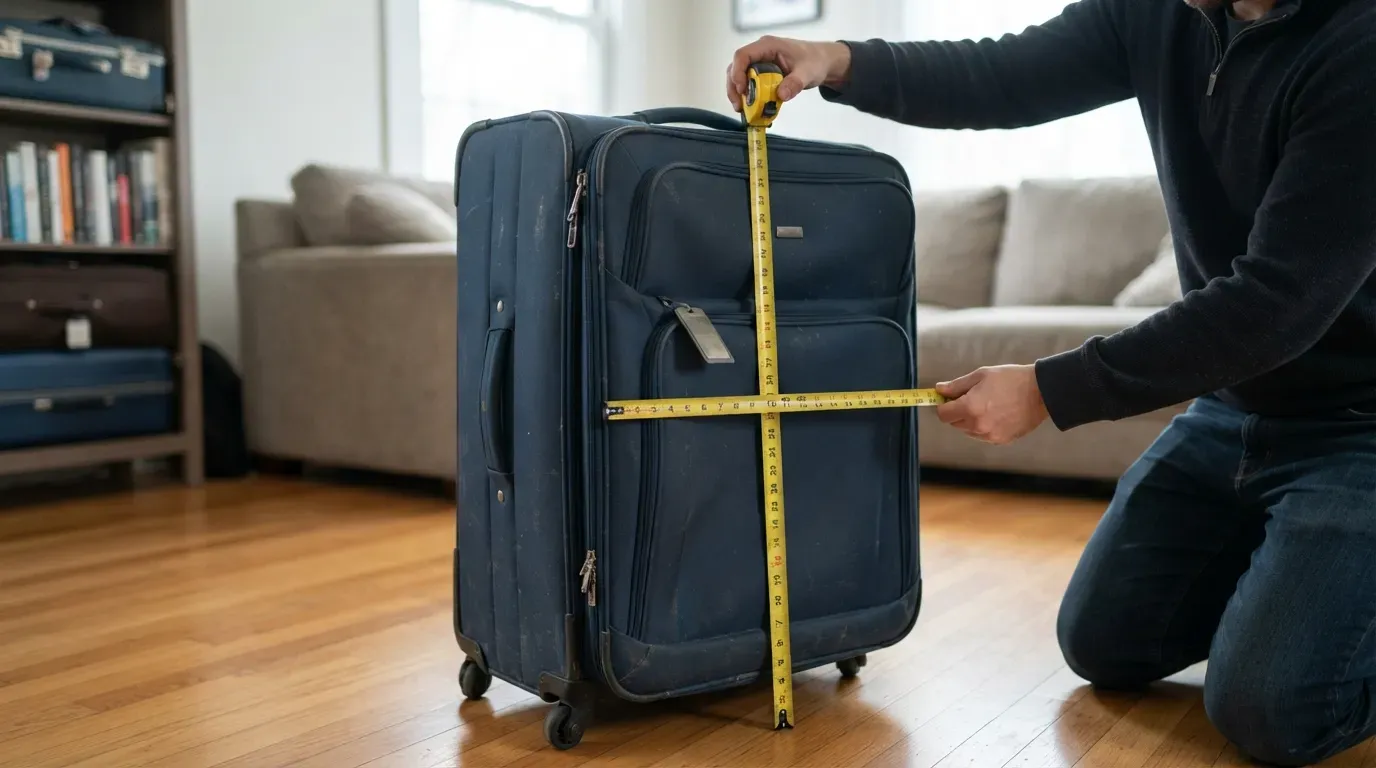
A suitcase can weigh almost nothing and still cost you a fortune if it’s the wrong shape. Airlines measure bags in linear inches – length plus width plus height combined – and the maximum size before oversize fees kick in is 62 linear inches, even if the bag is nowhere near the weight limit.
A bag that clears that total gets charged extra, even if it’s practically empty inside. Plenty of budget-friendly “expandable” suitcases sold online quietly exceed that threshold once fully zipped out, and shoppers rarely think to measure before buying. It’s a packing mistake made months before the trip, at a completely different checkout screen.
#4 – Booking Basic Economy and Assuming Carry-On Is Included
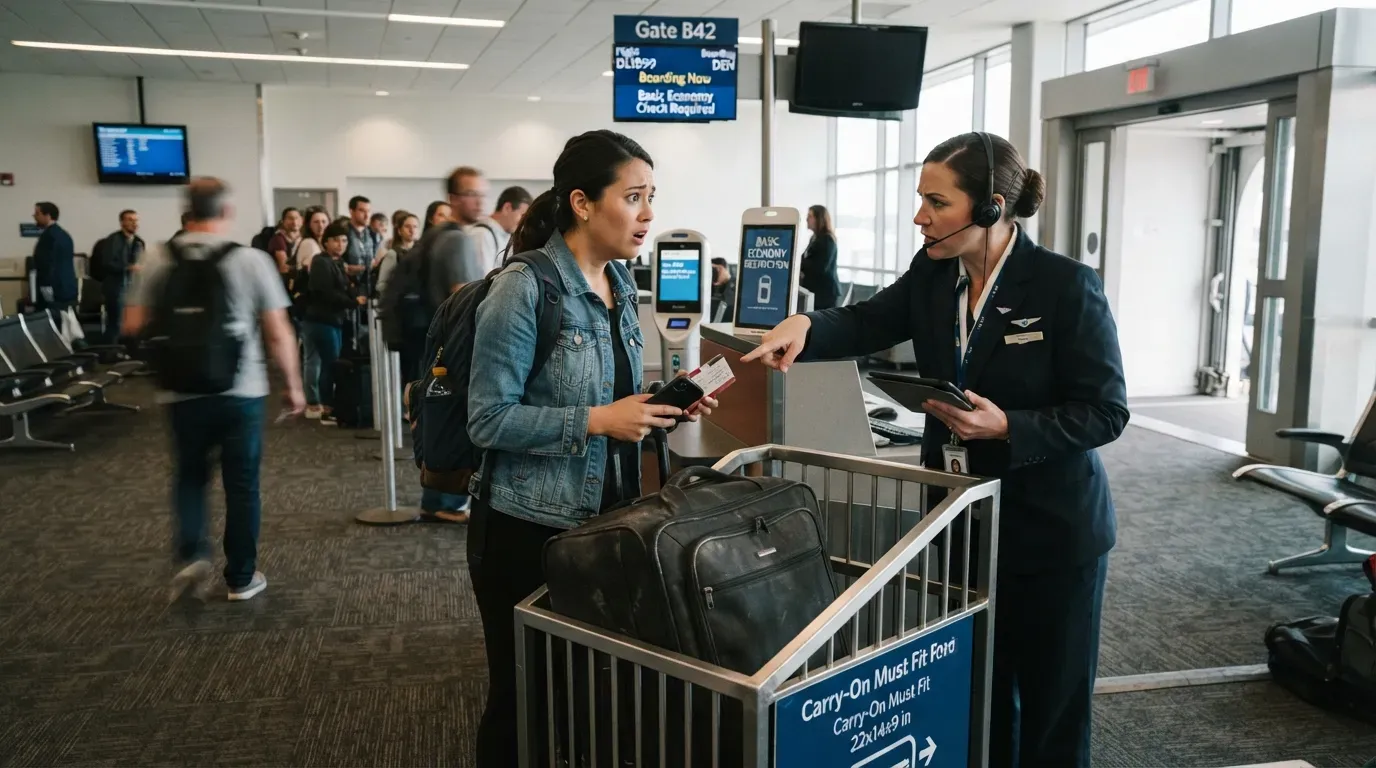
Basic economy looks like a steal until the boarding gate turns into a billing counter. Travelers should never assume a free carry-on comes with a basic economy ticket, since this discounted fare category usually only covers transportation and a small personal item.
As rock-bottom fares have spread across the industry, restrictions on carry-ons, checked bags, seat selection, and boarding order have gotten stricter, not looser. Some airlines still let basic economy passengers bring a full-size carry-on, while others limit them to a personal item only, like a small backpack. The mistake happens the moment you pack a “carry-on” that your ticket never actually promised you.
#3 – Waiting Until the Counter to Pay for Your Bags
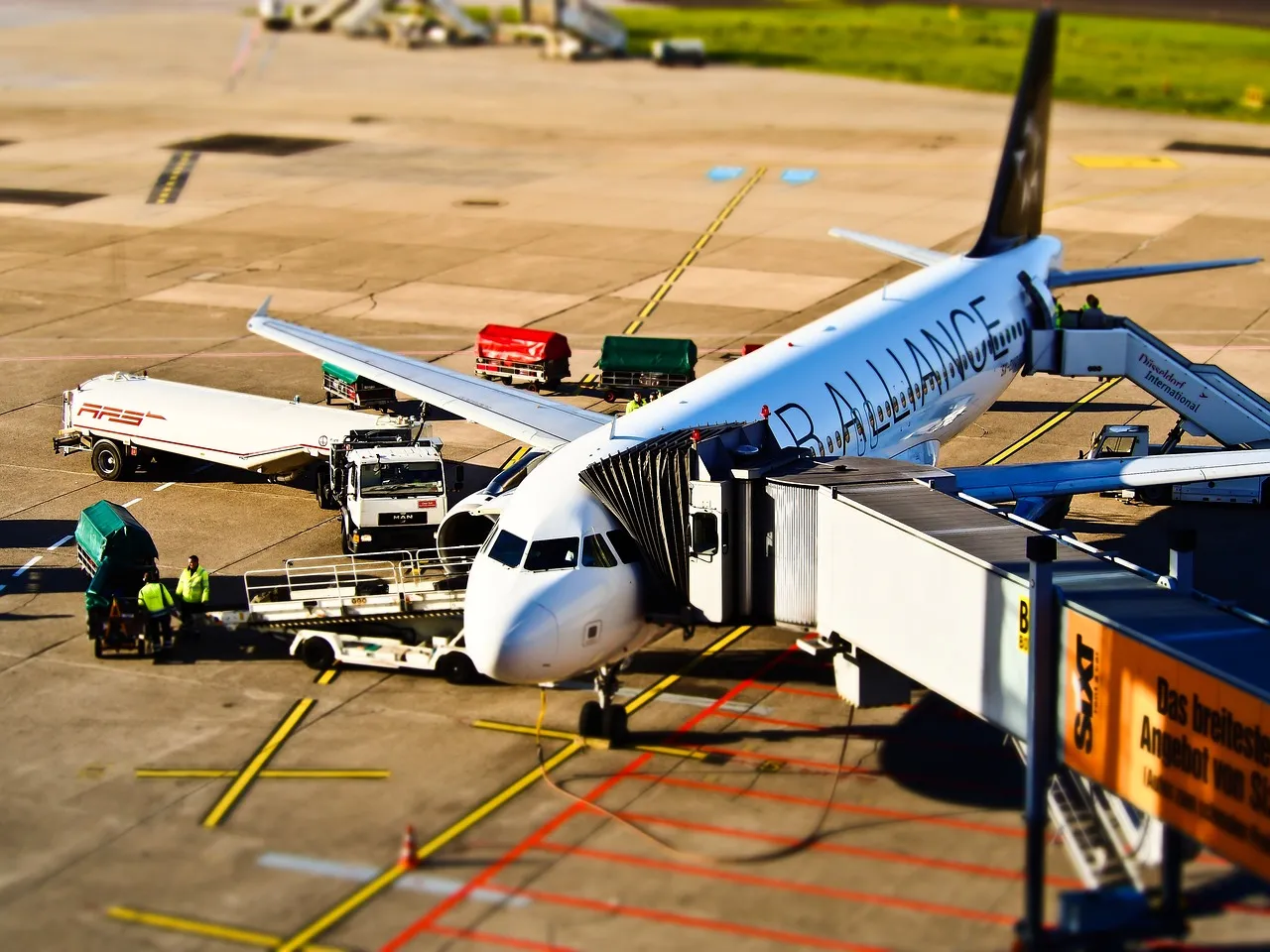
Paying at the airport is almost always the most expensive way to check a bag. Many airlines offer a discount when passengers pre-purchase a checked bag at least 24 hours in advance, and paying online typically locks in the lowest rate, while paying at the counter can tack on an extra $10 to $20 per bag.
Quick Compare
- First bag: 1st checked bag fee is $50 ($45 if you pay online)
- Second bag: the 2nd checked bag fee is $60 ($55 if you pay online)
- Basic Economy: Pay $5 more for 1st and 2nd checked bag fees for Basic Economy tickets.
- Same bag, same flight – the only difference is when you clicked “pay.”
It’s a habit more than a necessity. Plenty of flyers still figure they’ll “just handle it at the airport,” and that single delay routinely turns a $45 bag into a $60 or $65 one, multiplied by every bag and every traveler in the family. The fix takes ninety seconds during online check-in and costs nothing extra to do early.
#2 – Packing a Third “Just in Case” Bag
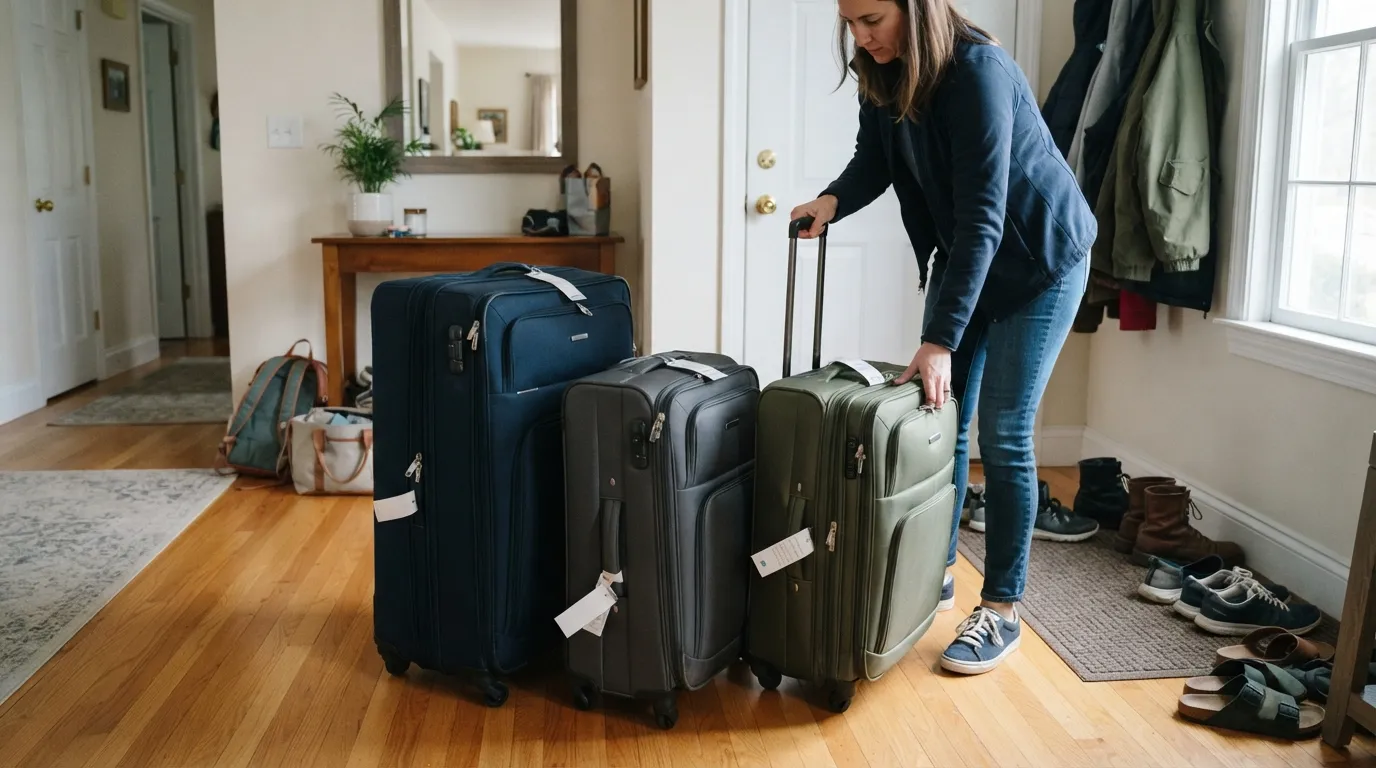
The third suitcase is where budgets quietly explode. Most major U.S. airlines charge roughly $45 to $50 for a first checked bag and $55 or more for a second, but a third bag can jump to around $200 – American Airlines has confirmed a $200 third-bag fee on tickets issued after April 2026.
Worth Knowing
- The third checked bags cost $200 on American, and the third bag can cost up to $200 depending on your ticket class on United.
- Delta has followed the same pattern: the second bag is priced at $55 at the counter, while the third bag can cost $200.
- JetBlue skips the cliff but front-loads the pain – the first checked bag will now cost $39 when purchased at the airport and it can rise up to $49 during peak periods, while the second checked bag fees will range between $45-$65.
- Southwest Airlines had long been known for offering two free checked bags, but starting in 2026 they have made a shift, reducing this benefit.
That means two checked bags on a family trip of four can already top $360 before anyone packs a single extra pair of shoes. Add one more suitcase per traveler “just in case,” and the math turns brutal fast. Most travelers don’t realize the jump from bag two to bag three isn’t gradual – it’s a cliff.
#1 – Defaulting to Terminal Parking Out of Habit
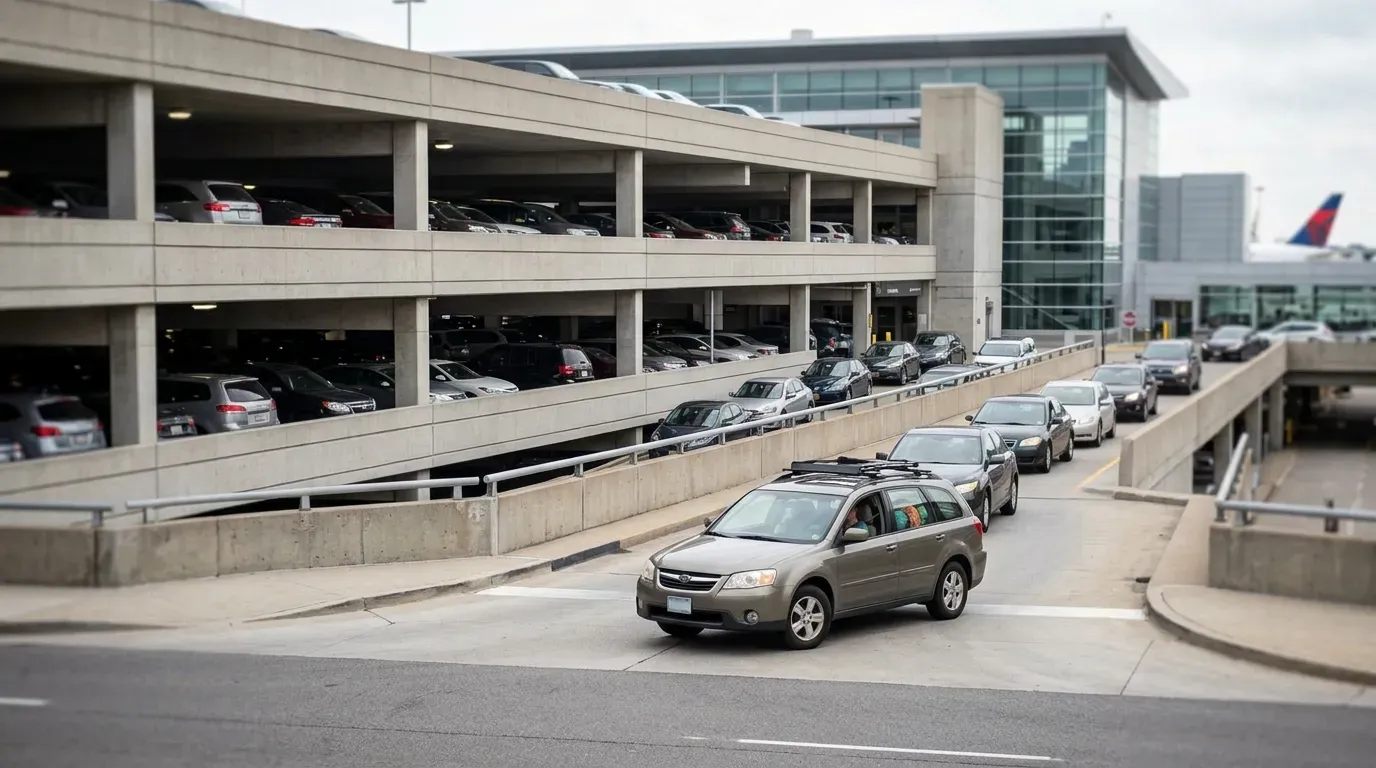
This is the mistake almost nobody blames on “packing,” yet it happens before a single bag is even scanned. Airport parking can range from under $10 a day at an economy or off-site lot to over $55 a day for a terminal garage, and at hubs like JFK, short-term rates can climb as high as $80 a day.
At a Glance
- Average airport parking rates at major US hubs range from $15 (economy on-site) to $70+/day (premium terminal garages).
- At JFK, terminal garages near $80 a day drive-up, around $48 pre-booked, with off-site lots from roughly $11.
- Reserve online: pre-booked rates run 50 to 70 percent below drive-up garage prices.
- Off-site lots almost always throw in a free shuttle, so the savings rarely cost you real convenience.
Off-site lots near major airports can run up to 70% cheaper than parking on-site, often with a free shuttle thrown in. Drivers who default to the terminal garage out of pure convenience routinely end up paying more for parking than they do for every checked bag combined. It’s the most overlooked expense of the entire trip, and it’s locked in before you’ve even walked through the doors.
Every one of these mistakes shares the same quiet pattern: they’re decided at home, in a driveway, or on a booking screen, long before an agent or TSA officer ever gets involved. The overweight bag, the oversized suitcase, the “just in case” third bag, and the default parking garage all add up to the same lesson. The real cost of a trip is rarely the plane ticket – it’s everything you assumed was free.
Which one of these has caught you off guard? Drop it in the comments.