
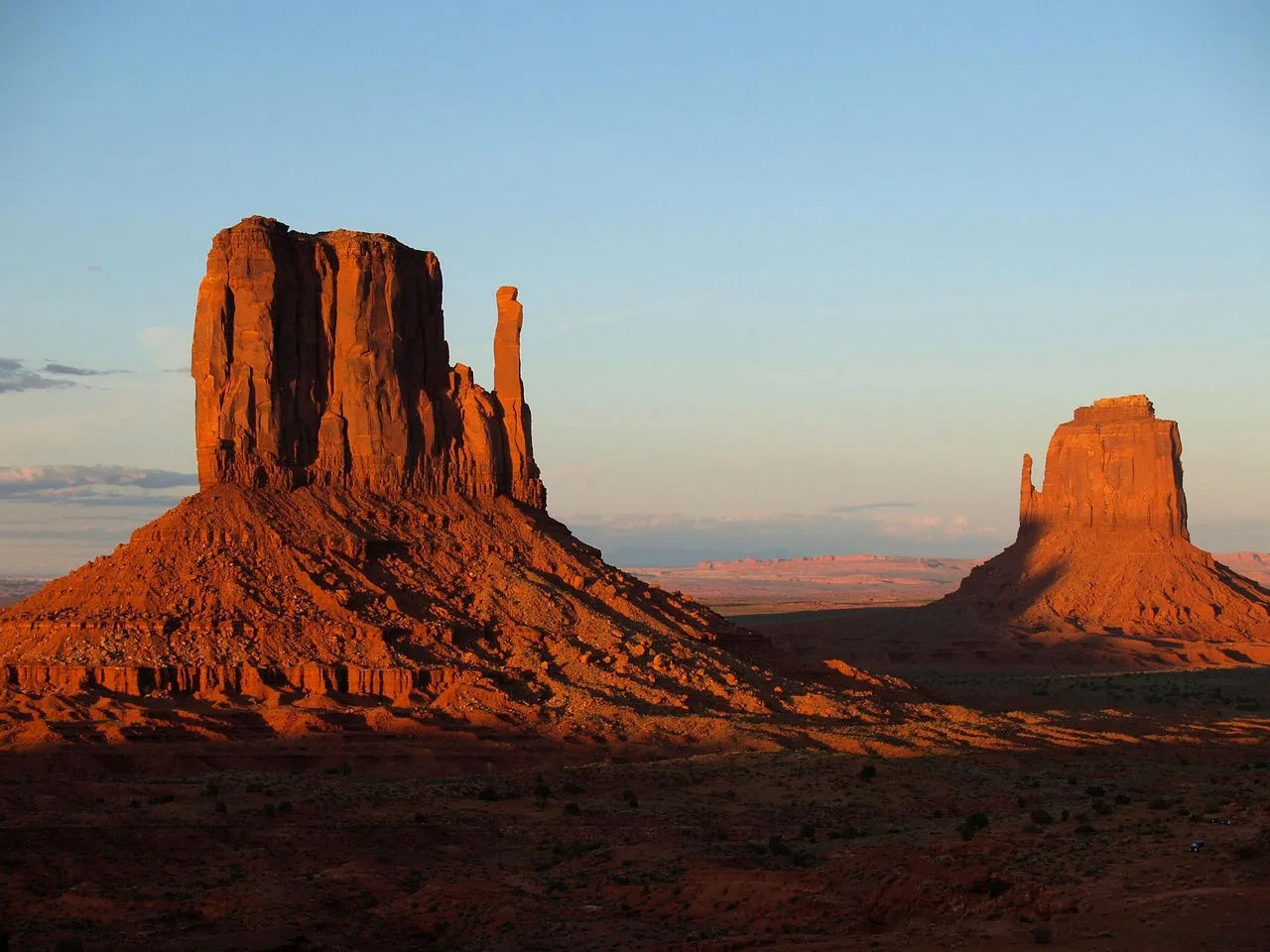
Southern Utah contains some of the most distinctive desert terrain in the American West. President Donald Trump has directed a sharp reduction in the boundaries of two national monuments in the state. The decision targets Bears Ears National Monument and Grand Staircase-Escalante National Monument, both previously expanded or established to safeguard archaeological sites and geological features. The move leaves roughly one-tenth of the original protected acreage under the monuments’ designations.
Scale of the Boundary Changes
The reductions total approximately 90 percent of the land previously included in the two monuments. Areas once covered by federal monument status now fall under standard multiple-use management. This shift opens the possibility for different activities on the released portions of public land. The change affects thousands of square miles that had been set aside for preservation.
Both monuments were created or enlarged through the Antiquities Act of 1906. That law allows presidents to protect sites of historic or scientific interest. The current action reverses earlier designations made by prior administrations. Officials have described the new boundaries as more precisely aligned with core resources that require protection.
Context of Federal Land Policy
The monument adjustments form part of a wider effort by Republican leaders to alter how public lands in Western states are managed. Large tracts of taxpayer-owned property in the region have become the focus of revised rules on resource extraction. Plans include expanded opportunities for oil and gas development along with increased timber harvesting. Habitat safeguards for certain species have also been reconsidered in related policy steps.
These lands have long been central to debates over economic use versus conservation. Western states hold a disproportionate share of federal acreage, which influences local economies and recreation patterns. The recent decisions reflect ongoing efforts to balance those competing priorities. Implementation will involve coordination among multiple federal agencies.
Stakeholder Perspectives
Democrats and conservation organizations have expressed concern that the reductions prioritize commercial interests over long-term preservation. They argue that unique cultural and natural resources could face greater risk once monument protections are lifted. Some groups have indicated they may pursue legal or legislative responses to the boundary changes.
Supporters of the reductions maintain that the original designations were overly broad and limited legitimate uses of the land. They point to the need for flexibility in managing resources that support jobs and energy production. Local officials in Utah have offered mixed reactions, with some welcoming the return of authority to state and county levels.
Practical Effects for the Region
Visitors and researchers who rely on the monuments for access and study will encounter new management frameworks on the released acreage. The smaller monument boundaries concentrate federal protections around the most sensitive sites. Activities such as hiking, photography, and educational tours remain available within the retained areas, though planning may require updated maps and permits.
Over time, the policy shift could influence how these landscapes are experienced by the public. The core geological and archaeological features that drew attention to the sites stay under monument oversight. Broader questions about long-term stewardship of the surrounding public lands continue to draw attention from multiple interests.
What matters now: The reduced boundaries take effect immediately, altering the scope of federal protections across large sections of southern Utah. Travelers and land users should consult updated agency resources before planning visits to the affected areas.