
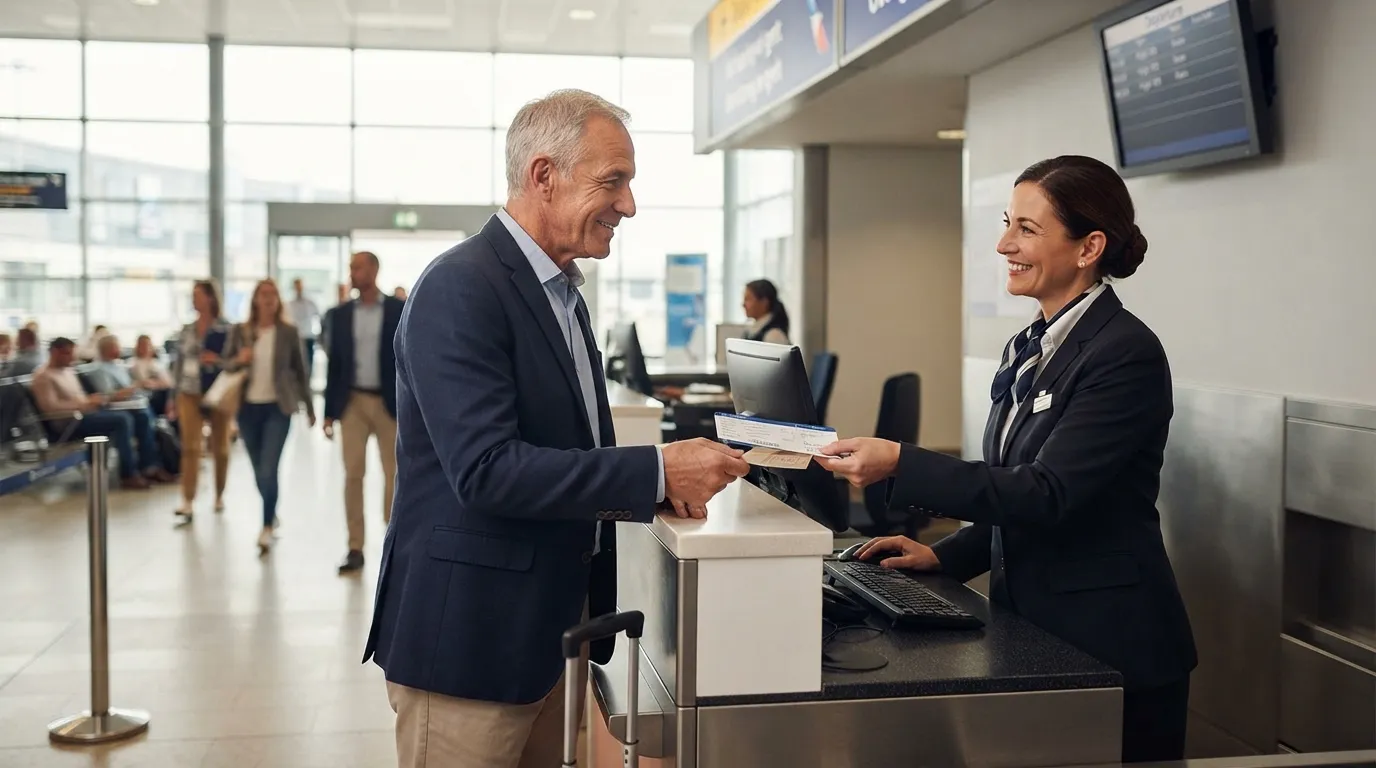
Watch a seasoned traveler move through an airport and something feels off, in the best way. No frantic scroll through their phone at the gate. No last-minute sprint past a Cinnabon. No panicked hunt for an outlet. They’ve done this hundreds of times, and it shows in every small, unhurried decision they make.
Younger flyers assume an app and a fast walk solve everything. But the people who’ve logged decades in the air know a quieter truth, one built on habit instead of hacks. Here’s what lifelong travelers actually still do, every single trip, whether anyone’s watching or not.
#15 – They Never Trust the “45 Minutes Is Enough” Advice
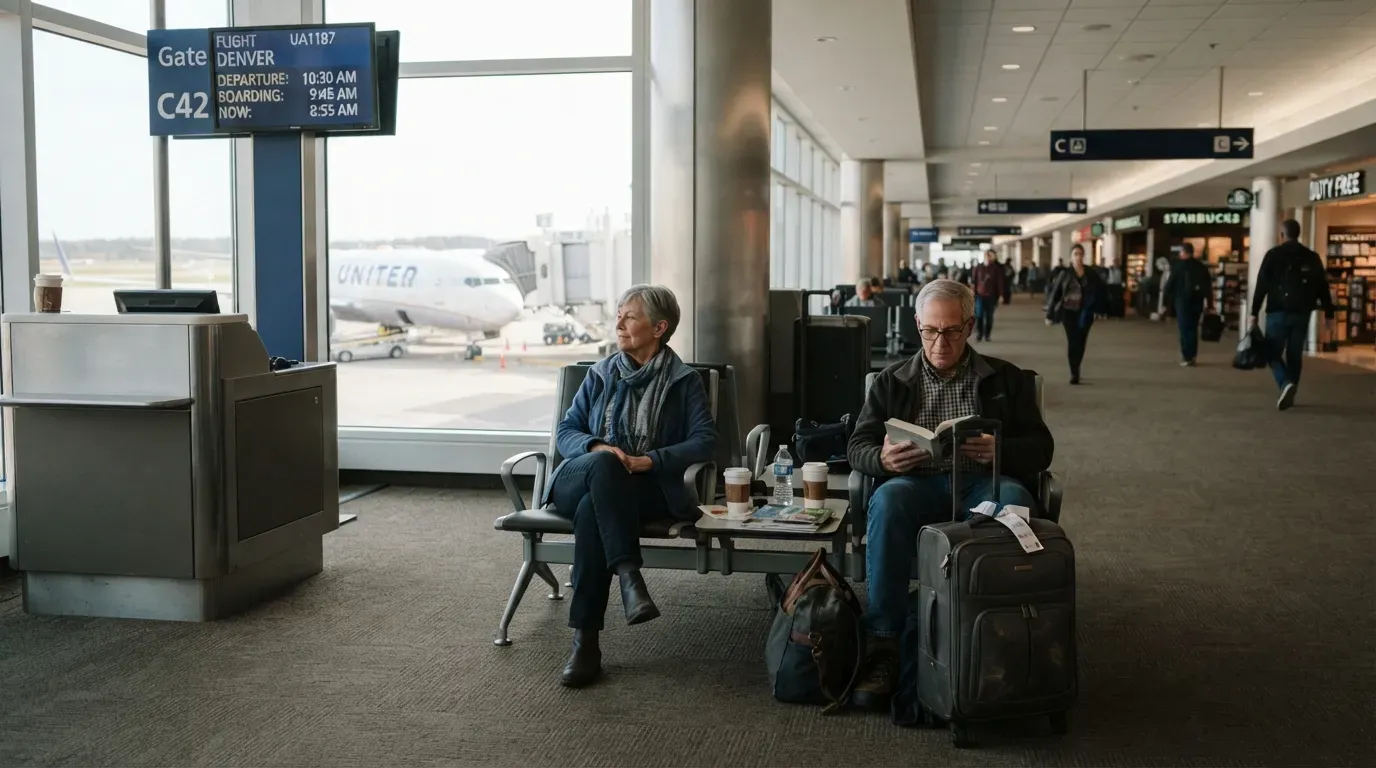
Most airline apps insist 45 minutes to an hour is plenty for a domestic flight. Travelers over 60 have learned the hard way that this number is a suggestion, not a promise. They’ve sat through gate changes, security surges, and shuttle delays that turned a “quick trip” into a dead sprint through Terminal C.
So they build in a real buffer, often arriving a full two hours early even for a one-hour hop. It’s not anxiety, it’s arithmetic. They’d rather sit at the gate bored for 40 minutes than miss a flight because of one slow TSA line.
Fast Facts
- Standard guidance is to arrive at least two hours before domestic flights and three hours before international departures.
- Most U.S. airlines cut off domestic bag check-in and boarding pass issuance 30 to 45 minutes before departure, and 60 to 75 minutes for international flights.
- Several major airports now advise padding even that buffer during peak travel days, when checkpoint lines can stretch far beyond normal.
#14 – They Dress for Security Speed, Not for the Camera
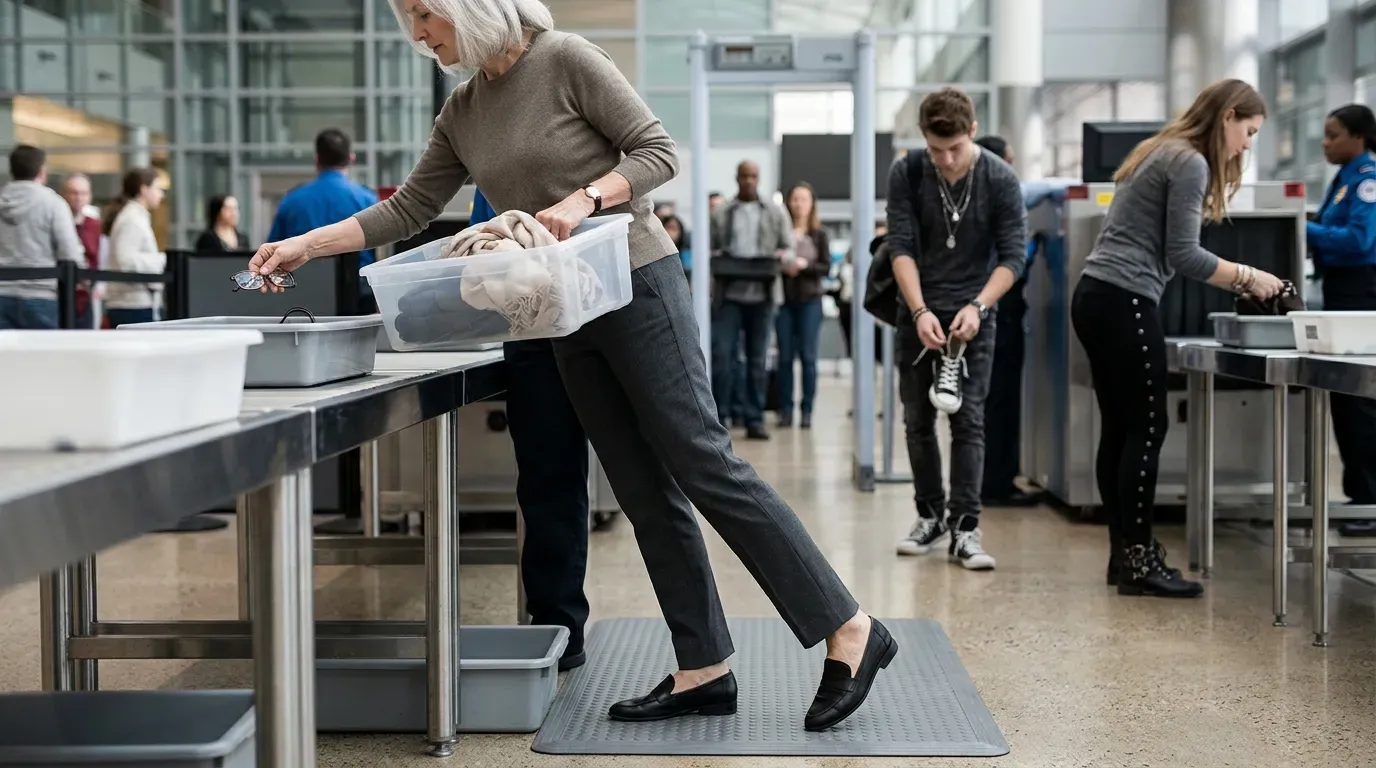
Slip-on shoes. No belt. Minimal jewelry. This isn’t a fashion statement, it’s a system perfected over years of watching other travelers hold up the line fumbling with buckles and laces.
Younger travelers often dress for the flight itself, comfortable but metal-heavy leggings, sneakers with hidden eyelets, layered accessories. Veteran flyers dress for the checkpoint first. They’ve calculated that shaving 90 seconds off security adds up to hours saved over a lifetime of flying, and it’s rarely accidental.
#13 – They Still Print a Backup Boarding Pass
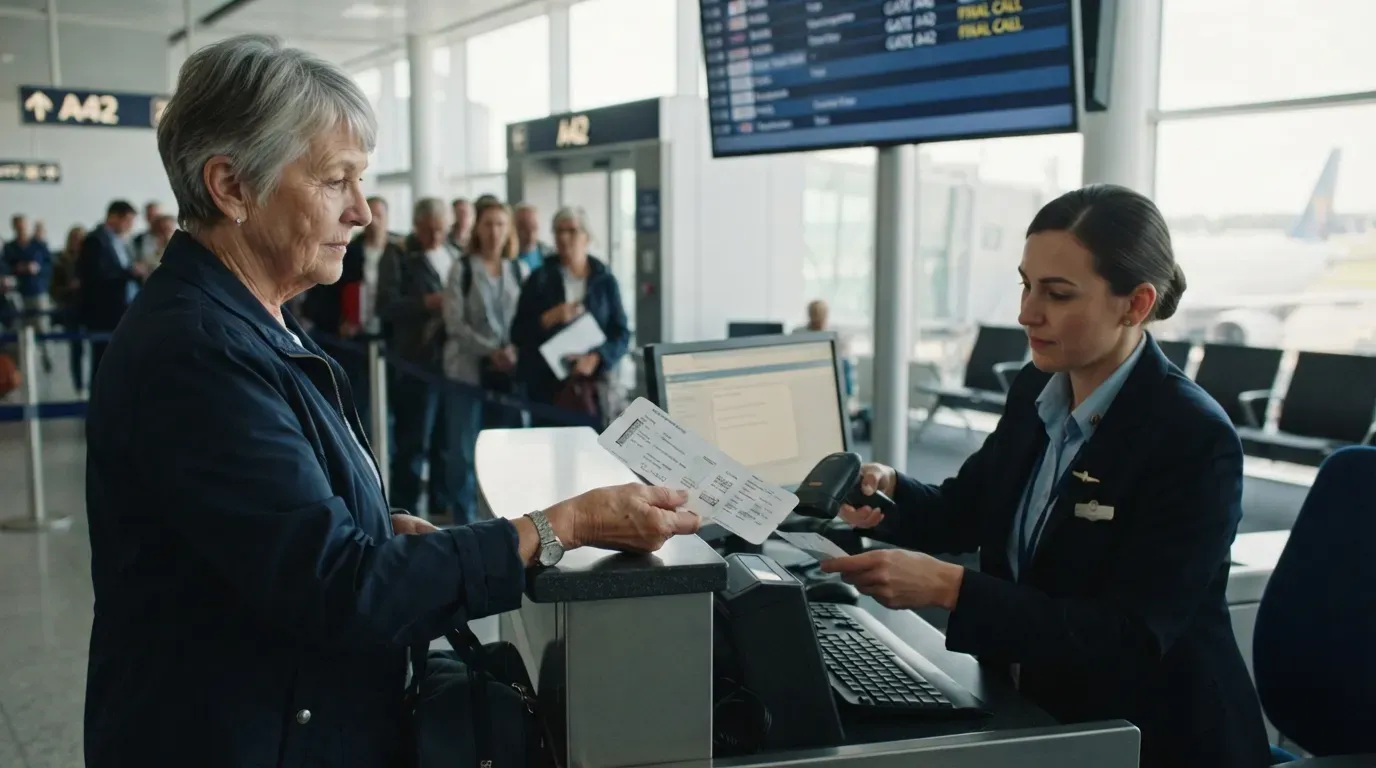
Phones die. Apps crash. Wi-Fi drops at the worst possible moment. Lifelong travelers have watched enough digital boarding passes fail at the gate to never fully trust a screen alone.
So they print a paper copy, or at minimum screenshot it before leaving the house, just in case. It sounds outdated until the one time your phone won’t unlock and the gate agent needs proof, fast. That single printed page has saved more missed boardings than any app ever built.
#12 – They Always Carry Small Bills for Tips
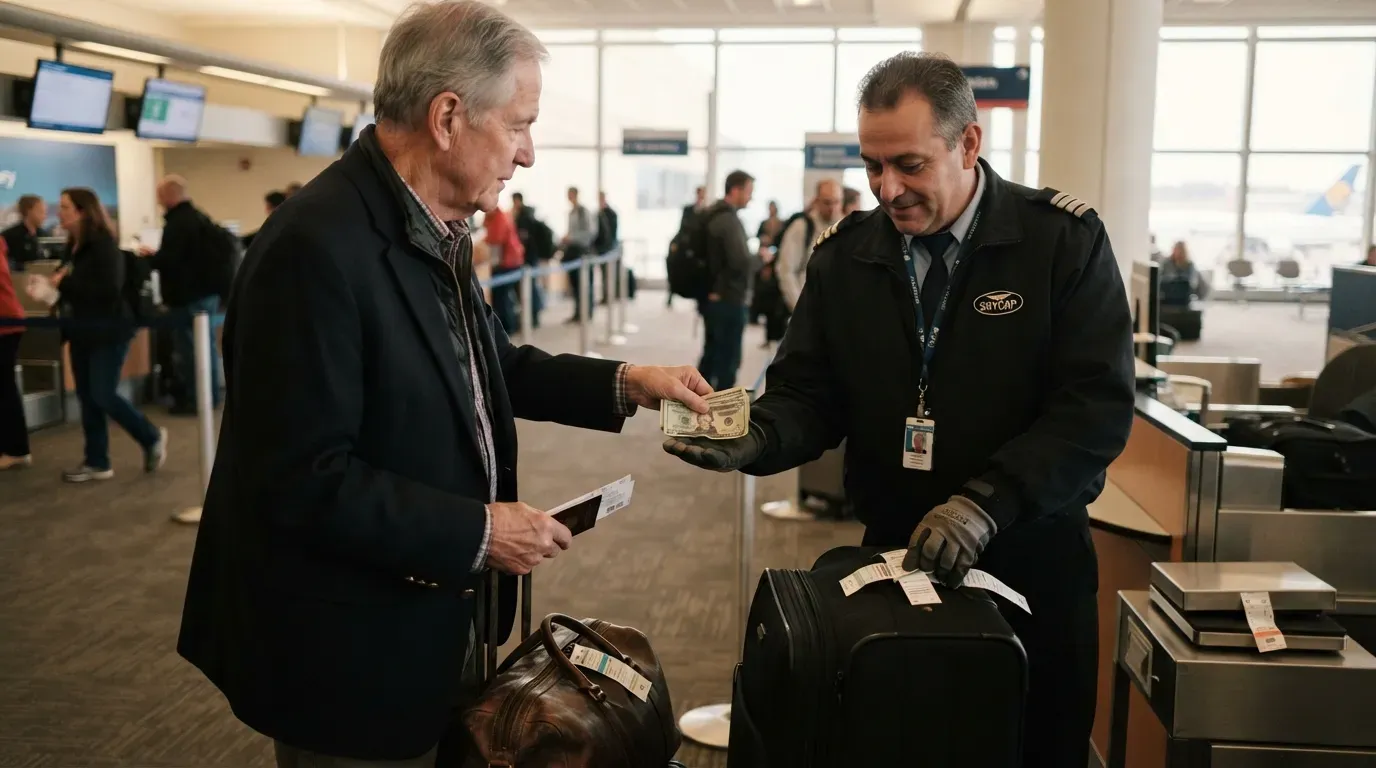
Skycaps, shuttle drivers, and hotel porters still run on cash, and lifelong travelers know it. They quietly stash a stack of ones and fives before every trip, something almost no younger flyer bothers to do anymore.
It’s a small habit with an outsized payoff. Tip well and consistently, and gate agents, drivers, and porters remember you on the return trip. Frequent flyers over 60 will tell you a cash tip still buys faster service than any app-based rating ever will.
#11 – They Pack a Real Pen, Every Single Time
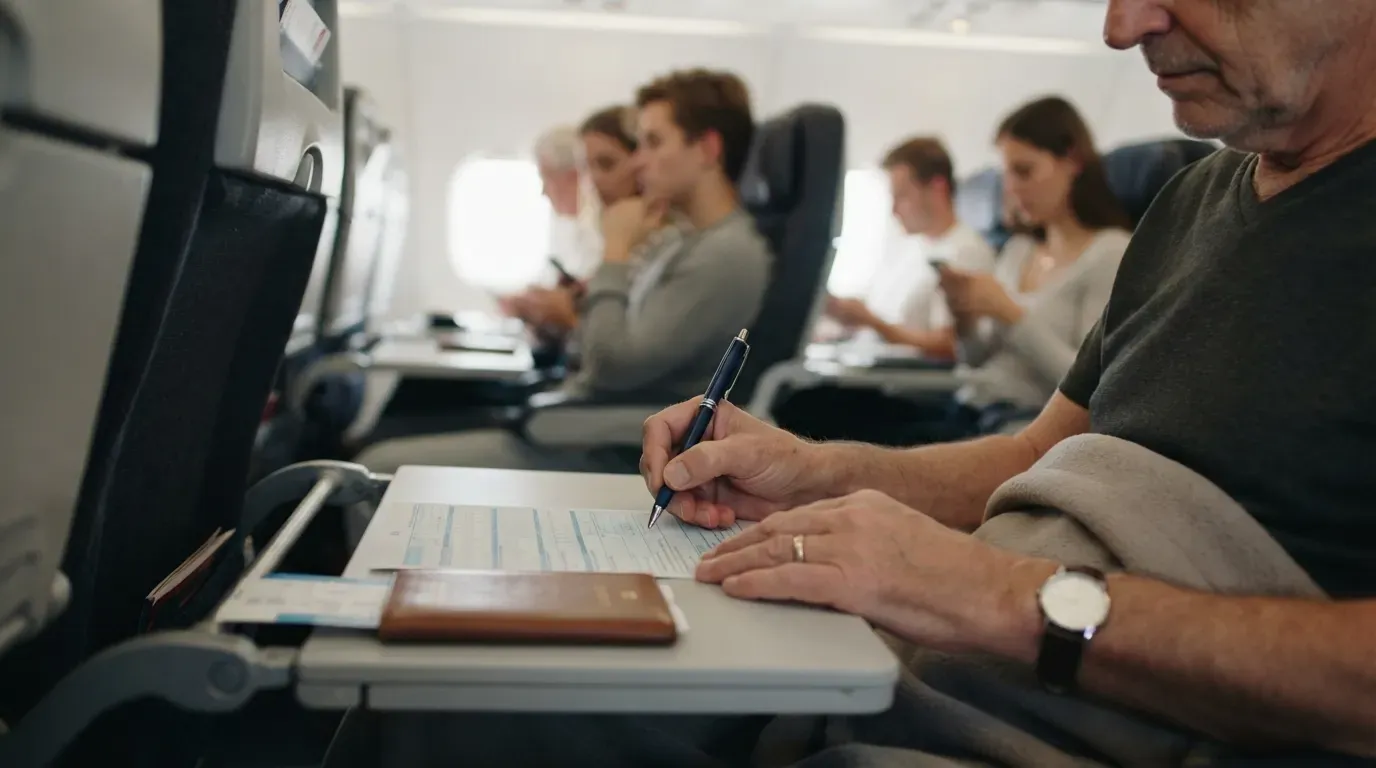
Customs forms, immigration cards, and the occasional paper itinerary all require something younger travelers rarely carry anymore: an actual working pen. Lifelong flyers keep one clipped to their bag or boarding pass wallet without fail.
It seems minor until you’re one of forty people on an international flight scrambling to borrow a pen from a flustered flight attendant. Seasoned travelers know a missing pen can cost you a spot near the front of the customs line, and it’s a two-second fix most younger passengers never plan for.
#10 – They Fill an Empty Bottle After Security, Not Before
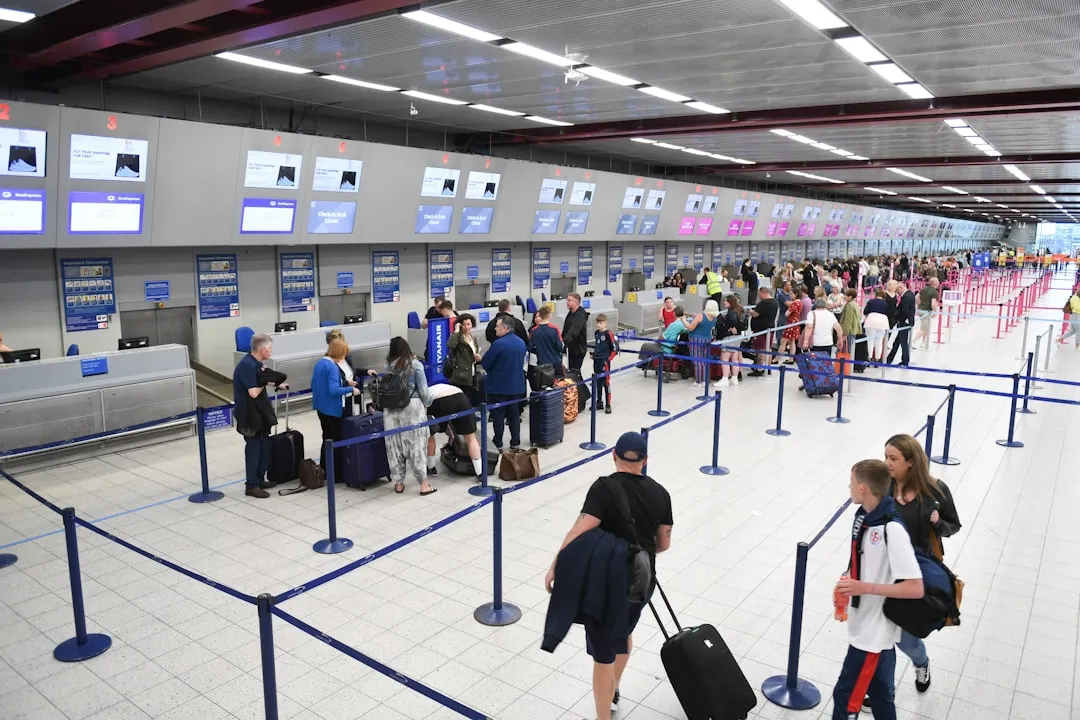
This one trips up younger travelers constantly. Lifelong flyers carry an empty reusable bottle through security, then fill it at a fountain or station on the other side, avoiding both the confiscation and the $6 bottled water.
It’s a habit built from years of watching people toss full bottles into the trash at the checkpoint. Veteran travelers estimate this one move alone saves them hundreds of dollars a year on airport water prices, while younger flyers often just buy a new bottle every time.
#9 – They Wear Compression Socks Without an Ounce of Embarrassment
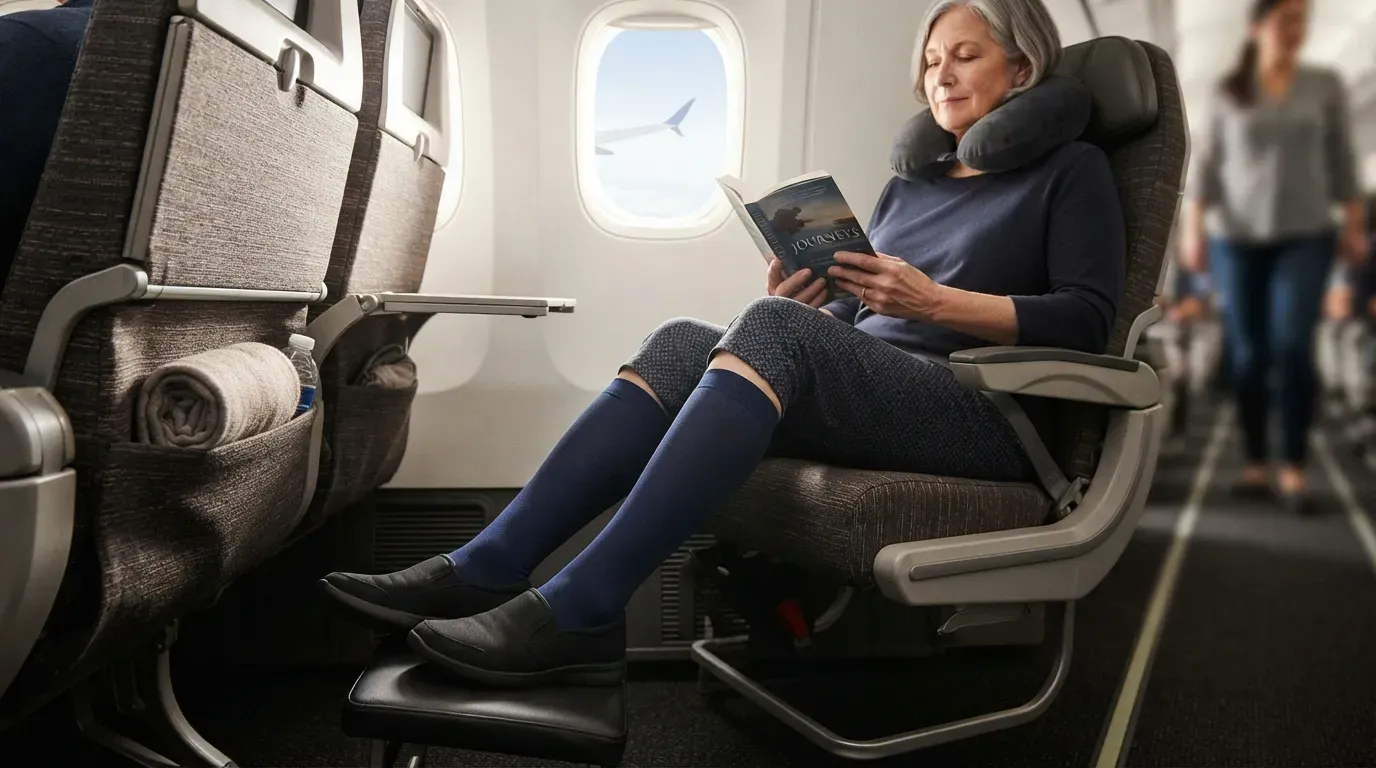
Compression socks used to be seen as something only older travelers wore, and honestly, that stereotype still lingers. But travelers over 60 don’t care, because they’ve felt the difference on long-haul flights firsthand.
Reduced swelling, better circulation, less stiffness after landing, these aren’t myths, they’re the reason this habit sticks around for decades. Frequent flyers over 60 often say the socks matter more than any neck pillow or seat upgrade ever could. Younger travelers frequently skip them entirely, only to regret it somewhere over Kansas.
#8 – They Choose Aisle Seats Near the Front, Every Time
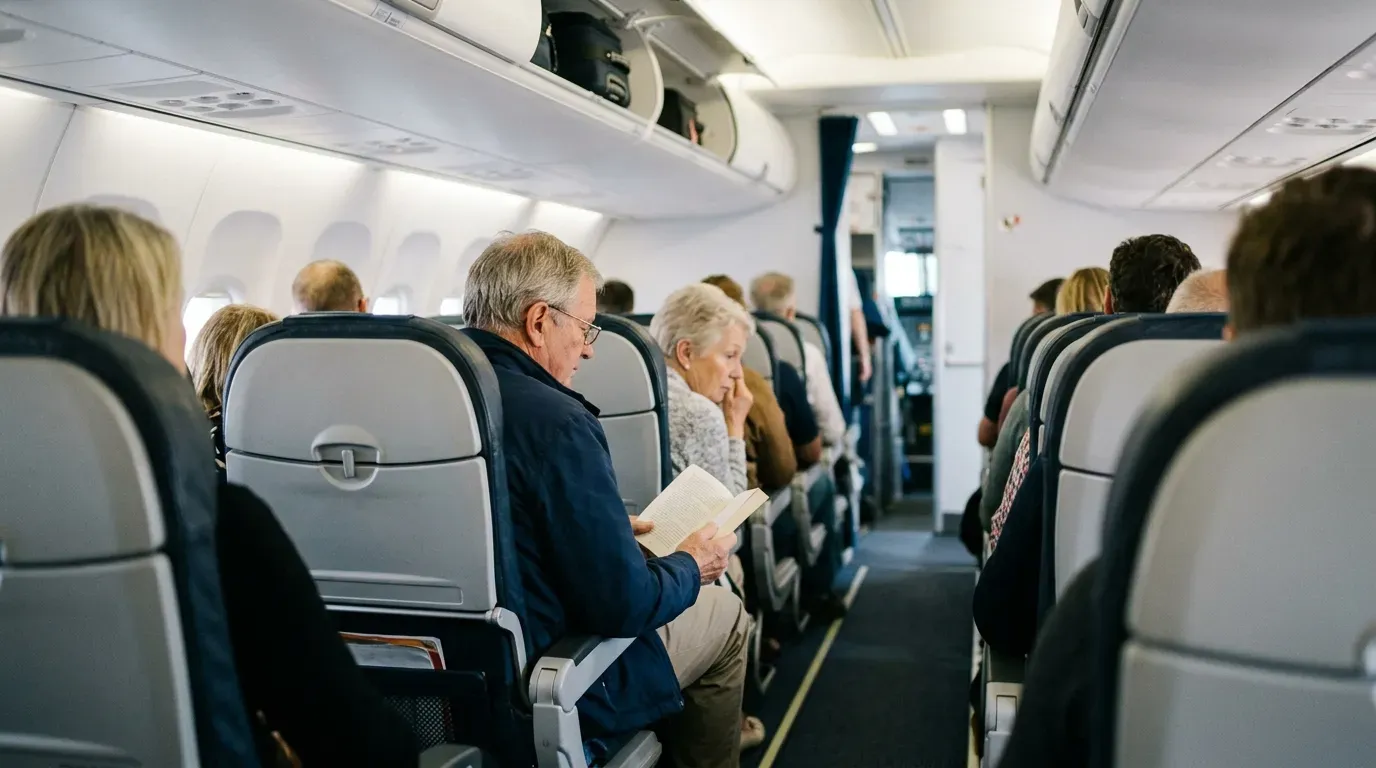
Window seats look nice in photos, but lifelong travelers almost always choose the aisle, and specifically one near the front of the cabin. It’s not about comfort alone, it’s about control.
An aisle seat up front means faster bathroom access, quicker deplaning, and less chance of getting stuck behind a slow-moving crowd. Many veteran flyers will pay extra just to sit closer to the front, something younger travelers rarely consider worth the cost. For them, it’s not a luxury, it’s a strategy.
Why It Stands Out
- No waiting behind the beverage cart to reach the restroom mid-flight.
- First off the plane, which matters far more on a tight connection than it seems.
- Less overhead bin scramble than the packed rows toward the back of coach.
#7 – They Call the Airline Instead of Trusting the App Alone
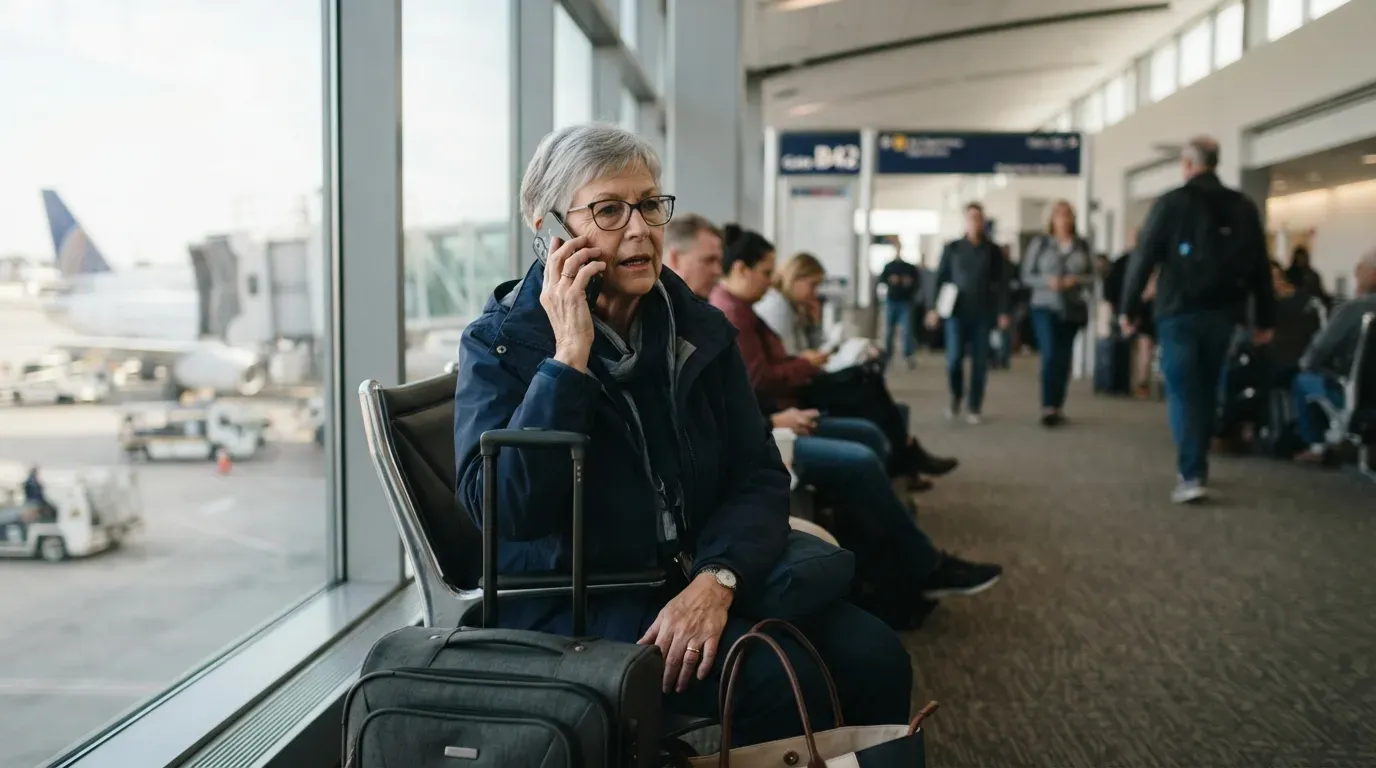
When something goes wrong, a cancellation, a missed connection, a seating mix-up, younger travelers open the app and start refreshing. Lifelong travelers pick up the phone, and they know exactly why.
A real person can often rebook, waive fees, or find solutions an app simply isn’t built to offer. Veteran flyers insist a five-minute phone call has fixed problems that left younger travelers stuck staring at a spinning wheel for hours. It’s an old-school habit that still quietly outperforms modern tech.
#6 – They Keep a Paper Map or Printed Address as Backup
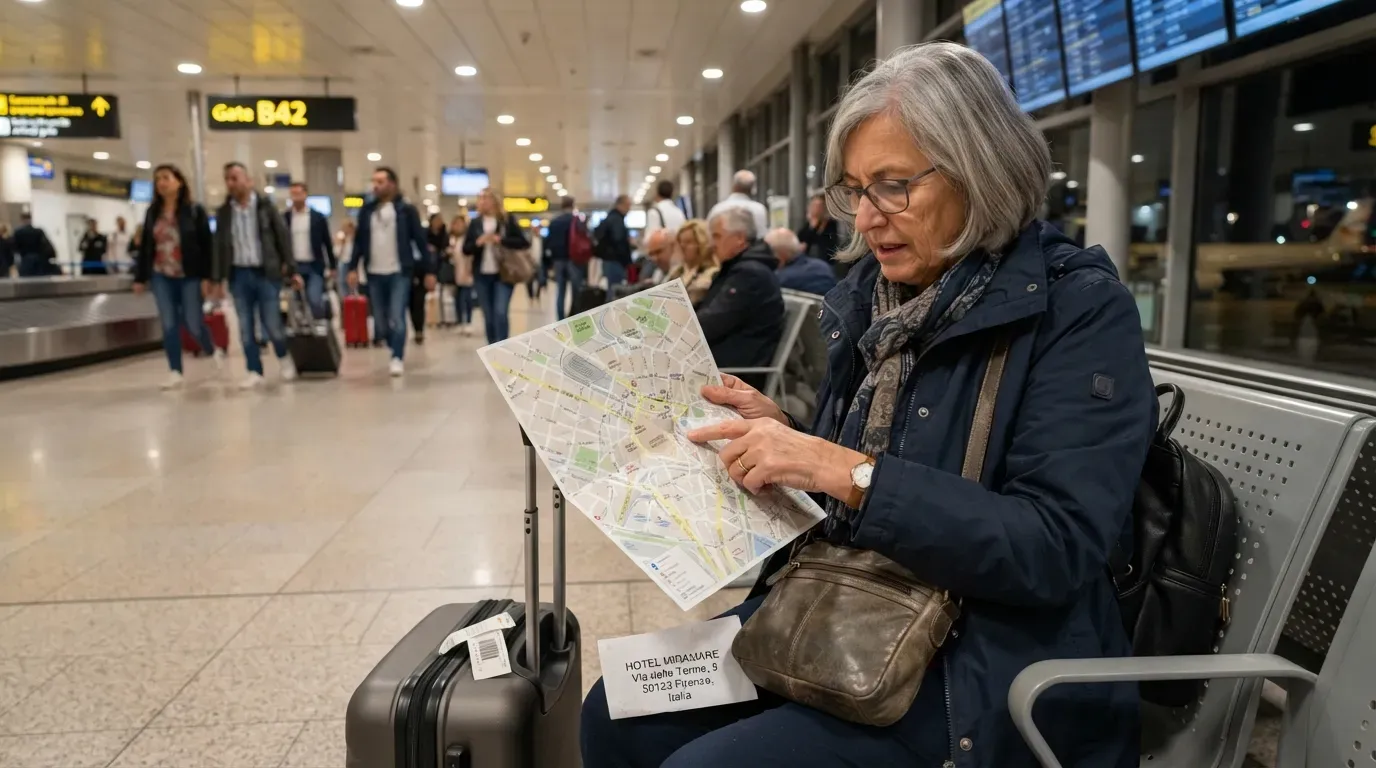
GPS fails. Phones lose signal in unfamiliar cities, especially abroad. Lifelong travelers still tuck a printed address or basic paper map into their bag, a habit almost no younger traveler maintains anymore.
It sounds excessive until you’re in a foreign airport with no signal and a driver who needs an address in the local language. That printed backup has rescued more travelers from a stranded taxi ride than most people realize, and it never runs out of battery.
#5 – They Refuse to Book a Tight International Connection
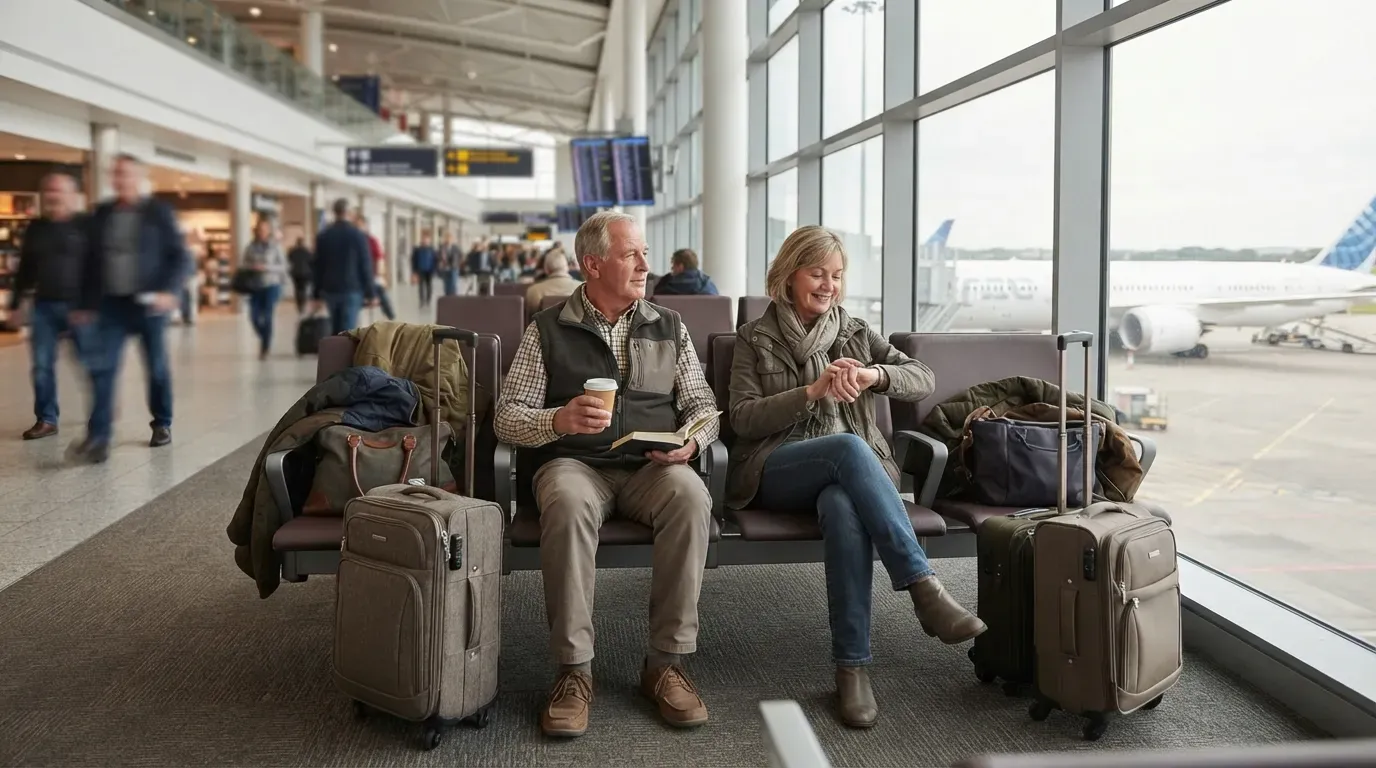
This is where seasoned travelers get almost stubborn. A 50-minute international connection might look fine on a booking site, but lifelong flyers have missed enough flights to know better than to trust it.
They intentionally choose longer layovers, sometimes even overnight ones, specifically to avoid one small delay wrecking an entire itinerary. Veteran travelers openly call short international connections one of the biggest traps younger flyers fall into, and it’s a habit they rarely budge on, no matter how much time it seems to cost upfront.
At a Glance
- Domestic-to-domestic connections can be legally sold at 30 to 45 minutes, but large hub airports often need meaningfully more in practice.
- International connections requiring customs and immigration frequently need 60 to 150 minutes depending on the airport’s layout.
- Veteran flyers routinely pad the “official” minimum by an extra 30 to 60 minutes just for peace of mind.
#4 – They Dress in Layers, No Matter Where They’re Headed
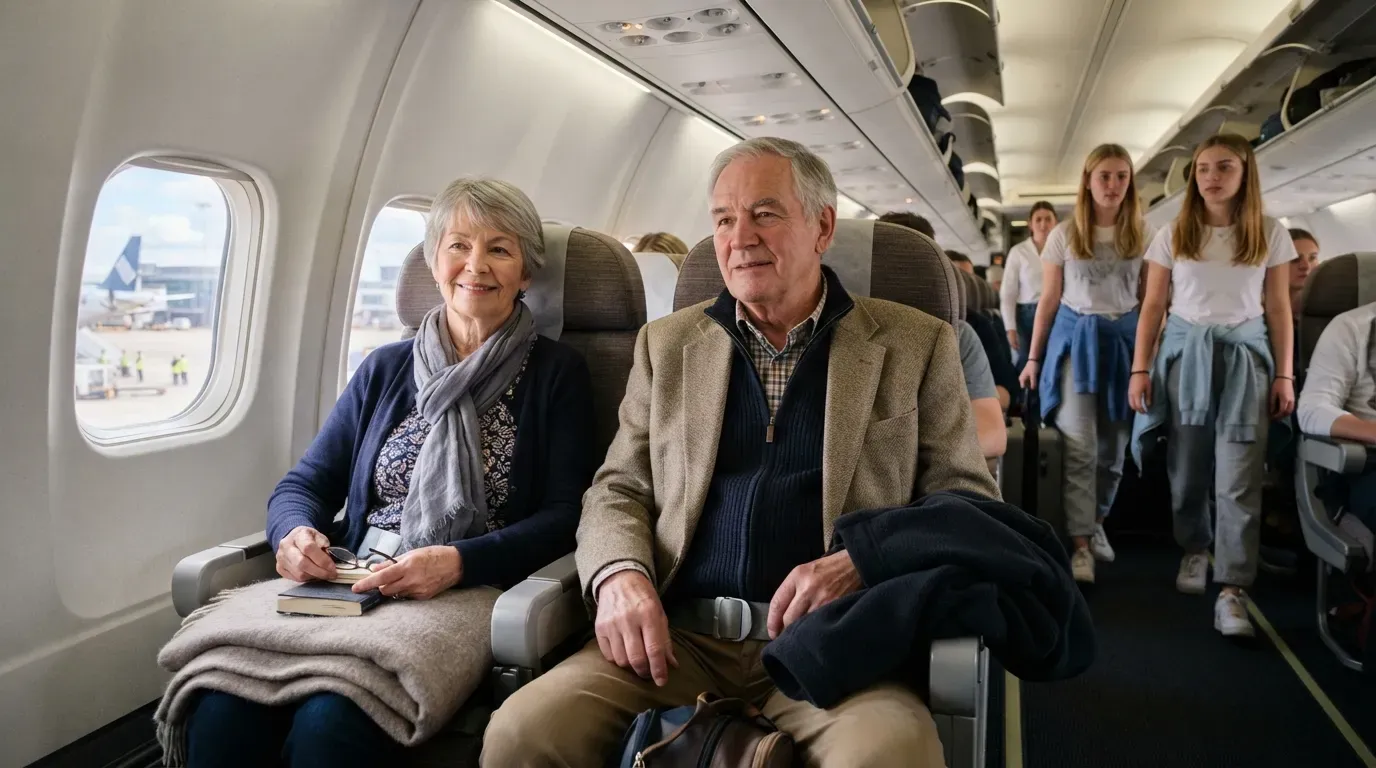
Cabin temperatures swing wildly, and lifelong travelers have felt every extreme from freezing to overheated on a single flight. So they layer, every time, regardless of destination.
A light jacket, a scarf, a cardigan that folds into nothing, these aren’t fashion choices, they’re temperature insurance. Frequent flyers over 60 often say layering matters more than seat selection when it comes to actual comfort. Younger travelers, dressed for the destination instead of the flight, frequently end up cold, cramped, or sweating through boarding.
#3 – They Never, Ever Check Their Medications

This one isn’t a preference, it’s a hard rule. Lifelong travelers keep all medications in their carry-on, no exceptions, because they’ve either experienced or heard about lost luggage turning into a real medical emergency.
Checked bags get delayed, rerouted, or lost more often than airlines like to admit. Veteran flyers treat this rule as non-negotiable, while younger travelers sometimes pack medication in checked luggage without a second thought. It’s one of the clearest generational gaps in airport habits, and one with real consequences.
#2 – They Learn Their Home Airport Like a Second Language

Lifelong travelers don’t just fly through their home airport, they study it. They know which security line moves faster, which restroom is never crowded, and which gate area has the working outlets nobody else has found yet.
This kind of intimate airport knowledge takes years to build, and almost no younger traveler bothers learning it, relying instead on apps and signage every single time. Veteran flyers can shave twenty minutes off a trip purely from memory, no app required. It’s quiet expertise, but it’s real.
Worth Knowing
- Regulars track which checkpoint lane reliably moves faster at certain hours of the day.
- They keep a mental list of backup restrooms tucked away from the busiest concourse crowds.
- They can name the exact gate cluster with the most working outlets, no scavenger hunt required.
#1 – They Treat Gate Agents Like People, Not Obstacles
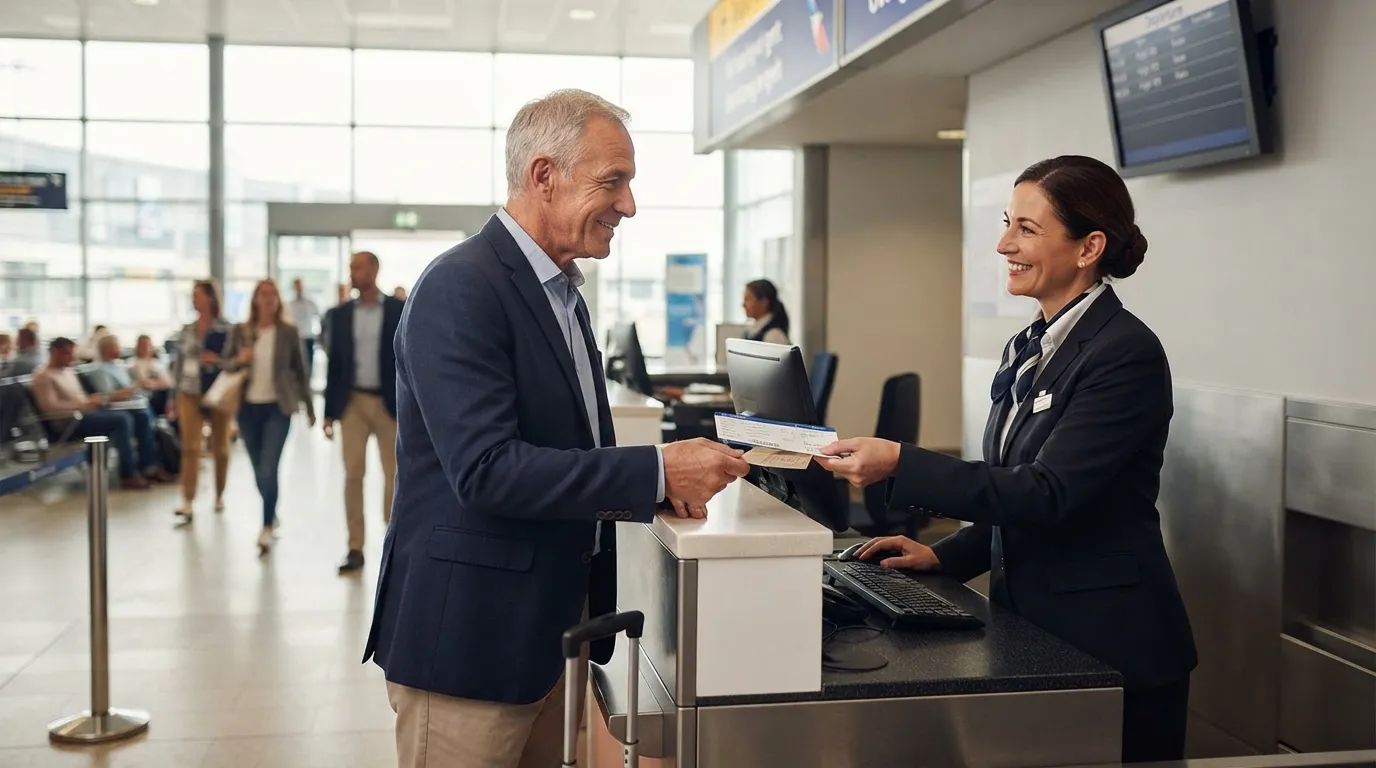
Here’s the habit that matters most, and the one younger travelers overlook the most often. Lifelong travelers are polite, patient, and genuinely kind to gate agents, flight attendants, and desk staff, even during delays.
That kindness isn’t naive, it’s strategic. Veteran flyers know gate agents remember the passengers who were decent to them, and they often quietly offer rebookings, upgrades, or solutions to the people who stayed calm. Younger travelers, frustrated and vocal during delays, frequently miss out on exactly the kind of goodwill that solves the problem fastest.
Manners are a sensitive awareness of the feelings of others. If you have that awareness, you have good manners, no matter what fork you use.
Emily Post
None of these habits are flashy. They weren’t learned from an app or a viral post, they were earned through decades of delays, missed connections, and small mistakes that turned into hard lessons. That’s exactly why they still work.
Younger travelers aren’t wrong to trust technology, but the flyers who’ve been doing this since long before smartphones existed know something the apps still can’t replicate. Patience, preparation, and a little old-fashioned courtesy go further than any upgrade ever could, and somehow, they always seem to land just as relaxed as they took off.