
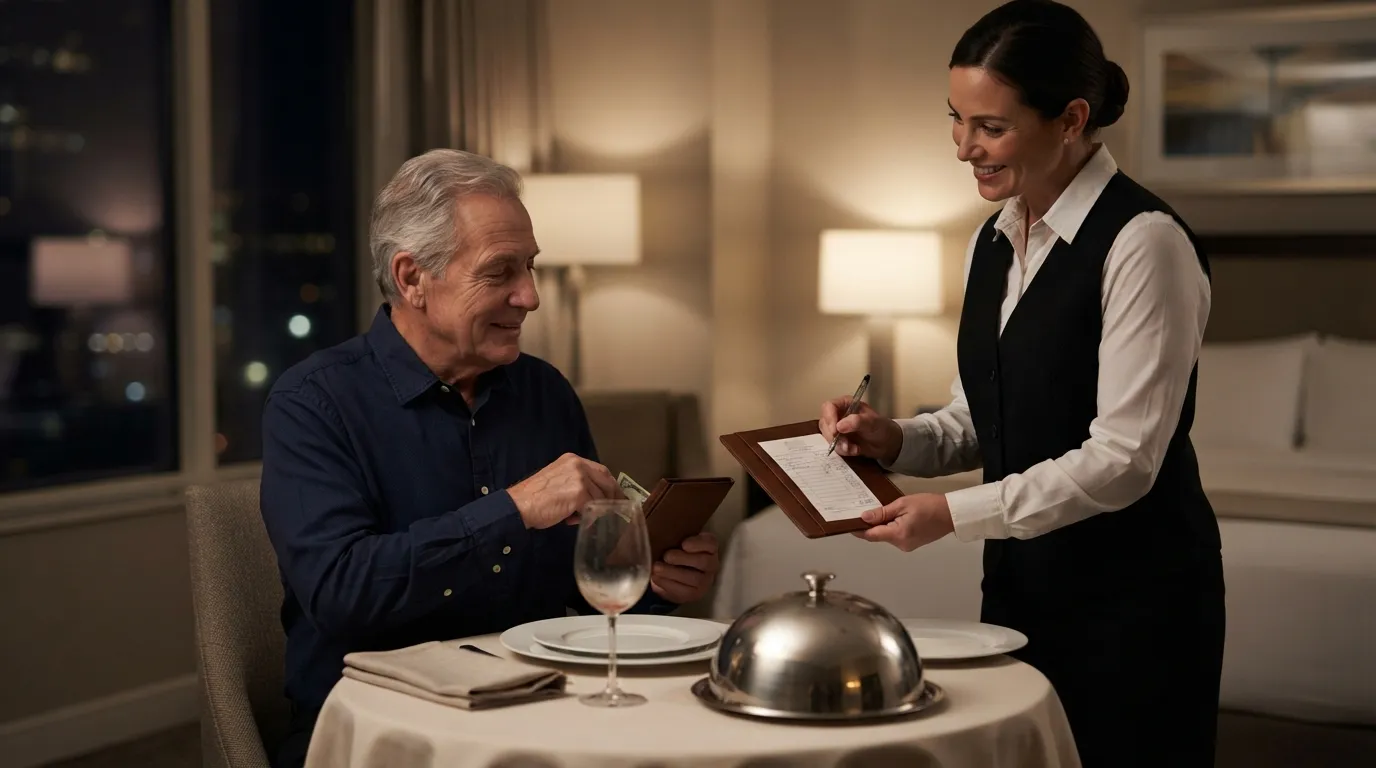
Most people assume late-night room service is just tired staff shoving a tray at the door and vanishing down the hallway. But talk to enough hotel workers and a completely different picture shows up. Guests over 60 quietly get treated like regulars at a neighborhood diner, not just another room number on a checkout list.
None of it is written in an employee handbook. It’s something veteran staff do on instinct, after the lobby goes quiet and managers stop watching. Here’s what actually happens once the clock passes 10 PM, straight from the people who deliver the trays.
#15 – The Tray Gets a Second Look Before It Ever Leaves the Kitchen
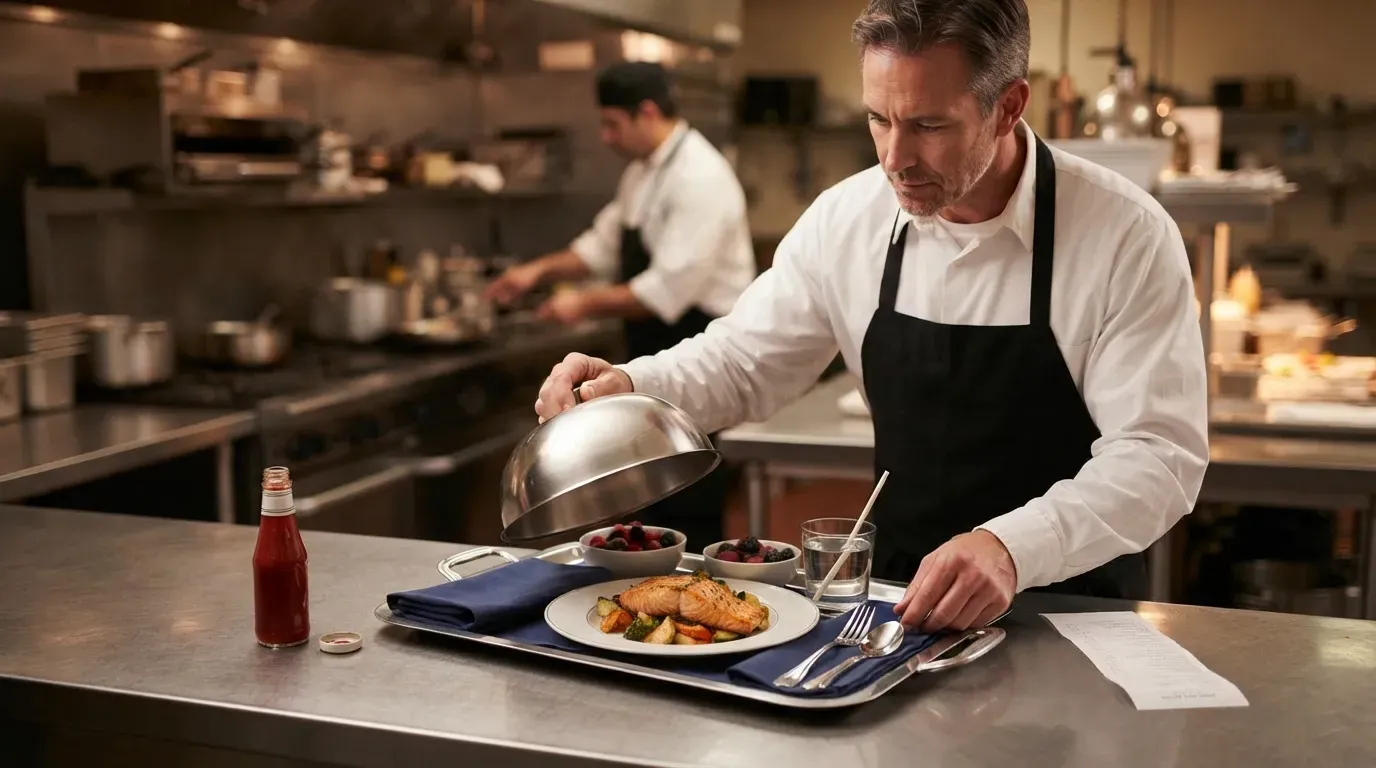
Late-night line cooks and room service runners often glance at the guest name on a ticket before plating anything. If the notes suggest an older guest, many quietly swap a flimsy paper napkin for cloth, or add a slightly larger portion where the plate looked skimpy. It’s not policy. It’s habit, built from years of watching which guests finish their food and which ones send half of it back.
Some staff also double-check that nothing on the tray requires a fight, like a stubborn ketchup packet or a sealed water bottle. Workers frequently pre-open small packaging for older guests without ever mentioning it out loud. It’s a two-second fix that saves an awkward moment, and most guests never even notice it was done.
#14 – Orders Get Remembered Long Before the Second Night
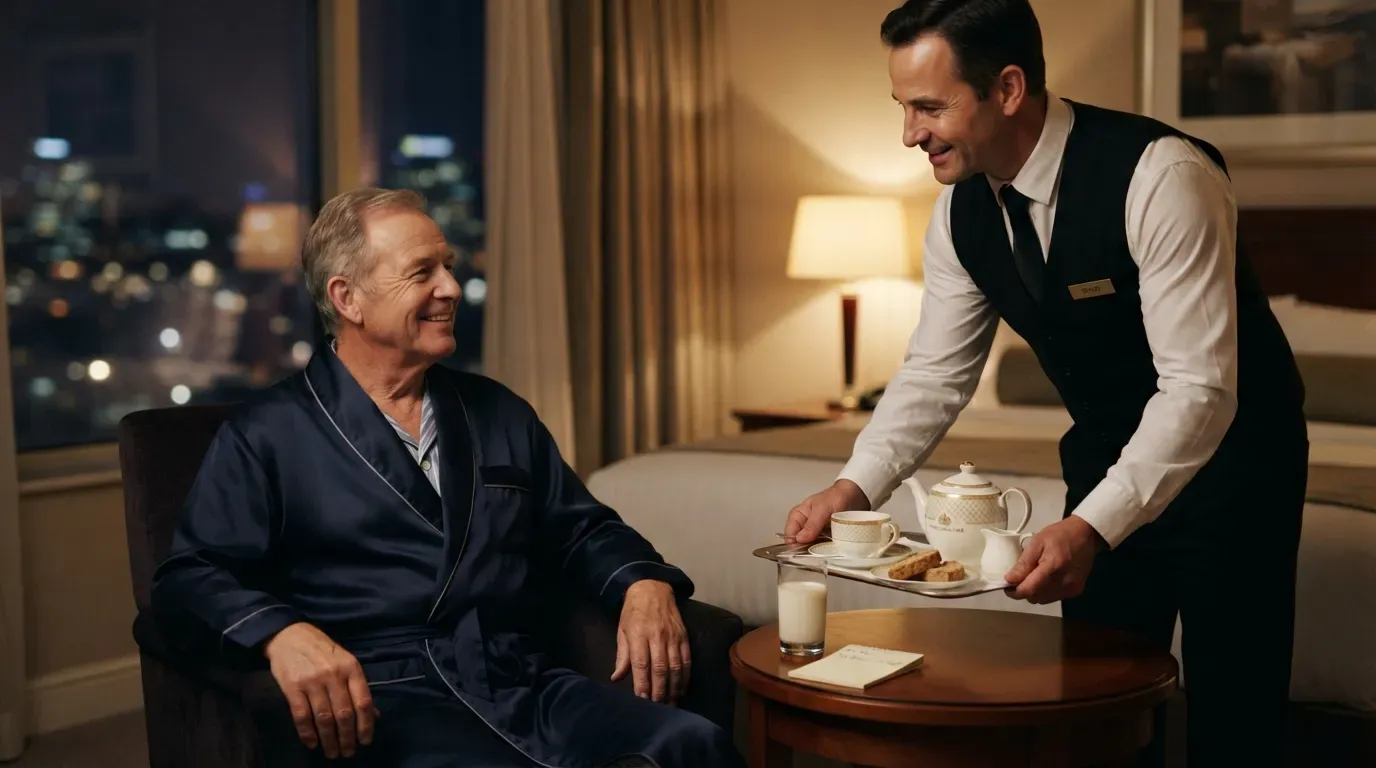
A surprising number of overnight room service staff keep mental notes, not written ones, on returning guests. If someone over 60 orders warm milk, herbal tea, or a specific soup two nights running, staff often have it ready before the guest even picks up the phone.
It isn’t some official loyalty perk. It’s simply staff paying attention, because older guests tend to order consistently and tip consistently, which makes them stand out in a shift full of chaotic requests. Many workers admit they remember a retired guest’s order faster than they remember a coworker’s name. That kind of quiet familiarity builds trust fast, and it sets up something even more surprising next.
Worth Knowing
- Consistent orders make older guests easier to remember on a chaotic overnight shift
- Staff often prep a repeat order before the guest even calls it in
- Steady tipping habits reinforce which guests get remembered fastest
#13 – The Knock Changes When the Guest Is Older
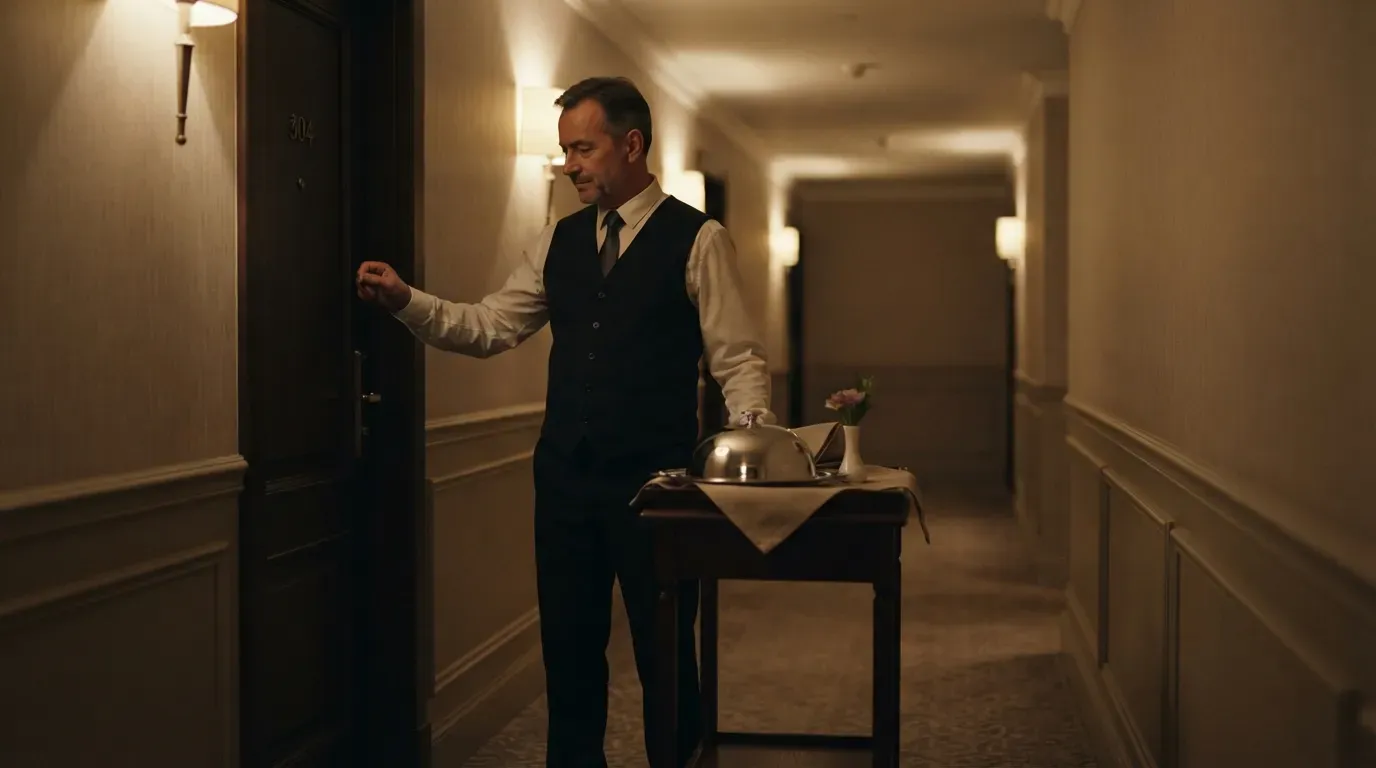
Ask any veteran bellhop or room service runner and they’ll tell you the knock itself changes depending on who’s behind the door. For older guests, many staff instinctively knock softer, wait a beat longer, and announce themselves clearly before ever reaching for a key.
It sounds small, but it comes from real experience. Staff have learned that older guests often move slower to answer, get startled easily late at night, or may already be settling in for sleep. Some employees say they’ll wait up to 20 extra seconds before knocking again, far longer than they’d wait for anyone younger.
#12 – Spice Levels Get Quietly Adjusted Without Being Asked
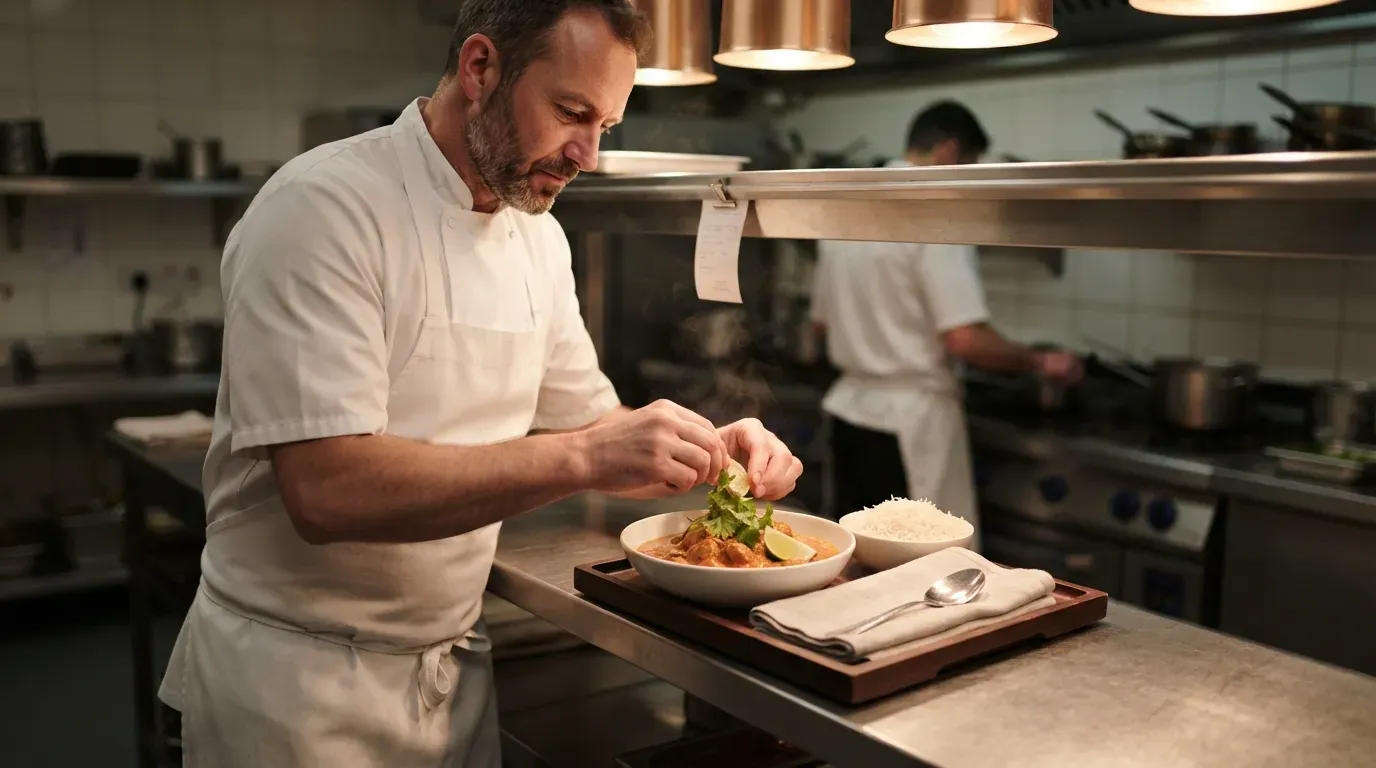
If a kitchen notices an older guest ordering something typically spicy, some cooks will dial back the heat unless the ticket specifically says otherwise. It’s not about assuming anything negative. It comes from years of late-night complaints and returned plates that taught the kitchen a pattern worth respecting.
Staff describe it as reading between the lines of an order instead of following it word for word. A dish is sometimes remade entirely rather than risk sending something too aggressive for a late hour. It’s a small kindness that almost never gets acknowledged, but it happens more often than most people would guess.
#11 – Extra Bread, Butter, or Comfort Sides Show Up Unprompted
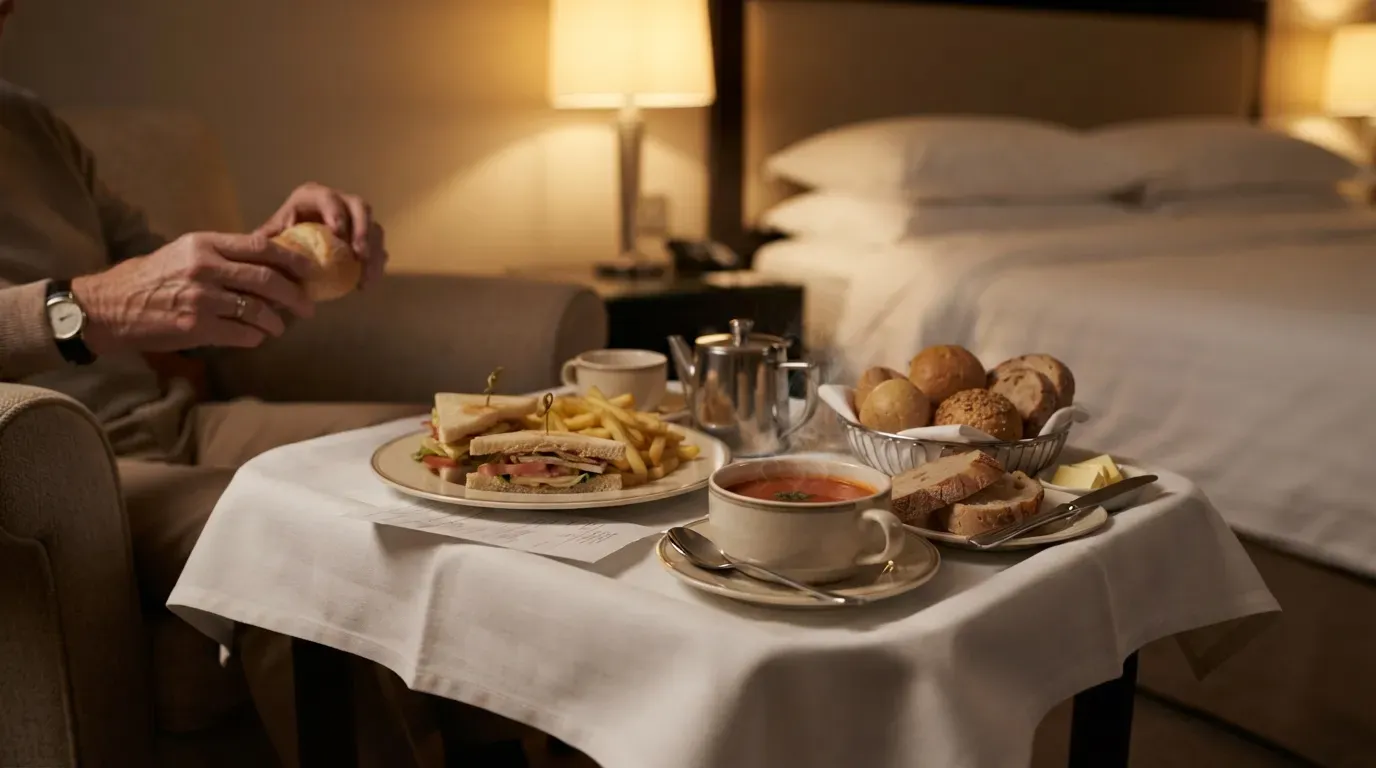
Room service staff often say comfort food requests spike late at night, and older guests in particular appreciate small additions like extra bread, a second butter packet, or a side of soup they never officially ordered. Many staff simply add it rather than ask, treating it as a gesture instead of an upsell.
This habit comes from experience, not instruction. Some staff describe it as an unspoken rule that no guest over 60 should get a bare tray after 10 PM. It costs the hotel almost nothing, and it earns the kind of loyalty that shows up in return visits and generous tips.
#10 – Deliveries Slow Down On Purpose
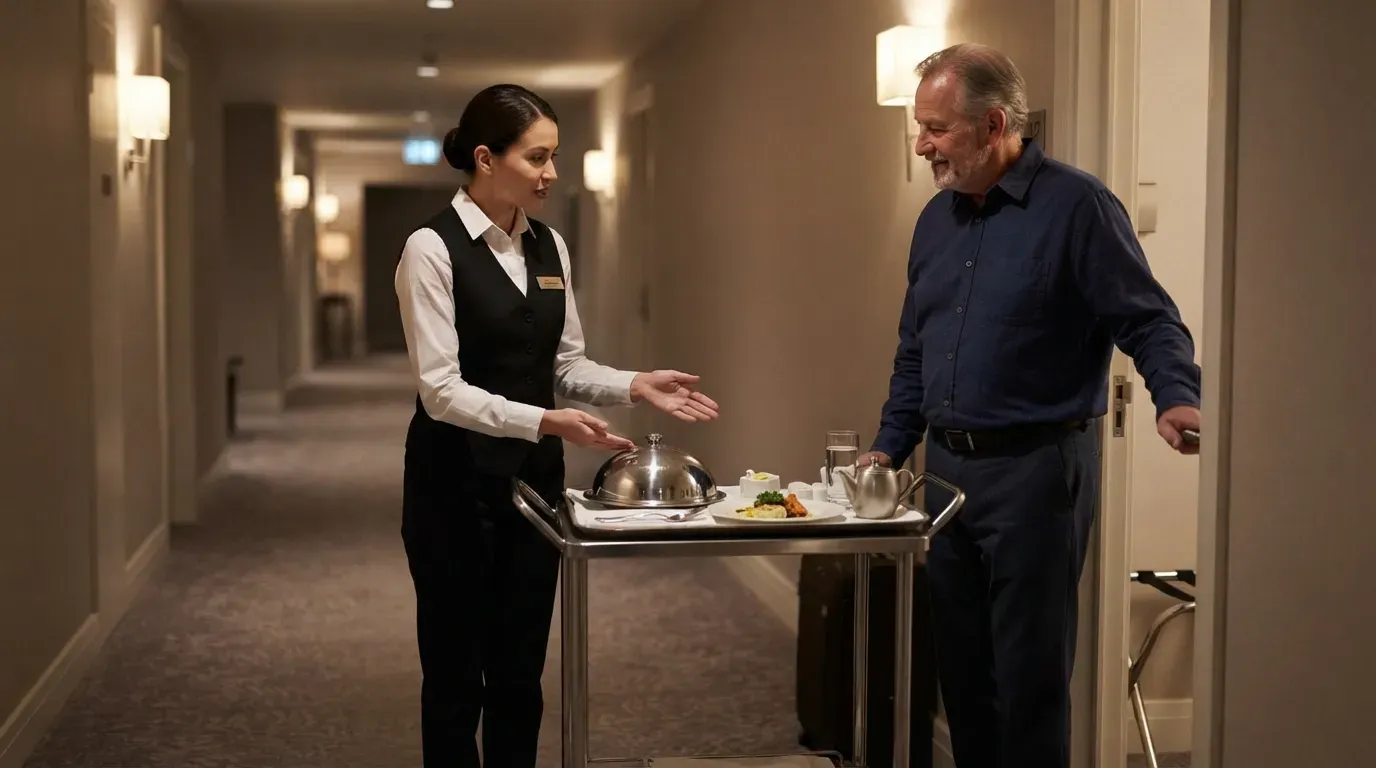
Speed is usually the whole point of room service, but many staff intentionally slow down when delivering to older guests late at night. Instead of a rushed handoff, they’ll take an extra moment to explain what’s on the tray or confirm everything is correct before walking away.
Workers say this isn’t about being slow at their job. It’s about avoiding the rushed, transactional feeling that younger guests barely notice but older guests often appreciate deeply. A delivery that takes 90 seconds for one guest might stretch to nearly three minutes for another, purely out of consideration.
Quick Compare
- Standard late-night delivery: quick handoff, roughly 90 seconds door to door
- Delivery to an older guest: slower pace, closer to three minutes
- Difference isn’t slower service, it’s deliberate, unhurried attention
#9 – Small Charges Quietly Disappear

Ask any room service veteran, and most will admit that small extras, like a second pot of tea or an extra side, often get left off the bill entirely for older guests. It’s rarely a formal comp. It’s simply a staff member deciding the charge isn’t worth the friction of an unhappy late-night guest.
This happens more informally than most people realize, and it’s almost never approved by management. Some staff say they’ll absorb a small charge themselves rather than bother a tired guest with a correction call. It’s a quiet form of goodwill that keeps loyal guests coming back.
#8 – Reading Materials Get a Second Thought
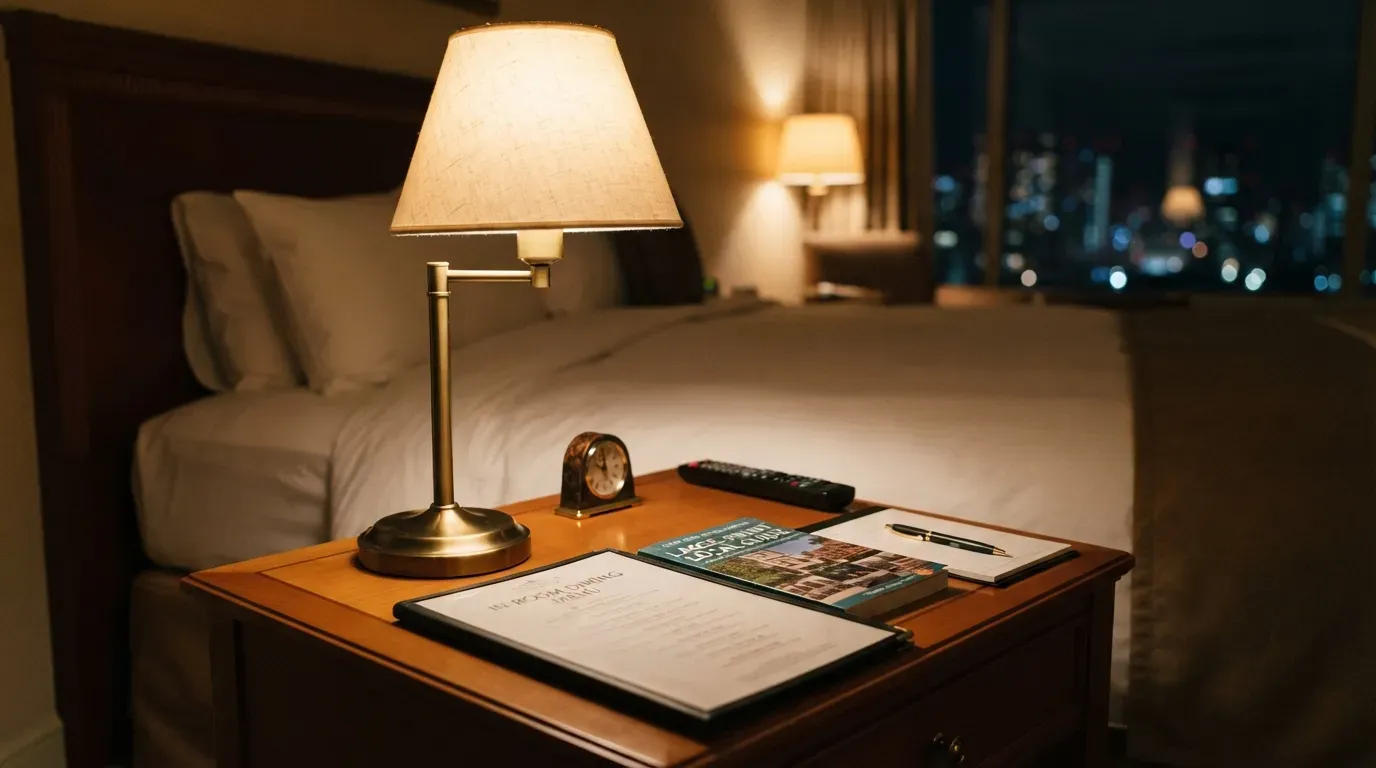
Some hotels still leave printed menus, local guides, or notepads in rooms, and staff say they’ll occasionally swap in larger-print versions or leave an extra reading light on for older guests without being asked. It’s a tiny accommodation that rarely makes it into a review but gets noticed in the moment.
Workers describe this as something they picked up from experience rather than training. A guest squinting at a menu once is often enough for staff to remember a fix for every future visit. It shows how much informal memory quietly drives hospitality behind the scenes.
#7 – Follow-Up Calls Get Personal

Most hotels don’t require room service to call back after a delivery, but plenty of staff do it anyway for older guests, especially late at night. A quick check-in to confirm everything arrived correctly is common, and it often turns into a brief, friendly conversation.
Staff say these calls aren’t scripted or required. They’re a personal habit built from noticing which guests appreciate the gesture. Some workers admit they only make follow-up calls for a handful of guests each shift, and older guests are almost always on that short list.
#6 – Decaf and Herbal Options Get Quietly Stocked
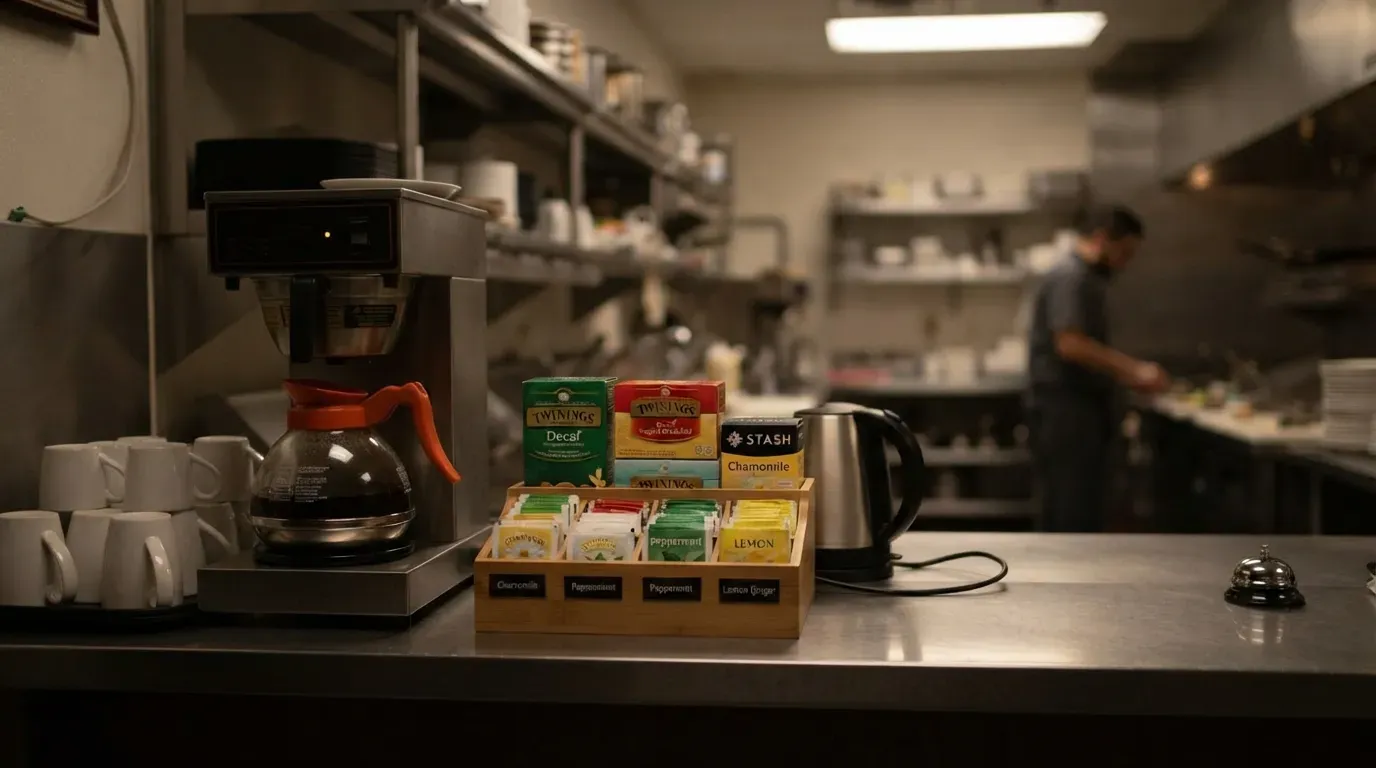
Late-night kitchens don’t always keep a full drink menu stocked, but many staff make sure decaf coffee and herbal tea are available specifically because older guests request them more often after dark. It’s a small inventory decision that rarely gets flagged as important, yet it consistently shows up in staff habits.
Workers describe this as one of the easiest ways to avoid disappointing a guest late at night. A missing decaf option is treated as a bigger problem than running out of regular coffee, according to several longtime staff. That kind of quiet prioritization carries right into the next entry.
Fast Facts
- Decaf and herbal tea requests rise noticeably after 10 PM among older guests
- Running out of decaf is treated as a bigger miss than running out of regular coffee
- Stocking decisions are made quietly by staff, not dictated by hotel policy
#5 – Special Occasions Get Remembered From Reservation Notes
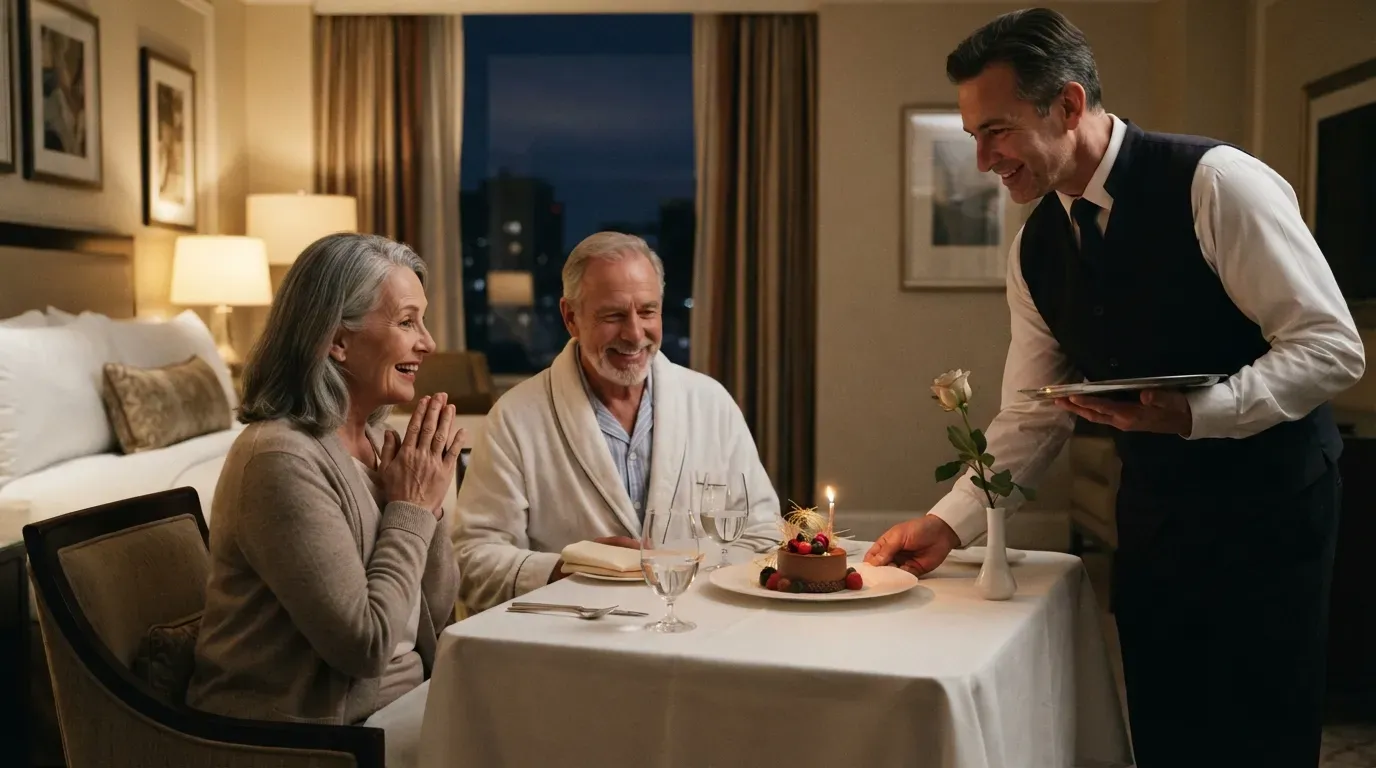
Hotel reservation systems often include notes about anniversaries or birthdays, and staff say they’ll occasionally surprise older guests with a small treat, like a slice of cake or a complimentary dessert, timed perfectly with a late-night delivery. It’s rarely announced ahead of time.
This kind of gesture usually comes from front desk staff quietly tipping off the kitchen. Some workers say they’ve seen guests genuinely emotional over a free dessert that cost the hotel almost nothing. It’s one of the most rewarding parts of the job, according to several staff who’ve done it for years.
#4 – Extra Blankets and Pillows Arrive Without a Request
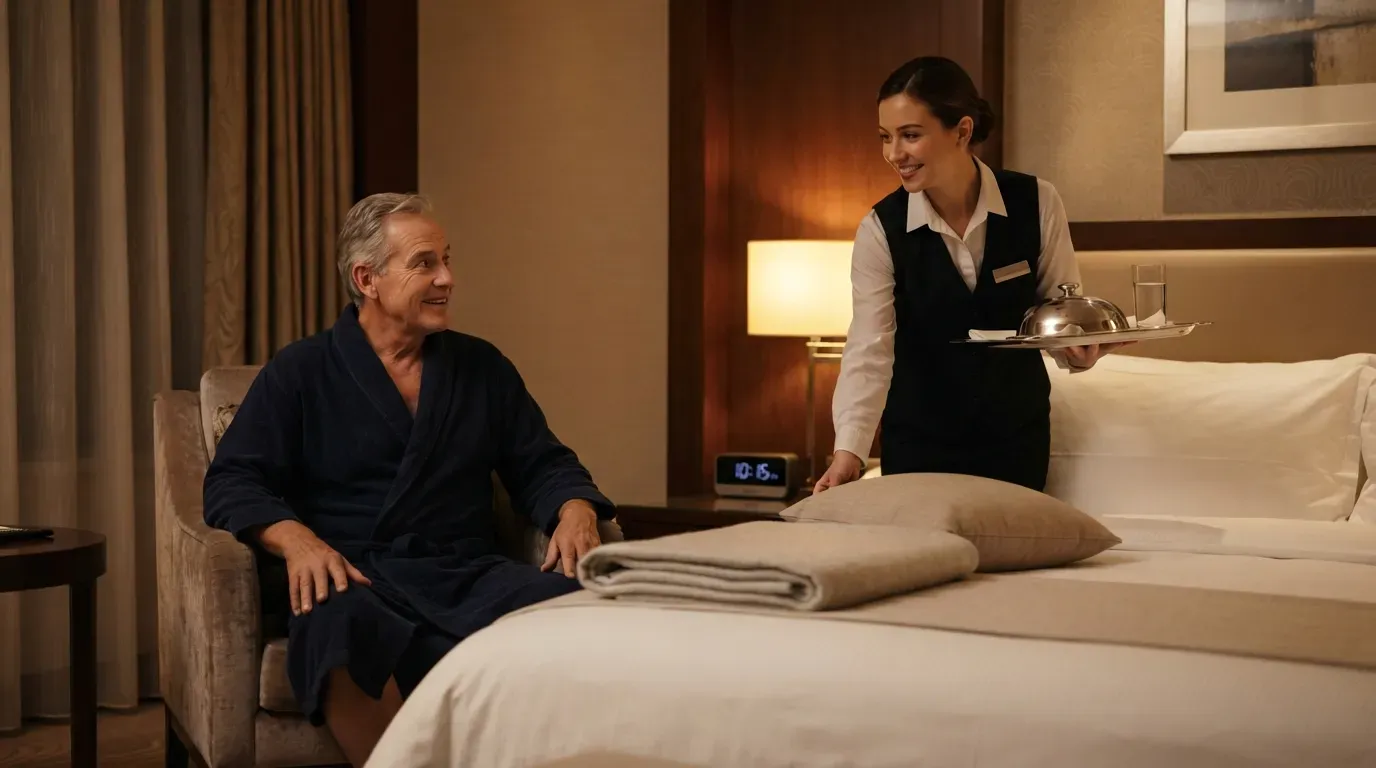
Older guests are more likely to mention temperature or bedding comfort, and many staff say they’ll proactively bring an extra blanket or pillow along with a late-night delivery rather than wait for a separate call. It’s a small bundling trick that saves the guest a second phone call and saves staff a second trip.
Staff describe this as one of the most appreciated gestures they can offer. A single extra blanket delivered without being asked is remembered far longer than most guests would expect, according to workers who’ve heard the same feedback repeatedly. That kind of quiet anticipation becomes even more personal in the next entry.
#3 – Payment Gets Handled With Extra Discretion
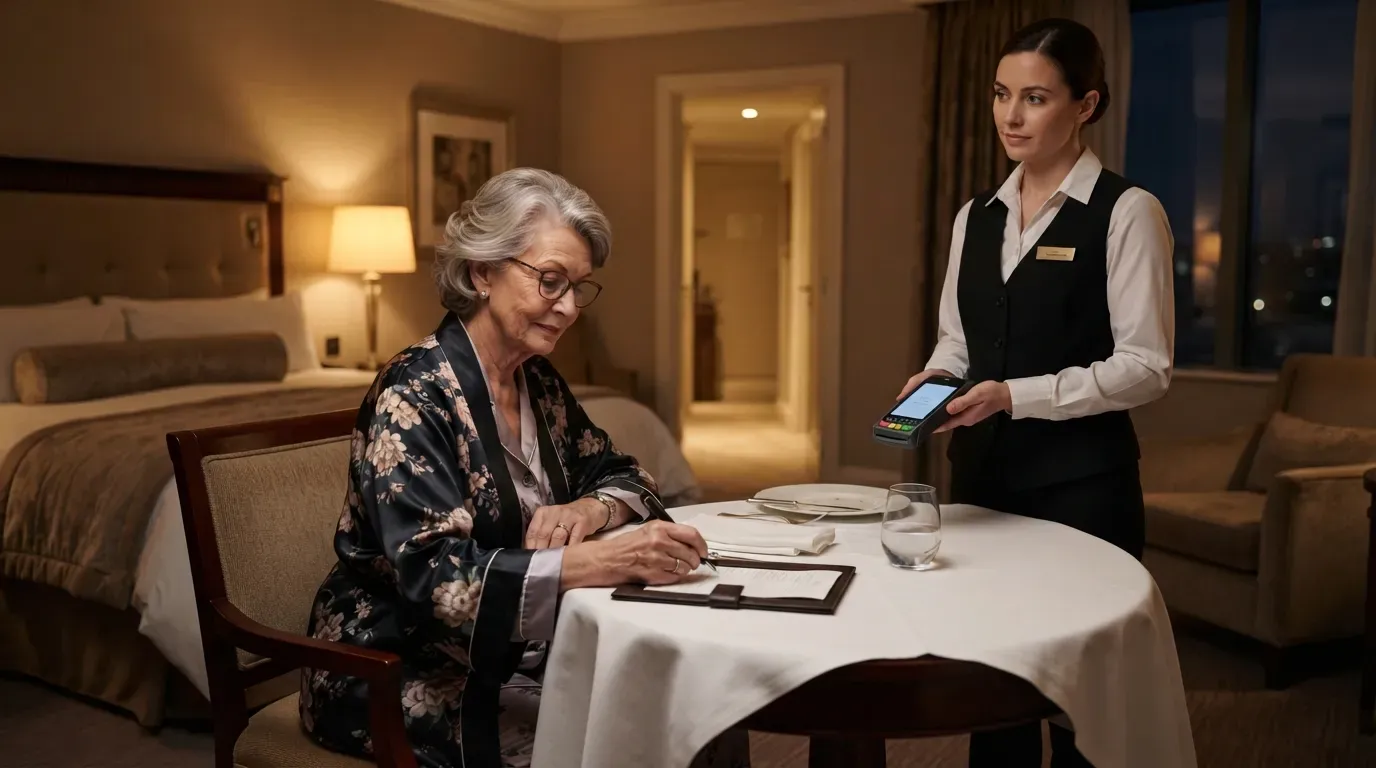
Tipping and billing can feel awkward late at night, especially for older guests who may be unsure about digital payment prompts or automatic gratuities. Many staff quietly walk guests through the process without making it feel like a lesson, often stepping back to let the guest take their time.
This small patience matters more than most people realize. Staff say rushing an older guest through a payment screen is one of the fastest ways to lose both a tip and a returning customer. Handling it with care instead builds a quiet kind of loyalty that carries into the final two entries.
#2 – Senior Staff Handle the Delivery Personally
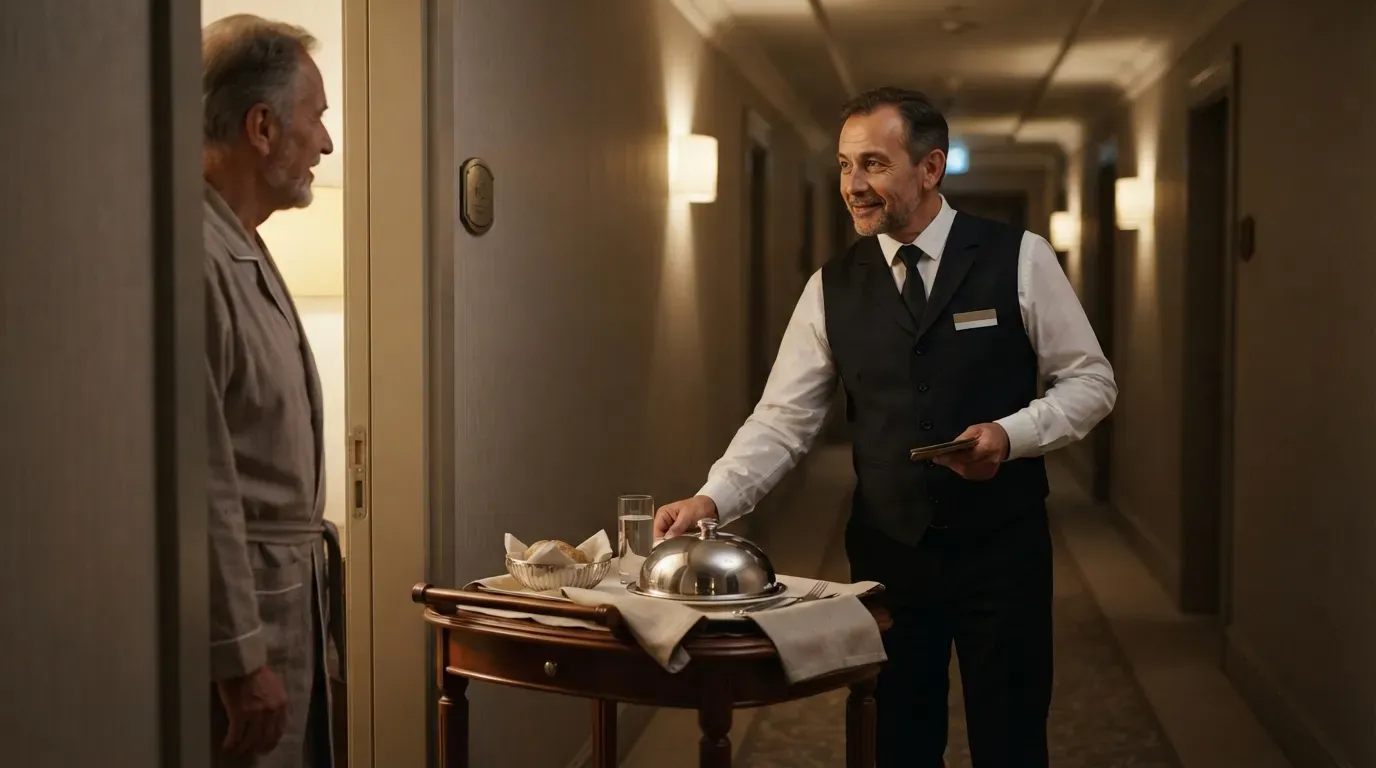
At many hotels, the most experienced overnight staff, not trainees, are the ones who personally deliver to older guests late at night. It’s an informal but consistent pattern, driven by managers who know experienced staff handle these interactions with more patience and polish.
This isn’t officially assigned in most hotels, but workers say it happens naturally during scheduling. A newer employee is often quietly redirected to a different delivery so a veteran can handle an older guest instead. It’s a small internal courtesy that most guests never learn about, and it leads directly into the most surprising entry on this list.
#1 – Bills Get Quietly Rounded Down as a Goodwill Gesture
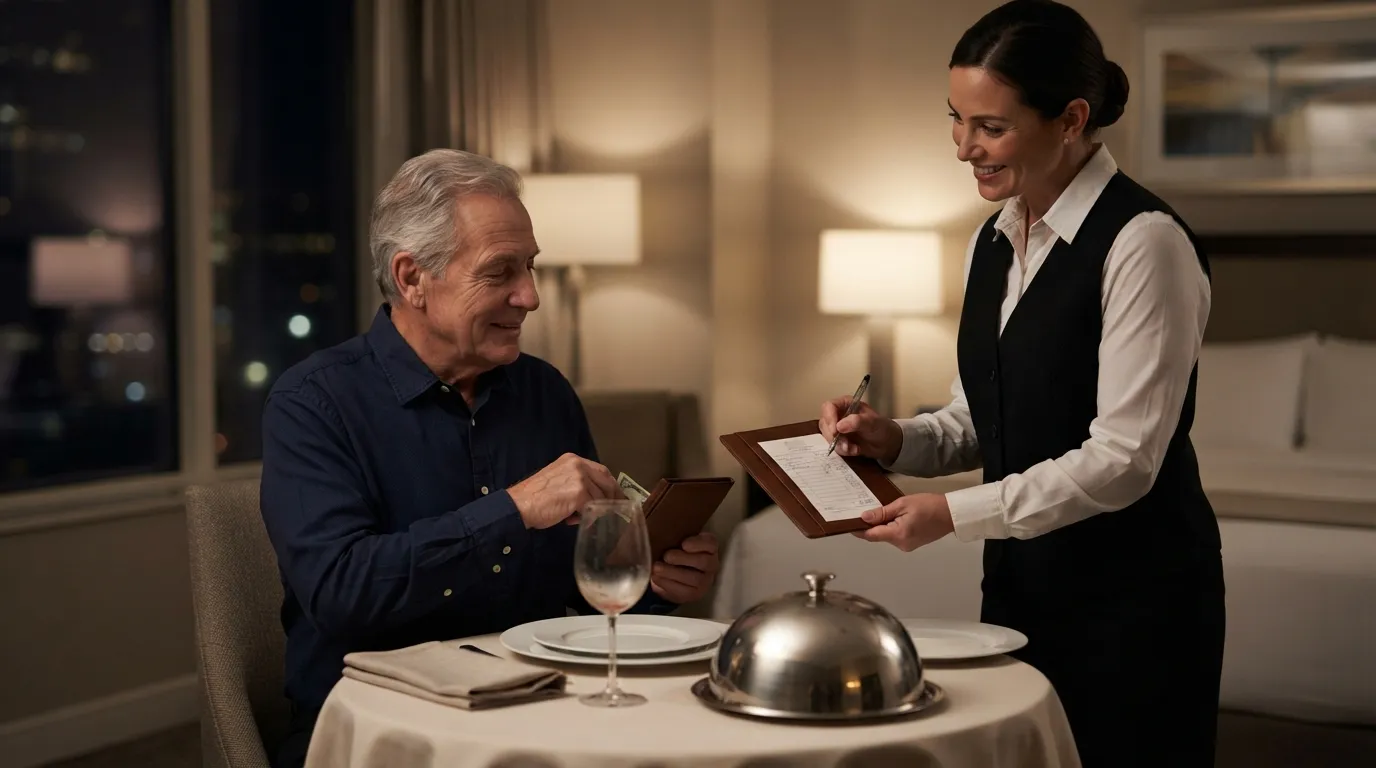
The most surprising habit admitted by longtime room service staff is the quiet rounding down of a bill, shaving off a few dollars here and there for an older guest who’s been kind, generous, or simply a regular. It’s rarely something a hotel would officially condone, but it happens more than most guests would ever guess.
Staff describe it as a personal decision made in the moment, not a company policy. Some workers say they’ve rounded down bills specifically because a guest reminded them of a parent or grandparent, a small emotional connection that turns into a real discount. It’s the clearest example of how much genuine kindness still happens behind hotel doors after the lobby goes quiet.
Why It Stands Out
- No hotel policy authorizes it, yet it happens on overnight shifts everywhere
- The decision is personal, often tied to a guest reminding staff of family
- It costs the hotel almost nothing but creates outsized loyalty
- It’s the single habit staff mention most when asked what they’d never put in writing
None of this shows up in a loyalty program or a satisfaction survey, yet it shapes how older guests remember a stay far more than marble floors or turndown chocolates ever could. The kindness is small, often invisible, and almost always unofficial, which is exactly what makes it feel real.
It’s less about hotel policy and more about the quiet judgment calls staff make when nobody’s watching. If you’ve experienced something like this during a late-night stay, or you’ve worked room service yourself, you already know these are the details that never make it into a brochure, and they’re often the reason people come back.