
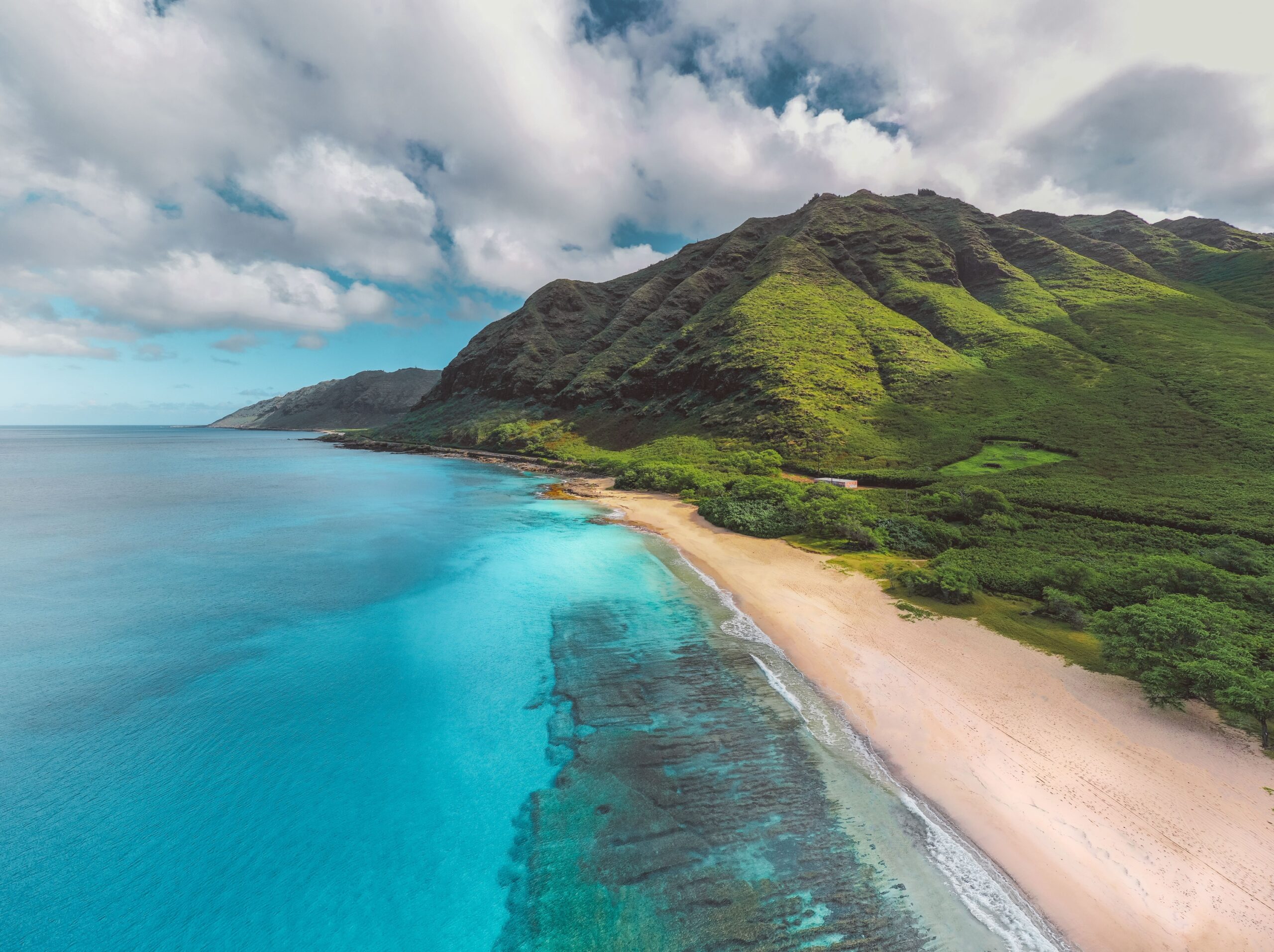
Hawaii doesn’t really have an “off season” in the traditional sense. The islands sit close enough to the equator that warm weather is basically guaranteed twelve months a year, which is exactly why so many people struggle to pin down when to actually book their flights. Still, if you dig into the weather patterns, crowd data, and pricing trends, some months clearly outshine others depending on what you’re hoping to get out of your trip.
The honest answer is that timing depends on your priorities, whether that’s chasing perfect beach weather, dodging crowds, catching a whale breach, or simply finding a hotel rate that doesn’t make you wince. Below, we break down each season and island quirk so you can figure out exactly when your version of paradise should happen.
Why Shoulder Season Has Become the Insider’s Favorite

Travel experts who track Hawaii closely keep landing on the same answer. While Hawaii is a great destination year-round, the best opportunity for good weather exists during April, May, September, and October. These months hit a rare combination where the tradewinds are calm, rain is minimal, and the tourist masses haven’t fully arrived yet.
What makes this window so appealing isn’t just the weather. April offers hotel rates that drop roughly 20% from spring break levels while weather stays dry, and May brings the best balance of low rates and clear skies before summer demand hits. September carries its own reward too, since crowds collapse after Labor Day while the water stays bath-warm. For travelers who value both value and comfort, this is the stretch that keeps coming up again and again in seasoned Hawaii guides.
Spring (April to May): Dry Skies Before the Summer Rush

Spring in Hawaii tends to feel like a reward for those willing to skip the more obvious summer window. Spring months are widely considered the best months to visit Maui, with ideal weather, lower crowds than summer, and pricing on accommodations and flights often at their lowest point of the year. The same logic holds true across the other islands, with Oahu and the Big Island following a nearly identical pattern.
The catch is that this calm doesn’t last long. Crowds and temperatures will both tick upwards toward the start of June, so travelers hoping to snag spring pricing need to book before Memorial Day weekend flips the switch. If your schedule allows any flexibility at all, late April through mid-May is arguably the single most efficient window for combining good weather with manageable costs.
Summer (June to August): Peak Sunshine, Peak Prices
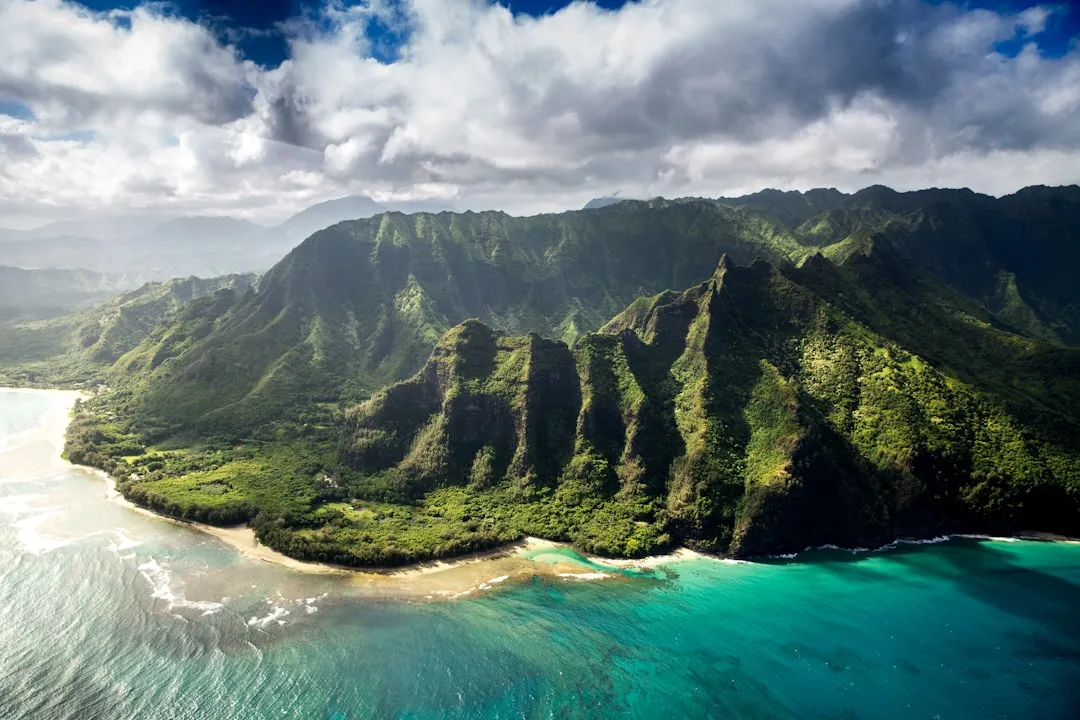
Summer is when Hawaii turns into the destination everyone pictures in their head, but that popularity comes at a cost. Summer works for families constrained by school schedules but offers no real weather advantage over shoulder seasons while costing significantly more, with hotel rates running 50 to 100% higher and restaurants fully booked. If your dates are locked in by a school calendar, this is simply the reality you’re working with.
Beyond pricing, summer also brings its own logistical headaches. Popular spots can get jam-packed during the summer, especially on the Road to Hana, and prices surge for accommodations across the board. None of this means summer is a bad choice, it just means you should expect company everywhere you go, from beach parking lots to snorkel tour boats.
Fall (September to October): The Quiet Favorite

If there’s a consensus pick among people who’ve actually lived on the islands, it’s fall. Shoulder season months including September, October, and November before Thanksgiving offer the best combination of weather, fewer crowds, and pricing, with September frequently cited as the single best month to visit. The logic tracks with the data too, since summer travelers have gone home but winter’s rainy pattern hasn’t set in yet.
September specifically checks nearly every box travelers care about. September tends to deliver the best weather, the fewest people on the islands, the best lodging prices, and the best ocean conditions for swimming and snorkeling, with a noticeably more laid-back vibe after the summer rush. October isn’t far behind, often described as a close runner-up for travelers who can’t quite make September work.
Winter (November to March): Whales, Waves, and Holiday Chaos
Winter splits into two very different experiences depending on the exact week you go. Early-to-mid November is quietly one of the year’s best bargains. Weather remains warm between 74 and 83°F, crowds stay minimal, and prices hit annual lows of 30 to 40% below winter rates, right up until Thanksgiving week flips things back to peak-season pricing.
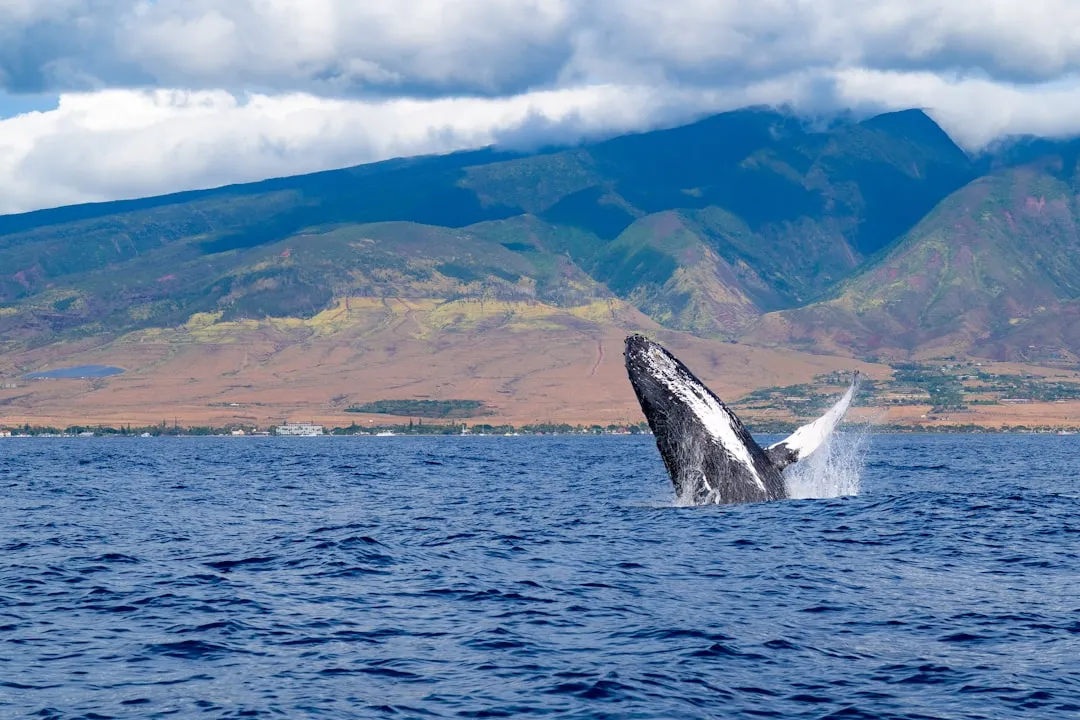
From late December onward, the story changes entirely. Peak tourism runs from late December through early January for the holidays, with moderate crowds returning in March for spring break and Thanksgiving week. This is also whale season, and January, February, and March are typically the best months for whale watching, with Maui serving as the go-to island for the experience. It’s a genuine trade-off: bigger crowds and higher prices in exchange for one of nature’s more spectacular shows.
Rainy Season Versus Dry Season, Explained Simply
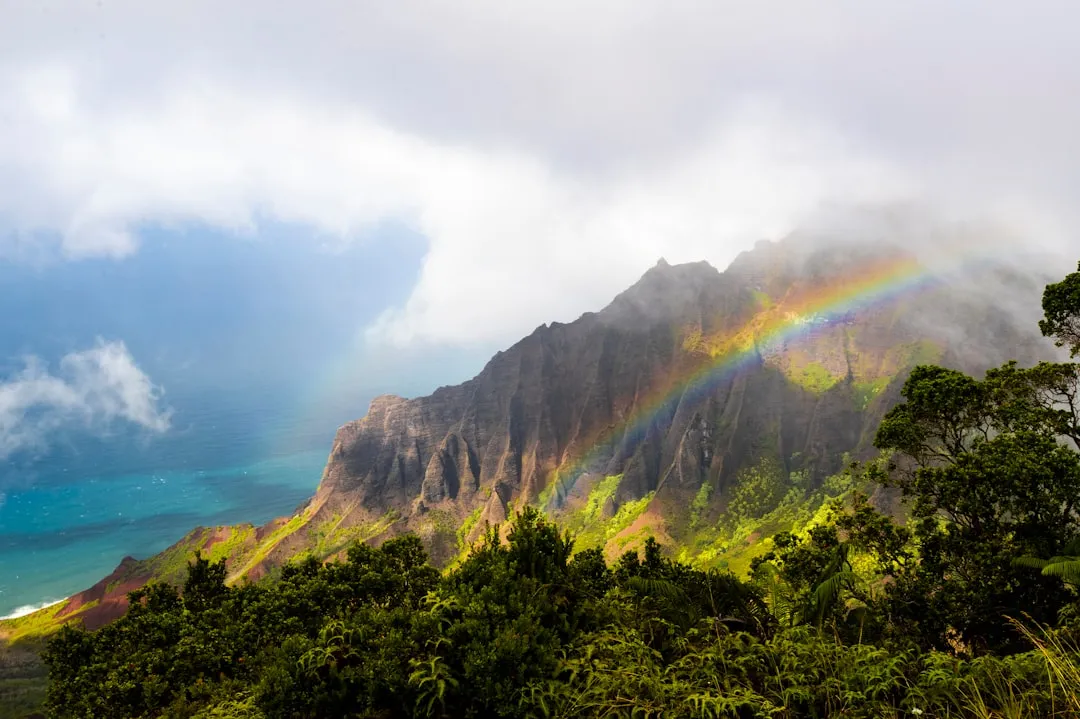
Beyond crowds and pricing, actual weather patterns matter more than people expect. The wet season runs from November through April, while the dry season typically spans May through October, though “wet” is relative since Hawaii rarely sees the kind of prolonged storms that ruin a trip outright.
Rainfall also varies dramatically by location, which surprises a lot of first-time visitors. Hilo on Hawaii Island receives roughly 130 inches of rain per year, more than triple what Seattle gets annually, while Ewa Beach on Oahu sees only about 17 inches a year. The takeaway here is simple: even during the “rainy season,” choosing a leeward or south-facing location can keep your trip almost entirely dry.
How the Islands Differ When It Comes to Timing
Not every island follows the exact same calendar. On Oahu, the calm months arrive early. Early spring months are considered the best time to visit Oahu, since temperatures haven’t reached summer highs yet and large crowds haven’t materialized, though arrivals increase significantly by June. Oahu also tends to have more forgiving weather overall, which is part of its enduring popularity.
The Big Island and Maui follow a similar shoulder-season rhythm but with their own local flavor. Best times to visit the Big Island, factoring in weather, crowds, and accommodation demand, land on April, May, August, September, and October. Kauai leans wetter overall, and while it’s stunning thanks to the rain that keeps it so lush, it does get a bit more of the extreme winter weather, meaning some rain should be expected during at least part of a winter trip.
What Current Pricing and Visitor Data Actually Show

The numbers back up what seasoned travelers already suspected. Hawaii recorded roughly 9.64 million visitors in 2025, essentially flat with 2024 and still well below the 10.4 million arrivals recorded in 2019, with the slowdown running from late spring through the end of the year. Meanwhile, costs have climbed steadily even as visitor counts softened.
Matching Your Trip to What You Actually Want
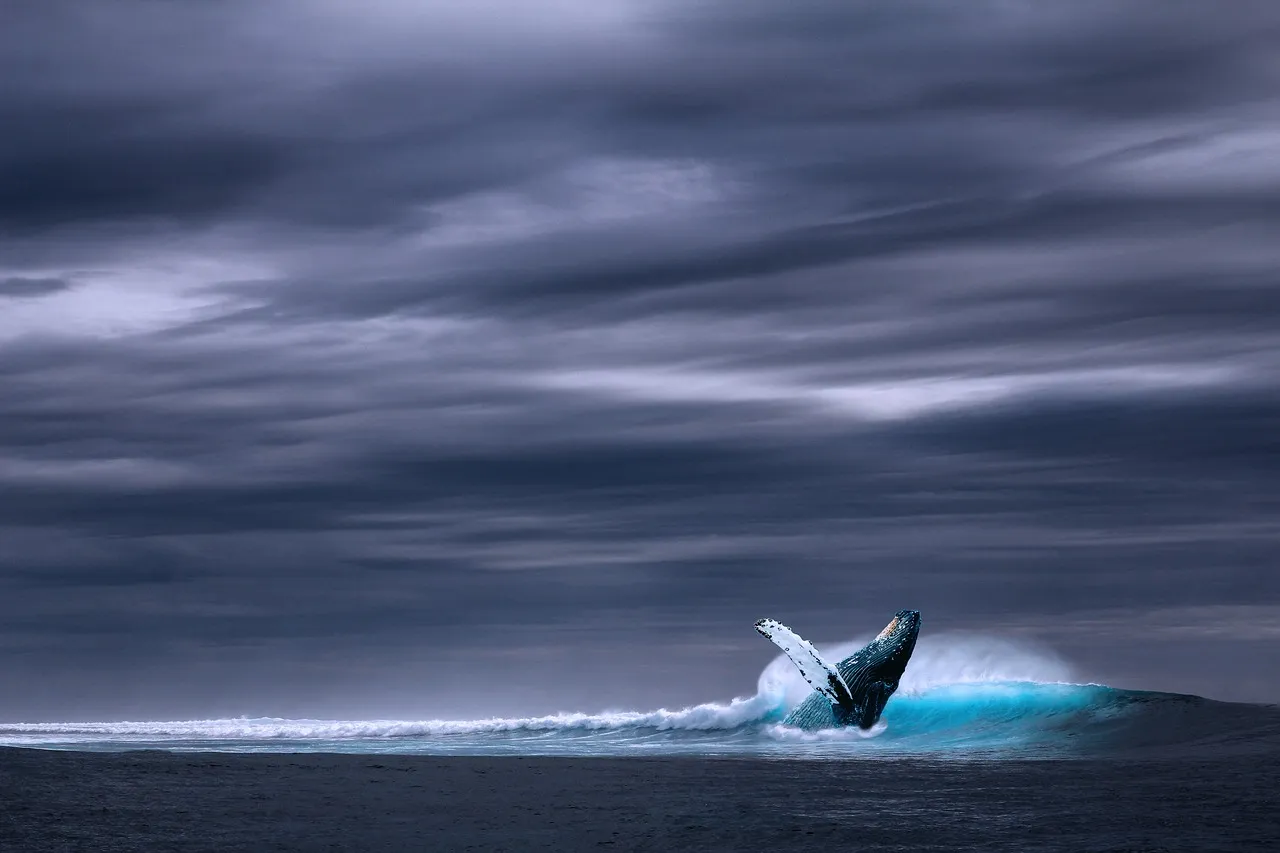
The smartest way to plan isn’t to chase a single “best month” but to work backward from your priorities. If whale watching is the goal, booking a vacation between December and April puts you right in the middle of the season, since Hawaiian waters are full of them during that stretch. If budget is the main driver, the shoulder months consistently deliver the best value across flights, hotels, and rental cars.
For surfers, families, or anyone chasing a specific festival or event, the calculus shifts again. Airfare costs differ by season, with fall offering the lowest rates after Labor Day while winter carries higher rates due to the holidays, so even a two-week shift in your travel dates can meaningfully change your total trip cost. The islands really do reward a bit of strategic thinking rather than picking dates purely on vacation days available.
Bringing It All Together
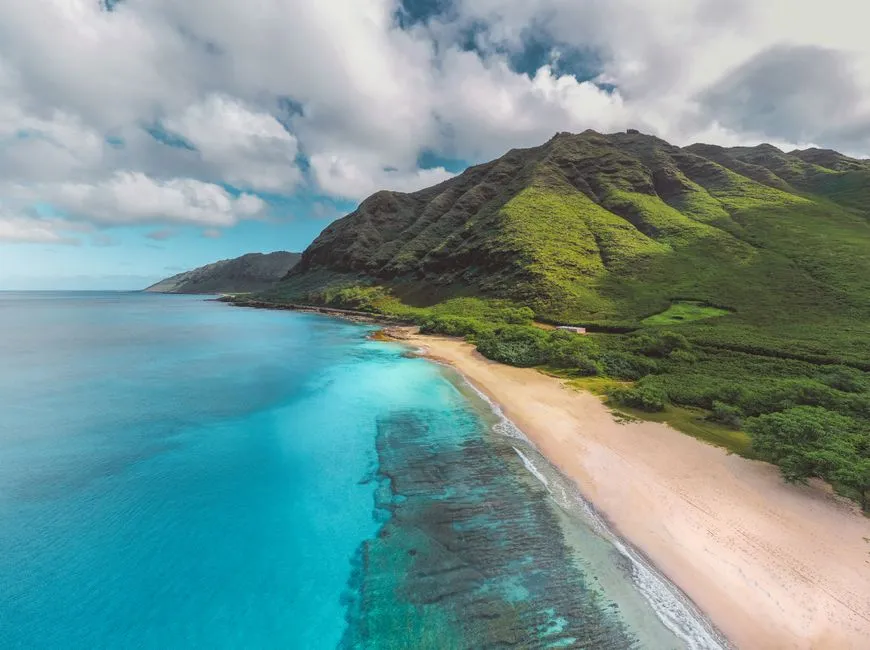
There’s no single universal answer to when you should visit Hawaii, and honestly, that’s part of the islands’ charm. Every season offers something different, whether that’s the quiet dry stretch of September, the whale-filled waters of February, or the lively, sun-soaked chaos of July.
What the data makes clear is that April, May, September, and October consistently deliver the strongest mix of good weather, thinner crowds, and friendlier prices. If those months line up with your schedule, book early and enjoy the sweet spot. If they don’t, don’t stress too much, because as locals often say, there really is no bad time to fall in love with Hawaii, just different flavors of the same paradise.