
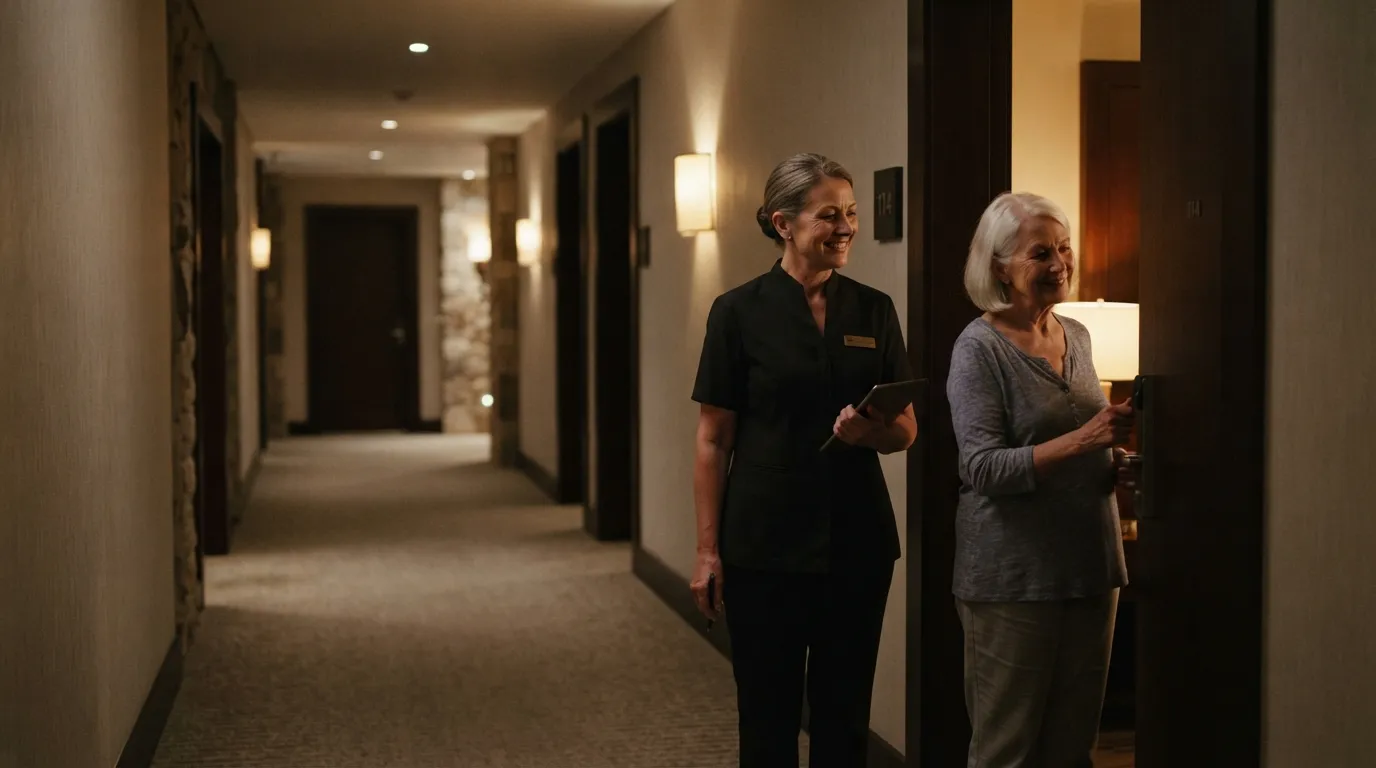
Most travelers assume an all-inclusive rate is the whole story: same room, same buffet, same wristband as everyone else. But longtime resort staff describe something different happening for guests over 60 – a string of small, unannounced touches that never show up on a folio because they were never meant to be noticed in the first place.
None of it requires elite status, a butler suite, or a special request form. It happens because a front desk agent, a server, or a bellhop quietly decides you’re worth remembering. Here’s what actually goes on behind the counter, according to the people who work it.
#14 – The Loungers Get Moved to the Quiet End of the Pool, No Request Needed

Pool attendants at busy resorts learn the layout fast: which section catches the DJ speakers, which corner sits in shade by 2 p.m., and which row is closest to the walkway with the fewest steps. Guests over 60 who show up without a big group are often steered toward that quieter stretch before they even ask.
The reassignment almost never gets announced. Guests just notice the chairs felt easier to reach and the music felt farther away. It’s one of the cheapest gestures a pool team can make, and one of the most consistently reported.
Fast Facts
- Loungers at the far end of the pool sit farther from DJ speakers and swim-up bar noise
- Shaded rows near landscaping tend to stay noticeably cooler once the afternoon sun peaks
- These spots are usually closest to walkways, cutting down on long walks for towels or drinks
- The switch typically happens within the first hour after check-in, before any request is made
#13 – The Same Bartender or Server Remembers Your Order by Day Two
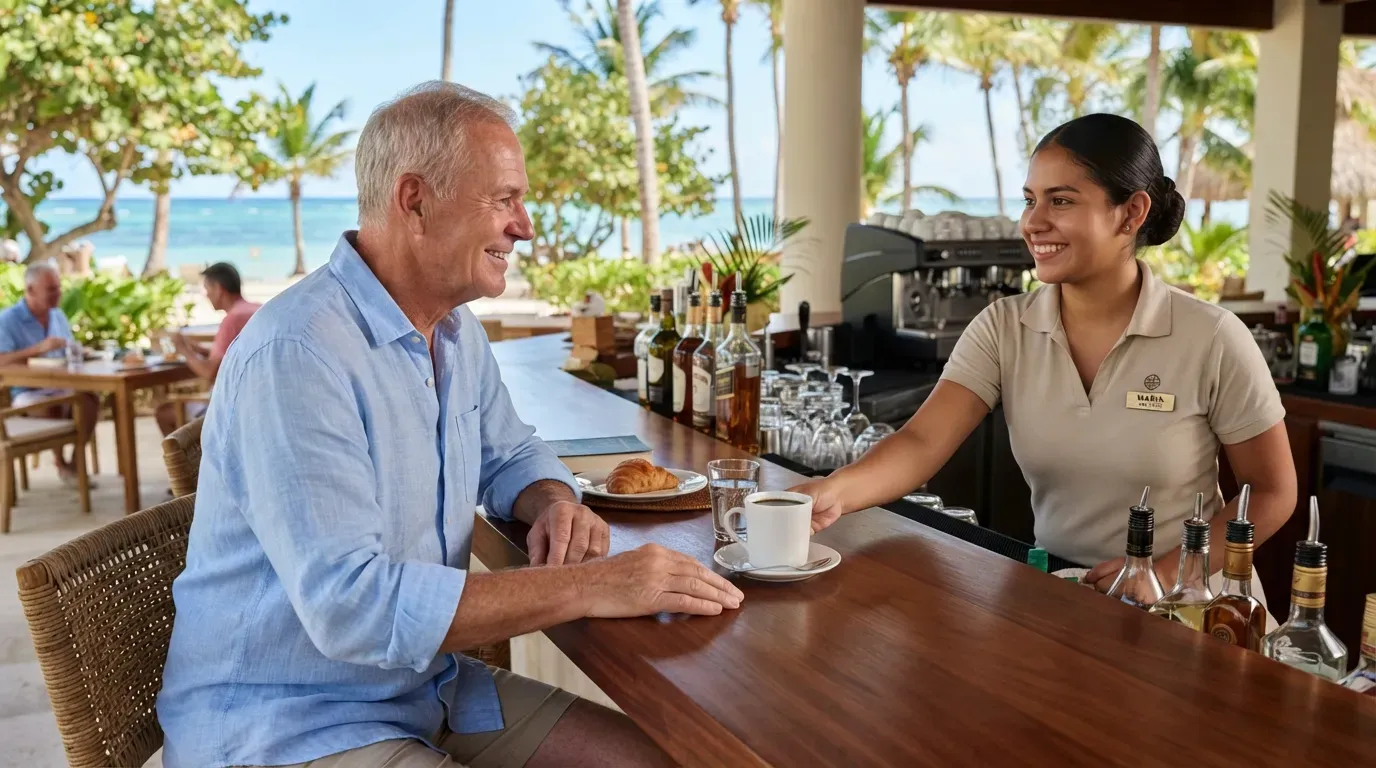
At larger properties, a solo traveler over 60 is often quietly assigned an informal “regular” server or bartender within the first day or two. Someone in the breakfast room or at a favorite bar starts greeting them by name, making sure at least one familiar face checks in on them each morning.
It sounds like a small thing until the third morning, when the coffee arrives exactly how you like it before you’ve said a word. That familiarity is intentional, not accidental – and for someone traveling alone for the first time in years, it can end up meaning more than anything else on the trip.
#12 – Housekeeping Quietly Swaps You Away From the Ice Machine and Elevator Bank
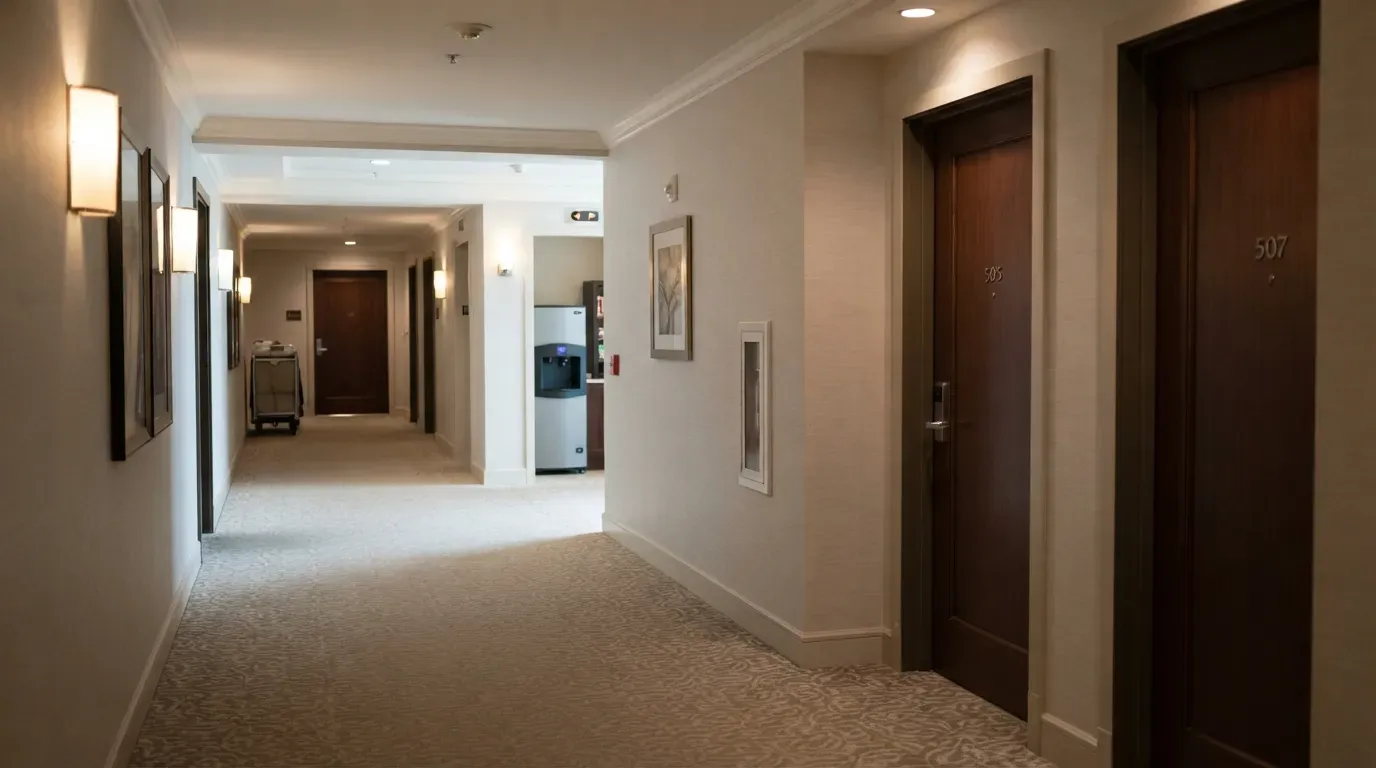
Where a room sits in the building matters enormously for sleep quality. Experienced staff know the floor plan well enough to steer older guests away from ice machines, elevator banks, stairwells, and the floors where louder groups tend to get booked, and this reassignment typically happens before check-in based on nothing more than a birthdate on the reservation.
Most guests never realize their room assignment was switched on their behalf – they just notice they slept well. A good staff member eliminates the noise problem before a complaint is ever filed, choosing higher floors, buffered corner rooms, or spots far from the service elevator. It’s one of the most common invisible upgrades in the entire industry.
#11 – A Firmer Mattress Topper or Extra Pillow Shows Up Without a Complaint

Housekeeping and turndown teams often carry a stash of firmer toppers, extra pillows, and even fans that aren’t advertised anywhere on the resort’s amenity list. Many guests don’t realize how many comforts are available upon request, including specific pillow types, fans, and customized housekeeping schedules depending on the property.
For guests over 60, staff sometimes offer these items proactively rather than waiting to be asked, especially after noticing a slower walk or a mention of back trouble at check-in. It costs the resort nothing and quietly solves a problem most guests assumed they’d have to live with for the week.
#10 – Butlers Quietly Stock the Minibar With Exactly What You Drink
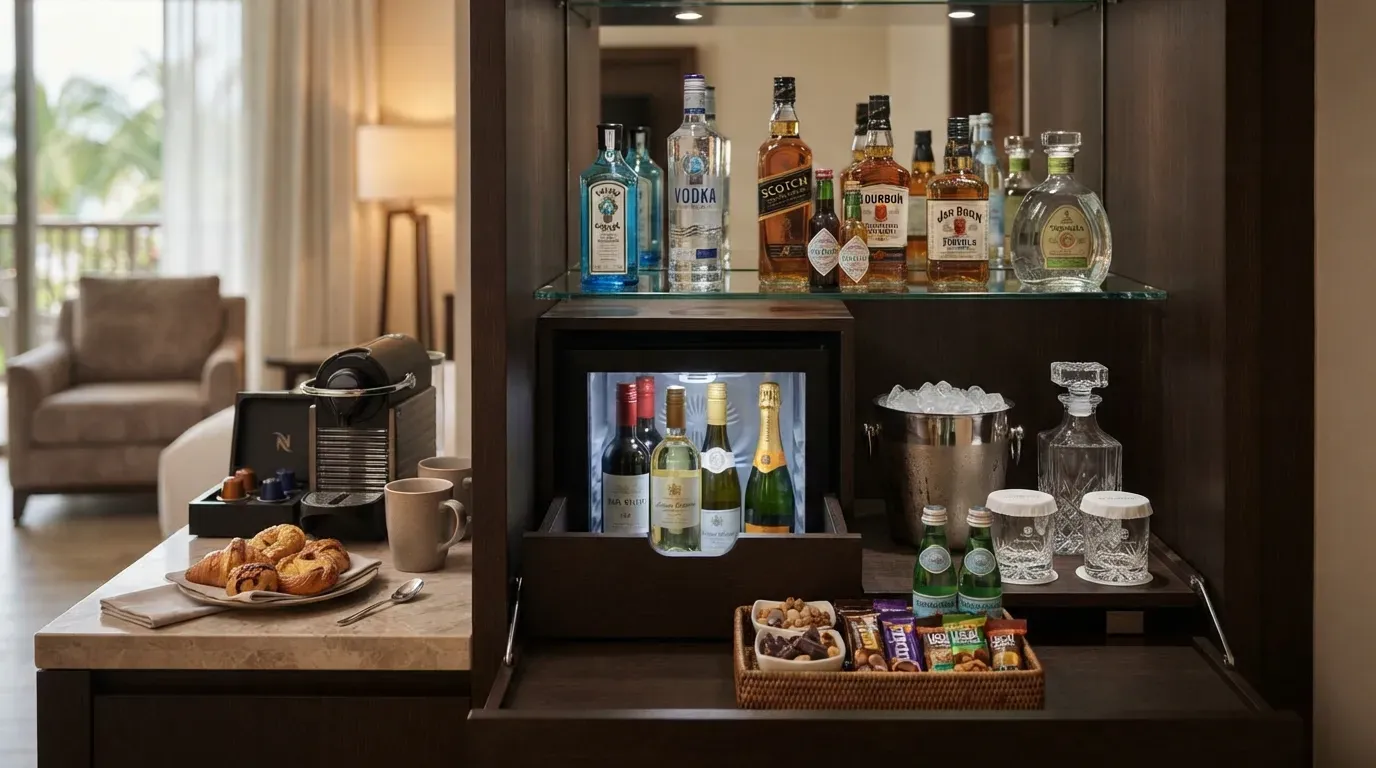
At resorts with butler-tier suites, this touch goes furthest. Top-tier suites at brands like Sandals include butler service, meaning a butler can arrange custom in-room setups such as champagne on arrival, a curated wine selection, or a fully stocked bar configured to guest preferences. Guests can also ask for a preferred liquor or wine to be stocked in the room, along with a daily coffee and pastry delivery timed to whatever schedule suits them.
What rarely gets mentioned: this stocking often continues without a second request once staff learn the pattern. The bar simply reappears filled the same way, day after day, with no line item attached.
#9 – The Best Table at the Busiest Restaurant Somehow Opens Up
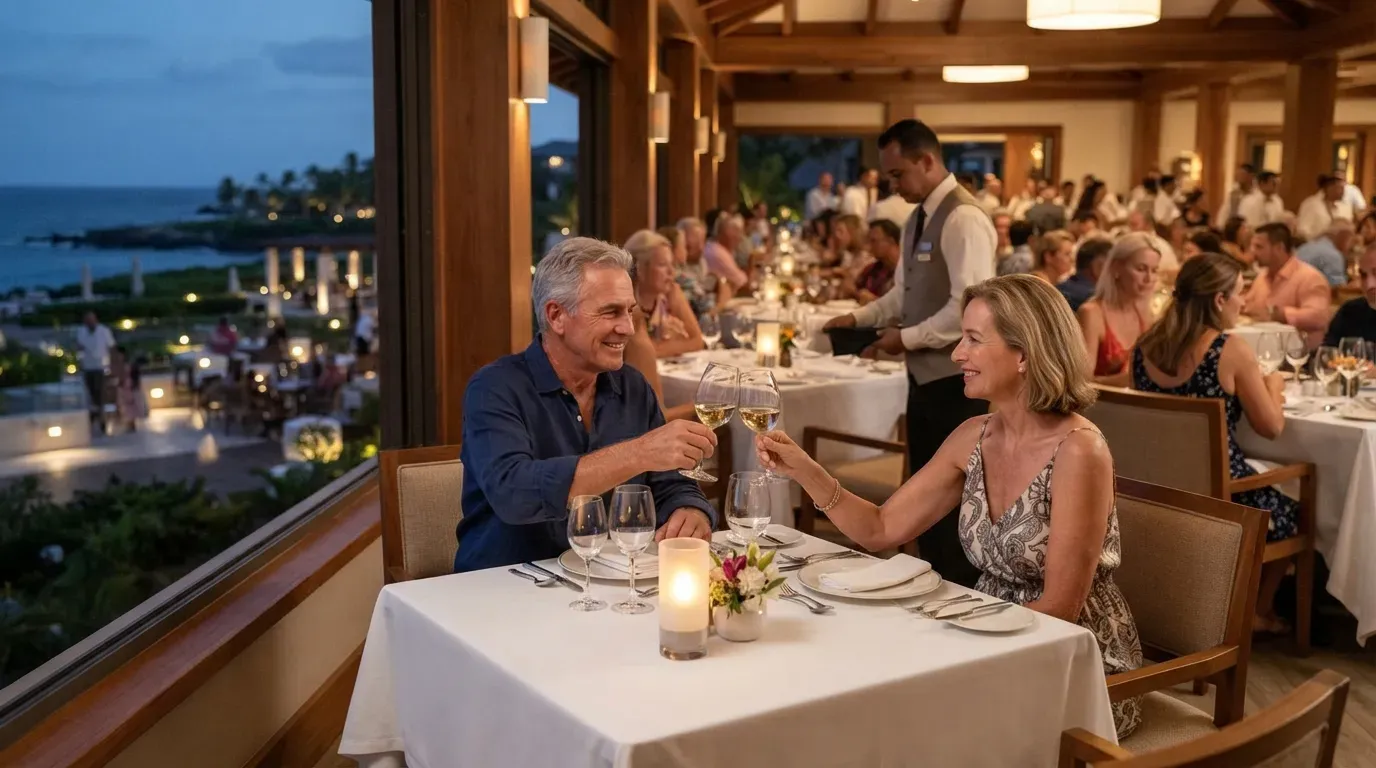
Popular à la carte restaurants at all-inclusive resorts fill up fast, and walk-in guests are often turned away at peak hours. Securing a spot at the most popular restaurants can be tricky, but a resort butler can usually handle it, and staff at properties without butler service often extend the same courtesy informally.
Guests over 60 who mention a dietary need or a special occasion at check-in frequently find a table waiting later in the week, even during a supposedly “fully booked” night. It’s rarely explained – the reservation just exists when you arrive.
#8 – A Higher Floor or Corner Room Gets Assigned the Moment One Sits Empty
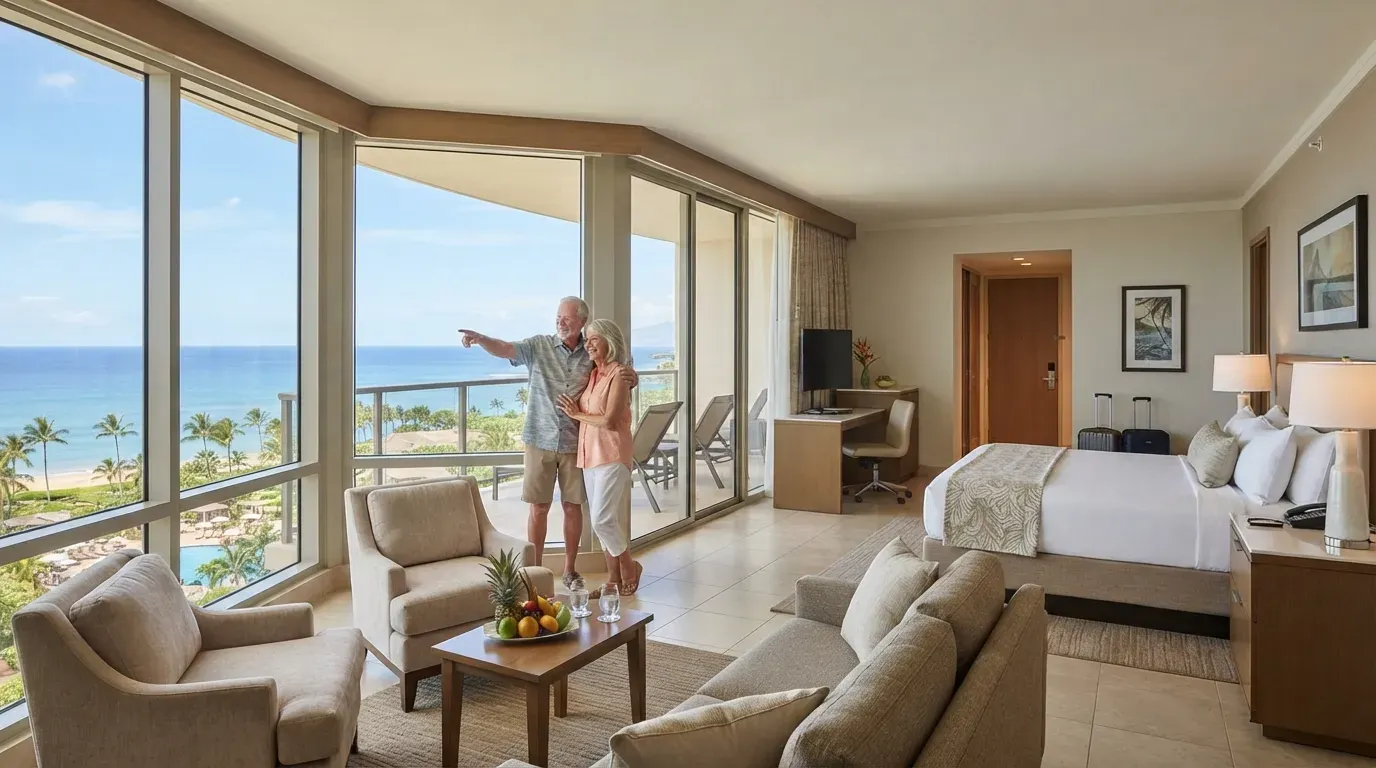
Corner rooms are one of the industry’s best-kept secrets: they’re typically larger, have windows on two sides, and share fewer walls with neighboring guests. Hotels rarely advertise them as complimentary upgrades, yet they sit empty often enough that front desk agents have both the inventory and authority to reassign them.
Room upgrades aren’t reserved only for elite loyalty members – when premium rooms would otherwise go unoccupied, staff regularly move guests to higher floors, corner rooms, or suites rather than let that inventory sit empty. Guests over 60 traveling on quieter midweek dates benefit most, since occupancy is lower and staff have more rooms to reassign quietly.
Quick Compare
- Standard room: One window, shares walls with two neighboring rooms, standard footprint
- Corner room: Windows on two sides, only one shared wall, usually more space to move around
- Standard room: Assigned strictly in check-in order, no special handling
- Corner room: Often held back quietly and released to guests staff want to reward
#7 – Checkout Gets Stretched an Extra Hour Because You’ve Been Easy to Work With
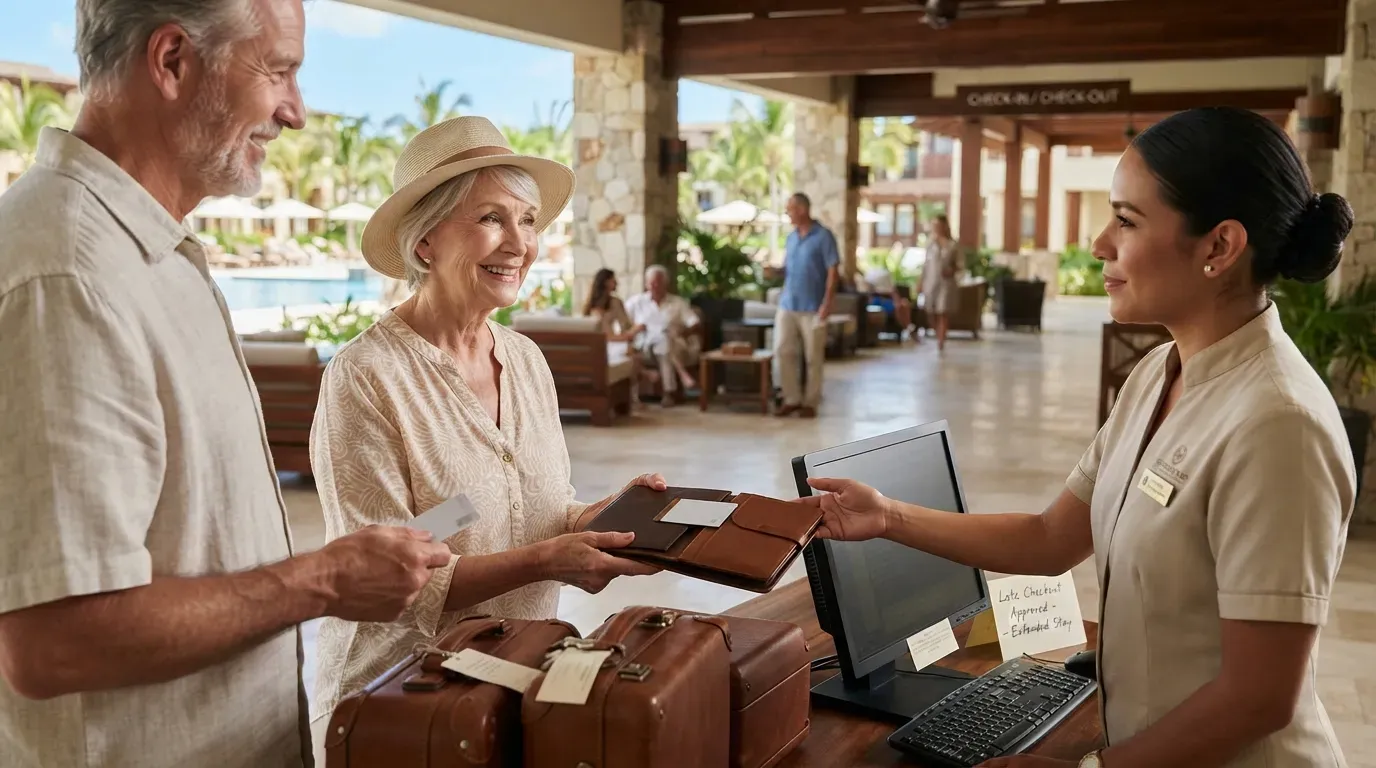
If a room is already cleaned and inspected, resorts can and regularly do release it early, especially when occupancy allows, and large properties routinely accommodate early arrivals under those conditions. The same flexibility runs in reverse at departure.
Front desk staff may allow an extra hour or two at checkout when housekeeping schedules permit, particularly for a guest who has already been reliable and low-hassle for days. The timing matters more than most guests realize: asking at check-in works far better than asking the morning you leave.
#6 – The Kitchen Quietly Reworks Your Plate for Diabetes or Low Sodium
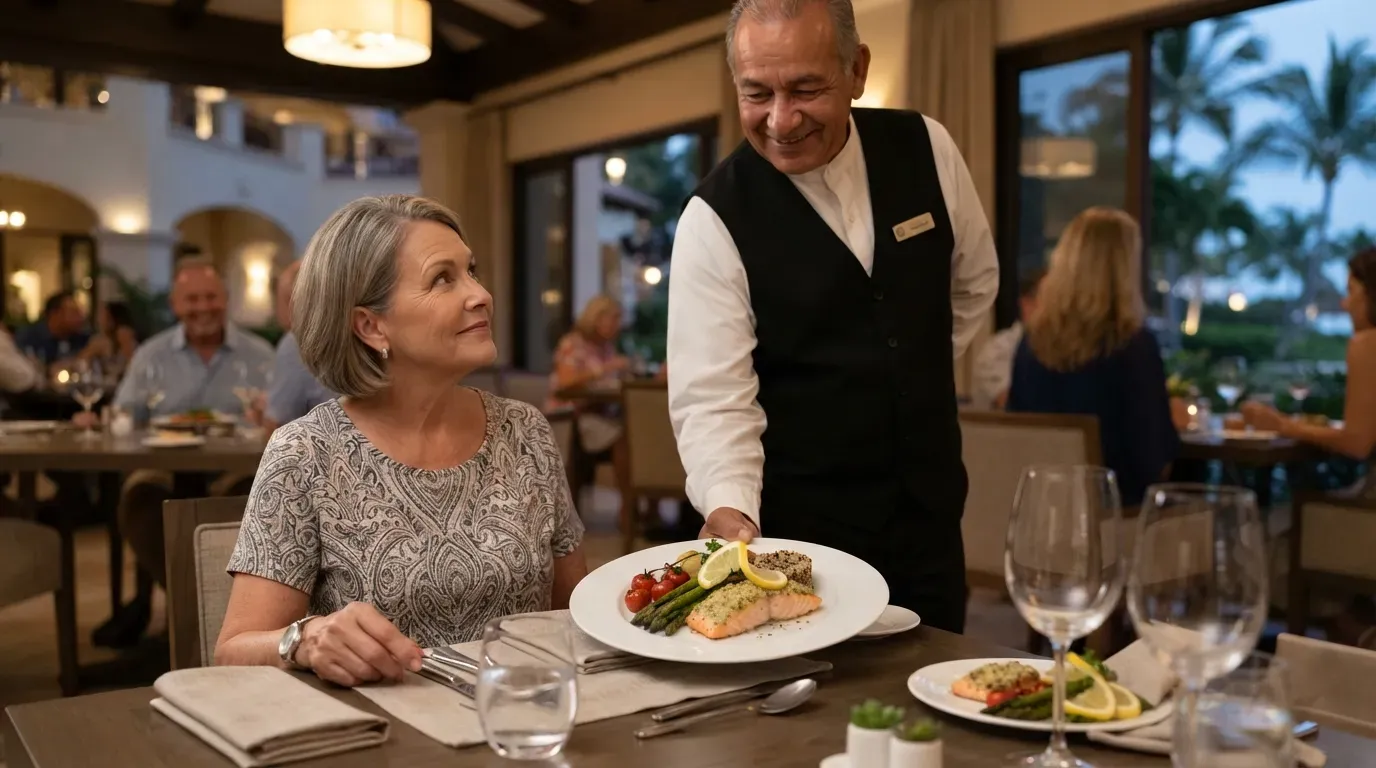
Food and beverage teams are increasingly equipped to accommodate dietary restrictions. In some cases they can customize minibar options, offer tailored dining recommendations, or adjust room service menus to meet specific needs – and for guests managing diabetes, high blood pressure, or other common conditions tied to age, this frequently means a modified buffet plate or a quietly altered recipe from the kitchen.
Nothing about it appears on the menu or the bill. A server simply remembers the request from the first meal and repeats it for the rest of the stay without being asked twice.
#5 – A Note About Your CPAP or Medication Follows You to the Next Shift
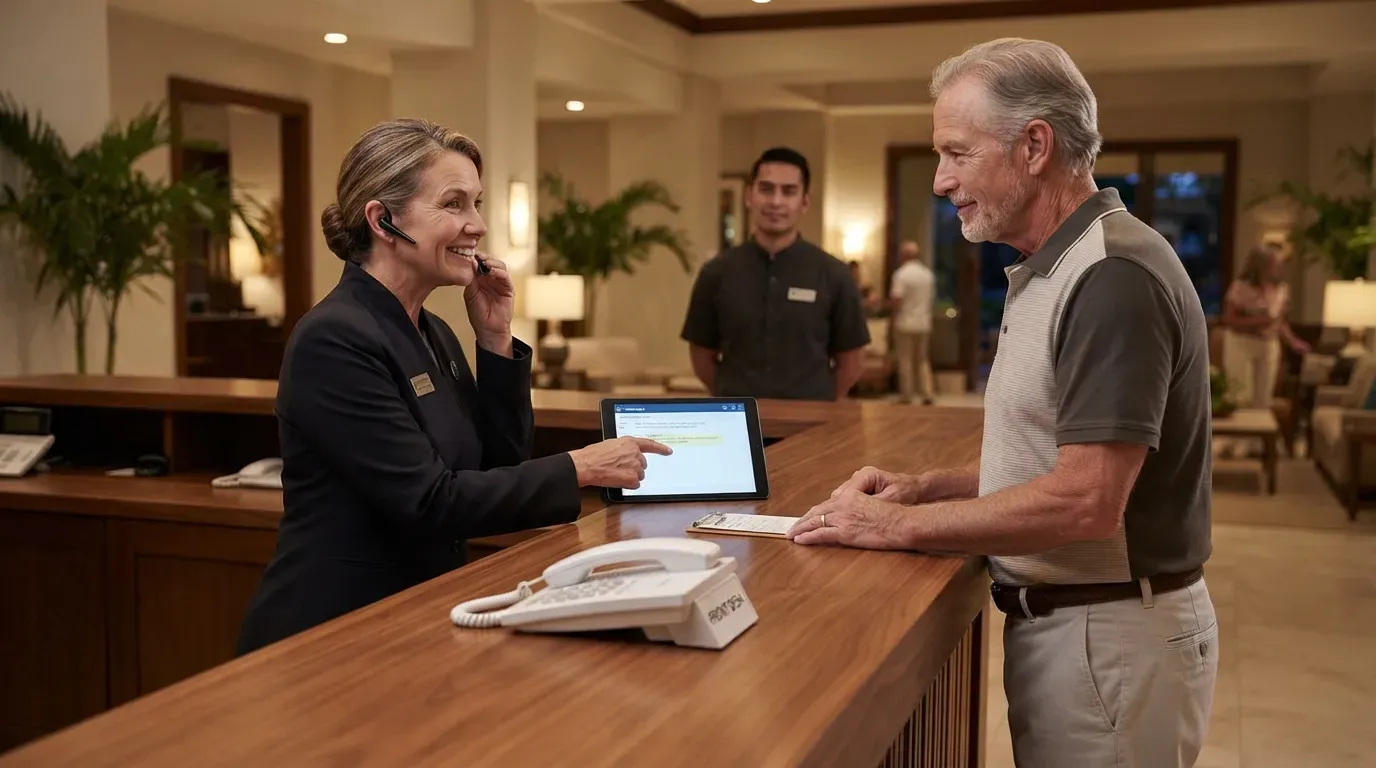
This is one of the touches guests almost never see happening. Staff will confirm a room phone dials the front desk in one button and quietly brief the night shift about a guest who mentioned they’re on blood thinners, all without making the guest feel monitored. Most travelers never learn that a single sentence mentioned in passing got relayed to an entirely different shift hours later.
It’s a safety net built on attentiveness, not policy. A passing comment at check-in about a medical device or condition can quietly protect an entire week’s stay.
#4 – An Unadvertised Senior Rate Gets Applied Before the Bill Is Even Printed
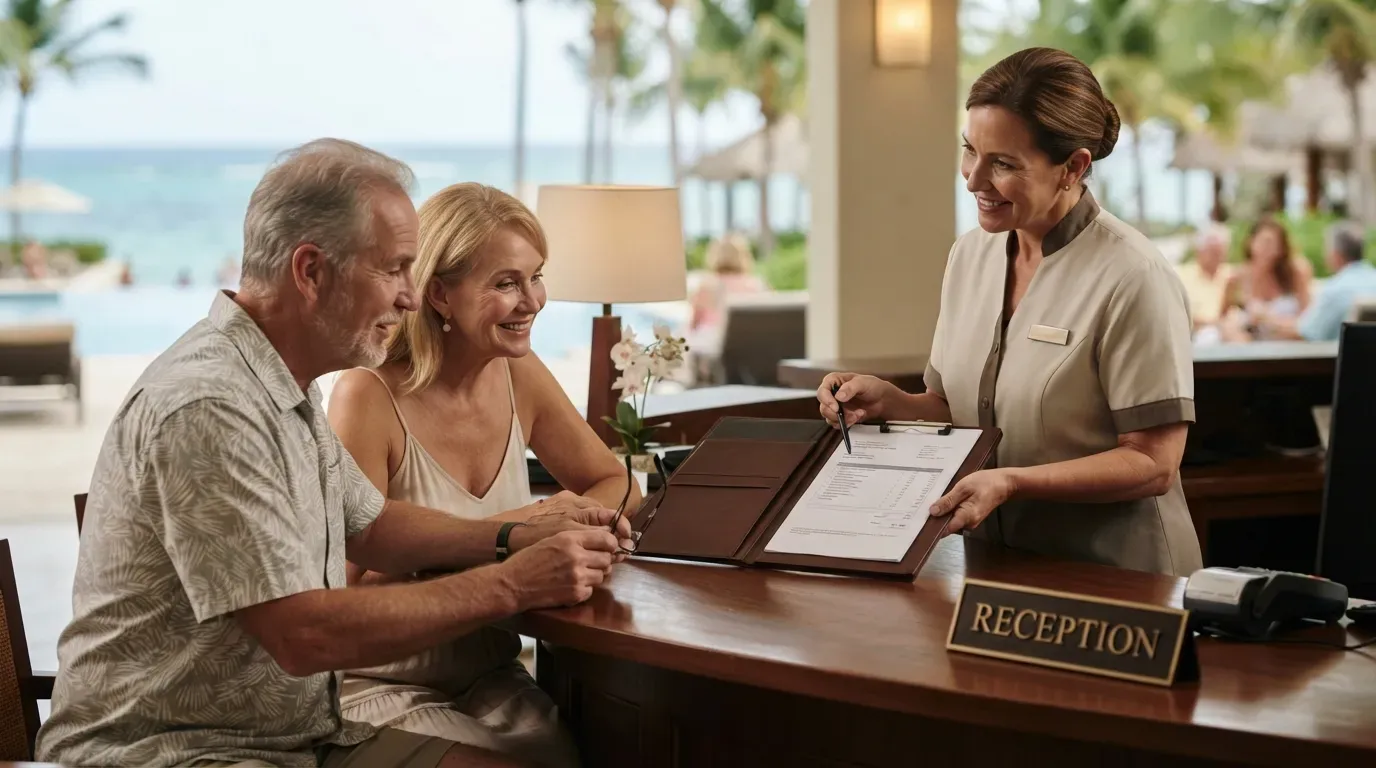
Plenty of resort brands carry senior discounts that never appear on the public booking page. Unpublicized senior discounts still exist in the system but haven’t been loudly marketed in years, and long-stay guests over 60 are often eligible for rates that never show up on the booking site – an experienced staff member who genuinely advocates for the guest will quietly check whether any of those rates apply before the bill is finalized.
Some chains post their senior rate openly, like Wyndham’s discount for guests 60 and older, or Hilton’s savings for guests 65 and up at participating properties. But staff frequently apply smaller, unlisted versions of these discounts without ever mentioning it happened.
Worth Knowing
- Hilton’s published senior rate applies once a guest turns 65: Travelers aged 65 and older and their families can save up to 6% off our Best Available Rate* at participating Hilton properties.
- Wyndham sets the bar lower – exclusive senior discount rates at Wyndham Hotels & Resorts for guests aged 60+ apply automatically once a birthdate is entered
- Hyatt and Marriott both draw the line a little higher: guests become eligible at 62 years old, you’re eligible for Hyatt’s senior discount, and access senior discounts across Marriott properties
- None of these appear on the main booking page – they only surface when a guest searches “special rates” or asks directly at the desk
#3 – A Cake and Decorations Appear for Your Anniversary, No One Asked

Whether it’s a birthday, anniversary, or honeymoon surprise, a butler can set up decorations or even order a cake and deliver it straight to the room. Guests can request a cake or special setup for birthdays or anniversaries, but many staff members quietly arrange the same thing after simply overhearing the occasion mentioned in conversation.
This is one of the more controversial perks among staff themselves – some argue it should be offered evenly to every milestone guest, not just the ones who happen to chat with the right person at the right desk. Either way, the surprise usually feels bigger than the effort it actually took.
#2 – Staff Learn Your Name and Greet You by It Every Single Morning
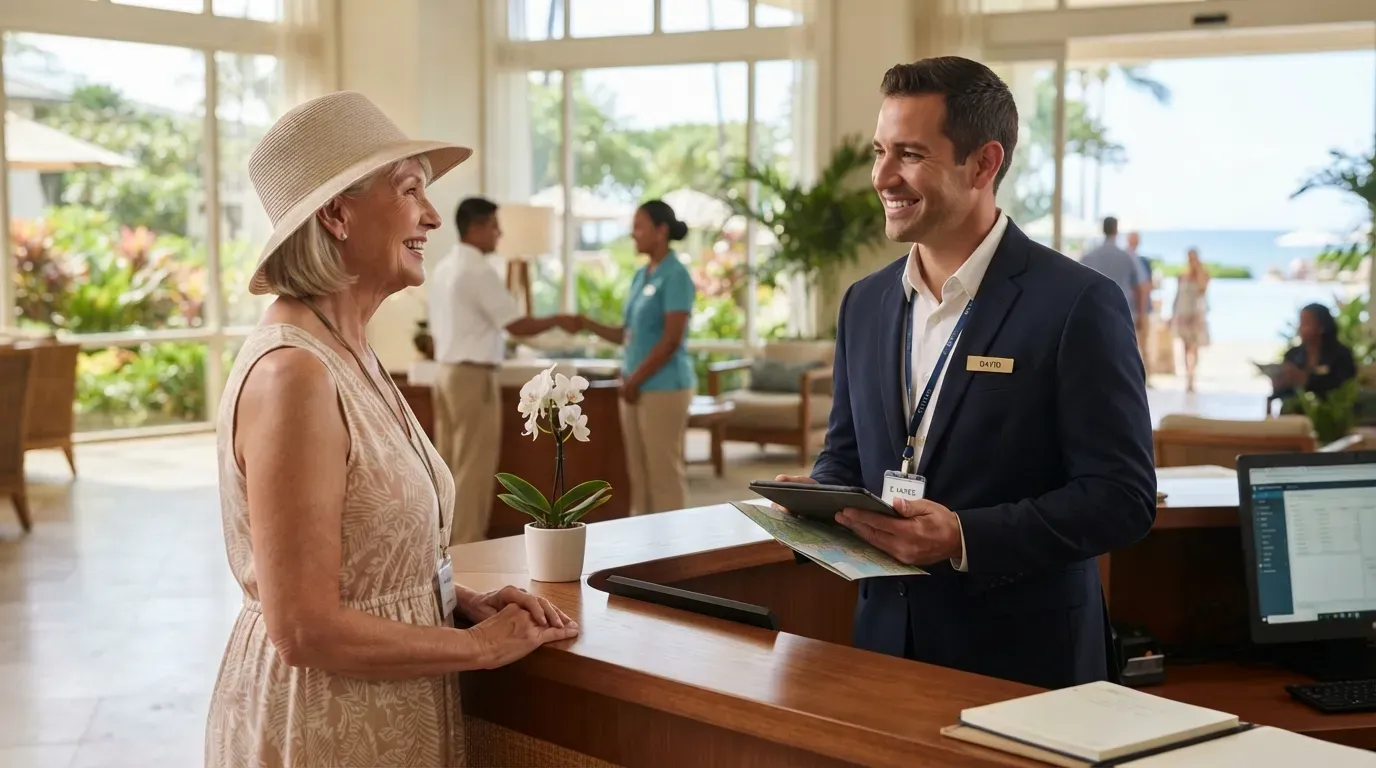
Every touch on this list becomes easier when one specific person on staff – usually a front desk supervisor or senior concierge – knows your name, knows how long you’re staying, and has taken a personal interest in your comfort. This costs nothing but a few minutes of genuine conversation.
Yet it quietly unlocks everything else. Travelers who learn a few staff names and treat the resort like a relationship rather than a transaction end up living an entirely different stay than the guest standing next to them at check-in – and for guests over 60 traveling a week or longer, that relationship builds fast enough to explain why some travelers seem to get “lucky” at every resort they visit.
Why It Stands Out
- Costs the resort nothing – it’s built entirely on attention, not policy
- Front desk supervisors and senior concierges tend to be the staff most likely to remember small details
- A returning guest who’s remembered often skips lines other guests wait in all week
- It’s the one perk that compounds – the longer the stay, the stronger it gets
#1 – Someone Quietly Checks That You Made It Back to Your Room Safely
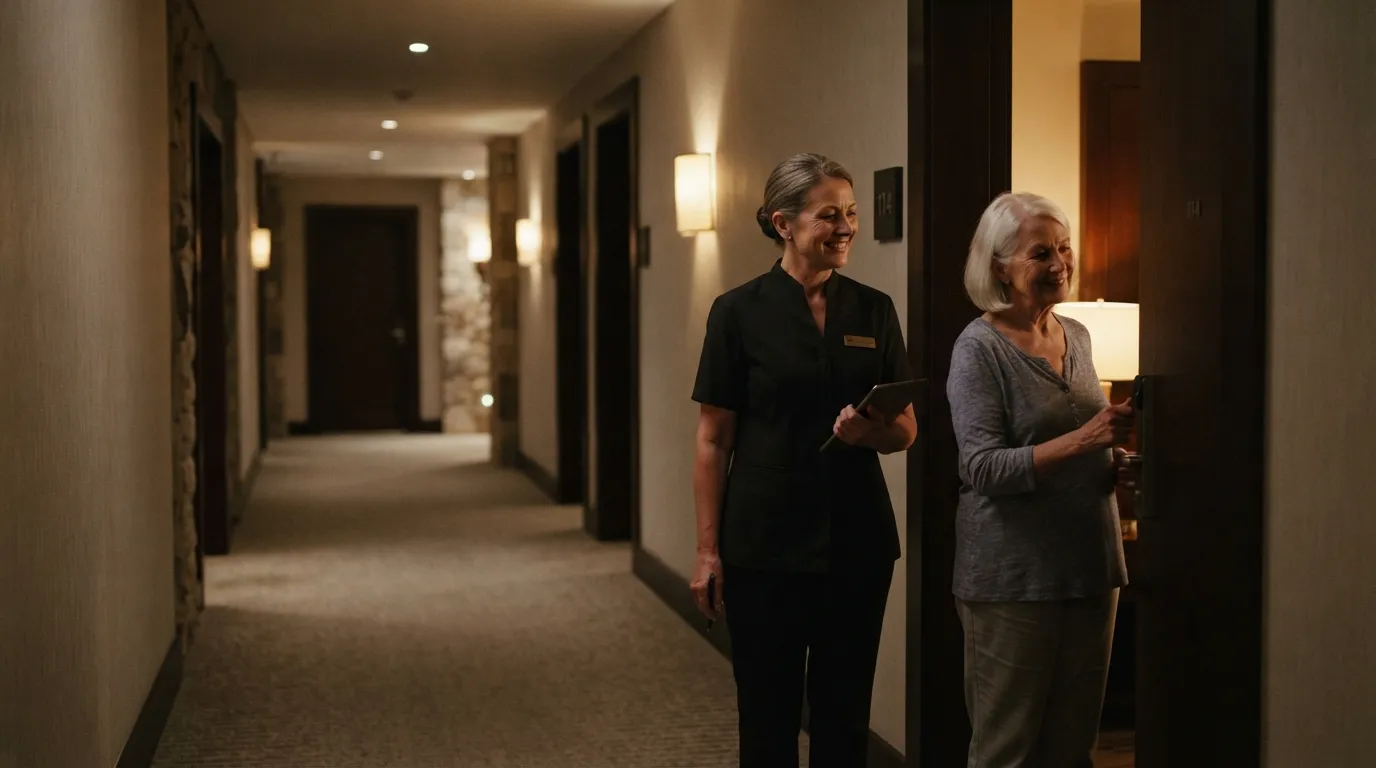
The most emotional touch on this list rarely gets discussed openly, because it’s built on care rather than procedure. Guests are often advised to stay in contact with family while traveling and, if traveling alone, to inform hotel staff and make sure someone knows their whereabouts – and experienced staff take that seriously without turning it into a formal check-in system.
A server who notices a regular guest didn’t show up for dinner, a front desk agent who quietly confirms a solo traveler made it back after a late excursion – these moments never appear anywhere on paper. Staff describe it as the difference between processing a guest and actually watching out for one, and for travelers over 60 vacationing alone, it’s often the touch that matters most, even though it’s the one they’re least likely to ever hear about directly.
None of these fourteen touches will ever show up as a line item, a fee, or a mention in the welcome folder. They exist because someone behind a desk, a bar, or a housekeeping cart decided a guest was worth a little extra attention.
For travelers over 60, that decision seems to get made more often than most people realize – and it’s usually the only thanks anyone ever gives it.