
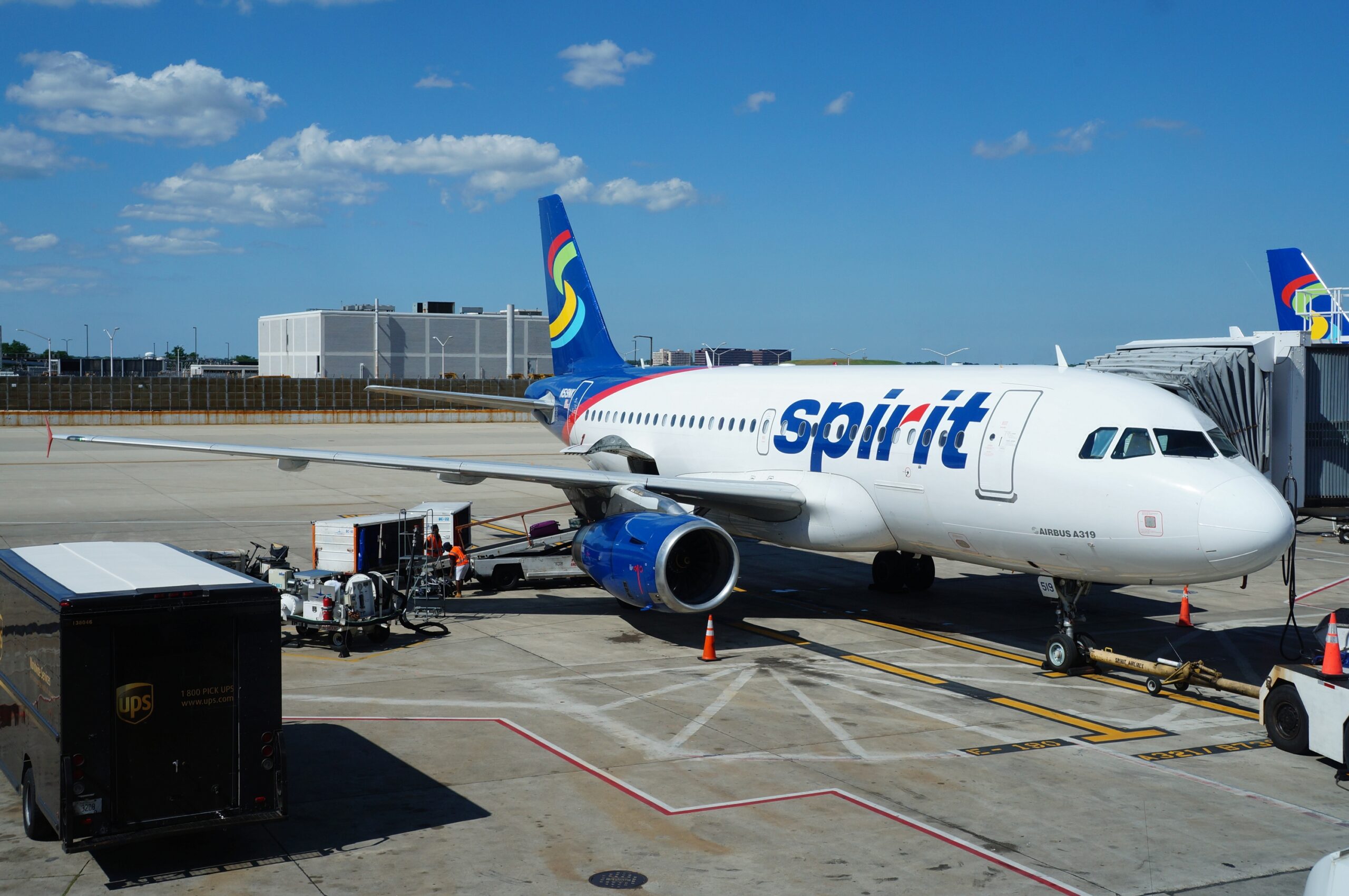
Spirit Airlines is no longer flying. After more than three decades of shaking up the budget travel market with its bright yellow planes and bare-bones fares, the airline shut down completely in the early hours of May 2, 2026, leaving thousands of travelers stranded and millions more holding tickets, vouchers, and loyalty points for a carrier that simply doesn’t exist anymore. If you booked a Spirit flight, hold Free Spirit miles, or carry one of its co-branded credit cards, there’s a lot to sort through right now, and the process isn’t as simple as a typical flight cancellation.
This guide walks through what actually happened, what passengers can do to recover their money, and what the shutdown means for the broader airline industry. The situation is still evolving through bankruptcy court, so treat this as a snapshot of where things stand rather than a final word.
The Collapse: How Spirit Went From Restructuring to Total Shutdown
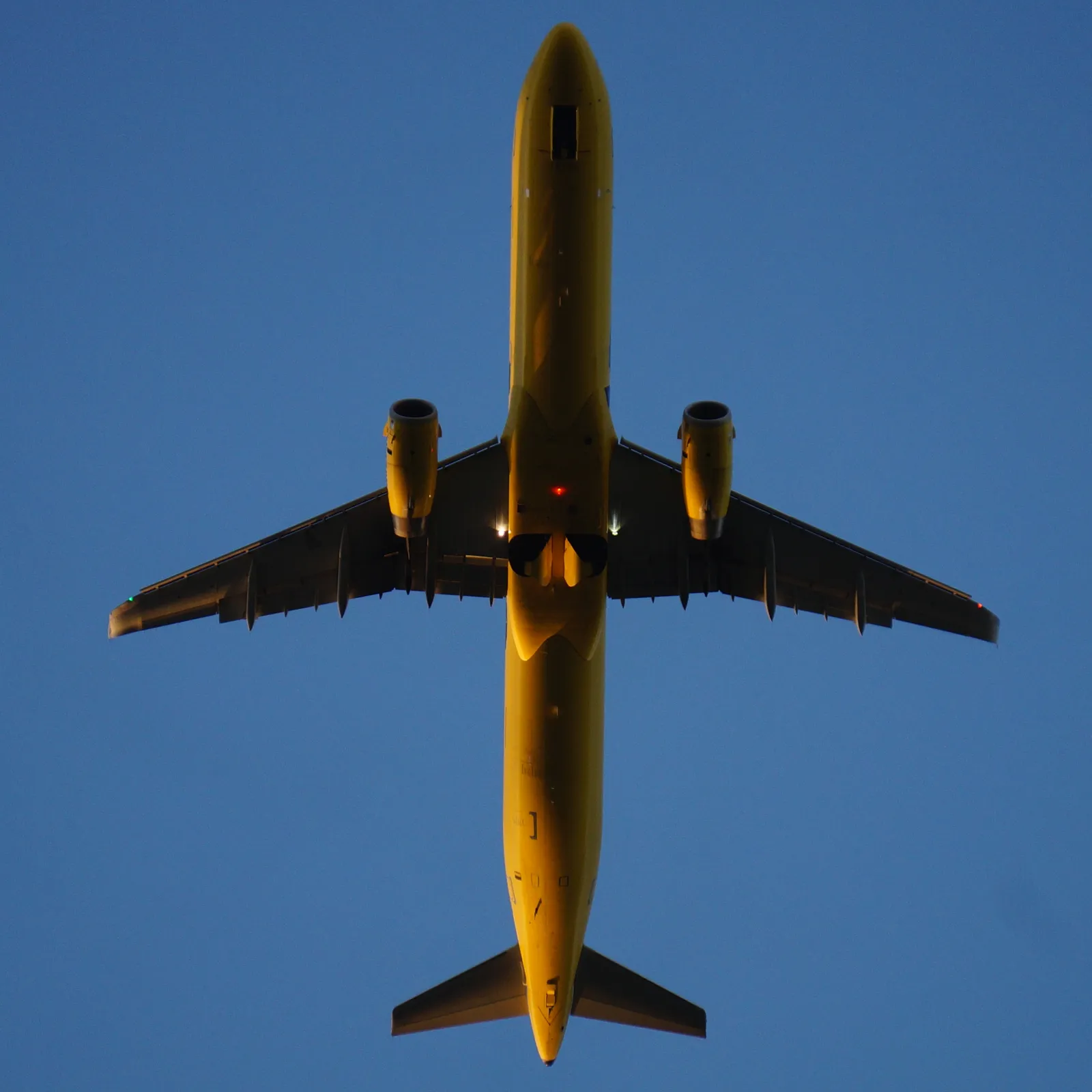
Spirit’s troubles didn’t come out of nowhere. The airline had filed for bankruptcy twice since 2024, seeking to emerge as a leaner, more competitive operation. The first case, a prepackaged restructuring, was filed November 18, 2024, and converted approximately 795 million dollars of debt to equity, closing in 114 days before a second Chapter 11 case followed five months after emergence, filed August 29, 2025. As recently as mid-March 2026, there was real reason to think Spirit would pull through.
Then everything fell apart at once. Spirit filed a Restructuring Support Agreement and Plan of Reorganization on March 13, 2026, targeting emergence by early summer with debt and lease obligations cut from 7.4 billion dollars to roughly 2 billion, but a fuel price spike disrupted that plan. Spirit had been under mounting financial pressure due to the war in Iran, which sent the price of jet fuel soaring. A last-ditch effort to save the airline through a government rescue also collapsed. Talks for a potential government bailout in the form of a 500 million dollar loan that could have given the government an up to 90 percent stake in Spirit fell apart late in the week, and the carrier officially shut down at 3 a.m. ET on Saturday.
Why an Ultra-Low-Cost Airline Couldn’t Survive the Fuel Spike
The immediate trigger was fuel, but the underlying problem ran much deeper. As one industry analyst put it, the core of the ultra-low-cost model depends entirely on maintaining a cost edge, and “when you’re a low-cost carrier, by definition, you’re relying on having a cost advantage. And they just don’t have that anymore,” said Shye Gilad, a former airline pilot and professor at Georgetown University’s McDonough School of Business, adding “they just don’t have a lot of options left.”
Larger rivals had also spent years copying Spirit’s own playbook against it. Spirit was a pioneer among ultra-low-cost carriers, keeping its fares down by stripping away amenities travelers had previously taken for granted, but bigger legacy airlines countered with their own basic economy fares, making it harder for Spirit to survive. Spirit had even tried to escape this pressure by selling itself outright. Spirit tried to sell itself to a larger rival, accepting a 3.8 billion dollar offer from JetBlue after a bidding war in 2023, but the U.S. Justice Department sued to block the deal, arguing the merger would hurt budget-conscious consumers. When jet fuel prices surged in early 2026, the airline simply had no cushion left to absorb the shock.
What Happens to Your Refund If You Paid by Credit or Debit Card

This is the good news, relatively speaking. Spirit’s own guidance was direct on this point: the airline said it would automatically process refunds for any flights purchased through Spirit with a credit or debit card to the original form of payment. A Spirit spokesperson confirmed that most customers who booked their flights on a credit or debit card were refunded as of Saturday evening, though refunds could take some time to appear in a customer’s bank account.
If your refund doesn’t show up, don’t just wait it out. Consumer advocates recommend filing a dispute directly with your card issuer. The DOT suggests contacting your credit card company and exercising your rights under the Fair Credit Billing Act, by requesting a chargeback for services not rendered. One important catch: if you booked your flight on an old credit or debit card that isn’t active anymore, Spirit said it can’t refund you for the trip, though customers in that situation can try submitting a claim to the U.S. bankruptcy court, with no guarantee of receiving a refund.
Vouchers, Travel Credits, and Third-Party Bookings Are a Different Story
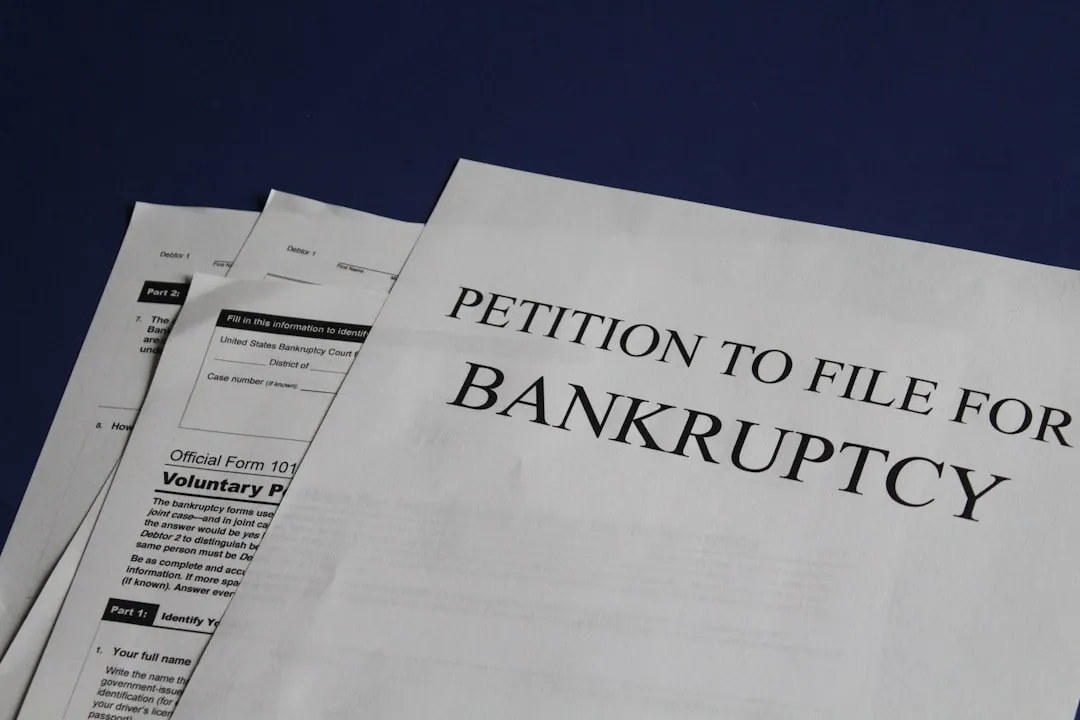
If you paid with a voucher, travel credit, or booked through a third-party site, the path forward is murkier and slower. Spirit’s own FAQ spells it out plainly: guests who booked flights via a travel agency should contact the travel agency directly to request a refund, while compensation for guests who booked using any other method, including a voucher, credit, or Free Spirit points, will be determined at a later date through the bankruptcy court process.
The financial reality behind that language isn’t encouraging. In a liquidation, the refund hierarchy places secured creditors like banks and aircraft lessors first, then priority unsecured creditors, with passengers sitting in the third tier behind them, meaning whatever remains after secured creditors are paid in full flows to a pool shared with thousands of other claimants. Filing a formal claim is still worth doing, but experts caution it’s a long shot. You can file a proof of claim with the bankruptcy court, though this process can take an extended period of time and you may only receive a partial refund.
The Fate of Free Spirit Miles and Co-Branded Credit Cards
For loyal Spirit flyers, the loyalty program news is tough to swallow. Spirit stated bluntly that given the airline’s immediate wind-down of operations, Free Spirit points are no longer redeemable, and there are no flights available for purchase, with plans for the loyalty program to be determined at a later date through the bankruptcy process. Transferring those points elsewhere isn’t an option either, since Free Spirit points are unable to be transferred to a different airline or loyalty program.
Travel analysts aren’t optimistic about recovery odds. Henry Harteveldt, founder of travel consulting firm Atmosphere Research Group, said the realistic odds of loyalty point holders recovering any compensation are very low. If you carry one of Spirit’s Bank of America-issued cards, the accounts themselves remain usable for now. Existing cardholder accounts remain open and active, and cards can still be used for everyday purchases, though Free Spirit points earned with these cards are no longer redeemable and cannot be transferred to another loyalty program at this time. Most experts suggest shifting your everyday spending to a different card while the situation with Bank of America gets sorted out.
Rescue Fares: How Other Airlines Stepped In to Help Stranded Travelers
Within hours of the shutdown, federal officials and competing airlines moved to prevent total chaos at airports. United Airlines, Delta Air Lines, JetBlue Airways, and Southwest Airlines capped fares for Spirit passengers, with prices expected to be about 200 dollars for a one-way ticket, according to US Transportation Secretary Sean Duffy. The scale of the rescue effort was substantial. American Airlines, JetBlue Airways, Southwest Airlines, United Airlines and others said they flew tens of thousands of Spirit customers who were stranded by the collapse, after Spirit had flown about 50,000 people in the day leading up to its closure.
These offers came with strict time limits, so acting quickly mattered. United MileagePlus members who had Spirit flights booked between May 2 and May 16 could access a dedicated United portal to purchase one-way flights, with most fares capped at 199 dollars and longer flights at 299 dollars. Southwest’s assistance window was even tighter, since Southwest’s offer was only available in person at an airport ticket counter through Wednesday, May 6, according to Airlines for America and the U.S. Department of Transportation. Beyond the emergency window, several carriers moved to permanently absorb former Spirit routes, with Frontier’s chief commercial officer noting the airline’s role in the industry: “Spirit Airlines played an important role in expanding access to affordable travel and bringing more low fares to more people,” said Bobby Schroeter, Frontier’s chief commercial officer.
Travel Insurance, Chargebacks, and Other Ways to Try to Get Whole
Whether travel insurance helps depends entirely on the fine print of your policy. While some premium travel insurance policies provide coverage for trip interruption, accommodation, and emergency transport in the event of an airline’s financial collapse, many standard policies specifically exclude bankruptcy outright. It’s worth calling your insurer regardless, since coverage decisions aren’t always final on the first pass.
Consumer advocates are urging affected travelers not to sit back and assume everything will resolve itself. “Not all Spirit customers should assume a refund will automatically appear,” said John Breyault, the league’s vice president of public policy, telecommunications, and fraud, adding that “when an airline shuts down this suddenly, it’s up to travelers to take proactive steps to have the best chance of getting their money back.” Practical advice from travel experts centers on documentation and persistence. Keep every receipt, email, booking confirmation, and any other documentation showing you paid for a service with Spirit, so that when the bankruptcy process moves forward, you have what you need to file a claim seeking compensation.
What’s Happening to Spirit’s Planes, Gates, and Other Assets
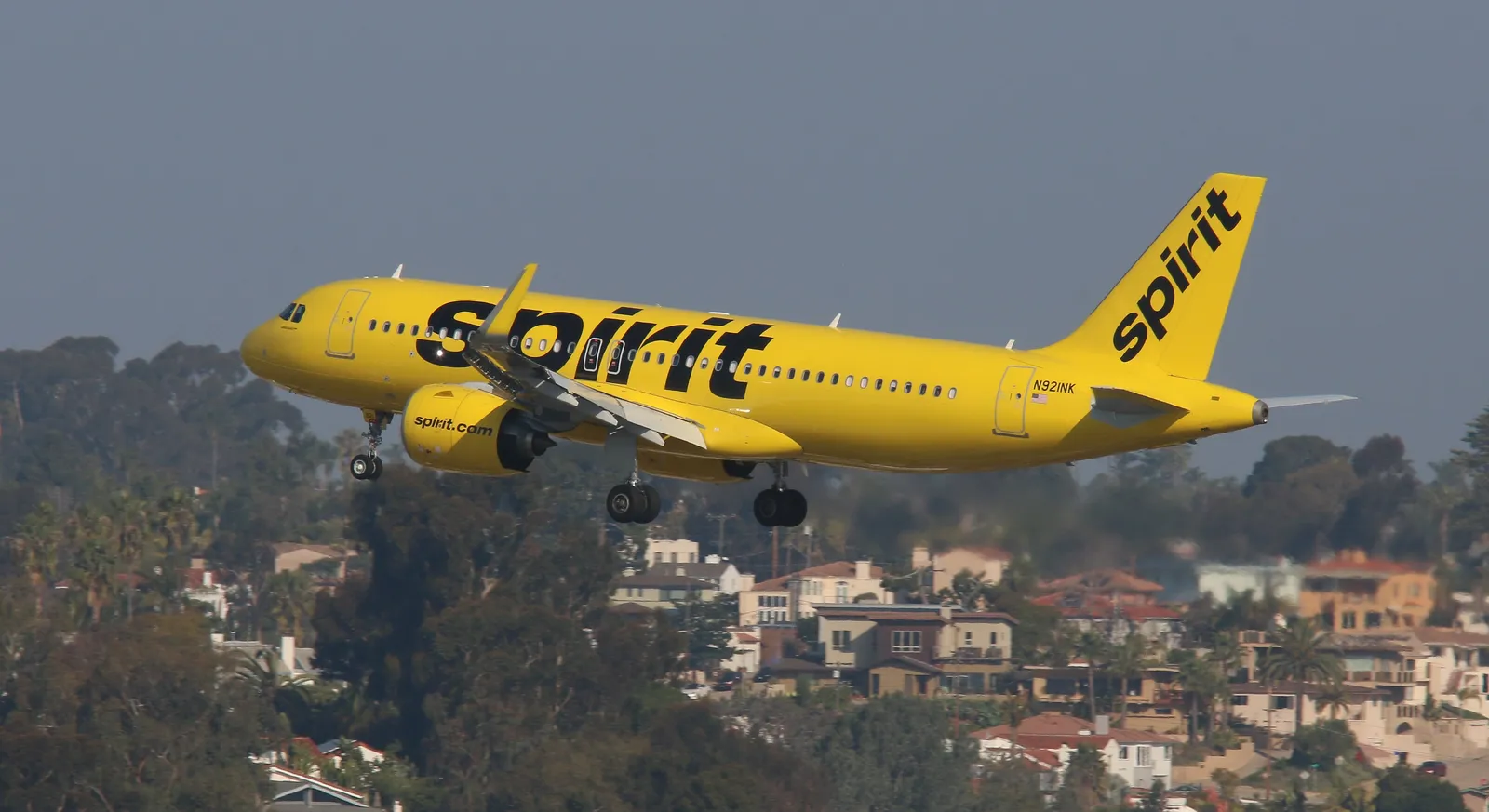
Behind the scenes, Spirit’s physical assets are now being picked apart in bankruptcy court. According to court filings, Spirit has 28 planes it could sell, all in the Airbus A320 family, along with an office building in South Florida, maintenance facilities, and other assets another airline might want to buy. Repossessing the rest of the fleet has proven surprisingly chaotic. When Spirit Airlines stopped flying, it left more than 90 planes at dozens of airports around the country.
Spirit’s airport gates and takeoff slots, especially at congested airports, are drawing serious interest from competitors. “Spirit has gates at some very important, very popular airports,” said Henry Harteveldt, an airline analyst at Atmosphere Research Group, including international airports in Houston, Dallas, Las Vegas and Los Angeles, adding he “wouldn’t be surprised” to see other airlines try to get at least some of Spirit’s gates. Spirit had already sold some of these assets even before the final shutdown. Spirit sold preferential-use gate leaseholds at O’Hare Airport through two transactions: Gates G8 and G10 to American Airlines for 30 million dollars, approved December 15, 2025, and Gates G12 and G14 to United Airlines for 30.2 million dollars, approved February 25, 2026. The court process for auctioning remaining assets, including LaGuardia slots and the loyalty program, is expected to continue through the summer.
The Bigger Picture: What Spirit’s Exit Means for Airfares Going Forward
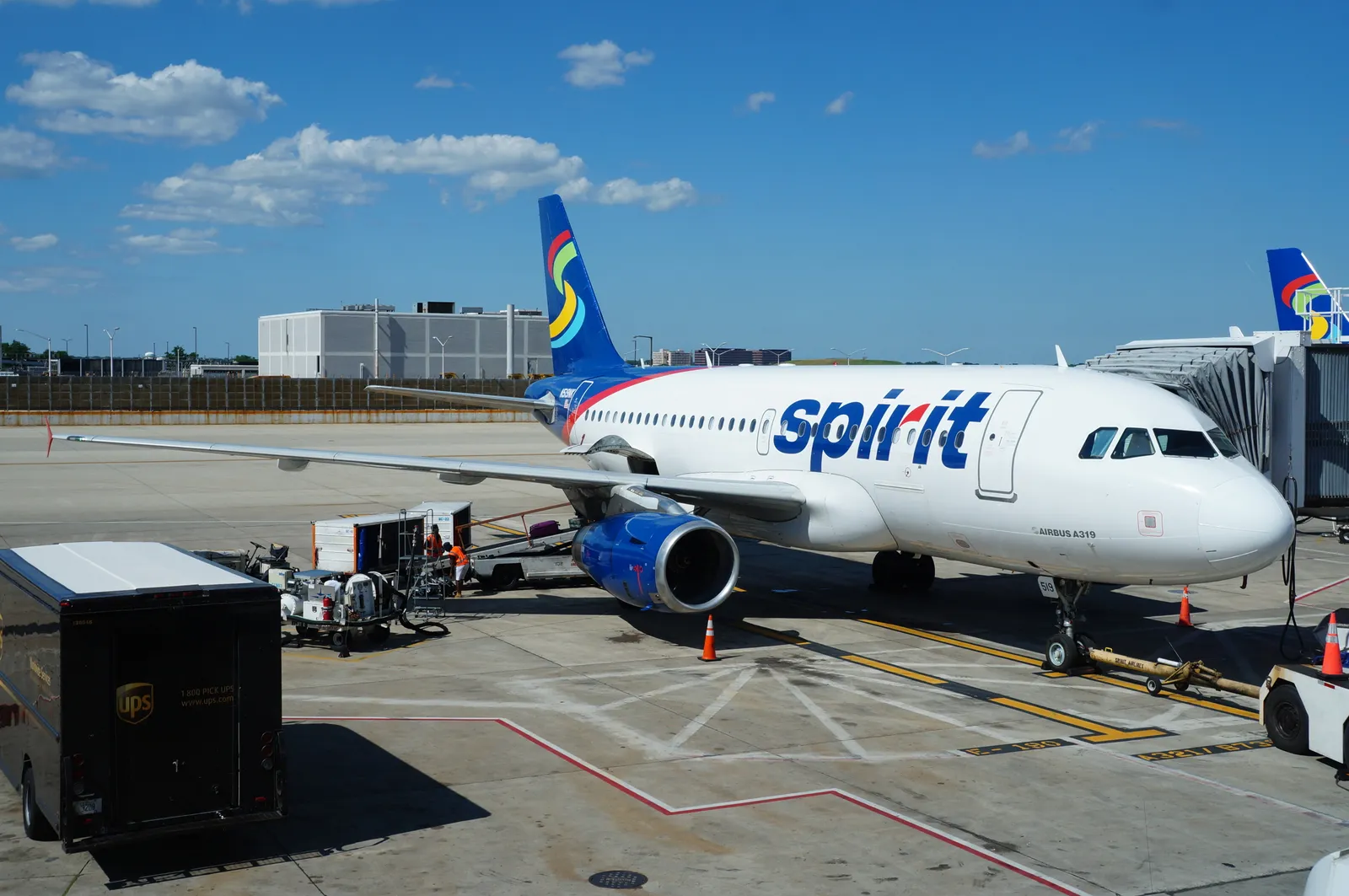
Spirit’s shutdown isn’t just a story about one airline’s finances. It’s likely to change what flying costs for everyone, at least on the routes Spirit used to serve. Consumer advocates warn the effect will be felt well beyond former Spirit passengers. Consumer advocates say Spirit had an important effect on fares by providing competition for larger legacy carriers on the routes it flew, with William McGee, a senior fellow at the American Economic Liberties Project, noting “you do not have to fly a small carrier in order to benefit from its presence, because they will bring down the big guys’ fares,” and predicting that without Spirit, “everyone will be paying more.”
The scale of this collapse also stands out historically. Spirit is the first major US airline in 25 years to go out of business because of financial problems. Even before the final shutdown, Spirit’s presence in the market had already been shrinking fast. In February, the airline had a 3.9 percent market share of U.S. passengers, down from 5.1 percent the prior year, and was poised to fall to 1.8 percent by May, which would have made it the country’s ninth-largest airline.
Practical Steps Every Affected Passenger Should Take Right Now
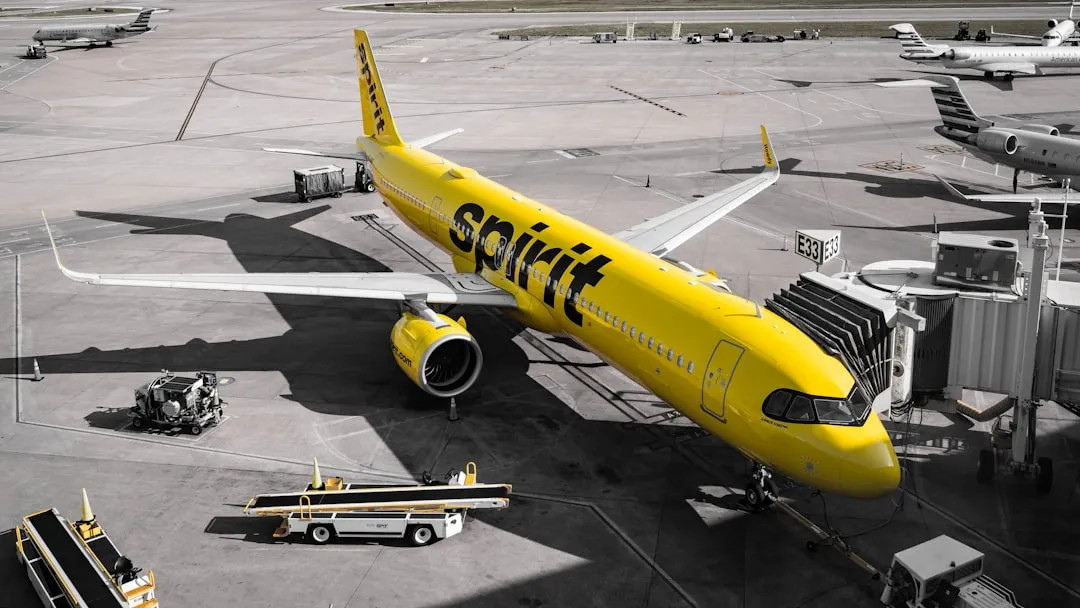
If you’re still dealing with the fallout, the priority list is fairly straightforward. First, check your bank statement for an automatic refund if you paid by credit or debit card, and if nothing shows up within a week or so, open a formal dispute rather than waiting indefinitely. Second, if you had a trip booked with a voucher, travel credit, or Free Spirit points, start gathering documentation now, including booking confirmations, point balances, and any communication from Spirit, since you’ll likely need it to file a bankruptcy claim later.
Third, if you’re mid-trip or need to rebook immediately, look into whether any rescue fare windows from other carriers are still open, since most had firm expiration dates in early-to-mid May. Finally, avoid the airport entirely if you were scheduled to fly Spirit. It is strongly advised by authorities that no attempt should be made to travel to airports for scheduled Spirit Airlines departures, since airport counters are currently unmanned and physical customer service presence has been removed. Spirit’s own guests page confirms there’s no one left to call at the airline itself, only its bankruptcy claims administrator for questions going forward.
Moving Forward Without Spirit
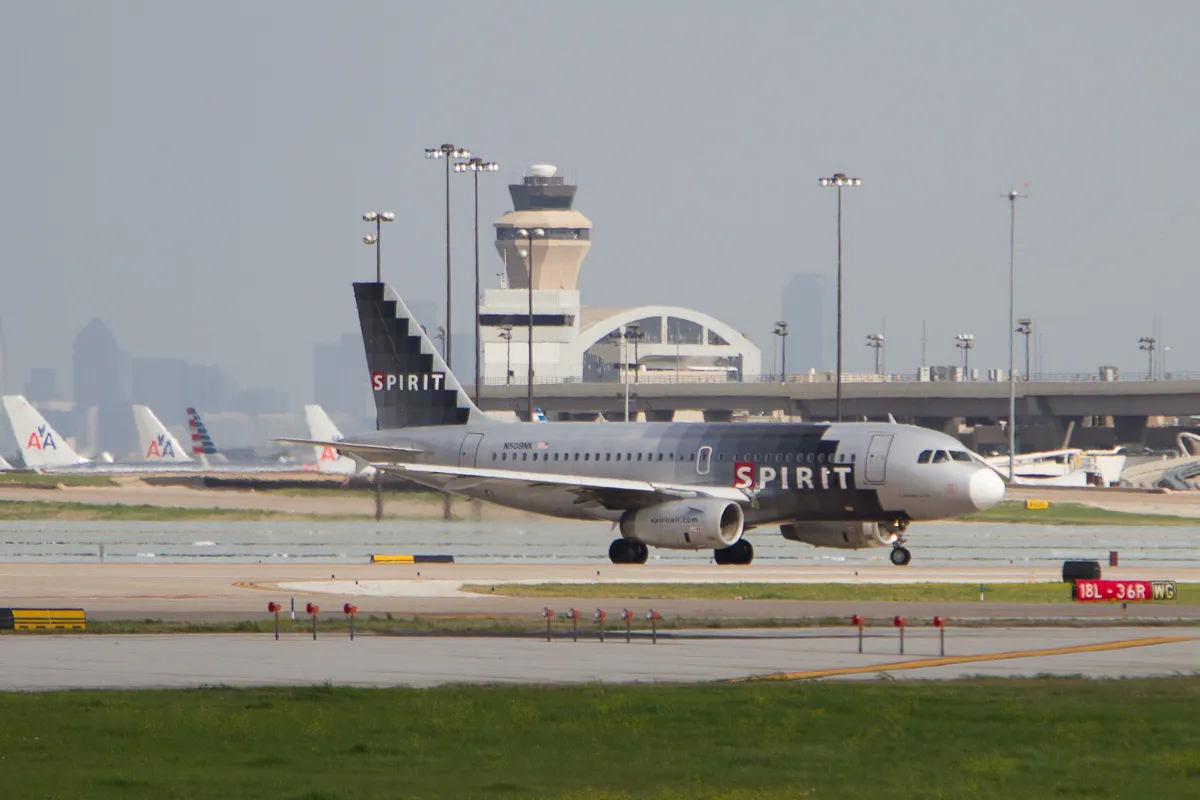
Spirit Airlines built its business on a simple promise: fly cheap, pay for what you use, and skip the rest. For thirty-four years that formula reshaped American air travel, forcing bigger carriers to compete on price in ways they never had before. Its abrupt end leaves real financial pain for passengers holding vouchers and points, and a genuine question mark over whether budget fares on former Spirit routes will stay as low without that competitive pressure.
For now, the practical advice is the same regardless of how you feel about the airline’s legacy: document everything, chase your refund actively rather than waiting for it to appear, and keep an eye on the bankruptcy court proceedings if you’re owed anything beyond a simple card refund. The skies will keep getting more expensive on some routes without Spirit in them, but at least the process for recovering what you’re owed, however slow, is now reasonably well mapped out.