
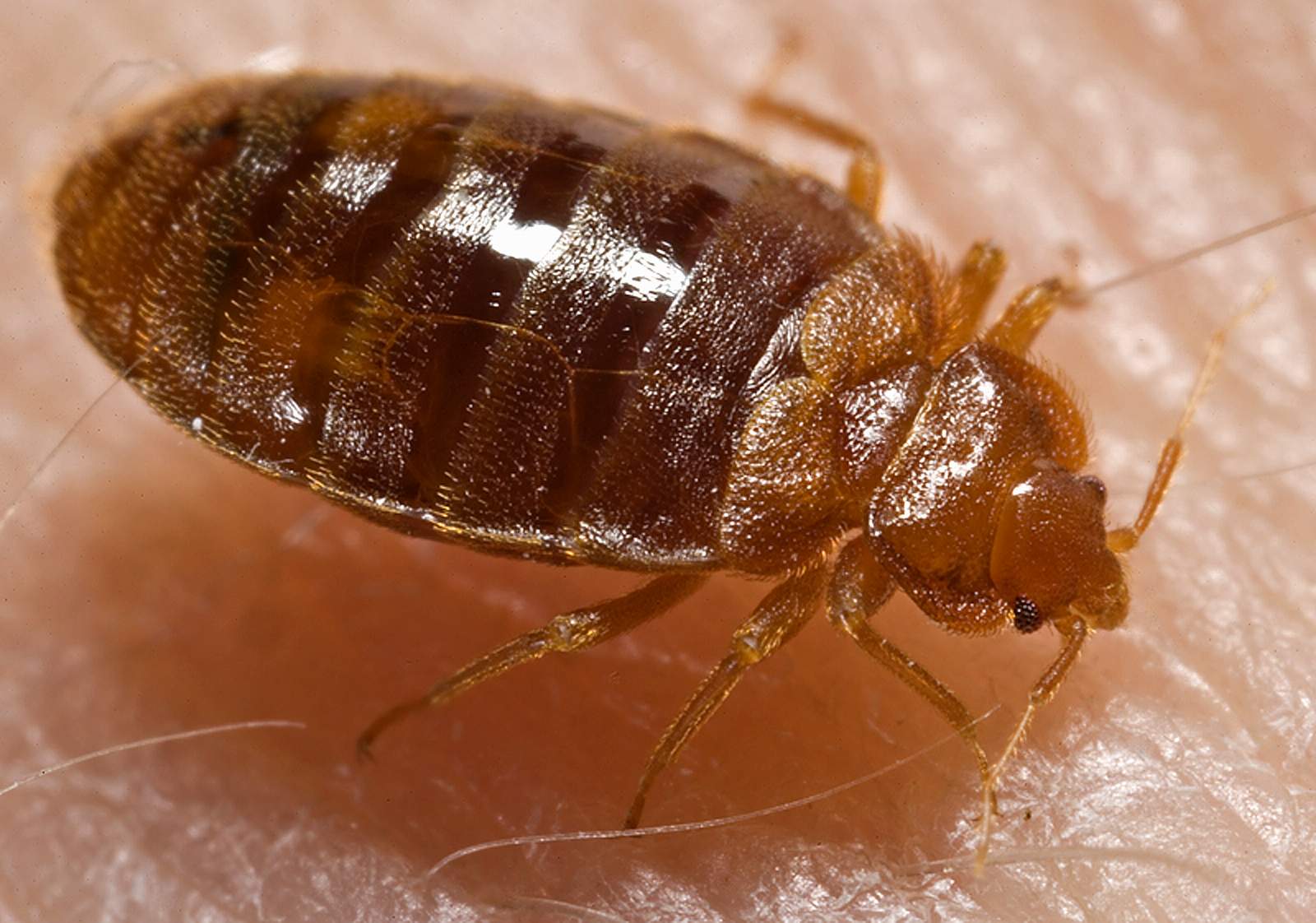
Pittsburgh has never been shy about defending its underdog reputation, but this is one list nobody in the Steel City wanted to climb. Orkin’s newest annual ranking of the nation’s worst bed bug cities puts Pittsburgh squarely in the top ten, a jump that pest control experts say reflects both the city’s aging housing stock and a broader surge in infestations across the Midwest and Northeast. The pest control company’s annual ranking puts Pittsburgh at No. 9, up three spots from last year.
1. Chicago, Illinois

Chicago remains the undisputed heavyweight champion of bed bug infestations in America. Chicago has held the highest ranking for the sixth consecutive year, a streak that pest control professionals attribute to the city’s dense multi-family housing and constant flow of travelers through O’Hare and Midway airports. The city’s older apartment buildings, many built well before modern pest-proofing standards existed, create ideal conditions for infestations to spread from unit to unit.
Chicago retained its position as the nation’s city with the highest rate of bed bug infestations, with Los Angeles, Detroit, Cleveland and Indianapolis rounding out the top five. Housing density combined with heavy tourism and business travel keeps pressure on pest control companies year-round. It’s a pattern that has repeated itself so consistently that Chicago’s grip on the top spot has become almost expected among industry watchers.
2. Los Angeles, California

Los Angeles moved into the number two position this year, overtaking cities that had previously ranked higher. Los Angeles jumped two places to take over the second spot on this year’s list. The sprawling metro area’s mix of high-density apartment complexes, short-term rentals, and constant tourist traffic gives bed bugs plenty of opportunities to hitch rides between properties.
Southern California’s warm climate doesn’t actually drive the infestations, since bed bugs thrive indoors regardless of outside temperature. What matters more is turnover, and Los Angeles sees an enormous amount of it between hotels, vacation rentals, and multi-unit housing. That churn appears to be catching up with the city in a big way this year.
3. Detroit, Michigan

Detroit held onto its position as one of the nation’s most bed bug-plagued cities, landing at number three overall. The city was named third on this year’s list, continuing a trend that has plagued Michigan’s largest city for several years running. Detroit’s aging housing stock, much of it built decades ago, gives bed bugs countless cracks and crevices to hide in during treatment attempts.
Detroit, Cleveland, Pittsburgh, Buffalo, and Baltimore have huge inventories of pre-1970s housing, and older buildings have more cracks, more wood substrates, and more places for bed bugs to hide, making conventional chemical treatment far less effective. That combination of old infrastructure and limited treatment options has kept Detroit near the top of the list for years.
4. Cleveland, Ohio

Cleveland dropped slightly from its prior ranking but still landed firmly in the top five. Cleveland, Ohio, dropped two spots, falling to fourth in this year’s data. Even with the slight improvement, Cleveland remains one of six Ohio cities to crack the top fifty, reflecting a statewide pattern rather than an isolated problem.
Ohio’s representation on the list is notable. Six Ohio cities rank among the top 50, making Ohio the most represented state on the 2026 list. Cleveland’s older multi-family housing stock, similar to Detroit’s, gives bed bugs ample hiding spots and makes eradication a slow, expensive process for residents and landlords alike.
5. Indianapolis, Indiana

Indianapolis rounded out the top five this year, a position it has held with relative consistency in recent rankings. Indianapolis rounds out the top five on Orkin’s latest list. The city’s central location and steady flow of business travel through its downtown convention district likely contribute to its persistent presence near the top.
Indiana’s capital doesn’t get the same national attention as Chicago or Los Angeles when it comes to pest problems, yet its treatment numbers tell a different story. Dense residential neighborhoods combined with a robust hospitality industry create the same conditions that fuel infestations elsewhere. The city’s ranking suggests these pressures aren’t easing up anytime soon.
6. Springfield, Illinois

Springfield made one of the more dramatic climbs on this year’s list, jumping several spots from its previous ranking. According to Orkin’s own release, Springfield, Ill. rose three spots to land at number six overall. For a smaller city, that kind of jump often signals a specific outbreak or cluster of infestations rather than a slow, steady increase.
As Illinois’s capital, Springfield sees a fair amount of government and legislative travel throughout the year, which can contribute to bed bug spread through hotels and short-term lodging. The city’s rise on the list caught the attention of local pest control operators who have reported busier schedules over the past year. Whether this jump holds or reverses next year remains to be seen.
7. Washington, D.C.

The nation’s capital continues to be one of the worst offenders when it comes to bed bug activity, even as its ranking slipped slightly. In the Northeast, Washington, DC, ranked highest at No. 7, dropping one spot from 2025. Heavy tourism, a massive hotel industry, and constant political travel all feed into the city’s persistent bed bug problem.
Washington’s position as a top Northeast city on the list isn’t surprising given its density and visitor volume. Hotels are bed bug ground zero, and cities that see massive travel volume can have a single infested room spread bugs to dozens of properties over a few weeks. With millions of visitors passing through each year, the city’s exposure to new infestations rarely lets up.
8. Columbus, Ohio

Columbus is the second Ohio city to crack the top ten, further cementing the state’s reputation as a bed bug hotspot. The capital city’s mix of large universities, dense student housing, and downtown apartment towers creates conditions similar to those seen in Cleveland and other Ohio metros. Its inclusion in the top eight this year continues a multi-year trend of Ohio cities dominating the upper half of Orkin’s rankings.
With Ohio claiming six cities among the top 50, the most of any state on the 2026 list, Columbus’s presence near the top isn’t an anomaly. It fits a broader pattern of Midwestern cities struggling with older housing stock and heavy residential turnover. Local pest control companies have reported steady demand for bed bug treatments throughout the year.
9. Pittsburgh, Pennsylvania

Pittsburgh’s climb into the top ten is the headline of this year’s list for Pennsylvania residents. Orkin’s annual ranking puts Pittsburgh at No. 9, up three spots from last year. The city’s housing stock, much of it dating back to its industrial heyday, shares the same vulnerabilities as Detroit and Cleveland when it comes to pest control.
Experts point to the age of Pittsburgh’s buildings as a major factor. Detroit, Cleveland, Pittsburgh, Buffalo, and Baltimore have huge inventories of pre-1970s housing, and older buildings have more cracks, more wood substrates, and more places for bed bugs to hide. That makes conventional chemical treatments less effective and often requires more aggressive, repeated interventions to fully clear an infestation.
10. Grand Rapids, Michigan
Grand Rapids rounds out the top ten, though it did see some improvement compared to last year’s ranking. Grand Rapids, Michigan, dropped three spots, falling to No. 10, while Flint, Michigan, fell four spots to No. 20. Both Michigan cities have struggled with bed bug activity in recent years, tied in part to aging apartment stock and steady rental turnover.
Michigan’s broader presence on the list, which includes Detroit, Grand Rapids, and Flint, points to a statewide pattern rather than a single city’s problem. Michigan is close behind Ohio with Detroit, Grand Rapids, Lansing, and Flint all making the list. Even with its slight drop this year, Grand Rapids remains firmly entrenched among the nation’s most bed bug-affected metros.
Pittsburgh’s arrival in the top ten doesn’t mean residents should panic, but it does serve as a useful reminder that bed bugs don’t discriminate by city size or reputation. Orkin’s data reflects real treatment volume, not speculation, and the consistent presence of older Rust Belt cities like Pittsburgh, Cleveland, and Detroit near the top suggests that aging housing stock plays a real role in how these infestations take hold and spread.
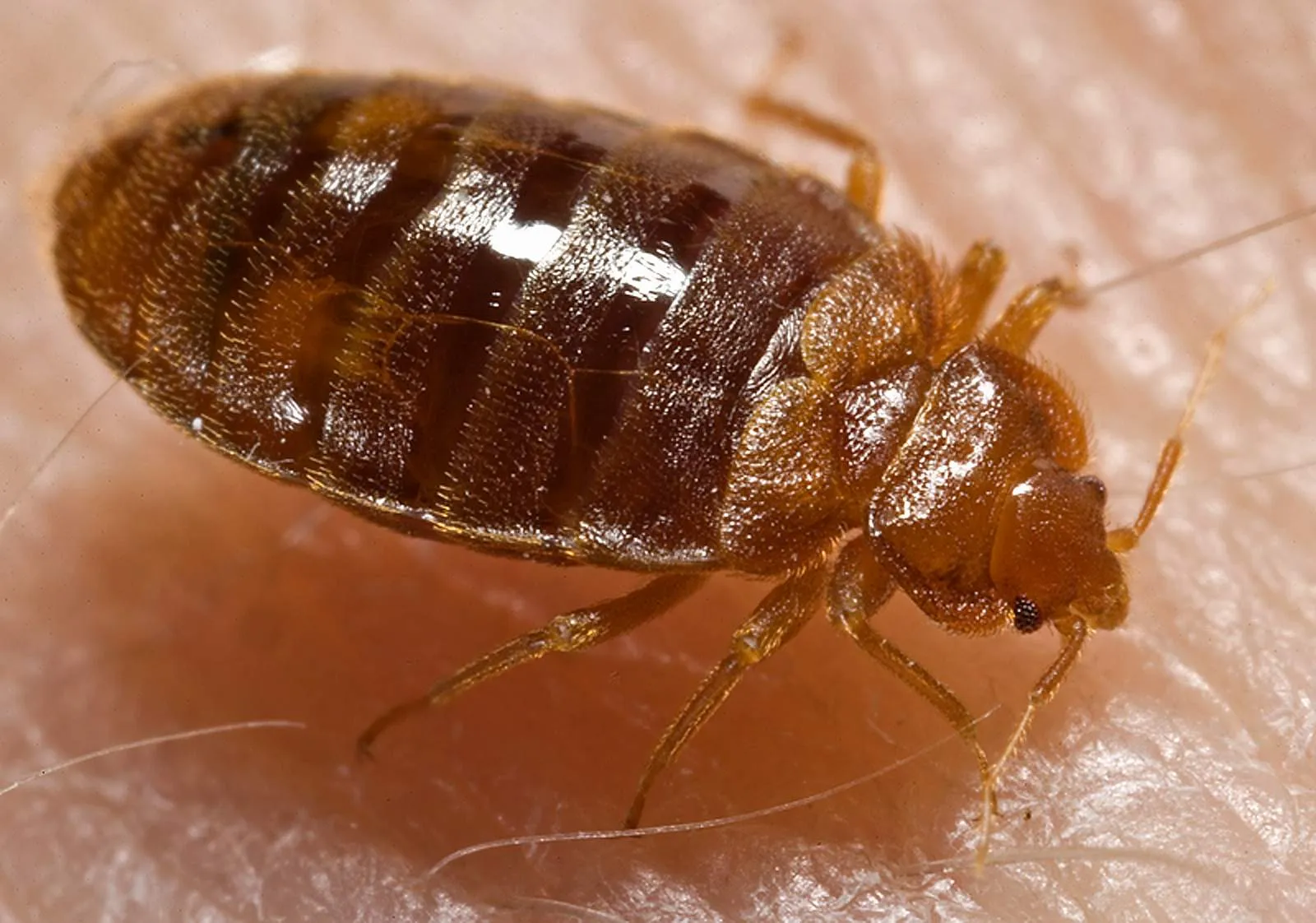
For travelers passing through any of these ten cities this summer, a few minutes of vigilance can go a long way. Orkin recommends remembering the acronym SLEEP: search hotel rooms for signs of infestation, looking for small, flat, reddish-brown, oval-shaped insects about the size of apple seeds, ink-like speckled stains on fabric, a sweet musty smell, and lifting up sheets, curtains and cushions to check thoroughly. Whether Pittsburgh climbs further or drops back down next year likely depends on how aggressively the city’s property owners and pest control professionals respond to this new, unwelcome distinction.