
Renters across the country have gotten used to bad news, but some cities have crossed a line where the math simply stops working. It is not just that rent is high in these places. It is that median wages, even solid middle class wages, cannot keep pace with what a lease now costs. The following cities represent the sharpest examples of that gap, backed by income and rent data collected through 2025 and early 2026.
1. Miami, Florida
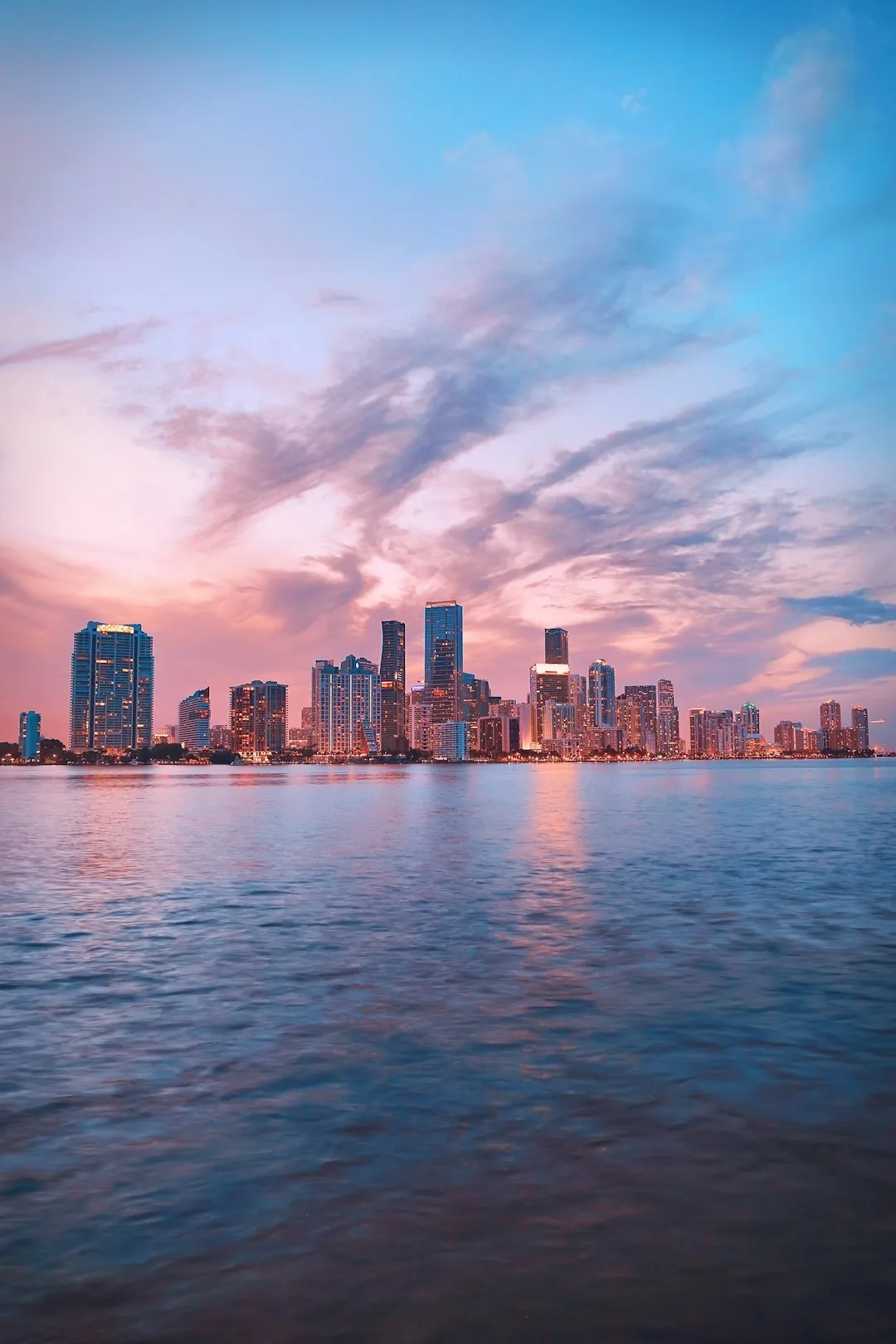
Miami has quietly become the hardest place in the country to rent on a typical income. Miami has arguably the worst rent-to-income ratio of any large U.S. city, with median rent climbing above $2,200 a month in many neighborhoods while median household income sits near $60,000, producing a rent-to-income ratio above 44%. Separate metro-level analysis backs this up, showing that Miami-Fort Lauderdale-Pompano Beach had a 2025 Observed Rent Index adjusted to income of 45.42%, the highest in the country, with a share of cost-burdened renters at 63.1%.
Part of the problem is that Florida’s tax advantages and weather keep drawing people faster than housing can be built. Year-round sunshine, zero state income tax, and a steady stream of new residents keep Florida atop relocation lists, with Miami often at the heart of that demand, as remote workers, retirees, and out-of-state buyers continue to compete for limited housing. On top of that, rising insurance costs are reshaping the market fast, with some insurers pulling back or stopping coverage altogether, making it harder for property owners to secure protection. That squeeze eventually gets passed on to tenants.
2. New York City, New York
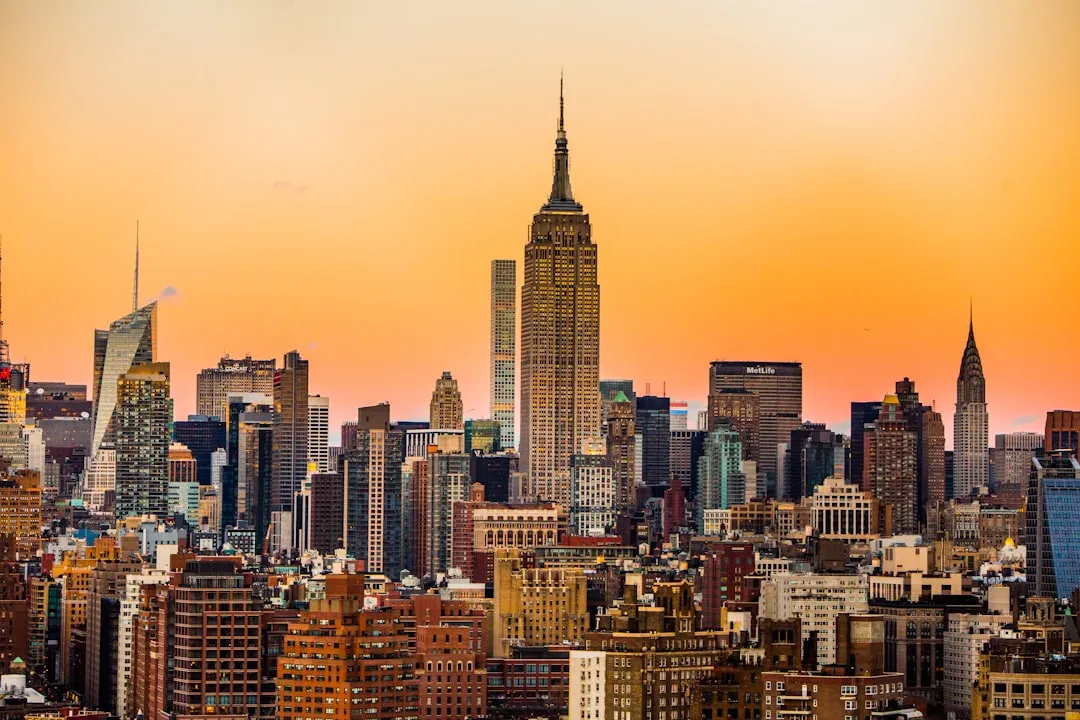
New York has always carried a reputation for expensive living, but the numbers now describe something closer to a structural crisis for renters. The New York-Newark-Jersey City metro area had a 2025 Observed Rent Index adjusted to income of 43.04%, with 51.8% of renters classified as cost-burdened. Layered onto that is the simple fact that rents have not stopped climbing even as other costs cooled slightly.
Over the past five years, the most significant rent increases in the country have been in New York City, where rents went up by 47.4%, with the average one-bedroom rent ballooning by $854, pushing what used to cost $1,801 up to $2,655. A patchwork of rent-stabilized units softens the blow for longtime tenants, but the limited supply of these below-market units and the long tenures of existing tenants mean that most newcomers enter the market at full price, exacerbating the perception that the city is unaffordable for new arrivals. For anyone signing a fresh lease today, that perception is closer to a lived reality.
3. San Francisco, California
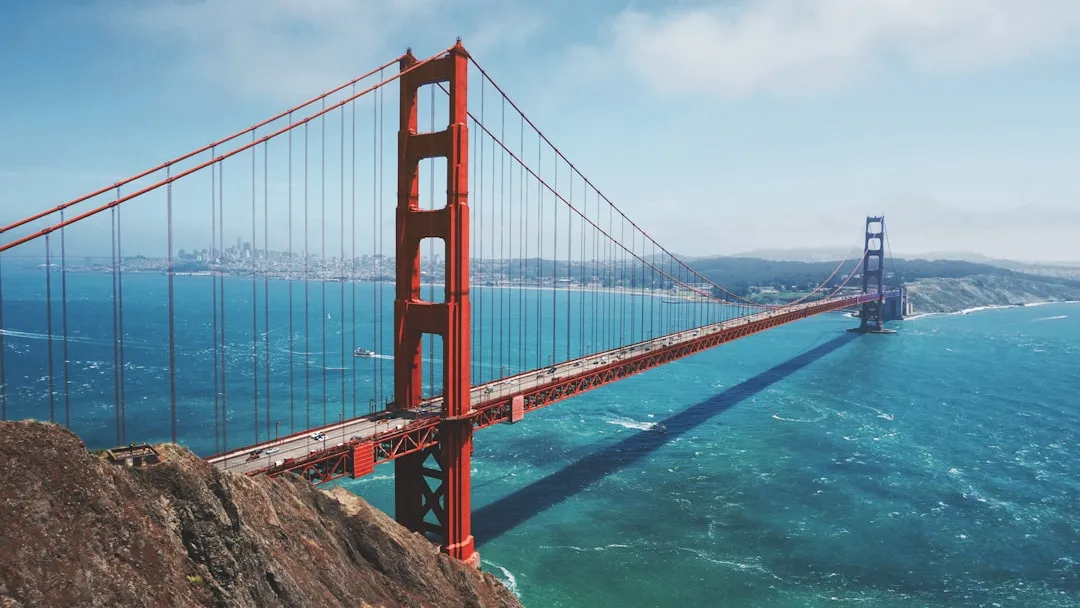
San Francisco remains the benchmark against which every other expensive American city gets measured. San Francisco is the most expensive rental market in the U.S., packing roughly 800,000 residents into a tight seven-by-seven-mile cluster, and the region’s tech sector continues to attract high-earning professionals even as a chronic housing shortage means well-paid renters often struggle to lock in a lease. The irony is that even high salaries do not guarantee comfort here.
The rental math gets stranger once you compare it to home prices. In San Francisco, a median-priced home might cost $1.3 million while a comparable rental runs $3,500 per month, yielding a price-to-rent ratio above 30, a level at which the opportunity cost of a down payment combined with property taxes and mortgage interest means a disciplined renter can often build comparable wealth over time. That is a small consolation for anyone trying to find an apartment that does not eat half their paycheck.
4. San Jose, California
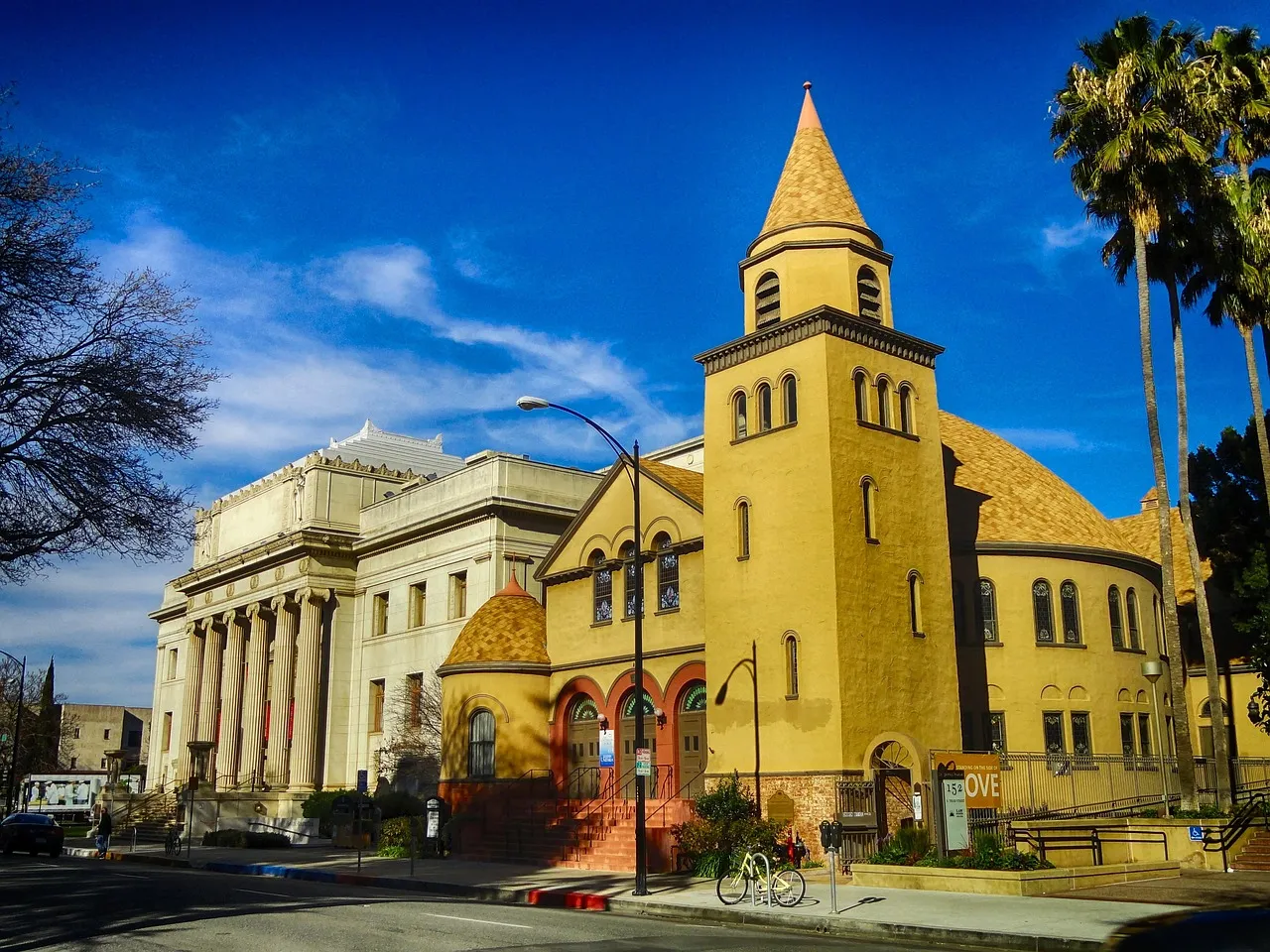
San Jose sits at the center of Silicon Valley, and its housing market reflects just how far incomes have to stretch even in a wealthy region. New housing development in San Jose hasn’t kept pace with demand, and a high-income population largely made up of tech workers has created a severe housing shortage, with average home prices well over $1.4 million as of early 2026 leaving many residents struggling to buy property despite high salaries. That dynamic pushes people who might otherwise buy back into the rental pool, tightening competition further.
The city also stands out for a specific pricing quirk. San Jose has one of the country’s highest rent-per-square-foot ratios, and major employers like NVIDIA, eBay, and Adobe keep rental demand strong. Historical data shows this is not a new phenomenon so much as a deepening one, since San Jose has long had one of the most expensive housing markets in the United States, with rents that were already elevated well before the current run-up began.
5. Boston, Massachusetts
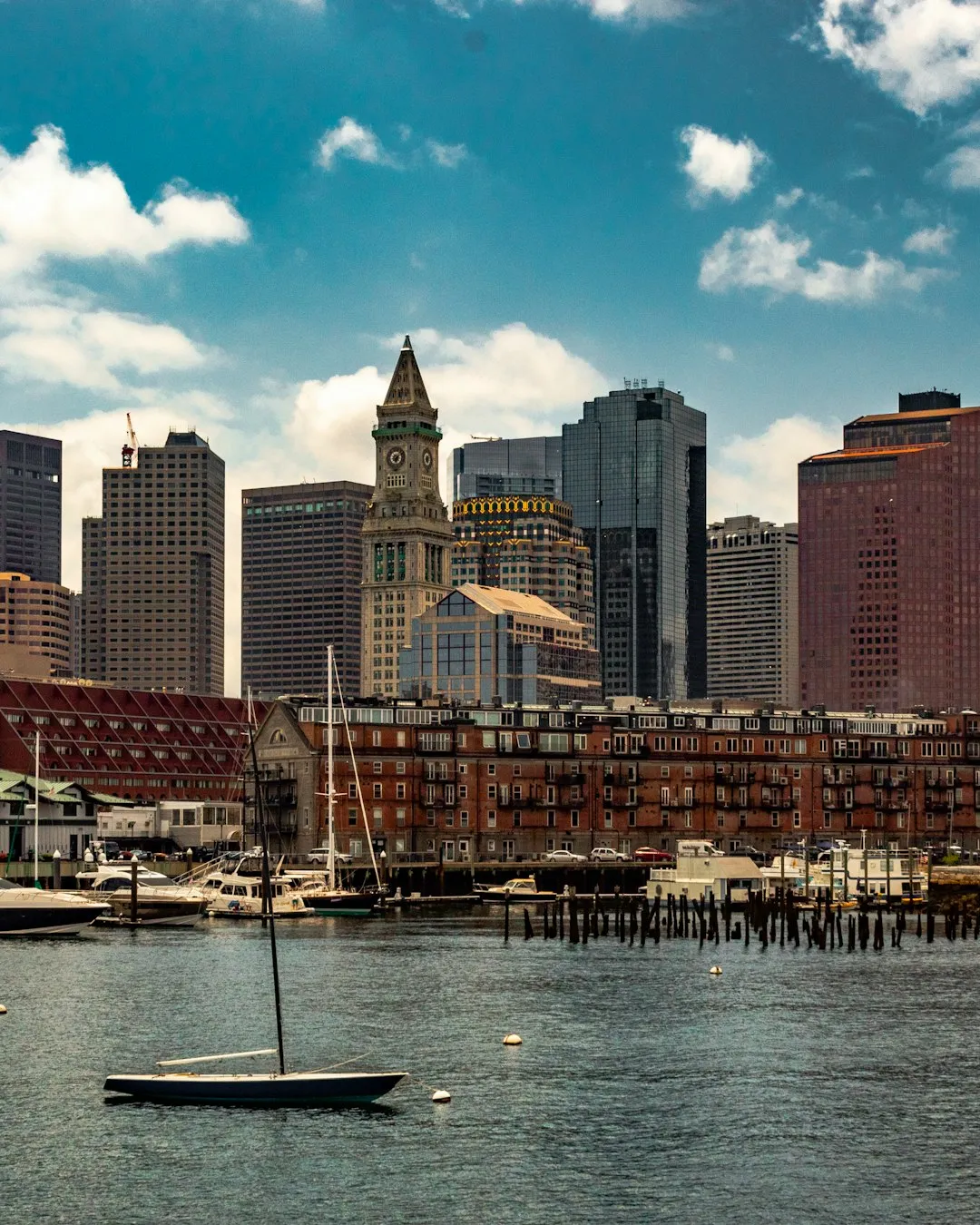
Boston’s combination of limited land, old housing stock, and a permanent influx of students and young professionals has pushed it to the top of national rent rankings. Boston’s historic neighborhoods and world-class universities have made it a highly desirable place to live but also one of the priciest, with the city’s average rent the highest in the country as of July 2025, putting enormous pressure on renters. Students and recent graduates feel this most acutely.
Because Boston’s university population turns over every year, landlords rarely face empty units for long, which removes one of the few natural checks on pricing. Many residents, especially students and young professionals, find themselves spending a large share of their income on housing, often at the expense of other necessities, and the ongoing affordability crisis has sparked debates about housing policy and the need for more affordable options. Those debates have not yet translated into meaningfully lower rents.
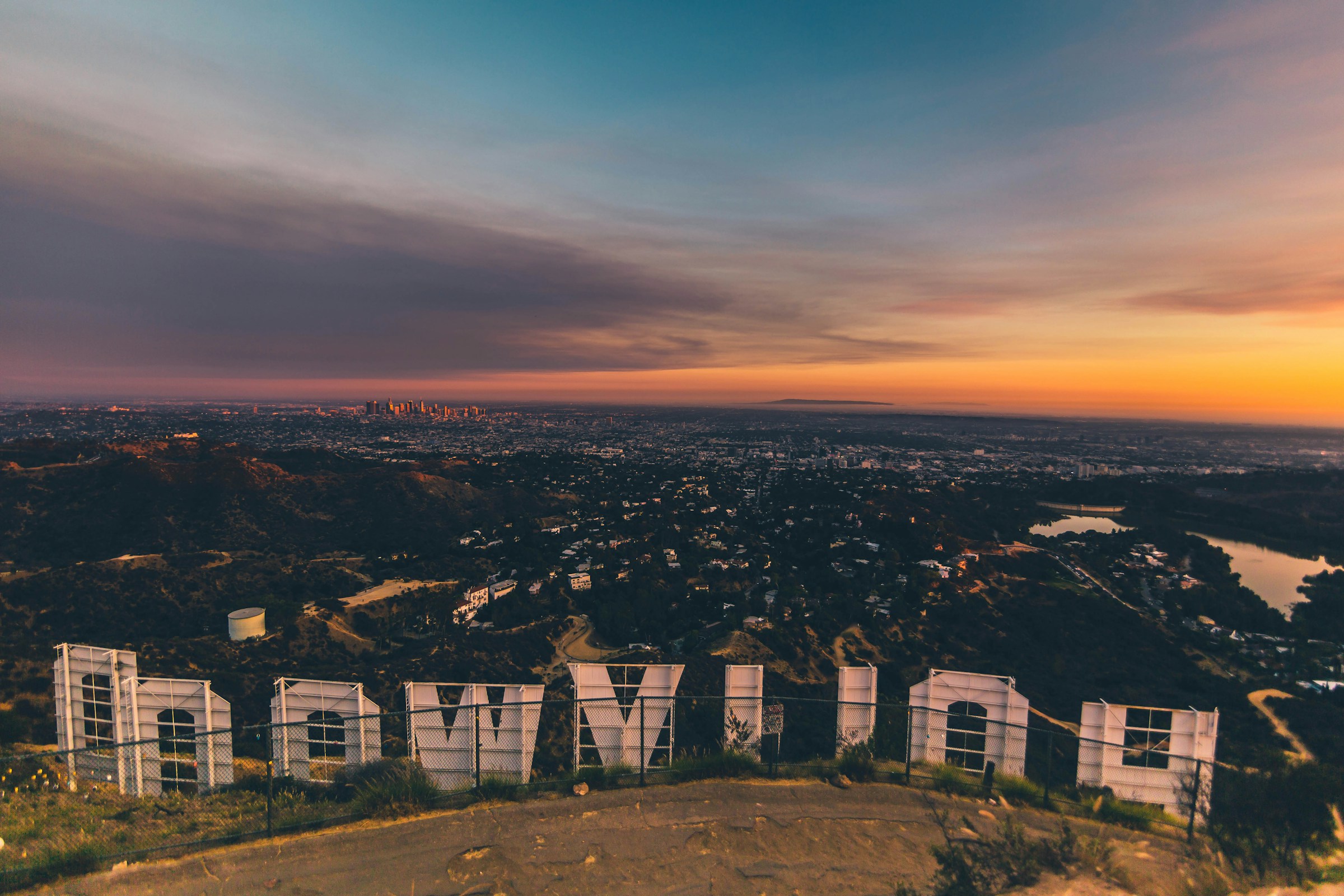
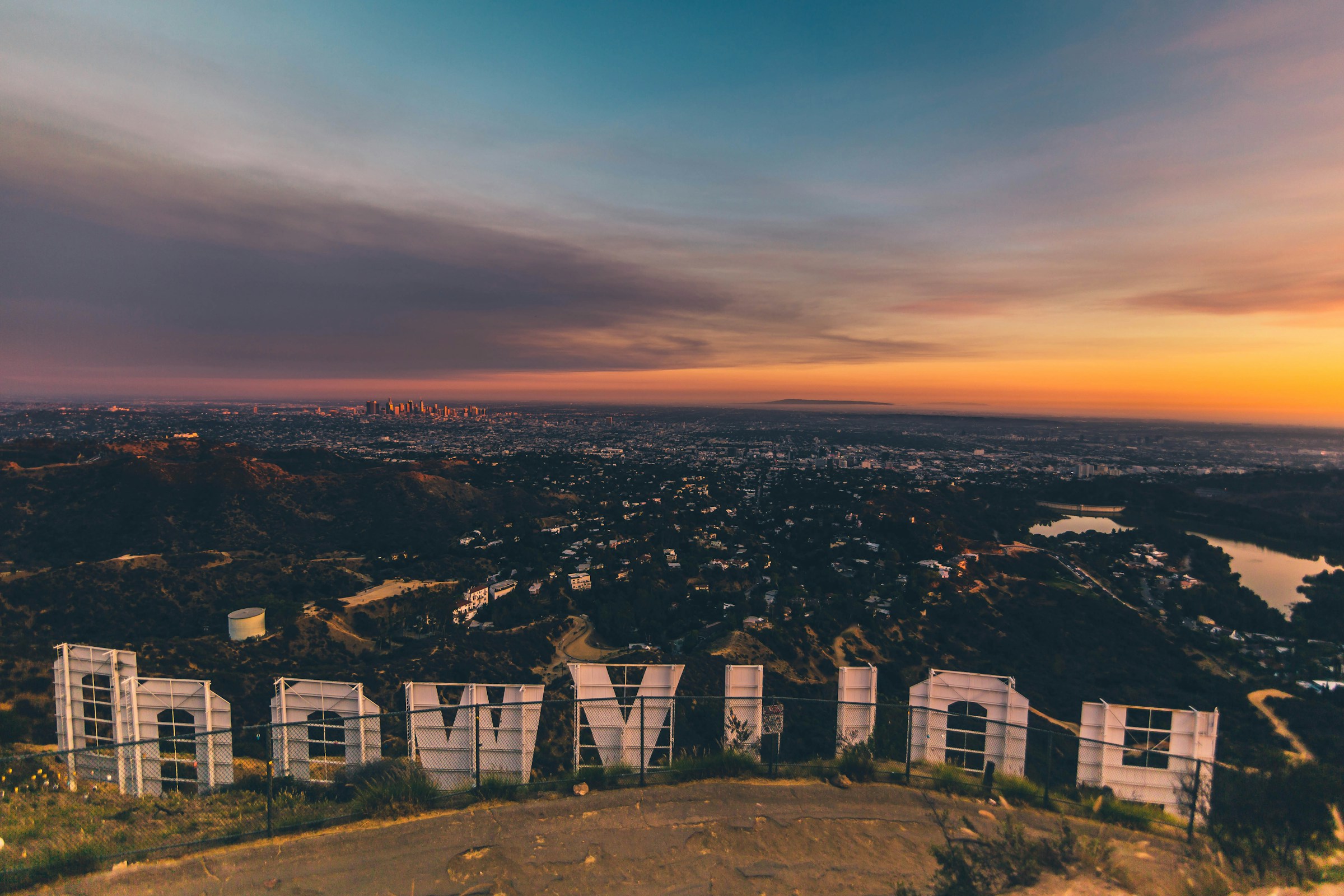
6. Los Angeles, California
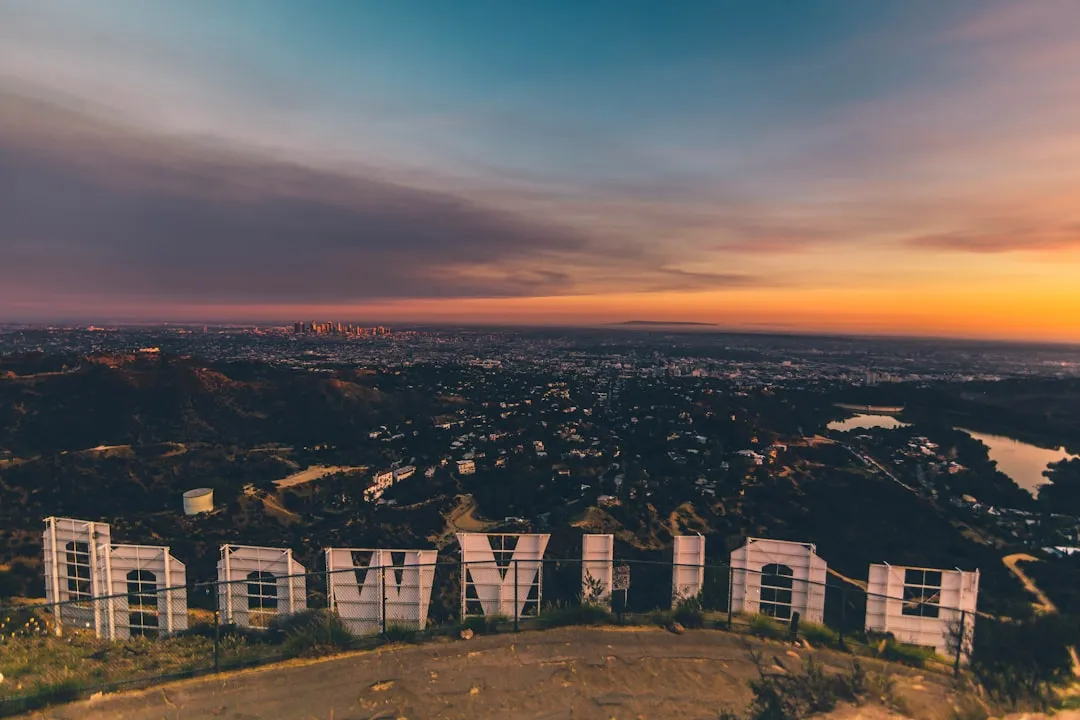
Los Angeles proves that sheer size does not solve a housing shortage. Los Angeles has nearly 4 million residents, and even with its massive sprawl, there still aren’t enough rental units to meet demand across the city. The metro area spreads renters across dozens of neighborhoods with wildly different price points, yet the shortage touches almost all of them.
California’s broader affordability numbers explain why Los Angeles struggles even with a diverse economy and a wide range of incomes. California is among the states with the largest concentration of cost-burdened renters, with 55% of renters experiencing housing cost burdens. Nevada and Florida share this pattern, but California’s sheer population size means the raw number of stretched households is enormous. For a city as large and varied as Los Angeles, that statistic plays out block by block.
7. Honolulu (Oahu), Hawaii
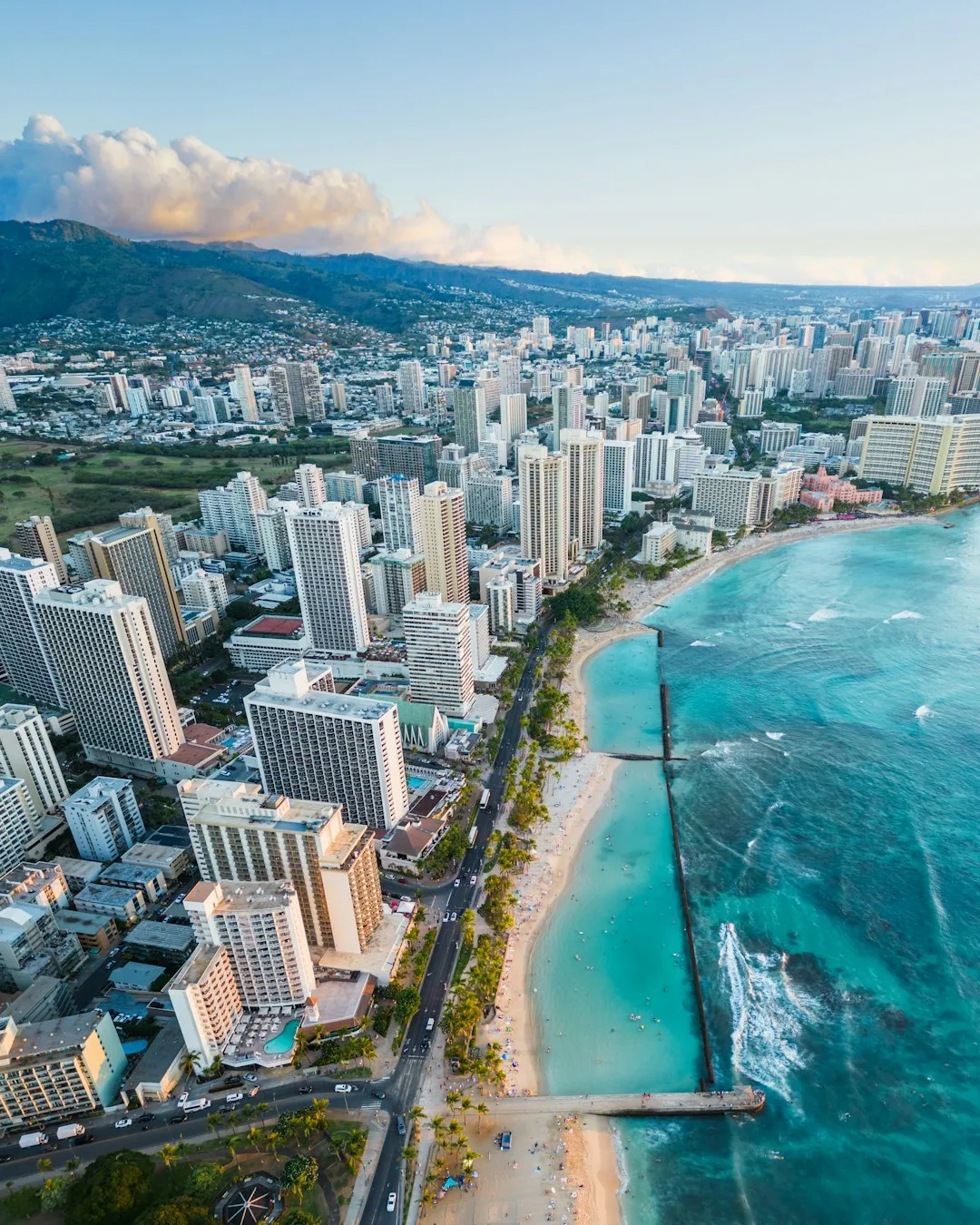
Honolulu rarely gets the same national attention as New York or San Francisco, but its rental market carries similarly punishing pressure. Oahu’s large military presence keeps demand steady year-round, tightening an already constrained market for renters, and even without statewide rent control, high operating costs and strict development limits make housing unaffordable, leaving renters with few realistic options in one of the country’s most desirable places to live. Geography plays a role too, since an island simply cannot expand its housing supply the way a mainland city can.
State-level rent figures reinforce how extreme Hawaii’s market has become. Hawaii tops the state list for median rent, coming in twelve dollars ahead of the runner-up, California. Combine that with a local wage base that is nowhere near San Francisco or New York levels, and the rent burden on ordinary Honolulu households becomes even harder to absorb than the raw rent numbers alone suggest.
These seven cities do not share identical causes. Some are squeezed by tech wealth pushing against a fixed housing supply, others by tourism, insurance costs, or simple geography. What connects them is a widening gap between what a lease costs and what a typical paycheck can cover, a gap that shows no sign of closing on its own anytime soon.