
A can of cola looks identical whether it is cracked open in Buenos Aires or Bangalore, yet what happens to that can afterward tells two very different stories. In some corners of the world, fizzy drinks are practically a food group, woven into daily meals and weekend gatherings. In others, soda barely registers as a habit at all, quietly outpaced by tea, water, or homemade drinks that have never gone out of style.
The gap between these two worlds is wider than most people assume, and it says as much about climate, income, and culture as it does about marketing budgets. Below is a closer look at three nations where soda consumption runs unusually high, followed by six where it barely makes a dent.
Hungary: Europe’s biggest soda drinker
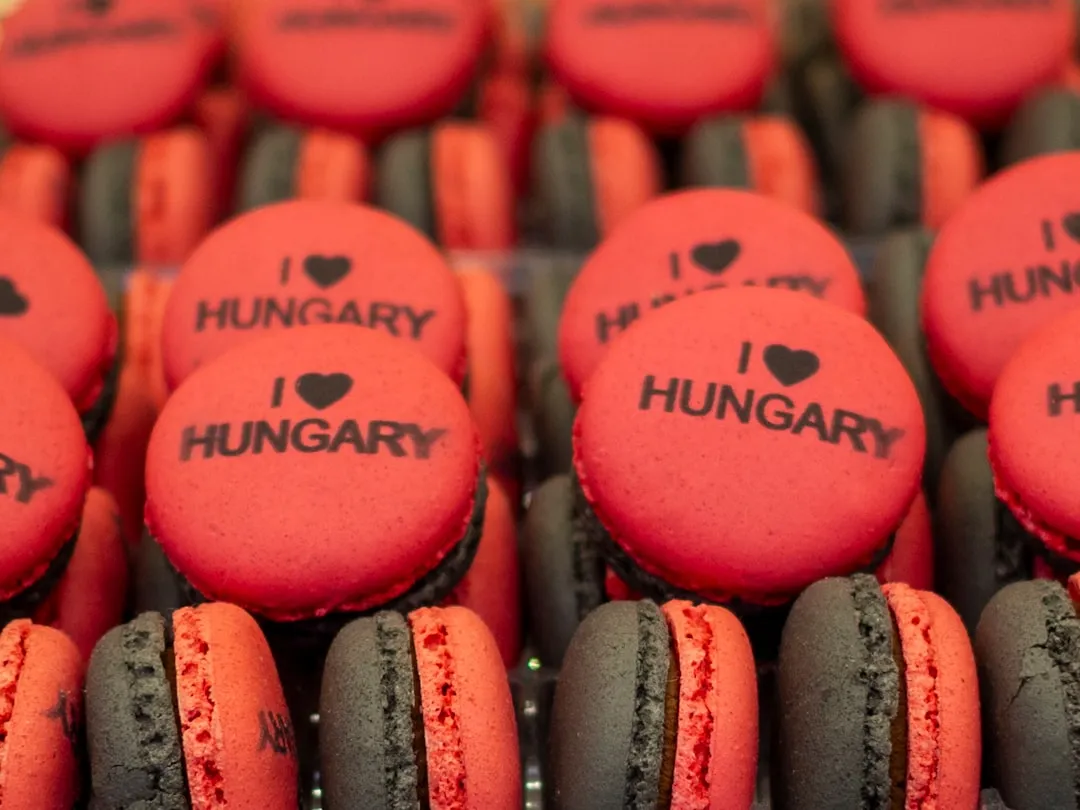
Hungary sits at the very top of global soda rankings, and the numbers are not close. Hungarians drink 310 liters of soda per capita each year, which makes them the biggest consumers of the sugary drink in the world. That works out to roughly a liter every day for every man, woman, and child in the country, a scale of consumption that few nations approach.
Hungarian officials have not ignored the problem. In 2011, Hungary imposed the so-called “public health product tax” to try to get its citizens to adopt healthier habits. Even so, the tax has done little to change deeply rooted habits, since it looks like Hungarians still love their soda, and it will be hard to mitigate or reverse the harm associated with drinking it.
Argentina: soda as a warm-weather staple

Argentina consistently ranks among the thirstiest countries for carbonated drinks anywhere on the map. About 155 liters per capita are consumed each year there, a figure that puts it near the very front of the global pack alongside its South American neighbors. Part of the explanation is straightforward: the warm climate combined with higher income households makes soda a popular drink.
Argentina’s love of soda is tangled up with a broader regional pattern, one where Coca Cola and its rivals have become fixtures at family barbecues and everyday meals alike. Health departments throughout Argentina are concerned about the long-term health impact heavy soda consumption may have in the future, though for now the fizzy drinks show little sign of losing their grip on daily routines.
Mexico: taxes haven’t broken the habit
Mexico has long been treated as the textbook example of a soda-soaked nation, and the data backs that reputation up. In Mexico, people consume about 137 liters of soda per capita, and separate research on sugary drink intake found Mexicans consuming close to nine servings a week, more than any other country studied. Coca Cola alone has an enormous footprint there, with Mexico holding the honor as of 2023, with an average of 634 8-ounce servings consumed per year by the 128 million residents.
The government has tried to push back against these numbers for over a decade. To combat the growing health crisis, Mexican officials have implemented a soda tax that will hopefully cut down the amount of soda consumption in the country, yet demand has proven remarkably resilient, with usage patterns barely budging since the policy went into effect.
India: tea wins by a wide margin
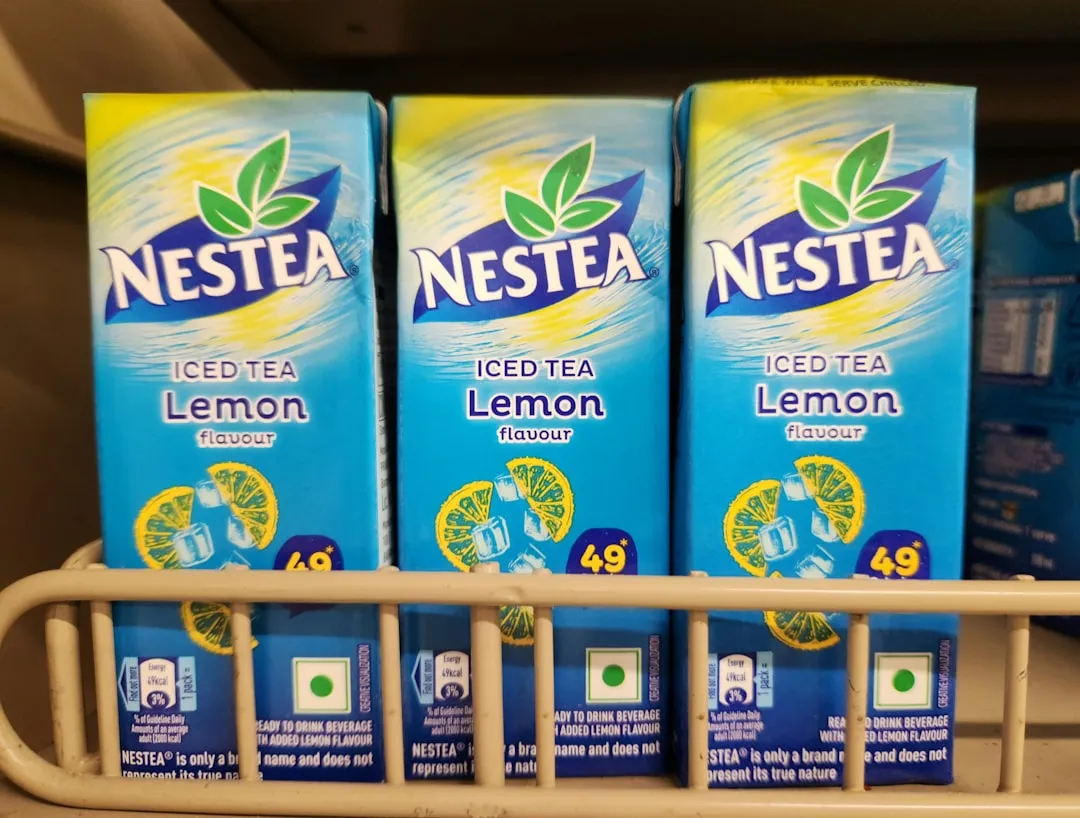
At the opposite end of the spectrum sits India, where soda simply never became the default drink the way it did elsewhere. National surveys have found this gap to be stark, with adults there among the countries where people consumed the highest number of sugary drink servings per week included Mexico (8.9), Ethiopia (7.1), the United States (4.9), and Nigeria (4.9), compared to India, China, and Bangladesh (0.2 each). That is a difference of roughly forty times between Mexico and India.
Older per capita figures tell a similar story. In India, per capita consumption was only 5.5 liters in 2017, a fraction of what countries like Argentina or Mexico record in a single year. Tea, fresh fruit drinks, and plain water still dominate daily life across most Indian households, leaving soda as more of an occasional treat than a staple.
China: water and tea still rule the table

China’s sheer population size means its total soda sales look impressive on paper, but per person the picture flips completely. In China it was 39.4 liters in the same year, which sounds substantial until it is set against countries drinking triple or quadruple that amount. Tea remains the beverage most closely tied to Chinese identity, served at meals, offered to guests, and consumed throughout the workday in a way soda has never quite matched.
Researchers studying global drinking habits have repeatedly pointed to this same pattern. Countries like India and China have lower per capita consumption of soft drinks, as traditional beverages such as tea and water are more commonly consumed. Even as Western fast food chains and convenience stores spread across Chinese cities, that underlying preference for tea has proven remarkably durable.
Bangladesh: among the lowest intakes recorded

Bangladesh shows up alongside India and China in nearly every dataset measuring low sugary drink consumption, and the numbers line up almost exactly. Compared to India, China, and Bangladesh (0.2 each), the country’s sugary beverage intake sits at the very bottom of the global scale, a striking contrast to countries just a few thousand miles away in Latin America.
Much of this comes down to income levels, limited retail infrastructure outside major cities, and a strong domestic tradition of tea drinking that predates the arrival of global soft drink brands by centuries. While bottled soda is increasingly visible in Dhaka’s shops, it has yet to displace tea as the drink people reach for out of habit rather than novelty.
Nepal: the same regional pattern holds

Nepal rarely appears by name in soda consumption studies, largely because researchers tend to group South Asian nations together, and for good reason. The regional data is consistent across the board: in 2018, the average person consumed 2.7 servings of sugary drinks per week, but this ranged from 0.7 servings per week in South Asia to 7.8 servings per week in Latin America and the Caribbean.
Nepal’s mountainous terrain and strong tea-growing tradition in its eastern hill districts reinforce this same broader pattern seen across its neighbors. Tea houses remain a fixture of daily social life there, and imported soda brands, while available in urban centers, have not managed to reshape everyday drinking habits the way they did in wealthier or warmer parts of the world.
Sri Lanka: a tea nation that drinks its own product
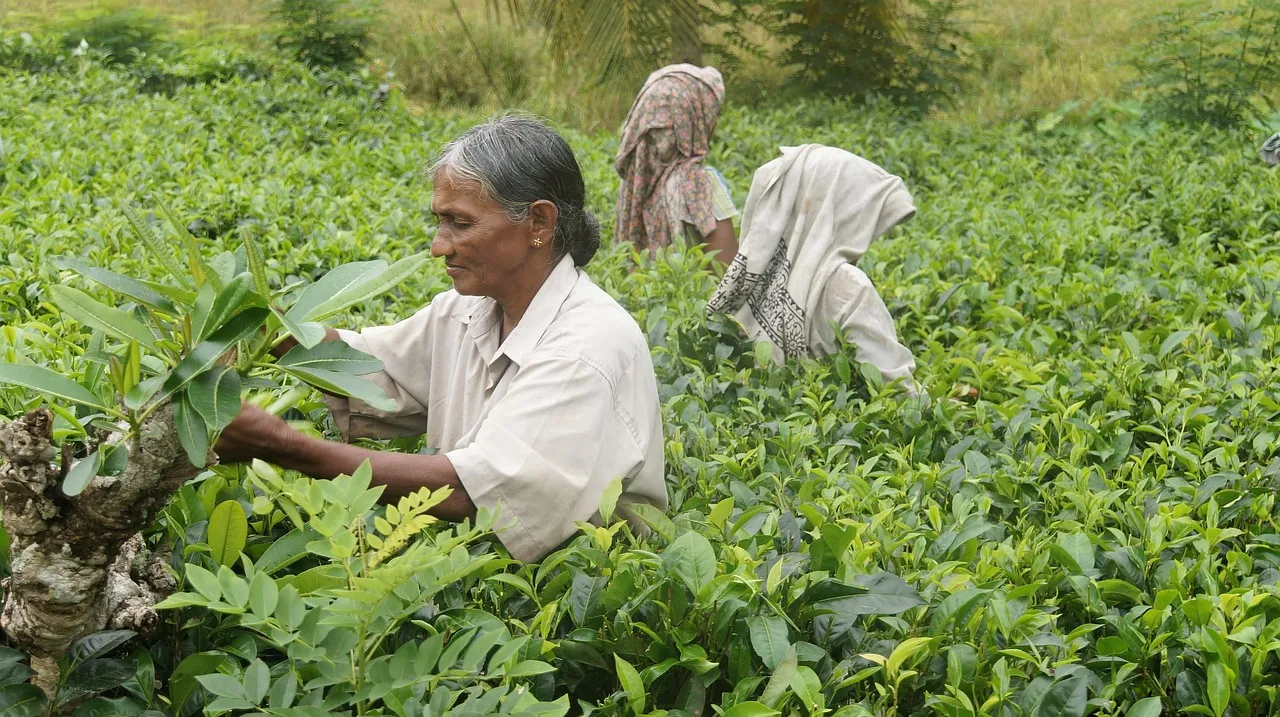
Sri Lanka’s identity is bound up with tea in a way few countries can match, given its status as one of the world’s most recognized producers of Ceylon tea. That legacy shows up in daily consumption habits, keeping the island firmly within the same low-soda profile documented across South Asia as a whole, where intake ranged from 0.7 servings per week in South Asia to 7.8 servings per week in Latin America and the Caribbean.
Unlike some tea-exporting nations that ship nearly all their product abroad, Sri Lankans consume a substantial share of what they grow. Tea shops, roadside stalls, and home kitchens all favor the drink over bottled soda, a habit reinforced by decades of cultural association between hospitality and a freshly poured cup.
Vietnam: growing fast, but still starting from a low base
Vietnam is something of an outlier on this list because its soda market has been expanding quickly in recent years, even though overall consumption remains modest by global standards. Analysts tracking the shift noted that in 2015, Cameroon, Vietnam, and India were the countries with the biggest increase in soda consumption, a trend driven largely by urbanization and rising disposable incomes rather than any sudden abandonment of traditional drinks.
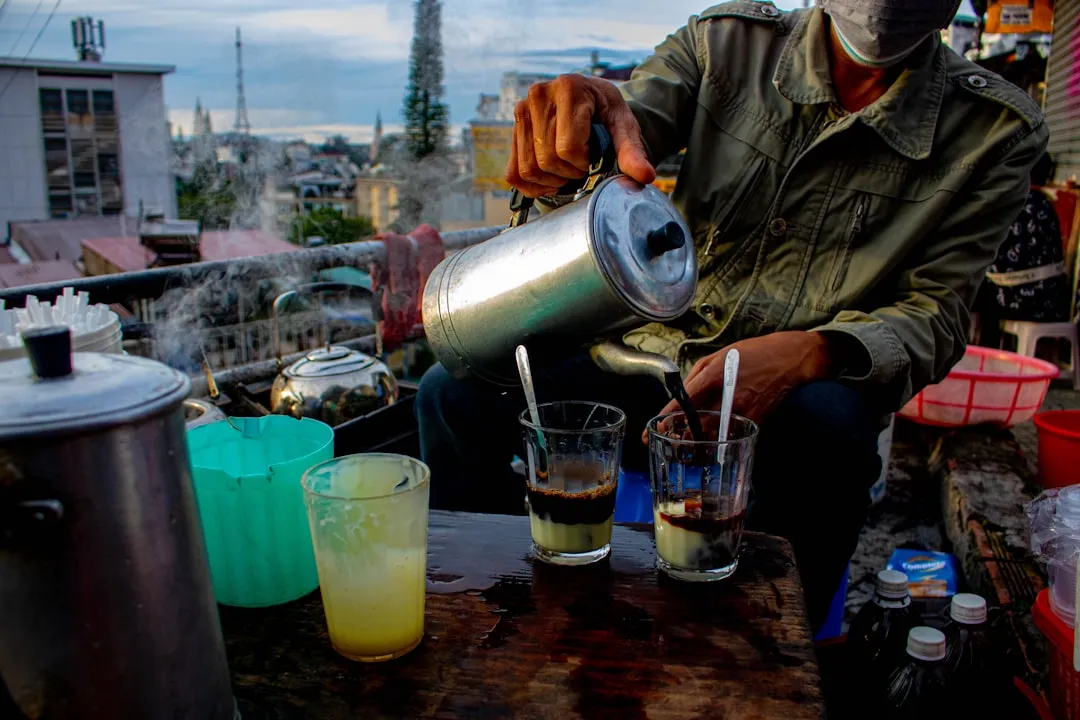
Despite that growth curve, Vietnamese households still lean heavily on tea, fresh sugarcane juice, and coffee, particularly the strong iced coffee that has become something of a national symbol. Soda has carved out a niche among younger, urban consumers, but it has not yet become the everyday default the way it has in much of Latin America or parts of Europe.