
Weather is one of those things people talk about constantly but rarely stop to compare across borders. Some places bundle up for months on end, watching daylight shrink to a sliver before it even feels like it started. Others go their entire existence without a single snowflake touching the ground, and for the people living there, snow is something they’ve only seen in movies or photos from relatives abroad. This piece looks at both extremes, starting with the countries where winter refuses to loosen its grip, then moving to the nations where the concept of a snow day simply doesn’t exist.
Russia: winter that outlasts every other season
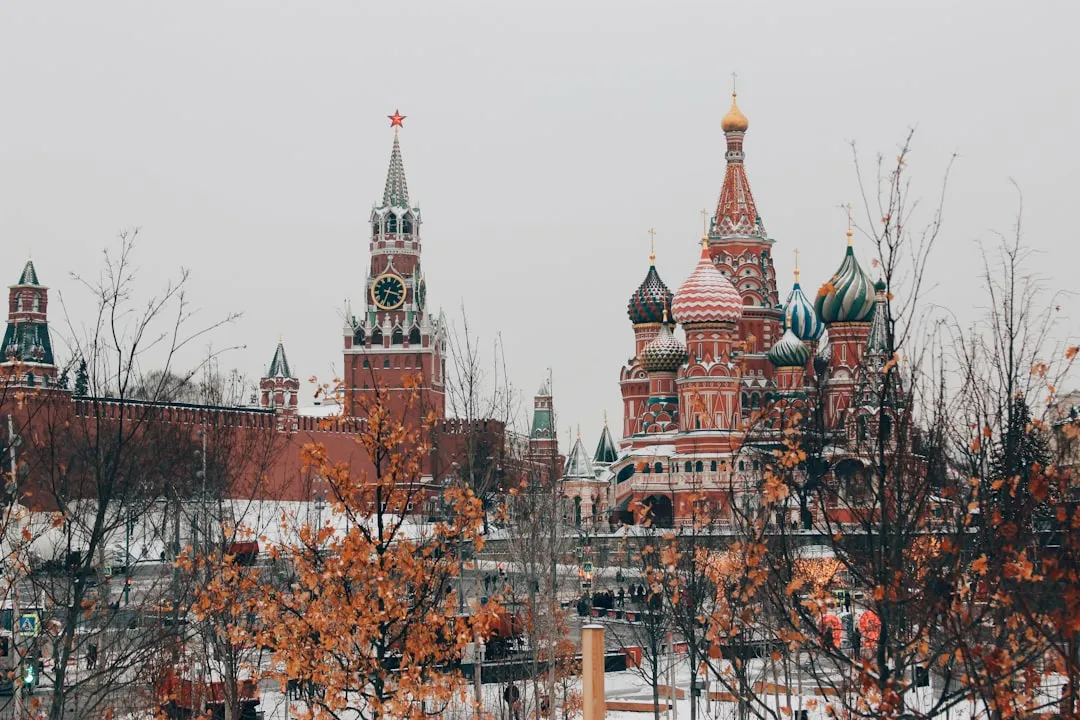
Russia is often cited as the country with the longest winter, located in the northern part of Eurasia with a temperate climate featuring very cold winters and mild summers. In parts of Siberia and the Far East, the numbers get almost surreal. Some regions experience temperatures of -50°C from December to February, with places like Oymyakon never recording an above-freezing temperature from late October to mid-March.
The scale of the country means winter doesn’t hit everyone the same way. In the Urals and Siberia, winters last from the end of October to the end of April, while the shortest winters can be found in the Black Sea area, in resort towns like Anapa to Sochi where winter only lasts for two or three weeks in January. Further north, on the Franz Josef Land archipelago, the longest winter season lasts from mid-August to the end of June, with snow covering the islands almost year round, which stretches the definition of a “half-year winter” into something closer to ten months.
Finland: months of darkness above the Arctic Circle
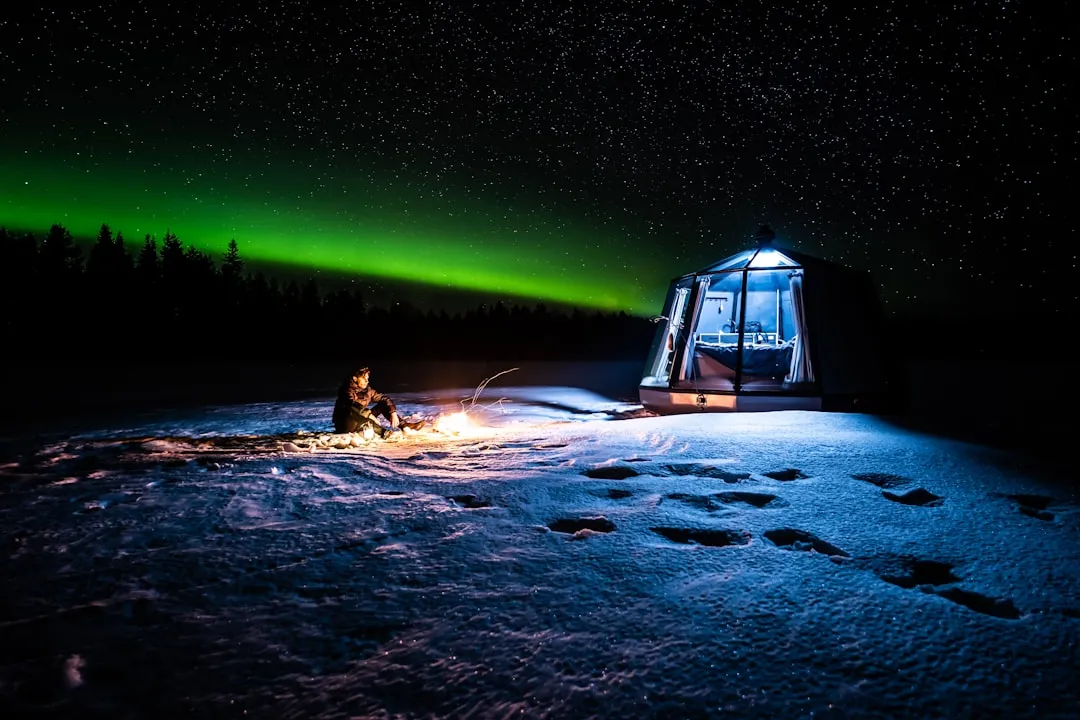
Finland doesn’t compete with Siberia for raw cold, but its winter length rivals almost anywhere on Earth once you head into Lapland. Finland’s winter lasts longest in Lapland, where snow can lie on the ground for more than half the year, with sub-zero nights stretching through early spring and daylight dwindling in midwinter near the Arctic Circle. Locals there build their entire rhythm of life around this reality rather than fighting it.
Officially, the season varies quite a bit depending on where in the country you are. Winter in Finland varies in duration from about three to seven months, depending on the part of the country, but regardless of location, it’s cold, dark and snowy. In the far north, Lapland experiences winter lasting up to 200 days annually in its northernmost regions, with snow remaining on the ground from October until May and the Arctic Circle bringing weeks of polar darkness. That’s a winter that eats up more than half the calendar without much argument.
Canada: a winter that spans provinces and territories
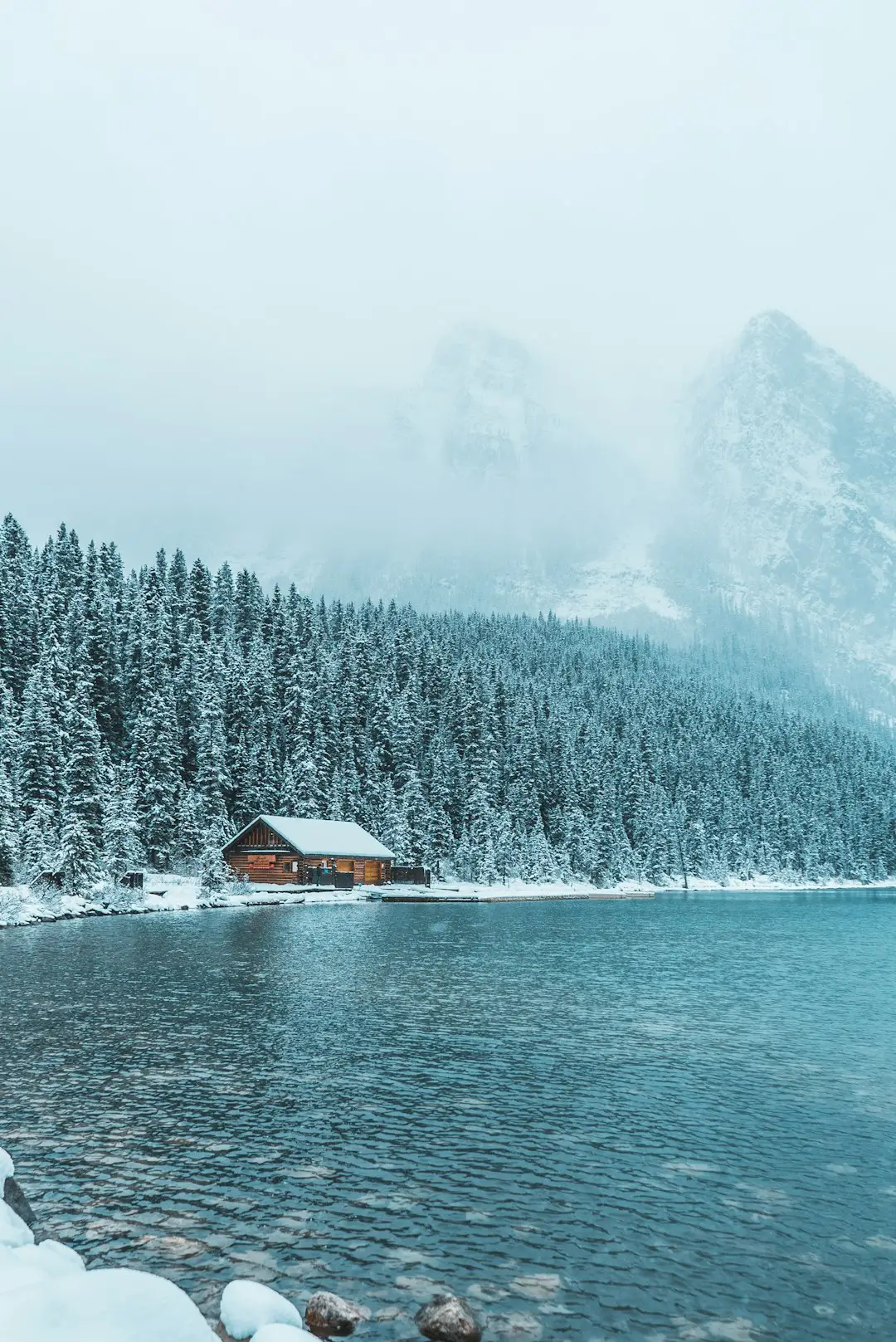
Canada’s size creates a similar split to Russia’s, where the far north lives an entirely different winter than the cities further south. Canada experiences a wide stretch of winter months across its northern provinces and territories, with places like Nunavut and Yukon seeing ice and snow stay from October into late April, while central regions see long cold spells that affect daily commutes and school routines. That’s roughly seven months in the harshest zones.
Daily life adapts around this instead of pausing for it. Heating systems run constantly, and public services prepare for icy roads and blizzards, while locals use snow tires, engine block heaters, and winter clothing designed for intense wind chill. Rather than treating winter as a hardship to be endured indoors, outdoor culture remains active, with ice skating, snowshoeing, and hockey rinks becoming community hubs, which says a lot about how normalized a half-year winter becomes when you grow up inside one.
Mongolia: extreme cold on the high steppe
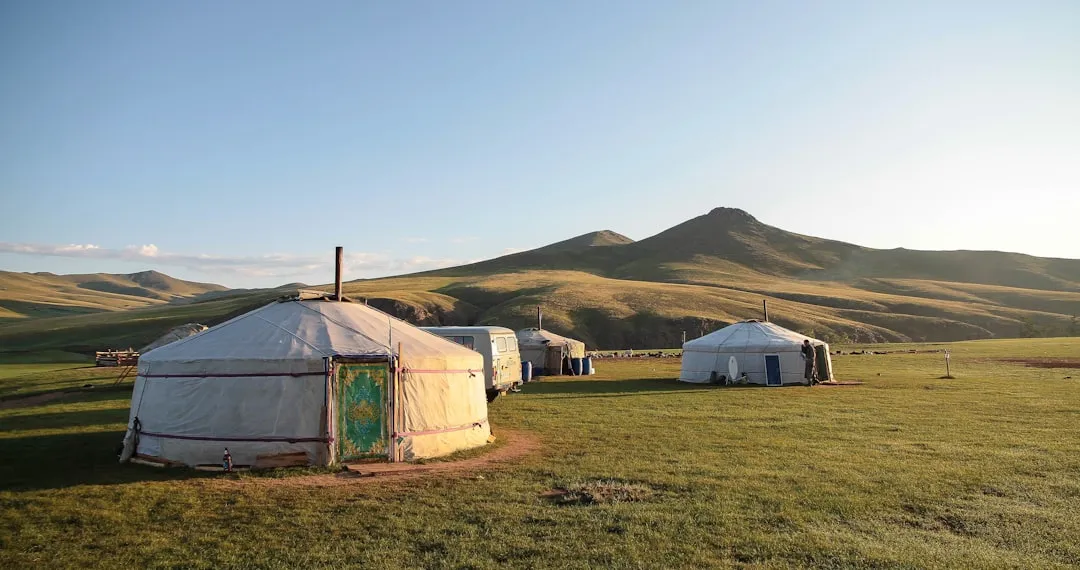
Mongolia’s nickname, the Land of Eternal Blue Sky, sounds cheerful, but the climate underneath it is anything but mild. Despite the nickname, Mongolia ranks among the coldest countries in the world, with frigid temperatures recorded throughout the long winter months and mountainous terrain contributing to harsh conditions. The combination of altitude, latitude, and a landlocked position leaves little room for a gentle transition into spring.
The length of the season here is what really sets Mongolia apart from more temperate neighbors. The country experiences a continental climate with dramatic temperature swings, where the winter season can stretch from October through April in some regions, as high elevation and its landlocked position create perfect conditions for extended periods of freezing temperatures. For herding communities that rely on livestock surviving the cold, that stretch of nearly seven months shapes almost every seasonal decision they make, from moving camps to stockpiling feed.
Fiji: a tropical Pacific nation with no winter to speak of
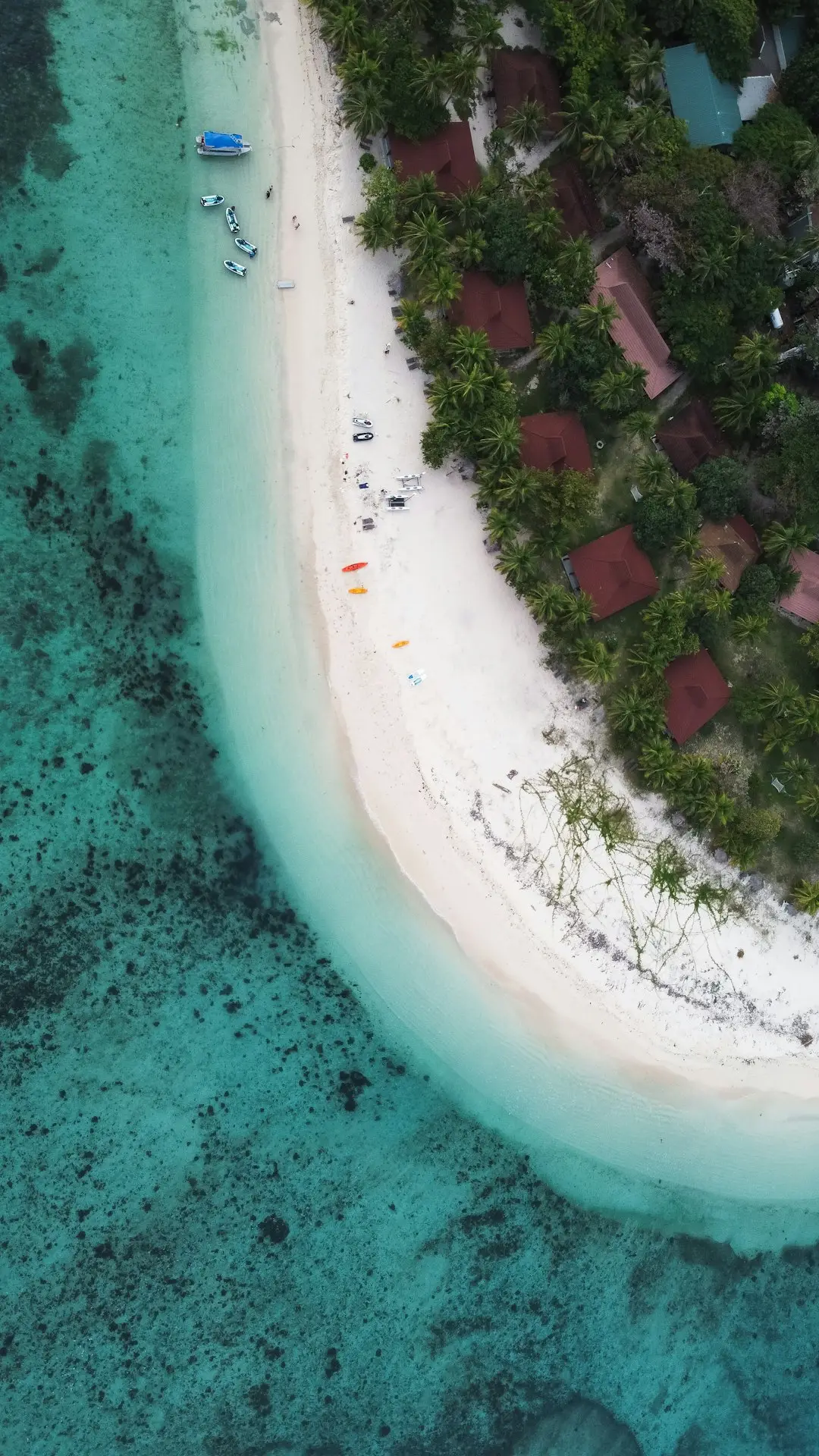
On the opposite end of the spectrum sits Fiji, a scattering of islands in the South Pacific where snow isn’t just rare, it’s essentially a non-concept. The South Pacific island nation sees an average winter temperature of 73°F, far too warm for snow. There’s no elevation extreme enough to change that math anywhere on its main islands.
Even the coldest recorded moment in Fiji’s history doesn’t come close to snow territory. The record low in the nation did hit the freezing mark in 1965, but the country, as well as several of their South Pacific neighbors, has never seen snow, according to WorldAtlas and the Farmer’s Almanac. For residents, the closest thing to a seasonal shift is a wetter or drier stretch of months, not anything resembling a cold snap that leaves a white dusting behind.
Vanuatu: beaches and volcanoes, never snow
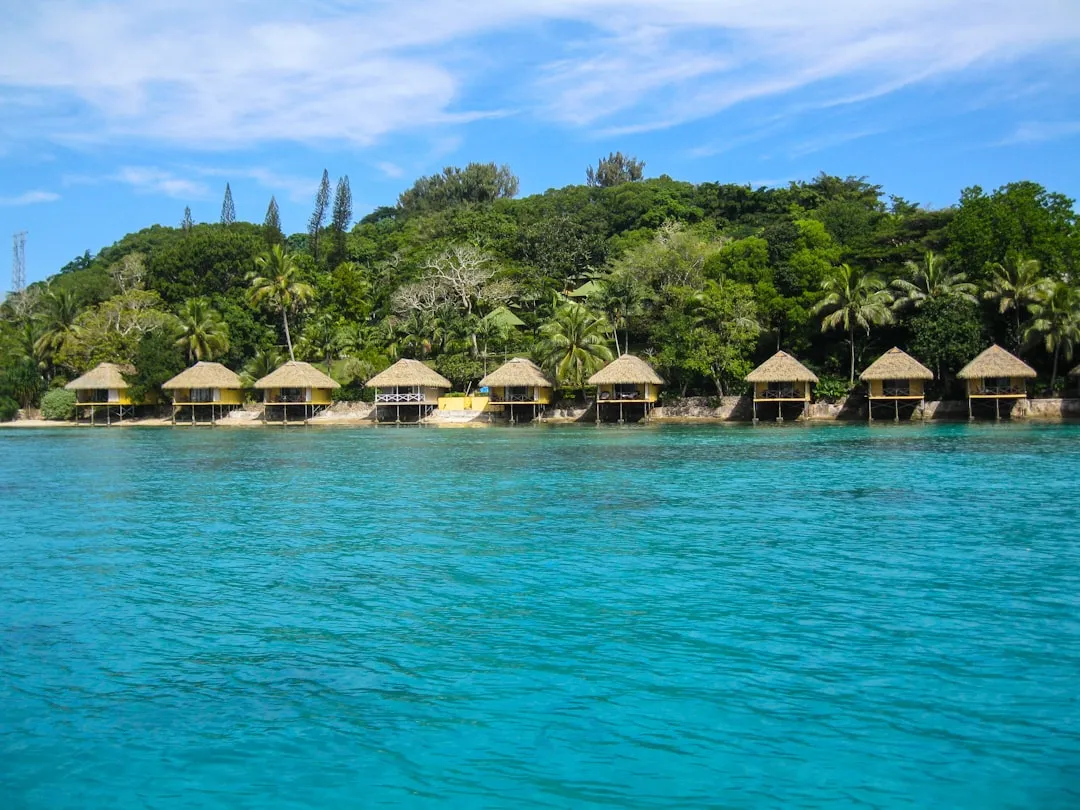
Vanuatu sits in a similar climate band to Fiji, and its weather history tells the same story. This tropical island has never had snowfall recorded in history, and its beaches, tropical climate, and active volcanoes make it a popular tourist destination. The volcanic terrain gives the landscape some dramatic variety, but nothing in the way of elevation cold enough to produce ice crystals.
What’s notable about Vanuatu is how consistently warm it stays across the calendar, without the kind of seasonal swing that even other tropical nations sometimes get. Countries such as Vanuatu remain warm throughout the year, and being surrounded by oceans helps maintain stable, warm temperatures. There’s no month where locals would need anything heavier than a light jacket, let alone winter gear.
Maldives: an archipelago too warm and too flat for snow
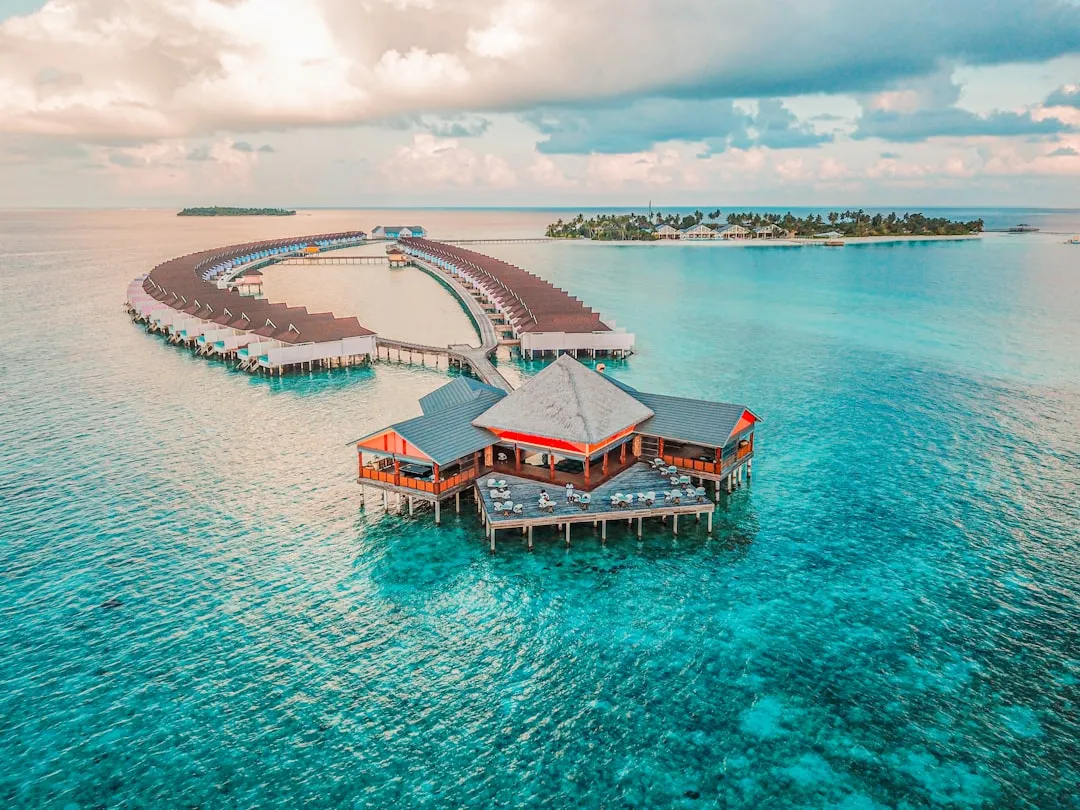
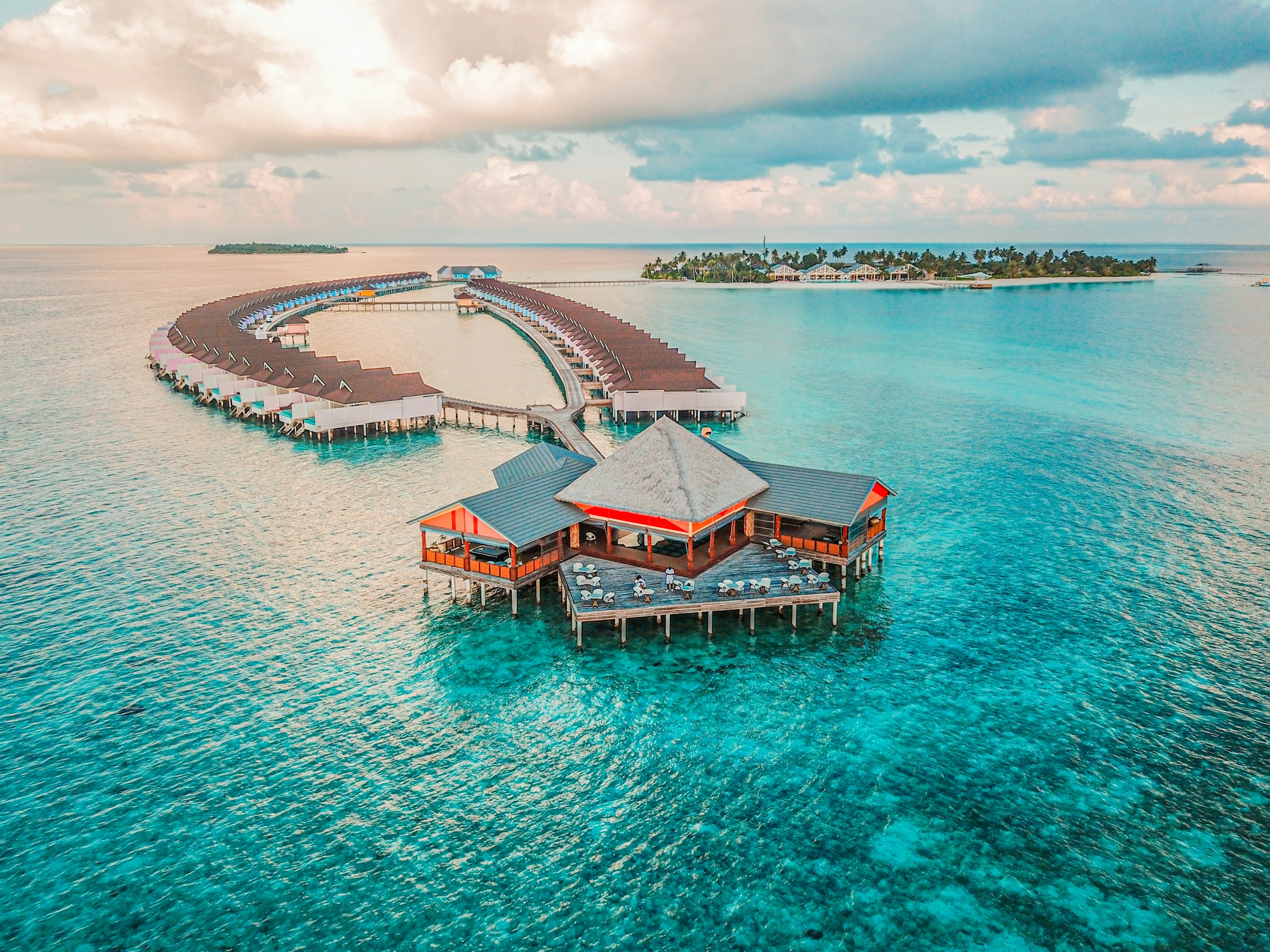
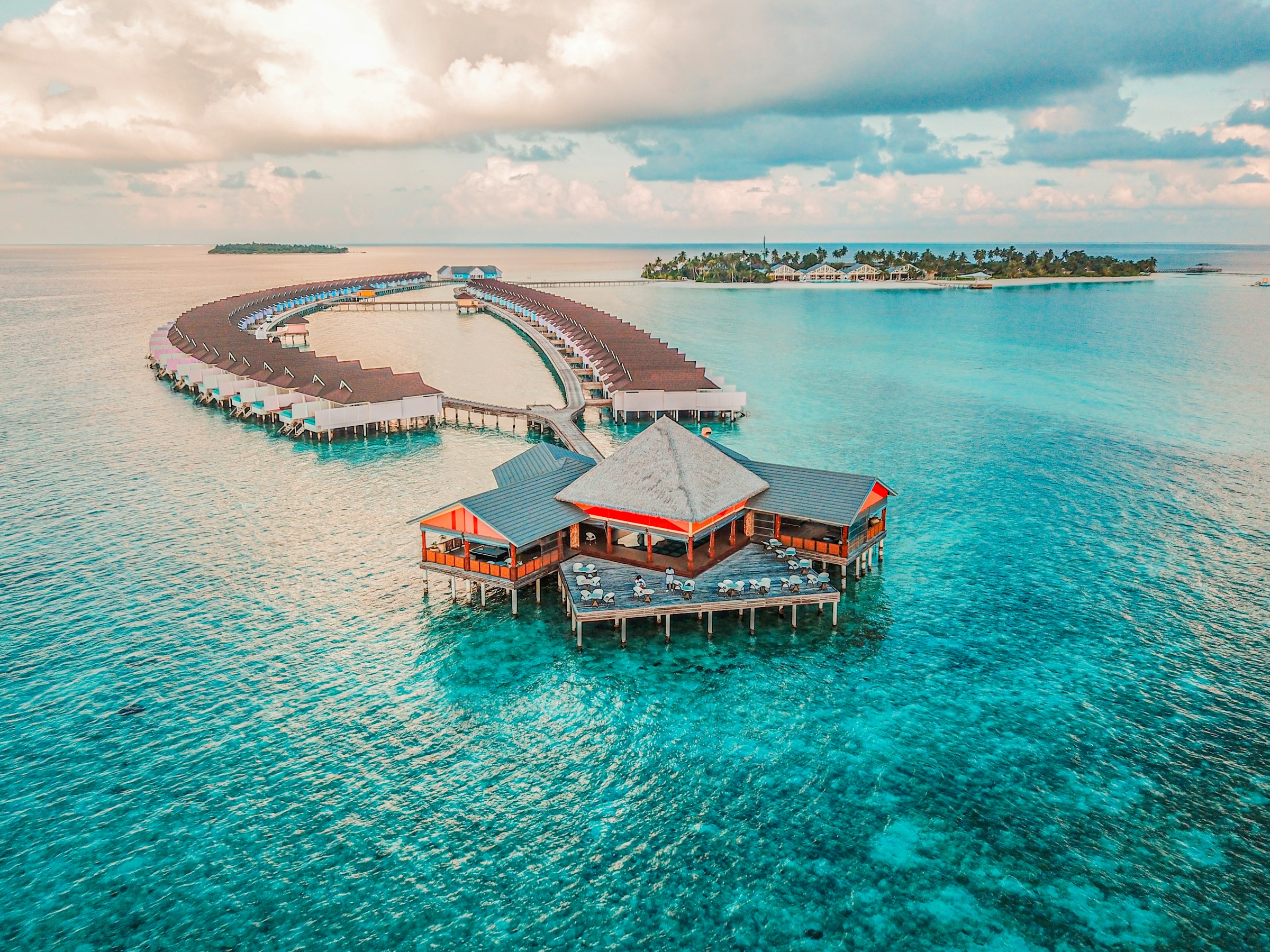
The Maldives is famous for its overwater bungalows and turquoise lagoons, and its climate profile explains exactly why snow never enters the picture. Nations like the Maldives are known for their tropical beaches and warm weather, and snowfall has never been recorded in these locations. With the highest natural point in the entire country sitting just a few meters above sea level, there’s no possibility of the altitude-driven cold that lets snow form even near the equator elsewhere.
This flatness is actually the key difference between the Maldives and places like Ecuador, where equatorial mountains can still catch snow at altitude. Without any peaks to speak of, the Maldives stays locked into one long stretch of warm, humid weather. Many tropical and equatorial countries never experience snowfall because of their consistently warm climate, and the Maldives is about as clean an example of that rule as exists anywhere on the map.
Kiribati: scattered islands, one endless summer
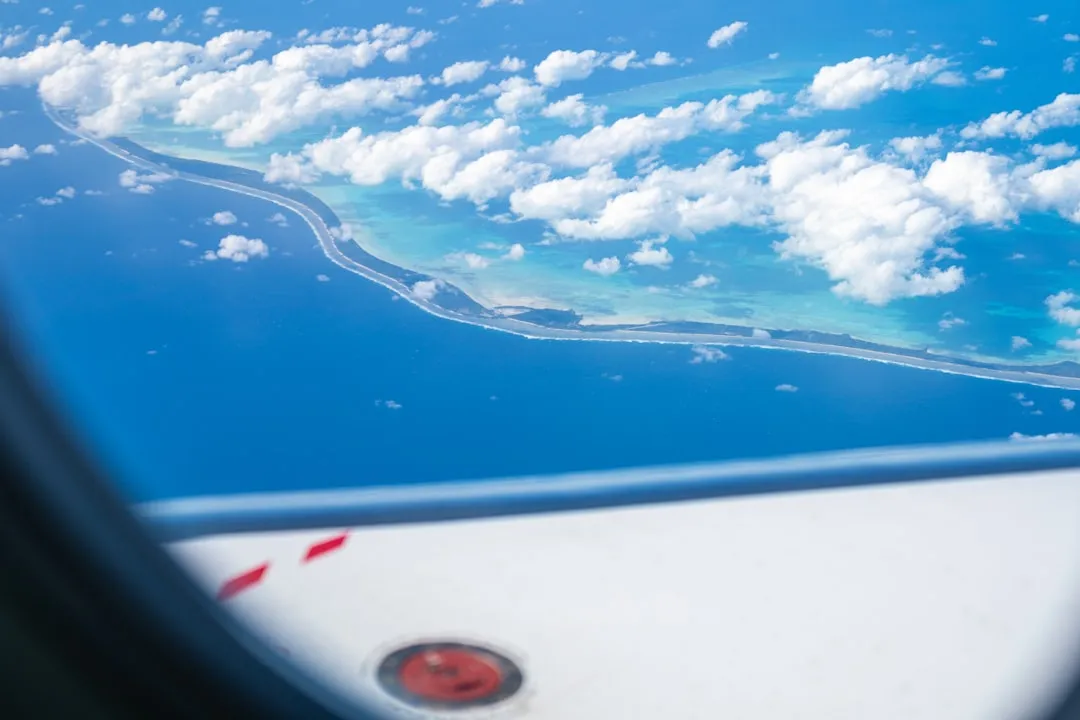
Kiribati is made up of dozens of small islands and atolls spread across a huge stretch of the central Pacific, and every single one of them shares the same snow-free fate. Countries such as Kiribati remain warm throughout the year, and these island nations are surrounded by oceans that help maintain stable, warm temperatures. There’s no mountain range, no elevated interior, nothing that could ever push local conditions cold enough for ice crystals to form.
The physics behind this is fairly straightforward once you break it down. Snow forms when the atmospheric temperature is at or below freezing, and there also needs to be a certain amount of moisture in the air for it to snow. Kiribati has plenty of moisture thanks to its ocean surroundings, but nowhere near the cold half of that equation, which keeps its weather locked into rain, sun, and the occasional tropical storm rather than anything resembling a winter chill.
For people who have lived their whole lives in a place like Yakutsk or rural Lapland, the idea of an entire nation never seeing snow probably sounds just as strange as six months of ice sounds to someone from Fiji or Kiribati. Both extremes are shaped by the same basic forces of latitude, elevation, and ocean influence, just pushed in opposite directions. It’s a reminder that “winter” isn’t really one universal experience at all, but something that gets defined completely differently depending on where on the globe you happen to call home.