
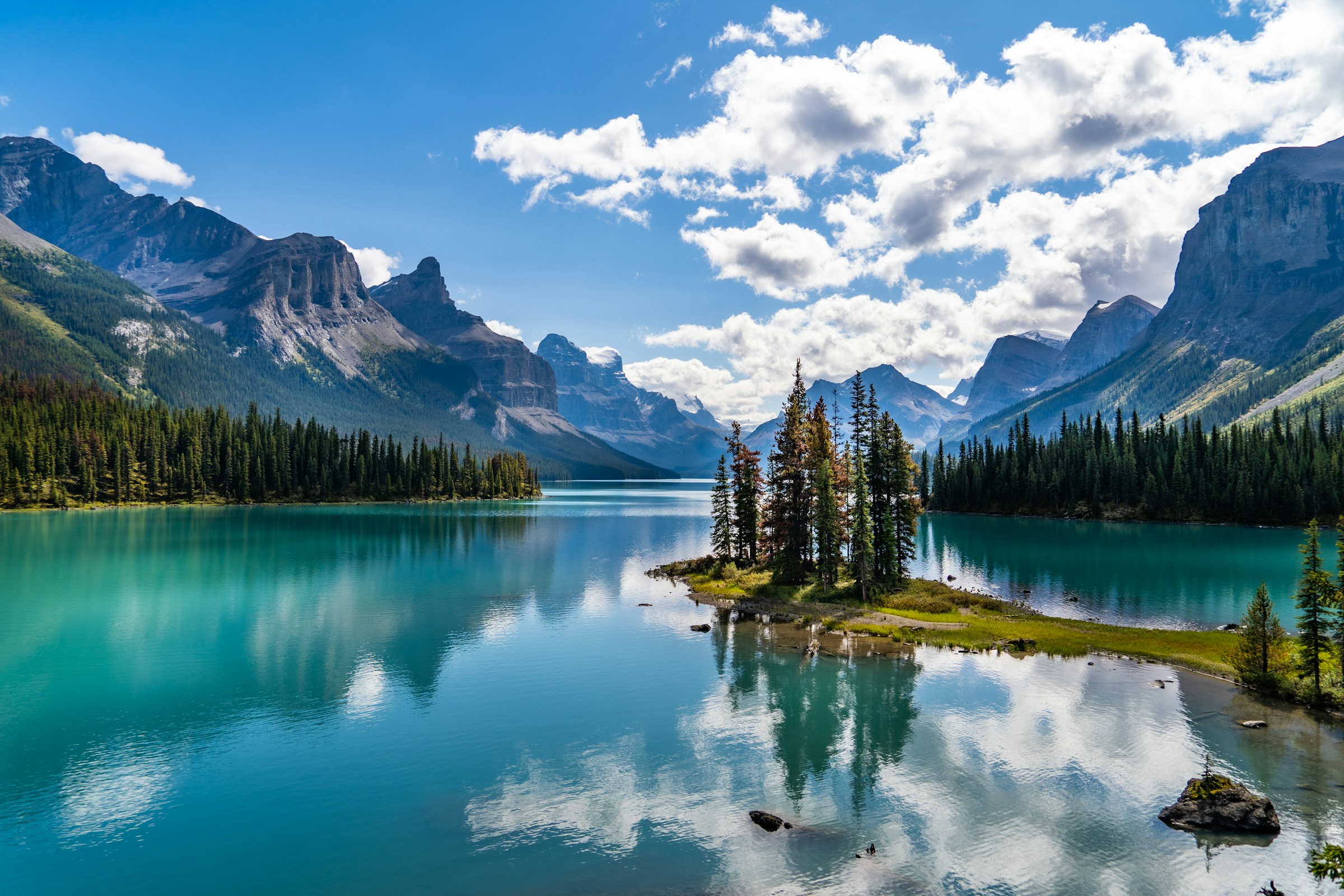
The itinerary had been sitting in a shared document for almost two years: Banff, Lake Louise, a loop up to Jasper, maybe a detour to the Icefields Parkway if the weather held. It felt like the kind of trip you plan carefully and then talk about for the rest of your life. Instead, somewhere between checking flight prices in early spring and reading one too many wildfire updates, the whole thing quietly fell apart, and I ended up somewhere else entirely.
The Rockies trip that had been years in the making
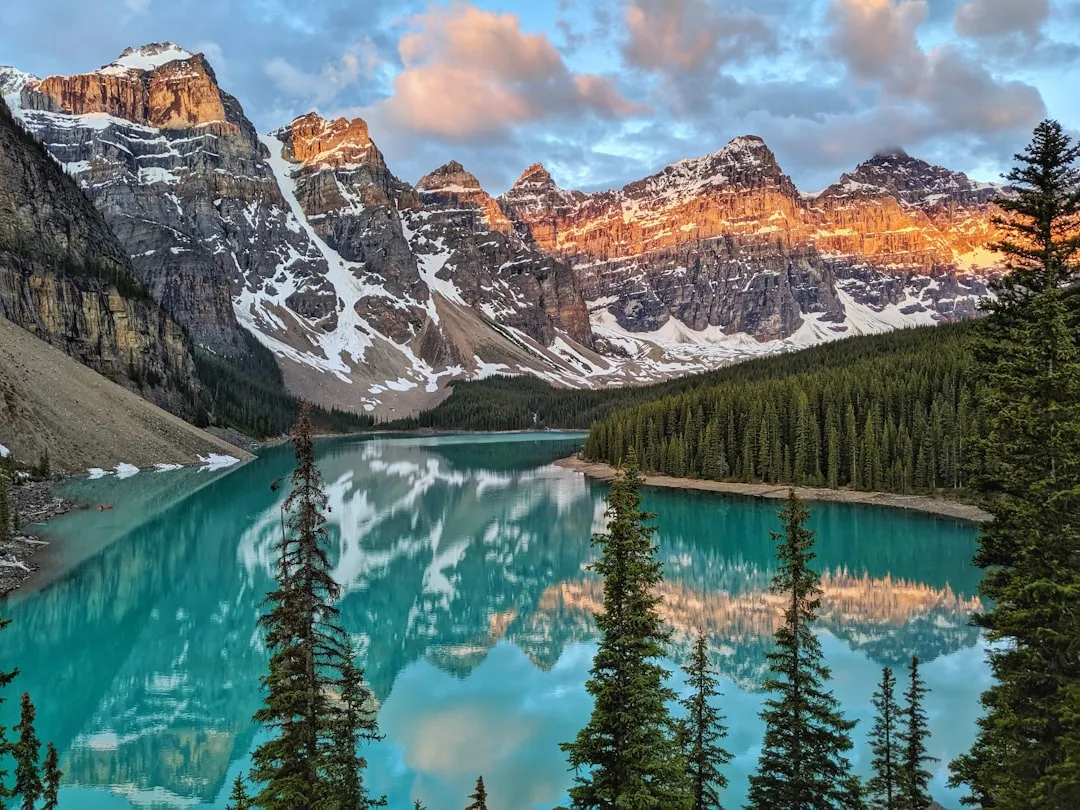
The plan started the way a lot of bucket-list trips do, with photos of turquoise lakes and a vague sense that everyone else had already been. Banff and Jasper kept coming up in conversations with friends who’d gone the summer before, and the pull to see those mountains in person only grew stronger over time. By the time I actually sat down to book anything, I had a rough two-week route mapped out between Alberta and British Columbia.
What I hadn’t accounted for was how much the destination itself would change in the years between the idea and the actual booking window. National parks that felt like a well-kept secret a decade ago are now dealing with a very different kind of popularity. That shift ended up shaping almost every decision that came after.
A national park still recovering from fire
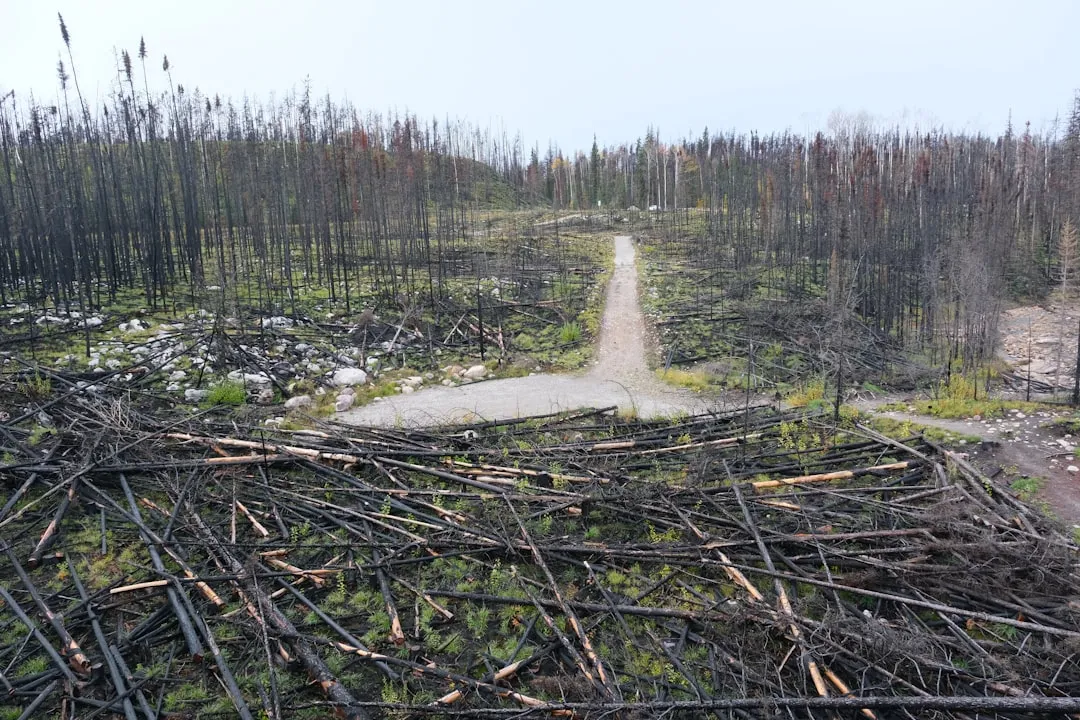
Jasper was the part of the trip I was most excited about, and it’s also the part that gave me the most pause. In July 2024, wildfires tore through the townsite, and the fires merged and swept through the town, destroying 358 of its 1,113 structures. The evacuation pulled in tens of thousands of people at once, since fires started north and south of the resort town of Jasper and grew out of control, and on July 22 they forced a mass evacuation of 25,000 residents, workers, and visitors.
By the time I was planning my trip, Jasper had reopened and rebuilding was underway, and locals were genuinely encouraging visitors to come back. But knowing that popular stops like Maligne Canyon and the Valley of the Five Lakes were still closed, and that popular areas with extensive damage include Athabasca Falls, Maligne Canyon, Horseshoe Lake, Edith Lake, Annette Lake, and The Valley of the Five Lakes, with Maligne Canyon and the Valley of the Five Lakes remaining closed to the public, it was hard to shake the feeling that I’d be seeing a scarred version of the place I’d been picturing for years.
Banff broke its own visitor record, again
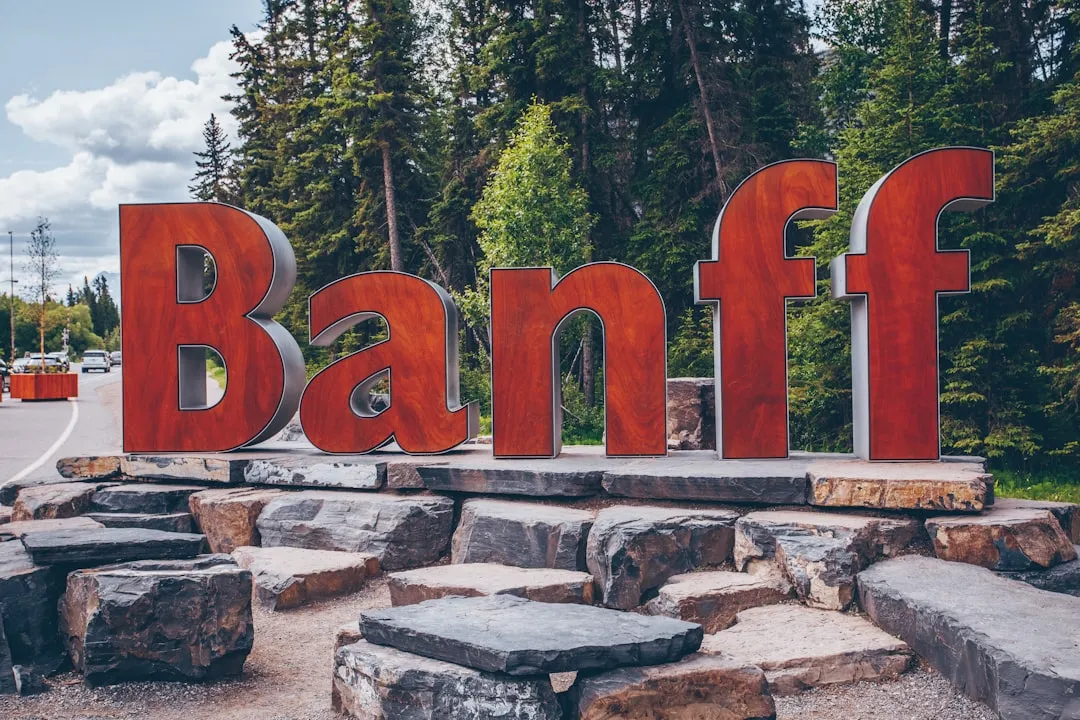
Even if Jasper had been untouched, Banff alone gave me second thoughts. Parks Canada reported that the national park in Alberta saw 4.5 million visitors in the 2025-26 fiscal year, surpassing the previous high of 4.28 million in 2023-24, in what’s become almost annual increases over the last decade. That’s not a modest uptick, it’s a park that keeps setting new records almost every single year.
The crowding isn’t spread evenly either, which somehow makes it worse for anyone hoping to actually see the famous spots. Around Lake Louise and Moraine Lake specifically, visitation has climbed to roughly about 2.6 million people each year, a whopping 70 per cent more than in 2010. Parks Canada has been floating ideas like parking reservations, access permits, and even a summer ban on personal vehicles just to keep the area functional, which told me everything I needed to know about what a July visit would actually look like.
Smoke advisories turned “peak season” into a gamble
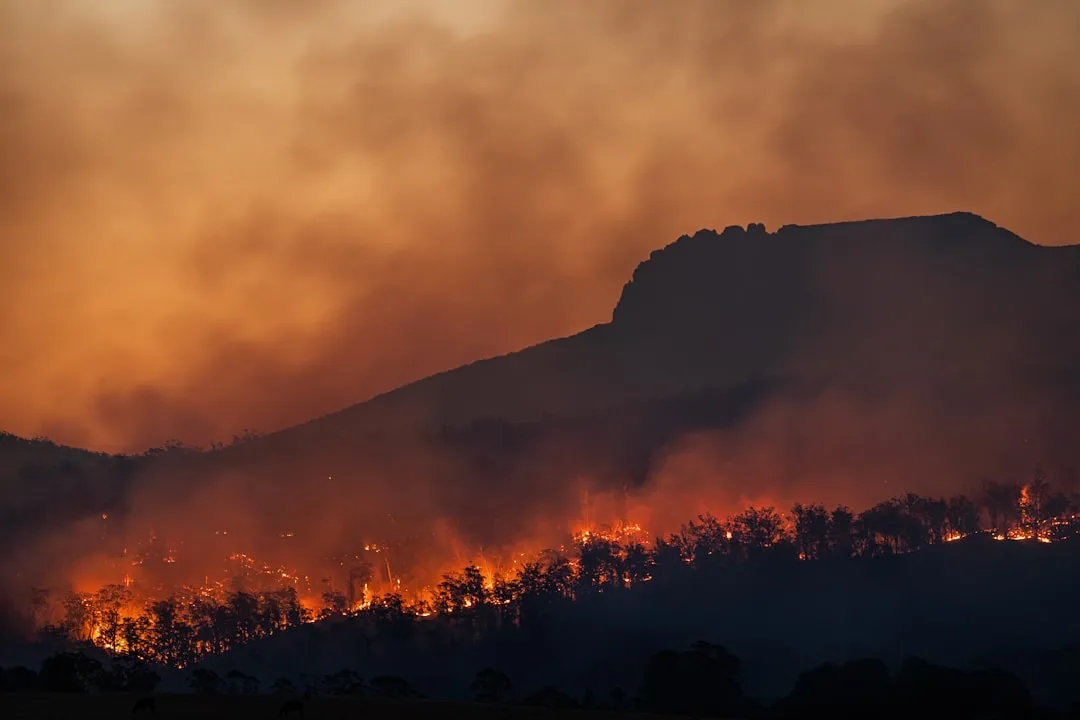
Wildfire smoke is the part of a Canadian summer trip that doesn’t show up in the glossy brochure photos, and it’s become a real planning variable rather than a rare inconvenience. In the summer of 2025, smoke from hundreds of wildland fires burning in Canada created hazy skies and poor air quality across multiple provinces, including the Northwest Territories, Alberta, Saskatchewan, Manitoba, and Ontario, as well as parts of the U.S. Upper Midwest and Northeast. This wasn’t a one-off event confined to a single weekend.
The scale of it was hard to ignore once I started reading the numbers. Canada faced over 4,758 wildfires that burned more than 7.8 million hectares across the country in 2025, with Saskatchewan and Manitoba being the hardest hit, and reports even noted Canada facing one of its worst fire seasons on record in terms of area burned, with more than 6.6 million hectares burned by early August. Booking a mountain trip during peak fire months started to feel less like a vacation and more like a bet on the weather.
A national pass changed the crowd math
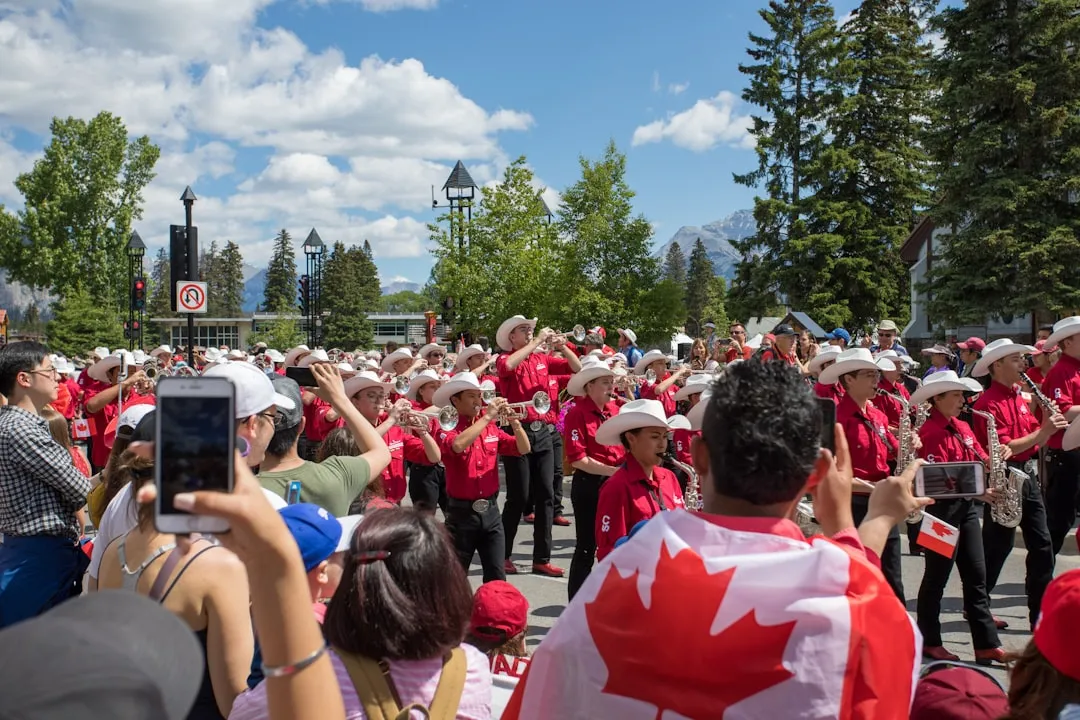
There was also a domestic factor I hadn’t considered until I started digging into why Banff felt busier than ever. A program encouraging Canadians to explore their own country, referenced in coverage of the park’s overtourism problems, has become part of the conversation, with one report noting that the “Canada Strong Pass raises overtourism issues in Banff”. Broad incentives to travel domestically tend to funnel a lot of new visitors toward the same handful of famous spots.
That kind of policy push doesn’t cause crowding on its own, but it does add another layer on top of an already-record year. Combined with Calgary and southern Alberta’s population growth feeding a steady stream of day-trippers, the practical result was a park that felt full almost every day of the season rather than just on weekends. None of that is anyone’s fault, it’s just the reality of a beloved place getting more beloved every year.
A weak loonie didn’t translate into savings
On paper, the currency situation should have worked in my favor. Through much of 2026, the Canadian dollar has been sitting in weak territory against the US dollar, with the exchange rate touching 1.41 against the USD, the lowest since April 2025, and averaging 1 Canadian Dollar equal to about 0.7259 US Dollar in 2026. That’s normally the kind of exchange rate that makes a Canadian trip feel like a bargain for American travelers.
In practice, though, record demand seems to have absorbed most of that advantage. Hotel rates around Banff and Jasper during peak weeks reflected the crush of visitors rather than the softer loonie, and fully booked campgrounds meant there was little room to negotiate anyway, since Parks Canada noted every frontcountry campground was fully booked, totalling 292,000 site nights. A favorable exchange rate doesn’t help much when there’s nowhere left to spend it.
Choosing a quieter mountain landscape instead
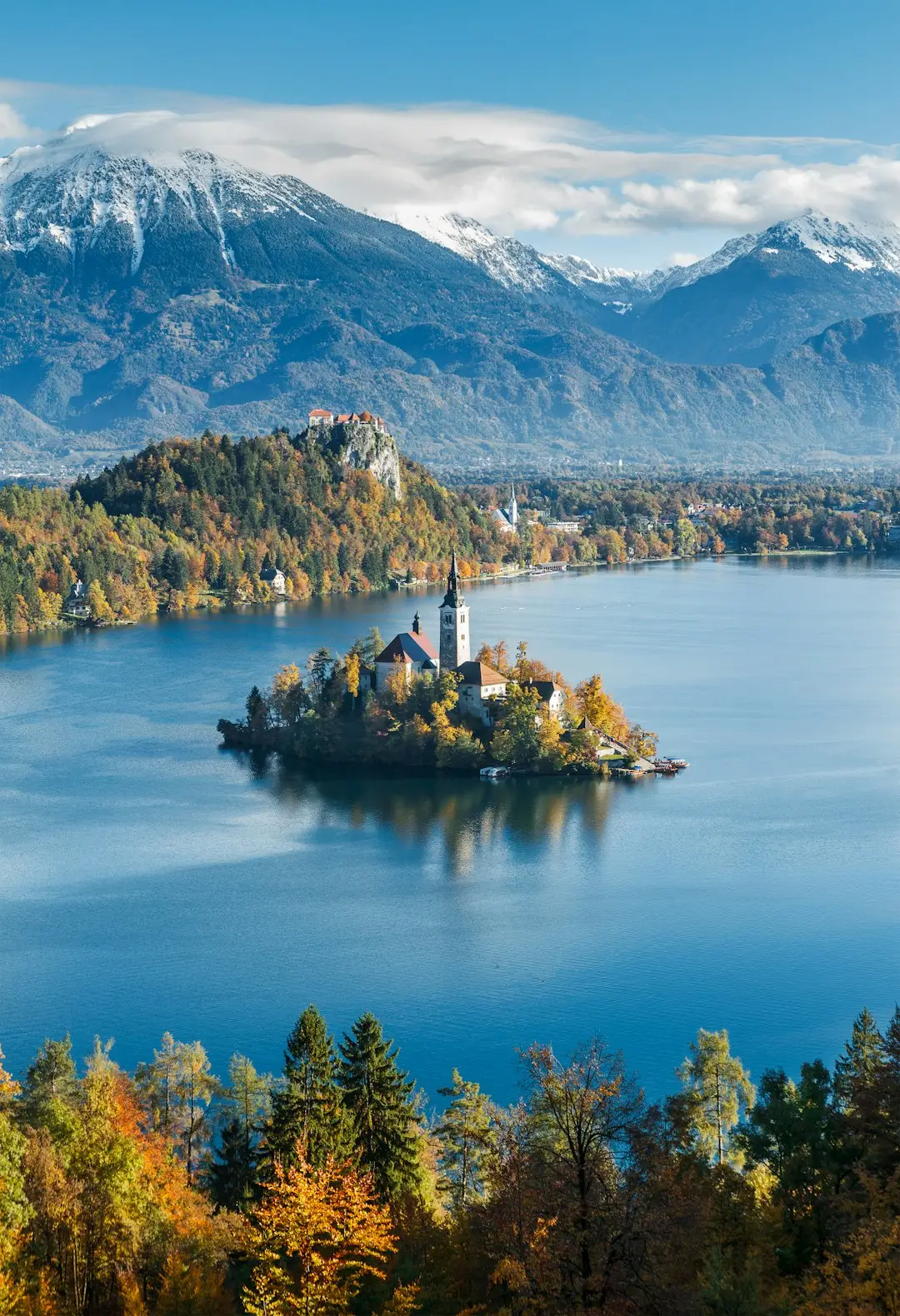
Once Canada was off the table, I didn’t want to give up on mountains entirely, so I started looking at places with a similar feel but a lower profile. I ended up in Slovenia’s Julian Alps, around Lake Bled and Triglav National Park, an area often compared to a smaller, calmer version of the Canadian Rockies. The scenery delivered on that comparison almost immediately, with glacial lakes, alpine trails, and towns that hadn’t yet been reshaped by mass tourism the way Banff has.
What struck me most was how normal everything felt. I could walk up to a trailhead without a permit, park without circling for half an hour, and sit at a lakeside cafe without waiting for a table. It was the kind of trip where the biggest planning decision was which hike to do that day, not which shuttle to book three months in advance.
What the switch saved me, in time and money
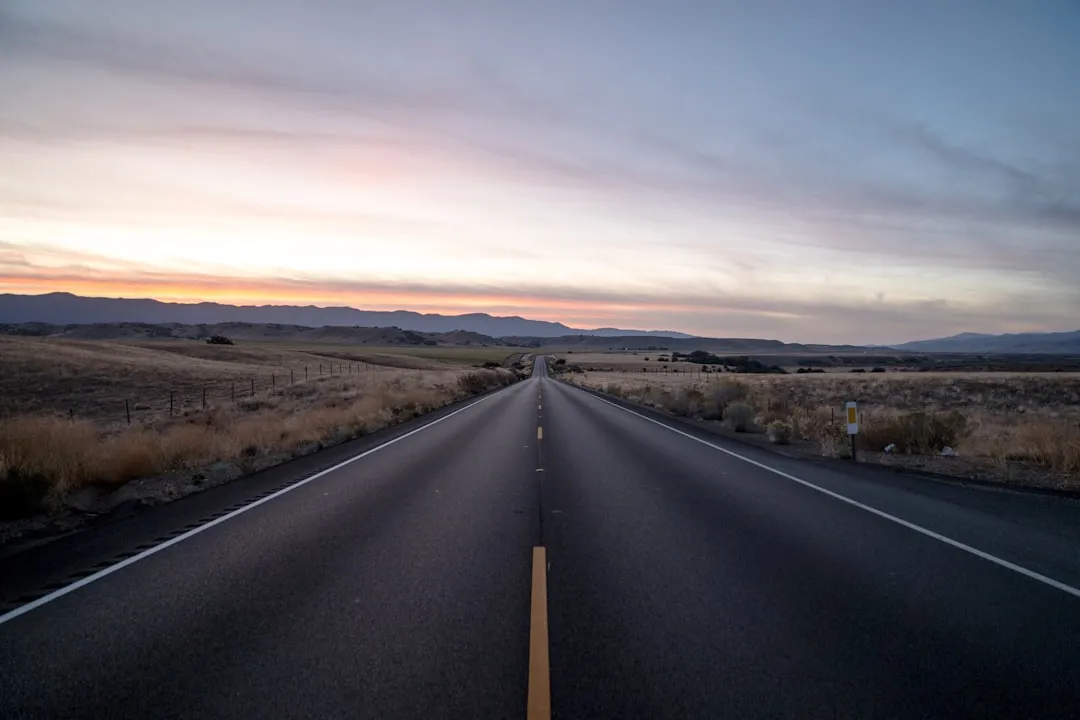
The savings weren’t dramatic in a single obvious way, but they added up across the trip. Accommodation in the Julian Alps cost noticeably less per night than the lodges and hotels near Banff and Jasper during peak season, even accounting for the weaker Canadian dollar mentioned earlier. Meals, rental cars, and even entry to smaller regional parks came in at a fraction of what I’d budgeted for the original Rockies plan.
Time savings mattered just as much as money. There were no reservation windows to hit at exactly the right minute, no shuttle schedules to build a whole day around, and no contingency plan for smoke rolling in and closing a trail. I spent less energy managing logistics and more time actually being at the places I’d traveled to see, which is a trade I’d make again without hesitation.
The trade-offs I didn’t expect
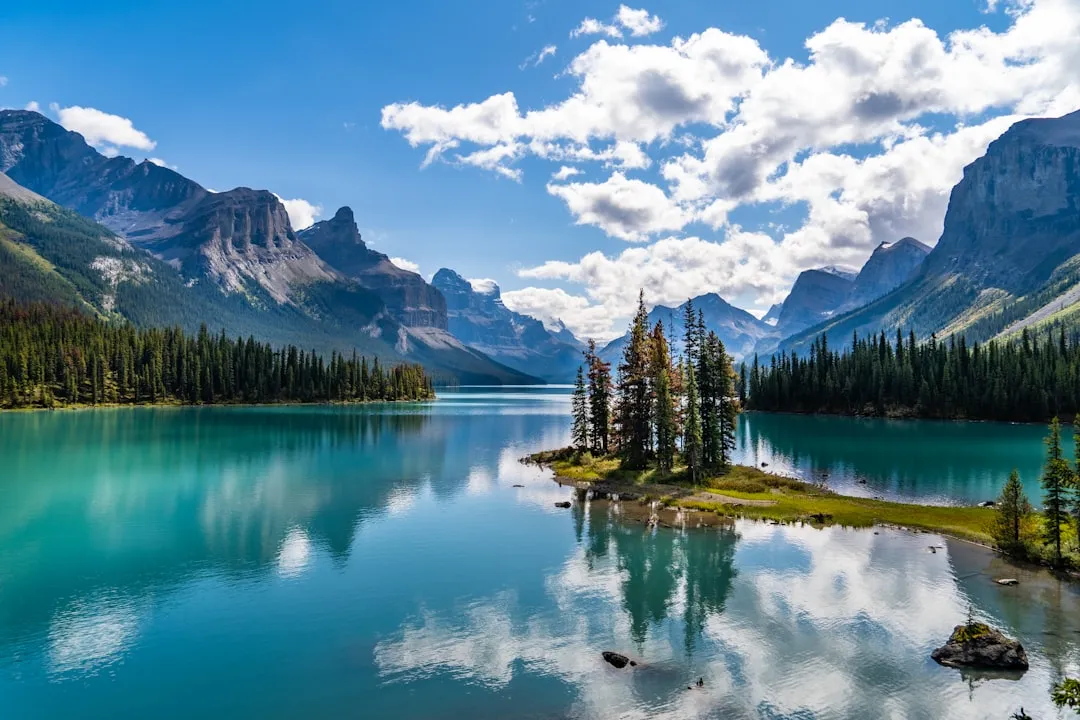
None of this means Canada isn’t worth visiting, and I want to be honest about that. Jasper’s tourism officials have made a real point of inviting people back, noting that two thirds of the townsite was unimpacted by the wildfires, and the large majority of visitor-facing infrastructure remains intact. The Rockies are still spectacular, and skipping them this year was a decision shaped by timing and circumstance, not a verdict on the place itself.
What I missed, if I’m being fair, was the specific scale of those mountains and the wildlife encounters that draw people to Banff and Jasper in the first place. Slovenia gave me quiet trails and manageable crowds, but it didn’t give me grizzly bears or glaciers the size of small countries. That’s the honest trade-off of choosing calm over spectacle, and it’s one I’m glad I made this particular year, even knowing I’ll probably go back to Canada eventually, just on a season and a plan that fits better than this one did.