


Some of the world’s longest living populations have never set foot inside a gym, never used a treadmill, and would find the entire concept of a “leg day” a little strange. Instead, their bodies stay strong and their hearts stay healthy simply because movement is baked into the rhythm of everyday life. Walking to a neighbor’s house, tending a garden, climbing a hill to reach the front door: these ordinary tasks add up to something that looks a lot like fitness, minus the equipment and the membership fee.
Researchers who study these regions have spent decades trying to understand why certain pockets of the globe produce so many people who live past 90 or even 100 in good health. Three countries in particular keep showing up in that research, each with its own culture, climate, and daily habits, yet all sharing one quiet thread: nobody there is lifting weights on purpose.
Japan: Okinawa’s gardens, floors, and daily grind
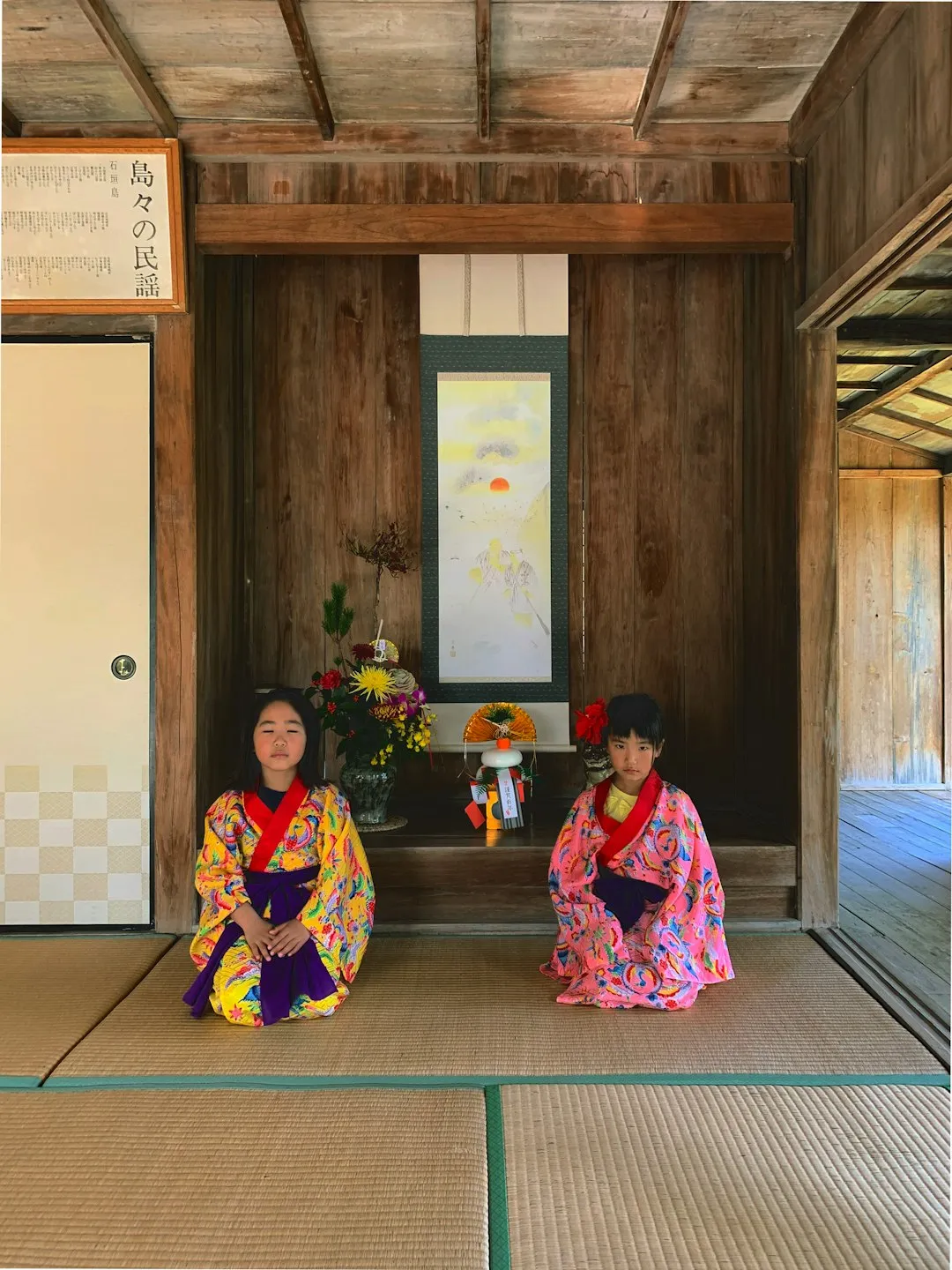
Okinawa, a string of subtropical islands in southern Japan, has long been recognized for having some of the world’s oldest women. Set in the subtropical waters of southern Japan, Okinawa is famous for having one of the highest numbers of centenarians in the world, especially women. There is no gym culture driving this. Instead, older residents stay active through the small, repetitive movements of daily living.
Okinawans eat a simple, mostly plant-based diet centred on purple sweet potatoes, tofu, miso, and bitter melon, and daily movement is woven naturally into life rather than treated as exercise. Many older adults still sit on tatami mats on the floor, so they are constantly getting up and down, helping maintain strength, flexibility, and balance into old age. Gardening plays a similar role, giving people a reason to bend, kneel, and walk outside almost every day. On top of the physical side, there is a strong social structure too, since Okinawa’s moai culture forms lifelong mutual-support groups, where friends meet regularly and care for one another from youth through old age.
Italy: Sardinia’s shepherds and steep mountain paths
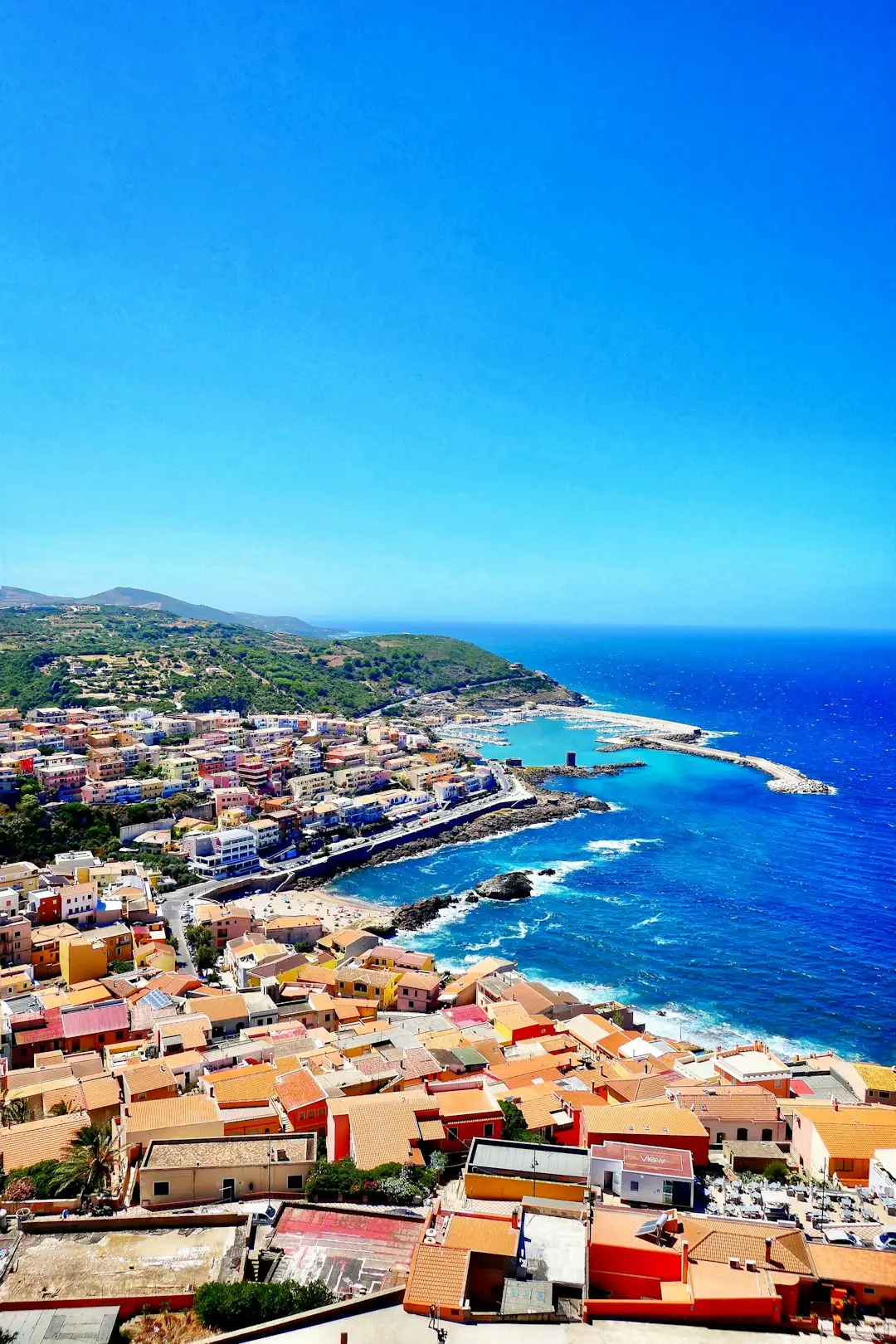
Sardinia’s interior is mountainous, isolated, and not particularly convenient, which turns out to be part of the point. The highest concentration of centenarian men in the world is in Sardinia, where sheep farming is the most common occupation and involves at least five miles of daily walking up and down mountains. That kind of terrain does not leave much room for a sedentary lifestyle, even for people who would rather not be walking that far.
The numbers behind this are striking on their own. This Mediterranean island holds the world record for male longevity and boasts nearly ten times more centenarians per capita than the United States. Much of that comes down to how physical activity is structured, since in Sardinia, physical activity isn’t about fitness routines or gym memberships, it’s about natural, functional movement built into everyday life, and shepherds walk an average of 8 to 10 kilometers a day over hilly and mountainous terrain, building endurance, strength, and balance. Beyond the walking, many residents keep gardens and grow their own food well into old age, adding another layer of daily, low-intensity effort that never feels like a workout but functions like one.
Greece: Ikaria’s slow pace and unavoidable hills

Ikaria sits quietly in the Aegean Sea and has earned a reputation that sounds almost like folklore, though it is grounded in real demographic data. Among the Blue Zones, Ikaria stands out, known as “the island where people forget to die,” with one of the world’s highest concentrations of centenarians, and chronic diseases such as heart disease, cancer, and dementia are strikingly rare there. Nobody on the island is training for anything. They are just living in a place where daily errands double as exercise.
The terrain itself does a lot of the work, since Ikarian residents climb hills as a routine matter of getting to their own front doors. Diet and pace of life matter just as much as the hills, and residents there take things slowly, worry less, and value family, friendships, and time spent together, with afternoon naps part of the daily routine and meals often turning into long, relaxed gatherings. Add in a diet built around plenty of olive oil, beans, wild greens, local honey, and herbal teas, and the combination of unhurried living and constant low-level movement seems to do more for longevity than any structured fitness plan ever could.
Across all three of these places, the pattern holds steady even though the cultures, foods, and climates are completely different. None of these populations included significant numbers of people who jogged, lifted weights, or attended fitness classes, and what they all had in common was an environment in which the absence of motorised convenience meant that physical activity was distributed across the entire day. It is worth noting that some researchers have pushed back on parts of the Blue Zones narrative, questioning whether record-keeping in certain regions fully supports the more dramatic longevity claims. Still, the broader point about movement holds up well beyond the debate: low-intensity distributed movement is associated with better cardiovascular and metabolic outcomes than concentrated high-intensity exercise, a finding supported by independent research on populations outside the contested Blue Zones literature. The lesson isn’t that a gym membership is pointless. It’s that a life built around walking somewhere, growing something, or simply getting up off the floor a dozen times a day can quietly do the same job, one ordinary afternoon at a time.