
Travel used to come with a simple promise: show up, spend money, and be treated like a guest. That equation is starting to wobble in a handful of places around the world, where record visitor numbers have collided with housing shortages, strained infrastructure, and a growing sense among locals that tourism has stopped paying its way.
The shift has been building for years, but 2025 and 2026 have pushed it into the open. Water pistols, protest banners, new taxes, and blunt public statements have replaced the usual quiet grumbling. Here is a look at nine countries where that tension is now impossible to ignore.
Spain
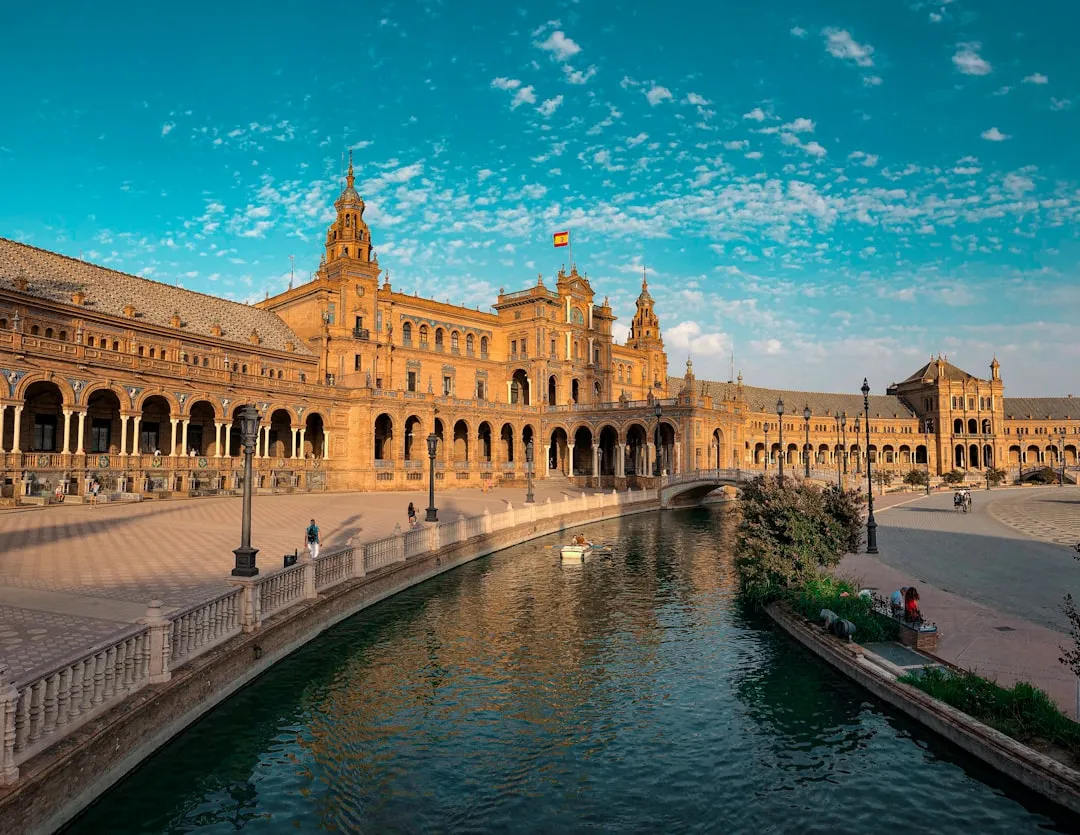
Spain has become the epicenter of Europe’s overtourism debate almost by default. Over the course of 2024, 94 million tourists visited Spain, compared to its 48 million population. That imbalance shows up most sharply in Barcelona and the Canary Islands, where marches, banners, and the occasional water pistol have made international headlines since 2024.
The anger is rooted in housing more than in tourists themselves. In April 2024, mass protests began in the Canary Islands, with residents calling for a temporary limit on tourism, and between 20,000 and 50,000 people across the islands took part in coordinated demonstrations. Regulators have responded in kind: in December 2025, the Spanish government fined Airbnb $75 million for advertising unlicensed rentals to tourists.
Italy
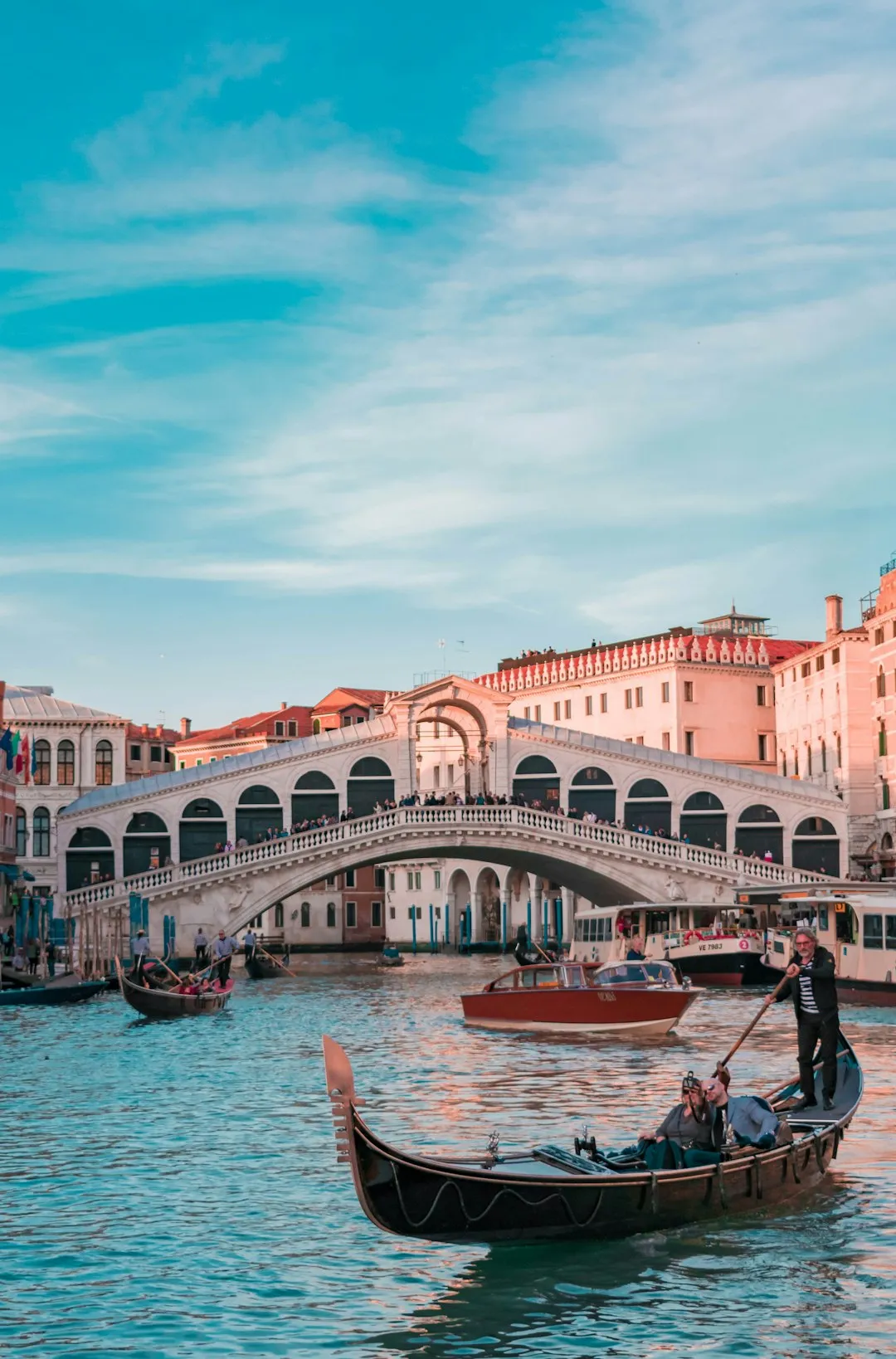
Venice remains the country’s most visible symbol of a city trying to manage its own popularity. In 2024, Venice introduced an access fee for day-trippers on 29 specific days, primarily weekends and public holidays, and in 2025 the program was expanded to 54 days, with visitors booking closer to their visit paying €10. Critics argue the fee has done little to thin the crowds, functioning more as a revenue tool than a genuine deterrent.
Other Italian cities are experimenting with their own fixes. Florence has banned self-check-in keyboxes to try to reduce unregulated apartment rentals, while Madeira and Athens have increased entry fees to hiking trails. Along the French Riviera, a similar pattern is emerging, as Nice and Cannes have begun limiting cruise ship passengers coming into the towns starting in summer 2026.
Japan
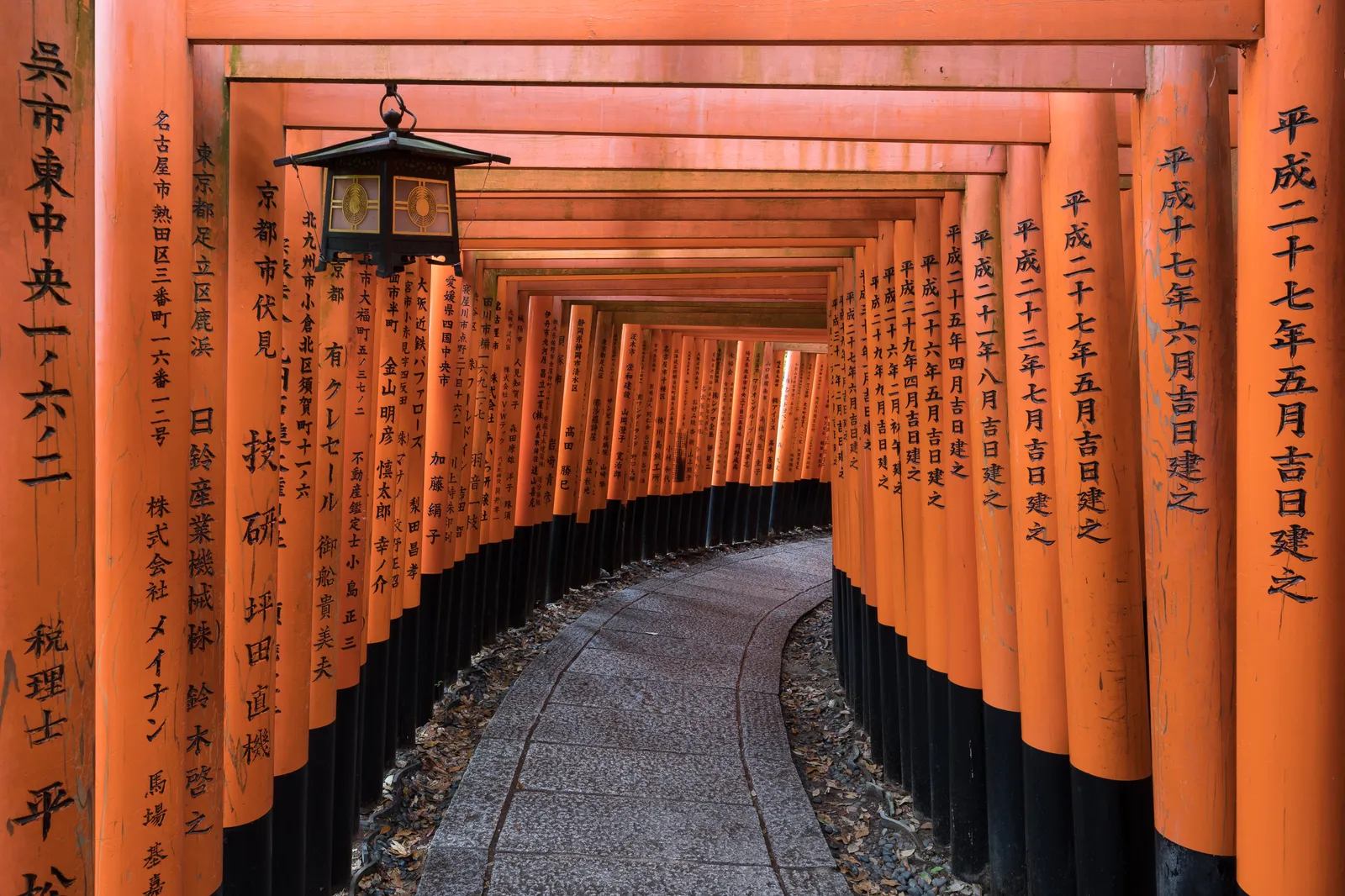
Japan’s welcome has always leaned warm, but record crowds are testing that reputation, especially in Kyoto. Japanese news outlets have reported that 2024 saw a record 10.88 million foreign visitors visiting Kyoto, and the massive number of people has led to street closures and overflowing trash cans. Starting in March 2026, the city responded with a dramatic accommodation tax hike, with the top tier charging visitors at high-end hotels up to ¥10,000 (about 65 dollars) per person, per night, a tenfold increase from current rates.
The frustration isn’t just about money. In a recent Kyoto City survey, the top complaint among citizens was the overcrowding of city buses, which locals rely on for commuting and schooling. Near the famous Fushimi Inari shrine, local shopkeepers report that roughly 80 to 90 percent of their customers are from overseas, a sign of just how thoroughly foreign visitors now dominate some neighborhoods.
Netherlands
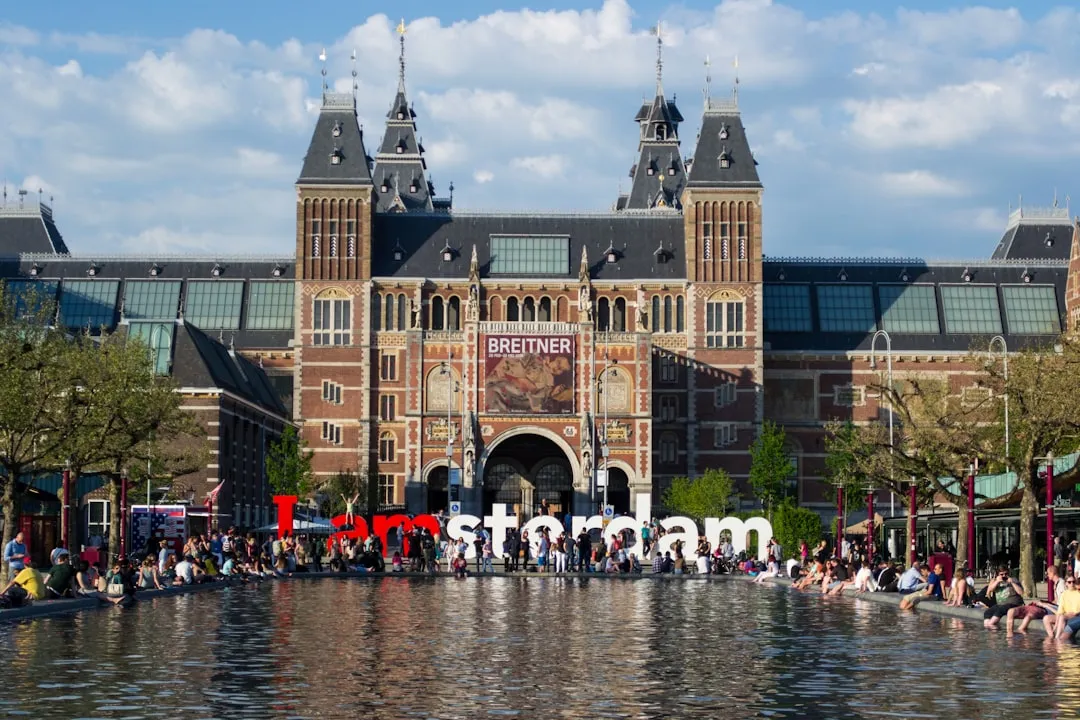
Amsterdam has spent years trying to shed its reputation as a party destination that residents can barely navigate. The city’s rising tourist numbers have sparked protests and led to an increase in local resistance, with the influx of tourists contributing to overcrowding in neighborhoods, rising rental prices, and the degradation of cultural sites. Officials have leaned on regulation rather than confrontation to address it.
The most recent moves target both short stays and cruise traffic. In April 2026, Amsterdam cut short-term rental nights in central districts from 30 to 15, banned new hotels unless another closes, and capped cruise ships at 100 per year, down from 190, with a full ban planned by 2035. It’s a slow squeeze rather than a sudden ban, but the direction is unmistakable.
Mexico
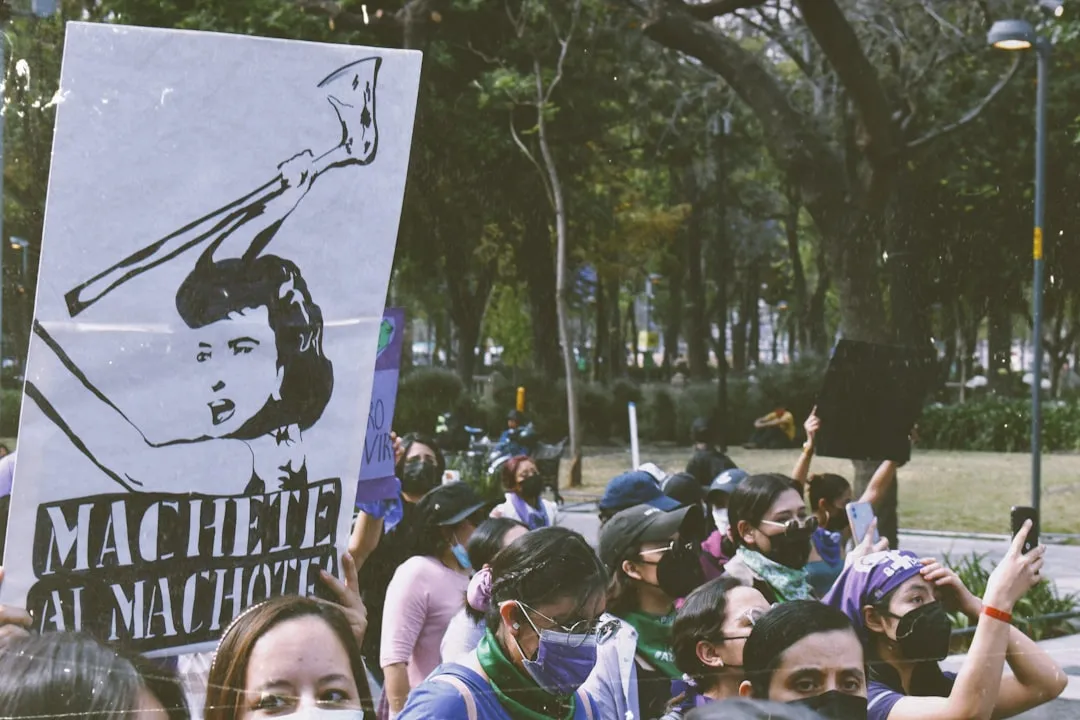
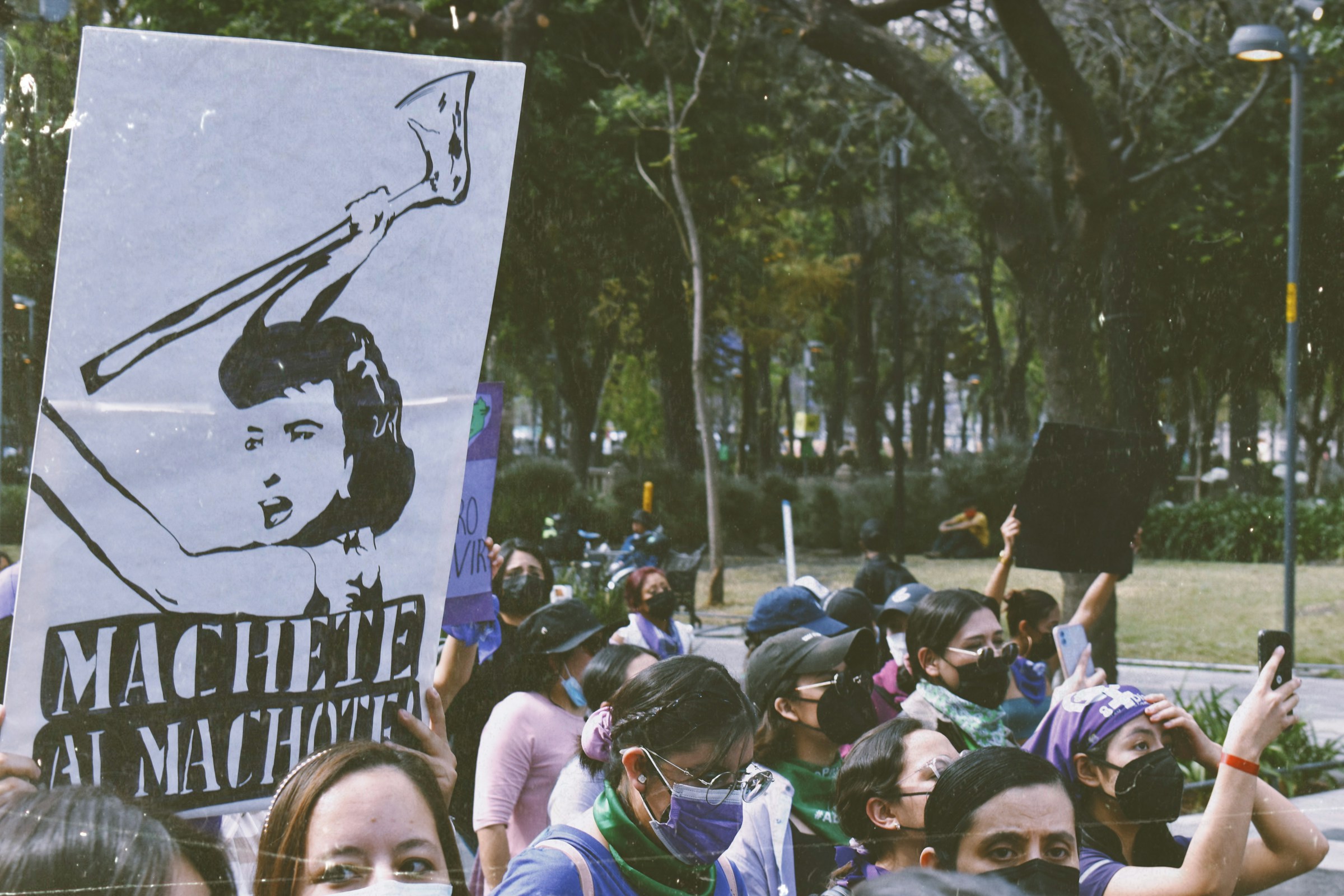
Mexico City’s tension boiled over in a way few other destinations have experienced. Mexico City saw sometimes violent eruptions against overtourism throughout the summer of 2025, with the first protest beginning on 4 July, American Independence Day, to protest against the perceived endless influx of Americans and Europeans into trendy neighborhoods. That timing was not an accident.
Witnesses described scenes that went well beyond peaceful chanting. Demonstrators marched through the streets shouting “Gringos leave,” and later smashed restaurant windows and damaged vehicles, including a car whose window was smashed and mirror ripped off and spray painted. The backlash centers on neighborhoods like Roma Norte and Condesa, where rents have climbed as remote workers and tourists settle in for extended stays.
Greece
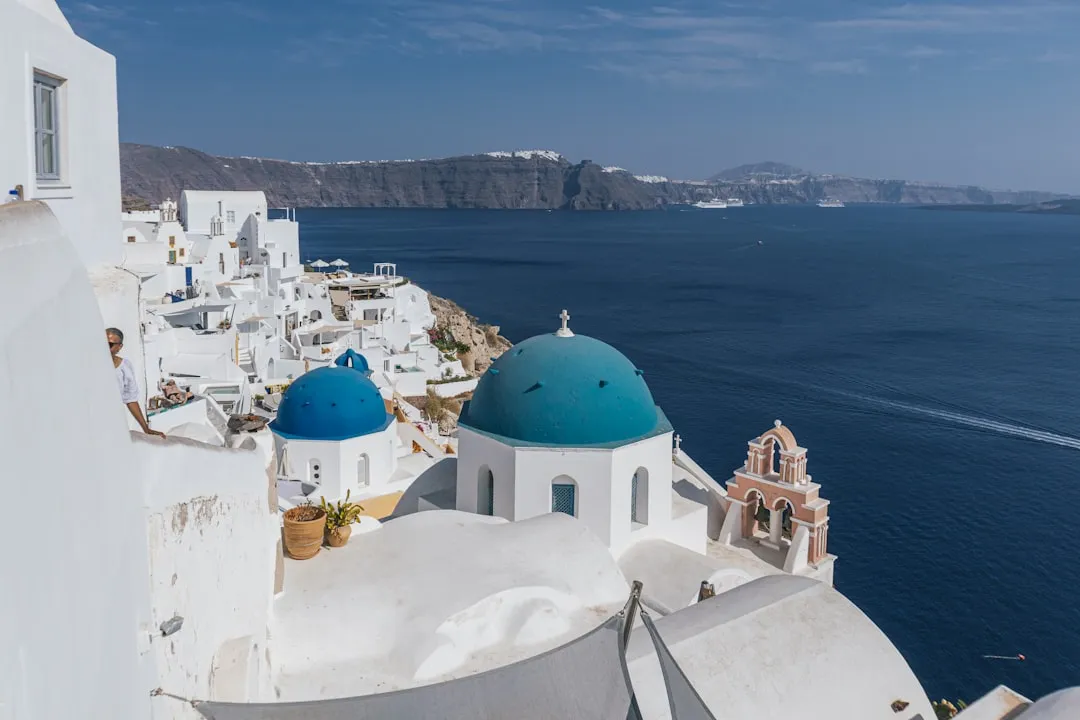
Greece’s islands have long balanced tourism dependence with limited space, and that balance is getting harder to hold. Santorini has become the clearest test case: for the 2026 season, the island enforces a daily cap of 8,000 cruise visitors, run by the Municipal Port Fund of Thira through a berth allocation system that ranks and schedules ship calls long in advance. The change is meant to stop cruise days from overwhelming a small island’s roads and viewpoints all at once.
Athens, meanwhile, is tackling the housing side of the equation. In 2026, the city introduced a one-year moratorium on new short-term rental licenses in three central districts, alongside a national short-term rental climate fee of 8 euros a night between April and October. Both measures reflect a broader shift toward treating tourism capacity as something that needs active management, not just promotion.
Portugal
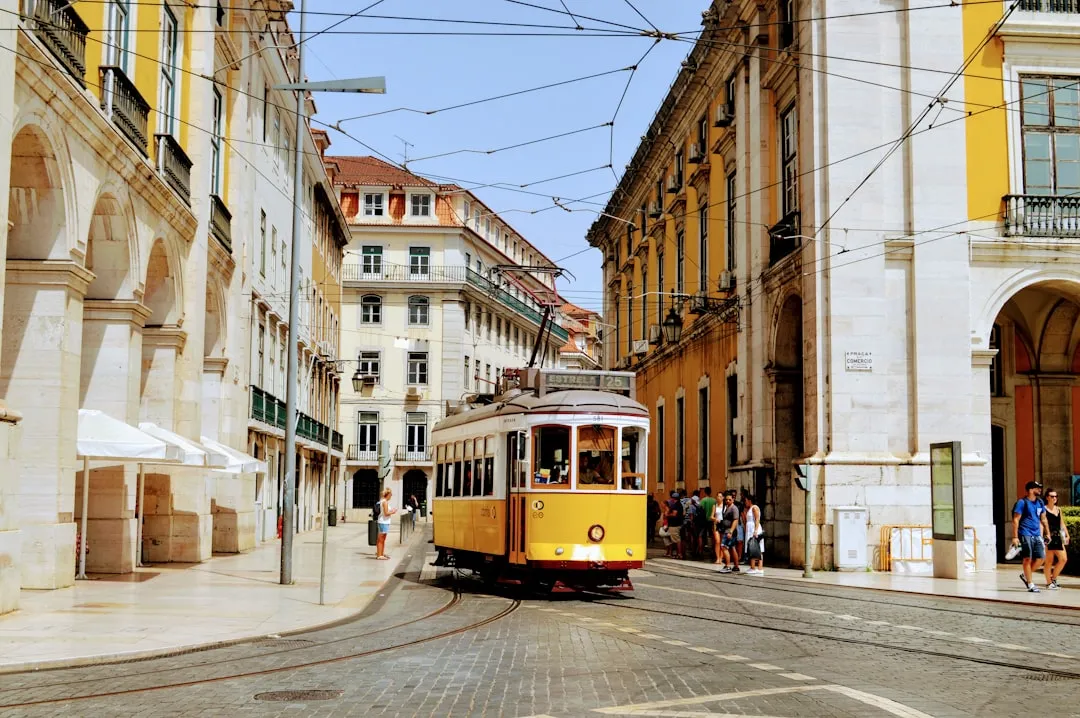
Lisbon has become something of a case study in how quickly a tourism boom can reshape a housing market. The city’s ongoing tourist tax of 4 euros a night is capped at seven nights, yet short-term rentals represent about 20,000 units, or roughly 8 percent of the city’s entire housing stock, and rents have doubled since 2015. For many residents, the tax increase has felt more symbolic than corrective.
The frustration spilled into the streets alongside protests elsewhere in southern Europe. Demonstrators carrying a banner reading “Lisbon against touristification” staged a protest against mass tourism in the city on June 15, 2025, while tourists at a nearby terrace watched, and some even applauded. It was a striking image of just how openly the debate has moved into public view.
Indonesia
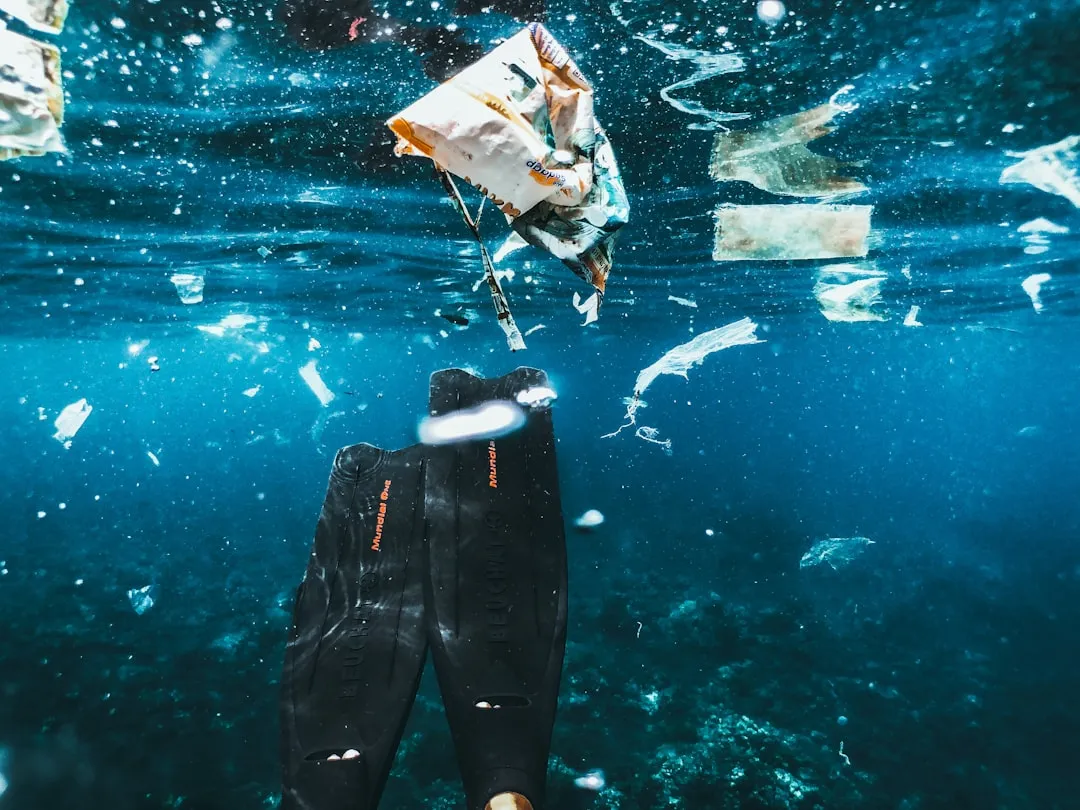
Bali’s popularity has outpaced the island’s ability to manage its own waste, let alone its traffic. According to Fodor’s 2025 No List, Bali generates 303,000 tonnes of annual plastic waste, of which only 7 percent gets recycled, a gap that has become impossible for local authorities to hide from visitors wandering past overflowing bins near popular beaches.
Officials have started tightening the rules in response. Bali has introduced increased taxes on tourists, limits on new hotel construction, and a push for more sustainable tourism practices, and some areas of the island have become less welcoming to tourists due to rising frustrations over the disruptive nature of mass tourism. The island still depends heavily on visitor spending, which makes the balancing act especially delicate.
Albania
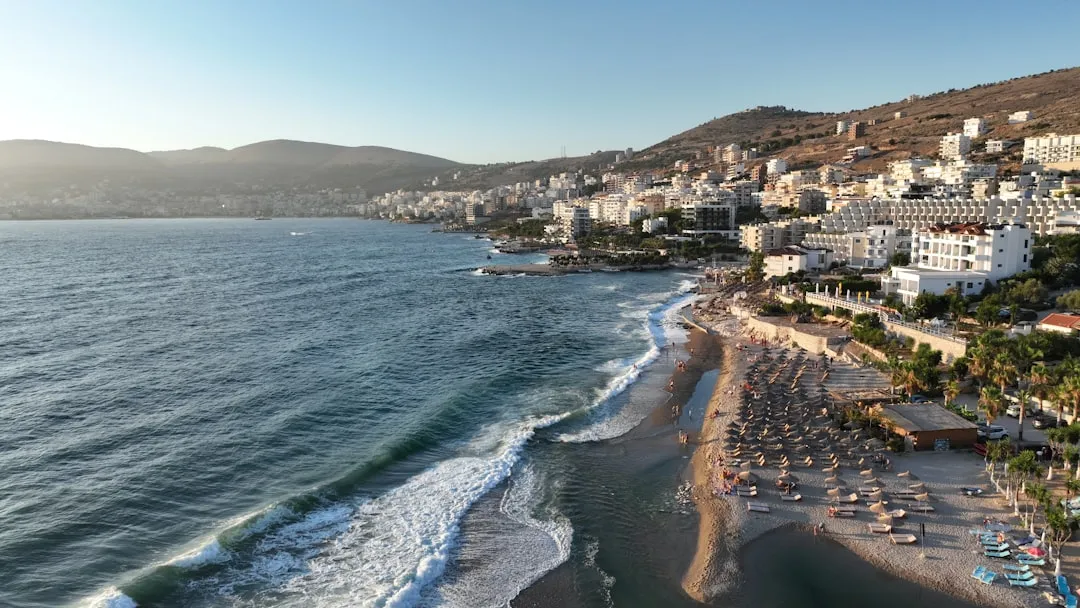
Albania’s overtourism story looks a little different from the rest of this list, since it centers less on daily crowding and more on who gets to profit from the coastline. Tens of thousands of locals have been protesting against plans for a luxury hotel on Sazan island, a development tied to prominent international investors.
What started as a narrow environmental concern has broadened into something bigger. What began as an environmental protest over disruption to delicate ecosystems has turned into a national debate over corruption and luxury tourism, with critics arguing that it shows how far overtourism is beginning to impede locals’ access to their own coastline. For a country still building its tourism brand, the timing of that backlash matters.
None of these nine countries are turning tourists away outright, and none plan to. What’s changed is the tone: taxes are climbing, rental licenses are shrinking, and locals are speaking up in ways that are harder to brush aside than a few complaints on social media. Travelers who pay attention to that shift, and adjust where and when they go, are likely to have an easier trip than those who don’t.