

Getting a passport stamped used to be the easy part of travel. These days, a handful of countries have turned entry itself into a small ordeal, layering fees, sponsors, escorts, and paperwork onto what should be a simple border crossing. Some of these places guard their culture and land with almost obsessive care, while others simply remain wary of outsiders for political or security reasons.
What follows is a rundown of the eleven countries where getting in as a foreign visitor in 2026 takes the most patience, planning, and sometimes money. A few are famous for their beauty and mystique, others are rarely visited at all, but each one makes travelers work harder than usual just to cross the border.
North Korea
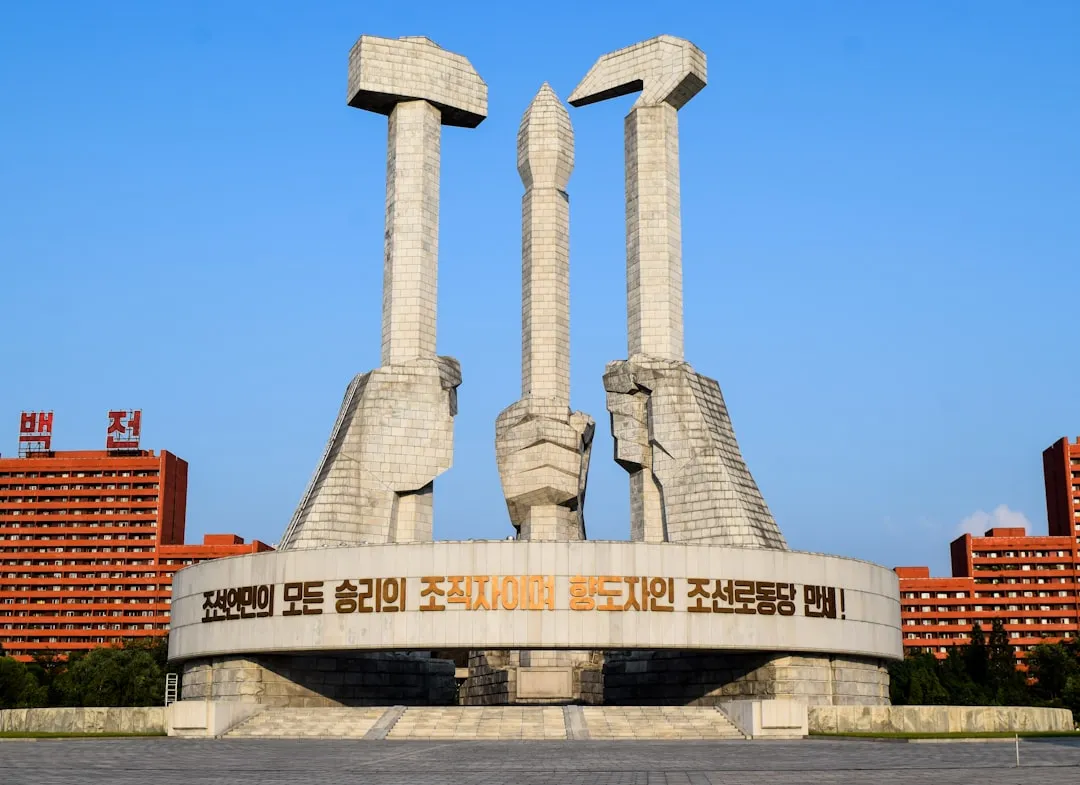
North Korea remains the benchmark for restricted travel. North Korea is one of the most restricted places for ordinary tourism, with entry arranged through authorized tour operators since independent travel is not permitted. Most itineraries are routed through China, and travelers don’t get to wander off on their own once inside.
Travelers are escorted throughout the visit, movement outside the program isn’t allowed, and the visa itself is handled by the tour company rather than through a walk-in embassy request. Tourism has only partially reopened since the pandemic, and the country has been closed to tourism since COVID-19 and has only recently allowed a limited number of Russians access. For most nationalities, this remains one of the hardest places on earth to simply show up and visit.
Bhutan
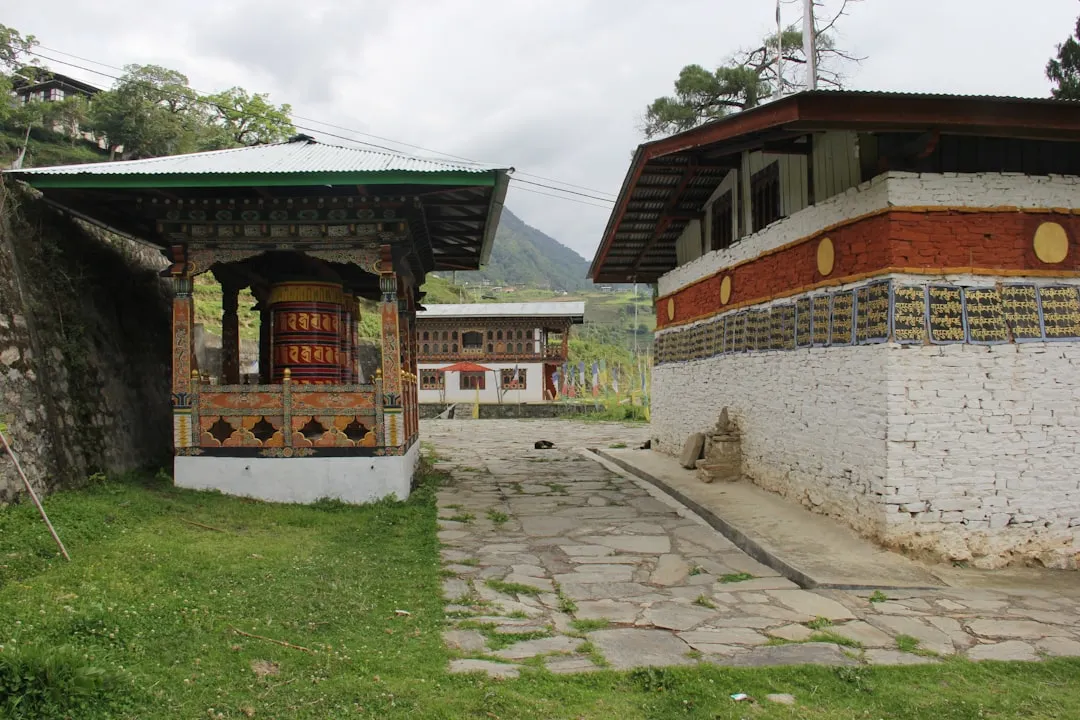
Bhutan doesn’t hide its exclusivity behind red tape so much as behind price. There is no visa-on-arrival for most foreign tourists, and the cost is a one-time 40 dollar visa fee plus a 100 dollar per night Sustainable Development Fee. That daily charge applies regardless of how modest the traveler’s actual accommodations might be.
The application process itself isn’t something visitors handle alone. Tourists cannot apply for a Bhutan visa independently or at an embassy; a licensed Bhutanese tour operator sponsors the application and submits it through the Tourism Council of Bhutan system. The philosophy behind it all is deliberate, part of what the kingdom calls a “high value, low impact” tourism model to protect its culture and environment, and it shows no sign of loosening anytime soon.
Turkmenistan
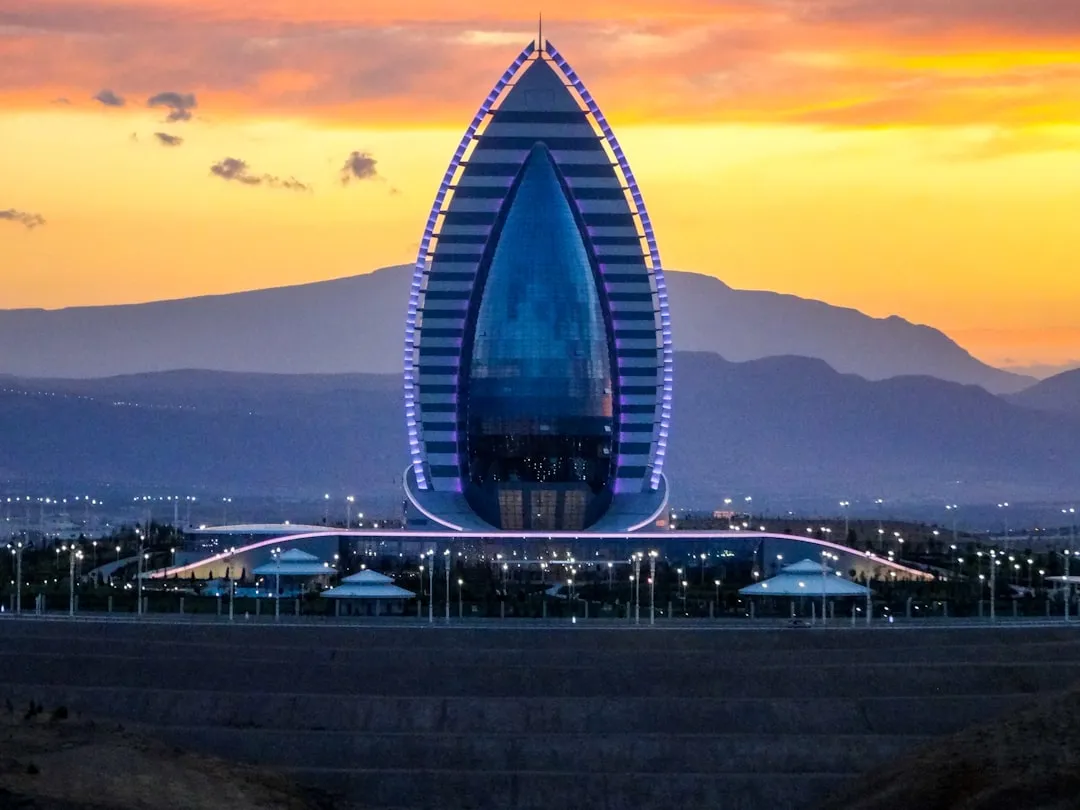
Turkmenistan is often cited as one of the least visited countries on the planet, and its visa system explains a lot of that isolation. It’s one of the least visited countries in the world due to a rigid visa policy that requires everyone to apply for a visa, with only limited exceptions for specific parts of Kazakhstan or Uzbekistan. There’s essentially no such thing as a spontaneous trip here.
The paperwork is heavy from the start. Applicants need several documents including three copies of the filled-in visa application form and a letter of invitation from the Turkmen State Migration Service, arranged through a local sponsor, and the letter alone can take up to 20 days to process. Even after all that, rejections happen for reasons that are rarely explained, which is part of why the country keeps its reputation as one of the toughest in Central Asia to actually reach.
Iran
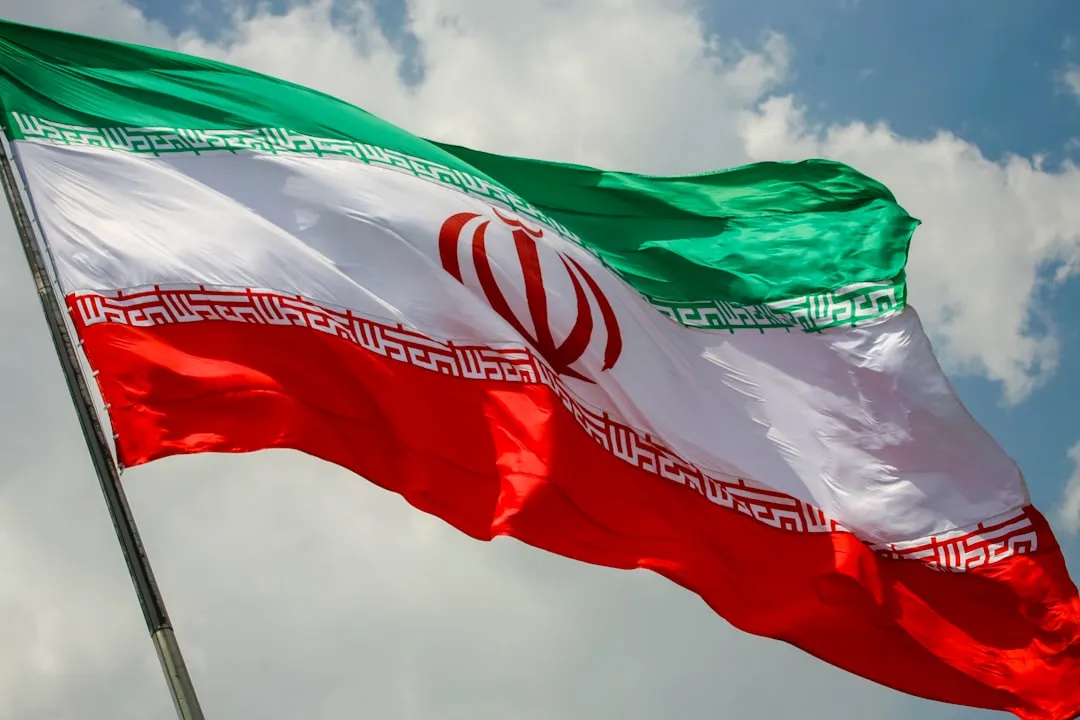
Iran’s visa system has eased in some respects while staying stubbornly complicated in others. Iran is notoriously strict and time consuming to get a visa for, particularly for UK, US, and Canadian nationals, who must apply through their closest consulate and can wait up to three months. That timeline alone rules out last minute trips for citizens of those countries.
There’s also a bureaucratic quirk unique to Iran. Visas are hard to get mostly because applicants need a verification code issued by the Ministry of Foreign Affairs, which an official Iranian travel agency has to request on their behalf. On the more encouraging side, there is a list of 39 countries who can enter Iran visa free, 33 of which were added recently, signaling a willingness to expand tourism, though the restricted nationalities still face a genuinely slow process.
Russia
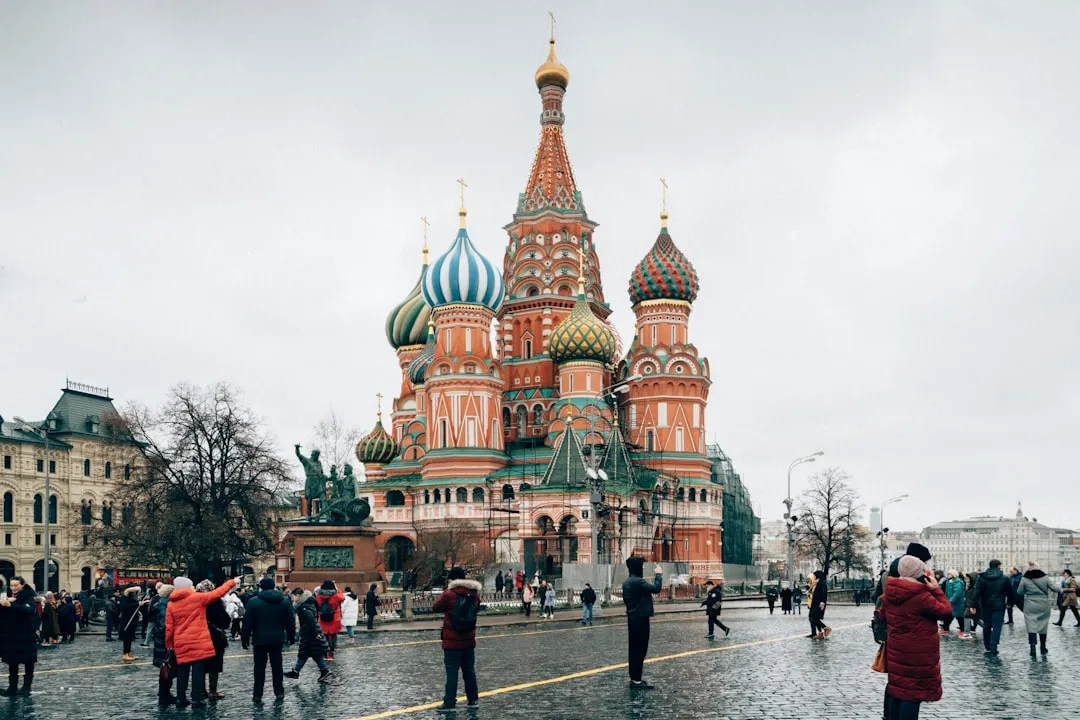
Russia’s entry system has grown more demanding rather than less over the past couple of years. The process is document heavy and errors are not tolerated, with many applicants needing an official invitation, accommodation details, and a completed form that must match supporting records exactly. A single typo can mean starting over.
Biometric checks have added another layer entirely. Russia began rolling out fingerprinting and photographing of foreign arrivals at major entry points from December 1, 2024, as part of tighter biometric control. There is a newer e-visa option that has sped things up somewhat, but the e-visa only encompasses 55 nationalities and excludes major Western nations such as Australia, America, and the United Kingdom, leaving travelers from those countries stuck with the older, slower system.
Saudi Arabia
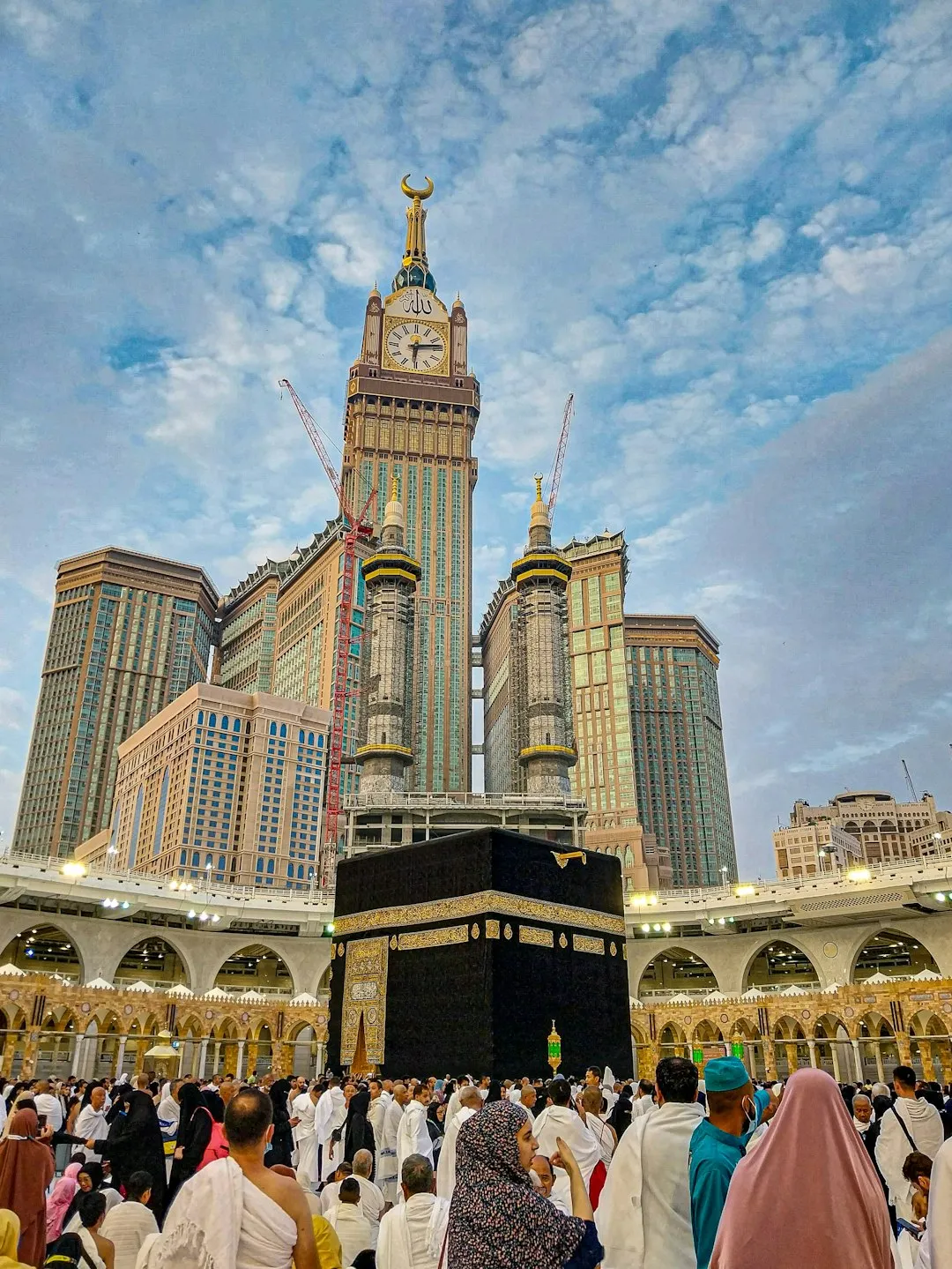
Saudi Arabia has spent recent years actively courting tourists, yet its rules can tighten abruptly depending on the season and on compliance concerns. Saudi Arabia has opened tourism more widely, yet visa rules can shift fast when compliance issues arise. That unpredictability is itself a kind of strictness.
The clearest example came around the Hajj season. Reports in 2025 described a policy change starting February 1 that limited nationals of fourteen countries to single-entry visit visas as enforcement focused on unauthorized Hajj travel, and even after the suspension ended, single-entry issuance and visa validity remained at the discretion of authorities. Travelers heading there still need to make sure their visa type actually matches the purpose of their trip, since mismatches are taken seriously at the border.
Chad
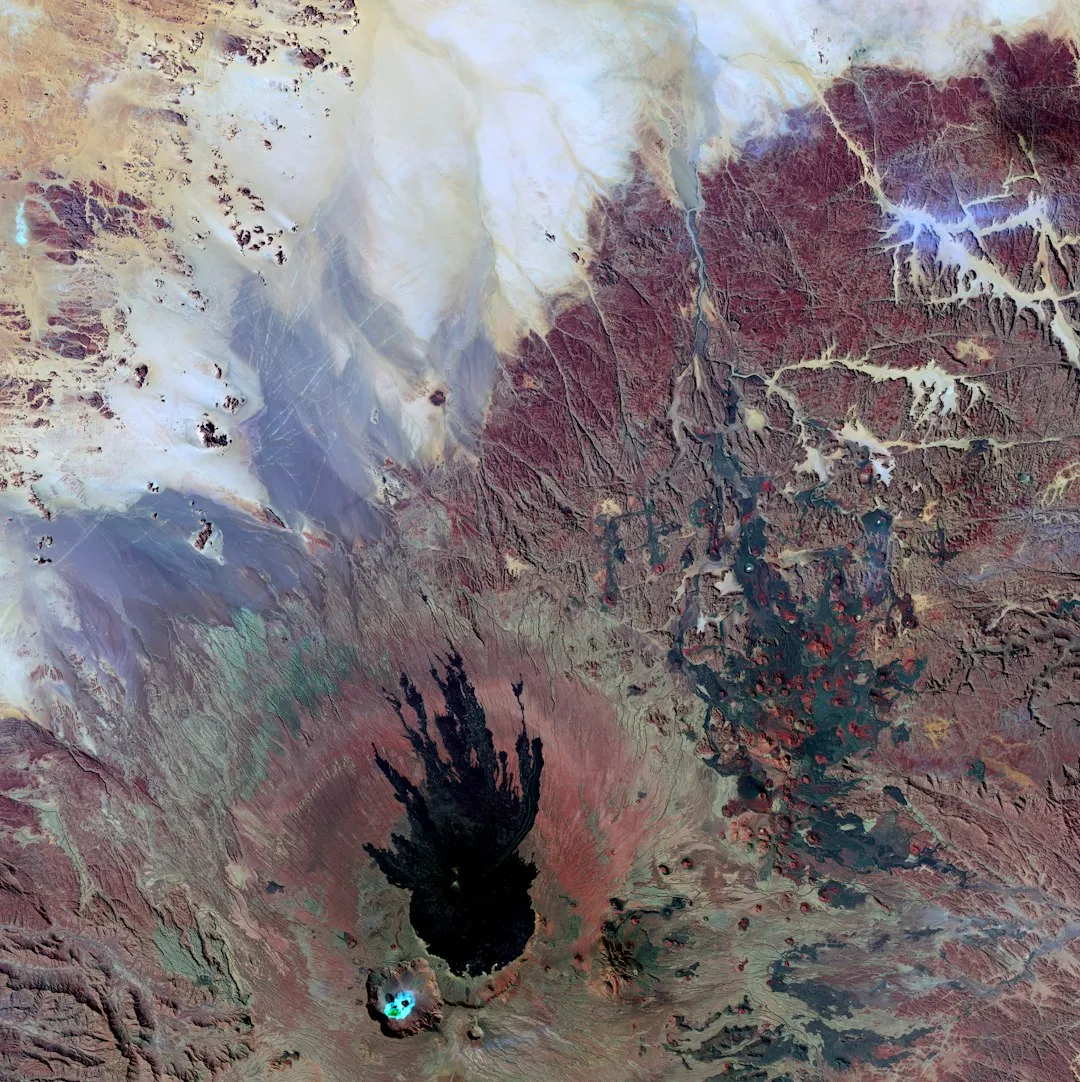
Chad rarely makes headlines as a travel destination, and its visa process is a big reason why. Only 14 countries have visa-free access to Chad, so the rest of the world has to apply for a visa, and getting one can be genuinely challenging. Even locating a consulate can be an obstacle depending on where a traveler lives.
The invitation requirement adds friction on top of everything else. One of the most complicated parts of the visa process is getting an invitation letter, which requires having a sponsor or a hotel in the country. Once inside, the rules don’t relax much either, since visitors have 72 hours to register with the police after entering, a step some travelers say comes with informal extra costs on the ground.
Syria
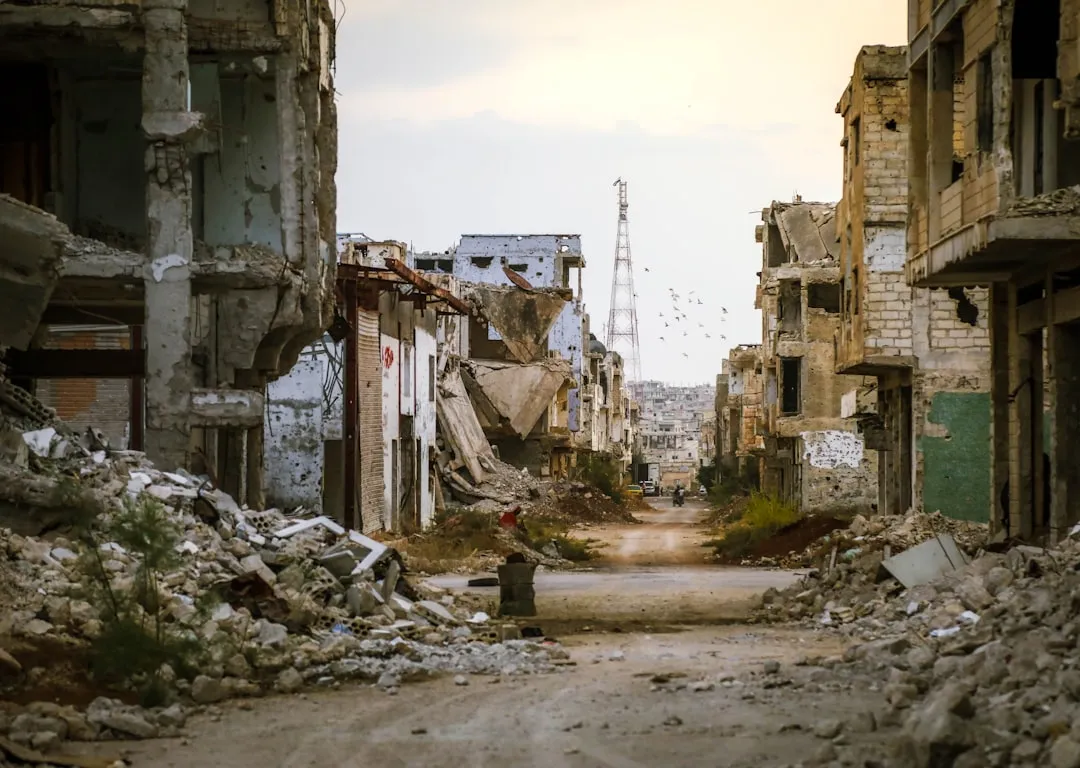
Syria’s entry requirements are inseparable from the security situation on the ground, and both keep most casual travelers away entirely. Anyone considering Syria should start by checking official travel advisories and insurer exclusions, since a sponsor, fixed itinerary, and proof of purpose are typically required, and embassy access may be limited depending on the region. This isn’t a place where showing up with a passport and a smile gets you very far.
Those who do need to travel there for work face additional demands. For journalists, aid workers, or other essential travelers, letters from the sponsoring organization need to match dates and locations exactly, with contingency plans written before departure, while for most tourists, postponing remains the safest choice. It’s a country where entry rules and on the ground reality are tightly bound together.
Cuba (for American travelers)
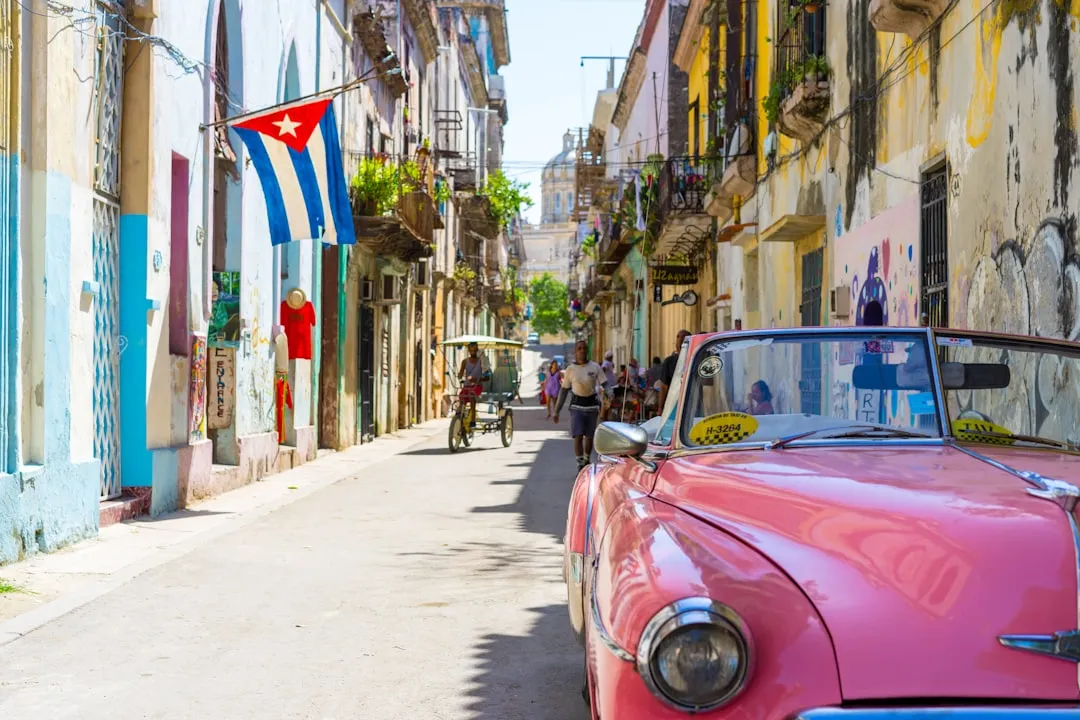
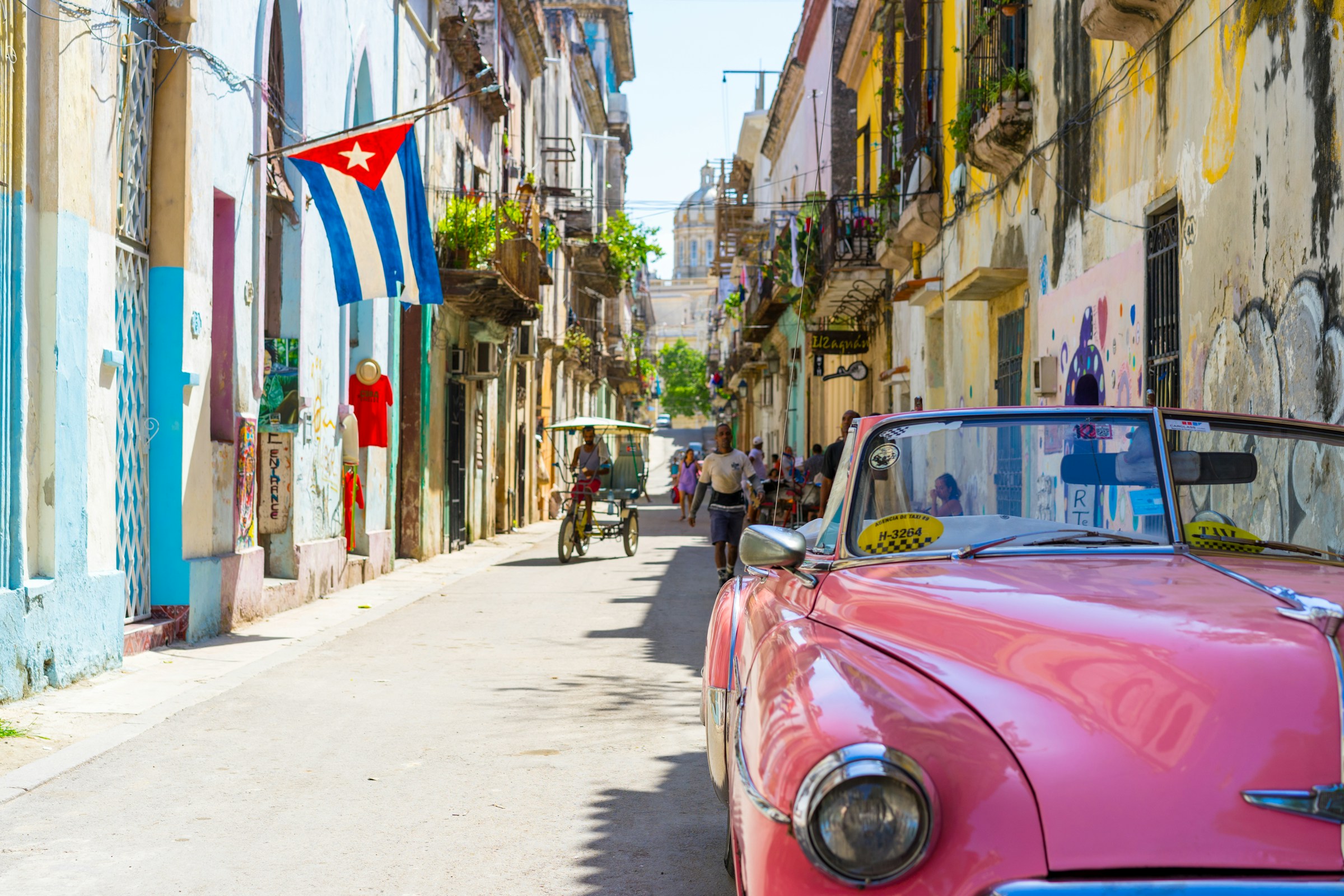
Cuba is fairly easy to enter for most of the world, but the picture changes sharply for US citizens. Nationals of 18 countries can travel to Cuba without a visa or a tourist card, but Americans are prohibited from visiting Cuba for tourism or vacationing purposes. That single restriction is what lands Cuba on lists like this one, even though the general entry process for other nationalities is comparatively simple.
For Americans who do qualify to travel, the paperwork looks different from what everyone else receives. This country is particularly difficult to visit for American citizens, who cannot enter for tourist purposes and must belong to one of eleven categories of authorized travel, receiving a distinct pink Tourist Card rather than the green one issued to other nationalities. It’s less about the border itself and more about proving, in advance, exactly why the trip is legally permitted.
Equatorial Guinea
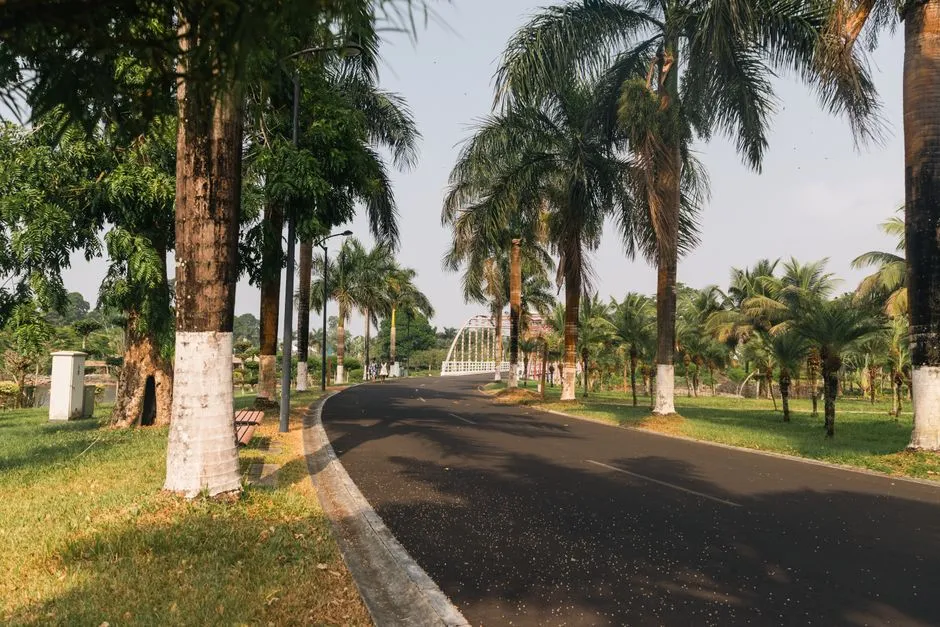
Equatorial Guinea keeps a tight grip on who enters, and the process reflects a country that hasn’t built its economy around tourism. Equatorial Guinea’s visa policy is restrictive compared to many African countries, with most nationalities requiring advance visa authorization regardless of visit purpose. There’s no walking up to a border checkpoint and sorting things out on the spot.
Even with newer electronic options, the process still leans on local connections. All visitors need a valid passport with substantial remaining validity, proof of accommodation, evidence of sufficient funds, and in many cases an invitation letter from a local sponsor or registered tour operator. Health requirements add another checkpoint, since a certification of yellow fever vaccination is required, and travelers must get the vaccine at least 10 days before arriving in the country.
Nauru
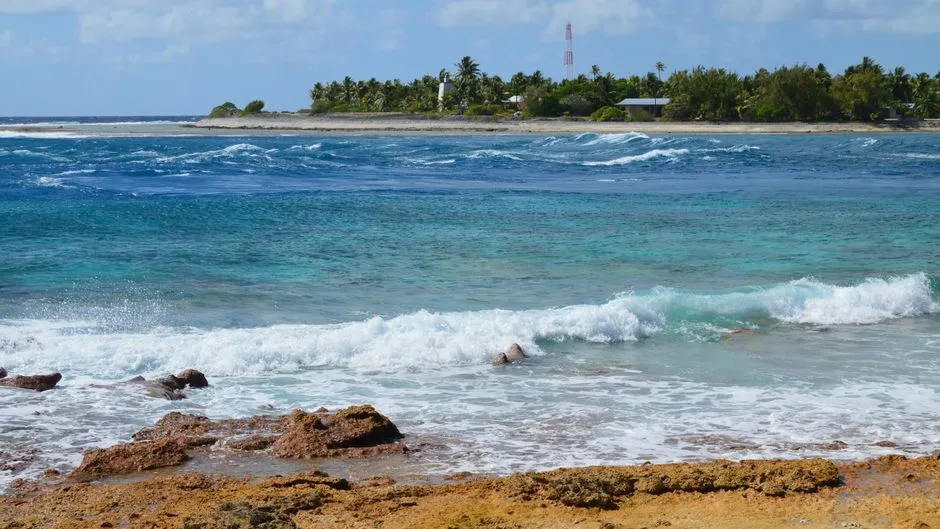
Nauru is tiny, remote, and one of the least visited countries on the planet, and its visa system matches that isolation. Almost all non-Nauru citizens require a visa to visit the country as tourists, and Nauru operates one of the most restrictive immigration policies among South Pacific nations. There’s no shortcut through an app or an on-arrival stamp for most Western nationalities.
The application itself is refreshingly old fashioned, in the least convenient sense. There is no online visa portal or eVisa system, and all applications are processed manually via email. Travelers are told to plan far ahead, since the visa process shouldn’t be left to the last minute, as processing can take multiple weeks.
These eleven destinations show that “difficult to enter” can mean very different things depending on the country. Some, like Bhutan, gatekeep through cost and structure rather than outright refusal. Others, like North Korea or Syria, tie entry rules directly to politics and security realities that aren’t likely to change soon. Whatever the reason, travelers heading to any of these places in 2026 should expect to start planning months in advance, double check every document against every other document, and accept that the border itself is often just the final step in a much longer process.