
Farmed Fish and Seafood Output Surpasses 100 Million Tons
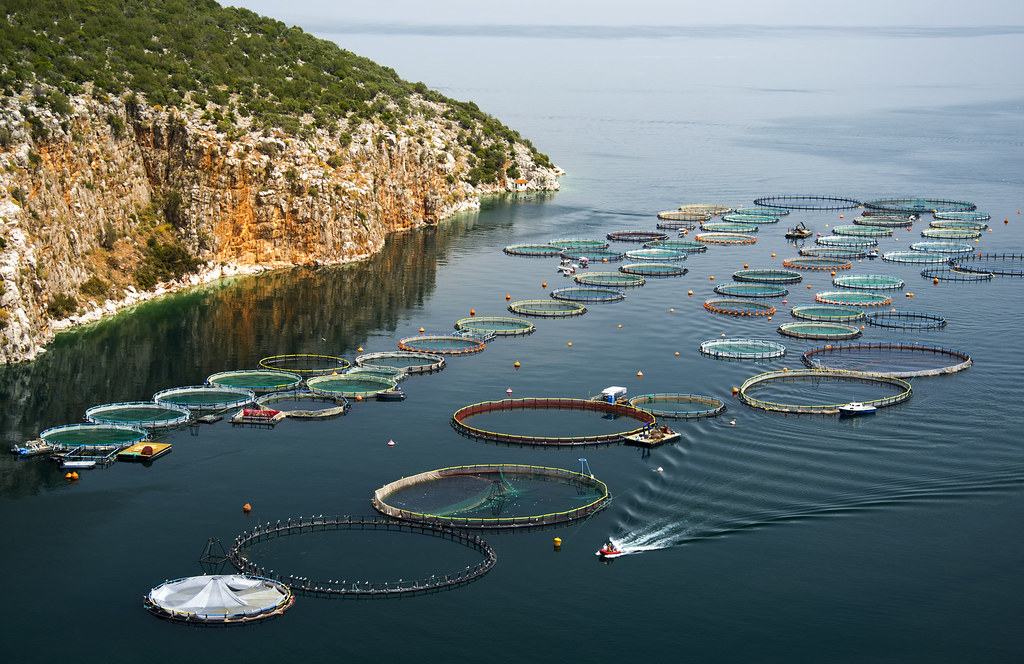
For the first time in recorded history, fish farms around the world have produced more than 100 million tons of aquatic animals in a single year. According to the United Nations Food and Agriculture Organization, this milestone was reached in 2024, marking a turning point in how humanity feeds itself from the water. It’s the kind of number that sounds abstract until you consider what it actually represents: an entire industry that barely existed at scale two generations ago now rivals, and in many ways surpasses, the wild catch that has sustained coastal communities for millennia.
The shift didn’t happen overnight. It’s the product of decades of steady, almost quiet expansion in ponds, cages, and coastal farms across Asia, Europe, and the Americas. What makes 2024 different is that the growth curve finally crossed a threshold that scientists and policymakers have been watching for years, one that reshapes conversations about food security, ocean health, and where the next generation’s protein will actually come from.
A Historic Milestone Decades in the Making
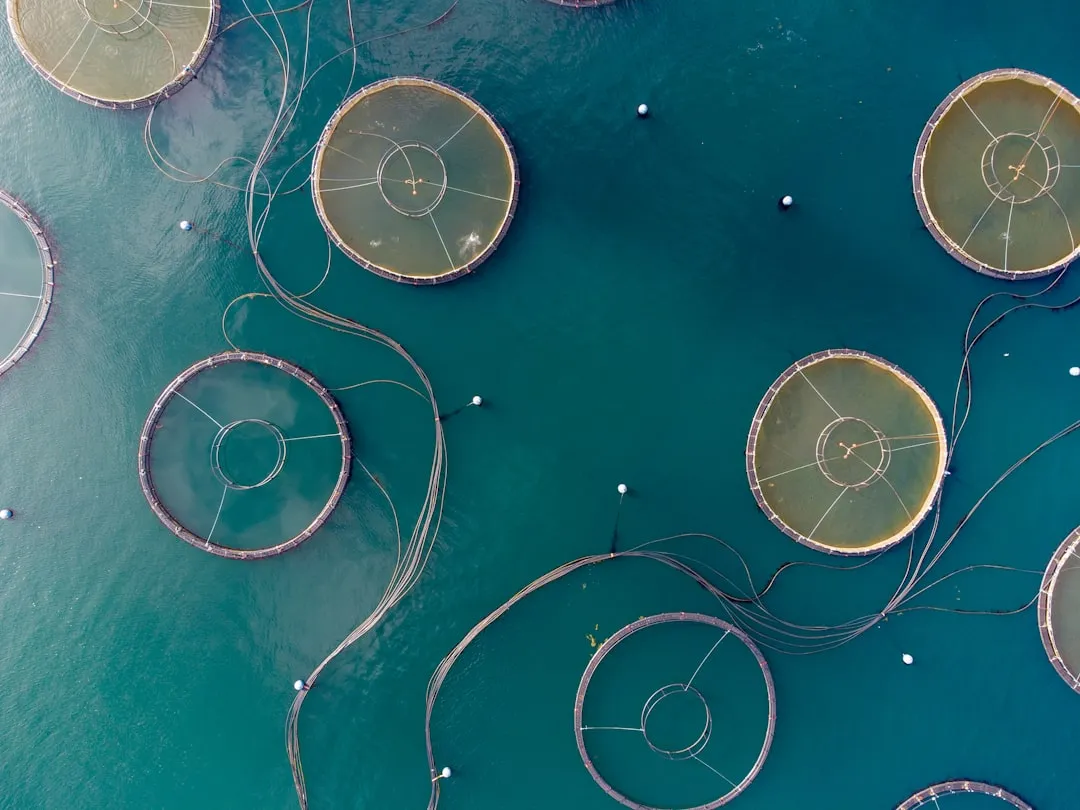
The FAO’s State of World Fisheries and Aquaculture 2026 report, launched at the 11th Our Ocean Conference in Mombasa, Kenya, confirmed what many in the industry had anticipated. Global fisheries and aquaculture production reached a record 235 million tonnes in 2024, of which 195 million tonnes were aquatic animals, confirming the sector’s expanding role in feeding the world. Within that total, aquaculture’s contribution finally broke through a symbolic barrier that had long felt inevitable but still arrived as a genuine milestone.
In 2024, aquaculture production surpassed 100 million tonnes for the first time, valued at 371 billion dollars at farm gate. More precisely, aquaculture aquatic animal production topped 100 million tonnes for the first time in 2024, reaching 103 million tonnes. That figure excludes algae. When seaweed and other aquatic plants are folded in, the numbers climb even higher, underscoring just how broad and diversified this sector has become.
Why Aquaculture Overtook Wild Catch
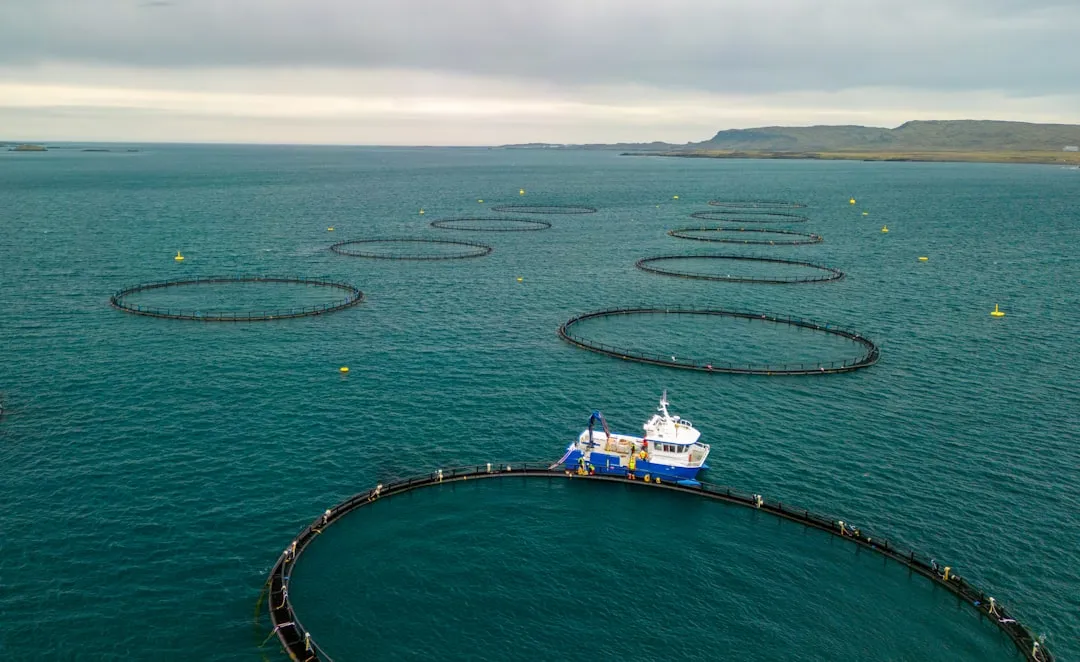
This isn’t actually the first time aquaculture edged ahead of wild fisheries in raw output. In 2022 and for the first time in history, aquaculture surpassed capture fisheries as the main producer of aquatic animals, with global aquaculture production reaching an unprecedented 130.9 million tonnes, of which 94.4 million tonnes were aquatic animals, 51 percent of the total aquatic animal production. The 2024 figures simply extended that lead further, pushing aquaculture’s share even higher.
Aquaculture now provides 53 percent of total aquatic animal production and over 59 percent of aquatic animal food output. The reason is straightforward: wild fisheries have essentially hit their ceiling. Capture fisheries production remained broadly stable at 92 million tonnes of aquatic animals in 2024, continuing a long-term pattern of fluctuation between 86 million tonnes and 94 million tonnes since the late 1980s. With oceans producing roughly the same volume year after year, virtually all new growth in global seafood supply has had to come from farming.
Where All This Fish Is Actually Being Farmed
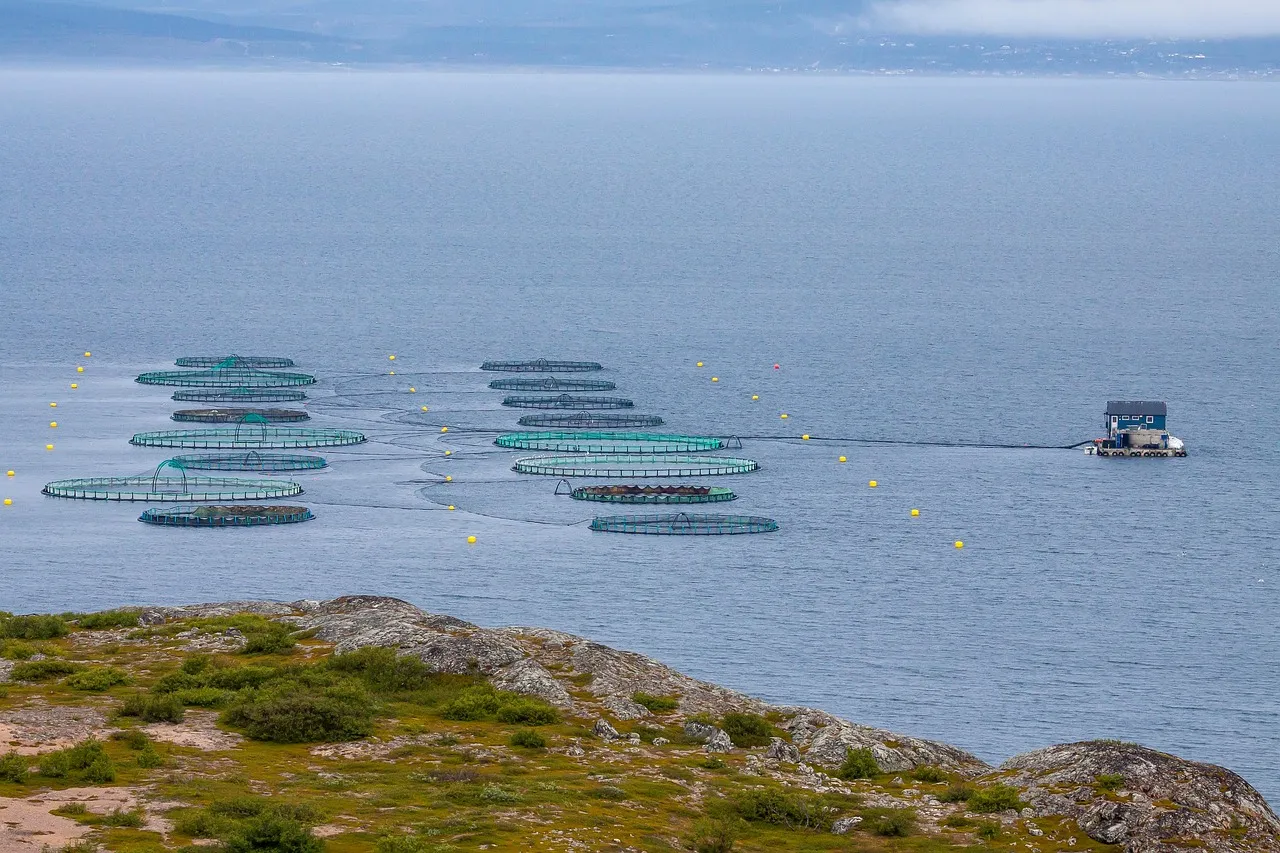
Geography matters enormously here, and the concentration is striking. Asia continues to dominate the aquaculture sector, producing around 89 percent of all farmed aquatic animals and 92 percent of total aquaculture products. China remains the undisputed leader, though the base of production is gradually broadening.
Geographically, aquaculture continues to remain concentrated, with Asia accounting for around 89 percent of global production and the top five countries of China, Indonesia, India, Vietnam, and Bangladesh in particular accounting for 82 percent of total production. Encouragingly, the industry is spreading its footprint beyond the traditional powerhouses. Forty-seven countries now produce more through aquaculture than through capture, or wild, fisheries, a sign that farmed seafood is becoming a mainstream food source well outside Asia’s borders.
What’s Actually Being Farmed
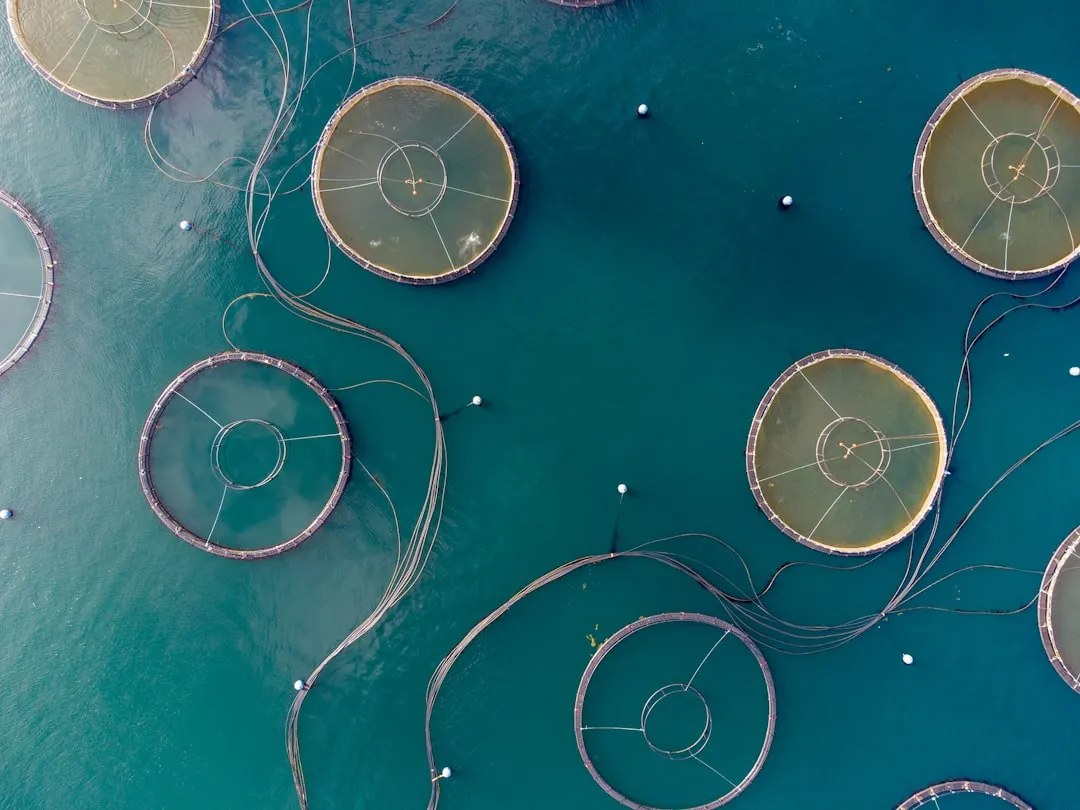
Fish farming today looks nothing like a single monolithic industry. It spans everything from carp ponds in inland China to salmon pens off the coast of Norway, shrimp farms in Ecuador, and tilapia operations across sub-Saharan Africa. By species group, the rise was led by finfish, accounting for 4.5 million metric tons or 56.4 percent of new growth, followed by crustaceans at 1.6 million metric tons or 19.7 percent, and mollusks at 1.5 million metric tons or 19.4 percent.
Marine and coastal operations have become an increasingly important part of the mix rather than just an afterthought to freshwater ponds. Marine and coastal aquaculture produced 38 million tonnes in 2024. That includes everything from oyster and mussel beds to offshore fish cages, reflecting how the industry has diversified its production environments to squeeze more output from limited coastal space.
The Economics Behind the Numbers
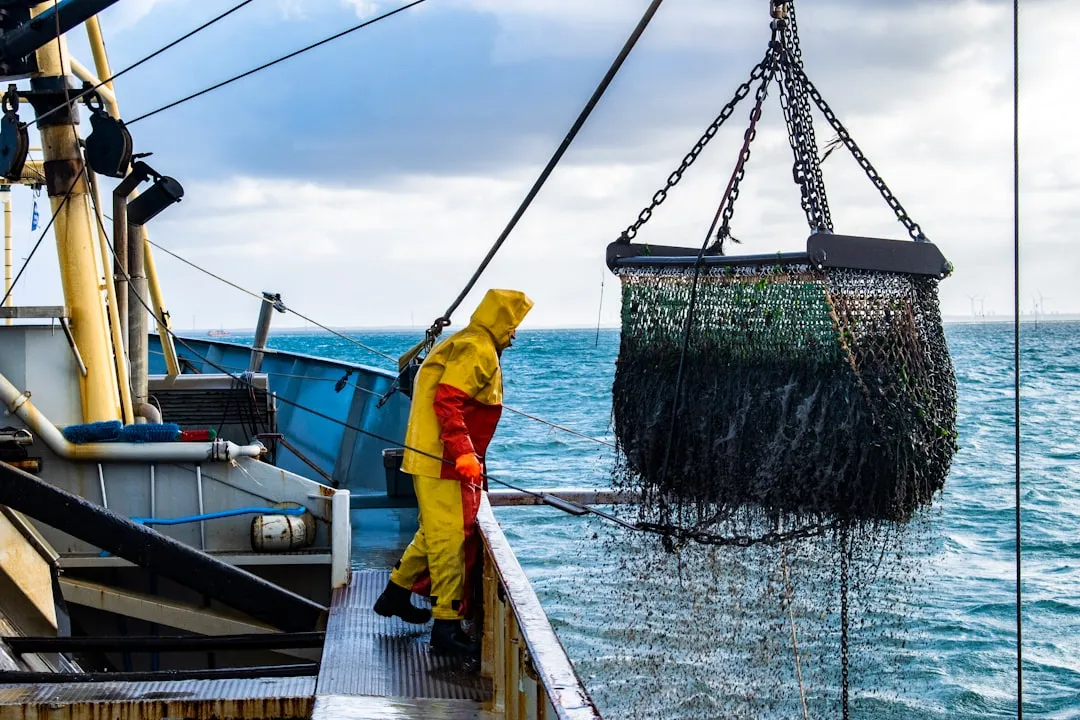
Aquaculture isn’t just a food story, it’s increasingly a trade and economic story too. Trade in aquatic animal products continues to hit record highs, reaching 184 billion dollars, and between 1976 and 2024, export value rose more than twenty-threefold, or nearly sixfold in real terms, in line with global trade in goods. That kind of sustained growth over half a century is rare in any food sector.
Part of what’s driving this expansion is simple infrastructure. Growth reflects higher production, improved logistics and processing, competitive pricing and trade liberalization, with products often crossing multiple borders before reaching consumers as part of complex supply chains. A shrimp raised in a pond in Vietnam might now travel through several processing hubs before landing on a dinner plate in Europe or North America, a level of interconnectedness that simply didn’t exist a few decades ago.
Feeding People and Sustaining Livelihoods
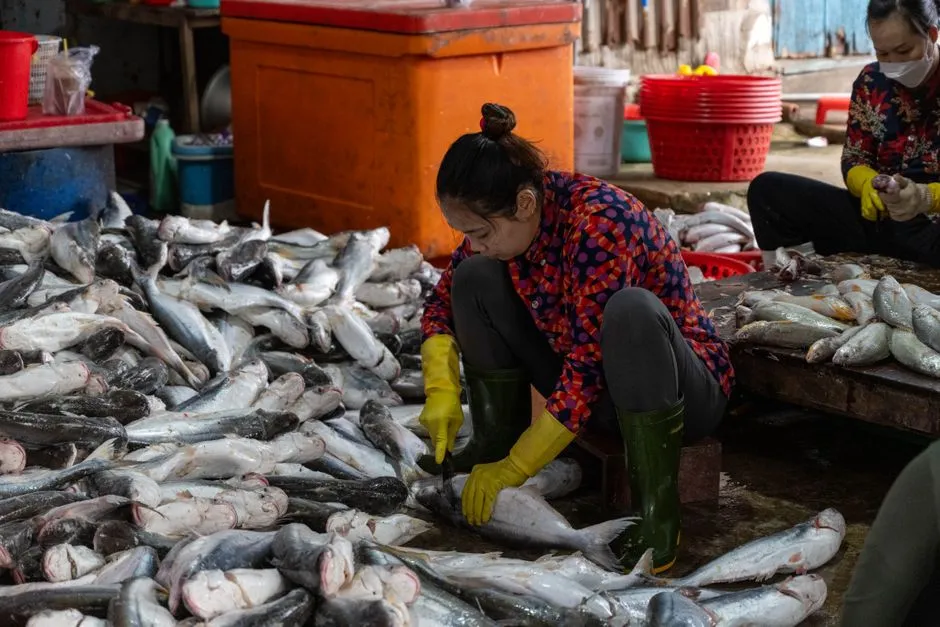
The human dimension of this story is arguably even bigger than the tonnage figures suggest. The wider fisheries and aquaculture sector supports more than 600 million livelihoods when subsistence and secondary sector workers, and their dependents, are included, a staggering number that amounts to roughly one in thirteen people on Earth connected in some way to this industry’s fortunes. That’s not a niche industry. It’s a foundational part of the global food economy.
Direct employment numbers, while smaller, remain substantial in their own right. Aquatic food systems employ a steady 65 million people directly, and more than 40 percent of humans rely on aquatic foods for at least 20 percent of their protein intake. Seafood, in other words, isn’t a luxury item for wealthy nations. It’s a dietary staple for billions.
Uneven Benefits Across Regions
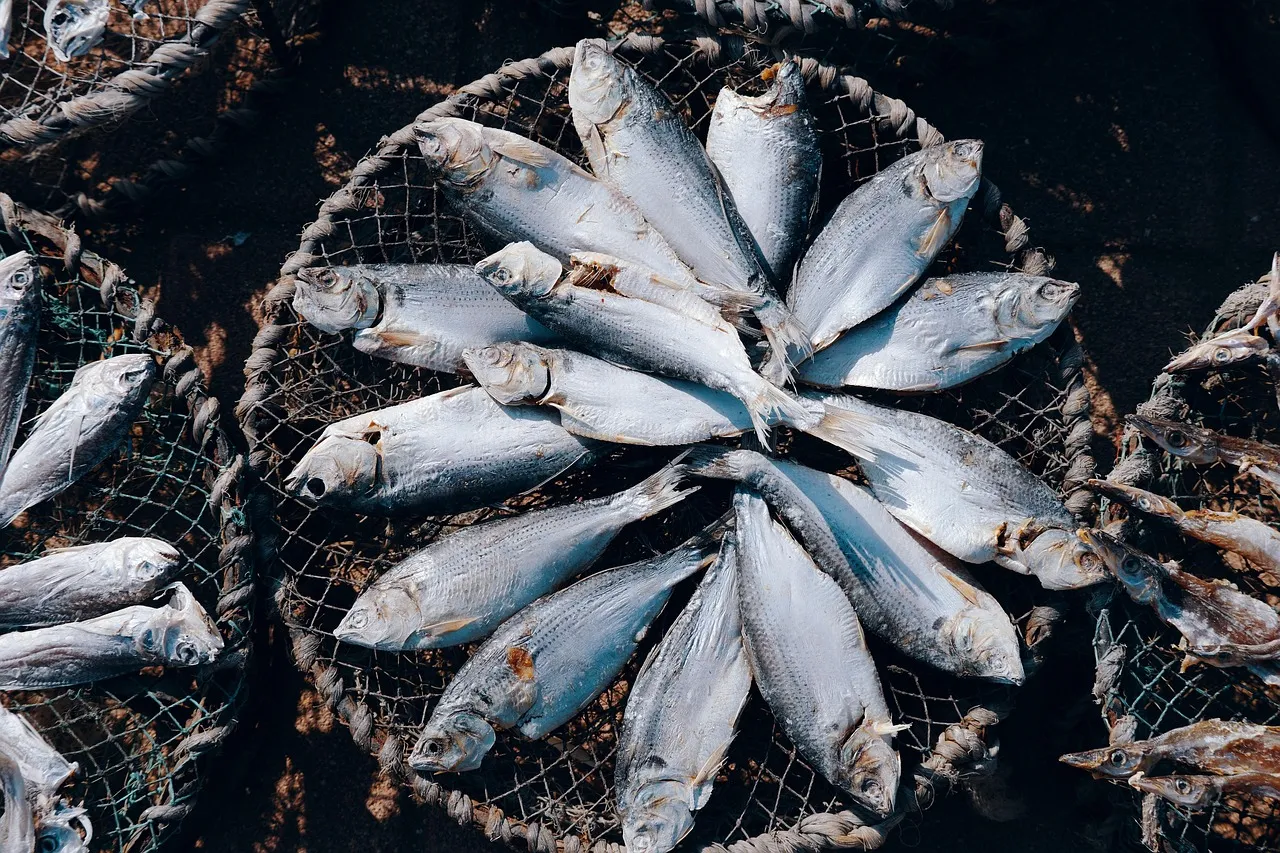
For all the celebration around this record, the FAO’s own report is candid about the gaps that remain. Despite rising availability, benefits remain uneven, with per capita aquatic animal food supply, particularly in Africa, lagging well below the global average, underscoring the need for targeted policies. Growth at the global level simply hasn’t translated evenly into better diets everywhere.
The regional disparity is stark when you look at the actual consumption figures. Per capita availability came in at an average of 21.1 kilograms in 2023 and rose only slightly to a preliminary estimate of 21.3 kilograms in 2024, though availability ranged from 26.3 kilograms per person in Asia to just 9.1 kilograms in Africa. Manuel Barange, director of the FAO’s Fisheries and Aquaculture Division, has pointed out that aquaculture’s growth has been lopsided in a similar way, noting years ago that “aquaculture has been very successful, but 90 percent of global aquaculture is produced in Asia. Only, for example, 1.9 percent is produced in Africa.” That imbalance hasn’t disappeared even as overall production has surged past 100 million tons.
Sustainability Concerns Beneath the Record Numbers
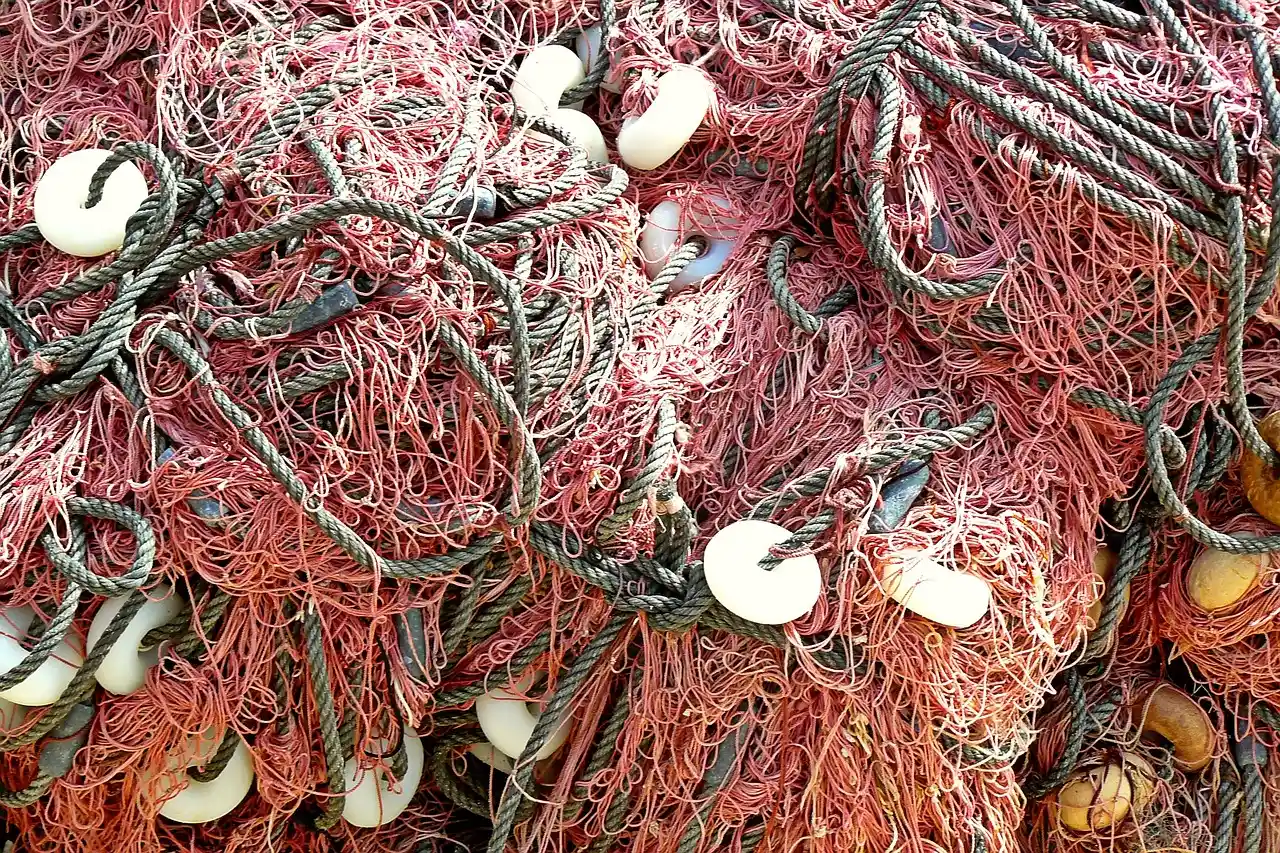
The record-breaking headlines shouldn’t obscure some genuinely worrying trends in wild fisheries that sit alongside aquaculture’s rise. The share of the world’s marine fishery stocks fished within biologically sustainable levels declined to 62.4 percent in 2023, down from 64.5 percent in 2021. FAO researchers note this partly reflects better data and methodology, but it’s still a signal worth watching closely.
Looking further ahead, climate change adds another layer of uncertainty to an already complex picture. Climate change, pollution, ecosystem degradation, economic shocks and geopolitical shifts are increasingly affecting the performance and sustainability of aquatic food systems, and under high-emissions scenarios, exploitable fish biomass is projected to decline by more than 10 percent by 2050 in several regions. That’s a sobering counterweight to today’s record, a reminder that tomorrow’s supply depends heavily on decisions being made right now around emissions, ocean management, and farming practices.
What Comes Next for Global Aquaculture
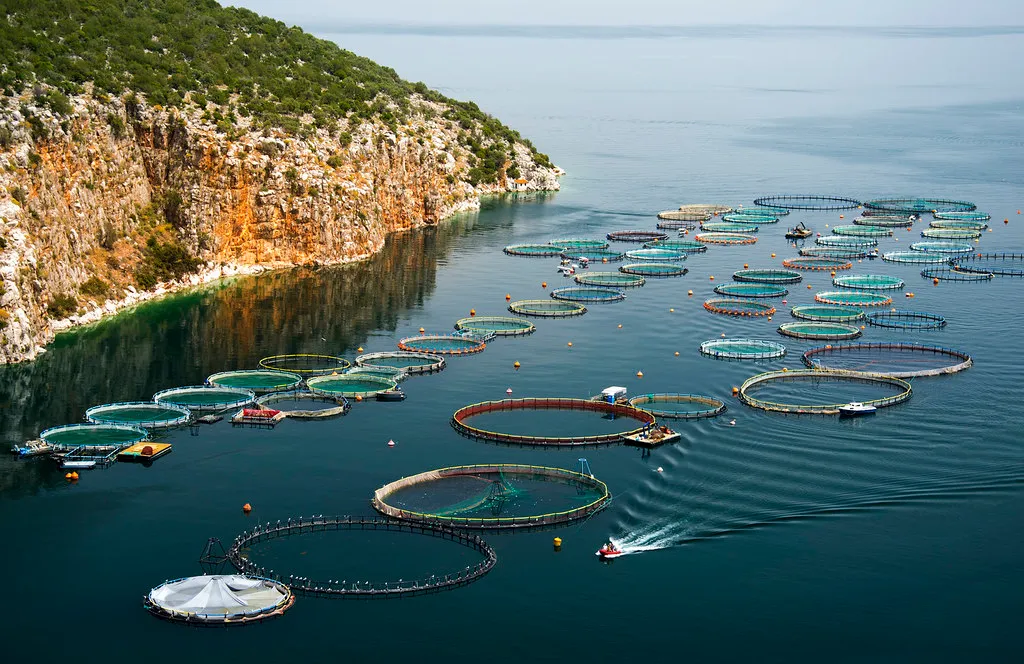
FAO projections suggest the growth story is far from finished, even if the pace is expected to moderate somewhat. FAO projects continued growth in production, consumption and trade, with total aquatic animal production expected to reach 214 million tonnes by 2034. That’s a meaningful jump from 2024 levels, though the annual growth rate is expected to be gentler than the breakneck pace seen in earlier decades.
Aquaculture specifically is expected to keep pulling further ahead of wild catch in the years ahead. FAO expects aquatic animal production to reach 214 million tonnes by 2034, with aquaculture projected to rise to 119 million tonnes and capture fisheries to around 95 million tonnes. By that point, farmed fish and shellfish are expected to make up an even larger share of what ends up on dinner plates worldwide, cementing a shift that once seemed almost unthinkable for an industry that, within living memory, was a fraction of its current size.
A Turning Point Worth Watching
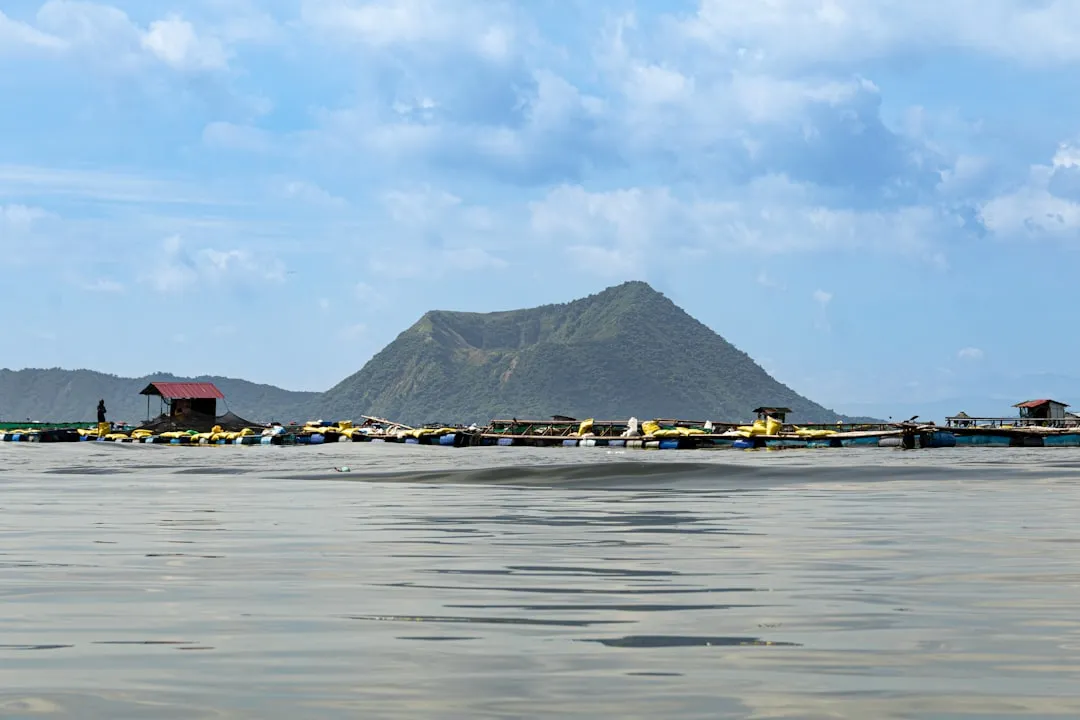
Crossing the 100 million ton threshold isn’t just a statistical curiosity buried in a UN report. It reflects a genuine transformation in how the world produces protein, one that has unfolded gradually enough that it’s easy to miss just how significant the shift has been. Aquaculture has gone from a supplementary source of seafood to the dominant one, and that trend shows no sign of reversing.
Still, the numbers come with caveats that matter. Growth concentrated in a handful of Asian countries, persistent gaps in African food security, and mounting pressure from climate change all suggest that the next chapter of this story will be less about breaking records and more about managing them responsibly. The oceans and inland waters that have fed humanity for so long are being asked to do something new: not just to be harvested, but to be actively cultivated, at a scale and with a level of care that will determine whether this record becomes a stepping stone toward genuine food security, or simply a peak followed by harder questions.