
Education gaps between nations remain one of the starkest measures of global inequality. While some countries have built systems where nearly every child finishes school and adults post near-universal literacy, others are still fighting to get basic reading and writing skills to a majority of their population. The reasons behind these gaps are rarely simple. They usually involve some mix of poverty, conflict, government investment, and how societies treat girls’ access to classrooms.
Looking at recent data from UNESCO, the UN Development Programme, and international education trackers gives a clearer picture of where things stand in 2026. Below are four countries currently sitting at the bottom of global education rankings, followed by two that consistently rank at the very top.
1. Chad
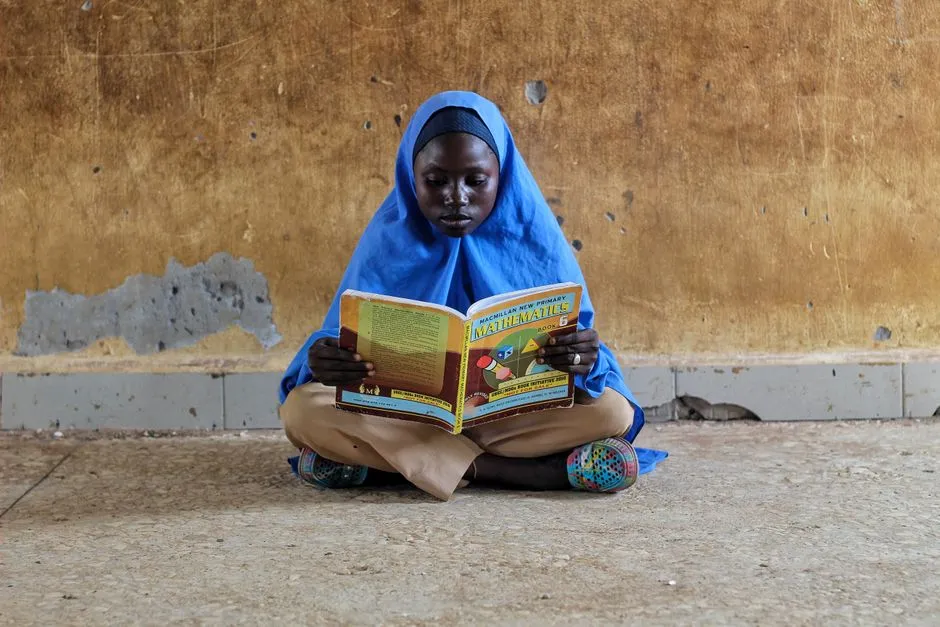
Chad routinely shows up at or near the bottom of every global literacy ranking. Ranked with the latest data by country, literacy rates range from 100% to just 27% in Chad, making it one of the lowest anywhere on the planet. Adults in the country also spend very little time in the classroom overall, as Chad averages just 2.3 years of schooling, a figure that helps explain why so much of the adult population struggles with basic reading tasks.
The gender divide in Chad is especially pronounced. In Chad, female literacy is just 18.2%, compared to 35.4% for men, a gap that reflects deep economic pressures rather than any single policy. If you drew a line across the Sahel, the semi-arid belt stretching from Senegal to Sudan, you would capture nearly every country at the bottom of this ranking, and Chad sits right at the center of that troubled band, where drought, poverty, and thin school infrastructure compound one another.
2. South Sudan
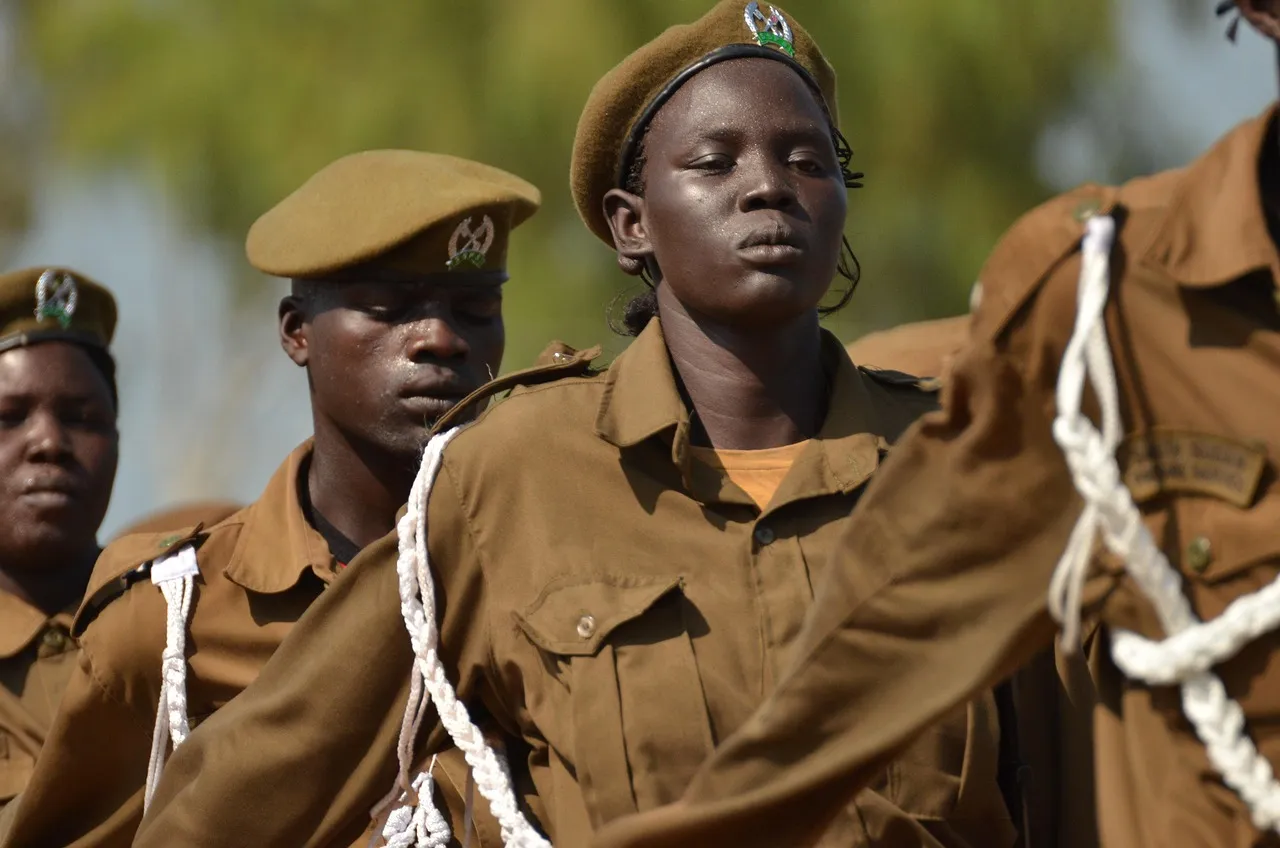
South Sudan’s education struggles are tied directly to decades of conflict rather than just poverty alone. Civil conflict has severely disrupted educational systems and infrastructure, making consistent schooling nearly impossible in South Sudan. Estimates place the country’s literacy rate in the mid-to-high 30s, among the lowest anywhere in the world, and schools that do exist often lack basic supplies, trained teachers, or safe buildings.
Displacement remains one of the biggest obstacles to progress here. Families fleeing violence frequently move multiple times within a single year, which makes consistent school attendance nearly impossible for many children. Analysts note that data coming out of the country carries wider uncertainty than more stable nations, since the UNDP acknowledges that estimates for countries like Somalia and South Sudan carry wider margins of uncertainty than those for stable, high-income nations. Even with that caveat, virtually every available metric places South Sudan among the world’s most educationally underserved countries.
3. Mali
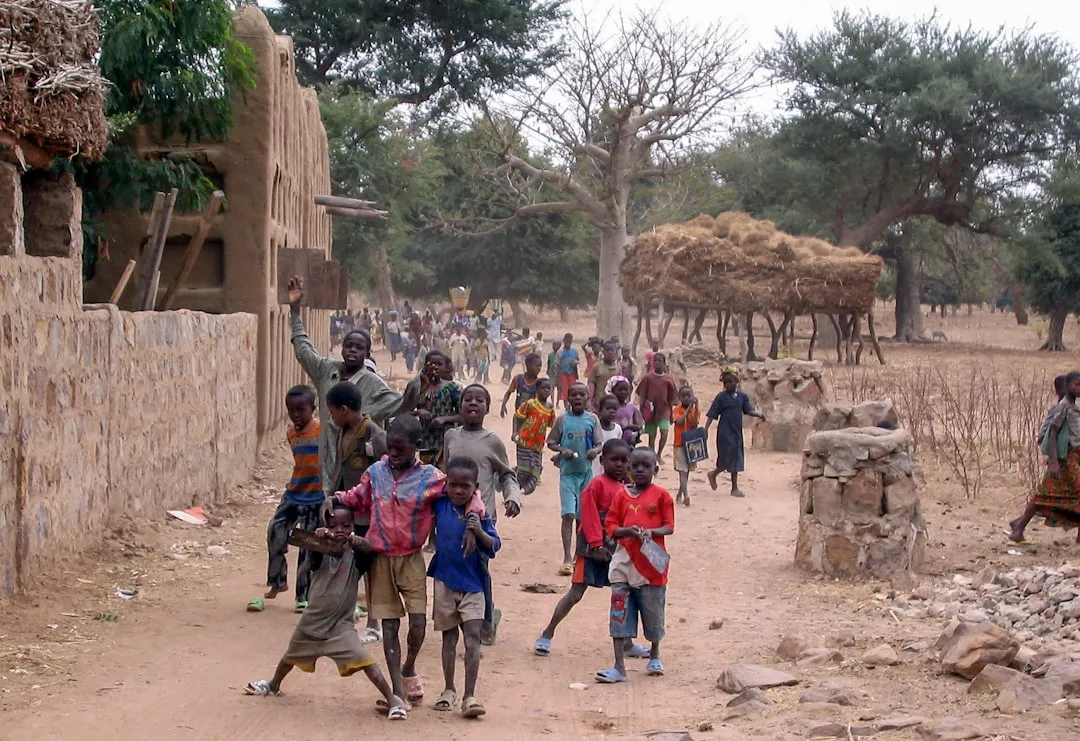
Mali’s literacy numbers have hovered in the 30 to 44 percent range depending on the source and year, but the underlying causes are fairly consistent across reports. Political instability and an under-resourced education system is one of the significant reasons for low literacy in Mali, with rural regions in particular suffering from limited access to schooling. Adults in the country average very few years of formal schooling overall, as Mali averages 1.6 years of education, one of the lowest figures tracked globally.
As with several of its Sahel neighbors, Mali shows a wide gap between how boys and girls are educated. In Mali, the split is 25.7% versus 46.2% for female and male literacy respectively. Researchers point out that in these countries, the gap is driven less by policy bans and more by the economics of poverty: when families can only afford to send one child to school, sons are prioritized, a pattern that keeps repeating across the region year after year.
4. Niger
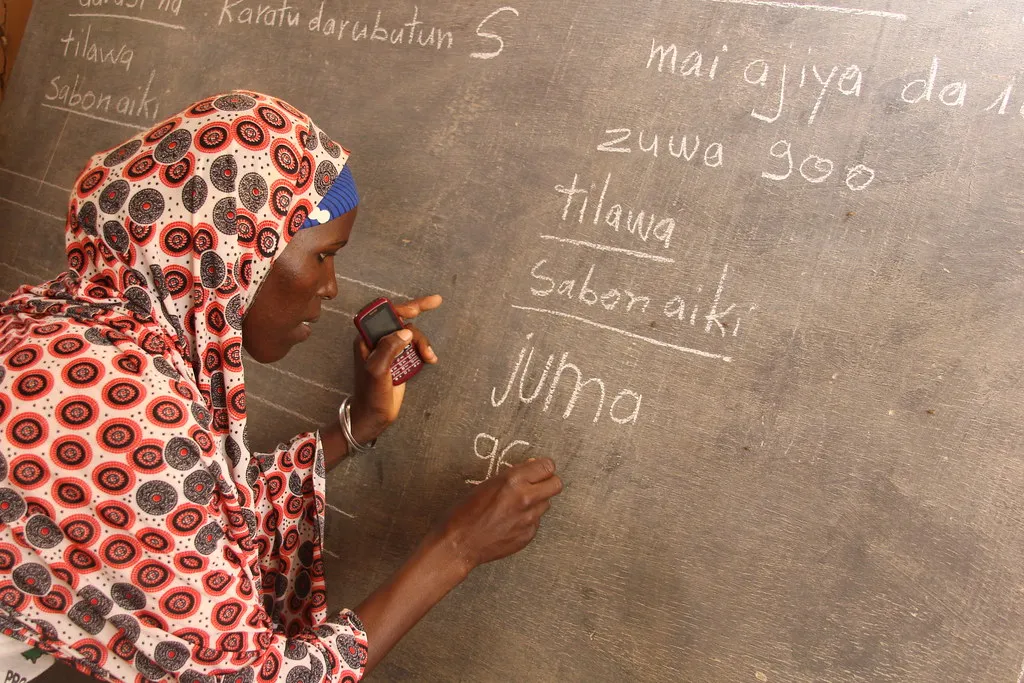
Niger consistently ranks near the very bottom of global education indices, and recent numbers show just how far the country still has to go. Niger, where adults average just 1.4 years of schooling, sits at the bottom of both axes when compared against literacy and years of education across nearly two hundred countries. Even with some recent gains, Niger nearly doubled its reported rate from 19.1% to 38%, though it remains the second-lowest in the dataset.
The country faces a familiar combination of challenges: high poverty, rapid population growth, and a shortage of trained teachers, especially outside major cities. Progress has been slow but real, and the near doubling of its reported literacy figure suggests that targeted investment can move the needle even in some of the world’s toughest environments. Still, Niger remains firmly among the four lowest-ranked countries by nearly every education metric tracked today.
5. Singapore
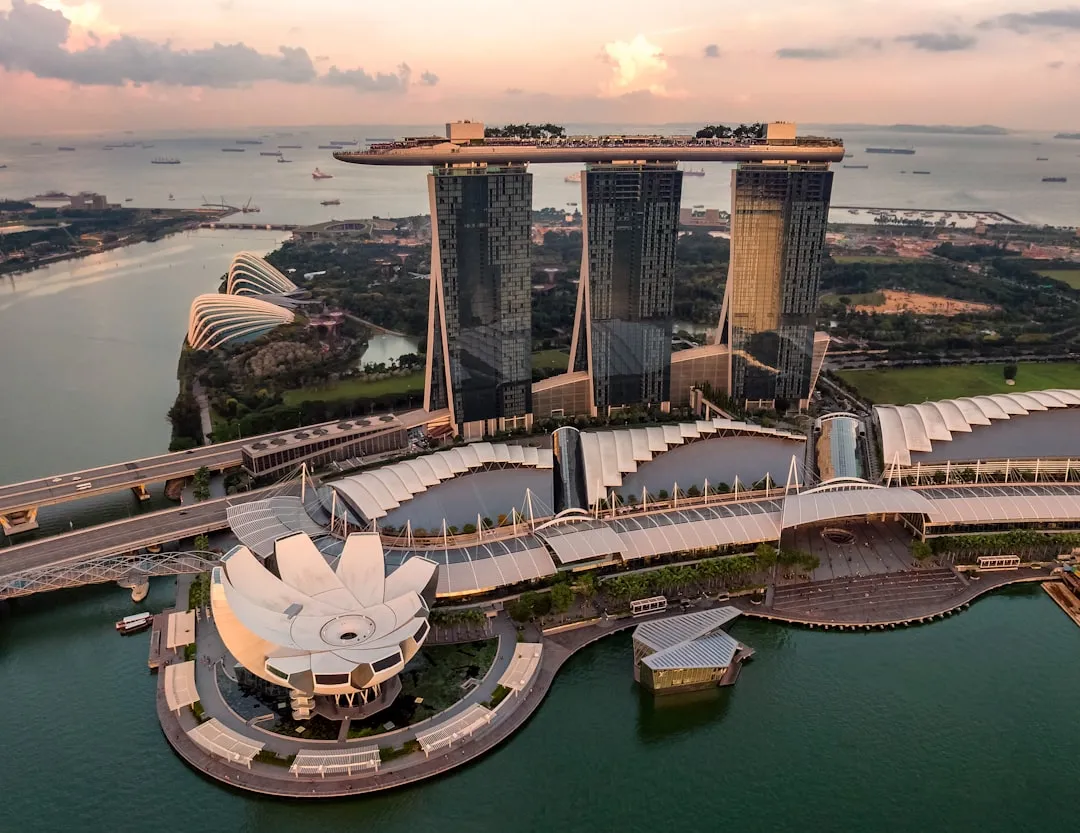
On the opposite end of the spectrum, Singapore stands out as arguably the best-performing education system in the world by outcome-based measures. Its students consistently top international assessments, and Singapore ranks 30th on the Education Index with a score of 0.866 and only 12 mean years of schooling, yet its students score 560 on PISA, the highest in the world, a 78-point gap equivalent to roughly two and a half years of schooling in the other direction. That gap shows Singapore gets more out of each year of schooling than almost anywhere else on Earth.
Much of this success traces back to a deliberate policy shift rather than simply more classroom hours. Singapore’s system was deliberately designed around this principle, and in 2004, the Ministry of Education launched its “Teach Less, Learn More” initiative, shifting away from content coverage toward depth, problem-solving, and applied reasoning. The results reach beyond just top scorers, too, since even students in Singapore’s bottom socioeconomic quartile exceed the overall OECD average, according to the 2022 PISA country report, a detail that speaks to genuine equity rather than just elite performance at the top.
6. Canada
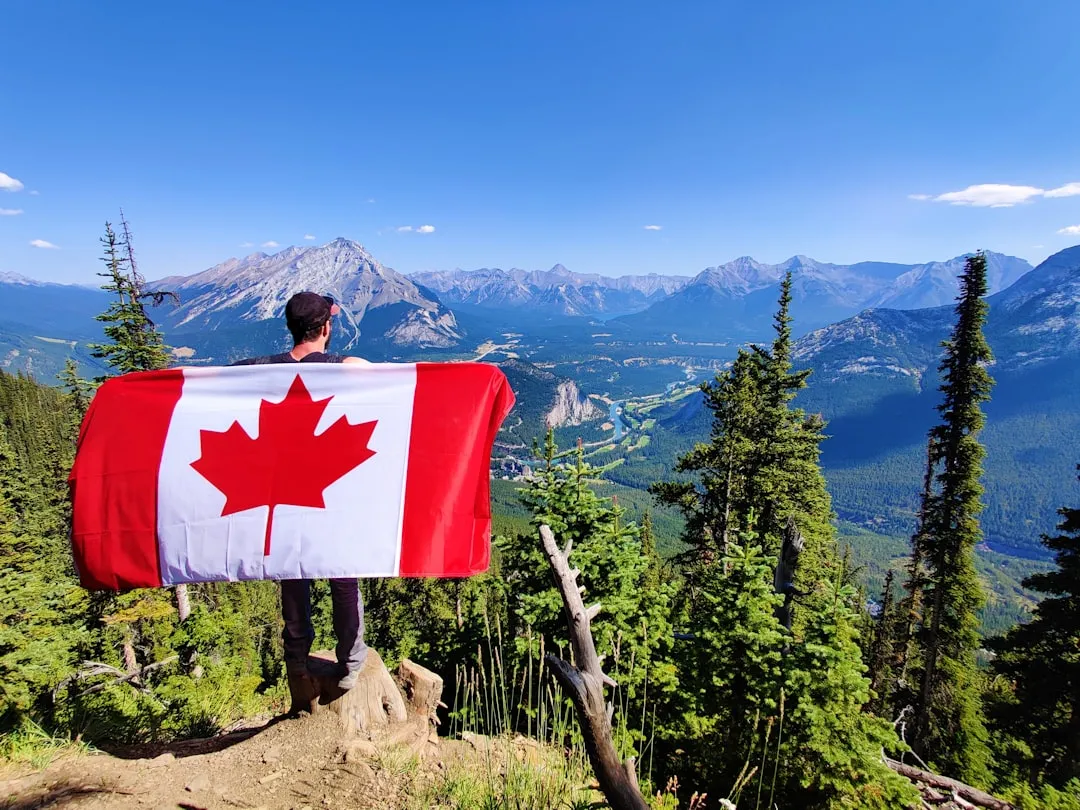
Canada leads the world when it comes to overall educational attainment among adults. According to recent OECD figures, Canada tops the list with nearly 65% of adults holding a college or university degree, followed closely by Ireland and South Korea. That places Canada well ahead of most peer nations in terms of how many working-age adults hold advanced credentials, a strong signal of both access and demand for higher education.
This achievement reflects years of sustained investment and policy focus rather than a single reform. These nations have invested heavily in expanding access to higher education, driven by knowledge-based economies that reward advanced qualifications. Canada’s mix of public university funding, immigration policies that favor skilled and educated newcomers, and strong provincial school systems has helped it maintain this position at the very top of global attainment rankings for several years running.
Taken together, these six countries show just how wide the education gap between nations still runs. Chad, South Sudan, Mali, and Niger continue to struggle with conflict, poverty, and thin school infrastructure that keep millions of children and adults locked out of basic literacy. Singapore and Canada, meanwhile, demonstrate two very different paths to excellence, one built on rigorous school design and depth of learning, the other on broad access to higher education across an entire population. The contrast is a reminder that closing these gaps takes sustained investment, political stability, and a genuine commitment to reaching every child, not just the ones easiest to educate.