
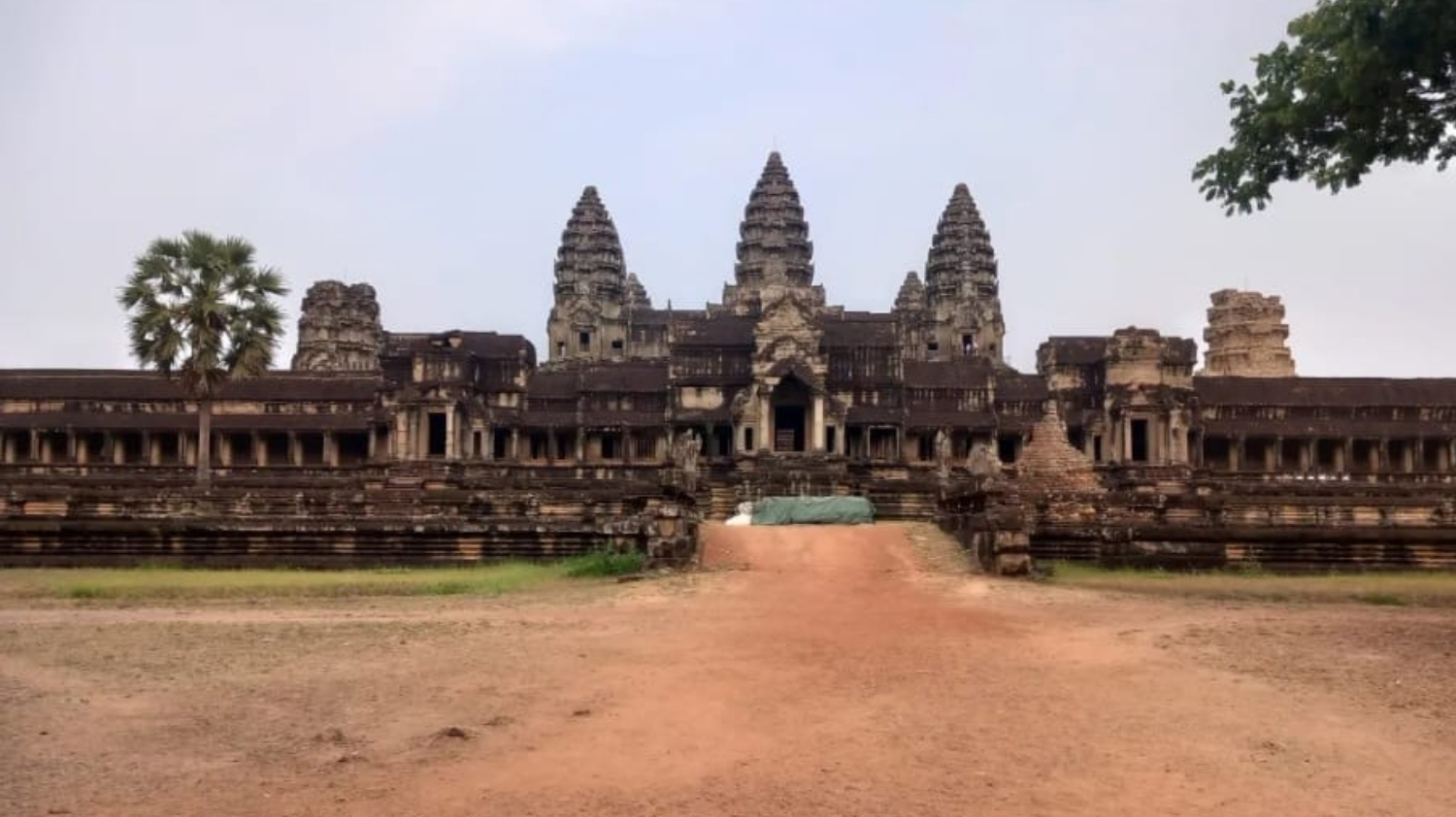
Angkor Wat is one of the most significant archaeological sites in Southeast Asia and one of the major draws for travellers to visit Cambodia. Located near Siem Reap, the site is part of a vast ancient urban complex that once served as the centre of the Khmer Empire.
Contrary to popular belief, Angkor Wat isn’t a single monument, but a large archaeological park made up of dozens of temples, ceremonial structures, and remnants of a medieval city.
About Angkor Wat
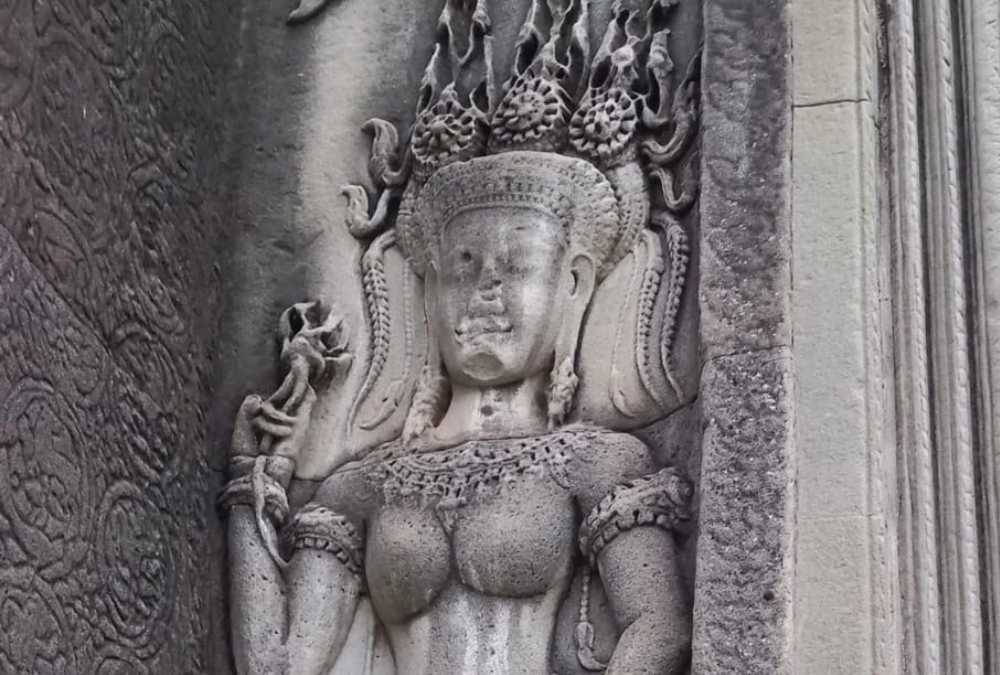
Angkor Wat isn’t just the famous temple you’re probably most familiar with from the thousands of photos posted to Instagram each year, and is in fact an entire archaeological park covering more than 400 square kilometres, filled with dozens of temple ruins, ceremonial reservoirs, ancient roads, and sacred sites left behind by the Khmer Empire between the 9th and 15th centuries.
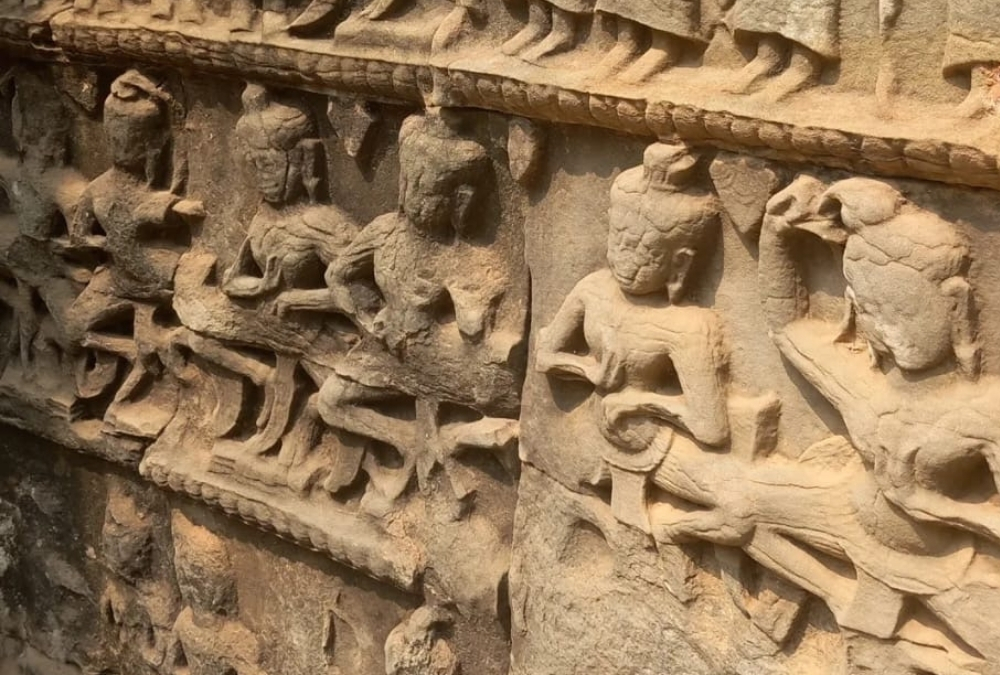
Built primarily in the early 12th century during the reign of King Suryavarman II, Angkor Wat started as a Hindu temple dedicated to Vishnu, and over the centuries, it evolved into a Buddhist place of worship, a transition shown in the carvings, statues, and serene Buddha figures scattered throughout.
Today, it’s a UNESCO World Heritage Site, recognised globally for its grandeur, symmetry, and architectural mastery. Visitors from around the world come here not only to see the famous central towers but to walk the paths once trodden by ancient Khmer kings.
I originally only came to Cambodia, having learned about the atrocities committed against the Cambodian people at the hands of Pol Pot’s Khmer Rouge, but no trip to Cambodia could have been complete without a visit to Angkor Wat.
A standard Angkor Wat tour doesn’t end at one temple as the park is divided into a network of sites, each with its own history and character:
1. Angkor Wat Temple
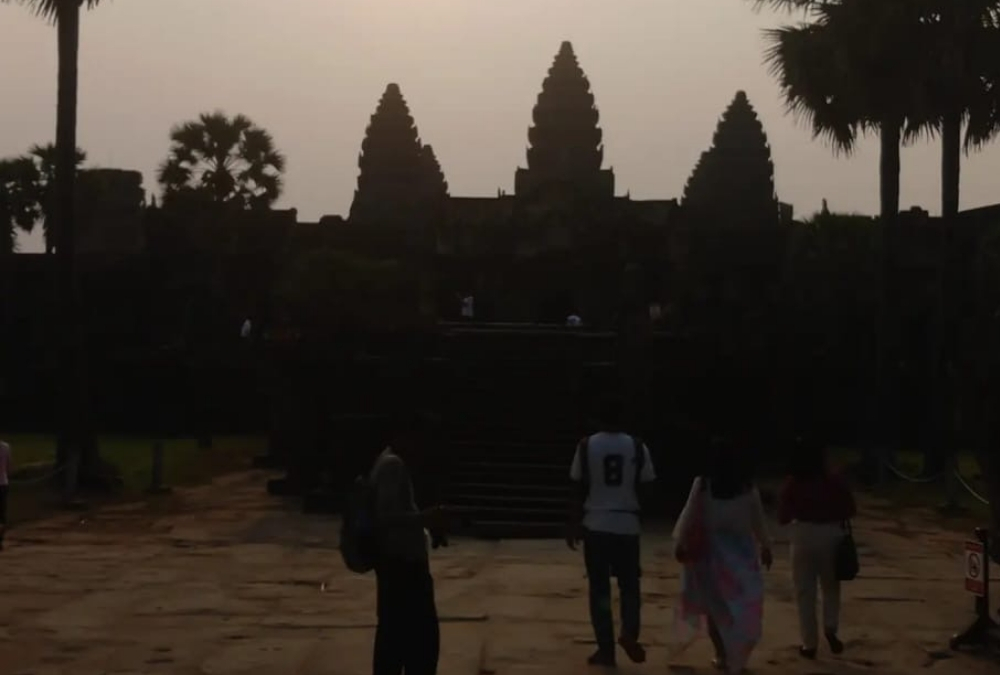
The star attraction and temple you’ll be most familiar with, the Angkor Wat temple, is the largest religious structure ever built. With five lotus-like towers, galleries of bas-reliefs, and a vast moat framing its silhouette, Angkor Wat defines the Cambodian skyline.
The sunrise here has garnered legendary status, with photographers telling you it’s worth the early wake-up call, and most tour guides having you wake up in the dead of night to be there on time, so be prepared to wake up early… very early.
Due to the sunrise being a main attraction, this is usually the first temple you’ll visit. I took a private tuk-tuk guide around the site, so he granted me one hour to explore the grounds and waited for me nearby. However, the allotted time may vary.
2. Angkor Thom and Bayon
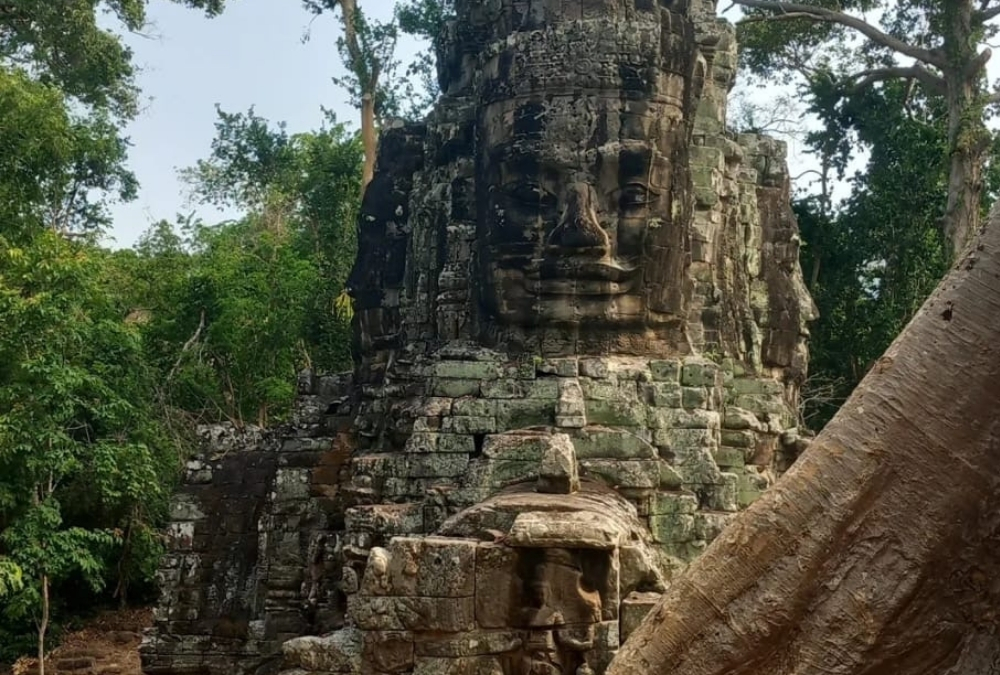
Just north of Angkor Wat lies Angkor Thom, the last capital city of the Khmer Empire. At its heart sits Bayon Temple, known for more than 200 serene stone faces carved into massive towers. Exploring Bayon’s labyrinthine corridors feels like walking through a forgotten world.
Here you might also see some monkeys hanging about, but be warned, they aren’t the friendliest bunch, and even despite following the advice of not looking them in the eyes ( a treat in monkey language), one young monkey did still feel threatened by me getting too close for photos, and jumped at me, but after a little soothing, he calmed down and became my personal mascot through the temple grounds.
3. Ta Prohm – The “Tomb Raider” Temple
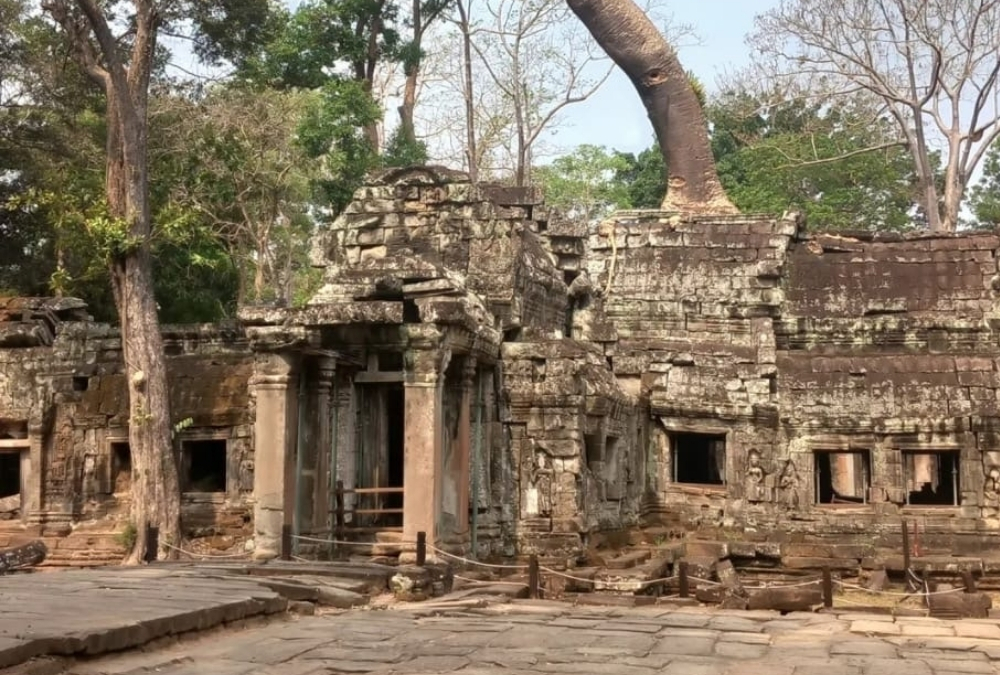
If you’ve seen the Tomb Raider film or the photos of massive trees overtaking ancient temple walls, then you’re already familiar with Ta Prohm.
Enormous tree roots spider over the crumbling buildings to create a mystical, almost magic-realism atmosphere that’s unlike any other site in Angkor, or even the world.
4. Banteay Srei and Other Outlying Temples
Some tours (especially multi-day options) include more distant sites, such as Banteay Srei, famous for its intricate pink stone carvings, and smaller sanctuaries that offer deeper insight into Khmer art and spirituality, unfortuantely I was pressed for time and didn’t get my chance to go here.
How Much Does It Cost To Visit Angkor Wat
To enter the Angkor Archaeological Park, you’ll need an official ticket called an Angkor Pass:
- 1-day pass: about $37 USD
- 3-day pass: about $62 USD
- 7-day pass: about $72 USD
These prices are set by the Cambodian government and give you access to all major temples within the park. Tickets are sold at the official ticket centre near Siem Reap and require a photo to be taken onsite.
Tour prices vary depending on how you choose to explore. Guided tours with transportation may cost $15–$50+ per person, depending on inclusions such as meals, guides, and the number of temples visited.
Tuk-tuk hire for the day is around $15–$30 and is a popular option for visiting on your own schedule, and taxis or private vehicles may be pricier but more comfortable, especially in hot weather.
Budget travellers often opt for a 3-day pass to explore the major sites without rushing, while history and photography enthusiasts might extend their visits even longer.
If, like me, you just want your stereotypical photos and just to say you were there, a one-day Tuk Tuk guide is probably your best option.
Best Time to Visit Angkor Wat
Dry Season (November–April)
Widely considered the best time of year, December through February brings cooler, drier weather and is ideal for exploring the dusty stone temples with fewer interruptions from rain.
Wet Season (May–October)
During the wet season, rain showers are more frequent, but the park becomes lush and green and sees fewer tourists overall. If you don’t mind midday storms, visiting during these months means quieter temples and often better photography opportunities between rains.
Best Time of Day
While the sunrise offers magical views, this time is going to be packed with visitors. Early mornings or late afternoons offer ideal light for photography and smaller crowds, while midday is the hottest and busiest time, though crowds can disperse as tour groups take breaks.
Tips for Your Visit
An Angkor Wat tour is a journey through history, culture, and the spirit of Cambodia. Make sure you dress respectfully with shoulders and knees covered at temple sites. Arrive before the gates open for peaceful moments before the crowds.
The heat can often be unbearable, so carry as much water as you can and apply sunscreen, as many sites don’t offer much shade as you navigathe to or through them. While independent tours can be cheaper, a guide can bring history to life and help you navigate the vast site.
Lastly, mix major temples with quieter ones as hidden gems like Banteay Srei reward those who linger.
Final Thoughts
An Angkor Wat tour is more than a checklist of temples. It’s a story of human ambition, artistic expression, spiritual evolution, and the enduring mystery of ancient civilisations. Whether you spend one day or one week wandering these stone corridors, every step connects you to centuries of history.
From the quiet moments at sunrise to the jungle-tangled ruins of Ta Prohm, Angkor invites you to linger, explore, and reflect. If you’re planning a trip to Southeast Asia, this ancient city should be at the top of your itinerary – not just for its sheer beauty, but for the depth of experience it offers every traveller.