
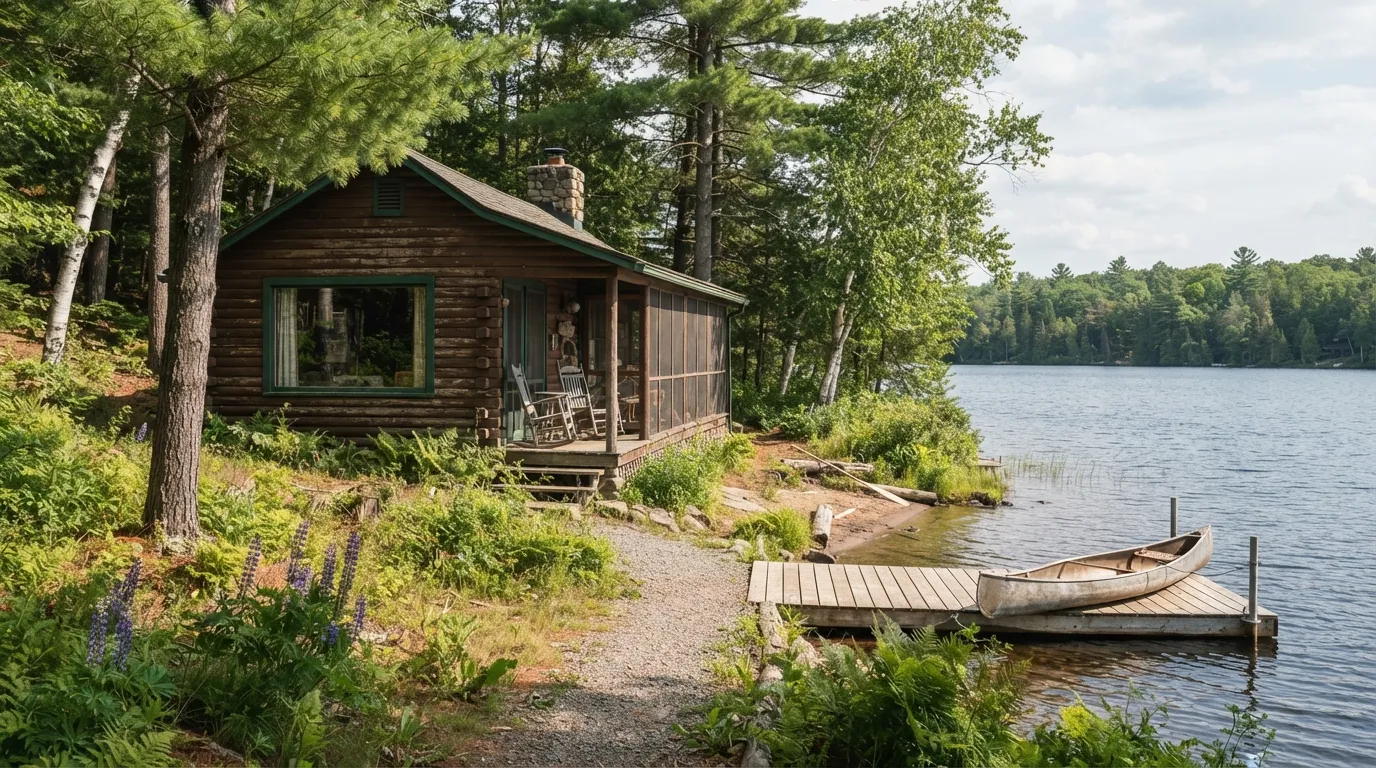
Most people assume the family lake cabin died because nobody wanted the “hassle” anymore. That’s not quite what happened. Families still ache for the dock, the bonfire, the screen door slam – but underneath all that nostalgia, property taxes, sprawling cousin lists, and mega-mansions crawling down the shoreline were quietly doing the real damage.
Most families didn’t notice until the cabin was already gone. Here’s what actually happened to 23 of these lakeside summers – the handshake deals, the tax bills, the rope swings, and the slow, quiet fades nobody saw coming until it was too late.
#23 – The Bar Tab That Built a 120-Year Family Legacy
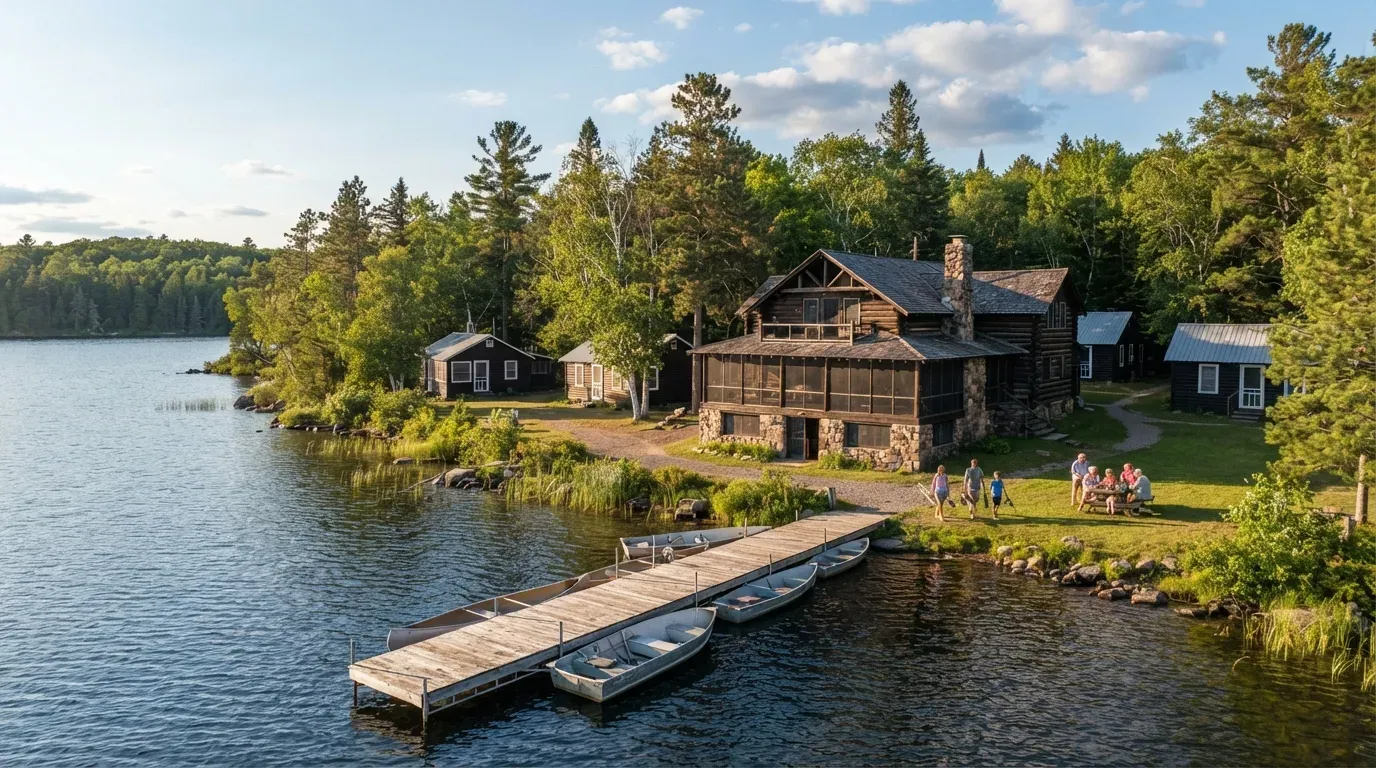
One of the last true five-generation lake resorts in Minnesota started with a debt nobody could pay. Anthony Prohosky, an immigrant from Bohemia, ran a hotel and bar where a man ran up a bill he couldn’t cover. Instead of chasing the cash, Prohosky struck a handshake deal and took the man’s resort on Ten Mile Lake as payment.
That resort is moving into its fifth generation in the same family this year – 120 years, unbroken. No small Minnesota resort has stayed in one family that long, and that kind of run is now the exception, not the rule. Most resorts like it never made it past generation two.
#22 – The Screen Door That Slammed a Thousand Times a Day
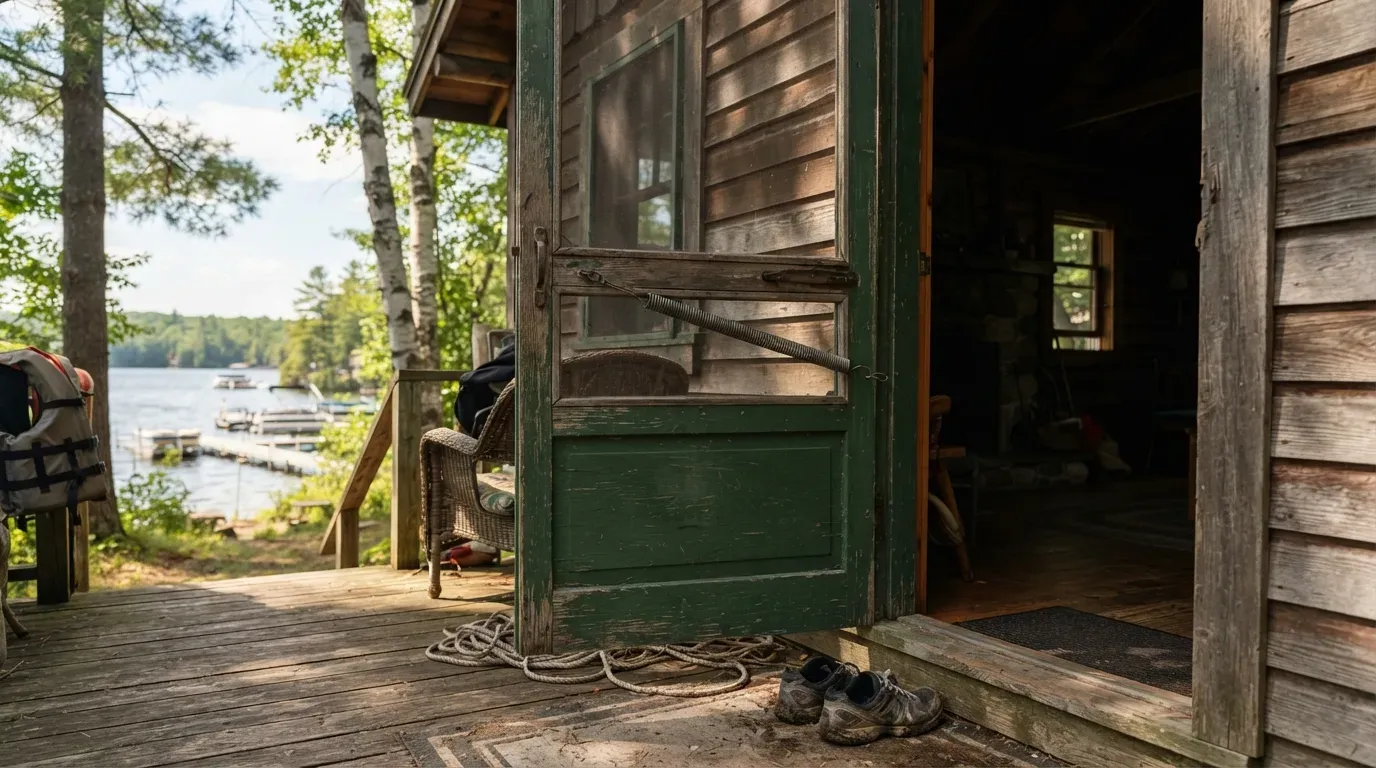
Every cabin had one door that never closed right, and every family had a rule about not letting it slam. Nobody followed it. The sound of that spring-loaded door snapping shut became the unofficial soundtrack of the entire summer, marking every trip to the dock, every popsicle run, every kid chasing a sibling outside.
It sounds like a small thing, but it was one of the last sensory memories an entire generation shared without even trying. Newer lake homes use soft-close doors and central air instead. The screen door, and the racket that came with it, simply isn’t built into modern lake houses anymore.
#21 – The Party Line Phone Everyone Secretly Listened To
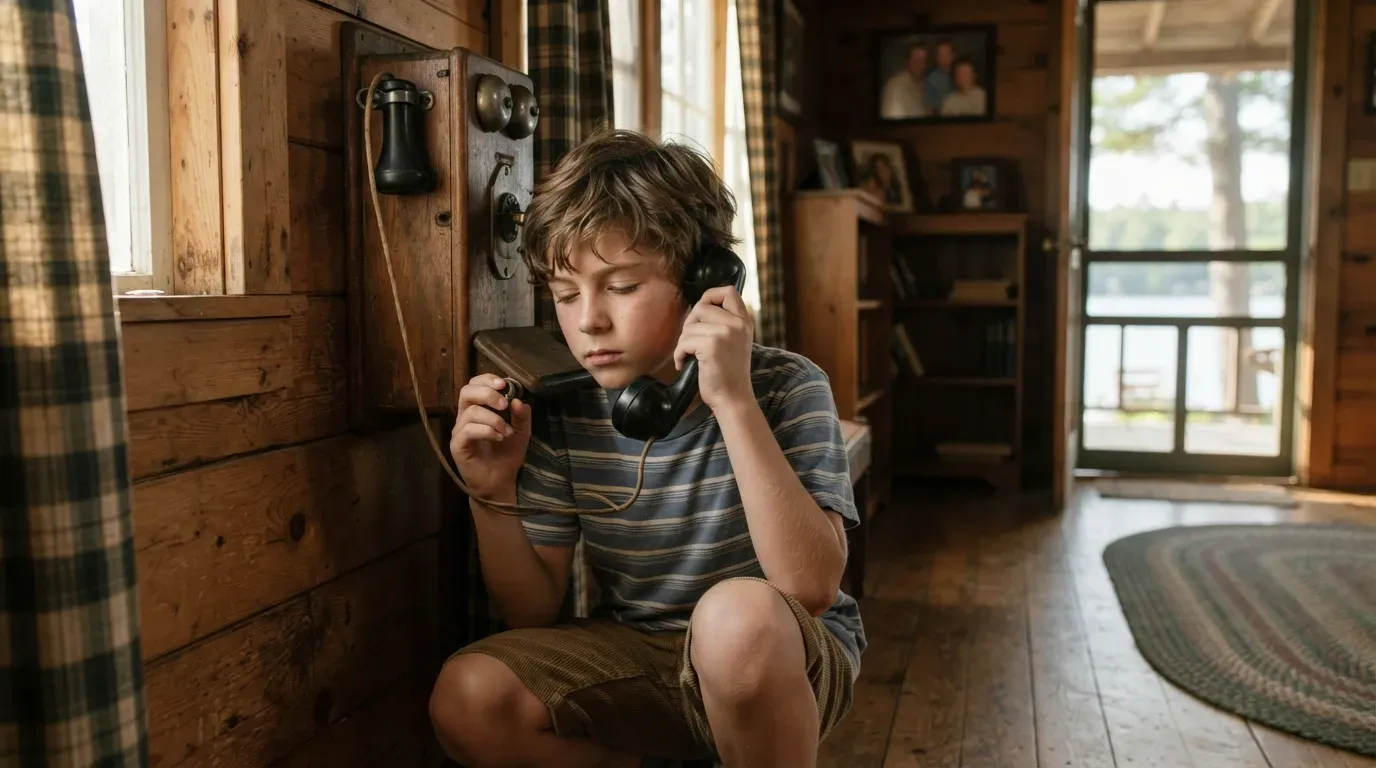
Before cell service reached the woods, many lake communities shared a single party line – one phone connection, several households, and zero real privacy. Kids learned fast that picking up the receiver quietly meant they could listen in on a neighbor’s call without anyone knowing.
It sounds almost unbelievable now, but it forced a level of community closeness that just doesn’t exist anymore. Everyone knew everyone’s business, for better or worse. When private lines and eventually cell towers finally arrived, that forced intimacy disappeared right along with the party line itself.
#20 – Priest Lake’s Leased Lots Turned Into a Bidding War
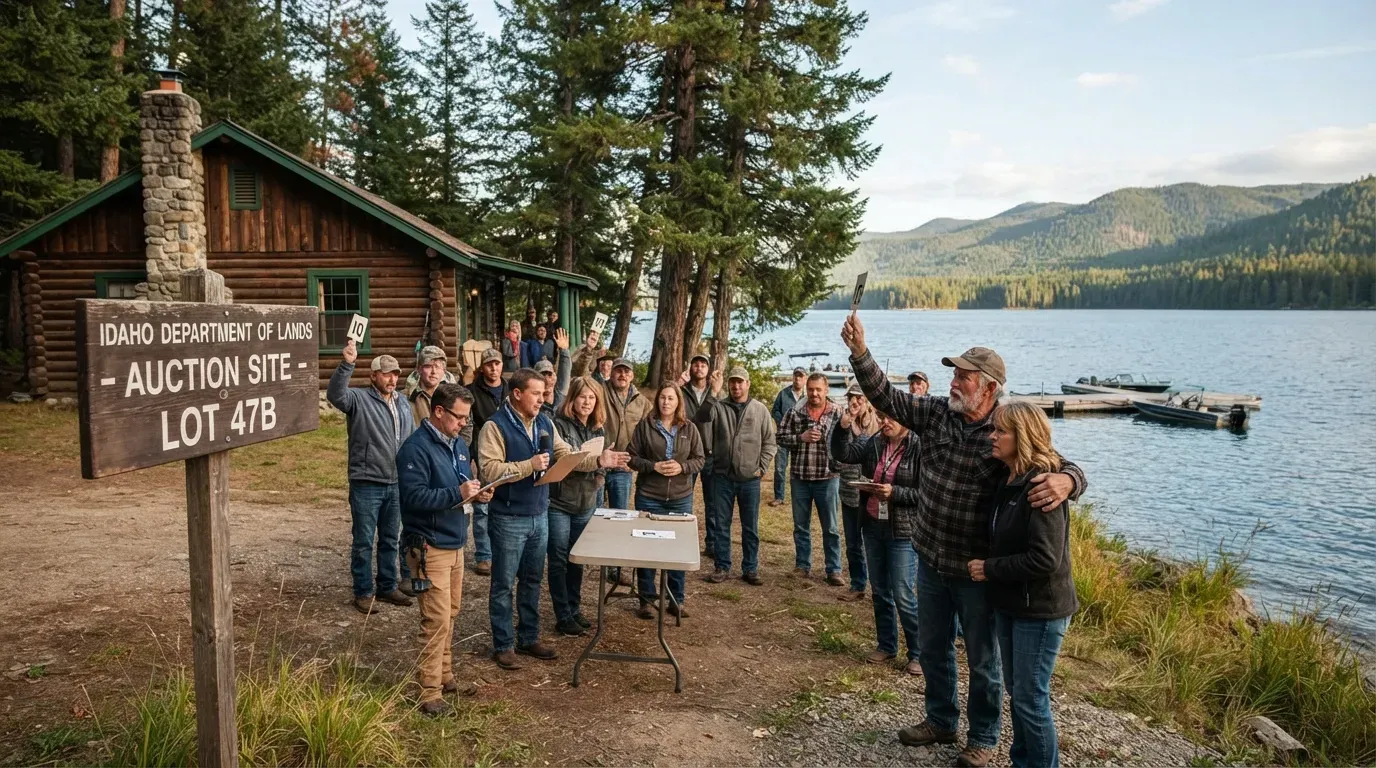
In Idaho, hundreds of families didn’t even own their cabin land – they leased it from the state for decades, assuming it would stay that way forever. Starting in 2010, the Idaho Department of Lands began auctioning large batches of lakefront lots that had previously been leased to families, and there were 354 leased lots at Priest Lake alone.
As lakefront values climbed, so did the lease payments tied to them. Appraisals started escalating rapidly around 2006, and because lease amounts were tied directly to lot values, rising values meant rising leases. Families who’d spent generations at the same cabin suddenly had to outbid strangers just to keep the place they thought was already theirs.
Fast Facts
- Idaho began auctioning leased cabin lots starting in 2010
- 354 leased lots existed at Priest Lake alone
- Appraisals started climbing sharply around 2006
- Lease payments rose in lockstep with rising lot values
#19 – The Property Tax Bill That Became the Real Threat
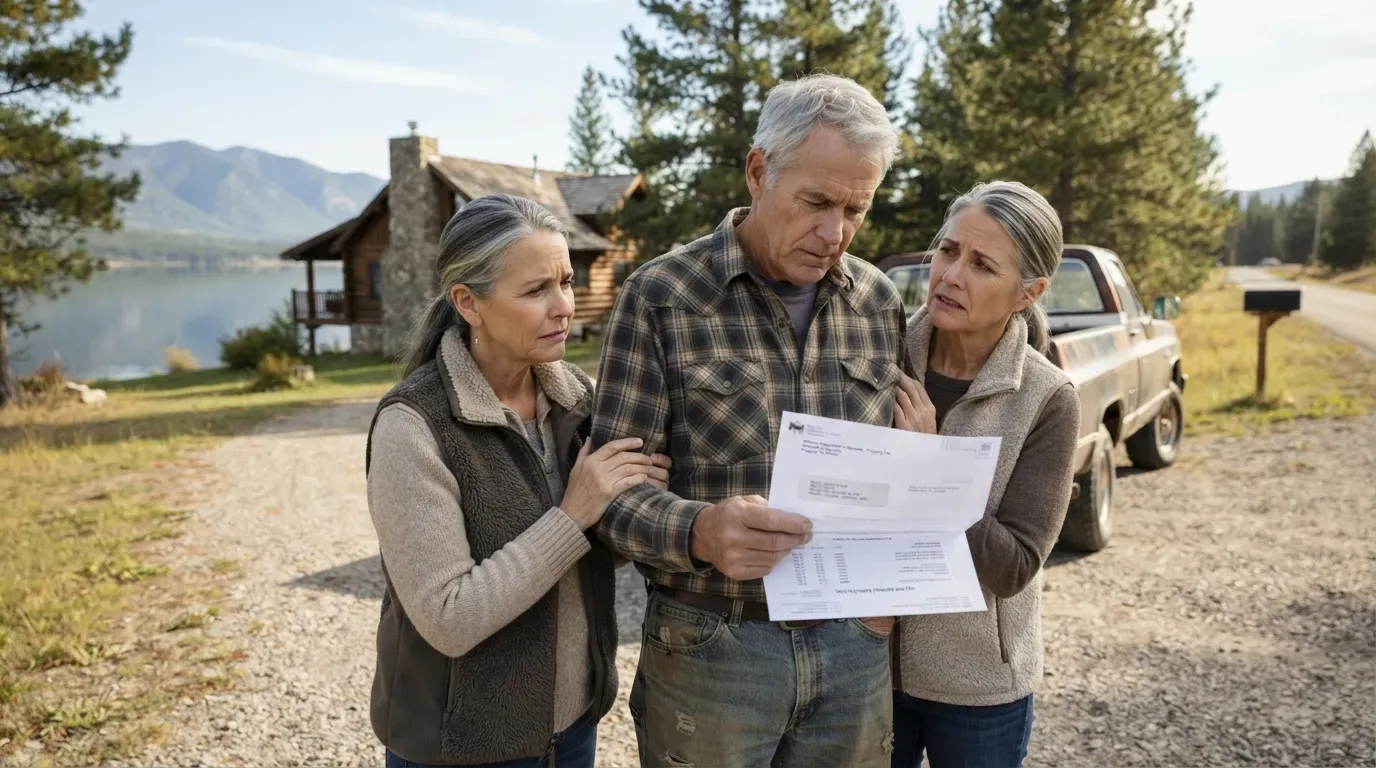
Nothing killed more lake cabin traditions than a piece of paper in the mailbox. In Montana, one couple who built their home decades ago now faces a wrenching choice. The wife says the home they built and lived in for upwards of 20 years holds too much sentimental value to sell, while her husband doesn’t think holding onto it is worth the tax hassle anymore and would rather downsize.
This wasn’t an isolated case. House Bill 231 and Senate Bill 542 rewrote Montana’s property tax code in 2025 to address soaring residential tax bills, lowering rates for primary residences under $2 million and adding a homestead exemption effective in 2026. Even that reform came too late for families who’d already sold.
#18 – Minnesota’s Mom-and-Pop Resorts Dropped Below 700
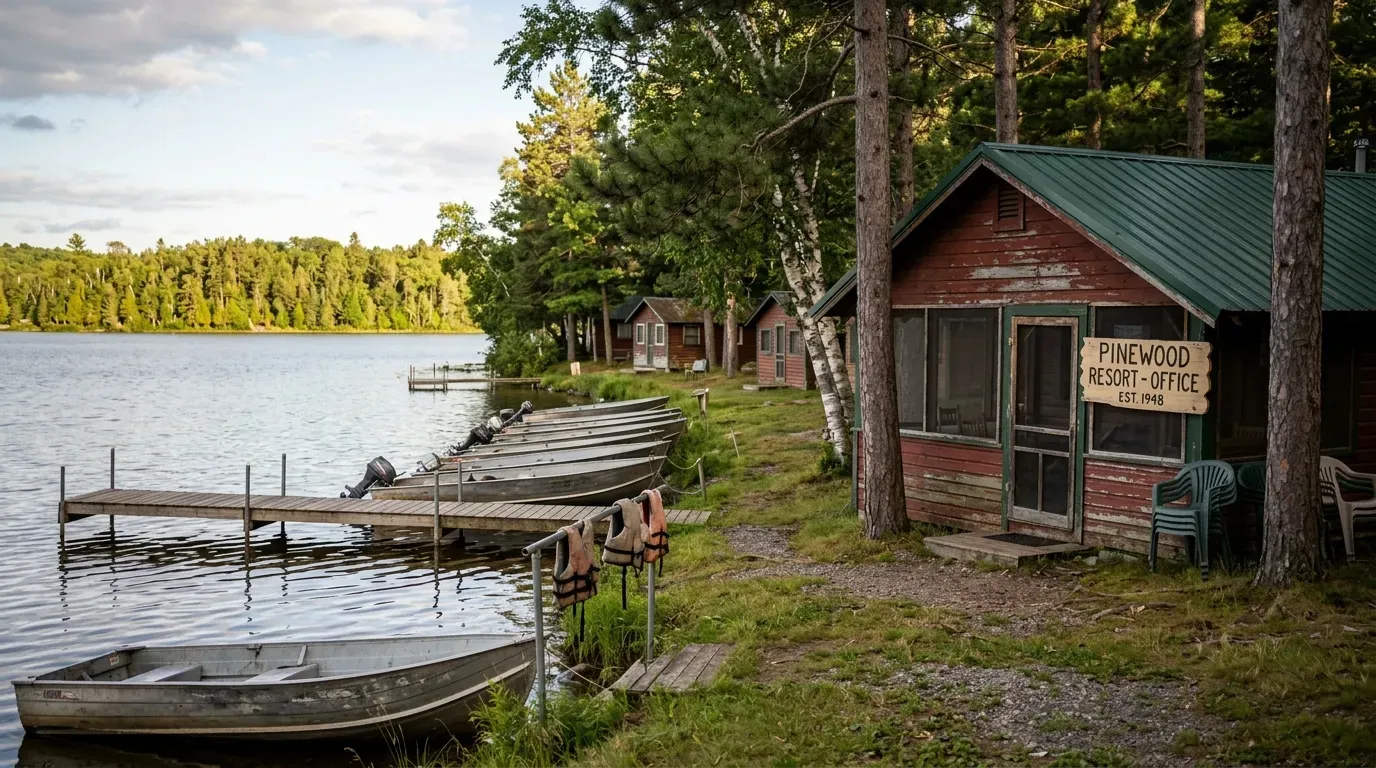
The small, family-run lake resort – the kind with a screen porch dining room and a hand-painted sign out front – is disappearing at a startling rate. Minnesota’s mom-and-pop resorts have become a rare breed, with fewer than 700 left statewide, crowded out by larger, upscale developments.
It wasn’t a lack of demand that did it. The financial reality made less and less sense as profit margins shrank while lakeshore land values and property taxes kept skyrocketing. Families who’d vacationed at the same tiny resort for 30 summers in a row found their favorite spot quietly sold and bulldozed.
#17 – The Third-Generation Cousin Problem Nobody Saw Coming
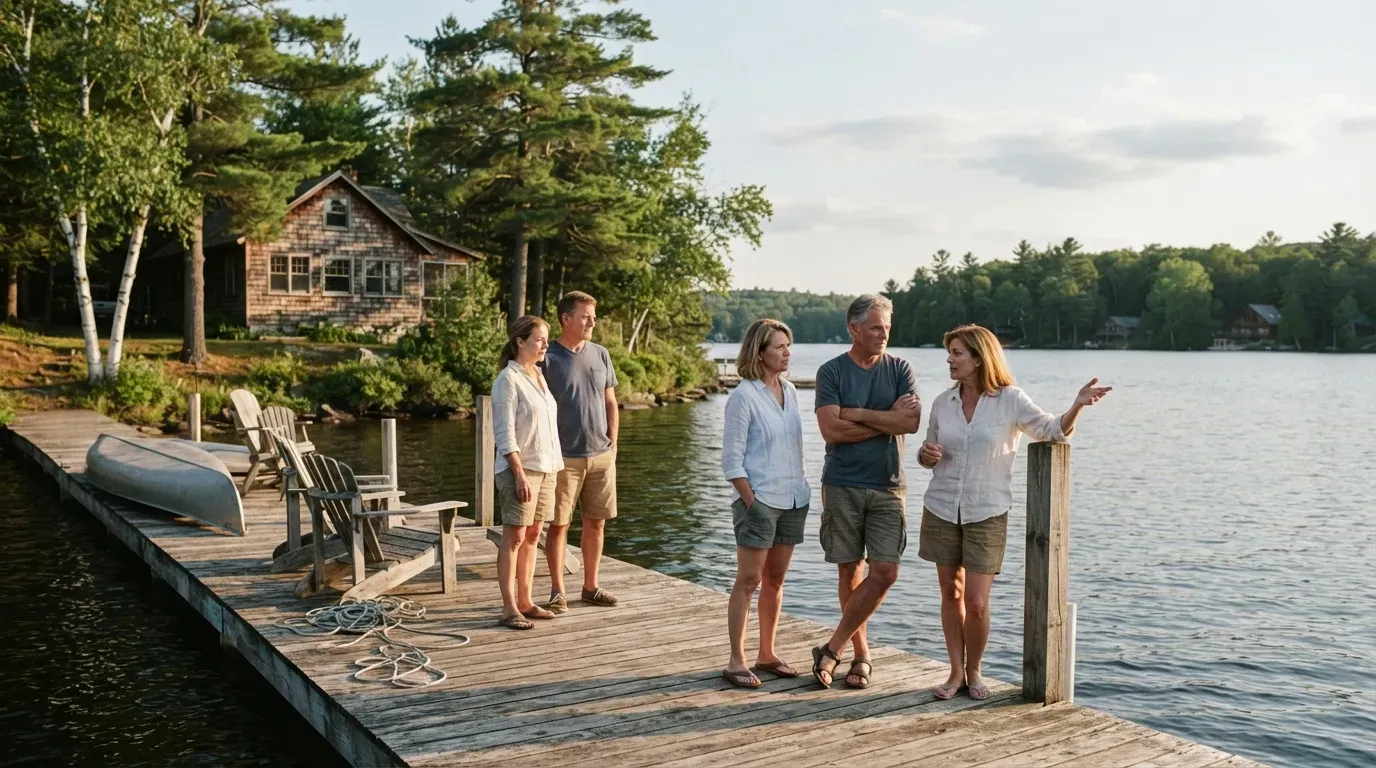
Cabins rarely fall apart in the second generation. It’s the third generation – the cousins – where things go sideways. Second-generation owners usually aren’t the problem, since they grew up as siblings sharing the property, but once there are seven or eight cousins with equal ownership, managing the place gets complicated fast.
One family’s story shows exactly how it plays out. A grandfather built a beach house that passed to his three kids, who passed it on to seven grandkids now in their late 40s to early 60s. Arguments about expenses, repairs, and scheduling finally pushed them to sell it. No villain, no scandal – just too many voices around one dock.
#16 – Families Started Hiring Lawyers Instead of Making Memories
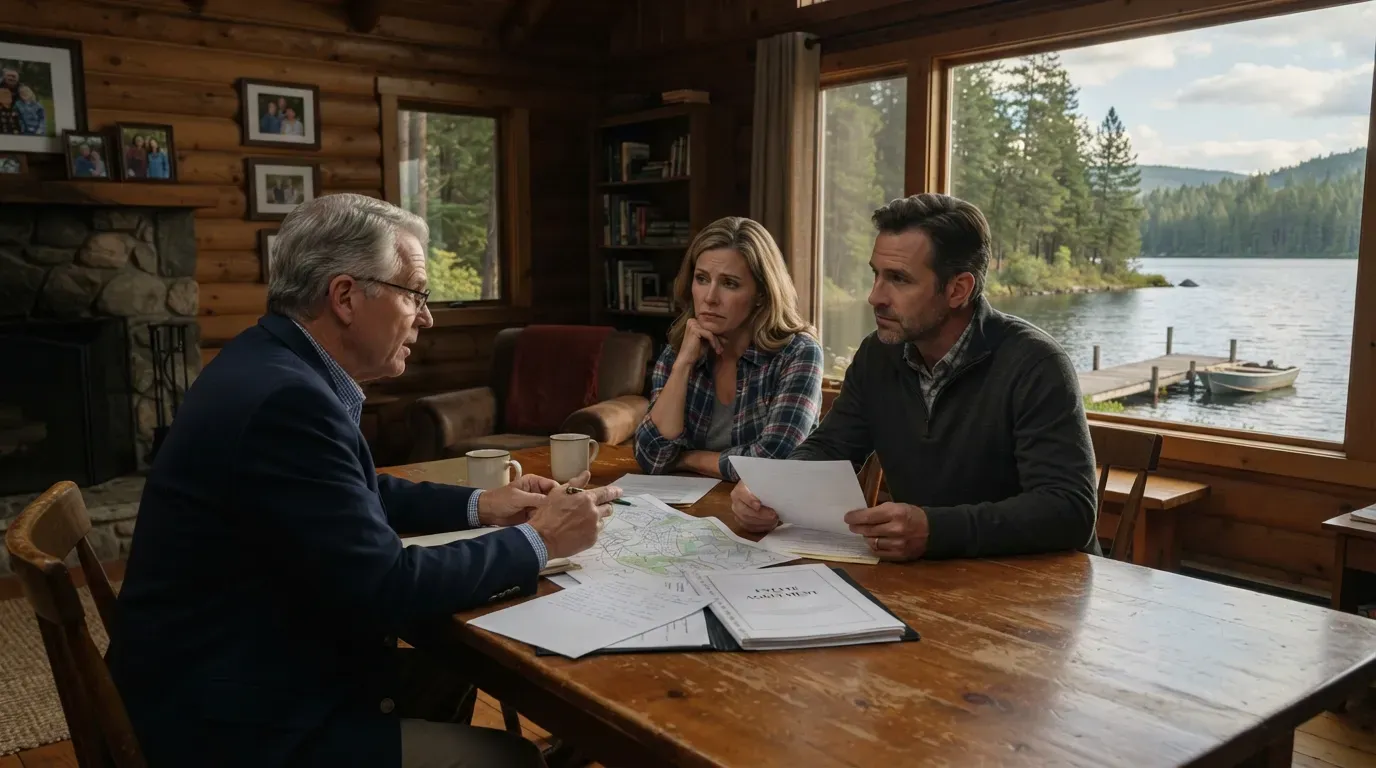
Somewhere along the way, “who gets the cabin in August” turned into a legal question instead of a family one. A real estate broker who’s watched generational cabin arrangements collapse far more often than they’ve worked now recommends treating shared property almost like a business – a legal partnership arrangement drawn up by a real estate lawyer, not a handshake.
One attorney who’s mediated these disputes for decades is blunt about the fix. He recommends passing the property to one individual rather than letting it trickle down to an ever-larger number of heirs. It’s not the romantic version families imagined, but it’s the version that actually keeps the cabin standing.
#15 – The Average Cabin Lasted 34.6 Years in One Family, Then the Math Changed
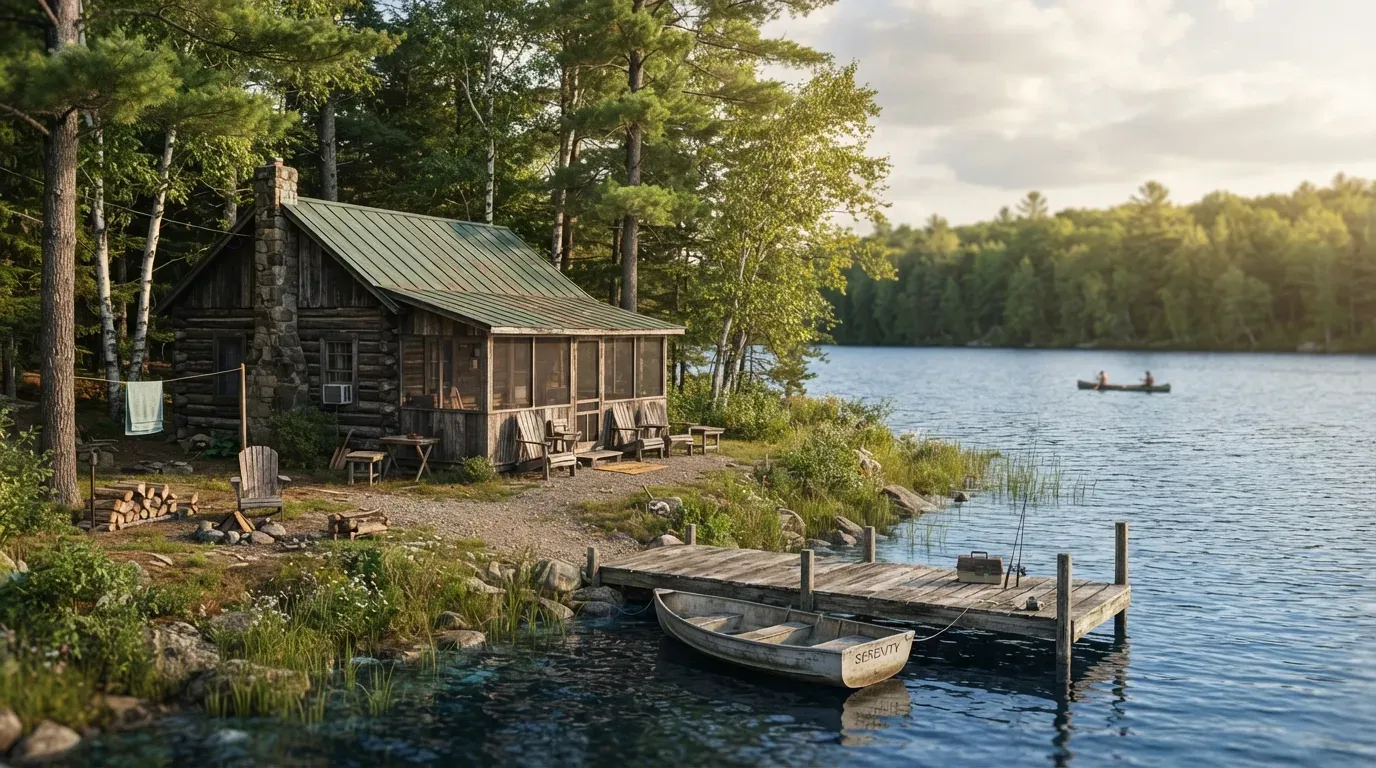
There’s a real number behind the nostalgia, and it’s more fragile than most people think. The average length of seasonal property ownership sits at 34.6 years, with the longest recorded ownership of a single cabin or lake property in one family at 104 years – and the shortest at just two.
The reason so many families are cutting that streak short isn’t sentiment – it’s affordability. Eleven percent of property owners say they’re considering selling within the next three years because it’s no longer affordable, citing upkeep, taxes, and maintenance. These places were built to be heirlooms, not investments – but the bills never knew the difference.
At a Glance
- Average family ownership span: 34.6 years
- Longest recorded ownership: 104 years
- Shortest recorded ownership: just 2 years
- 11% of owners plan to sell within the next 3 years
#14 – Mega-Mansions Replaced the “Postage-Stamp” Cabins on the Shoreline
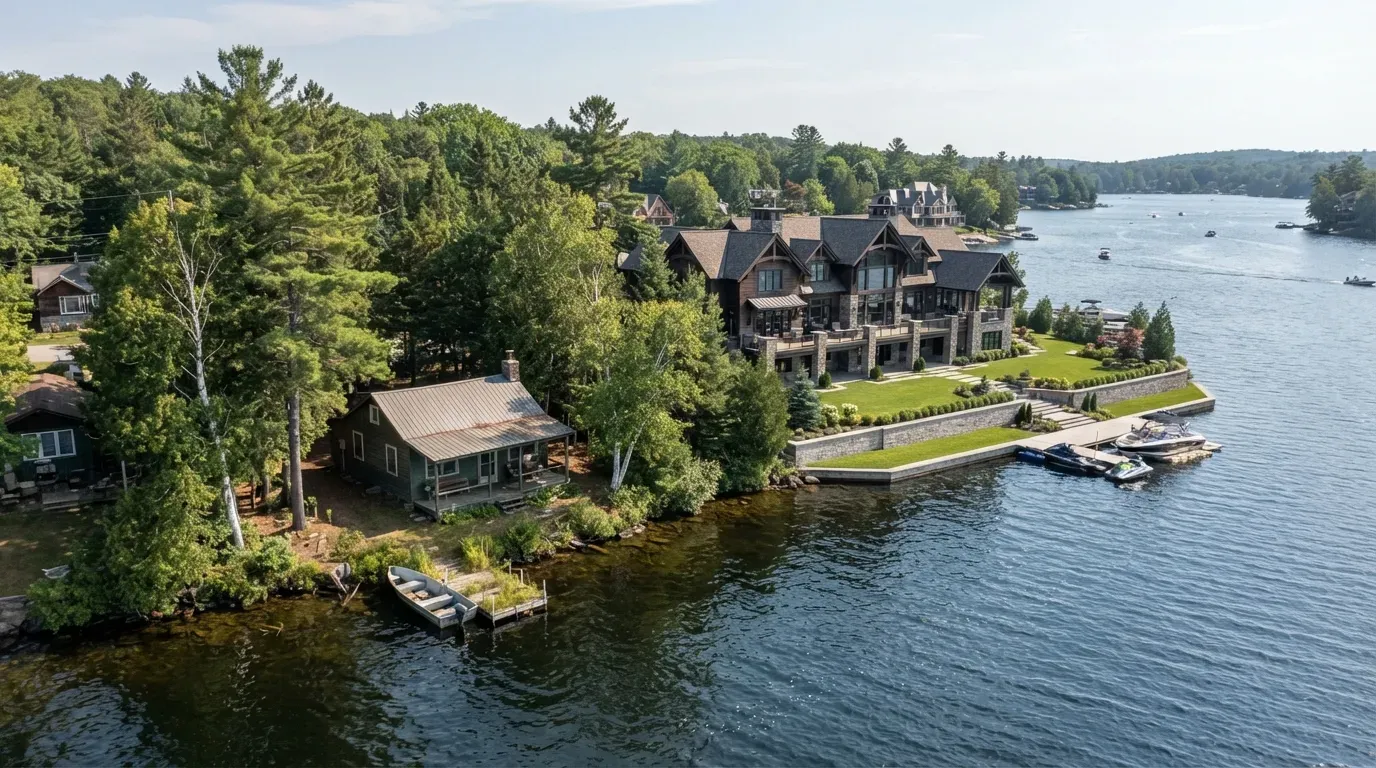
Drive around almost any popular lake today and the skyline tells the whole story. As old cabins get sold, they get torn down, and huge waterfront estates rise in their place. Property prices climb with them, and families who’ve owned lake places for generations get quietly priced out.
The shift hasn’t sat well with longtime cabin owners. One retired small-cabin owner called the mega-homes going up on tiny lots “the most wasteful, poorly planned, arrogance-inspired buildings ever.” Whether or not that’s fair, it’s a take plenty of longtime lake families quietly agree with.
#13 – The General Store’s Penny Candy Counter
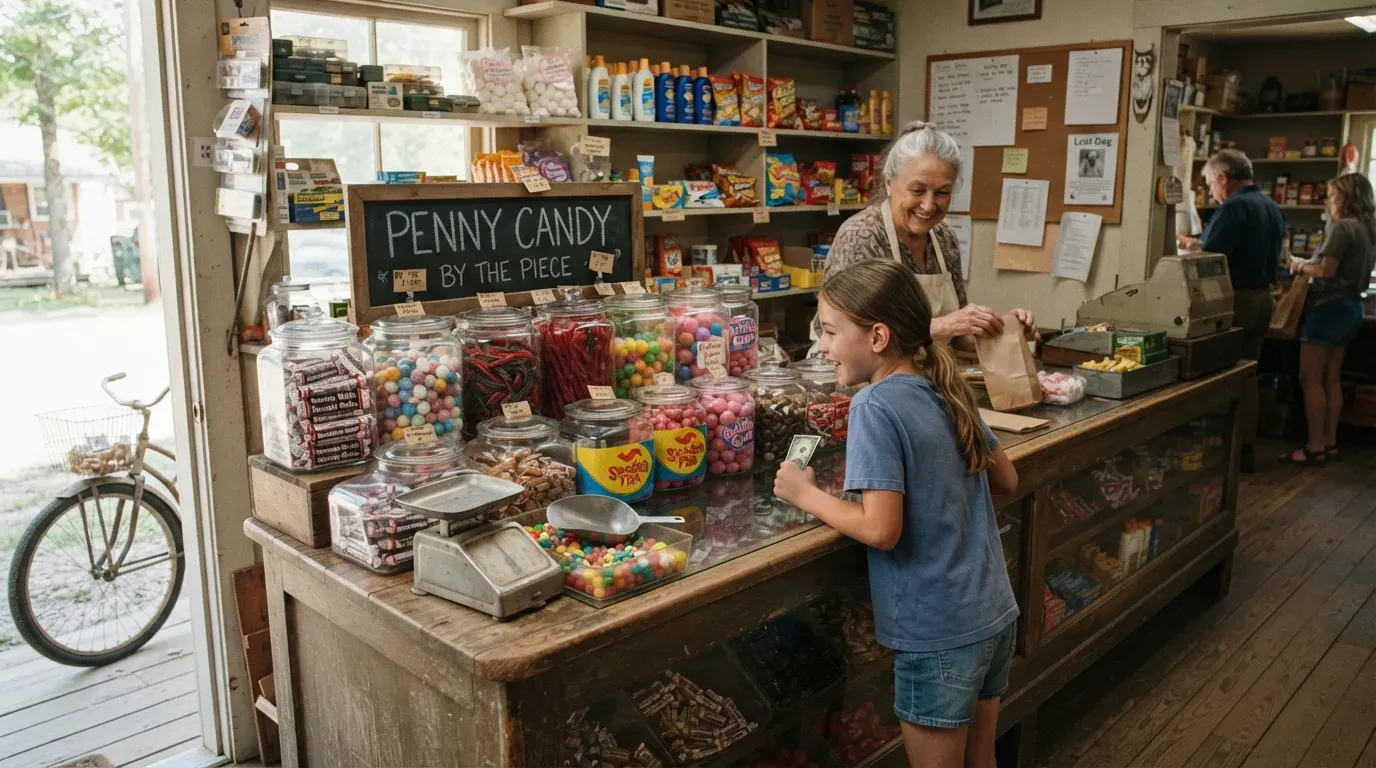
Every lake town had one general store where kids rode their bikes in with a sweaty dollar bill clenched in their fist. It sold worms, sunscreen, marshmallows, and candy by the piece, and the owner usually knew every kid’s name and exactly how much credit their family was good for.
That store was where news traveled, where lost dogs got posted, and where teenagers had their first real taste of independence. Chain gas stations and grocery delivery apps have replaced most of them. The few still standing get treated less like businesses now and more like small local museums.
#12 – The Dock Was the Real Living Room
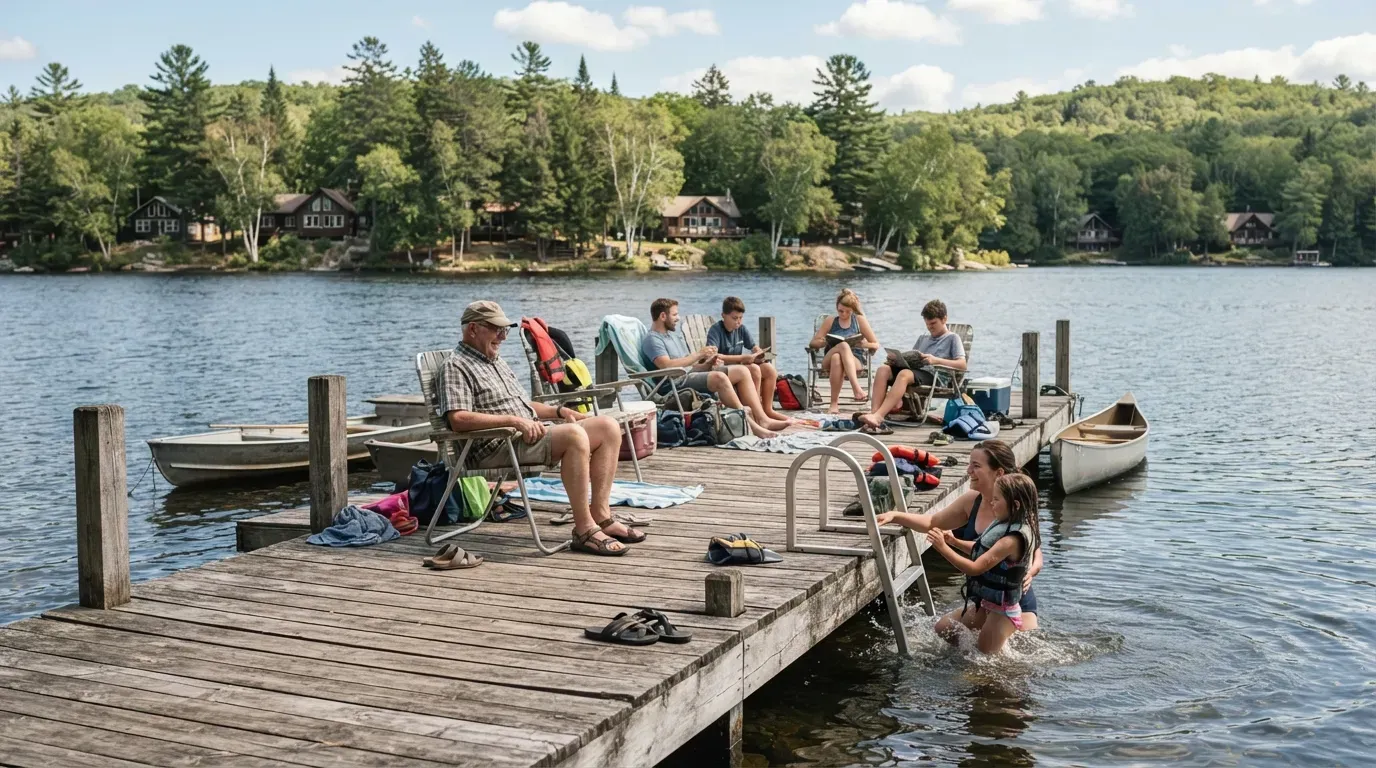
Nobody hung out inside the cabin if they could help it. The dock was where breakfast turned into lunch, where grandparents watched grandkids learn to swim, and where entire summers got narrated one lawn chair at a time.
It wasn’t glamorous – usually just warped wood and a few nails everyone knew to step around. But it did more social work than any living room ever could. Modern lake homes with wraparound decks and outdoor kitchens have quietly pulled that gathering spot away from the actual water’s edge.
#11 – The Bonfire Ghost Story No Screen Could Replace
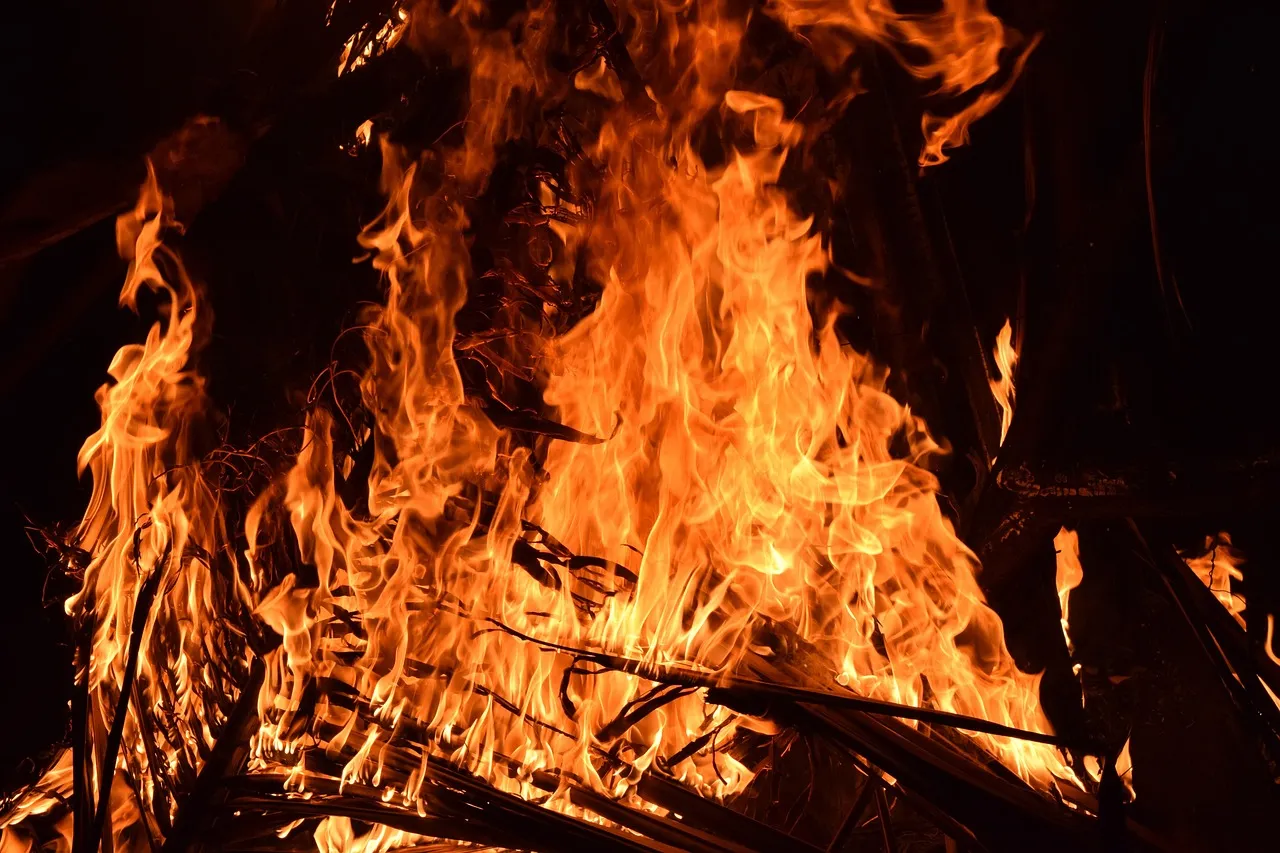
Every cabin family had one designated storyteller, usually an uncle, who told the same terrifying lake legend every single summer. Kids who’d heard it a dozen times still leaned in closer, still flinched at the same line, still refused to walk to the outhouse alone afterward.
That shared fear was actually a bonding ritual disguised as entertainment. It required zero technology and worked on every age group at once, every single time. Tablets and streaming shows are quieter and easier, but they never built the same kind of collective memory a bonfire story did.
#10 – The Water-Ski Show Every Kid Practiced All Summer
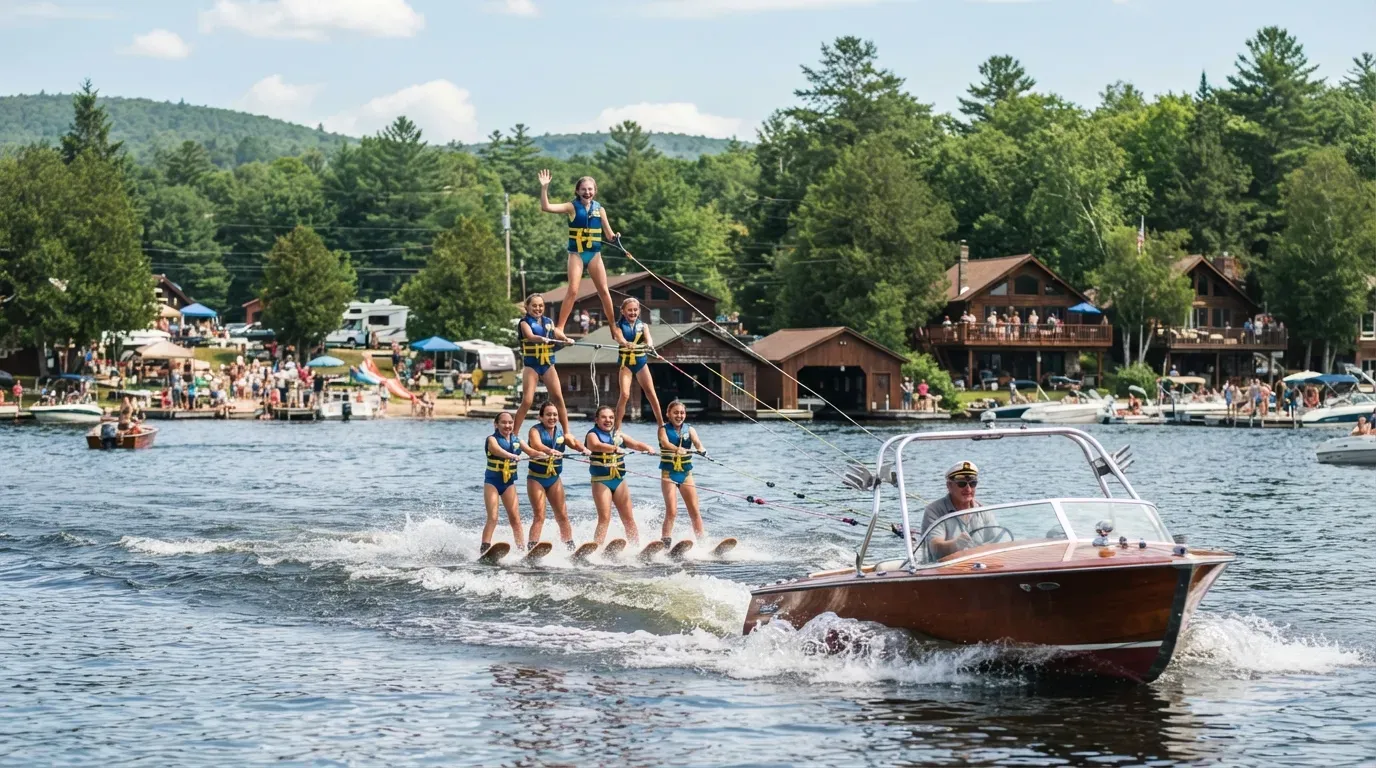
Long before extreme sports had names, lake kids were doing pyramids and barefoot tricks behind a family boat just to impress the neighbors. Some resort towns turned it into an actual tradition, with skills passed down from the same relatives who’d taught them decades earlier.
One lake resort family has kept this alive for three generations. A third-generation family member is now a fixture there, known by name to returning visitors, still driving the waterski boat and teaching the sport to anyone who wants to learn. It’s a small tradition, but one of the few that survived almost untouched.
#9 – No Wi-Fi Wasn’t a Punishment, It Was the Whole Point
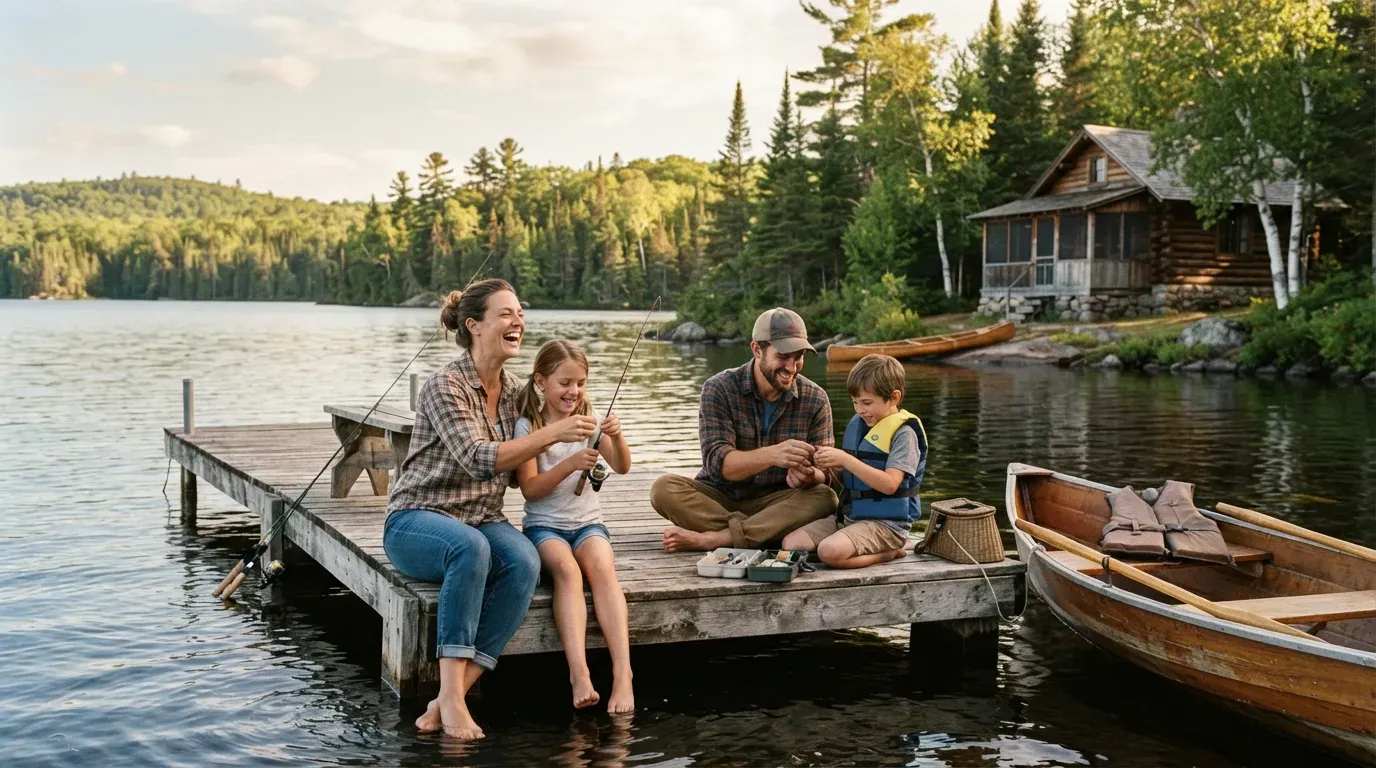
Older generations remember the “no signal” zone at the cabin as a relief, not a restriction. Parents didn’t have to fight kids over screen time because there simply wasn’t a screen to fight over – the lake itself was the entertainment.
That’s a controversial opinion among today’s parents, many of whom now bring satellite internet specifically so the cabin doesn’t feel disconnected. Critics argue this defeats the entire purpose the cabin used to serve. Whether that’s progress or a genuine loss depends entirely on who you ask.
#8 – The Guestbook That Outlived the Cabin
Almost every cabin had a battered guestbook by the door, filled with decades of handwriting from cousins, friends, and one-time renters. It logged fish caught, storms survived, and inside jokes nobody outside the family would ever fully understand.
When cabins eventually got sold or torn down, that guestbook was often the one item families fought to keep. It wasn’t worth anything financially. It was, in a lot of cases, the only physical proof an entire childhood actually happened there.
#7 – Winter Never Really Ended the Cabin Season
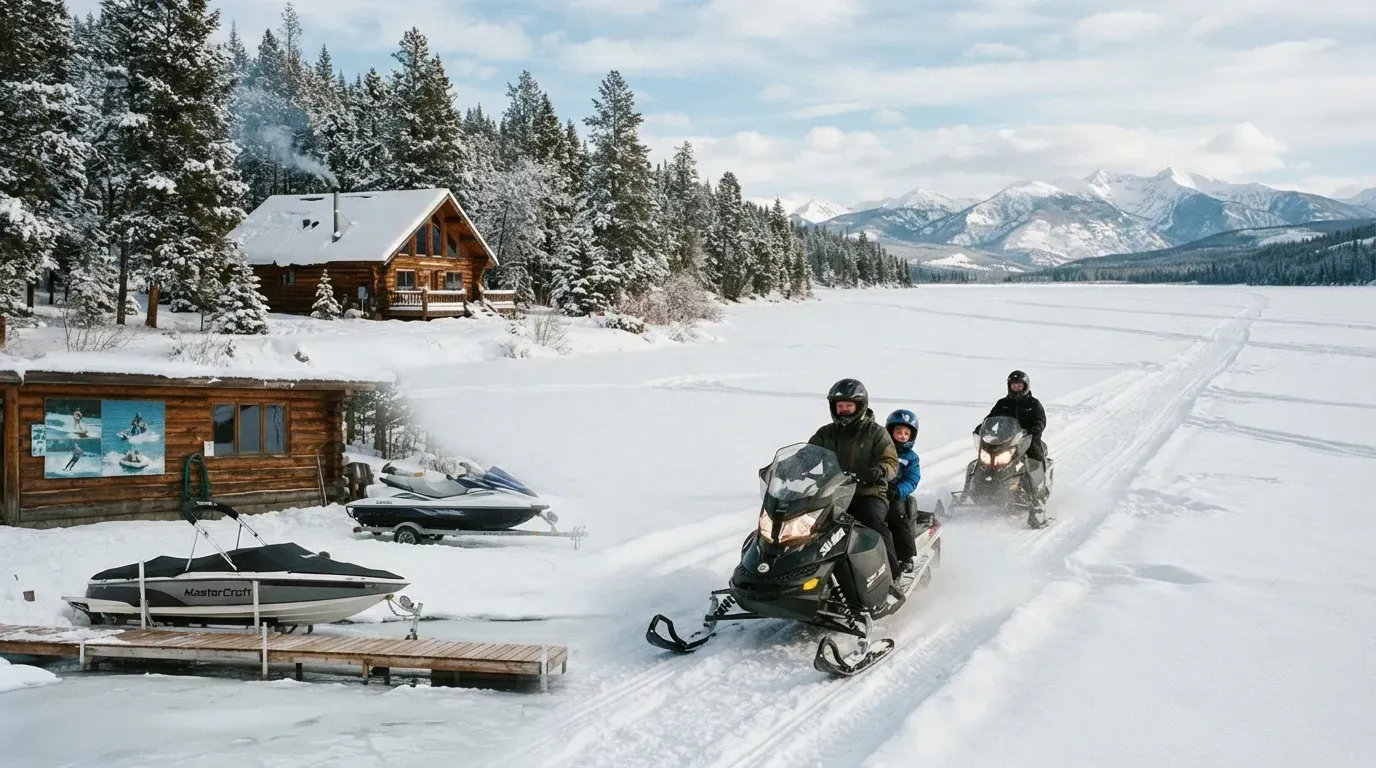
For a lot of families, the lake cabin wasn’t just a summer thing – it bled straight into winter too. One family’s tradition shows how deep that ran. Every winter they’d travel hundreds of miles on snowmobile trails from the cabin, capping the season with one big trip to West Yellowstone for a major snowmobiling adventure.
That same family’s summers were just as structured, filled with water-skiing, wakeboarding, tubing, kneeboarding, and riding personal watercraft from dawn to dusk. Losing the cabin didn’t just end one season of memories for a family like this – it ended two.
Quick Compare
- Winter: hundreds of miles of snowmobile trails, capped by a West Yellowstone trip
- Summer: water-skiing, wakeboarding, tubing, kneeboarding, and personal watercraft from dawn to dusk
#6 – The Rope Swing Every Grandfather Rigged Himself
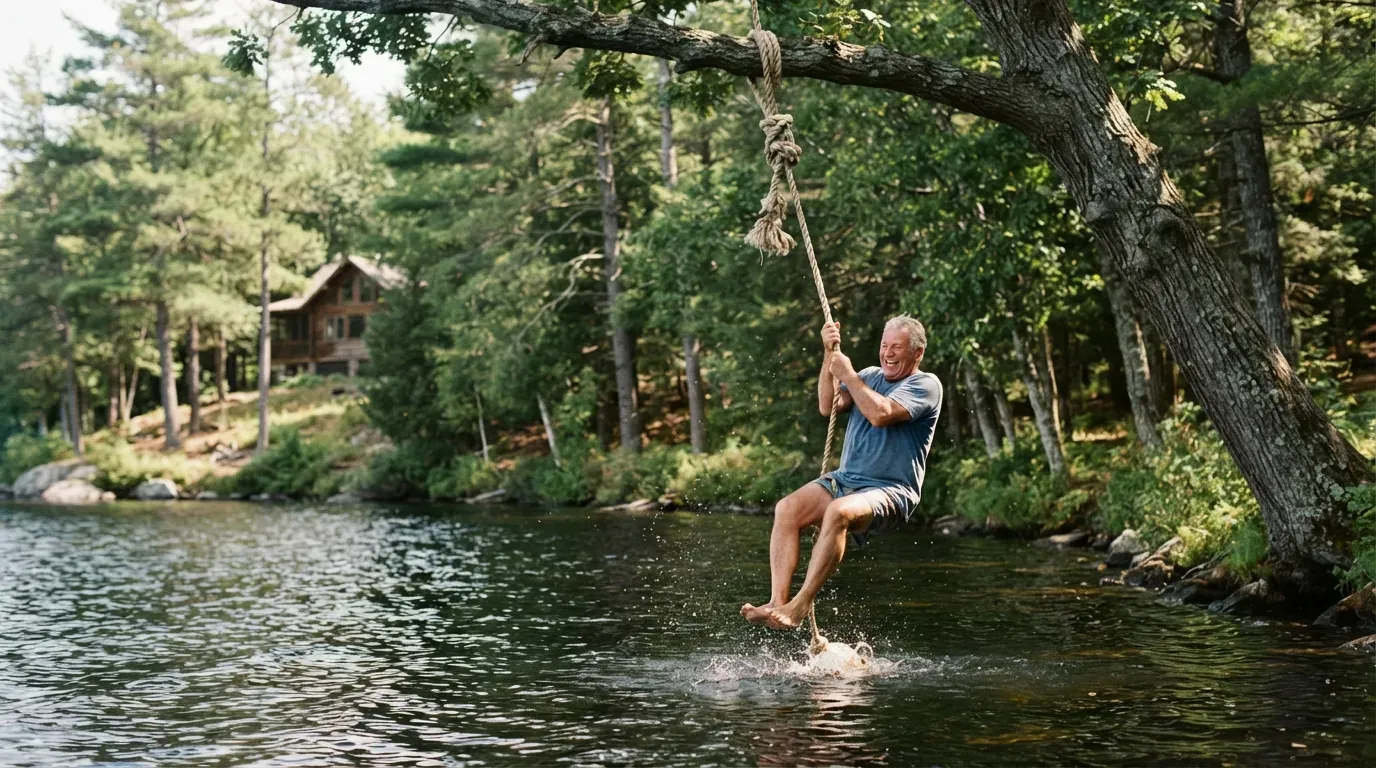
Nobody bought a rope swing. Somebody’s grandfather or uncle climbed the tallest lakeside tree with a coil of rope, tied a knot that definitely wouldn’t pass a modern safety inspection, and let three generations of kids fling themselves into the water off it.
It was almost always slightly dangerous, and that was part of the appeal. Insurance concerns and liability worries at newer developments have made homemade rope swings far rarer than they used to be. Most modern lake resorts install engineered water slides instead – safer, sure, but noticeably less thrilling.
#5 – Selling the Cabin Broke More Families Than It Saved
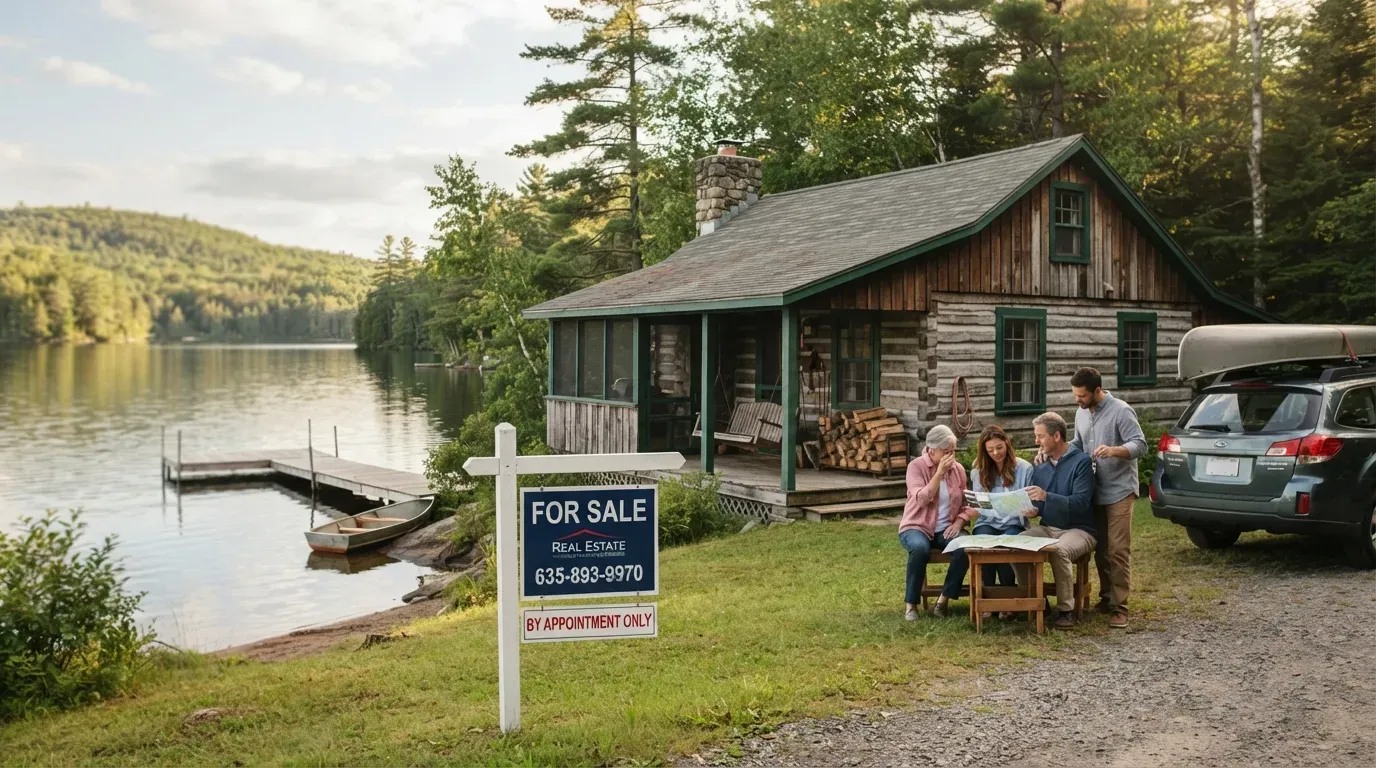
Financial advisors who work with cabin-owning families say the emotional cost of holding on is often worse than the cost of letting go. Passing on the family cabin isn’t always as romantic as it sounds, and sometimes the result isn’t fond memories, but real rifts between siblings and cousins.
Their advice cuts against decades of family tradition. Instead of leaving the cabin as a fixed piece of the legacy, parents can sell it and let the next generation build its own traditions somewhere new. That’s a hard pill for families who assumed the cabin was supposed to last forever.
#4 – The A-Frame That Got Torn Down to Save the Tradition
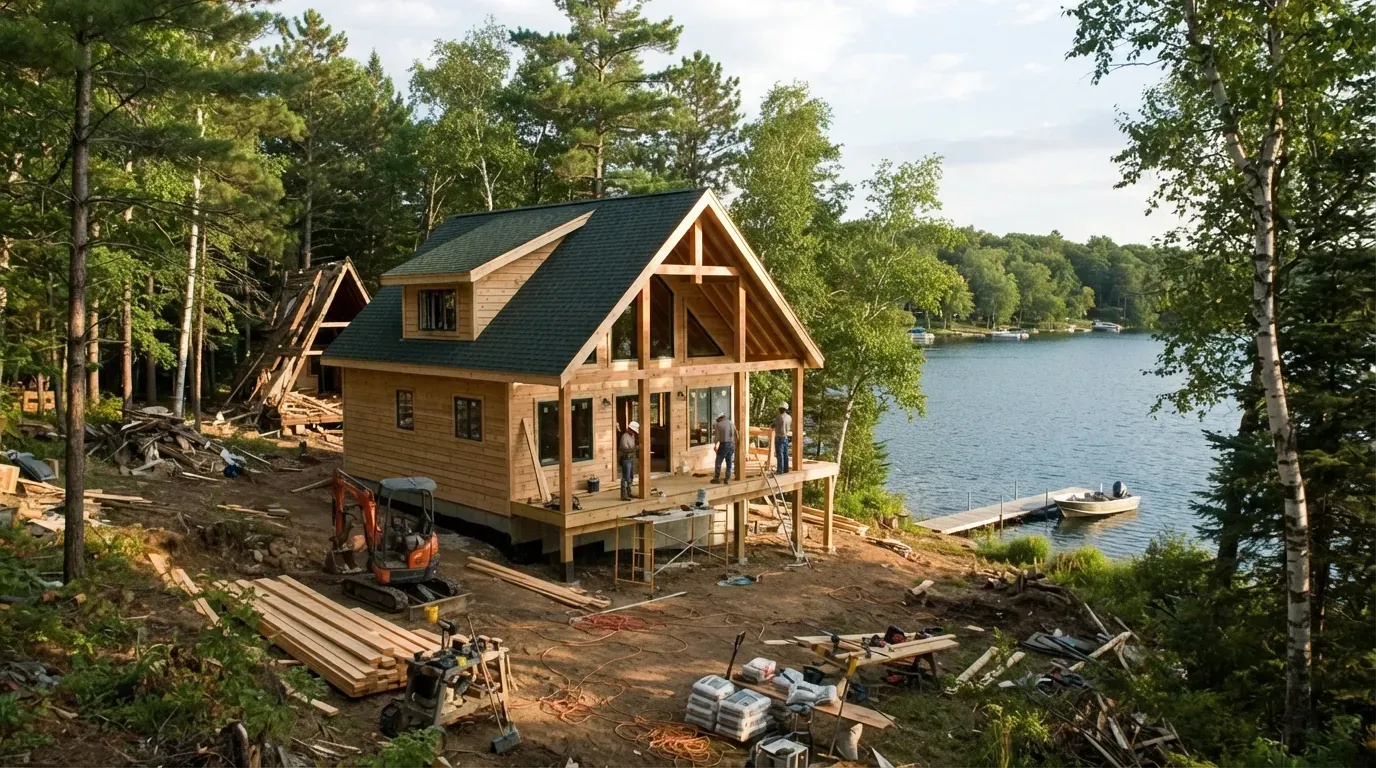
One Minnesota family’s story is almost a case study in how these summers actually fade. The old A-frame simply couldn’t hold the family anymore – it was musty, caving in on one side, and too small for everyone to sleep without a fight. The sons hated sharing a bed and argued about it for years.
Selling was never on the table, though. The lake meant too much, and there were too many memories tied to the parents’ property to let it go. So in 2007 the family tore down the old A-frame and rebuilt from scratch – trading the original structure to keep the tradition alive.
#3 – The Lake Resort That Became a Wedding Venue Instead
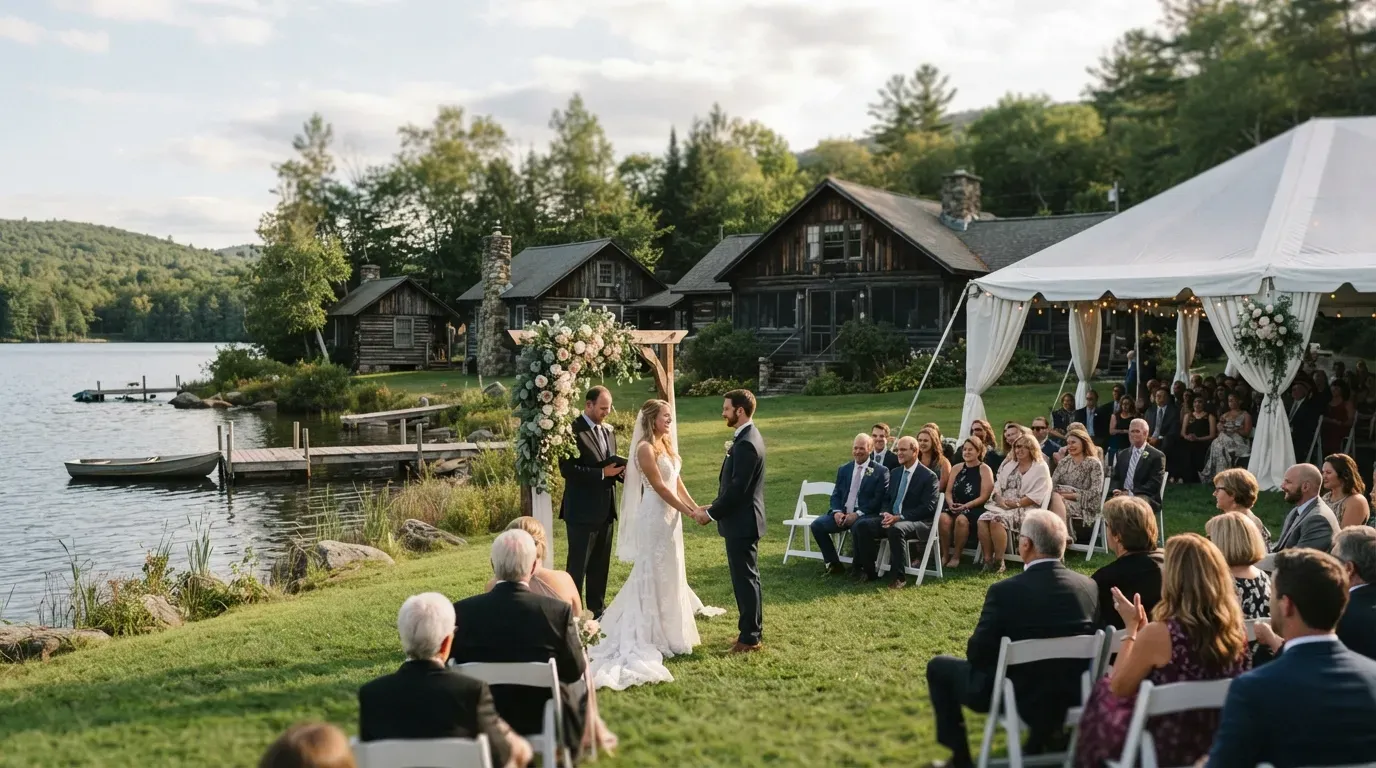
Some family resorts didn’t disappear – they transformed into something the original owners never planned for. One New England lake resort quietly became a full wedding destination almost by accident. A third-generation owner’s daughter decided she wanted to get married there, and although he’d never hosted such an event, he arranged tents and buses and the whole idea took off from there.
Now lakeside weddings happen there every year. Two event tents were built on site, and ceremonies are hosted every spring and fall. The family cabin summer didn’t vanish here – it just evolved into someone else’s biggest day.
#2 – The Summer the Whole Family Quietly Stopped Showing Up
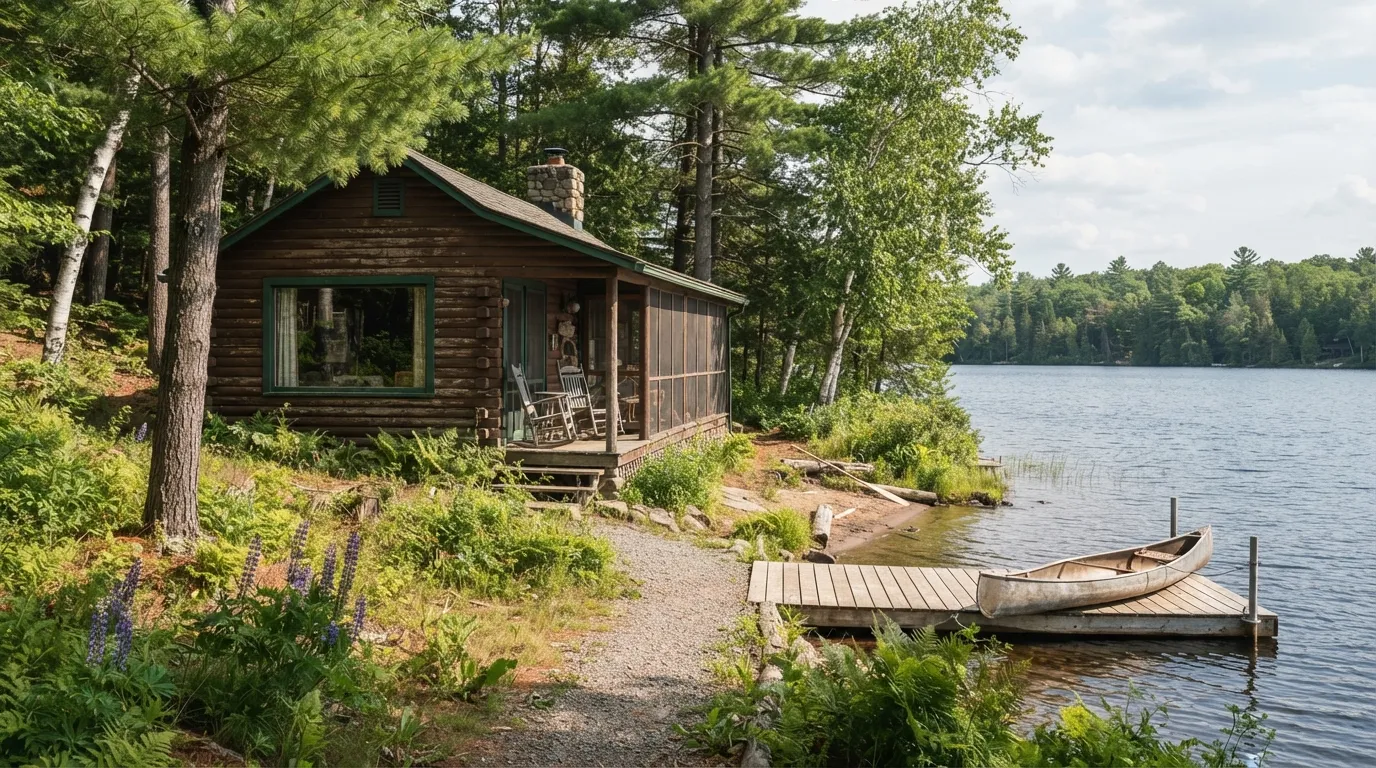
Every family with a lake cabin remembers the exact summer attendance quietly dropped. Kids grew up, got jobs, had kids of their own with competing schedules, and the cabin that once fit fifteen people suddenly sat empty most weekends.
That’s arguably the most painful fade of all – not a sale, not a teardown, just slow absence. Financial planners note this pattern constantly: as more generations are born, the family gets bigger, more disconnected, and pulled toward competing priorities, especially if there are other cabins in the mix. The cabin didn’t fail the family. Life just got more crowded.
Worth Knowing
- Kids grow up, move away, and build their own family schedules
- Each new generation adds more competing weekends and vacations
- Some families end up splitting time between multiple cabins
- Nobody sells the cabin in this scenario – it just slowly empties out
#1 – The Decision Nobody Wanted to Make, But Every Family Eventually Did
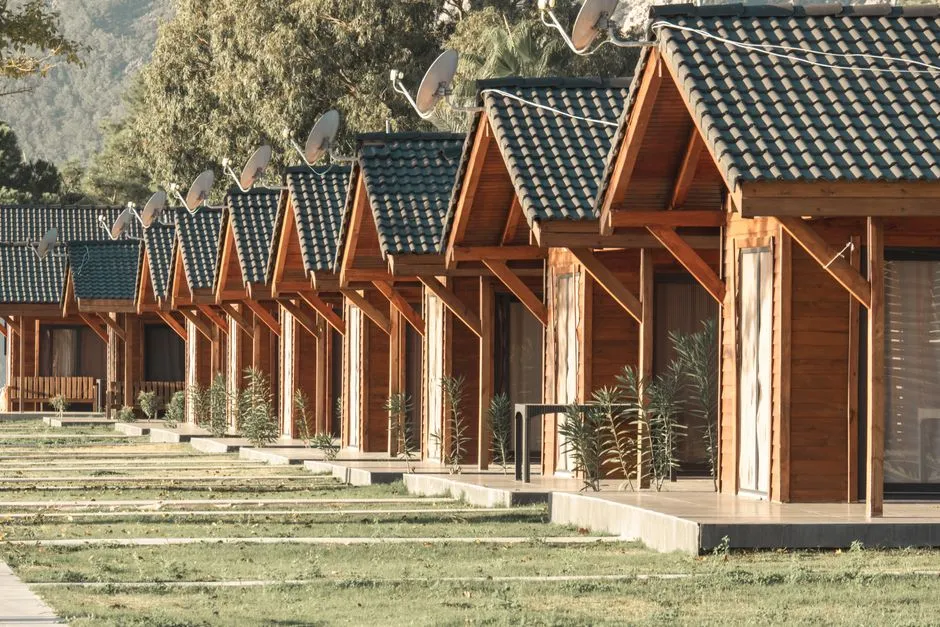
At the end of nearly every cabin story is the same conversation: keep fighting for it, or let it go. One financial planner suggests thinking of the family cabin as a place where memories get made for a defined stretch of time with a particular group of people – and that at some point, it actually makes sense to sell and let those memories live on as a joyful legacy instead of a burden.
It’s a hard idea for families raised to believe the cabin was forever. But selling it often forces the next generation to build their own traditions, which turns out to be a necessary step for any family’s growth. The lake doesn’t need the same four walls to matter – it just needs someone willing to show up again.
Not every cabin summer ended in a sale, a tax bill, or a cousin dispute. Some just quietly became memories, passed down in stories instead of deeds. The lake is still there. So is the urge to gather beside it – even when the cabin itself is gone.