
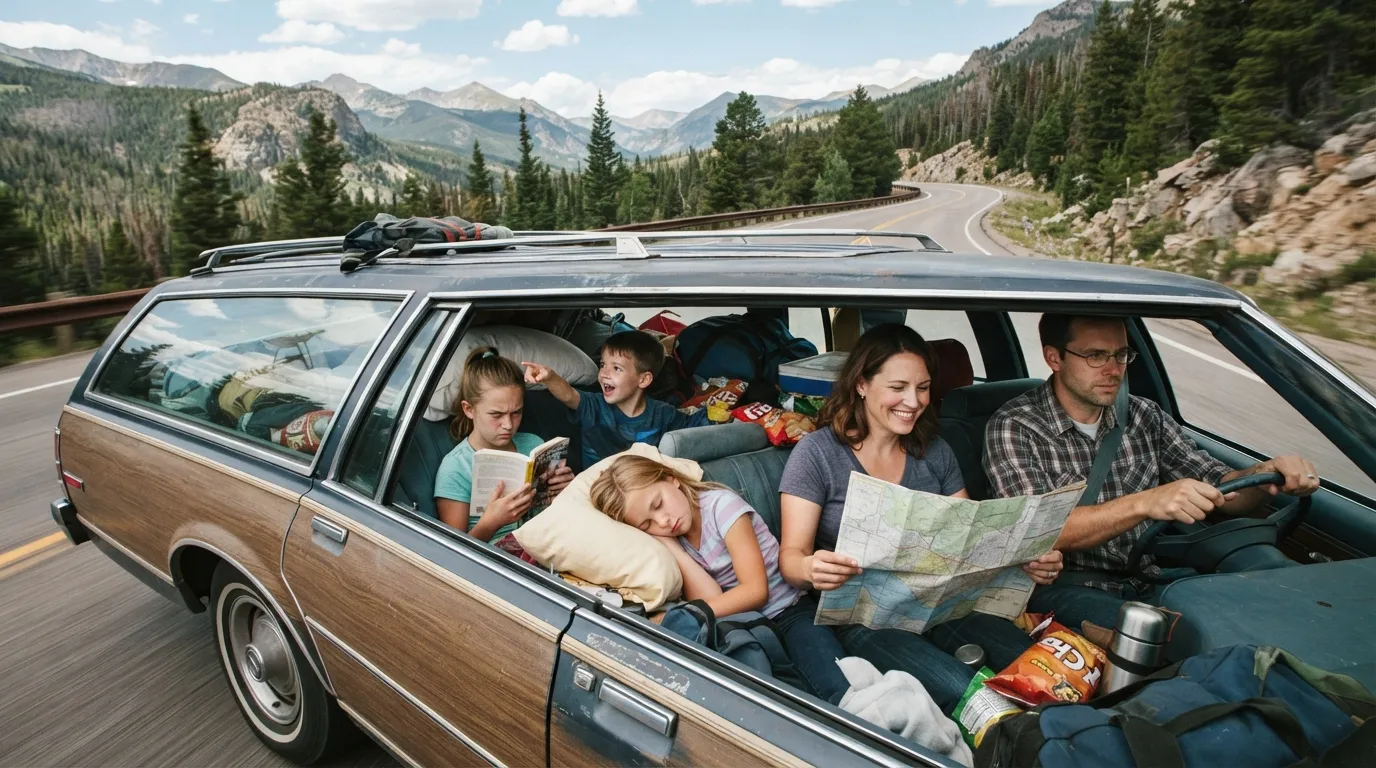
Ask anyone over 40 about family road trips and they won’t mention hotel loyalty apps or a calm GPS voice. They’ll mention punch buggy fights, sunburned shoulders stuck to vinyl seats, and a cooler that somehow, impossibly, lasted four states. These weren’t cute little quirks. They were the actual glue holding the whole vacation together, long before phones started doing the planning for us.
Most people assume road trips have always looked roughly the same, just with better gadgets now. That’s not quite true. Dozens of small, oddly specific rituals used to define the American road trip, and one by one, almost without anyone noticing, they quietly vanished. Here’s what actually changed, and why so many families still ache for it a little.
#21 – The Punch Buggy Feud That Started Every Trip
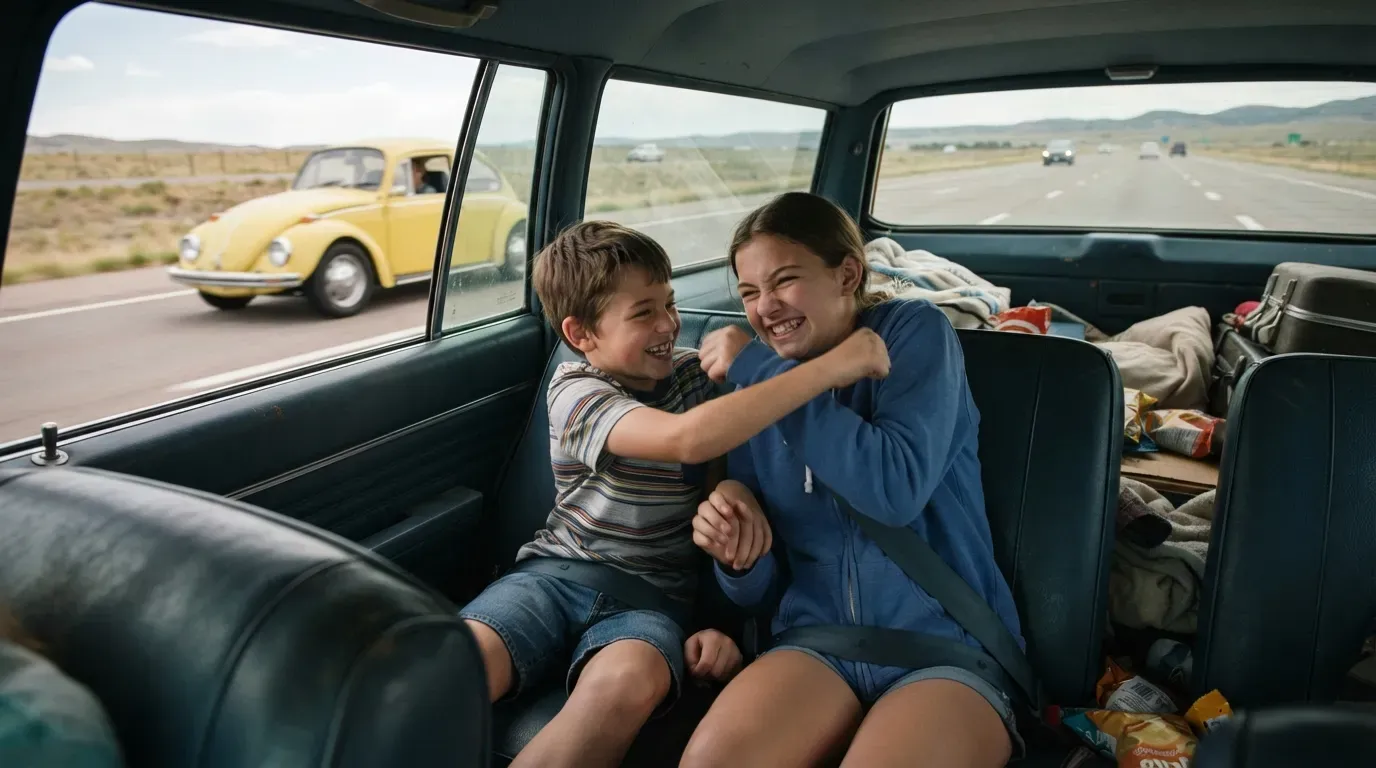
Before anyone even buckled a seatbelt, the real competition had already begun. Spotting a Volkswagen Beetle meant an instant punch to a sibling’s arm, followed by immediate denial that it counted. Families treated this like an unwritten law of the highway, and arguments over “no punch-backs” could drag on longer than the actual rest stop.
The game required nothing but boredom and a working set of eyes, which made it perfect for hours of flat interstate driving. Parents rarely intervened unless someone cried, and even then the ruling was usually “you both lose.” That casual chaos is exactly what’s missing from the next ritual, which involved a much bigger fight over a plastic hotel key.
#20 – The Giant Plastic Motel Key Fob Nobody Could Lose
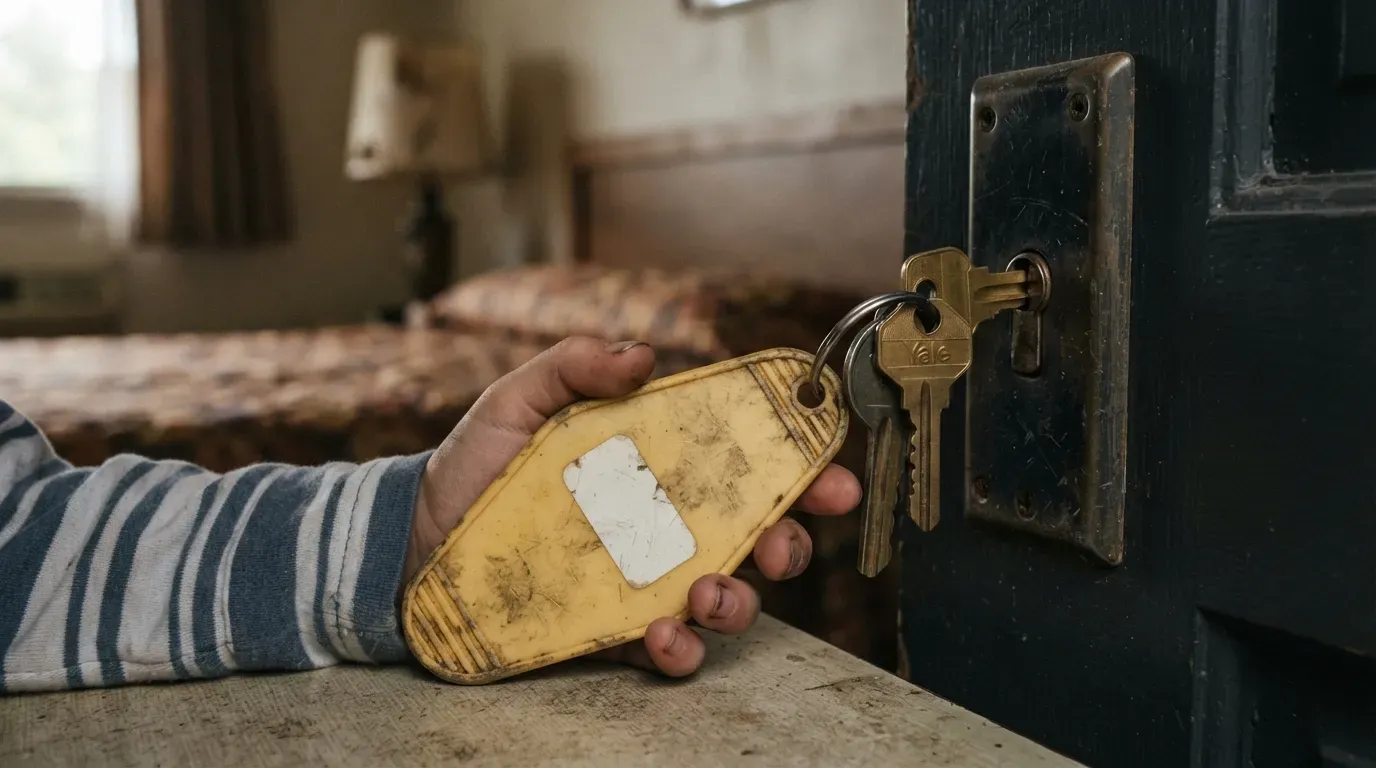
Nobody worried about losing a motel key, because losing it was basically impossible. Rooms came with a real metal key attached to a diamond-shaped plastic fob the size of a paperback book. Kids fought over who got to carry it to the room, and whoever held the fob felt like the unofficial leader of the whole vacation.
Front desks handed these out like small trophies, and turning one in at checkout felt oddly ceremonial. There was no app, no digital lock, no chance of a dead phone locking you out at 11 p.m. That heavy, jangling piece of plastic mattered more than it should have, much like the shelf of souvenirs waiting back home.
#19 – The Souvenir Spoon Rack Nobody Actually Cooked With
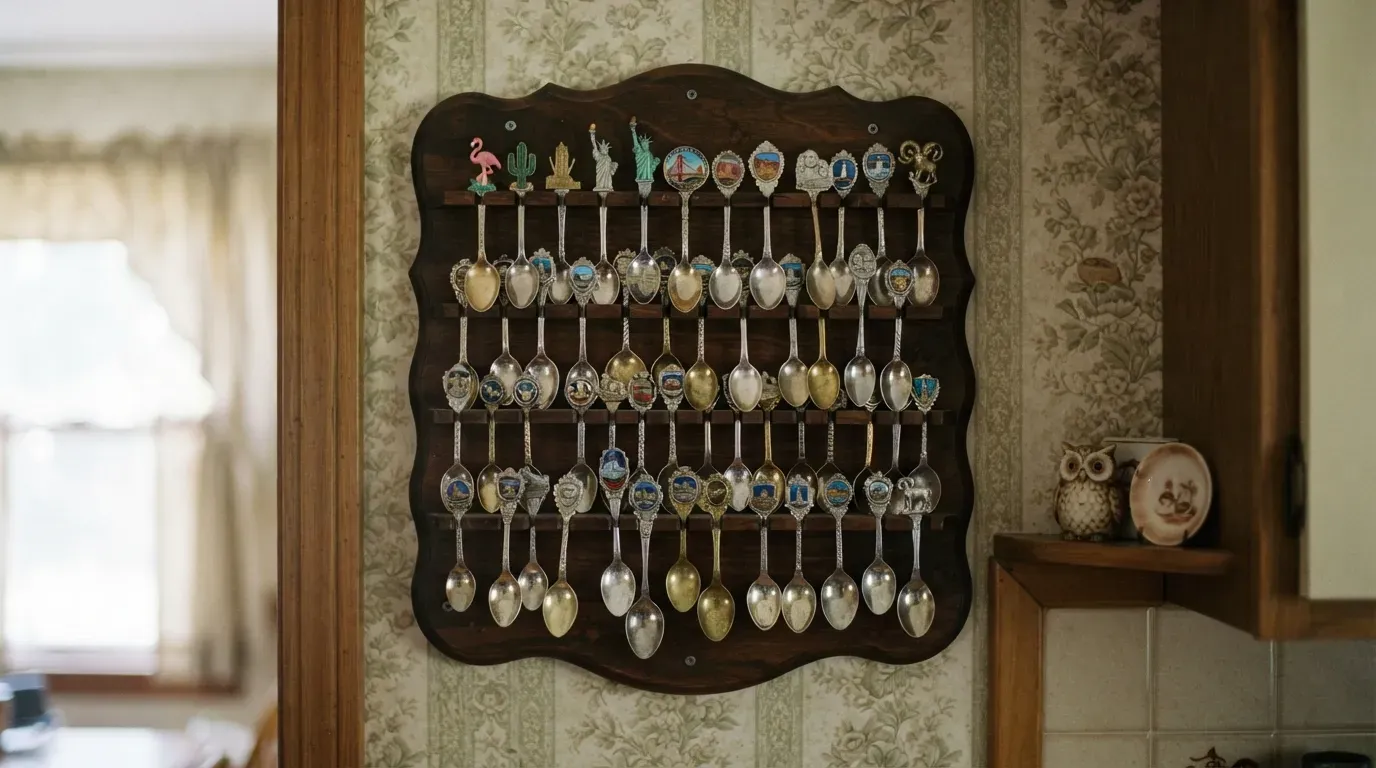
Every stop meant a gift shop stop, and every gift shop stop meant one more tiny spoon. Families displayed these on wooden wall racks in the kitchen, each spoon stamped with a state bird, a cactus, or a lighthouse. Nobody ever used a single one of these spoons for actual soup.
The point was never function. It was proof, a physical map of everywhere the family had been, hung where guests could admire it. Shot glasses and thimbles followed the same rule in different rooms of the house. That instinct to collect proof of a trip lived on in an even more literal way, in the back of the family station wagon.
#18 – The Way-Back of the Station Wagon Was Its Own Kingdom
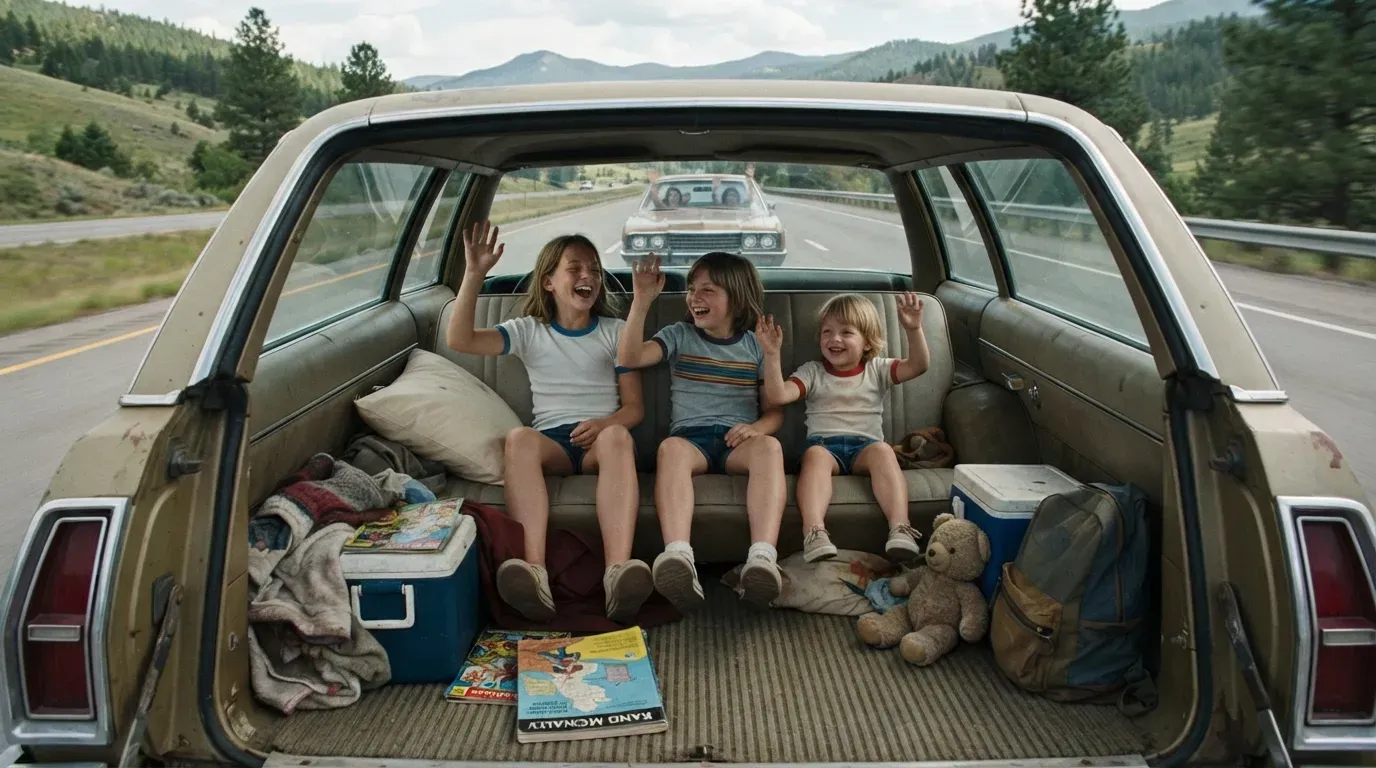
Long before minivans had captain’s chairs, station wagons had “the way-back,” a rear-facing bench seat with zero seatbelt law enforcement to speak of. Kids fought hard for this spot because it meant waving at strangers in the car behind you for hundreds of miles. Whole friendships formed and ended based purely on way-back seating rights.
Parents up front rarely knew exactly what chaos was happening behind them, which was part of the appeal. It felt like a separate vehicle attached to the real one. Once minivans and SUVs took over, that rear kingdom quietly disappeared, right around the same time another loud tradition faded out of the front seat.
#17 – CB Radio Handles Turned Every Family Into Truckers
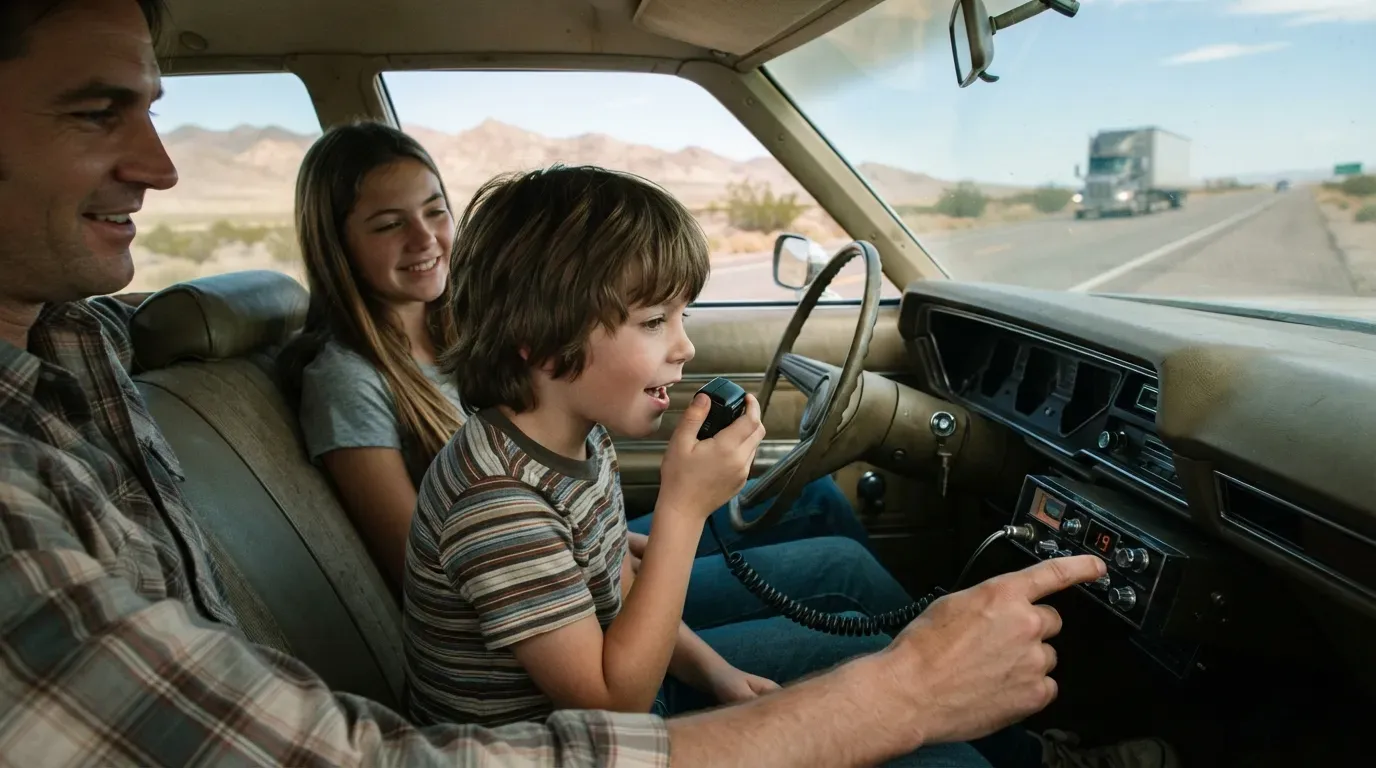
In the 1970s, a CB radio wasn’t a novelty item, it was standard road trip gear for plenty of families chasing the trucker culture of the era. Kids picked out handles like “Road Runner” or “Little Eagle,” then spent hours trying to talk to real truckers on Channel 19. Getting an actual trucker to respond back felt like a small brush with celebrity.
Dads especially loved playing amateur trucker, warning strangers about speed traps ahead in exaggerated slang. It gave long, empty stretches of interstate a strange sense of community. That same desire to connect with the road itself is what powered the next ritual too, only with pen and paper instead of a microphone.
Fast Facts
- Americans bought roughly 25 million CB radios between 1974 and 1977, meaning about one in five adults owned one.
- Channel 19 became the unofficial trucker’s channel, the exact spot where hopeful kids tried to reach a real driver.
- The 1973 oil crisis and a new 55 mph speed limit helped spark the entire craze in the first place.
- By the early 1980s, the fad had faded almost as fast as it had arrived.
#16 – Picnic Tables Beat Restaurants Every Time
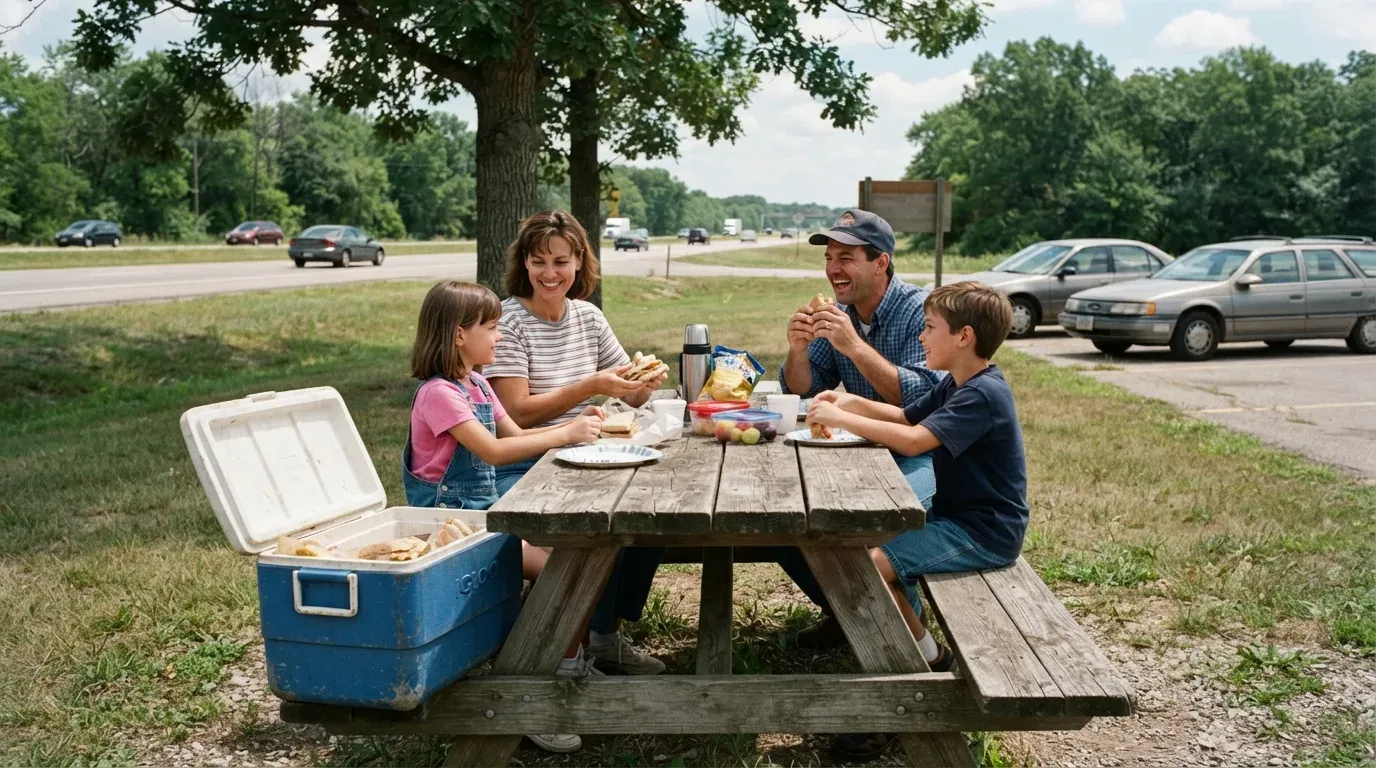
Fast food existed, but plenty of families skipped it in favor of roadside rest area picnic tables and a cooler full of sandwiches. Parents saw it as smarter budgeting, while kids mostly saw it as an excuse to run wild near a random patch of grass in a state they’d never return to. A rest stop picnic could turn a boring stretch of highway into the best part of the whole day.
These stops doubled as informal breaks for stretching legs and settling backseat arguments before they escalated. There was no drive-thru menu to argue over, just whatever mom had packed that morning. That same homemade, budget-conscious mindset shaped almost everything that went into the cooler in the first place.
#15 – AM Radio Roulette Was the Original Road Trip Playlist
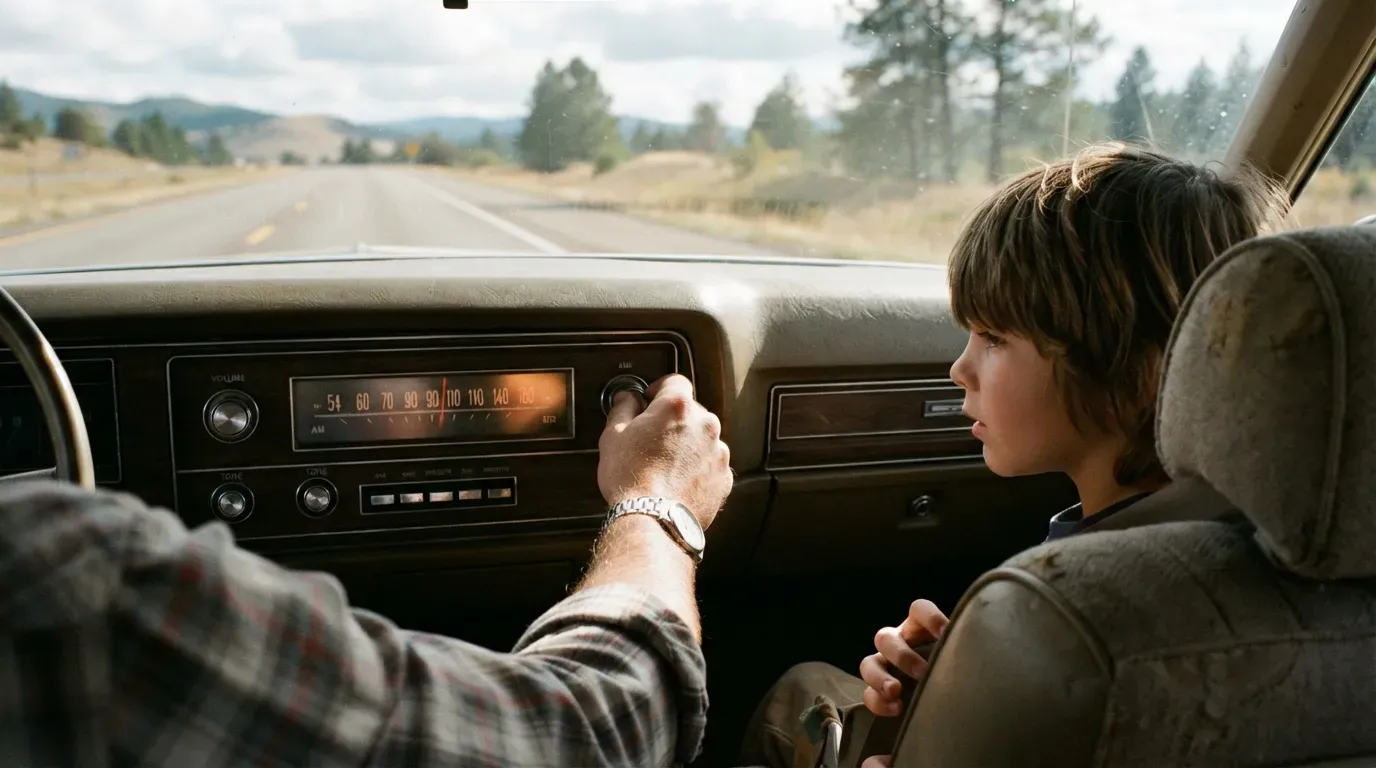
Before playlists, there was static, and a slow, patient turn of the dial hoping to land on something decent. Local AM stations faded in and out depending on the terrain, so families learned to love whatever came through clearly. Half a road trip’s soundtrack was basically decided by which town’s signal was strongest.
Kids became surprisingly skilled at guessing which stations played music versus farm reports versus preachers, often without ever seeing the dial. It taught patience nobody asked for but everybody eventually got. That same trial-and-error patience applied to nearly every part of the packing process too, especially the cooler.
#14 – The Cooler Packed Like a Military Operation
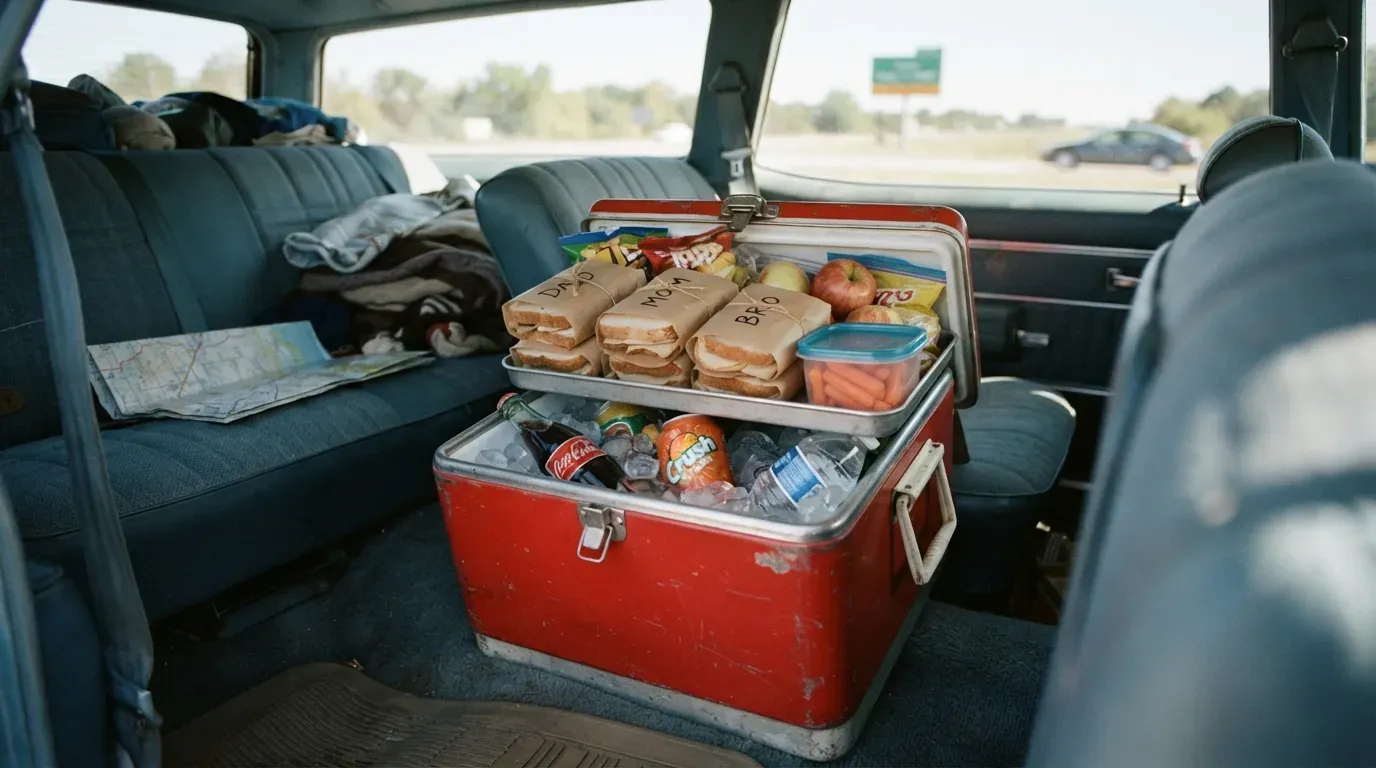
The night before a trip, the cooler got packed with the seriousness of a small logistics operation. Ice on the bottom, drinks in the middle, sandwiches wrapped in wax paper on top, all carefully layered to survive a full day of stops. One wrong layer meant soggy bread by lunchtime, and everyone knew it.
Parents guarded the cooler order like a family recipe, rarely letting kids repack it their own way. It sat wedged in the backseat or the way-back, refilled with gas station ice at every other stop. That same devotion to planning ahead is what fueled families chasing something even stranger down the highway.
At a Glance
- Coleman introduced its first galvanized steel cooler in 1954, built on a patent filed a few years earlier.
- Three years later, Coleman engineered a plastic liner that made coolers lighter and considerably cheaper to produce.
- Rival brand Igloo had already been building steel ice chests since 1947, popular with oilfield workers in Texas.
- Neither company likely imagined their metal boxes would end up wedged into a station wagon full of sandwiches.
#13 – Chasing “World’s Largest” Roadside Oddities
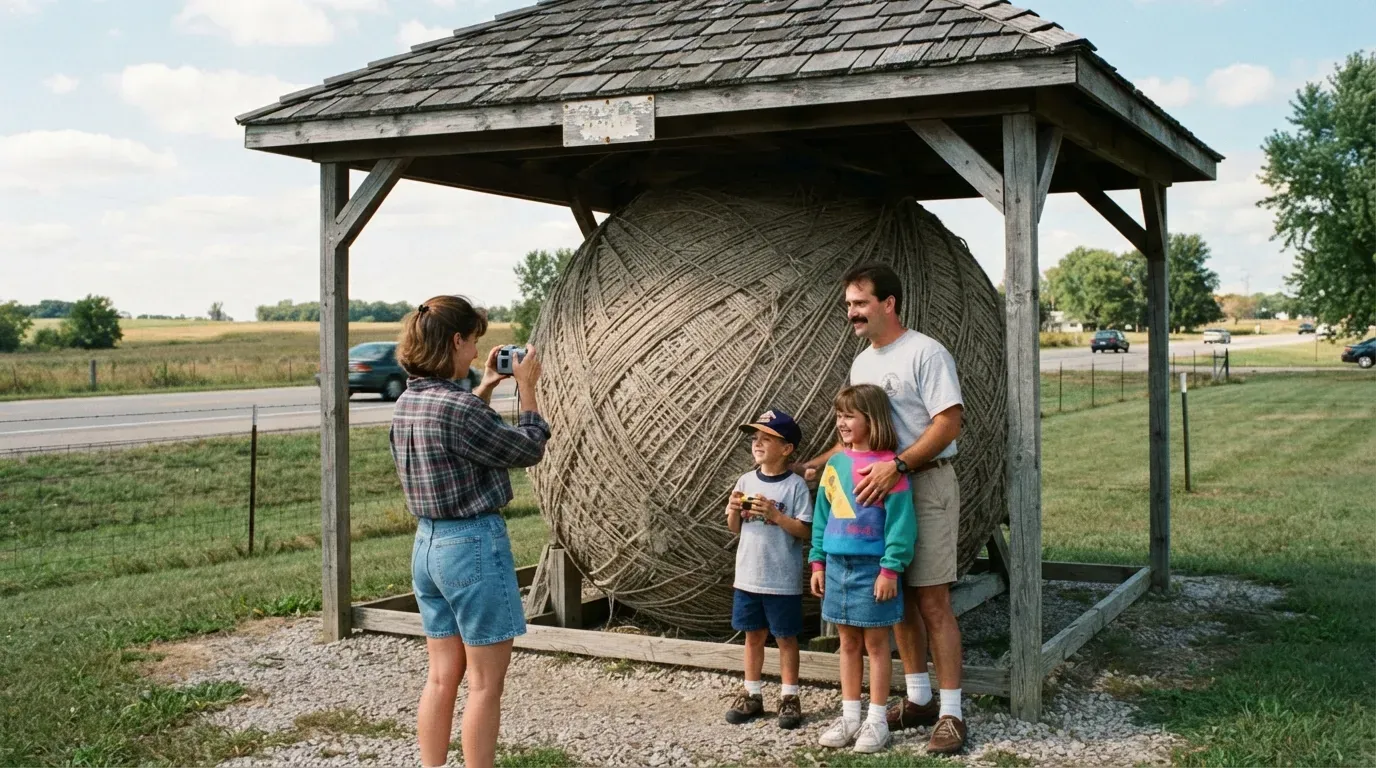
Somewhere along most major highways sat a billboard promising the world’s largest ball of twine, the world’s biggest rocking chair, or a peculiar dinosaur statue. Families didn’t just drive past these, they planned entire detours around them. A twenty-minute detour for a giant fiberglass gopher was considered a completely normal use of vacation time.
These stops rarely photographed well and never made sense to explain later, but that was part of the charm. Kids remembered the weird stop more clearly than the actual destination years later. Capturing proof of these strange detours depended entirely on one very limited piece of technology.
#12 – One Disposable Camera, 24 Shots, No Do-Overs
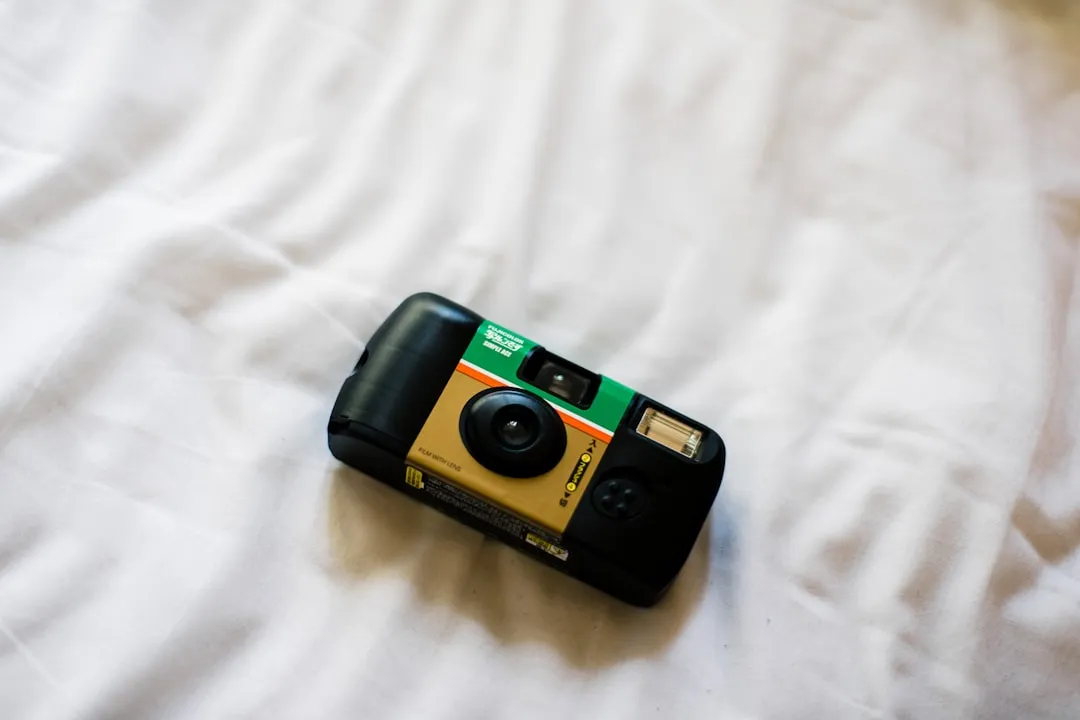
A single disposable camera had to document an entire week-long trip, which meant every photo counted. Kids fought over whose turn it was to take the next shot, since wasting one on a blurry picture felt like a real loss. Families often didn’t see a single vacation photo until weeks after returning home.
There was no instant preview, no deleting a bad shot, just blind trust that the roll would turn out okay. Getting the photos developed felt like reopening the whole trip all over again. That same trust in doing things the slow, deliberate way applied to how families actually found their route in the first place.
#11 – The Backseat Navigator With the Rand McNally Atlas
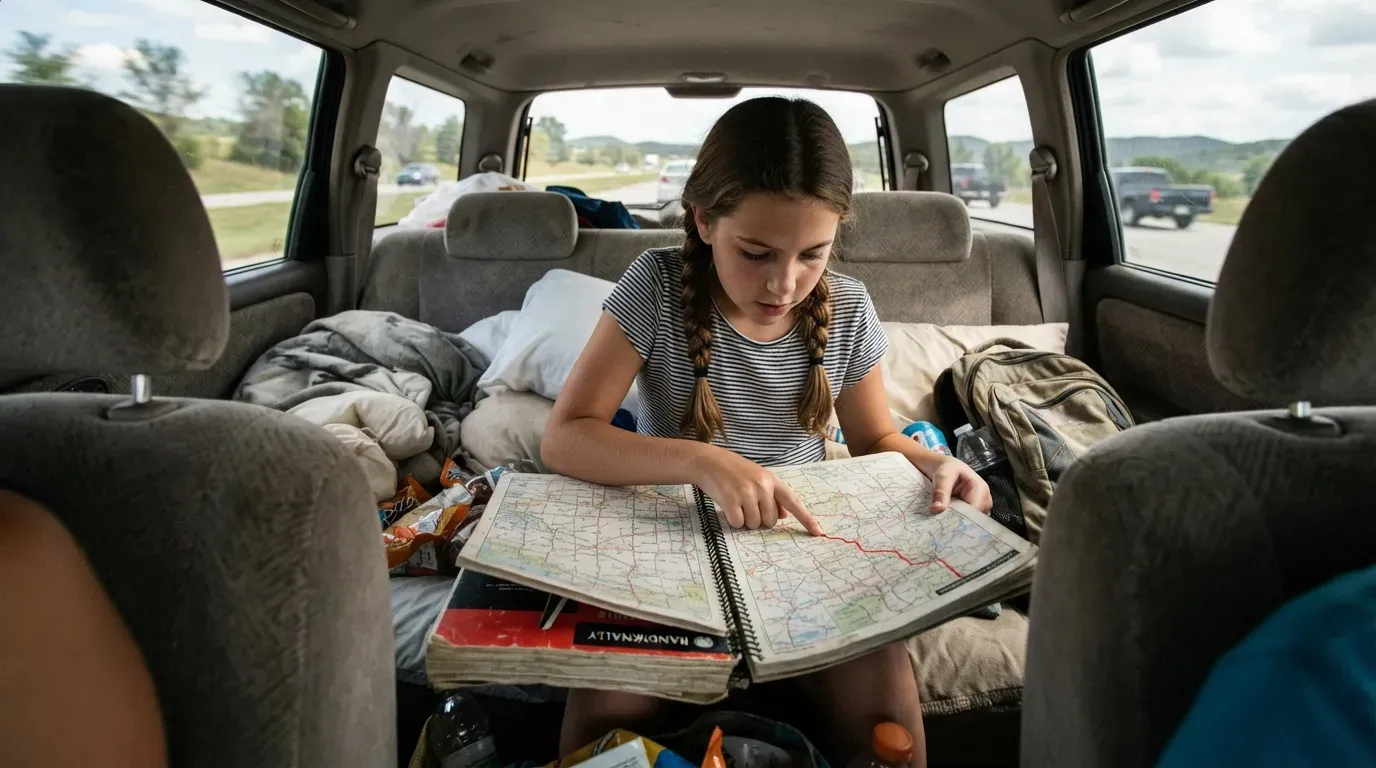
One kid always got promoted to official navigator, armed with a spiral-bound Rand McNally road atlas nearly as big as their lap. Their job was tracing the route with a finger while shouting out upcoming exits. Getting the family lost was a real and constantly threatened possibility, with zero satellite backup.
Parents trusted this system completely, folding and unfolding pages at gas stations for backup confirmation. Missing an exit meant a real detour, not a polite voice recalculating. That reliance on paper and memory shaped one more habit families kept up at almost every single stop along the way.
Quick Compare: Then vs. Now
- Then: One kid traced the route by finger across a folded paper atlas, calling out exits before you missed them.
- Now: A calm voice recalculates instantly the moment you take a wrong turn.
- Then: A missed exit meant a real detour and a round of blame in the backseat.
- Now: Missing an exit barely registers as an inconvenience.
#10 – Postcards Mailed From Every Town, Even to Yourself
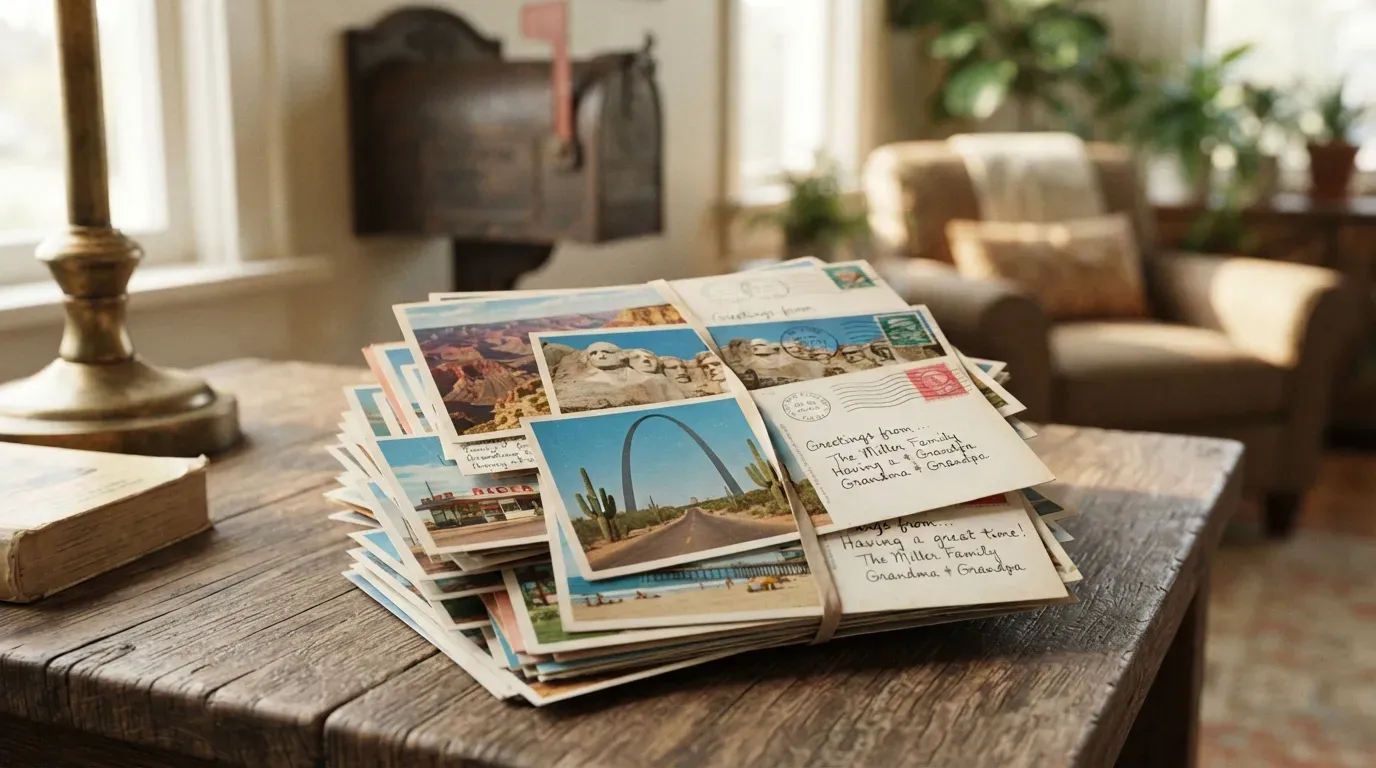
Gift shops sold postcards for a reason, and plenty of families bought one at every single stop. Kids often mailed one home to themselves, just to see it arrive days after they’d already returned. A mailbox full of postcards waiting at home was proof the trip had actually happened.
Grandparents especially loved getting these, since a call from the road was expensive and rare. The postcard became a small, delayed message that traveled slower than the family itself. That same delayed, physical connection to home showed up constantly in the backseat too, in a much smaller and more territorial form.
#9 – The Invisible Line Down the Middle of the Backseat
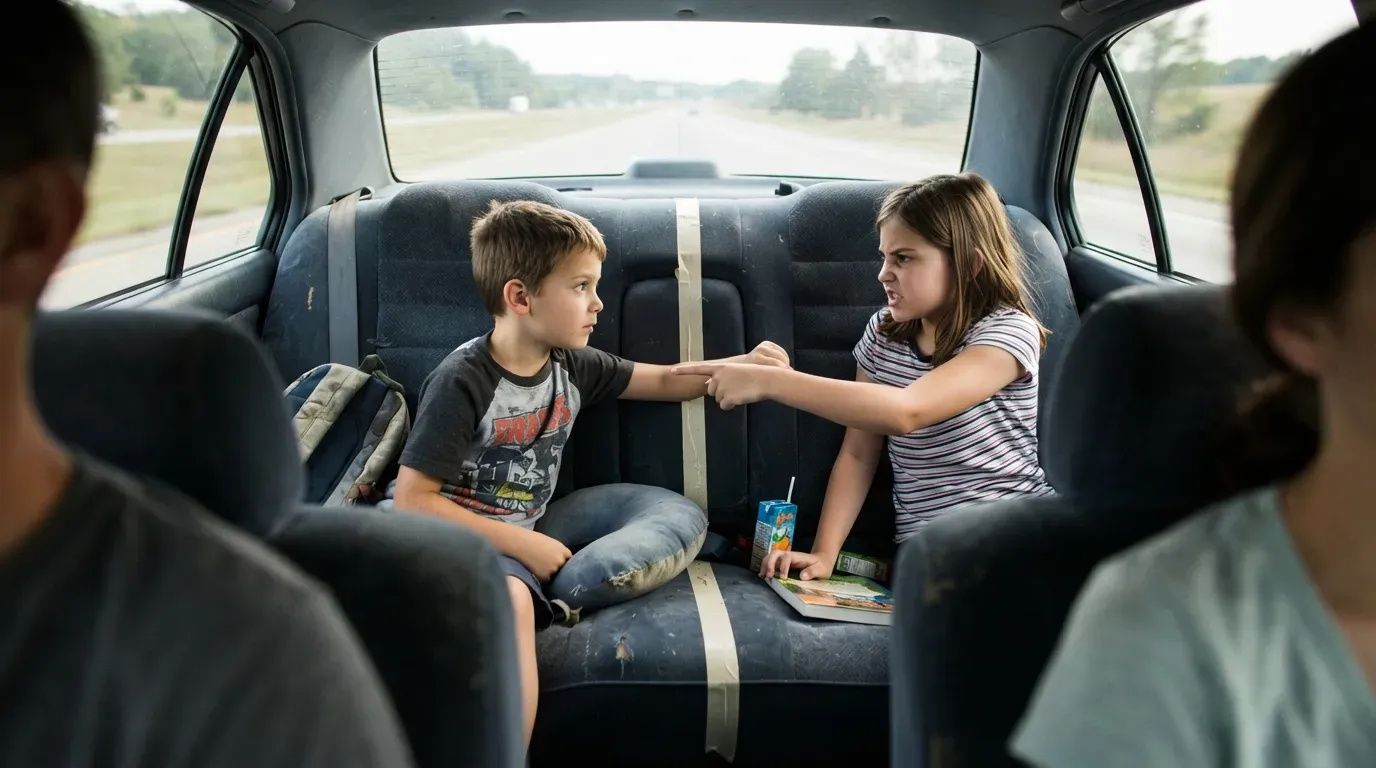
No parent ever drew it, but every sibling could see it perfectly, an invisible border splitting the backseat exactly in half. Crossing it, even by an elbow, triggered instant complaints from the front seat. This imaginary line caused more mid-trip arguments than actual traffic ever did.
Some families formalized it with a real strip of masking tape stuck straight down the seat. Enforcement was inconsistent, but the principle was sacred. That same need for personal space and small victories carried over into the one part of the trip everyone actually agreed on.
#8 – The Motel Pool Was the Real Vacation
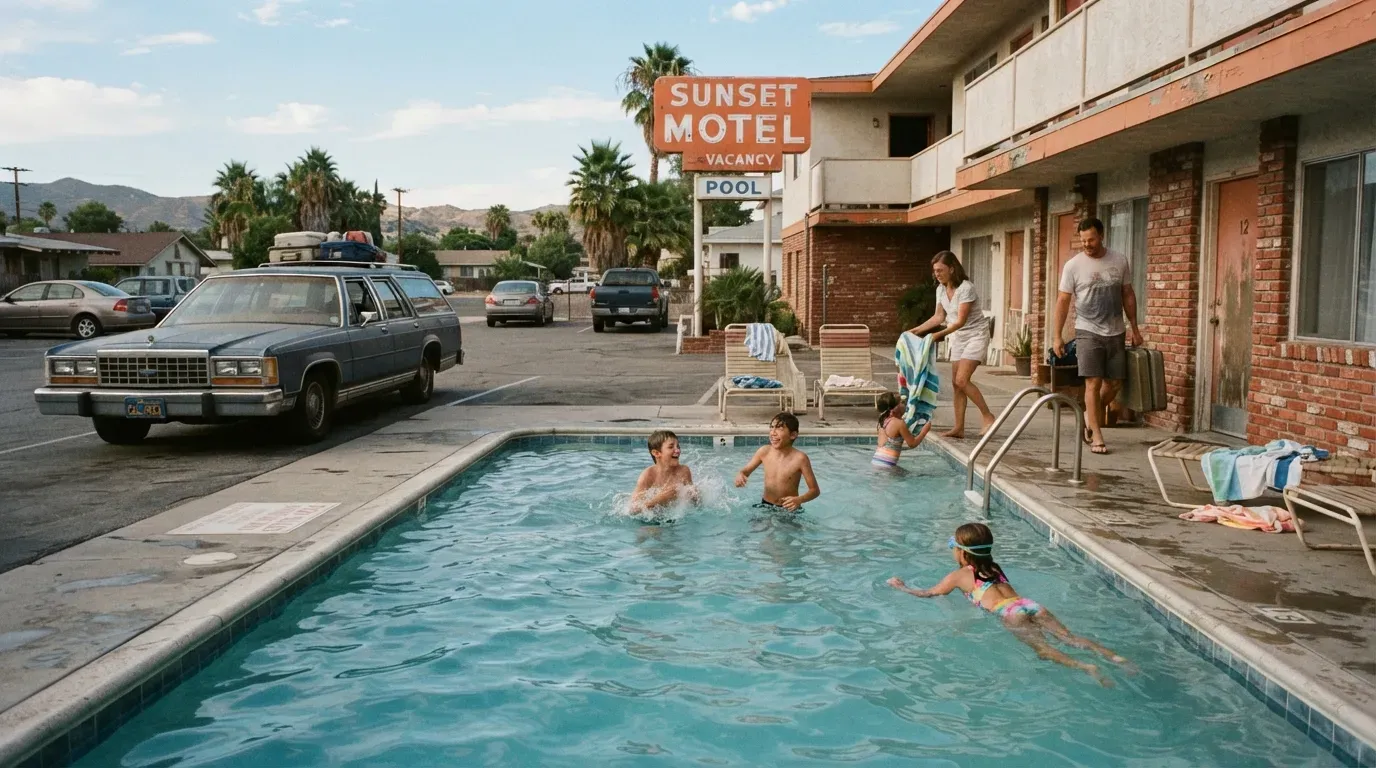
Ask any kid what they remembered most about a family road trip, and it usually wasn’t the museum or the monument. It was the motel pool, often small, slightly too cold, and located right off the parking lot. Kids would beg to swim the moment the car stopped, before the luggage even made it into the room.
Parents used this pool time as a genuine bargaining chip, promising it after long stretches of good driving behavior. Some travelers now argue chasing motel pools actually wasted more vacation time than it was worth, though plenty of families would disagree completely. That same careful bargaining and planning also went into building the actual route everyone followed to get there.
#7 – AAA TripTik Strip Maps Custom-Built for Your Route
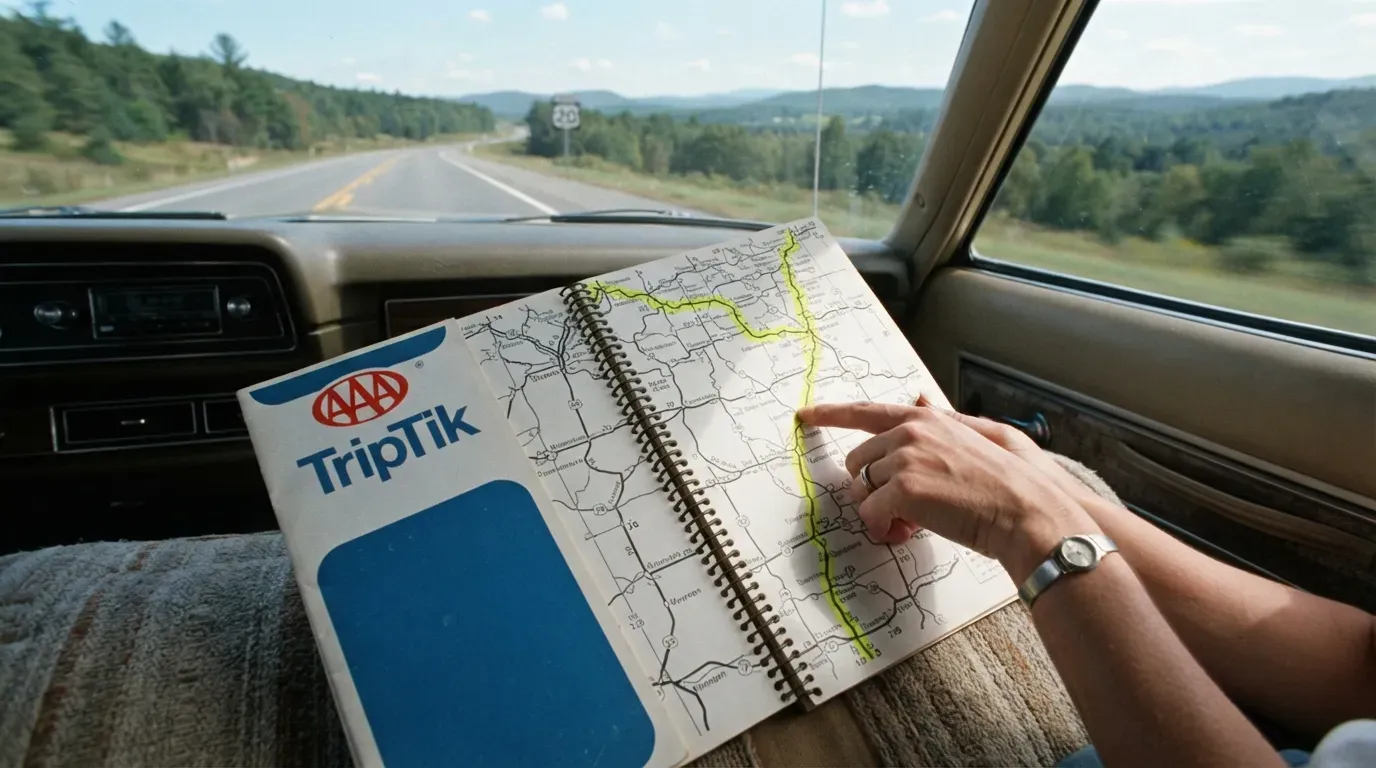
Before GPS, AAA members could request a custom TripTik, a spiral-bound strip map showing only the exact route needed, page by page. A real person at a AAA office highlighted the best roads by hand. This meant an actual employee planned your entire family road trip route before you ever left the driveway.
Families treated the TripTik like a sacred document, flipping pages as the trip progressed mile by mile. Losing it mid-trip caused genuine panic. That same trust in a carefully mapped plan extended into an entirely different kind of counting game happening simultaneously in the backseat.
Worth Knowing
- The first modern TripTik notebooks appeared in 1937, with AAA mass-producing them for members the following year.
- A real AAA agent highlighted your exact route by hand before you ever left the driveway.
- By the early 2010s, AAA had largely phased out printing physical TripTiks in favor of digital route planning.
- Some AAA branches still hand out paper maps today as a battery-free backup when cell service disappears.
#6 – Counting Out-of-State License Plates for Bragging Rights
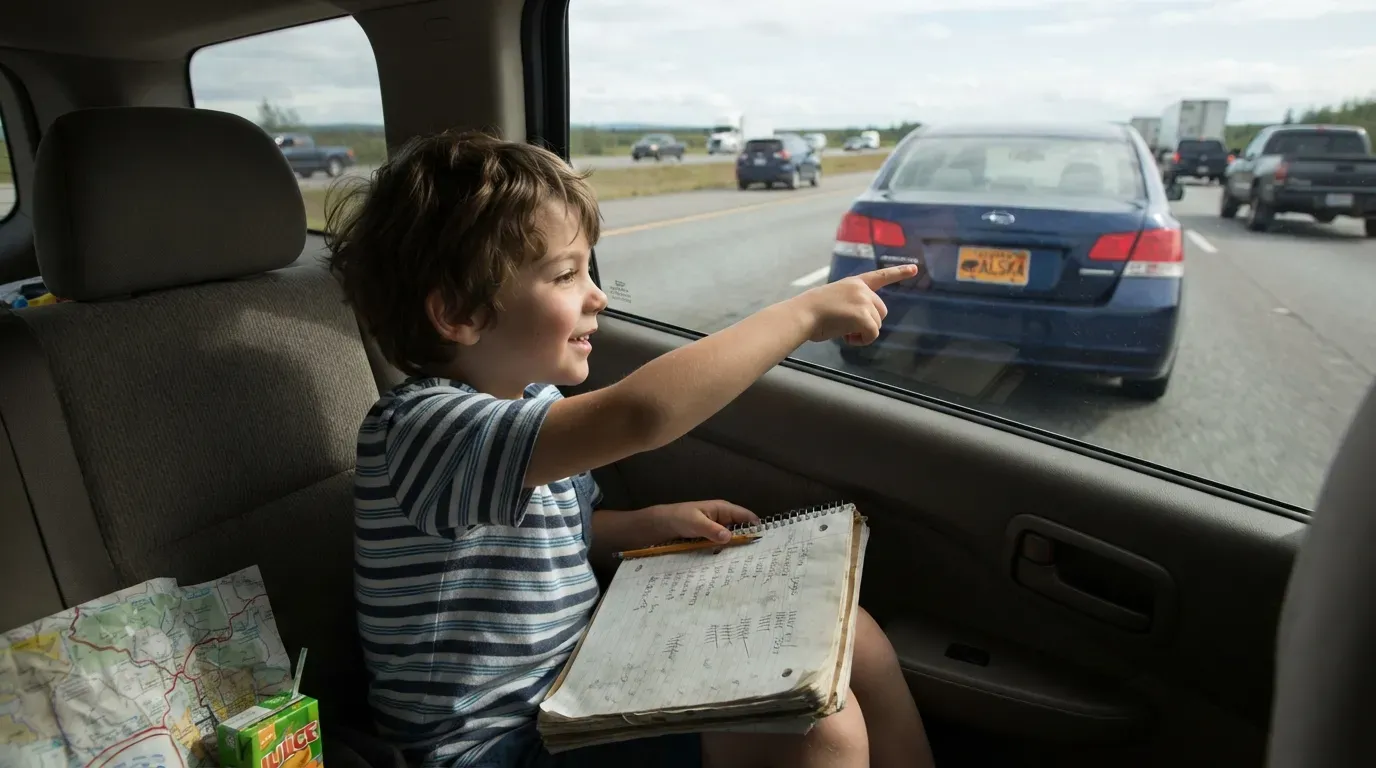
Long before phone games, kids kept a running tally of out-of-state license plates spotted through the window, often on a printed checklist bought specifically for this purpose. Alaska and Hawaii plates were basically legendary sightings. Spotting all 50 states on one trip was considered a genuine, bragging-rights achievement.
This game required real attention and real patience, since plates didn’t exactly announce themselves. Arguments broke out constantly over whether a plate had “really” been seen or just claimed. That same instinct to document and prove things carried into a much more personal ritual some families kept in a notebook.
#5 – The Family Travel Journal Everyone Had to Sign
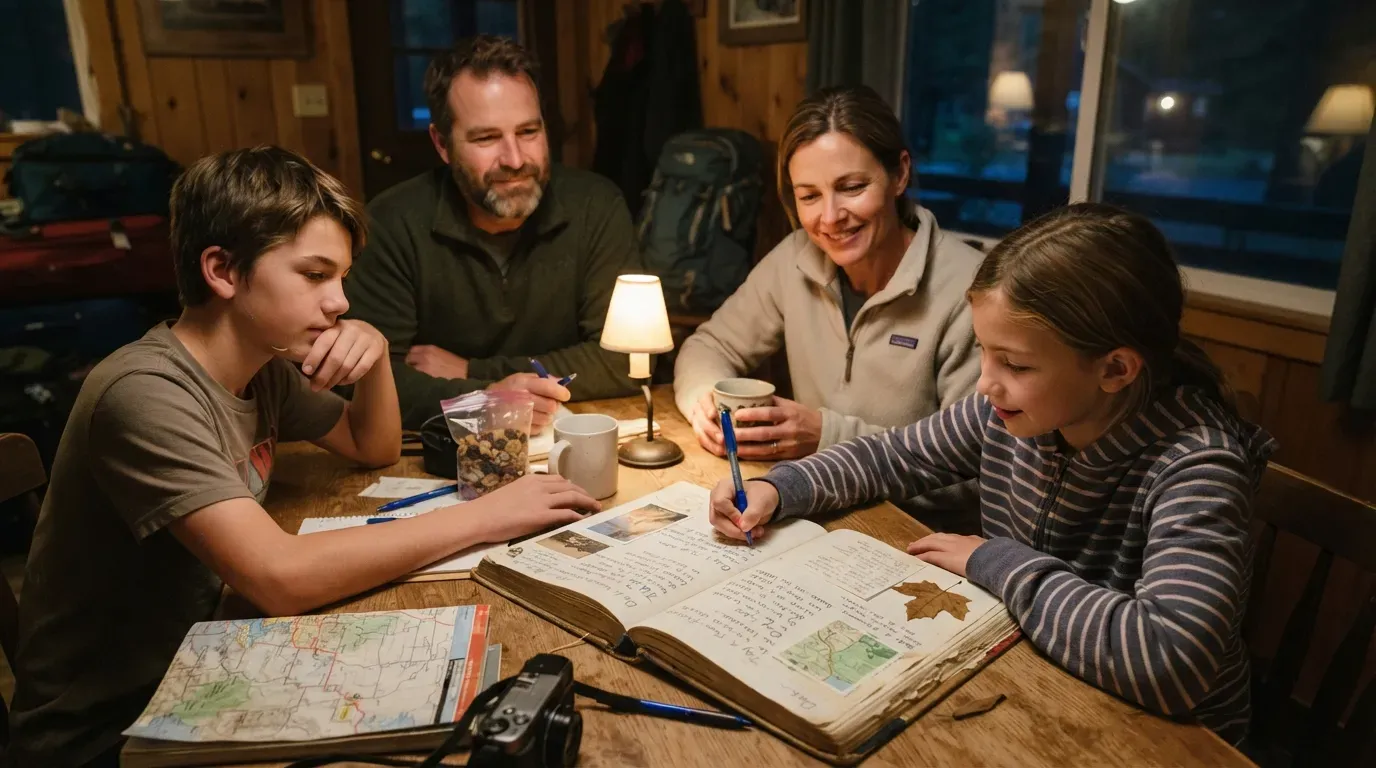
Some families kept one shared notebook for the entire trip, and every member had to write something each night, no matter how tired they were. Entries ranged from detailed descriptions to a single grumpy sentence about the heat. Kids often resented this ritual at the time, then treasured that same notebook decades later.
Parents used it partly as a keepsake and partly as a subtle way to slow the day down before bed. Reading old entries years later revealed arguments nobody else remembered having. That same impulse to mark the trip as officially real also showed up the moment the car finally reached its destination.
#4 – The Payphone Call Home That Said “We Made It”
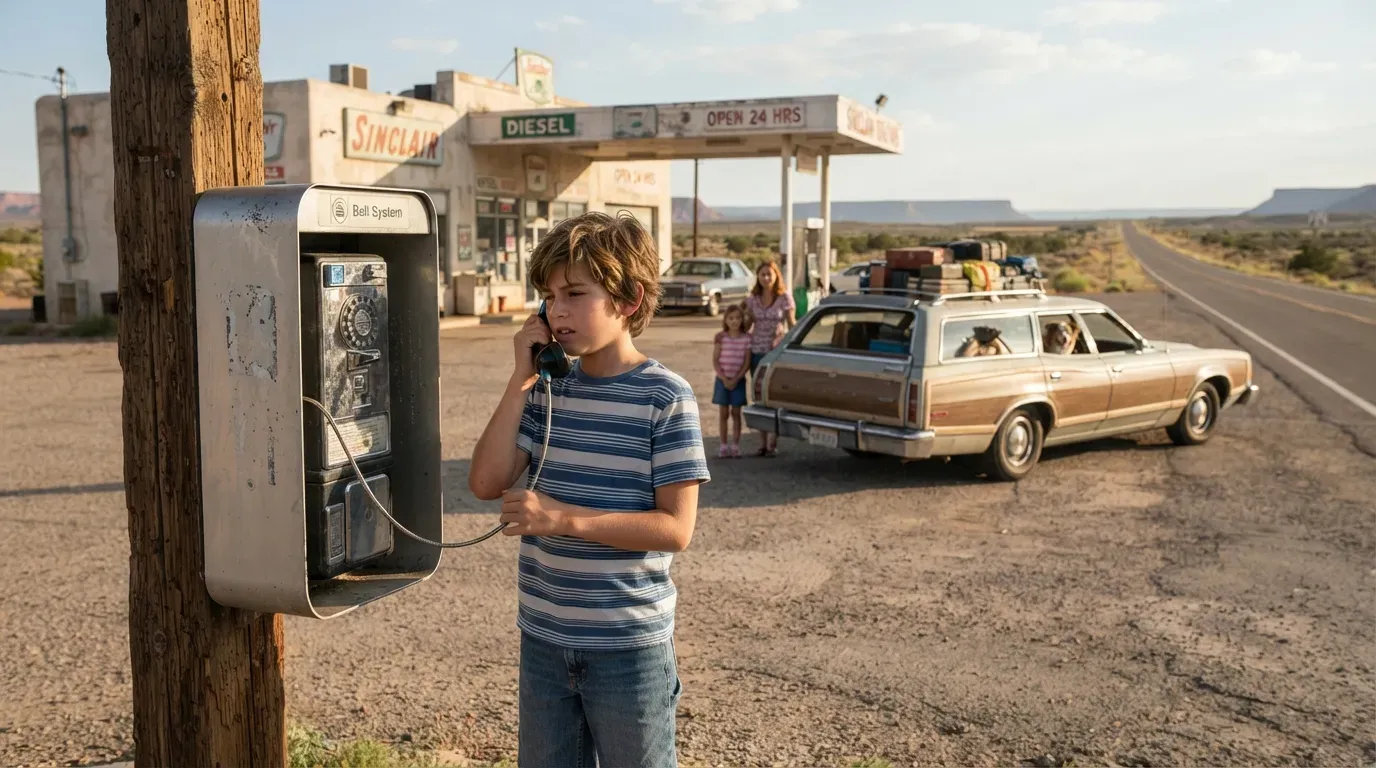
Arriving somewhere new almost always meant a stop at a payphone to call grandparents, neighbors, or whoever was watching the house. The message was usually short and purely practical: we made it, everyone’s fine, talk soon. This one call was often the only contact a family had with home for days at a time.
Finding a working payphone became its own small mission at certain stops. There was no group text update, no photo sent instantly to reassure anyone. That complete disconnection from home made the slow buildup of actually getting there feel far more dramatic than it does today.
#3 – The Slow Countdown of Mile Markers to “Almost There”
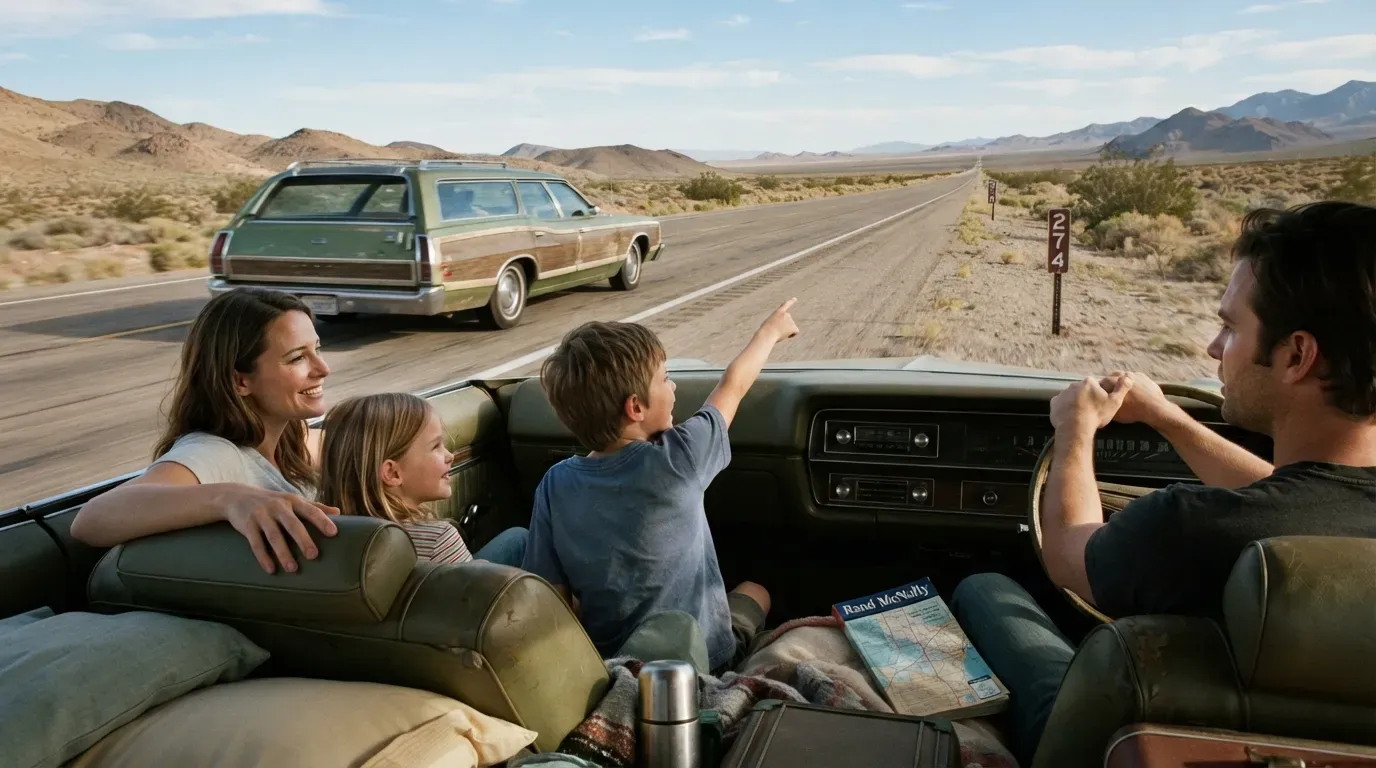
Long before dashboard countdown timers, families tracked progress the hard way, watching mile markers and doing quiet math out loud. “Only 40 more miles” became a running promise repeated every twenty minutes for hours. Kids genuinely believed “almost there” for stretches lasting three or four hours at a time.
Parents leaned on this phrase constantly, half comfort and half gentle lie. Nobody had a live map contradicting the estimate in real time. That same tension between hope and reality made crossing an actual state line feel like a genuinely earned milestone.
#2 – The Photo at Every State Line Welcome Sign
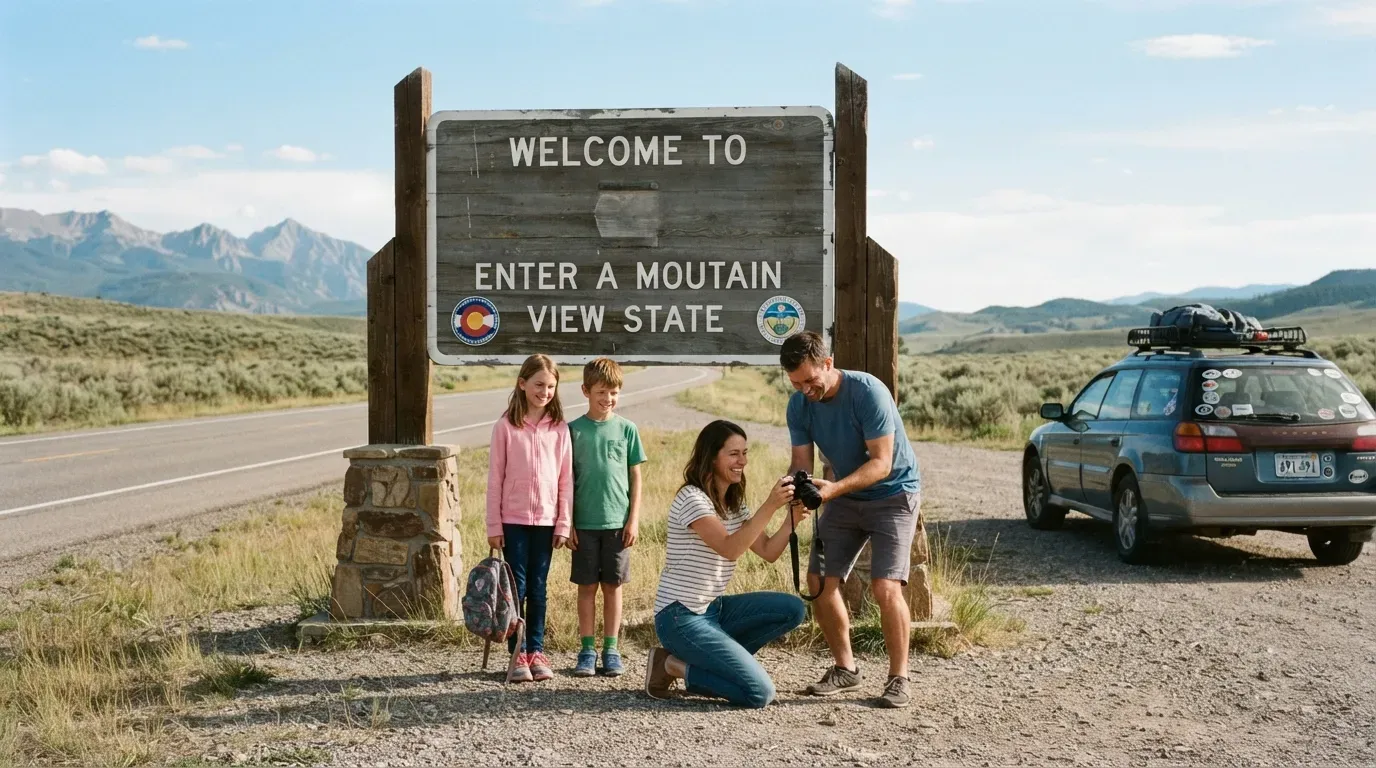
Crossing into a new state used to demand a mandatory stop for a photo next to the official welcome sign, no exceptions. Kids lined up awkwardly while a parent fumbled with the camera angle. Some families collected these sign photos across decades, turning one road trip habit into a lifelong project.
The stop rarely lasted more than five minutes, but it marked real progress in a way nothing else did. It gave the whole trip visible, physical checkpoints. That same sense of milestone and tradition is exactly what shaped the single ritual families protected above almost everything else.
#1 – The One Big Road Trip a Year That Came Before Anything Else
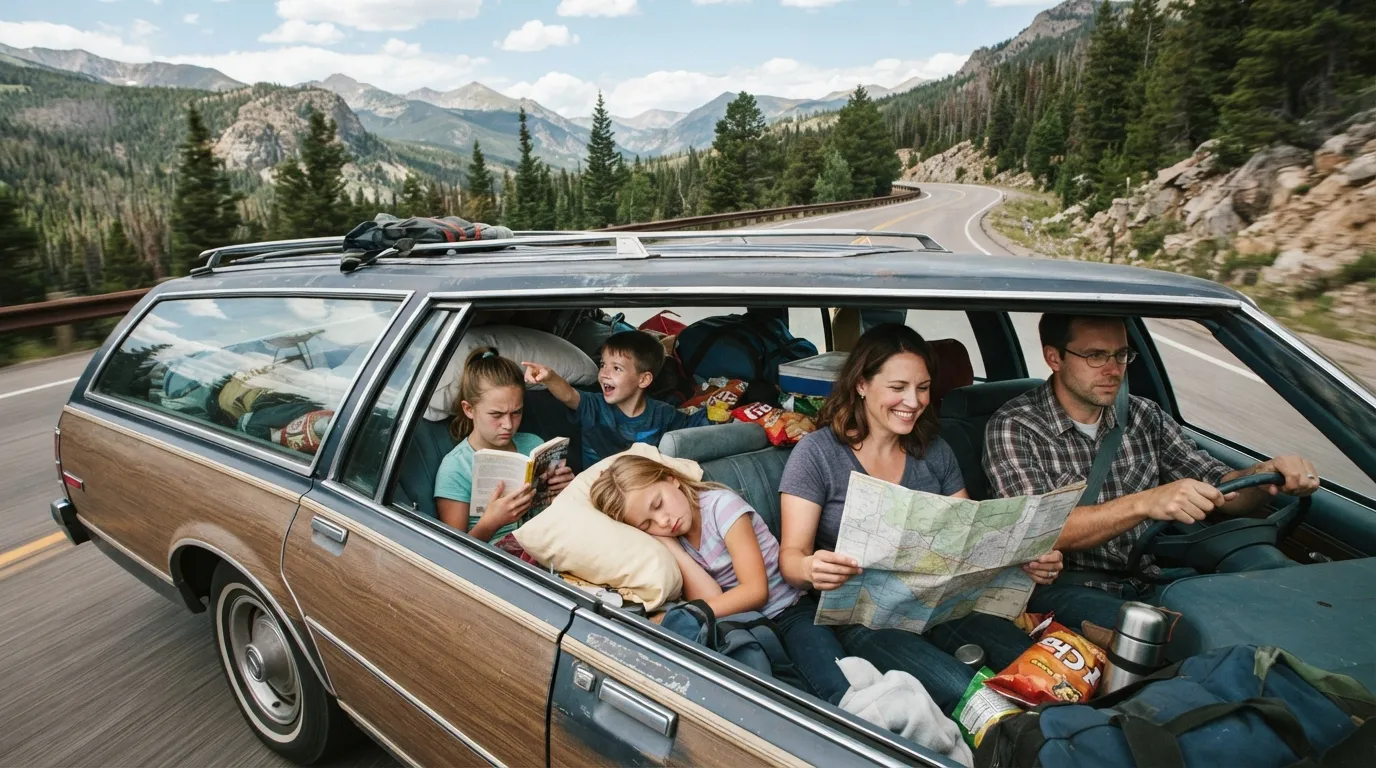
For decades, one week-long family road trip wasn’t optional, it was treated as close to sacred. Vacation days, budgets, and school calendars were built around it months in advance. Families often skipped smaller luxuries all year specifically to protect this single annual trip.
It wasn’t about the destination nearly as much as it was about being stuck together in one car, arguing and laughing in equal measure. That shared discomfort became the real bonding ritual, something no streaming screen or smartphone has ever quite managed to replace. Most of these traditions didn’t disappear because families stopped loving them, they disappeared because technology simply removed the need.
Looking back, none of these rituals were really about the tools themselves, the atlases, the payphones, the disposable cameras. They were about forced togetherness, boredom that turned into memory, and small shared jokes that only made sense inside one car. GPS, phones, and streaming screens made trips smoother, but they also quietly removed the friction that used to create these stories in the first place.
Plenty of families still find new versions of these rituals, just updated for the times. But something specific about the paper maps, the payphones, and the invisible backseat borderline clearly hasn’t been replaced, it’s simply been remembered fondly instead. Which one of these did your family still do longer than everyone else? Tell us in the comments.