
Ask anyone who grew up in the 1960s about family road trips and watch their face change. These weren’t weekend getaways booked on an app with a curated playlist loaded and a charging cable snaking through every seat. Families packed station wagons, unfolded giant paper maps, and hit the open road without a single screen between them. The sheer logistics of moving six people across three states on pure pre-planning and chaos tolerance would genuinely floor anyone born after 1985.
But it’s more than just “no phones.” The entire culture of the American road trip operated on rituals, hierarchies, and accepted realities that have since vanished so completely that younger generations wouldn’t even know what questions to ask. Some of it is warm and funny. Some of it is genuinely shocking. And at least one piece of it is a story that doesn’t get told nearly enough.
#29: The Family Station Wagon Was the Only Real Option
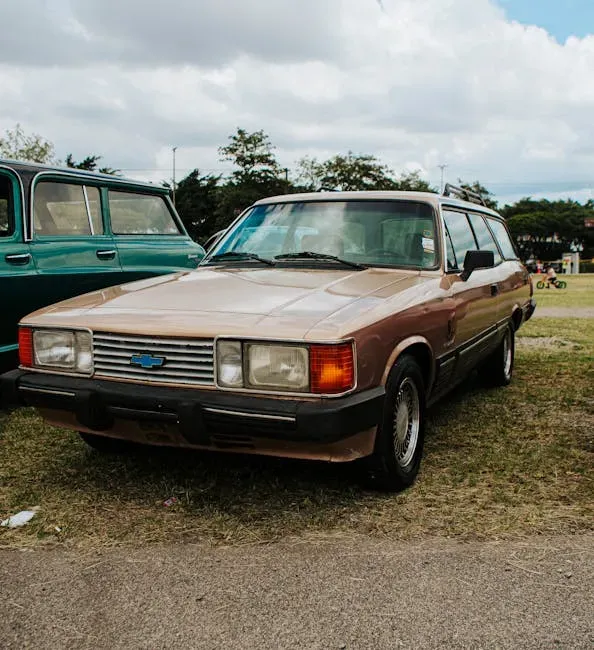
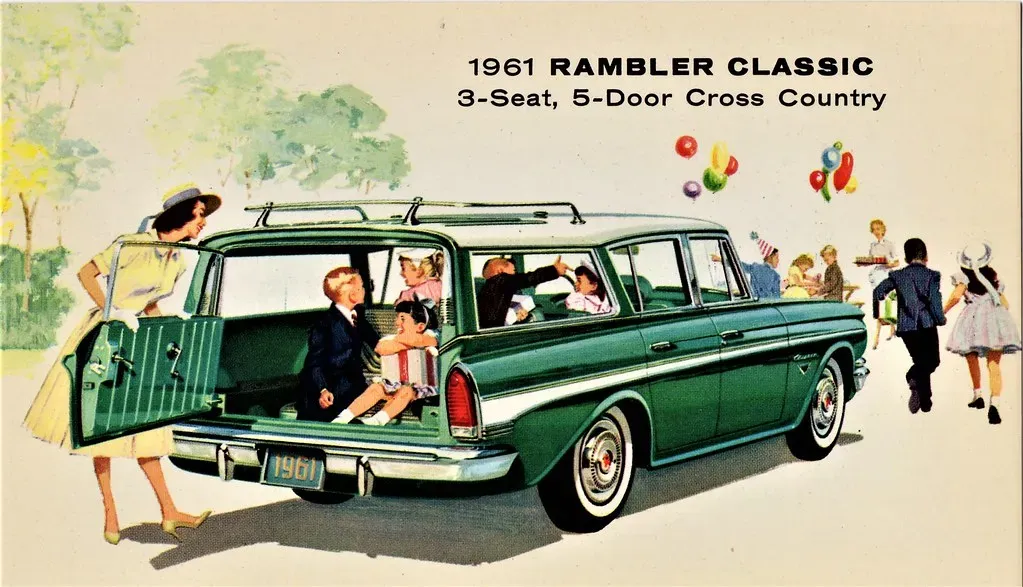
The station wagon wasn’t just the popular choice for family road trips – it was practically the only sensible one. Before minivans and SUVs took over, these wood-paneled beasts were the defining family vehicle. Families of six, seven, or even eight people would pile in – luggage on the roof, cooler wedged into the back, kids sprawled everywhere with no assigned seats and no plan.
The minivan that replaced the station wagon in the 1980s was genuinely seen as a step down in coolness at the time. The station wagon had chrome, fins, and attitude. Between the 1950s and 1970s, it hit an all-time peak of popularity in the United States. Today’s crossover owners don’t know what they missed.
Fast Facts
- Station wagons could legally seat up to 9 passengers in three rows.
- GM, Ford, and Chrysler held a combined U.S. car market share above 85% throughout the 1960s.
- Toyota and Honda were barely a presence on the American market during most of that decade.
- The wood-paneled “Woodie” look was cosmetic by the 1960s – real wood framing had been replaced by steel decades earlier.
- The station wagon’s decline accelerated sharply after the 1973 oil crisis, when fuel economy suddenly mattered more than cargo space.
#28: Kids Literally Rode in the Cargo Area With No Seatbelts

This one stops modern parents cold. That vast cargo area behind the rear seats was the kids’ domain. They’d sprawl out on pillows and blankets for hundreds of miles, reading comics, playing games, or just watching the sky scroll past through the rear window. No seatbelts. No safety rules. Just a rolling living room.
Nobody called it dangerous. It wasn’t until 1964 that all cars were even required to have seat belts installed, and the integrated lap-and-shoulder belts we know today weren’t mandated until 1974. For most of the 1960s, there was no legal requirement to buckle up at all. Kids bouncing around in the back of a moving station wagon was just Tuesday.
#27: The Rear-Facing Third Seat Was a Status Symbol Among Siblings
If you know, you know. That rear-facing “wayback” seat was prime real estate. Kids fought over who got to ride backwards, waving at cars behind them, making faces at strangers, watching the road disappear instead of arrive. It was like having a private clubhouse on wheels – even if it meant getting a little carsick by mile 50.
There was a full sibling economy built around that seat. Trades were negotiated. Alliances were formed and broken. The child who secured the wayback seat held genuine social power for the rest of the day. Today, that same rear-facing configuration would be illegal in most states without specific safety provisions. The seat wasn’t built for crash protection – it faced entirely the wrong direction.
#26: Dad Left at 3 or 4 in the Morning on Purpose
This wasn’t some quirk of one unusually ambitious family – it was standard operating procedure for the era. Trunks were packed the night before. Trips launched several hours before dawn to get a serious head start before breakfast. The logic was airtight by 1960s standards: beat the heat, beat the traffic, and cover real ground while the kids slept and couldn’t ask “Are we there yet?” for six hours straight.
Mothers packed the car after dinner. Fathers carried sleeping children out in pajamas and laid them in the back. The entire family sometimes crossed three state lines before anyone was fully conscious. Today’s generation plans departure times around which coffee shop opens earliest. That tells you everything about how much has changed.
#25: Free Road Maps From Gas Stations Were How You Navigated
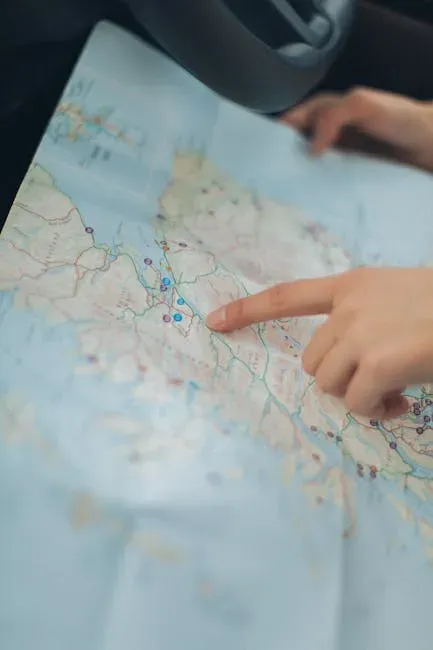
Before GPS, before printed directions from a website, before anything digital at all, there were free paper maps handed out at gas stations. Every major oil company – Esso, Sinclair, Gulf, Shell – produced its own branded highway maps and gave them away as a customer loyalty tool. Throughout the 1960s, these maps were abundant, detailed, and completely essential to getting anywhere unfamiliar.
Unfolding a massive paper map across the dashboard was like opening a treasure chest of possibilities. Dad spread it out, Mom traced the route with her finger, and kids pointed at interesting stops along the way. Wrong turns were part of the adventure – they led families to places they never would have found otherwise. No recalculating. No rerouting. Just a wrong turn and a new story.
#24: The AAA TripTik Was the Google Maps of Its Day
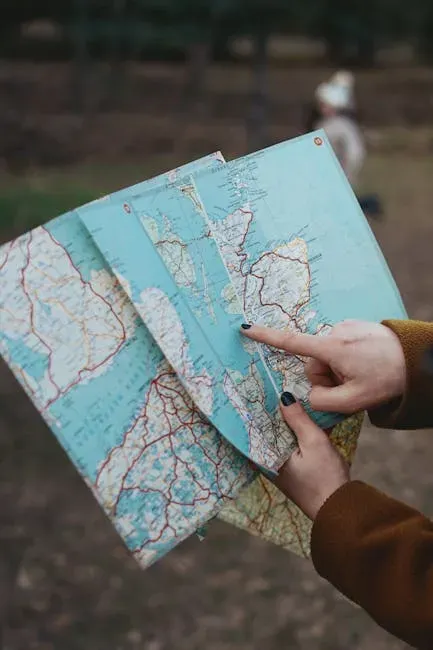
For families who wanted serious pre-trip planning, there was the AAA TripTik. You went to your local AAA branch in person, told an agent where you were starting and where you were headed, and they hand-highlighted your entire route across a spiral-bound series of custom maps – pointing out construction zones, rest stops, scenic detours, gas stations, and points of interest along the way. The first modern TripTiks were made in 1937, and AAA went into mass production the following year.
A human being sat across a desk from you, drew your route in highlighter, and walked you through every mile of it before you ever touched the steering wheel. That kind of white-glove, personalized travel service – free to AAA members – is almost unimaginable now. Today the equivalent is a phone that argues with you when you ignore its suggested route.
#23: Refolding the Map Was a Legitimate Life Skill
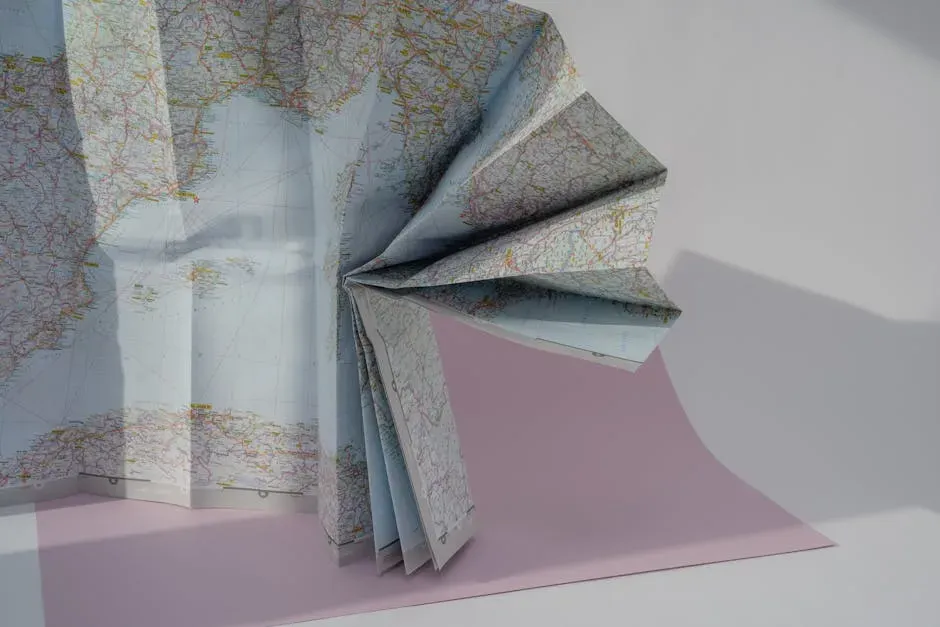
You knew you were growing up when you could properly refold a map into its original configuration. That sounds trivial until you’ve actually tried to refold a full-size state highway map that has been opened, argued over, spilled on, and incorrectly refolded seven times already while the car is moving.
The maps had specific fold lines that had to be followed in precise sequence – otherwise the whole thing collapsed into an accordion nightmare that would never fit back in the glove compartment. Children graduated from passengers to navigators the day they could fold a map cleanly. An entire generation of Americans developed a spatial reasoning skill that is now completely obsolete. The kids today who laugh at this would give up after forty-five seconds.
#22: Gas Stations Were Full-Service – Someone Came Out to Help You
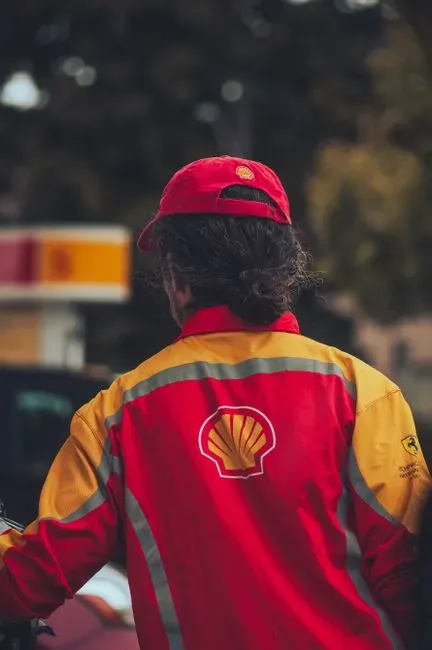
When it was time to stop for gas, gas stations were not convenience stores. They were service stations. An attendant came out to your car, filled the tank, washed the windshield, and swept the floor mats with a handheld whisk broom. You sat in the car. Someone else did the work. This wasn’t a premium tier – it was just how gas stations operated.
The attendant would also check your oil, top off your fluids, and inspect your tires if you asked. The idea of pumping your own gas was considered vaguely undignified in most states. New Jersey still bans self-service gas to this day – a direct holdover from exactly this era. Pulling up to a pump and doing it yourself would have seemed strange and slightly insulting to a 1963 driver.
#21: The Car Almost Certainly Had No Air Conditioning
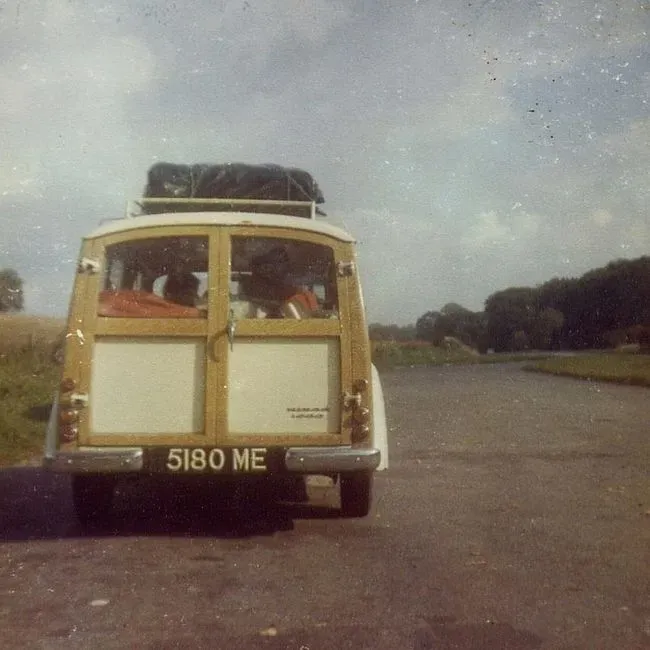
Air conditioning was an expensive factory option in the early 1960s, and millions of family cars simply didn’t have it. The unofficial solution was the “4/60” system – four windows down at 60 mph. Your hair got destroyed, maps flew around the cabin, and you couldn’t hear anyone speaking above the wind roar, but it was their version of climate control and nobody complained much about it.
It wasn’t until 1969 that air conditioning was standard in more than half of new cars sold in the United States. That means families drove through the Mojave Desert, through the swampy South in August, through Kansas in July – all windows down at highway speed, bugs hitting faces, conversations impossible. A family of six in a black-roofed station wagon crossing Texas in August without AC is a level of sustained physical discomfort that modern travelers genuinely cannot picture. They did it anyway and called it vacation.
#20: The Car Was Almost Certainly American-Made – There Was No Other Real Choice
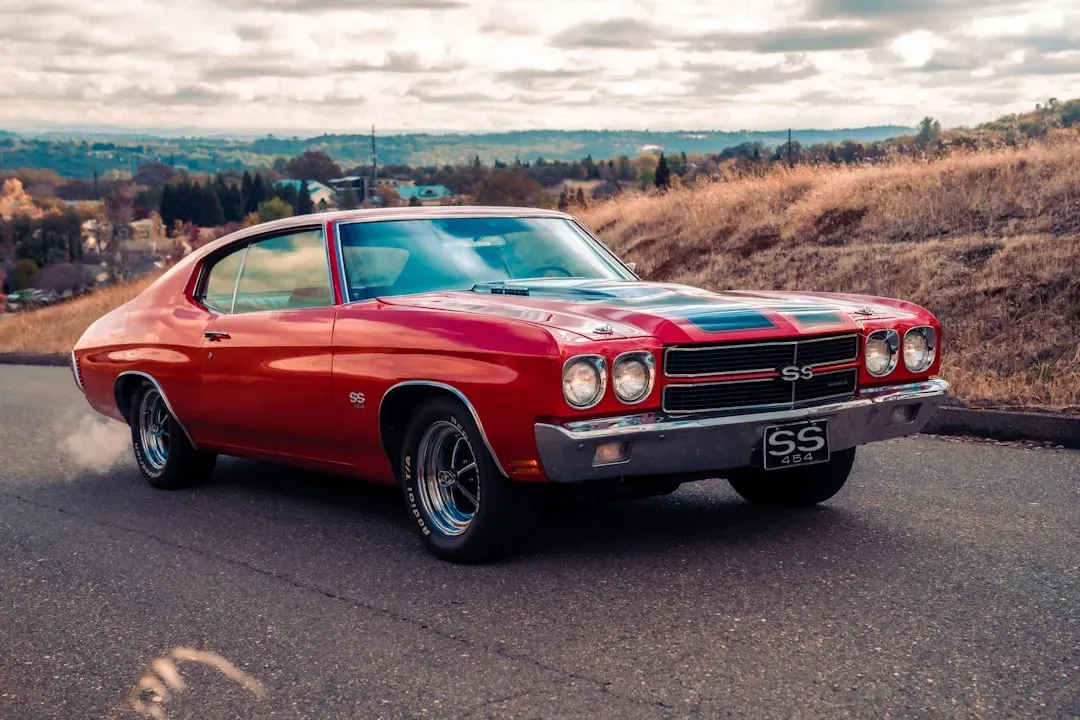
GM, Ford, and Chrysler held a combined market share of more than 85 percent throughout the 1960s. When an American family went car shopping in 1962, they were essentially choosing between a Chevy, a Ford, a Plymouth, a Buick, or a Dodge. The jingle “See the USA in your Chevrolet” wasn’t just advertising – it was a literal description of what people were doing.
Cars were big, bold, heavy, and loaded with chrome. Toyota and Honda were barely a whisper on the American market during the 1960s. The idea of a Japanese family car as the default American road trip vehicle would have sounded like science fiction to a 1965 dad standing on a Ford dealership lot. That world flipped completely within about fifteen years.
#19: Flat Tires Were a Routine Part of the Trip, Not an Emergency
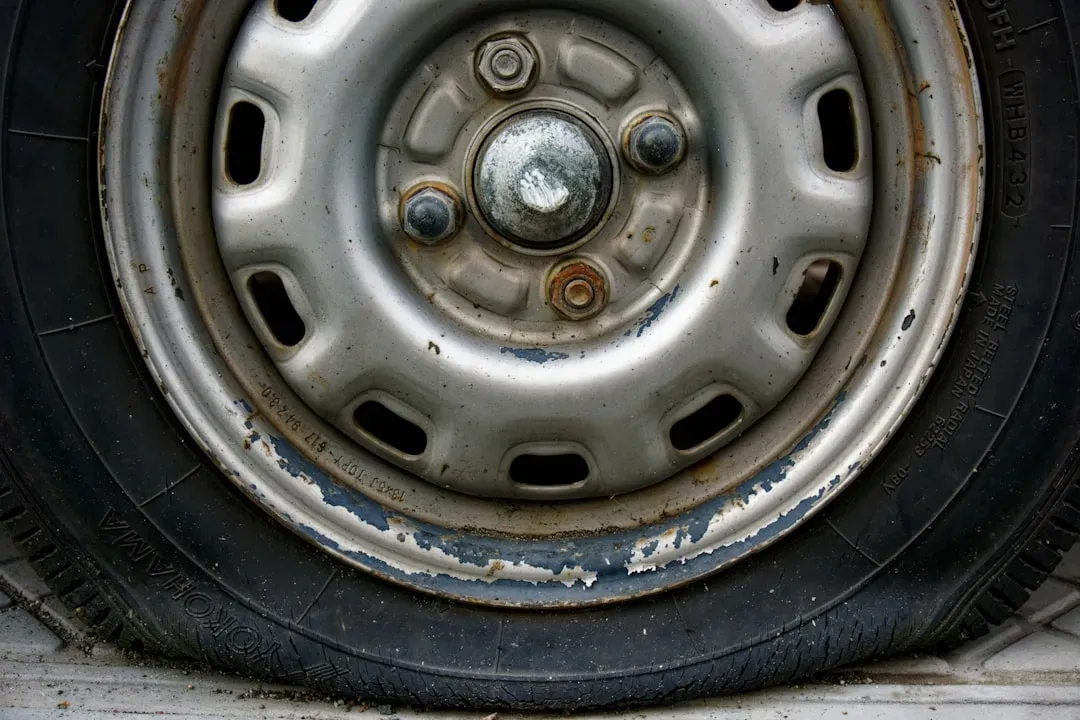
Road tires in the 1960s were far less reliable than modern radials. Long trips almost guaranteed at least one flat. Every car carried a spare, a jack, and a lug wrench – and every father who took family road trips in that era knew how to use all three, in real time, on the shoulder of a two-lane highway, in August heat, while cars blew past at close range.
Today, many drivers don’t even know where their spare is stored. AAA roadside assistance existed in the 1960s, but calling them meant finding an actual telephone first – which meant either knocking on a stranger’s farmhouse door or driving slowly on a rim until the next town appeared. Changing your own tire wasn’t impressive. It was just Tuesday again.
#18: You Ate at Roadside Diners and Howard Johnson’s, Not Fast Food Chains
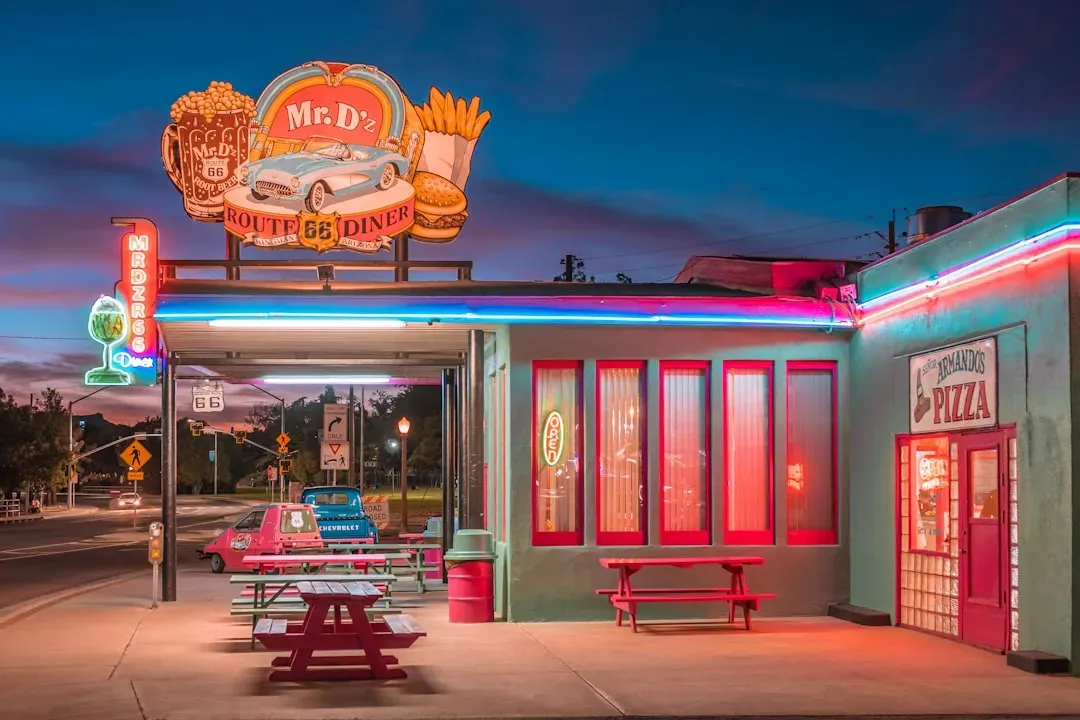
Howard Johnson’s was the king of the American road in the 1960s – identifiable by its orange roofs and famous for 28 flavors of ice cream at a time when that number felt genuinely staggering. In 1965 alone, Howard Johnson’s sales exceeded those of McDonald’s, Burger King, and Kentucky Fried Chicken combined. Roadside diners run by local families filled in everything in between. The McDonald’s-and-Burger-King interstate corridor model didn’t come to dominate American highway eating until the 1970s.
Every meal on the road was a local decision made in real time based on a sign and a gut feeling. No app. No reviews. No star ratings. Just a hand-painted board that said EATS, a parking lot with three trucks in it, and the reasonable assumption that if the trucks were there, the food was decent. That logic worked more often than not.
At a Glance: Howard Johnson’s by the Numbers
- 28 flavors of ice cream – the chain’s signature and trademark
- 1,000+ restaurant locations at its 1960s-70s peak
- 500+ attached motor lodges by the early 1970s
- Largest restaurant chain in America throughout the 1960s
- 2022: the last Howard Johnson’s restaurant, in Lake George, NY, quietly closed for good
#17: Lunch Was a Roadside Picnic From a Packed Basket
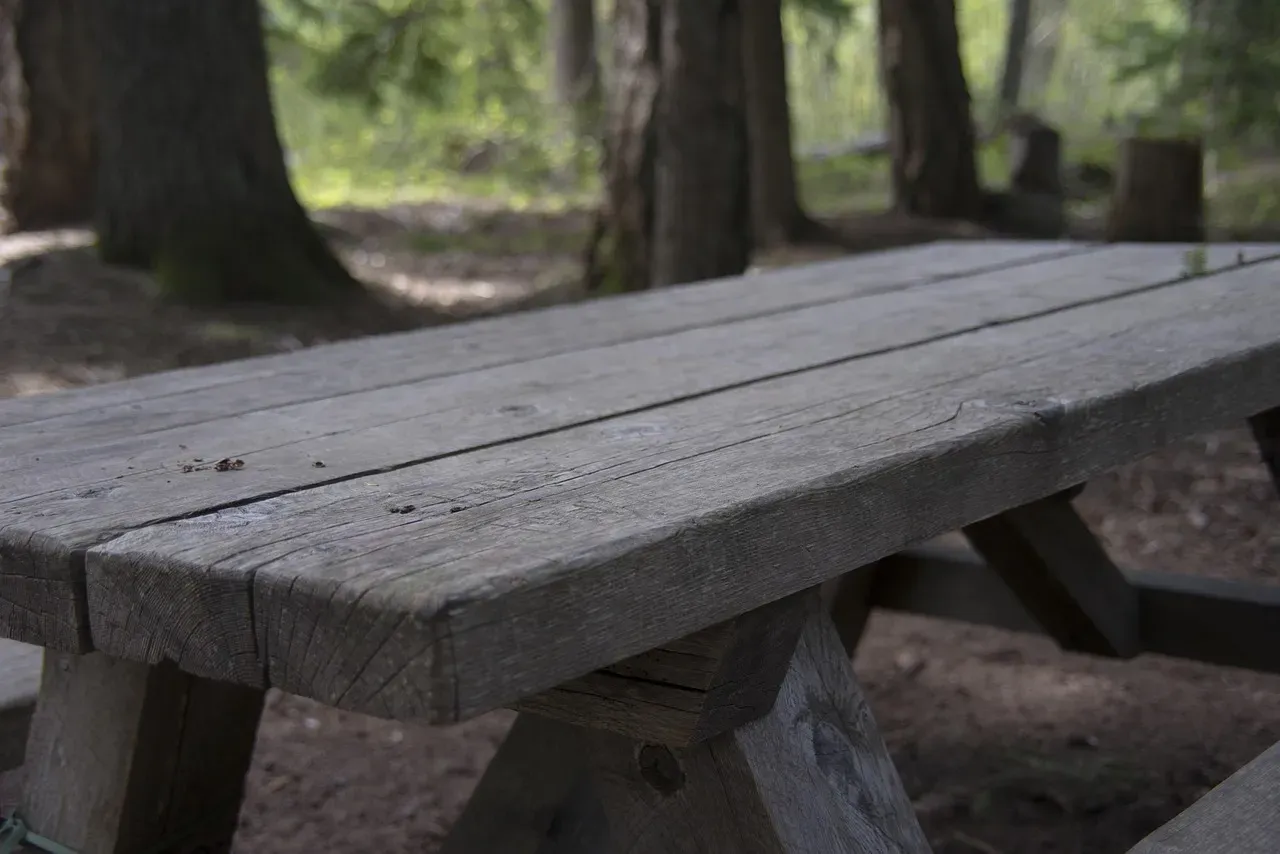
Mom packed the basket the morning of departure: sandwiches wrapped in wax paper, apples, maybe a bag of potato chips and a Coleman thermos with the twist-off lid that doubled as a drinking cup. Roadside parks – small pull-offs on two-lane roads with concrete tables, a concrete grill, and a reliable population of resident flies – were the standard lunch stop. A grove of trees for shade was the main amenity.
There was no option to just pull off and grab fast food on most stretches of American highway in 1962. Families planned their own meals because the alternative didn’t exist yet. The roadside picnic table wasn’t a charming throwback – it was a genuine practical necessity. And somehow the wax-paper sandwiches always tasted better eaten outside than they had any right to.
#16: The Motel Pool Was the Single Greatest Luxury Known to Children
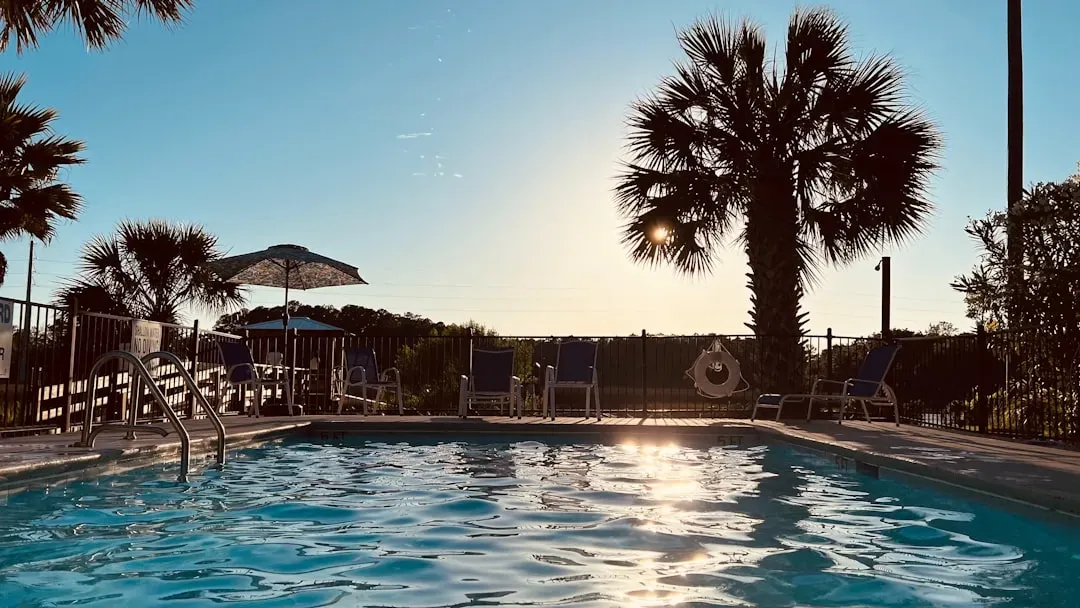
A rectangular patch of chlorinated water behind a roadside motel represented the absolute pinnacle of vacation luxury for 1960s children. Kids pressed their faces against car windows scanning for the magical “Pool” sign on motel marquees. No infinity edge, no waterslide, no resort amenities. Just a concrete rectangle with one diving board and maybe a rusting metal ladder going down into the shallow end.
The ritual was ironclad: you spotted the Pool sign, you begged, and if Dad agreed to stay there instead of the slightly cheaper motel without one, you had won the entire day. Families from six different states gathered around those pools every night, talking to strangers, letting their kids splash together, trading stories about where they’d been. It was the original social media – spontaneous, in person, no usernames required.
#15: Burma-Shave Signs Were the In-Car Entertainment
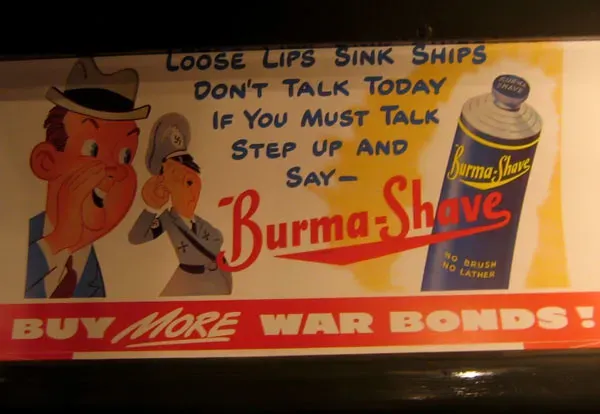
From 1926 to 1963, the Burma-Vita Company of Minneapolis advertised its brushless shaving cream with a series of six small wooden signs placed roughly 100 feet apart in farmers’ fields alongside highways across the country. Each sign carried one line of a humorous rhyming jingle – one line at a time, building toward the punchline – with the final sign always reading simply: Burma-Shave. At their peak, more than 7,000 sets of signs stretched across 45 states.
Families eagerly anticipated them. Someone would spot the first sign and the whole car leaned forward to read the next one, and the next. They were the original serialized content – designed specifically so that reading one made you desperate to see the next. The signs were placed exactly 100 feet apart to be read at 35 mph – three seconds per sign. The entire concept was killed by faster highways that made the signs blur past too quickly to read. That’s not a metaphor. It’s just what happened.
#14: License Plate Bingo Was the Only Screen-Free Game That Actually Worked
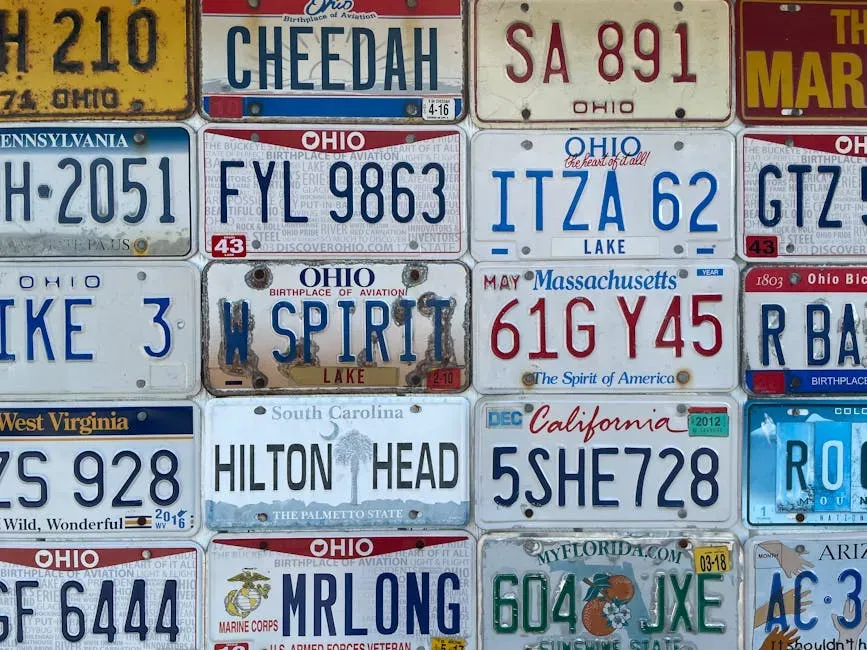
No portable DVD players. No tablets. No individual headphone sets. Backseat entertainment in the 1960s meant coloring books and license plates. The game had simple rules but genuine stakes: spot every state, find Alaska or Hawaii first, complete the alphabet using only letters from passing plates. It ran for hundreds of miles and required actual sustained attention.
In the 1960s, spotting a Hawaii plate on a mainland highway was a genuine rarity worth bragging about for the rest of the summer. Children developed real observation skills and geographic knowledge from those games – knowing which states bordered which, which plates had which colors, which regions produced the most unusual combinations. No app has replicated that specific education. Most kids today couldn’t name fifteen states from their license plates.
#13: Singing Together in the Car Was Normal and Not Ironic
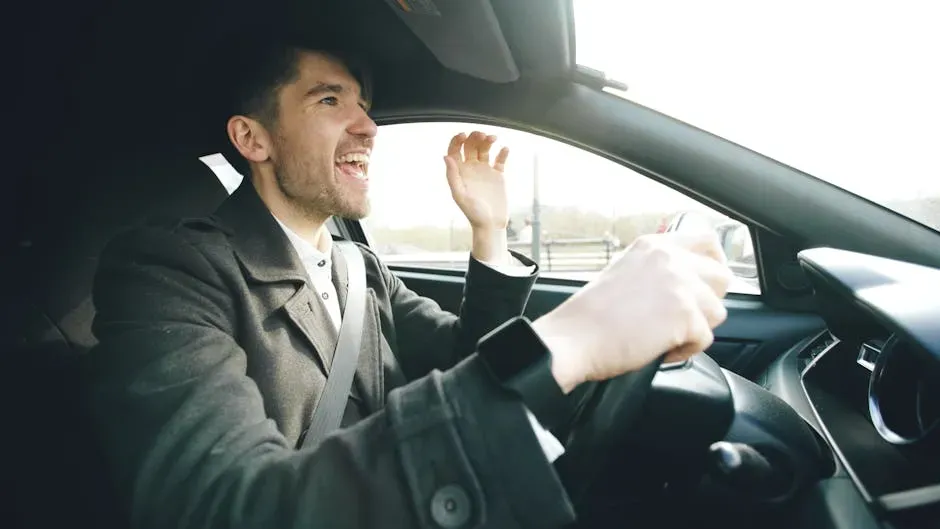
The AM radio cut out constantly on long stretches between towns, and there were no cassette tapes until the late 1960s. The actual default entertainment for hundreds of miles was the family singing out loud together. Camp songs, folk songs, hymns, pop songs that everyone half-remembered and nobody got completely right. The car became an impromptu chorus with no audience and no judgment.
Nobody filmed it. Nobody cringed about it. A family of five belting out “This Land Is Your Land” through three states of cornfields was a completely unremarkable occurrence. The idea of a family spontaneously singing in a car without it being a content play – without anyone reaching for a phone – would look genuinely alien to most people under 30 today.
#12: You Booked Motels the Day Of – Or Just Showed Up
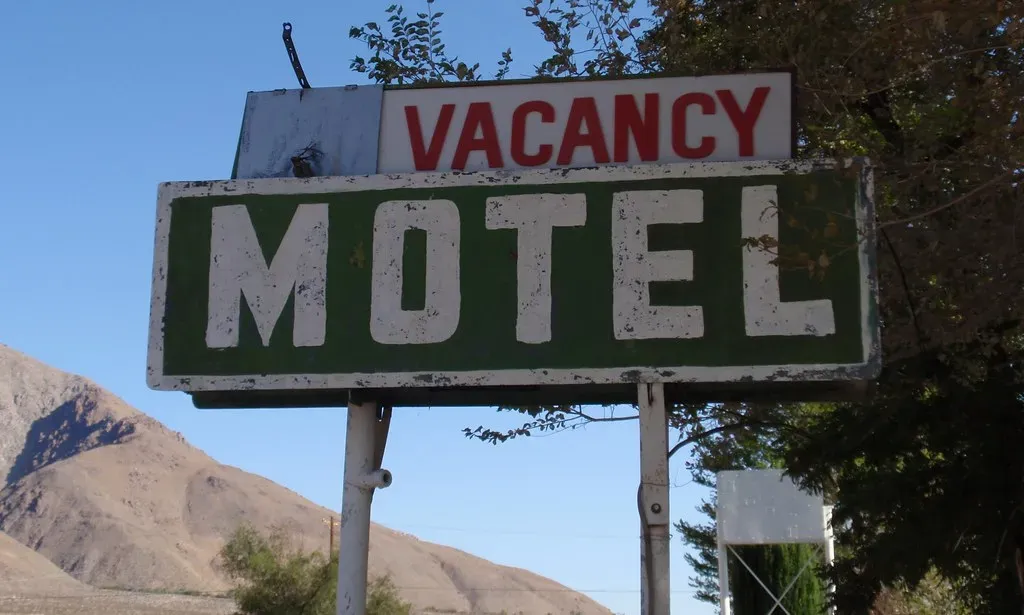
There was no Expedia. There was no Hotels.com. There wasn’t even a reliable phone directory for motels along a route you’d never driven before. The standard approach was to drive until you were tired, then look for a vacancy sign that was lit up. “Vacancy” and “No Vacancy” signs were the entire reservation system for millions of American families every summer.
Some families called ahead from a payphone at a gas station, but many simply trusted that somewhere to sleep would appear. The entire concept of booking a hotel room three months in advance to avoid missing out would have sounded genuinely paranoid to a 1963 road tripper. The highway was assumed to have room. During the boom years of interstate construction, it usually did.
#11: The Green Book Was a Lifeline for Black Families – and Most White Families Had No Idea It Existed
Not all Americans traveled those highways with the same freedom. While white families debated which roadside diner to stop at, Black families were consulting The Negro Motorists’ Green Book – a publication listing hotels, restaurants, and service stations where Black travelers would actually be served and could expect to be safe. The NAACP’s records contain hundreds of testimonials about the humiliations and real dangers African Americans faced when they left home during the Jim Crow era.
For Black motorists, the automobile offered both the promise of freedom and the reality of a racial minefield on the same road at the same time. The Green Book wasn’t a travel guide in the casual sense – it was a survival document. The same highway trip that felt like pure liberation for one family represented genuine physical danger for another. This is the part of 1960s road trip nostalgia that deserves far more space than it usually gets.
#10: Dad Was the Sole Driver, Navigator, and Supreme Decision-Maker
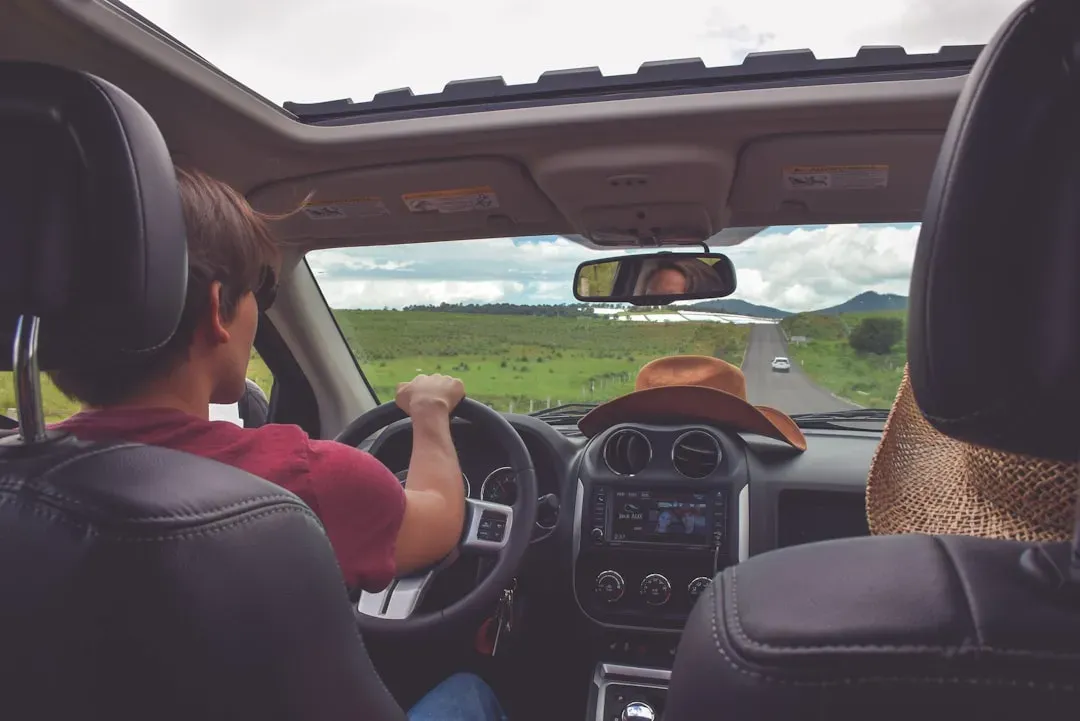
The family road trip had an unmistakable command structure. Dad drove. Dad decided when to stop, where to stop, and when to push through another two hours even when the kids were melting. Mom navigated from the passenger seat with the map on her lap and served as the buffer between backseat chaos and front-seat focus. Children had no input into routing decisions. That wasn’t cruelty – it was simply not part of the cultural script.
The phrase “If I have to pull this car over” was not a joke. It was a genuine threat that carried real weight and produced immediate silence. Historian Susan Rugh described the family car of this era as a “home on the road – a cocoon of domestic space” in which families could feel safe exploring their country. That cocoon had a clear hierarchy, and everyone in the back seat understood it without being told twice.
#9: The Interstate Highway System Was Brand New and Genuinely Exciting
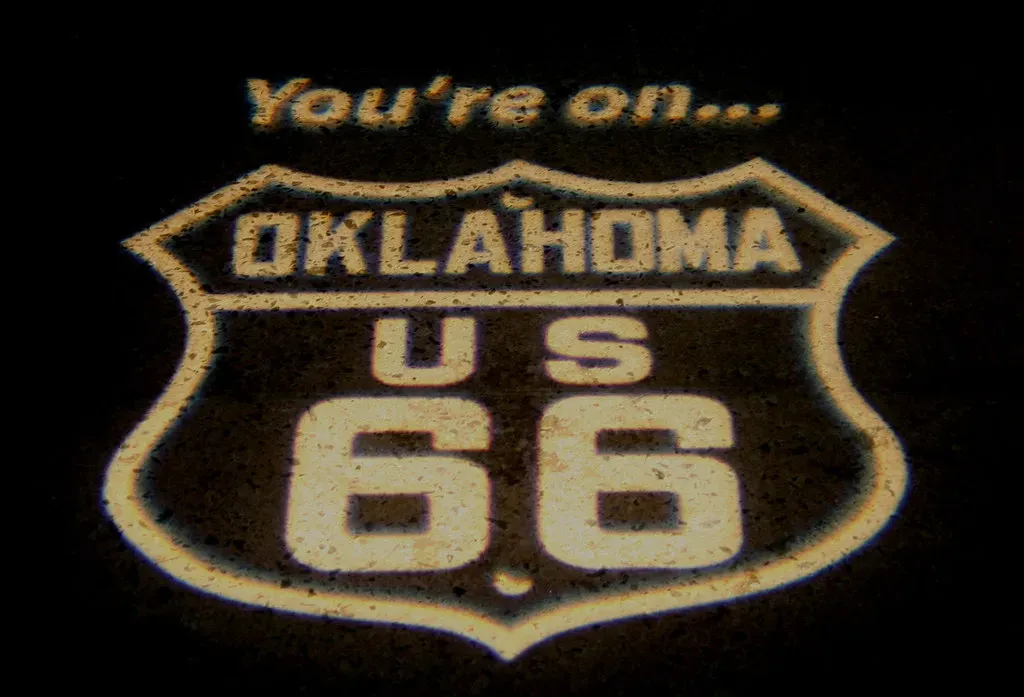
The Federal-Aid Highway Act of 1956 authorized the construction of a 41,000-mile interstate network – but here’s what gets lost in the nostalgia: in the early 1960s, much of that system was still being built. America took roughly 25 years to complete the interstates. Families in 1962 were driving on roads that were literally brand new – freshly paved, freshly signed, still carrying the smell of new asphalt.
Getting on the interstate in 1963 felt like stepping into the future in real time. The exits, the cloverleafs, the rest areas with actual vending machines and clean bathrooms – all of it was a genuine marvel of modern engineering that people talked about the way people talk about new technology today. That wonder is completely invisible now because it’s just the road. It has always just been the road, for everyone alive under 50.
Quick Compare: Then vs. Now on the American Road
- Navigation: Free gas-station paper map or AAA TripTik → GPS that recalculates when you ignore it
- Fuel stop: Attendant pumped your gas, checked oil, wiped windshield → You do it all yourself while staring at a screen
- Road entertainment: Burma-Shave signs, license plates, family singalongs → Individual screens, headphones, zero shared experience
- Lodging: Drive until tired, find a lit “Vacancy” sign → Book months ahead online or risk missing out
- Food: Howard Johnson’s or a diner with trucks in the lot → The same 12 chains at every interstate exit
#8: Roadside Attractions Were the Main Event, Not a Detour
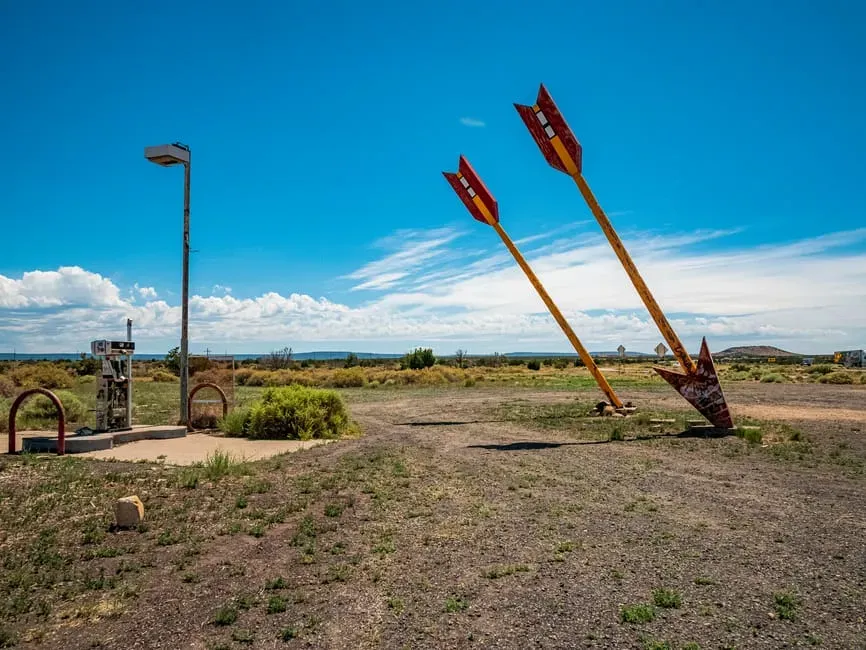
Giant Paul Bunyan statues. Mystery Spots. Alligator farms. Wax museums. Meteor craters. The World’s Largest Ball of Twine. These weren’t considered cheesy in 1965 – they were the highlights of the trip, the things children actually counted down miles to, the reason the back seat got quiet and faces pressed against windows when the first billboard appeared on the horizon.
Those billboards started 200 miles out and built anticipation for hours – a slow, analog content funnel that ran at 65 mph. When you finally arrived and the giant thing was a little smaller than the sign implied, it didn’t matter. The journey toward it had already been the payoff. This era invented the roadside attraction as a destination in its own right, and nothing since has quite replaced it.
#7: Camping at National Parks Was the Middle-Class Vacation of Choice
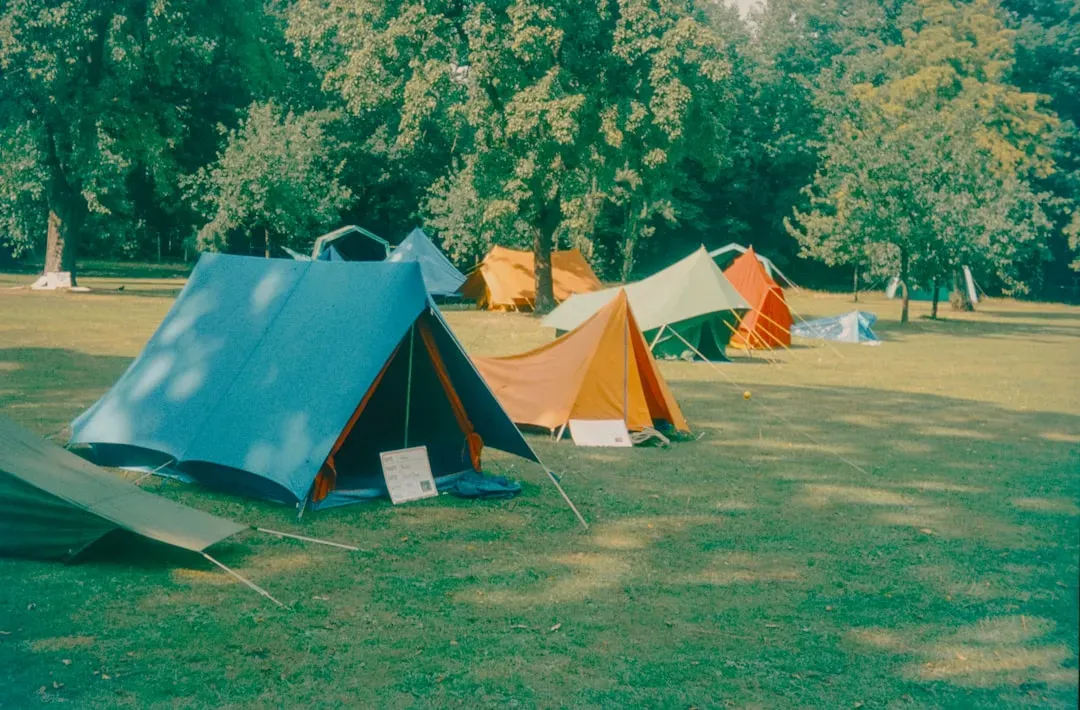
Yellowstone, Yosemite, the Great Smoky Mountains – these were the marquee stops on every serious road trip itinerary of the 1960s. Camping fees were minimal. Gear was modest: canvas tents, Coleman stoves, sleeping bags that were often genuinely inadequate for nighttime temperatures. The experience was not considered niche or adventurous. It was mainstream, expected, and framed as something close to a civic duty.
Seeing America’s national parks was presented as a patriotic act – a way of knowing your country, claiming it, appreciating what it had preserved. That framing has almost entirely disappeared from the way people talk about outdoor vacations now. Today camping is an aesthetic. In 1965, it was just what families did when they wanted to go somewhere that mattered.
#6: The Car Radio Had Only AM – and Reception Faded for Hundreds of Miles
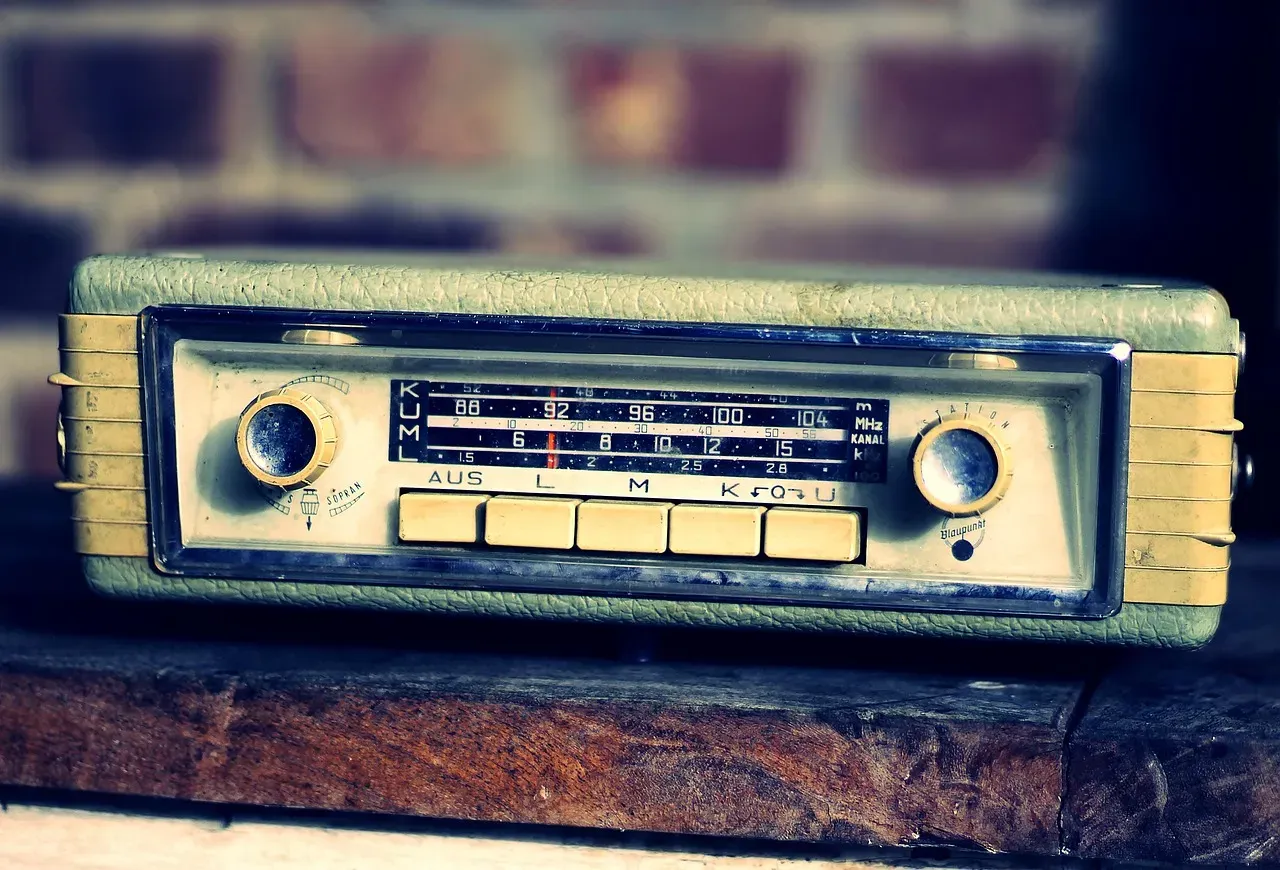
The dashboard radio was the only audio entertainment in the vehicle – no tapes, no CDs, no Bluetooth, nothing. FM didn’t become a widespread car radio feature until the mid-1970s. On long rural stretches, the AM signal simply died. One station faded out, the next hadn’t come in yet, and the car went completely silent except for wind and tires on pavement.
Dad would scan through static, occasionally landing on a distant country station or a baseball game bouncing in from somewhere far away. The phenomenon of “nighttime skip” – where AM signals from stations hundreds of miles away suddenly came in clearly after dark – was a genuine source of excitement on long night drives. Catching a Chicago station while rolling through Missouri at midnight felt like intercepting a transmission from another world. No curated playlist has ever replicated that specific randomness.
#5: Postcards Were How You Proved You Were There
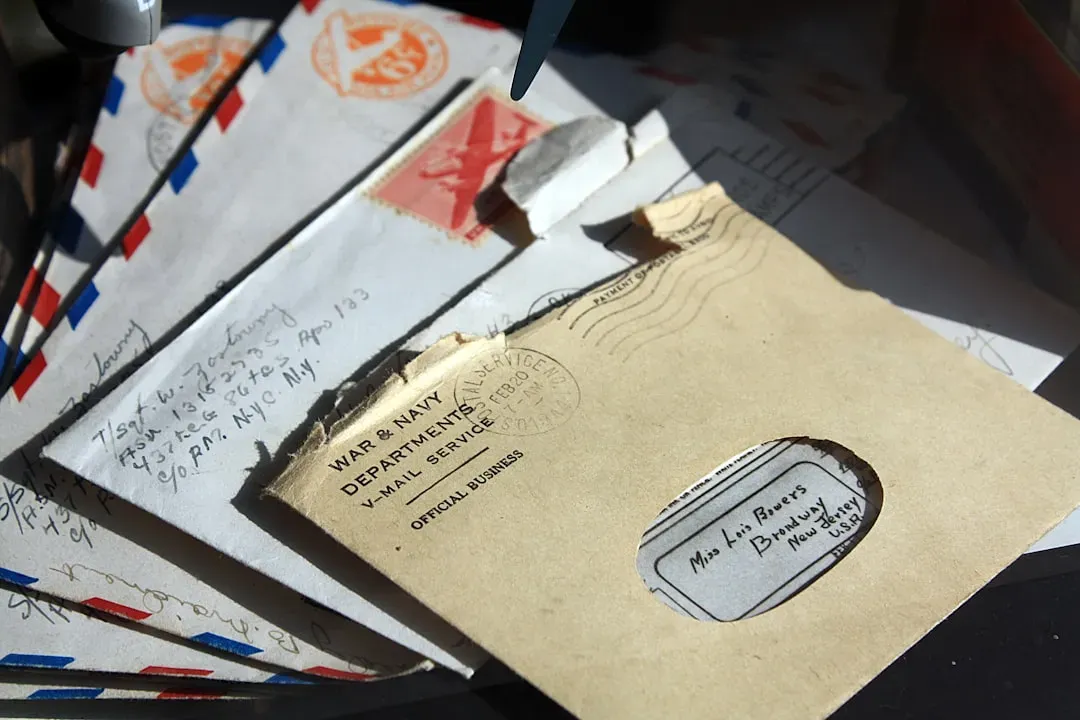
Every tourist trap and scenic overlook had a spinning rack of colorful postcards waiting to be chosen. Travelers carefully selected the perfect image, then hunted for stamps and mailboxes. Writing a message on the back became an art form – cramming excitement and affection into a space roughly the size of a business card. The trick was mailing it early enough that it arrived before you did.
The postcard served three functions at once: proof of presence, personal connection with people back home, and a physical souvenir that cost fifteen cents. Many families mailed one from every major stop, meaning grandparents received a rolling geographic diary of the trip delivered to their actual front door, one card at a time. Instagram exists for the exact same psychological reason. The postcard was just slower, more deliberate, and arrived with a stamp.
#4: Flying Was Not a Real Option – Road Trips Were What Families Did
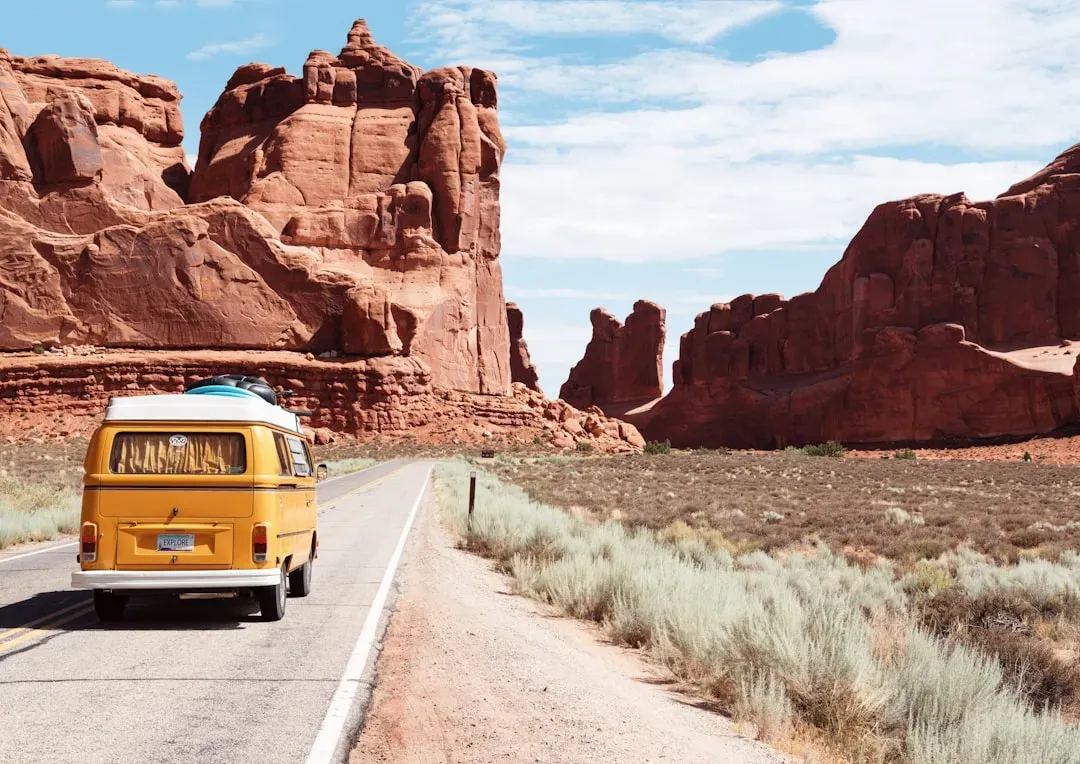
There was no such thing as an inexpensive airline ticket in the 1950s and 1960s. A family of five flying anywhere was economically out of reach for most middle-class households. The car was the only realistic travel option, full stop. Road trips weren’t a lifestyle choice – they were the only travel lifestyle most Americans had access to.
The deeper origin traces back to World War II. When the draft took young men away from home for the first time, they saw more of their country than any previous generation. They came home with a travel instinct, right as they were starting families in the baby boom. That instinct met the new interstate system and the newly affordable family car, and what came out the other side was a culture. That culture is still with us, even now that the original constraint is long gone.
#3: The Drive-In Movie Was the Perfect End to a Road Trip Day
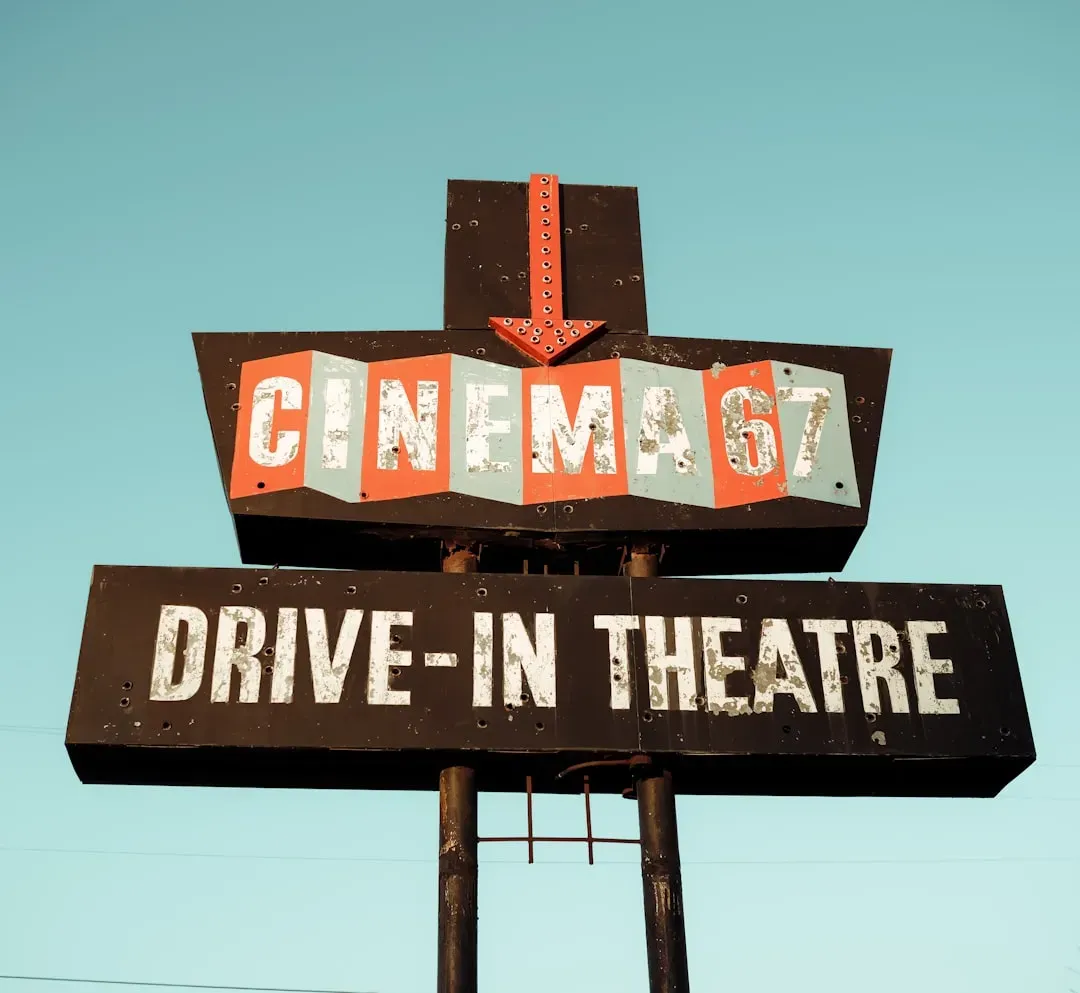
After a long day of driving, pulling into a drive-in for a double feature was the perfect wind-down. Kids in pajamas. Adults with coffee. Everyone in the same car they’d spent all day in, somehow transformed into a private movie theater by the simple act of parking and hanging a speaker on the window. The concession stand sold hot dogs and fountain drinks. The second feature started around 10 PM and was almost always worse than the first.
At their peak in the late 1950s and early 1960s, over 4,000 drive-in theaters were operating across the United States – accounting for roughly a quarter of all movie screens in the country. Today, according to the United Drive-In Theatre Owners Association’s 2024 count, only 283 remain. The road trip and the drive-in were inseparable parts of the same culture – and they faded together, for the same reasons, over the same decades. Half the family was always asleep before the credits rolled, and nobody minded at all.
Worth Knowing: The Drive-In by the Numbers
- 4,000+ drive-ins operating at their early-1960s peak
- ~25% of all U.S. movie screens were drive-ins at the height of their popularity
- 283 drive-ins remaining in the U.S. as of the 2024 industry count
- Daylight Saving Time, rising land values, and home video were the three main killers
- The in-car window speaker – the iconic part of the experience – wasn’t introduced until 1941
#2: The Trip Home Always Felt Twice as Long – Because It Was Driven Overnight
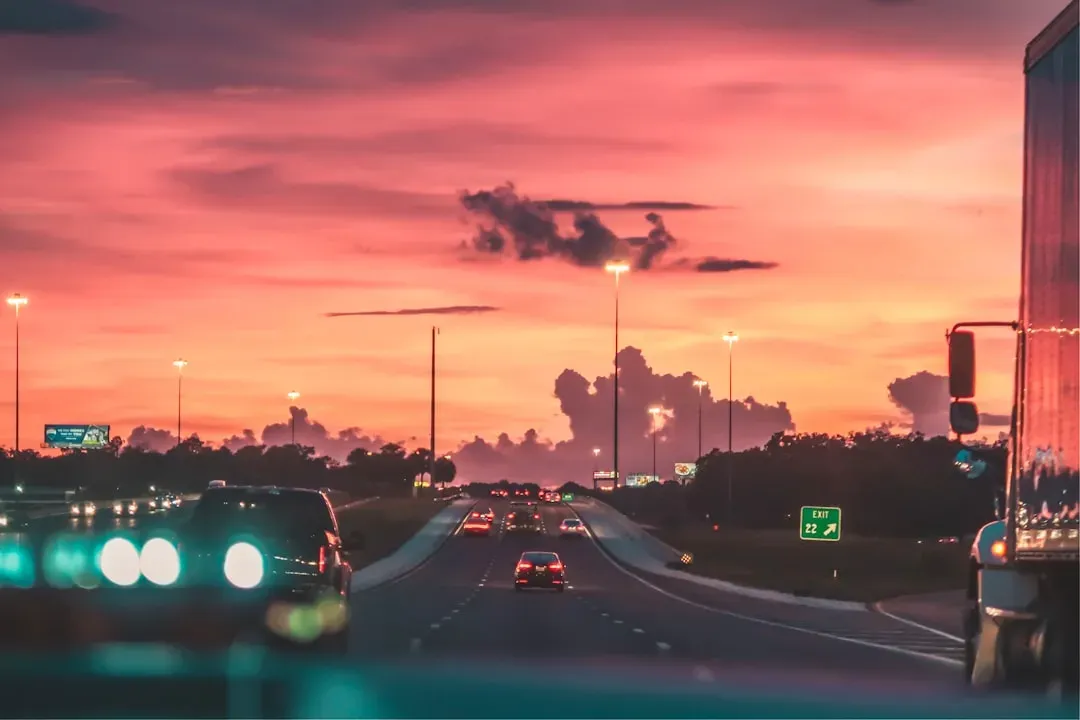
The return trip was a different animal entirely. Nobody wanted it to start. Once it did, the mood was quieter, heavier – the magic officially over, the real world waiting on the other end. Dad would push through the night to get home in one shot. The kids fell asleep somewhere in the dark middle of the country and woke up in their own driveway, disoriented, stiff, not entirely sure when they’d crossed back into their regular lives.
A veteran road tripper from this era can still hear their dad clicking the headlight dimmer switch with his left foot as cars approached from the opposite direction – a floor-mounted switch used to toggle between high and low beams that is now completely extinct from American cars. That specific sound, in the dark, somewhere on an empty highway at 2 AM, is one of those sensory details that hits people who remember it like a time machine. Waking up home without knowing you’d arrived is something only one specific generation ever got to experience.
#1: The Road Trip Was About the Drive Itself, Not the Destination
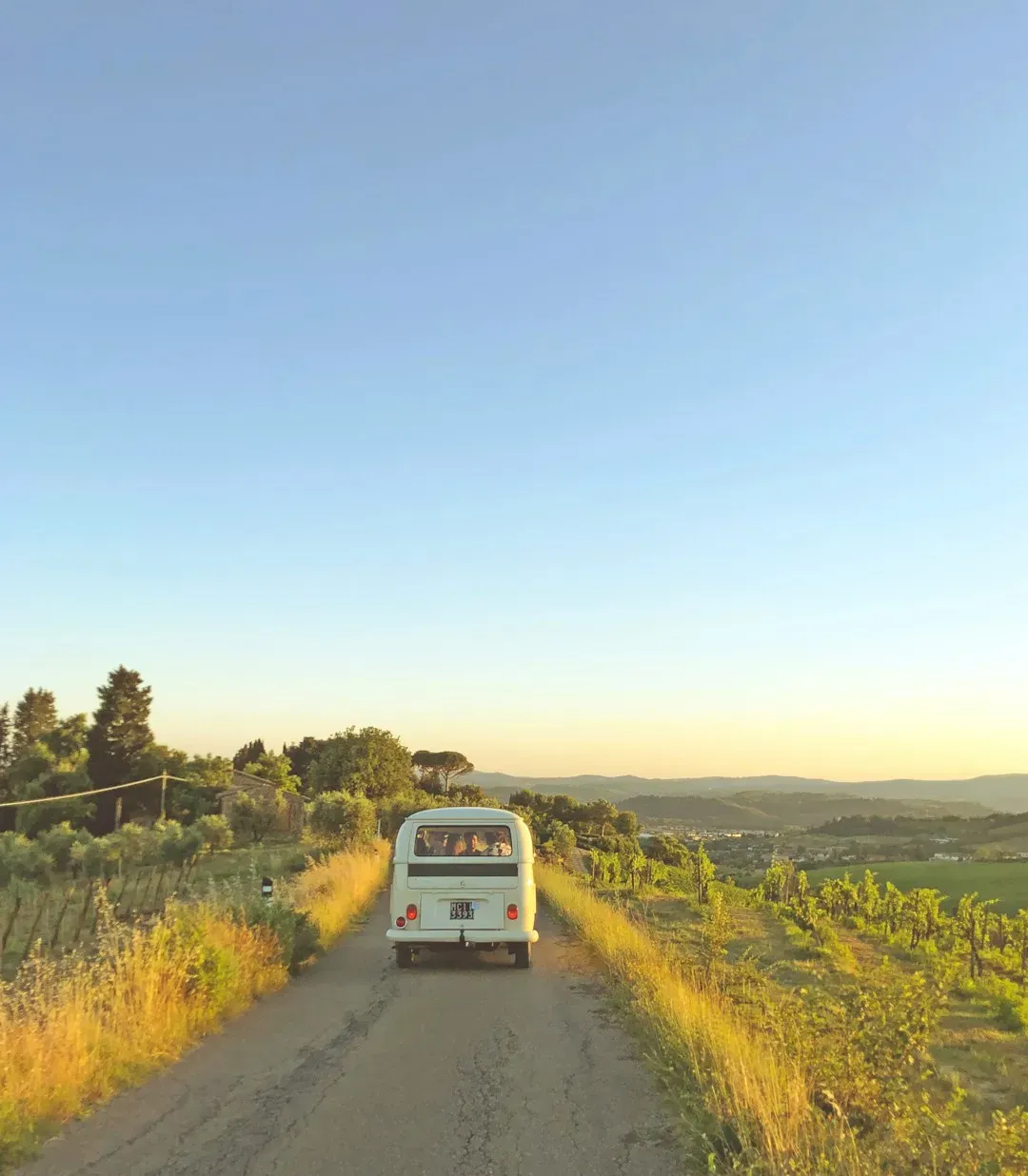
The destination was almost incidental. What people are actually mourning when they get nostalgic about 1960s road trips isn’t the chrome bumpers or the cheap gas or even the roadside diners. It’s something harder to name. The family in that station wagon was genuinely alone together – sealed off from the rest of the world by miles and static and speed and the complete absence of any alternative.
There was no way to be reached. No way to check in. No way to share the experience in real time with anyone outside that car. You had to be there – fully, physically, unavoidably there – for all of it. The flat tire. The motel pool. The Burma-Shave sign. The bad second feature. The silent drive home in the dark. It turns out that being truly unreachable for three weeks, with the people you loved and nowhere else to be, was the rarest luxury of all. People just didn’t know it yet.
The 1960s family road trip was a perfect storm of constraints that accidentally created something irreplaceable: shared boredom, shared discovery, and no exit. No screens to disappear into. No way to fast-forward the flat tire or skip the bad motel. You had to be there – and it turns out that’s the part people remember fifty years later, long after they’ve forgotten the destination entirely.