
Ask anyone who has actually lived in Scandinavia, rather than just passed through on a whirlwind cruise excursion, and you’ll get a very different list than the typical postcard rankings. Locals tend to care less about which skyline looks best in a photo and more about which waterfront feels right for an evening walk, which old town still smells like woodsmoke in winter, and which harbor still hums with actual daily life rather than just tourist buses. These seven cities keep coming up again and again in that kind of conversation, and each one earns its spot for reasons that go well beyond a pretty Instagram frame.
Scandinavia, in the strict sense, means only three countries: Norway, Denmark, and Sweden. Three countries make up Scandinavia, Norway, Denmark and Sweden, though people often assume the region also includes Iceland, Finland, the Faroe Islands and Greenland, which are actually part of the broader Nordic countries. That distinction matters here, because every city on this list sits within those three nations, and each one carries a slightly different flavor of that shared Scandinavian sensibility.
1. Copenhagen, Denmark
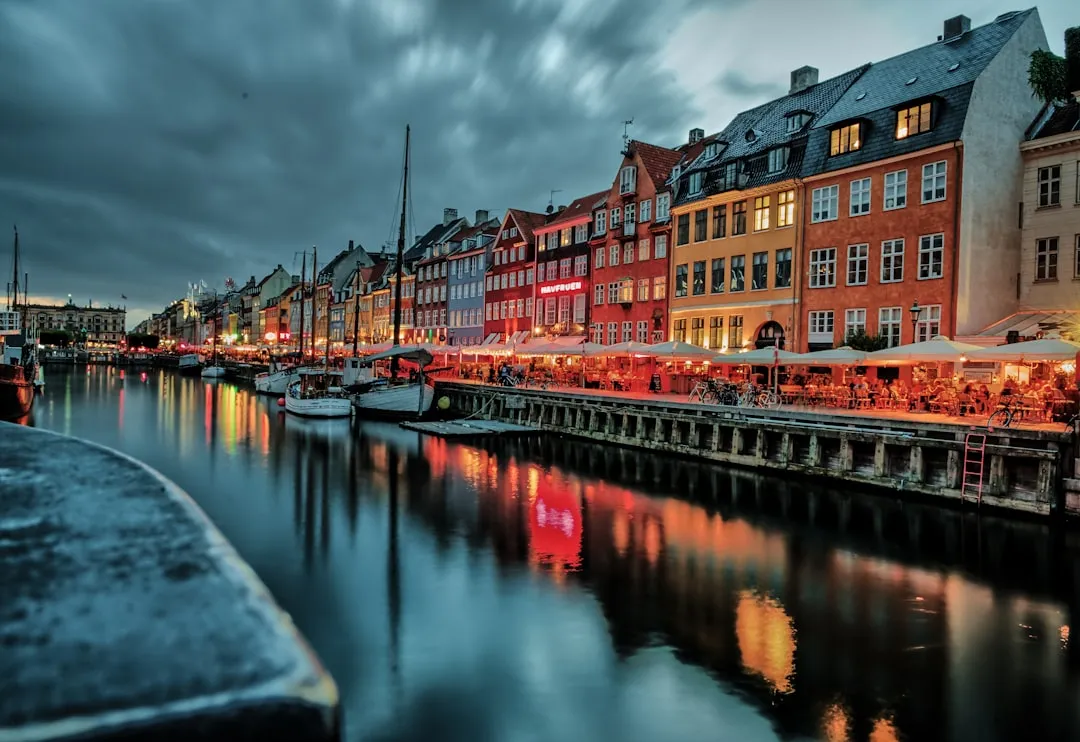
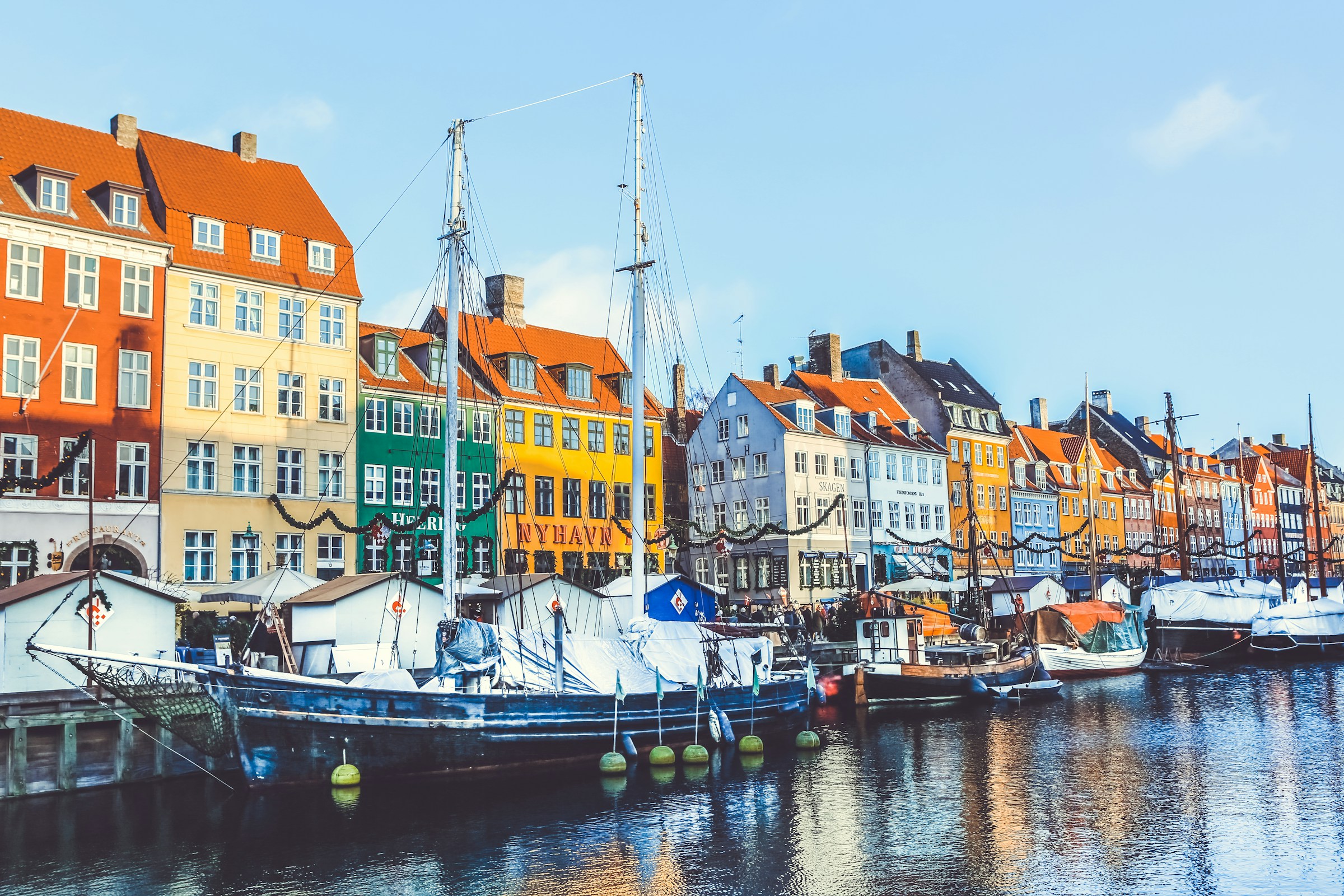
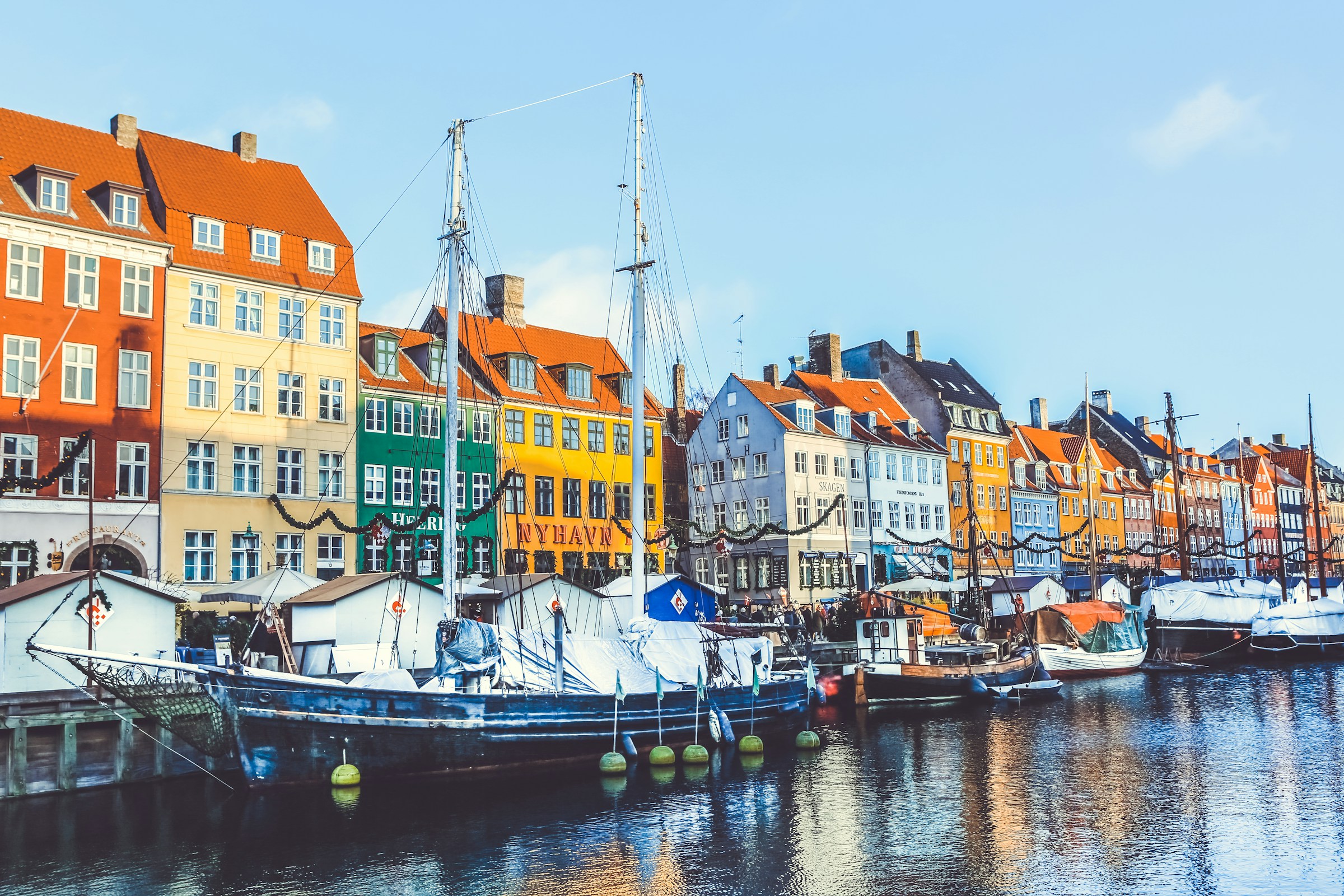
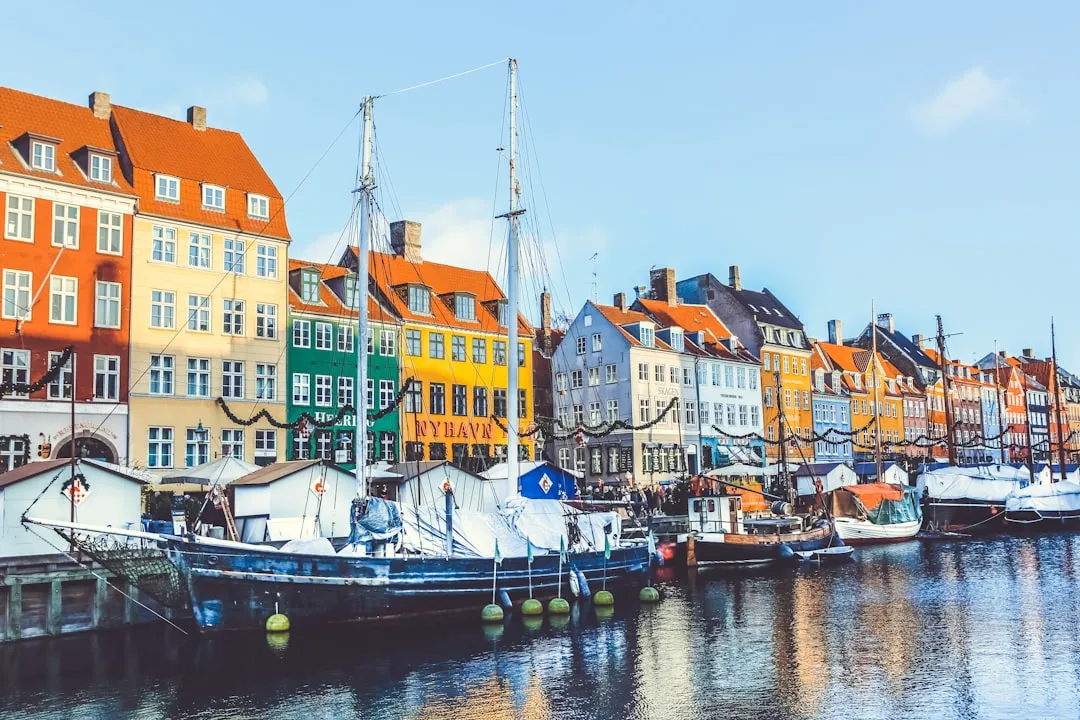
Copenhagen tends to top these lists for a reason that has nothing to do with grand monuments. The city combines centuries of royal history with the clean design and cultural sophistication that define modern Scandinavia, having evolved from a fishing village into one of Europe’s most stylish and welcoming capitals. Locals will point you toward the harbor first, and it’s easy to see why once you’re standing there. The colorful Nyhavn harbor, lined with historic townhouses and wooden ships, remains one of Scandinavia’s most iconic waterfront scenes.
What keeps Copenhagen near the top of most rankings is how the city balances that old-world charm with everyday livability. As Denmark’s capital and pride, Copenhagen sits across the islands of Zealand and Amager, and it’s also recognized as an extremely environmentally friendly city. The Little Mermaid statue still draws crowds along the water, and it has become one of Copenhagen’s most recognizable landmarks and symbols of Danish culture. Add in Tivoli Gardens, the beaches, and the endless bike lanes, and you understand why residents rarely feel the need to leave for a weekend getaway.
2. Bergen, Norway
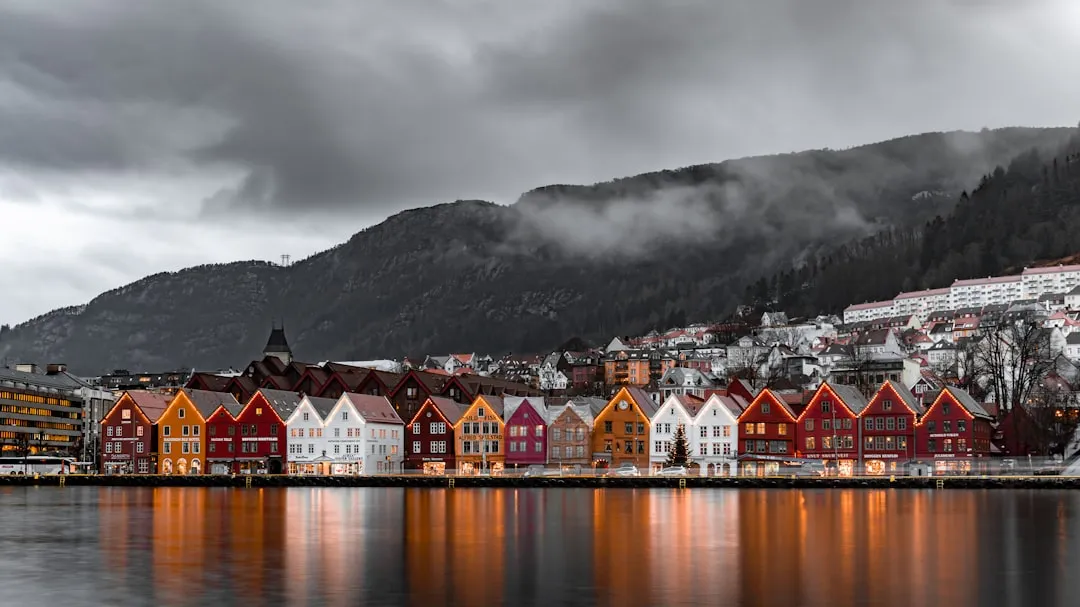
Bergen wins over locals and visitors alike through pure geography. The city sits wedged between seven mountains and a working harbor, and that setting alone does most of the heavy lifting. Bergen has given a warm welcome to its visitors for more than 950 years, ever since King Olav Kyrre sailed into the harbour and founded the city in 1070. The wharf district, known as Bryggen, is the reason UNESCO took notice in the first place, and today some 62 buildings remain of that former Hanseatic townscape.
What makes Bergen feel different from other harbor cities is how quickly you can trade cobblestones for wilderness. The peak of Mount Fløyen rises 319 metres from Bergen and treats visitors to sweeping views of the coastline, reachable either by hiking or by hopping on the Fløibanen Funicular. Locals also love bragging about the fjords right on their doorstep, since Bergen’s position on the coastline gives easy access to Hardangerfjord, Sognefjord and Nærøyfjord, mixing cultural attractions, medieval heritage and jaw-dropping nature in one place.
3. Stockholm, Sweden
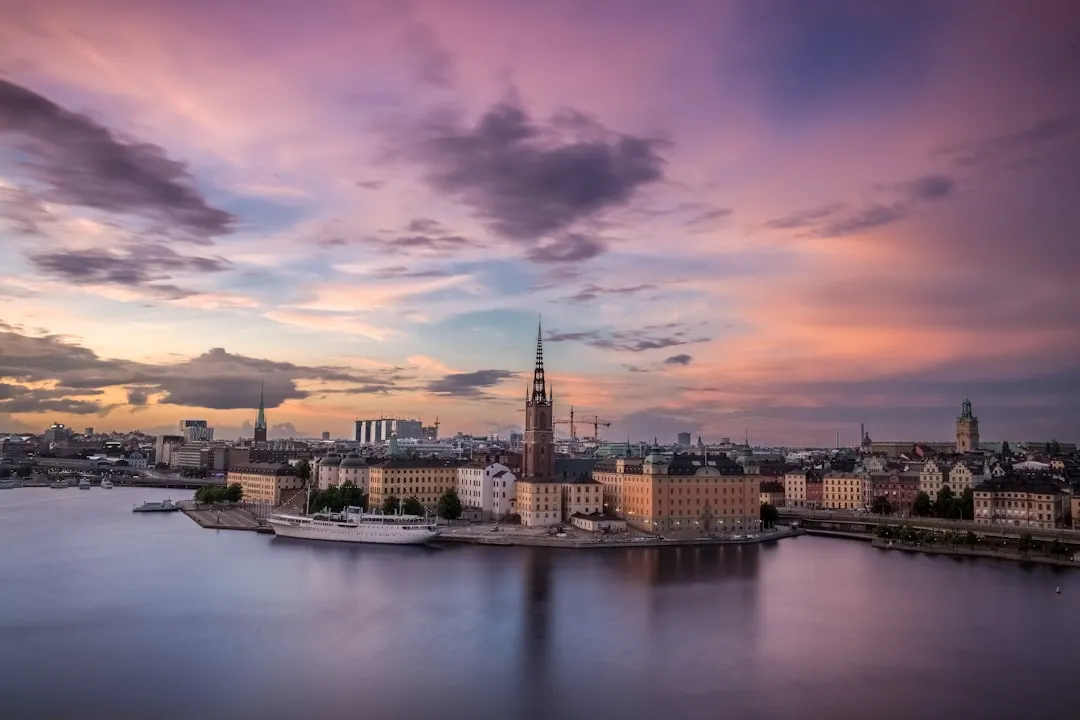
Stockholm rarely loses an argument about which Scandinavian city photographs best, and the layout itself explains why. Sweden’s vibrant capital sits on a series of 14 islands, where grand waterfront buildings contrast with a beautifully preserved old town and miles of open parkland. Wandering Gamla Stan at dusk, when the lamps come on along the narrow lanes, is the sort of thing locals never quite get tired of showing off to out-of-town friends.
What separates Stockholm from other capitals is what lies just beyond the city limits. Summer visitors are practically required to take a boat ride through Stockholm’s archipelago to view its more than thirty thousand islands, a genuinely mind-blowing number once you see it for yourself. Between the palaces, the museums, and that endless scattering of islands, it’s no surprise Stockholm gets called one of the most photogenic capitals on the continent by nearly every guidebook that covers it.
4. Aarhus, Denmark
Aarhus rarely gets the international attention Copenhagen does, yet plenty of Danes will quietly tell you it’s the more livable of the two. Denmark’s second city is hailed as one of the happiest cities in the world, thanks in part to its modest size, high quality of life, and commitment to volunteering. It has managed to stay compact and walkable while still packing in serious culture. Its cobbled streets center around the excellent experimental modern art gallery ARoS, which anchors the whole city’s creative identity.
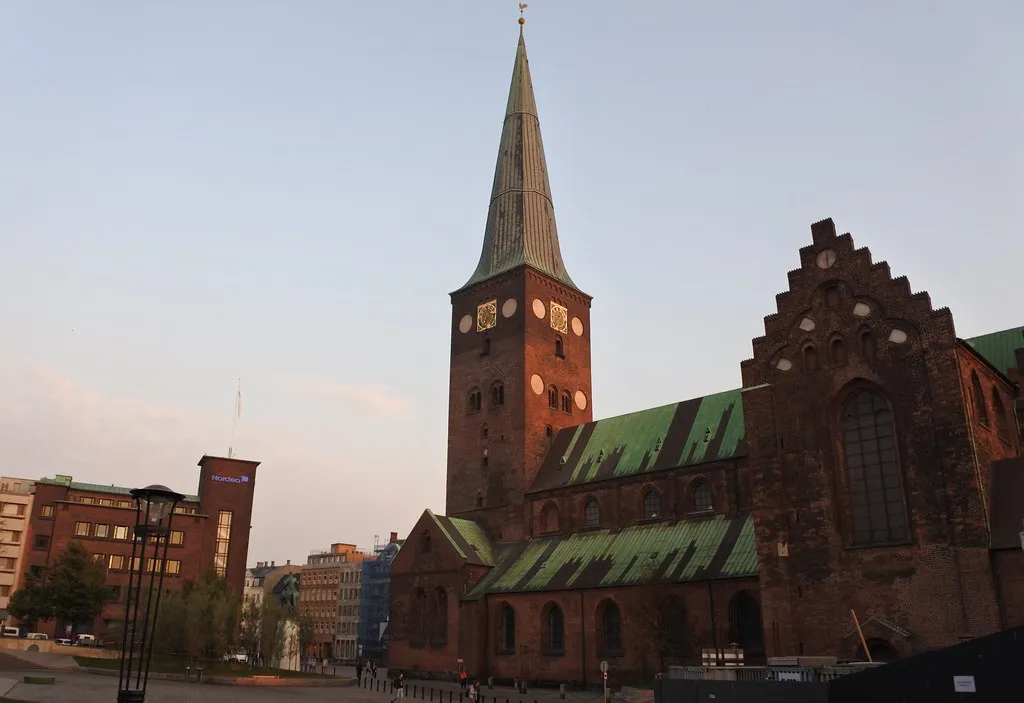
The skyline gives away Aarhus’s history the moment you arrive by train or by ferry. The beautiful Aarhus Cathedral, the tallest church in Denmark, dominates the city’s skyline and remains a defining landmark for anyone approaching from the harbor. Locals appreciate that Aarhus works equally well as a base for day trips into the Jutland countryside or as a destination in its own right, something that keeps its population feeling far more connected to the city than commuters typically are in bigger capitals.
5. Gothenburg, Sweden
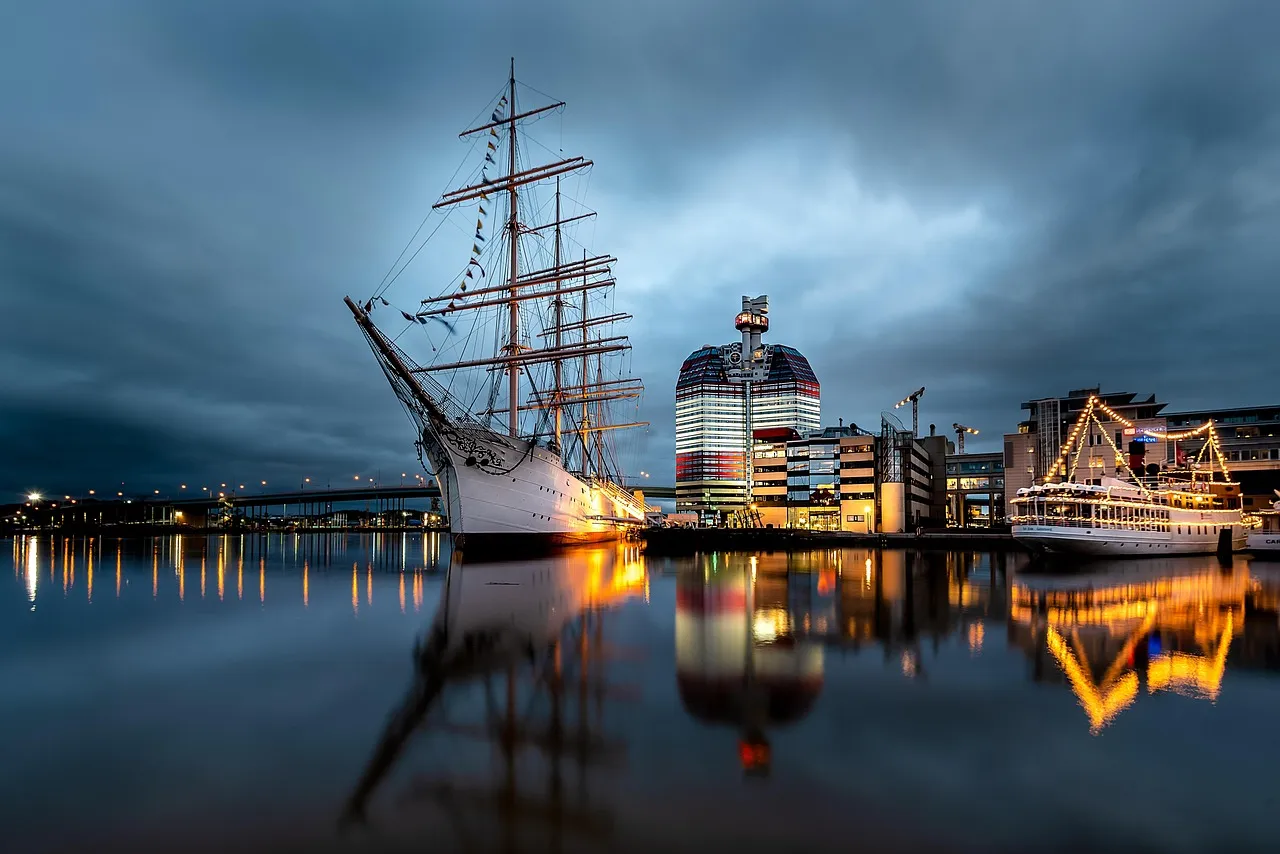
Gothenburg tends to inspire genuine loyalty rather than casual admiration, and Swedes who live there will defend it fiercely against Stockholm’s reputation. As the second largest city in Sweden, Gothenburg carries the history and architecture of its larger neighbors while sitting in the heart of the breathtaking landscape of West Sweden. The green spaces alone set it apart from most other Scandinavian cities its size.
Locals point newcomers toward two very different sides of the city. Gothenburg’s Botanical Garden ranks among the biggest in Europe, home to over 16,000 species of plants, with the Håberget lookout point offering excellent views across the harbour. Then there’s Haga, the old working-class district that’s since become one of the most charming pockets of the city, where cobblestone lanes are peppered with antique shops. Between the archipelago just offshore and the city’s laid-back seafood culture, Gothenburg earns its reputation as Sweden’s most underrated beauty.
6. Stavanger, Norway
Stavanger doesn’t get mentioned as often as Bergen or Oslo, yet locals in the region consider it the more atmospheric of Norway’s coastal cities. Stavanger is one of Norway’s oldest towns, with roots going back to the Viking era, giving it a depth of history that belies its modest size today. The old town’s wooden architecture is instantly recognizable once you’ve seen it.
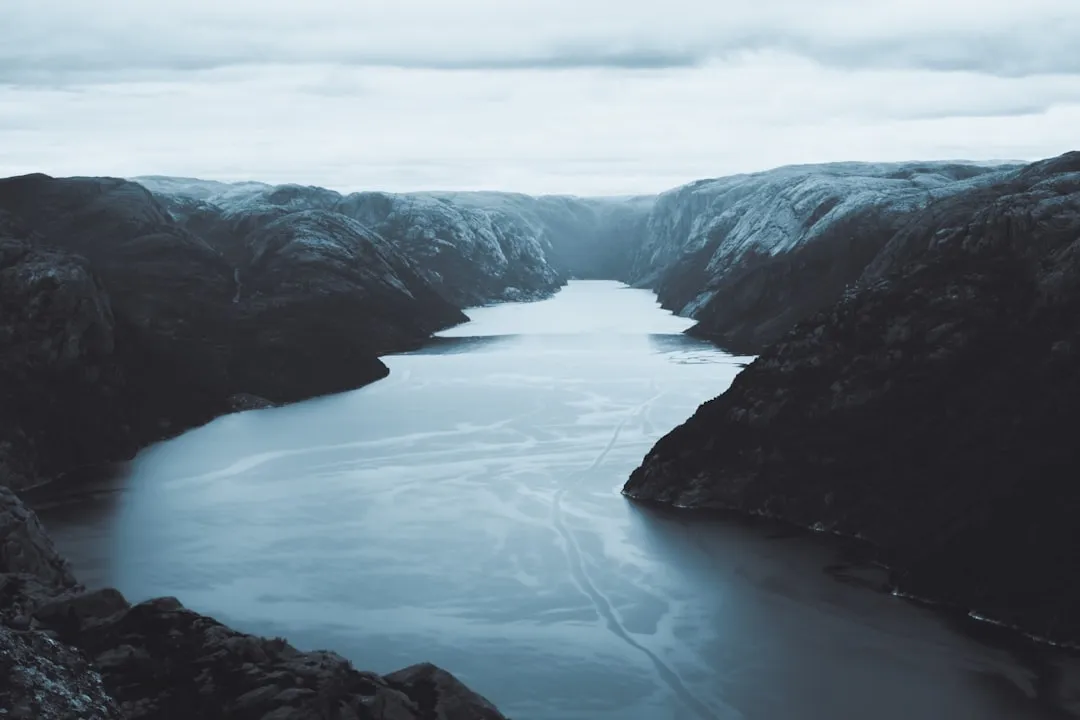
What locals talk about most, though, is the color palette of the place. Stavanger is predominantly white and red, with white wooden houses that blend in with the winter snow and red roofs that help them retain a pop of life. Just beyond the city, the scenery turns dramatic fast. The most popular attraction nearby is the collection of hikes and cruises that lead deep into the sapphire fjords, or up to the summit of Pulpit Rock, a cliff overlooking some of the bluest water you’ve ever seen.
7. Oslo, Norway
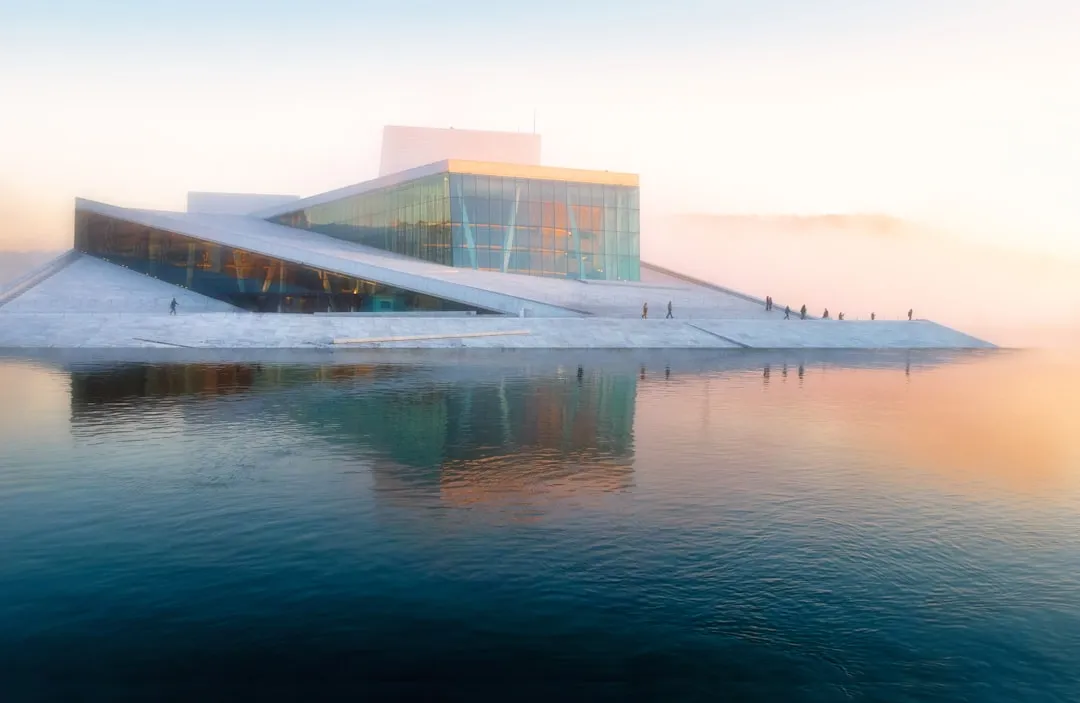
Oslo used to get dismissed as the least exciting Scandinavian capital, but that reputation has shifted noticeably in recent years. Oslo is shaping up to be the best city break destination in Scandinavia, with a revamped harborfront, powerhouse art galleries, and a growing slew of great hotels. The Opera House, with its sloped roof that doubles as a public plaza, has become the symbol of that transformation, and visitors are regularly found simply standing on its roof, taking in the harbor view.
What keeps residents attached to Oslo, though, is how quickly the city gives way to nature and history in every direction. The sculptures at Vigeland Park feature over 200 pieces by Norwegian sculptor Gustav Vigeland, while Akershus fortress, a medieval castle in the centre of Oslo, dates back to the 1300s. Few European capitals let you ski, swim in a fjord, and wander a medieval fortress all within the same afternoon, and that mix is exactly what long-time residents say they’d miss most if they ever left.
Why These Seven Keep Winning People Over
What ties these seven cities together isn’t a shared architectural style or a single defining monument. It’s the way each one blends water, old wooden or stone quarters, and an almost stubborn refusal to sacrifice everyday livability for tourist appeal. Locals in Bergen, Stavanger, or Aarhus will tell you the same thing in different words: the beauty isn’t staged for visitors, it’s just how the city has always looked and felt to the people who actually live there.
If there’s a lesson in ranking cities this way, it’s that beauty in Scandinavia rarely comes from grandeur alone. It comes from harbors that still work for a living, old towns that haven’t been hollowed out into museum pieces, and a climate that somehow makes gray winter days feel cozy rather than bleak. Visit any one of these seven, and you’ll understand almost immediately why the people who call them home rarely feel the need to look elsewhere.