
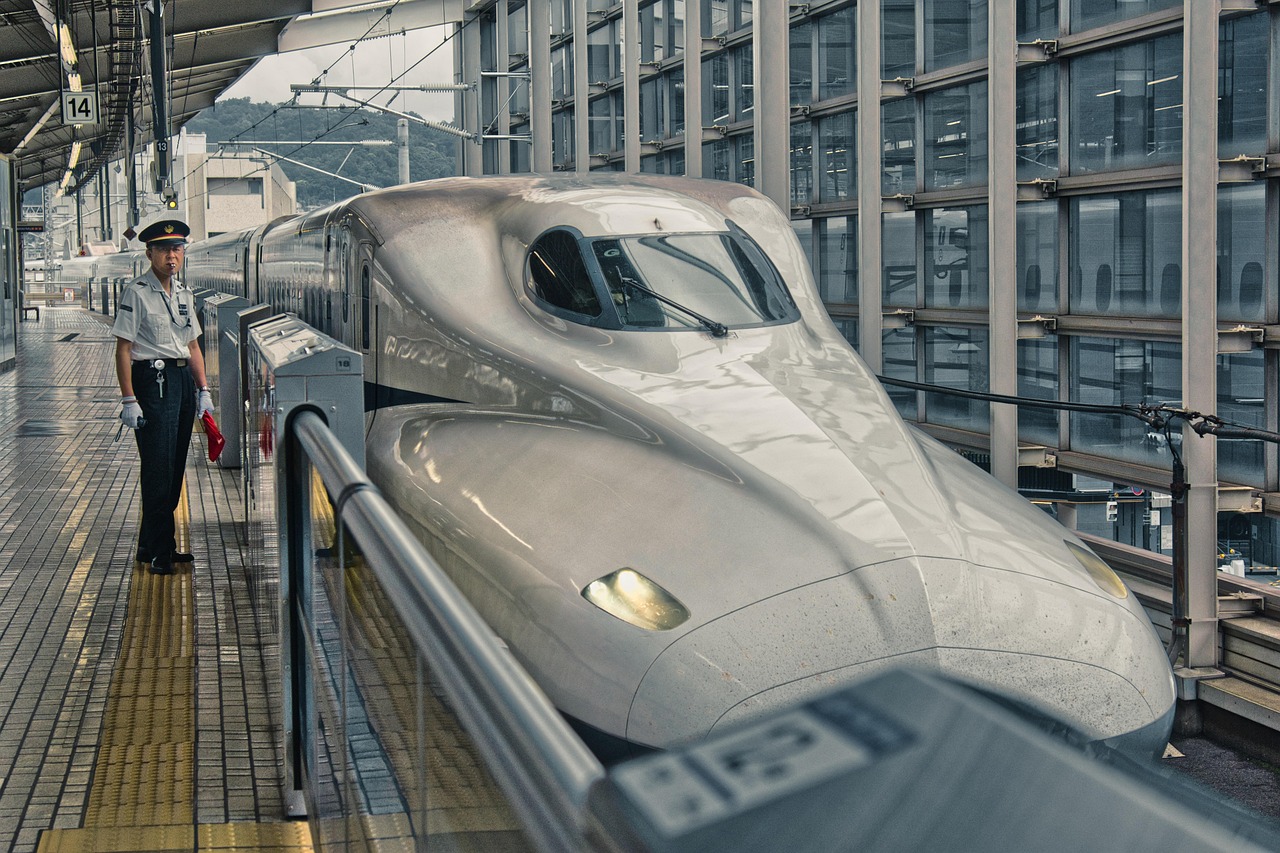
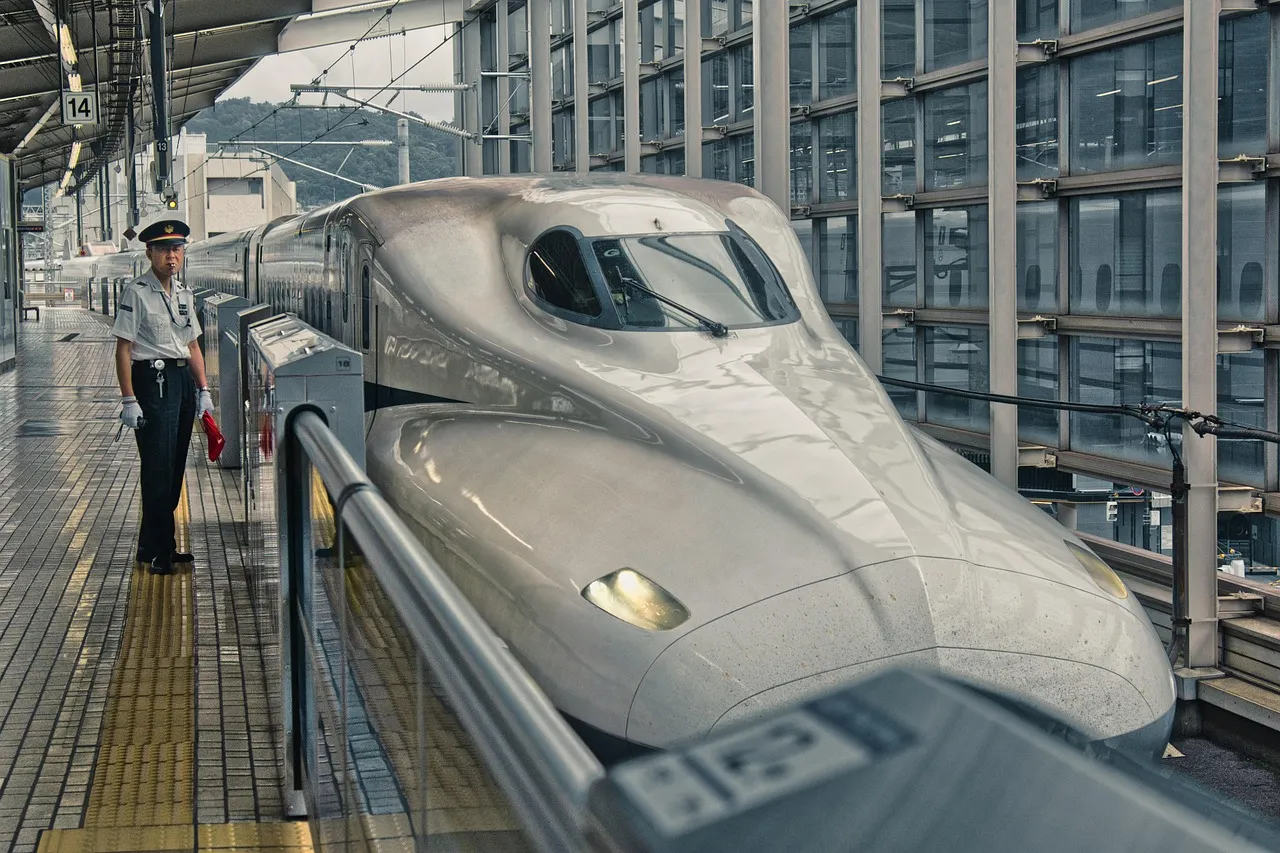
For six decades, Japan’s Shinkansen has built its reputation on speed, precision and clockwork punctuality rather than indulgence. That is about to shift in a meaningful way. Starting this October, passengers riding the country’s busiest bullet train corridor will be able to book something the network hasn’t offered in more than twenty years: a private room with a door you can actually lock.
The new tier, called Supreme Class, sits above the long-standing Green Car and brings a distinctly airline-inspired feel to rail travel between Tokyo, Nagoya, Kyoto, Osaka, Hiroshima and beyond. It marks one of the biggest changes to onboard comfort on the Tokaido and Sanyo lines in a generation, and it says a lot about where Japan’s rail operators think premium travel is heading.
What Exactly Is Supreme Class?
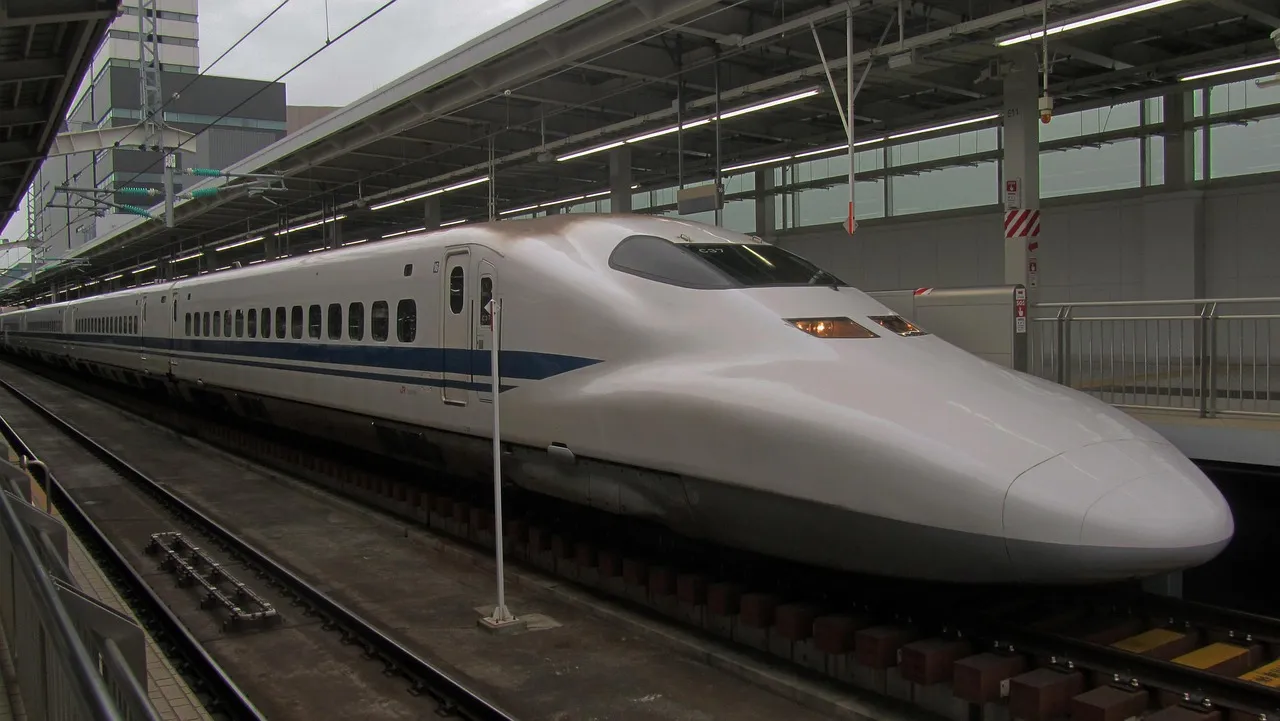
JR Central and JR West have announced details of a new “Supreme Class” to be introduced on the Tokaido/Sanyo Shinkansen, Japan’s most used bullet train route linking Tokyo with Nagoya, Kyoto, Osaka, Hiroshima and Fukuoka. The new class will sit above the existing Green Car and can roughly be compared to first class on an airplane. That is a notable distinction, because until now, most trains on the route have offered 13 cars of ordinary seats and three cars of Green Car seats, the latter being comparable to business class, with cars 8 to 10 serving as the Green Cars while cars 1 through 7 and 11 through 16 have ordinary seats.
The new offering, called Supreme Class, sits above the long-standing Green Car tier and brings something the Shinkansen hasn’t offered since the early 2000s: a door you can lock. Private compartments aren’t entirely new to the rails; the double-decker 100 series offered them until it left the Tokaido line in 2003, but Supreme Class revives the idea after more than 20 years, and brings private rooms to the Nozomi for the first time. It’s a small piece of rail history repeating itself, only with modern technology bolted on.
Two Very Different Cabin Configurations
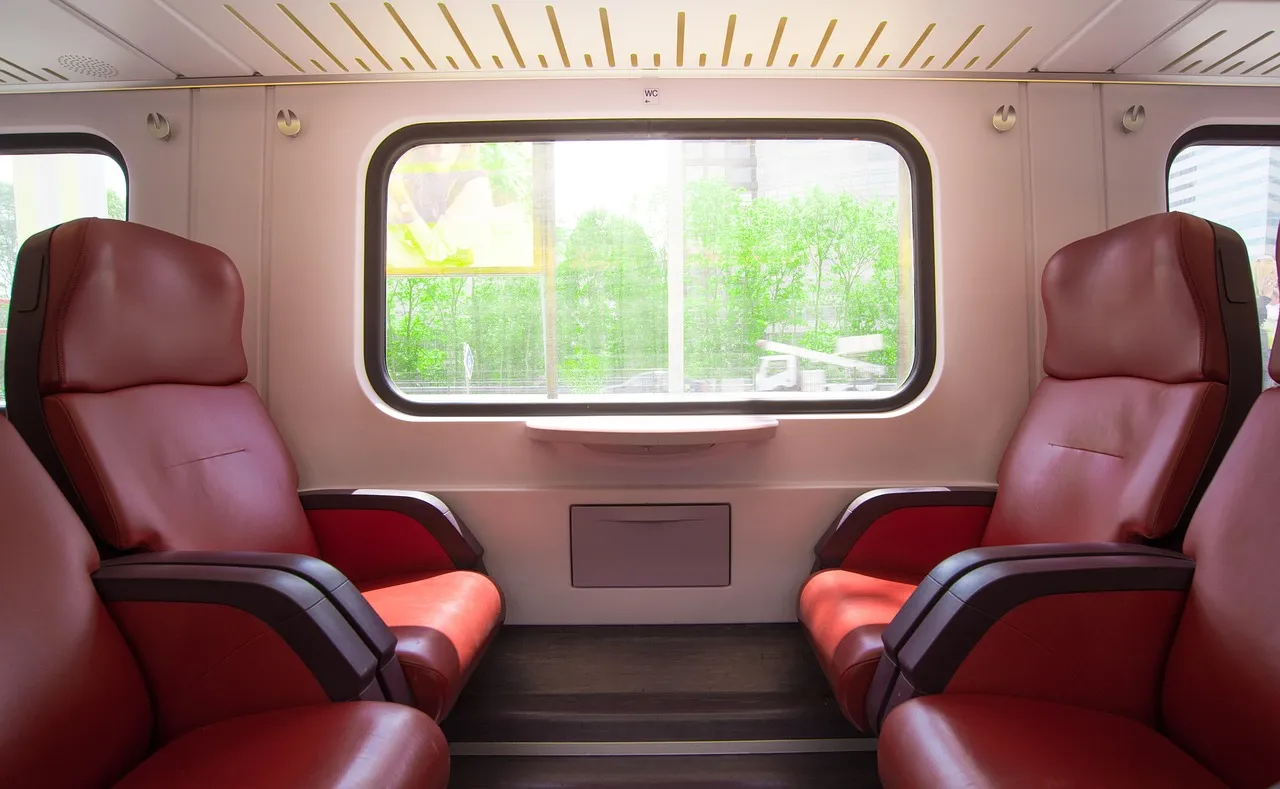
Supreme Class isn’t a single product. The most exclusive option is the Supreme Class Cabin, available in either a single-seat configuration in Car 10 or a two-seat layout in Car 7, with an additional sofa seat, from October 1. Each cabin comes with an auto-locking door that opens with a registered transit IC card, a much needed dedicated luggage storage area, reclining seats with ample lumbar support, leg rests and seat heating, plus adjustable lighting that can be dimmed, warmed or switched off entirely.
The larger of the two rooms leans even further into luxury. The larger Car 7 cabin functions more like a private suite, featuring a sofa, additional space, and accommodations for up to two passengers. One quirk worth knowing before booking: the seats in the cabins cannot be rotated, meaning that the main seat in the double room will face backward on journeys toward Tokyo, while the seat in the single room will face backward when traveling in the opposite direction.
When and Where You Can Actually Ride It
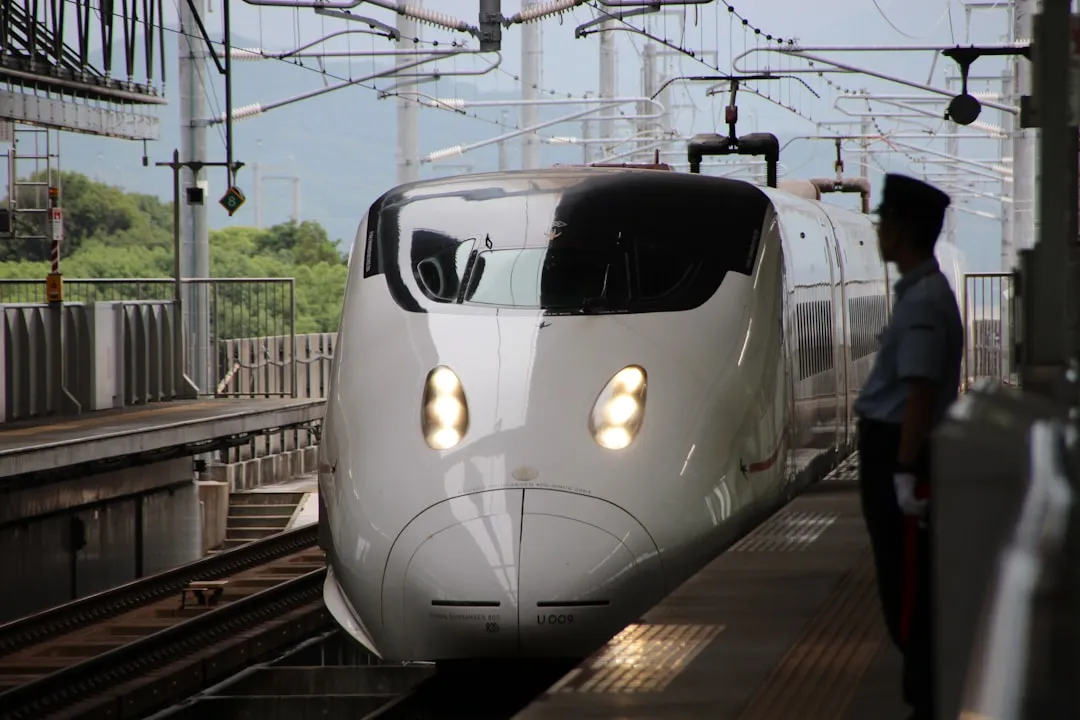
Supreme Class will be introduced from October 1, 2026, and initially it will be featured on only six round trips per day, but the number of services offering the new class will be increased gradually. They will be available on around 12 trains per day from October, and by the end of fiscal 2026, that number will increase to around 30. That is a deliberate rollout rather than a sudden network-wide switch.
The longer-term ambition is more expansive but still measured. The aim is to have Supreme Class compartments available on approximately 30% of all Tokaido Shinkansen trains by the end of fiscal 2028. Nevertheless, it can be expected that only a minority of the trains will feature the new class even in 2-3 years from now. Travelers hoping to snag a cabin on a specific date should plan carefully, since availability will remain limited for the foreseeable future.
What It Will Actually Cost
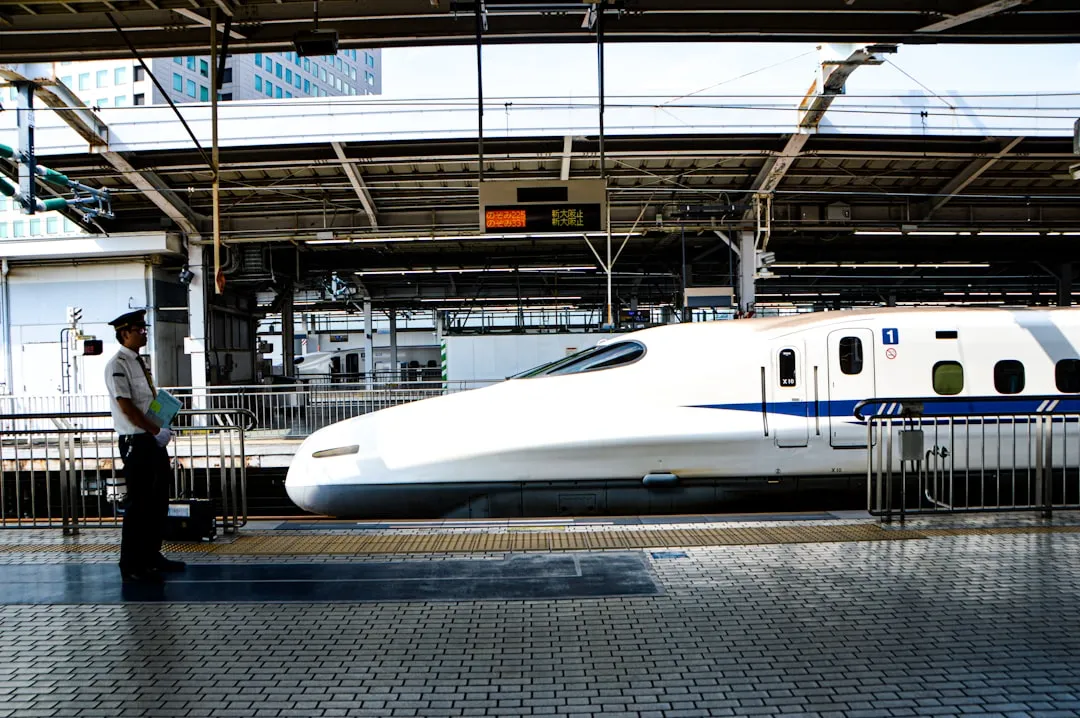
This level of privacy carries a real price tag. As of June 17 2026, tickets for the fully private Supreme Class Cabin seats go for ¥60,500 between Tokyo and Osaka in the two-person cabin, plus a separate standard-class reserved seat fee for the accompanying passenger, and ¥42,100 per person in the solo compartment. Shorter trips are cheaper but still a considerable step up from ordinary fares.
For instance, a private room on the Nozomi Shinkansen between Tokyo and Nagoya, purchased online via Smart EX, will cost ¥32,440 one way, while the larger compartment for up to two people will cost ¥47,060, with the second person also required to purchase a basic fare ticket and a limited express ticket. As one report put it, whether that premium feels justified will likely depend on how much a traveler values uninterrupted privacy over a four-hour or so trip across the country. It’s worth noting that rail pass holders shouldn’t expect a discount here, since no announcements have been made about whether Supreme Class will be covered by rail passes such as the Japan Rail Pass, but it is highly likely that the rail passes will cover only the base fare.
The Onboard Experience: Small Details, Big Impact
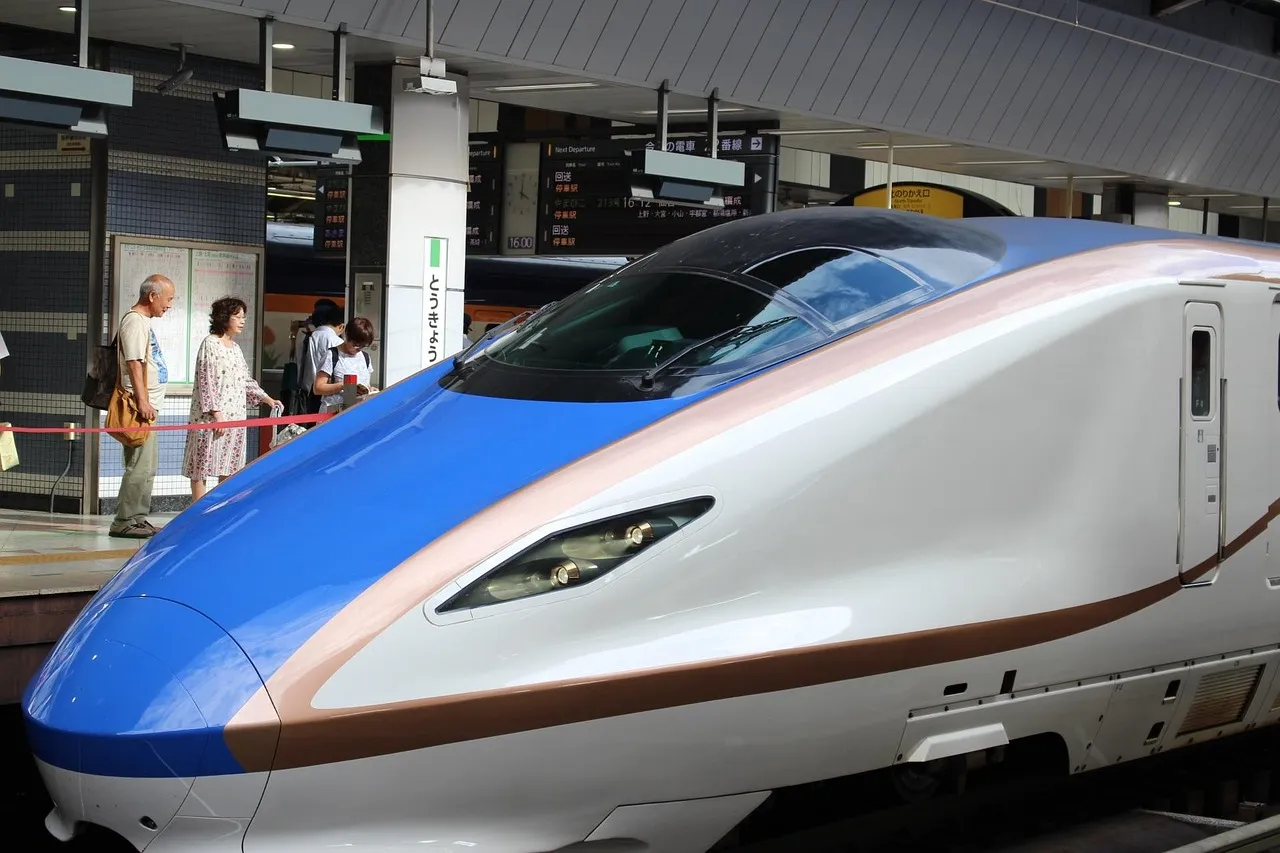
Beyond the locked door, JR Central and JR West have packed in a surprising number of thoughtful touches. Other planned services for both cabins and seats include a dedicated Wi-Fi network, seat speakers that can connect to passengers’ own devices, and a tablet for adjusting lighting, air conditioning and the volume of train announcements. Both cabin types feature large windows designed to showcase views of the Japanese countryside as the train speeds along at up to 285 kilometers per hour on the Tokaido Shinkansen.
Food and drink are part of the package too. Some food and drinks will be included in the fare, such as coffee, tea, alcoholic drinks, soft drinks and sweets, with additional paid items available including the same selection as in the Green Car plus a small number of limited products that can be ordered through the tablet, though food service will be available only on Nozomi and Hikari trains. All Supreme Class passengers will also receive complimentary welcome drinks and snacks on Nozomi and Hikari services, but not on the slower Kodama trains. The overall design intent is unmistakable, drawing comparisons to premium air travel rather than conventional rail seating.
Booking Works Nothing Like a Standard Ticket
Getting a seat in Supreme Class involves an entirely different process than buying a paper ticket at a station counter. Supreme Class will be sold as a ticketless product via smartEX, with passengers able to use the IC card registered to their smartEX account or a QR code issued through smartEX, both to pass through the ticket gates and to open the door to their cabin or seat. That digital-first approach mirrors how many international airlines now handle premium cabin access.
Timing matters enormously here too. Supreme Class service officially launches on October 1, 2026, with reservations opening on September 15 at 5:30 a.m. Japan time through JR Central’s Smart EX and EX Reservation systems. Frequent travelers should note one catch: Supreme Class will not be eligible for JR Central’s one-year advance reservation program, so passengers will simply need to wait until reservations officially open before securing one of the coveted cabins, and given the limited number of private cabins available on each train, travelers planning to use Supreme Class may want to book as early as possible.
Why Japan Is Investing in Premium Rail Right Now
This upgrade doesn’t exist in isolation. It arrives as Japan continues to post record-breaking inbound tourism numbers, with JNTO recording 3,692,200 visitor arrivals in April 2026 and 14,375,800 arrivals from January to April 2026, with South Korea, Taiwan, the United States, China, Hong Kong, Thailand and Australia remaining important source markets. That surge is putting real pressure on domestic transport, and rail operators clearly see an opportunity in serving travelers willing to pay more for comfort and privacy.
JR Central’s own leadership has framed the move in similar terms. Speaking at a press conference, JR Central President Shunsuke Niwa said the Supreme Class allows the company to “provide better services to customers who want high-quality offerings.” The strategy also extends beyond the Tokaido line. A new sleeper car service called “Luna Azul,” Spanish for “blue moon,” will offer lie-flat seats along the Tohoku route, which carries people to prefectures like Aomori and Akita in northeast Japan, and it’s expected to debut sometime next year. Taken together, these moves suggest Japan’s rail operators are building out a genuine luxury tier across the network, not just adding one isolated product.
A New Chapter for an Old Icon
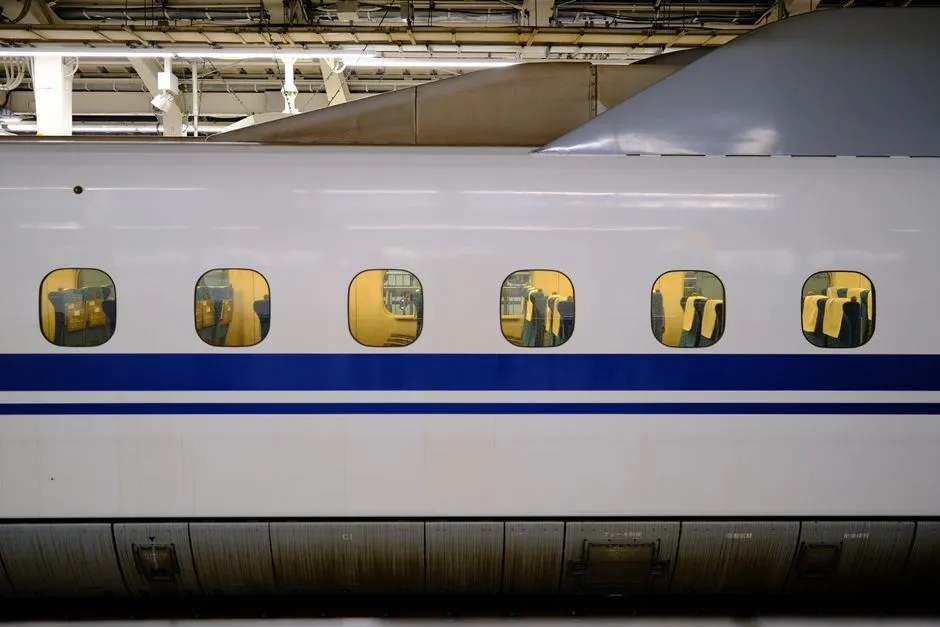
The Shinkansen has spent sixty years proving that mass transit can be fast, safe and remarkably reliable without needing to be glamorous. Supreme Class doesn’t change that formula so much as it adds a new layer on top of it, giving travelers who want more privacy or a touch of occasion a genuine option they haven’t had in decades. Whether it’s a business traveler who needs quiet time to work, a couple celebrating an anniversary, or simply someone who wants to enjoy the view of Mount Fuji without craning around another passenger, the appeal is easy to understand.
What happens next will likely depend on demand. Given the gradual rollout timeline stretching into 2028 and the arrival of semi-private seating and sleeper services in the years ahead, Japan appears to be testing just how far passengers are willing to go, and pay, for a slower, more personal kind of speed. For a rail system already admired around the world, that’s a fairly bold next step.