
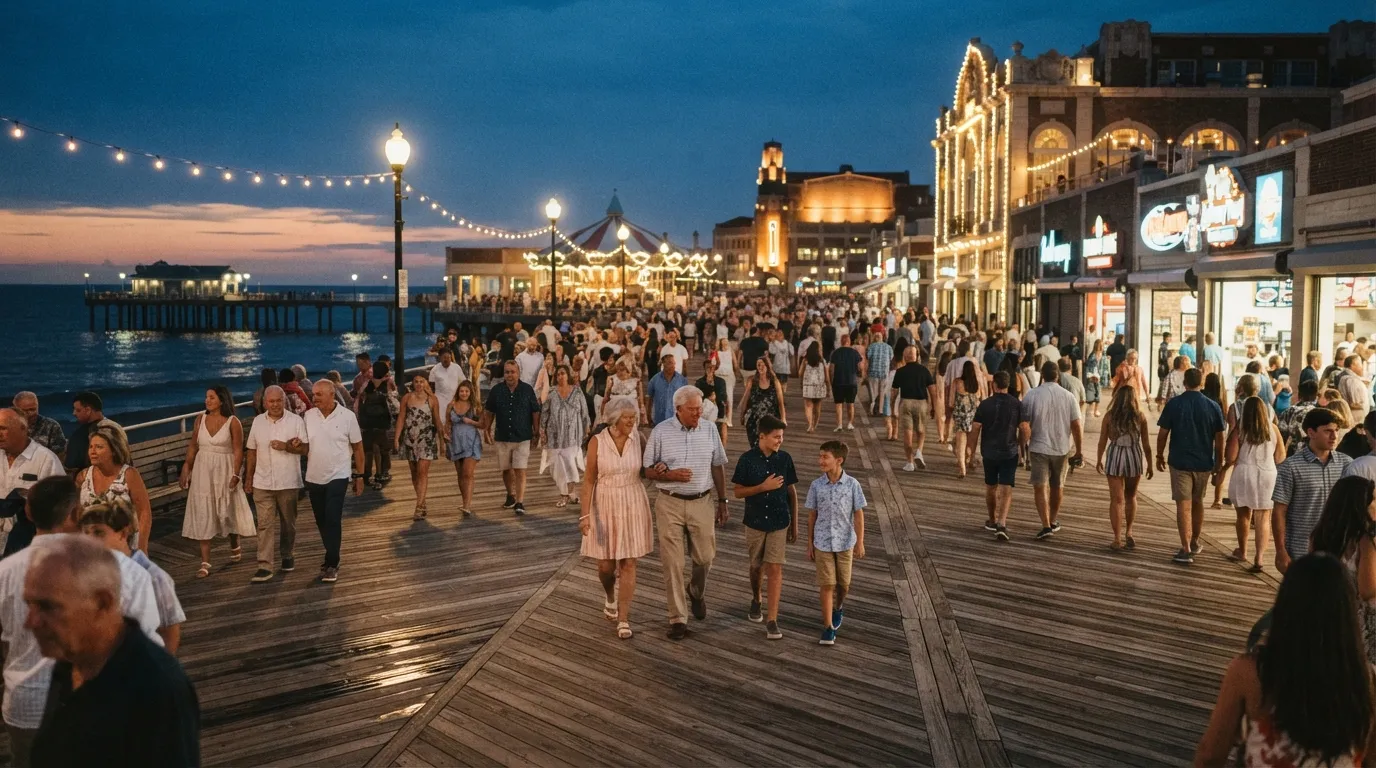
Ask anyone under 40 what a boardwalk pleasure looks like, and they’ll say funnel cake, a claw machine, maybe a creaky Ferris wheel. That’s the watered-down version. For most of the 20th century, America’s seaside boardwalks were loaded with genuinely wild attractions – diving horses, brass-ring carousels, freak show tents – that no modern insurance company would go near.
Some of these pleasures burned down. Some got bulldozed for condos. Some just quietly died once nobody left alive knew how to fix the machine. Here’s what actually vanished, and why almost nobody saw it coming.
#25 – The Zoltar-Style Fortune Machines That Knew Too Much
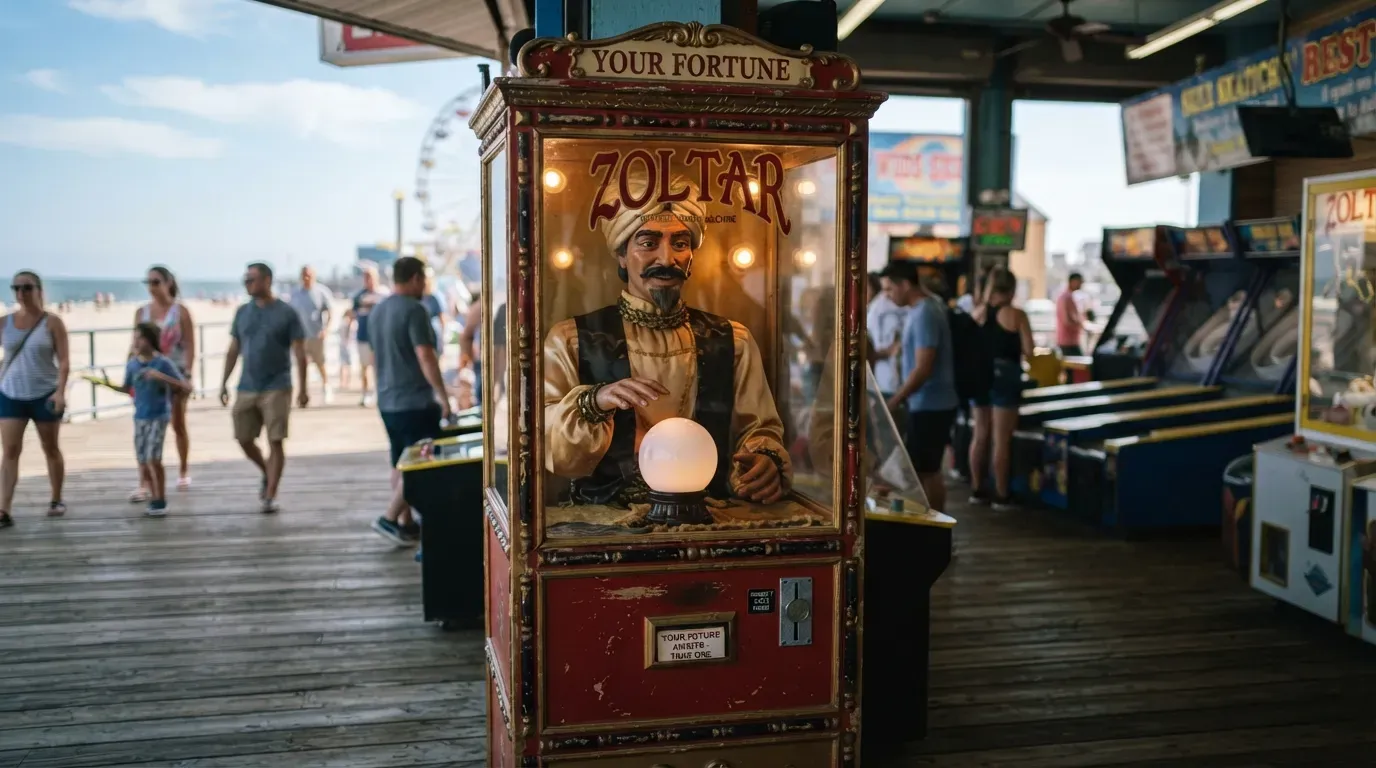
Long before smartphones told you anything you wanted to know, boardwalk fortune-telling machines did the job for a nickel. You’d drop your coin, watch a mechanical figure in a turban wave its hand, and out popped a tiny printed card claiming to know your future.
Most of these machines ran on simple gear mechanisms that broke down constantly, which is exactly why so few survive in working condition today. Collectors now pay thousands of dollars for original units that once cost the boardwalk owner pocket change to install.
#24 – Hand-Pulled Salt Water Taffy in the Shop Window
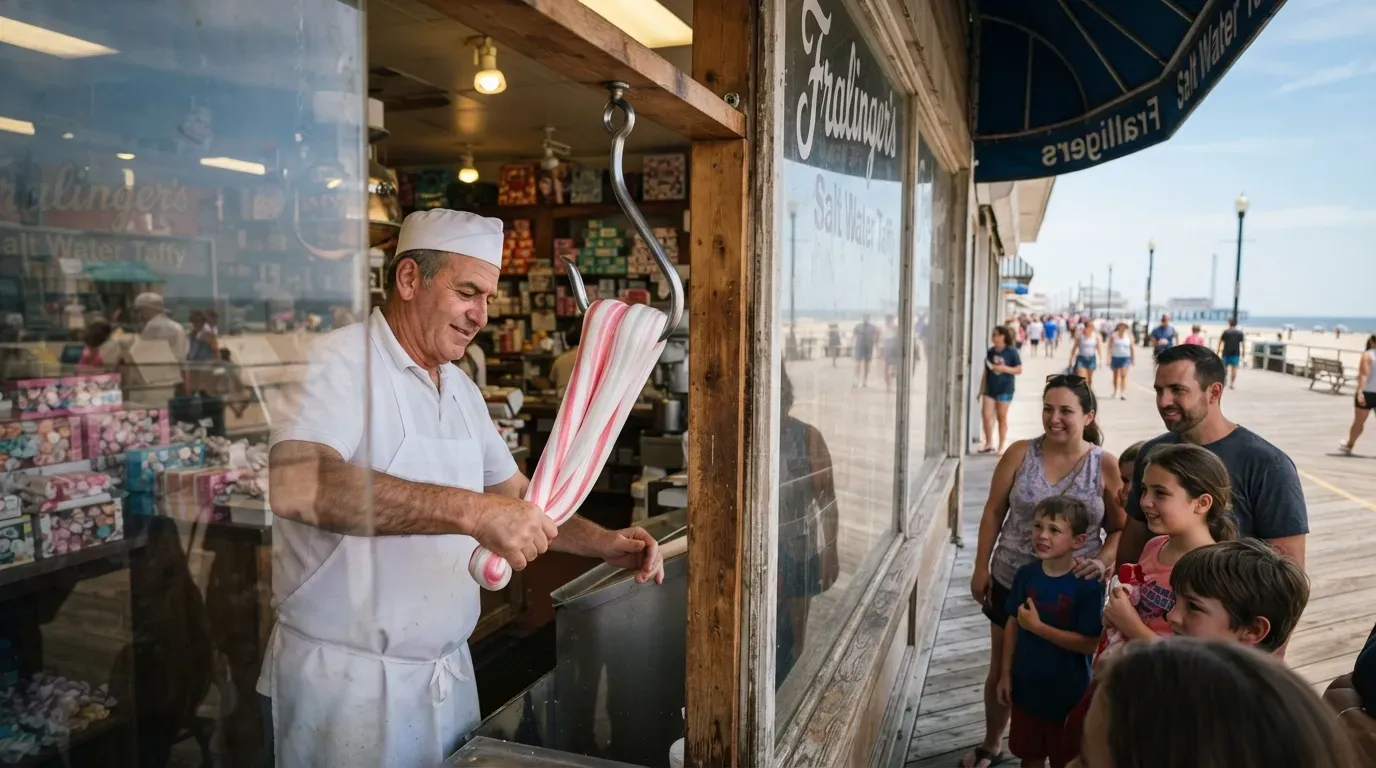
The candy itself has a wilder origin story than most people realize. The name traces back to 1883, when a candy shop in Atlantic City got flooded by seawater. The soggy candy was sold as a joke, and somehow the name just stuck for good.
What’s actually disappeared is the ritual of watching it get made. Joseph Fralinger, a confectioner in Atlantic City, is credited as the first successful merchandiser of the candy, and he even patented a machine to wrap it in individual pieces. Fewer boardwalk shops now pull taffy by hand in the front window, where crowds used to gather just to watch the stretching.
#23 – Mechanical Penny Arcades With No Screens Anywhere
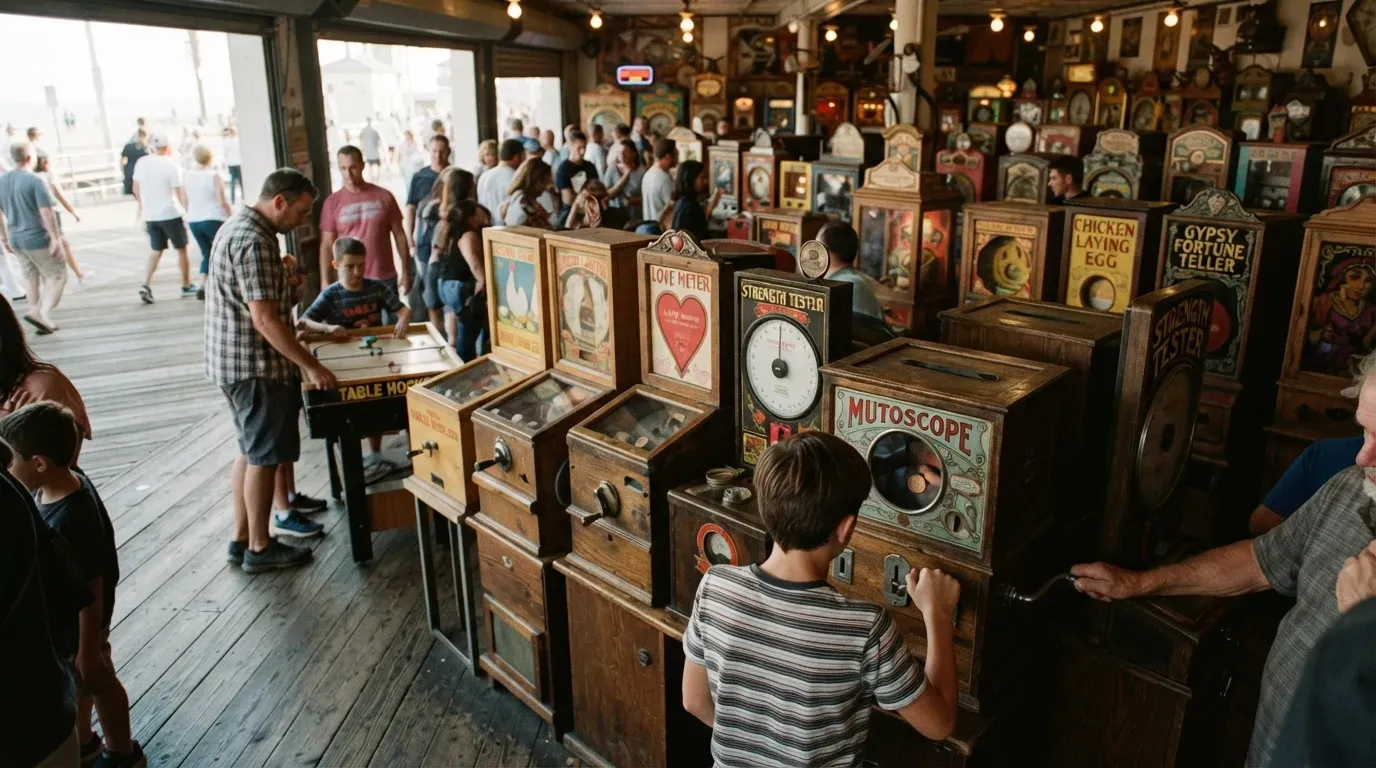
Before video games, boardwalk arcades were rows of hand-cranked machines – strongman testers, mutoscope peep shows, love testers, grip-strength gauges. Every single one cost a literal penny.
These arcades relied entirely on springs and gears rather than electronics, meaning a skilled repairman had to keep dozens of tiny machines running all summer long. Most of the original mechanical units were scrapped by the 1970s once electronic pinball took over the floor space. Only a handful of preserved penny arcades remain in spots like Ocean City and Seaside Heights.
#22 – Skee-Ball Parlors That Gave Out Real Prizes
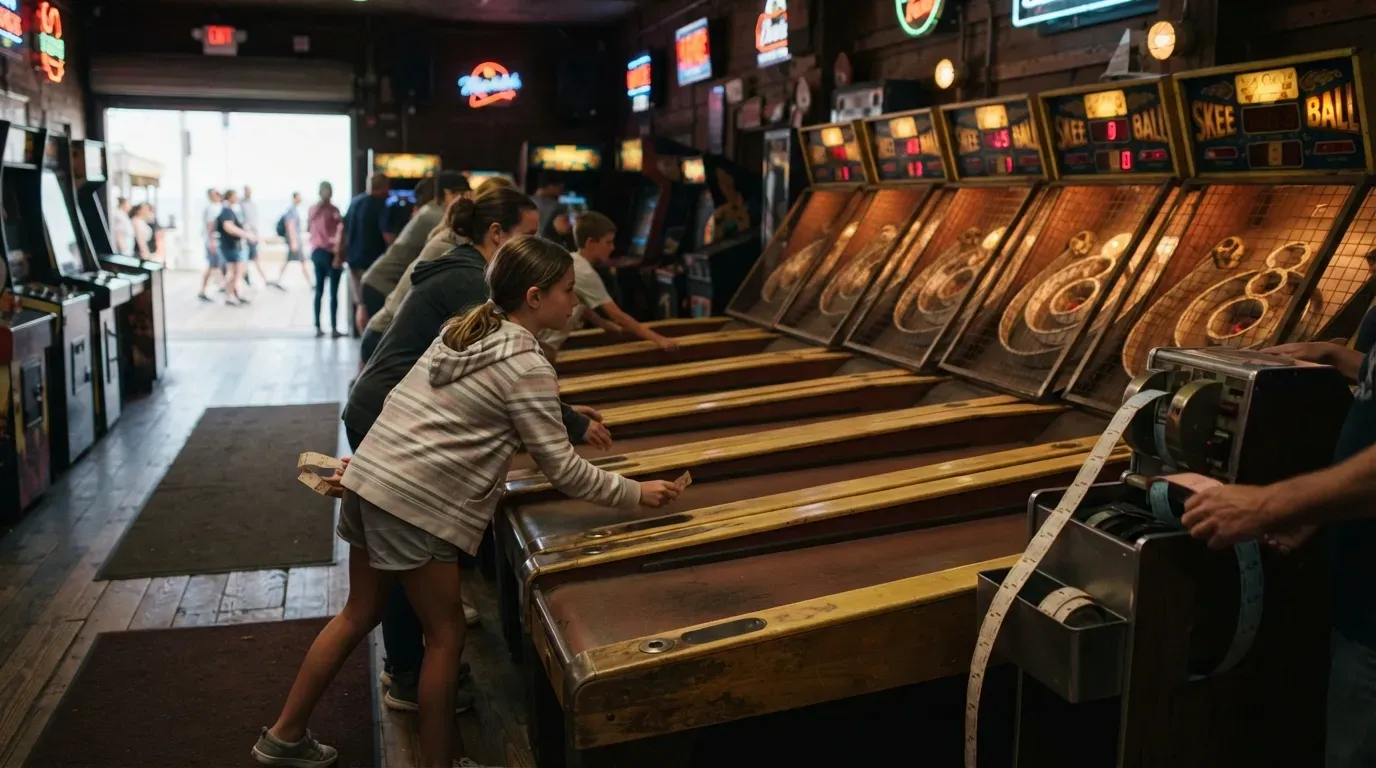
Skee-Ball wasn’t invented as a kiddie ride-park filler – it started as a serious boardwalk gambling game, and winning actually meant something. Rows of wooden lanes lined entire buildings, with players competing for tickets that traded for genuine merchandise, not plastic trinkets.
Old-school parlors used physical ticket counters that spit out long paper strips you’d hand-tear off the roll. Many boardwalk arcades have quietly replaced that system with swipe cards that track points digitally, ending a ritual that used to send kids down the boards with armfuls of paper tickets.
#21 – Black-and-White Photo Booths on the Boards
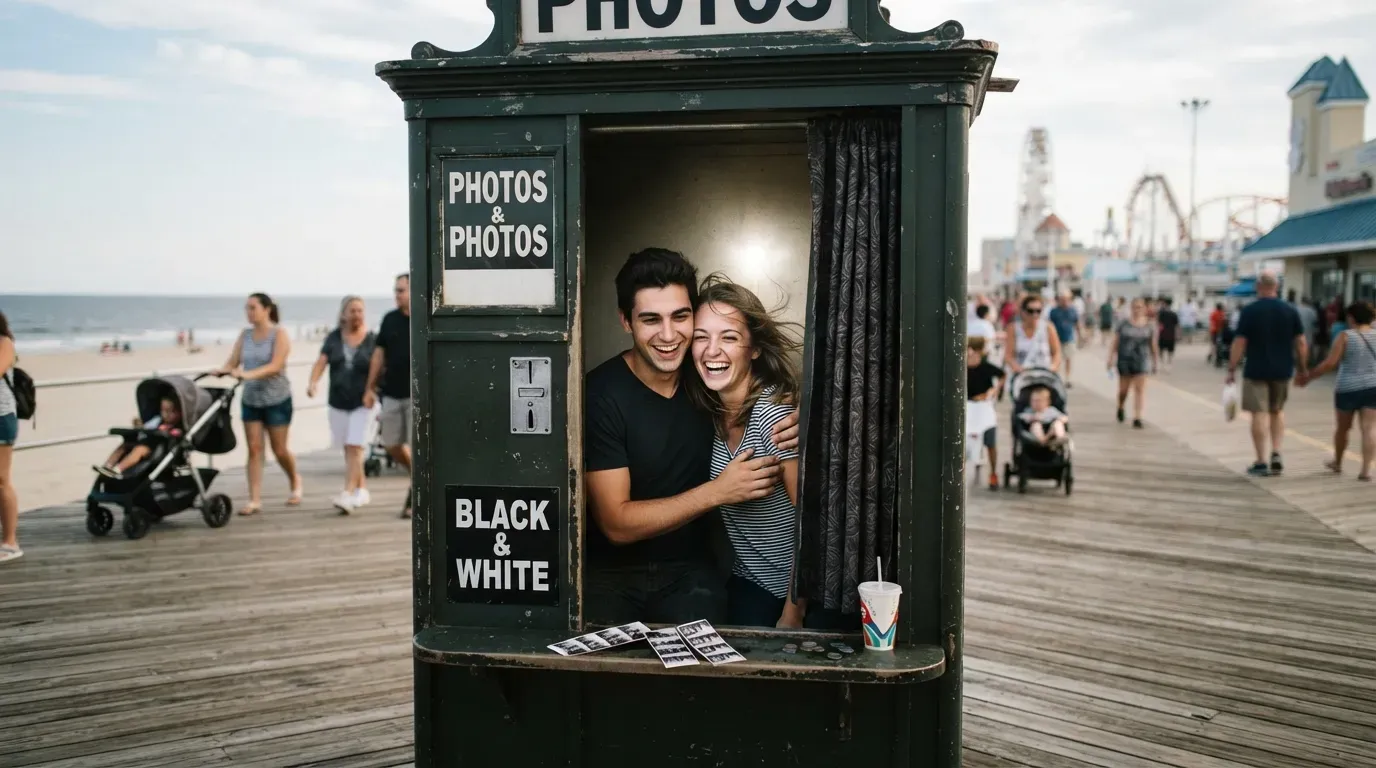
Before selfies, there was the boardwalk photo booth – a curtained box that spat out a strip of four black-and-white photos in under two minutes. Couples squeezed in together, kids made faces, and the whole strip cost less than a soda.
The chemical developing process inside these old booths required maintenance most operators eventually stopped bothering with. Digital versions now dominate, but they lack the chemical smell and the wait-and-see suspense of the originals. A few boardwalks, mostly in New Jersey, still keep working vintage booths running as a novelty.
#20 – Diving Horse Shows on the Pier
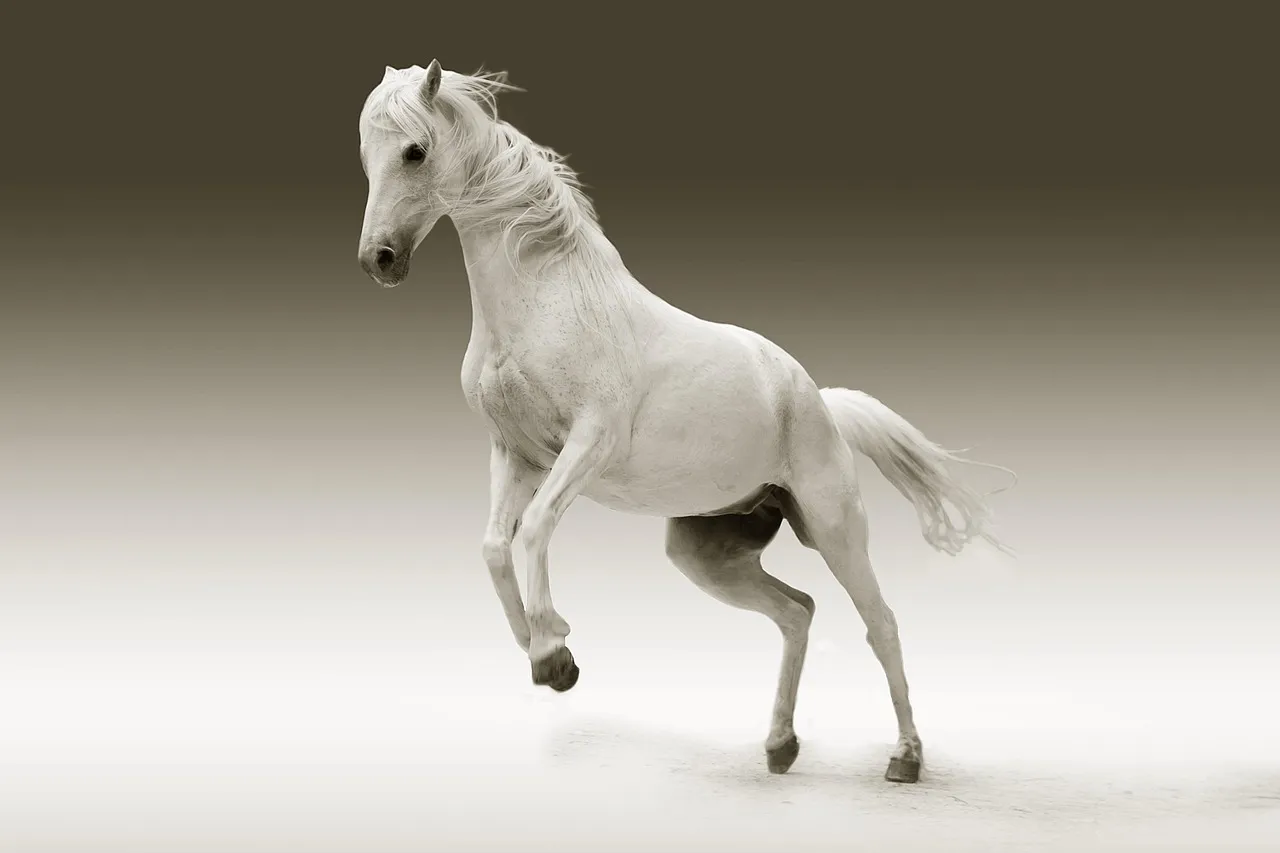
This one sounds invented, but it wasn’t. Atlantic City’s Steel Pier ran a genuine diving horse act for decades, where a horse and rider leapt off a platform into a pool below, drawing enormous crowds twice a day.
The act ran from the 1920s through the 1970s and became one of the most talked-about attractions on the entire East Coast boardwalk circuit. Animal welfare concerns eventually ended the tradition for good, and no boardwalk in America runs anything close to it today.
Fast Facts
- Home base: Steel Pier, Atlantic City
- Ran roughly from the 1920s to the 1970s
- Shows typically drew crowds twice a day
- Ended for good over animal welfare concerns
#19 – Funhouse Mirror Mazes With Air-Blast Floors
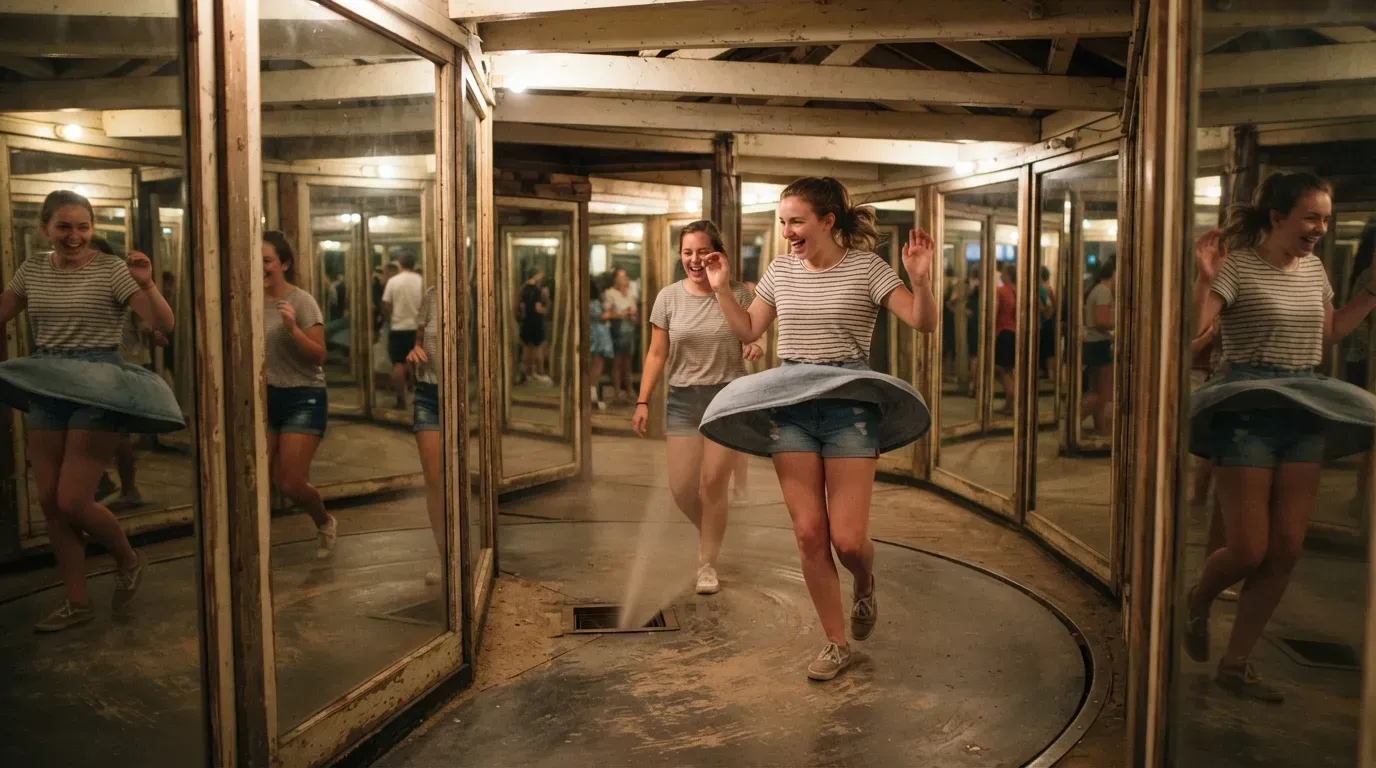
Classic boardwalk funhouses weren’t gentle. Visitors walked through spinning barrels, rotating floors, and hallways of distorted mirrors, often ending with a blast of air aimed straight up through a hidden floor vent.
These funhouses required constant upkeep because moving parts wore out fast under summer humidity and sandy foot traffic. Most were demolished once liability insurance made the moving-floor rides too expensive to maintain. A handful of static mirror mazes survive, but the physical, moving funhouse experience has almost entirely vanished.
#18 – Parachute Jump Towers Piercing the Skyline
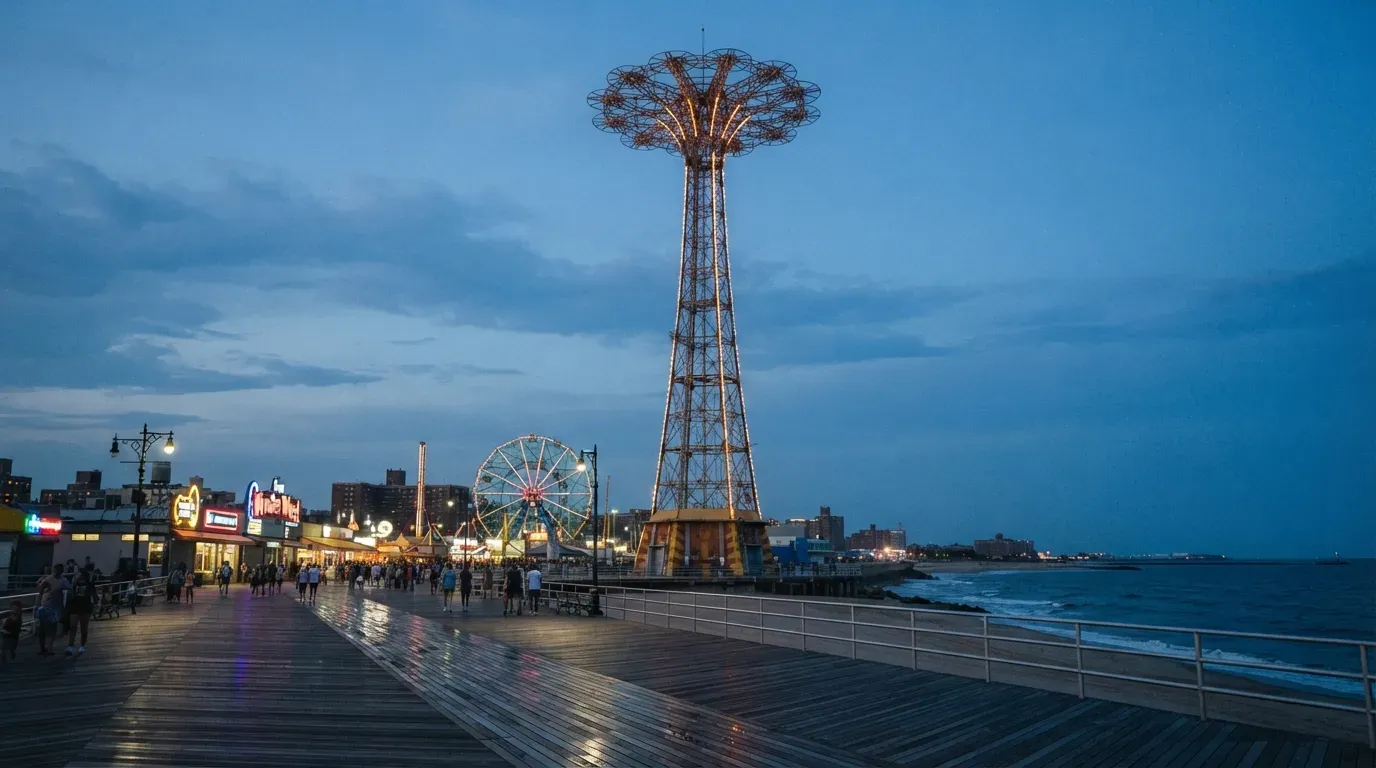
Nothing symbolized a boardwalk skyline quite like a parachute jump tower. After the 1939 World’s Fair closed, the Tilyou family bought the fair’s Parachute Jump and moved it to Steeplechase Park, where it opened in 1941 with twelve parachutes descending from a 250-foot tower.
Riders were hoisted to the top and dropped, the canopy catching air to slow the fall. Today that same tower is the only structure from the entire original amusement park still standing, at 262 feet and 170 tons. It doesn’t operate anymore – it’s just a landmark now, lit up at night but permanently retired.
#17 – Bandstand Concerts Under the Stars
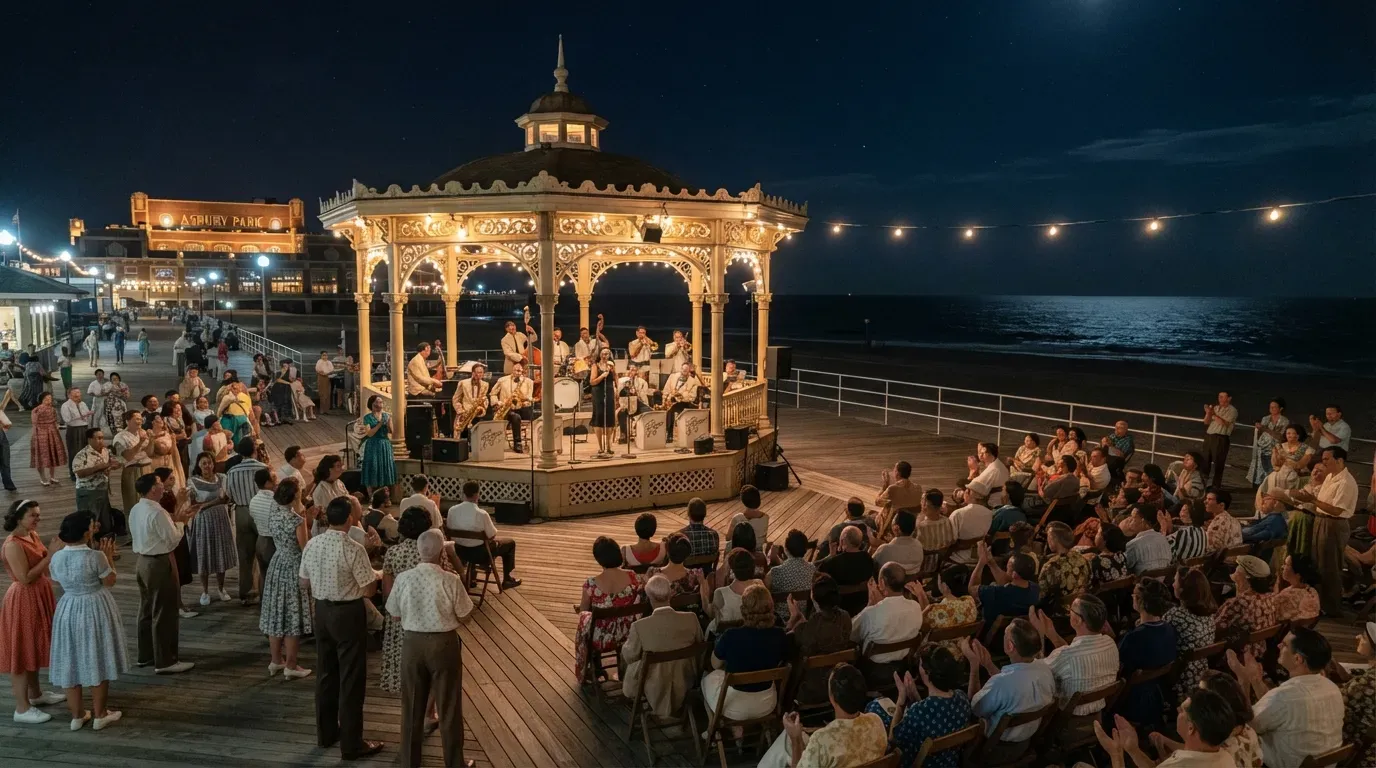
Before boardwalks had arcades full of blinking lights, they had bandstands. Big-band orchestras, boardwalk organists, and later rock-and-roll acts played free nightly shows that drew crowds who dressed up specifically to attend.
Asbury Park’s boardwalk, built in 1871, originally featured an orchestra pavilion, and by 1929 the city had added Convention Hall, the Paramount Theater, and a Casino building. Many of these grand performance halls have since been partially demolished or repurposed, even as newer venues nearby carry the musical torch forward.
Sandy, the fireworks are hailing over Little Eden tonight.
Bruce Springsteen, “4th of July, Asbury Park (Sandy)”
#16 – Giant Saltwater Plunge Pools the Size of City Blocks
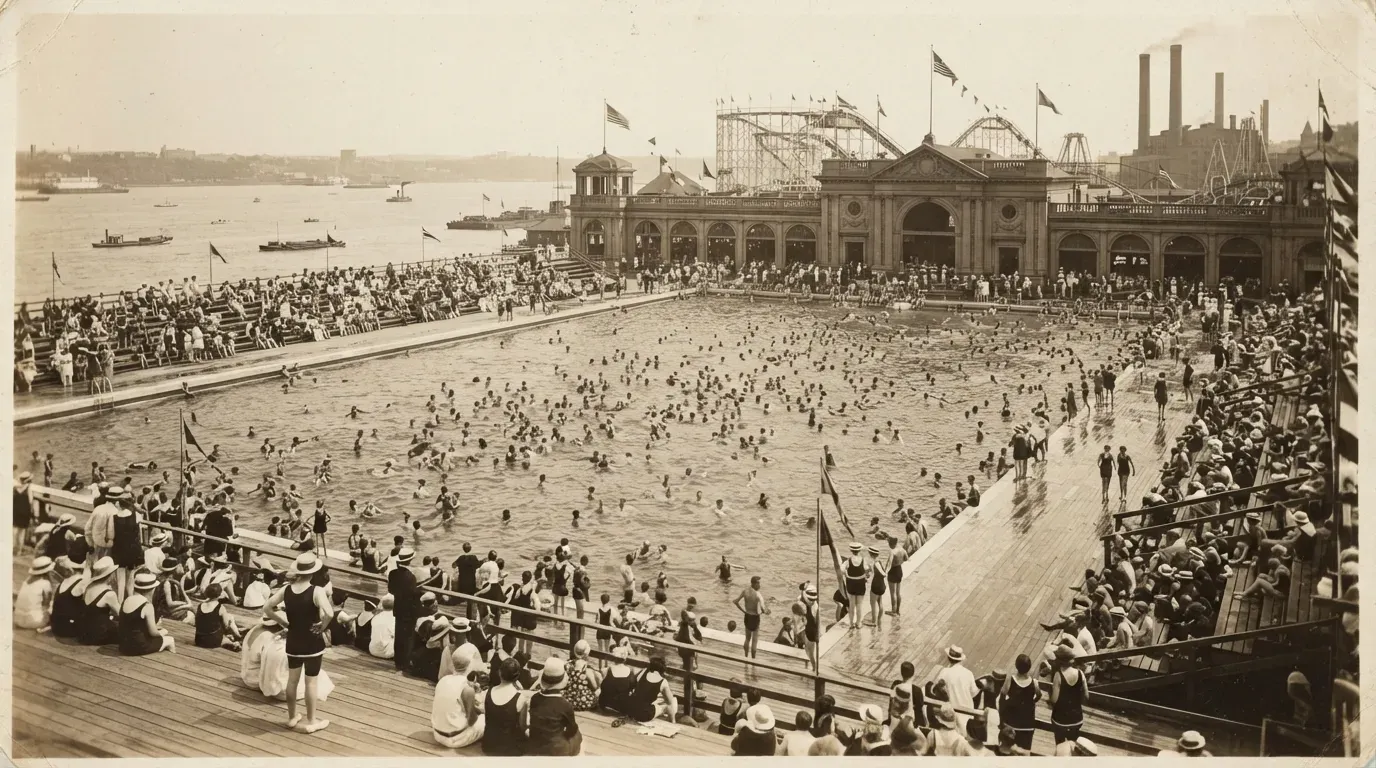
Long before backyard pools were common, boardwalk resorts built enormous saltwater pools pumped straight from the ocean. These weren’t small – they were engineering feats built to hold thousands of swimmers at once.
Palisades Amusement Park added a salt-water pool in 1912, filled by pumping water from the Hudson River 200 feet below, and it measured 400 by 600 feet, advertised as the largest salt-water wave pool in the nation. Steeplechase Park in Coney Island built a rival, finishing its own “World’s Largest Swimming Pool” in 1909. Neither pool exists today – both were demolished along with the parks that housed them.
Quick Compare
- Palisades Park pool: opened 1912, 400 by 600 feet, filled from the Hudson River
- Steeplechase Park pool: finished 1909, billed as the “World’s Largest Swimming Pool”
- Common fate: both demolished along with the parks around them
#15 – Bathhouses With Rented Wool Swimsuits
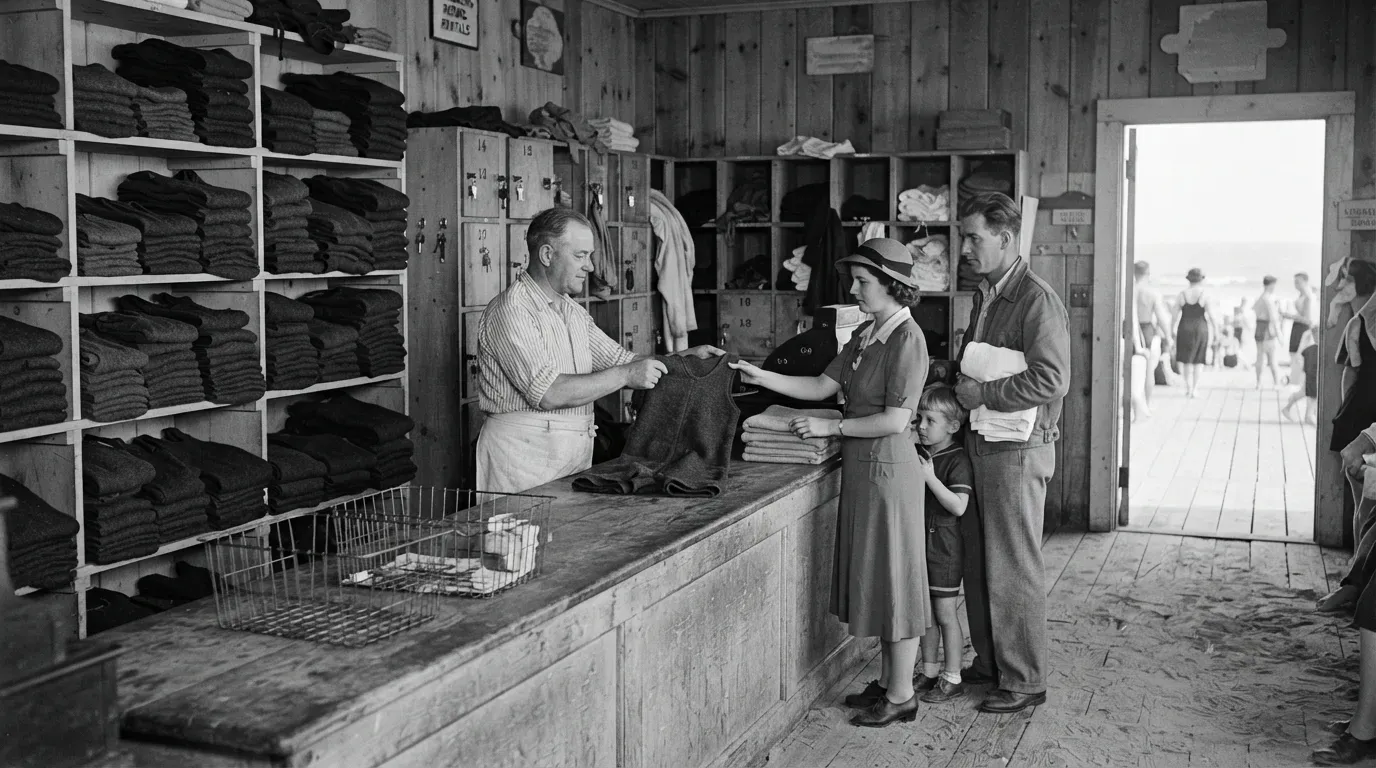
Before people packed their own swimwear, boardwalk bathhouses rented heavy wool bathing suits by the hour, along with a locker and a towel. Wet wool was famously miserable, but it was the standard beach uniform for decades.
These bathhouses were often elaborate wooden buildings sitting directly on the boardwalk, doubling as changing rooms and social hubs where families met before hitting the sand. Most closed once synthetic swimwear became affordable and people simply started arriving in their own suits. The buildings themselves were mostly repurposed or torn down.
#14 – Roller-Skating Rinks Built Right on the Boardwalk
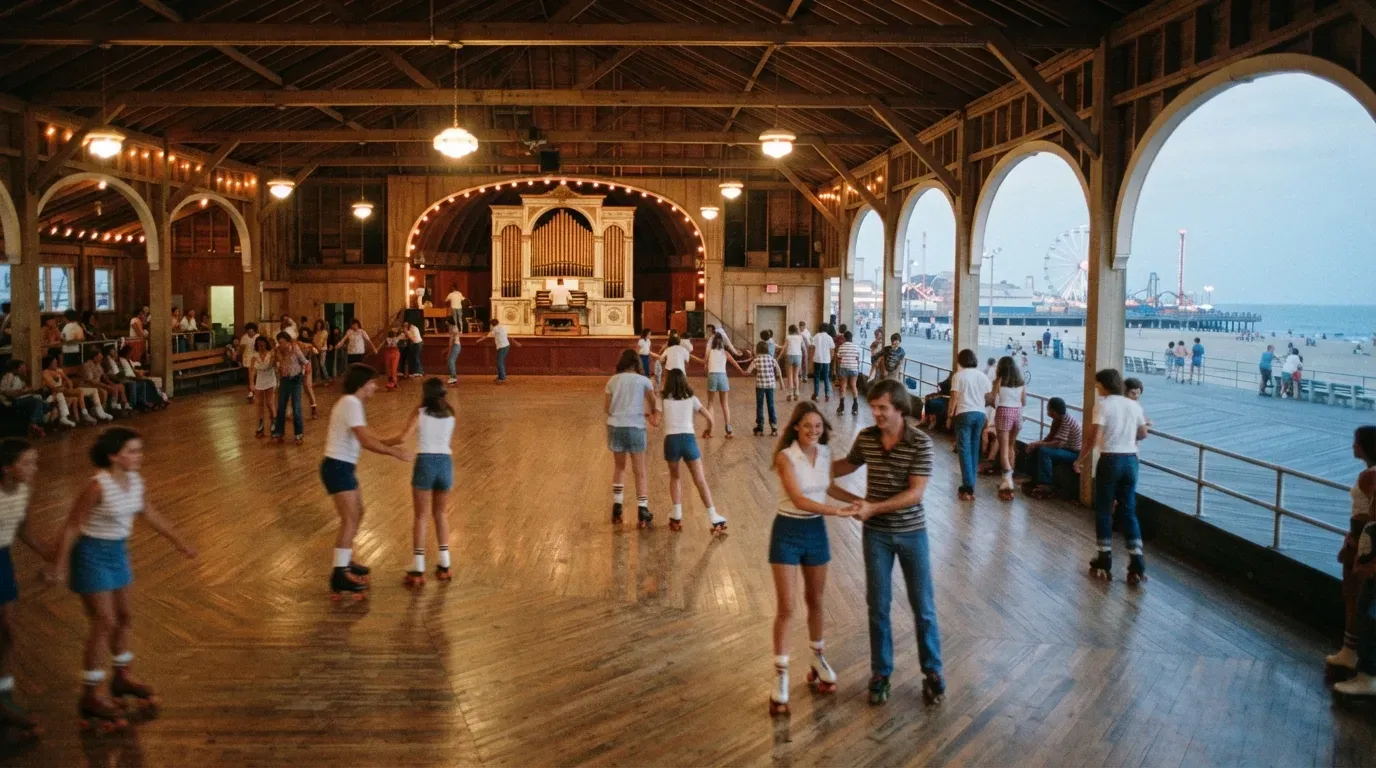
Roller rinks used to be a boardwalk staple, often housed in massive wooden pavilions with polished floors and live organ music pumping through the speakers. Entire summer romances started on these rinks.
The rinks needed a huge footprint of covered floor space directly on prime oceanfront real estate, making them some of the first attractions sacrificed when land values rose. Most boardwalk roller rinks were converted into retail space or demolished by the 1980s. Only a scattered few remain in operation along the entire East Coast.
#13 – Wooden Roller Coasters Built Directly Over the Sand
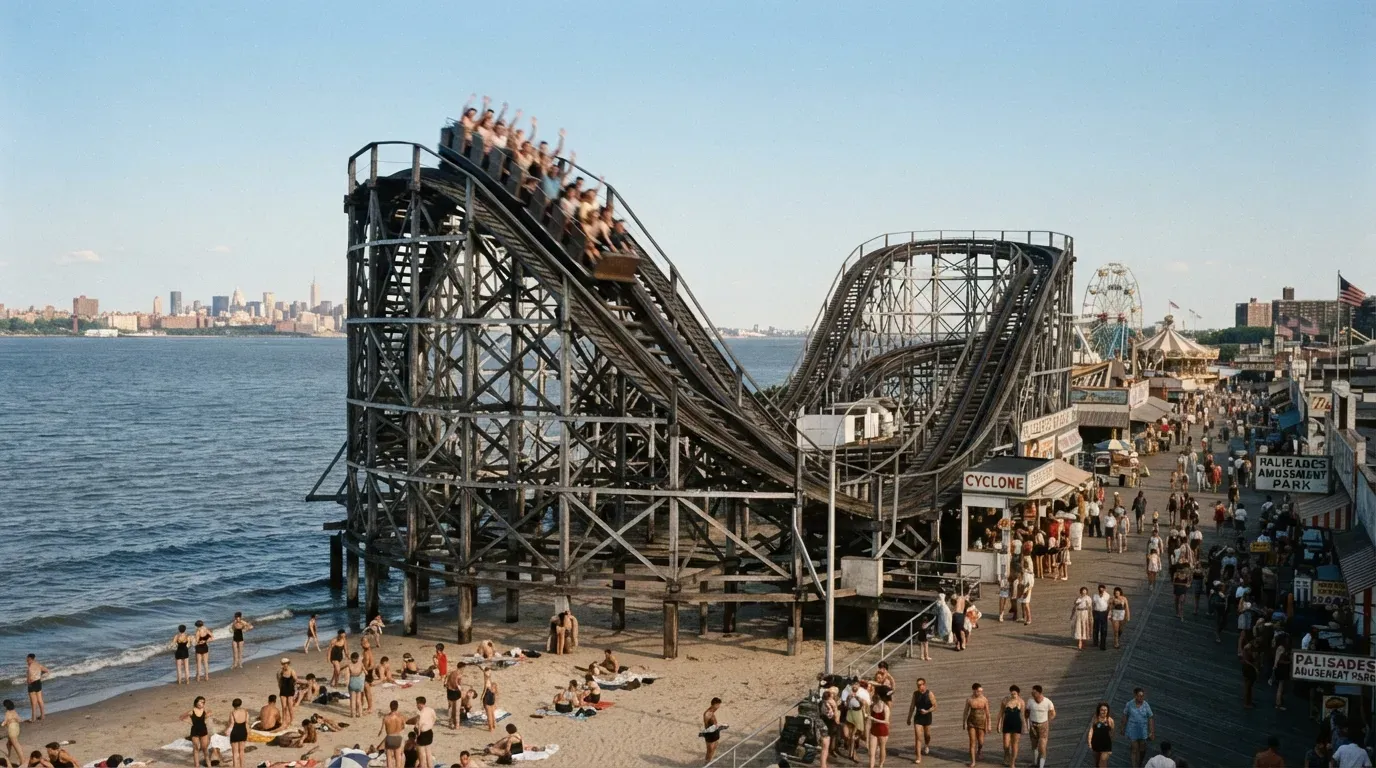
Some of the most famous wooden coasters in American history weren’t built in inland theme parks – they were built right on the beach, with the ocean visible from the top of every drop.
Palisades Amusement Park introduced the Cyclone in 1928, one of Harry Traver’s “Terrifying Triplets,” though it was removed just six years later due to brutal maintenance costs. Coastal salt air and humidity destroyed wooden coasters far faster than inland versions ever wore down. Most of these original oceanfront wooden coasters are long gone, replaced by steel rides built to withstand the salt spray.
Worth Knowing
- Palisades’ Cyclone opened in 1928 as one of Harry Traver’s “Terrifying Triplets”
- It was removed only six years later over maintenance costs
- Salt air and humidity corrode wood far faster than inland climates
- Steel coasters eventually replaced most oceanfront wooden ones
#12 – Postcard Photo Stands With Hand-Tinted Prints
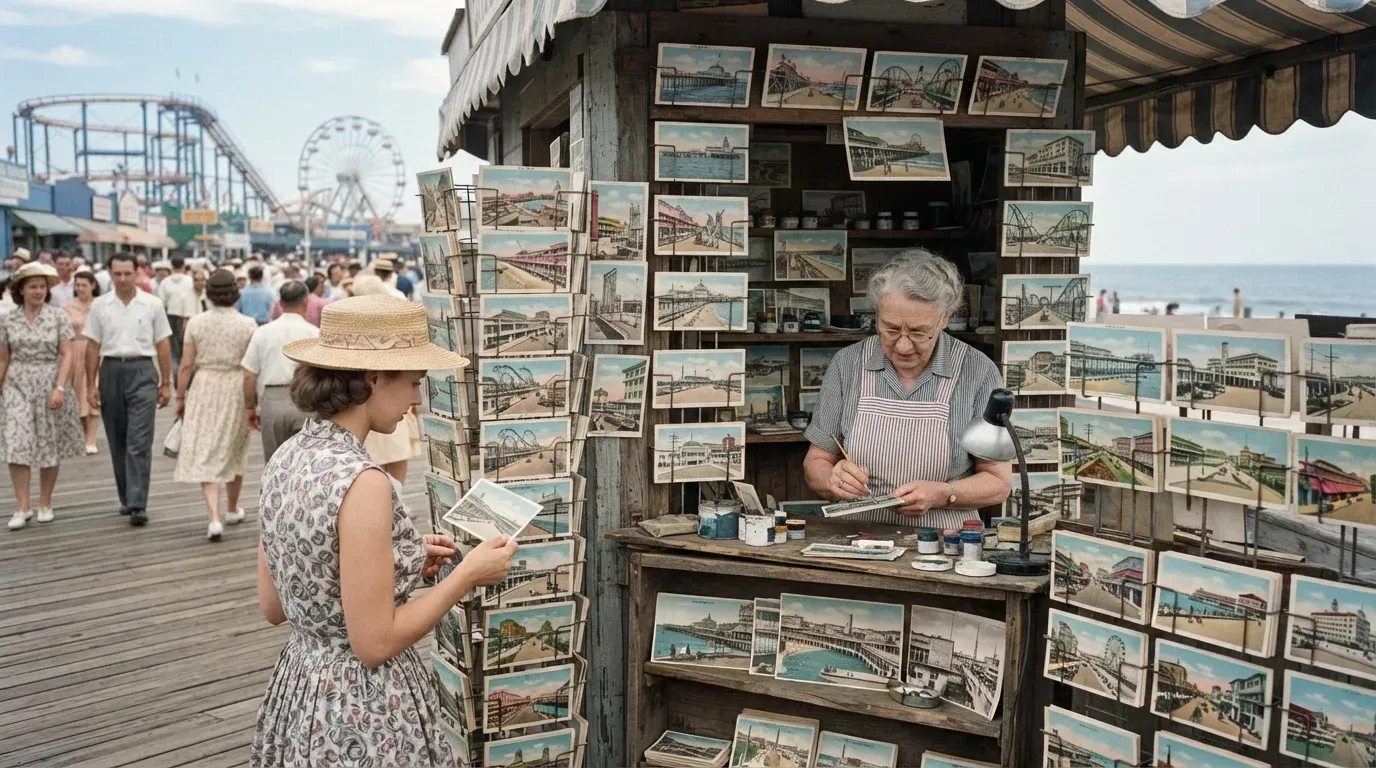
Before you could text a photo home, boardwalk visitors bought hand-tinted postcards showing the exact pier or attraction they’d just visited, colored by hand in muted, dreamlike tones.
These stands employed actual colorists who tinted black-and-white photographs one at a time, a painstaking process that made each postcard slightly unique. The entire hand-tinting industry disappeared once cheap color photography spread in the 1950s and 60s. Original hand-colored boardwalk postcards are now sought after by collectors precisely because the process no longer exists.
#11 – Rolling Wicker Chairs Pushed Along the Boards
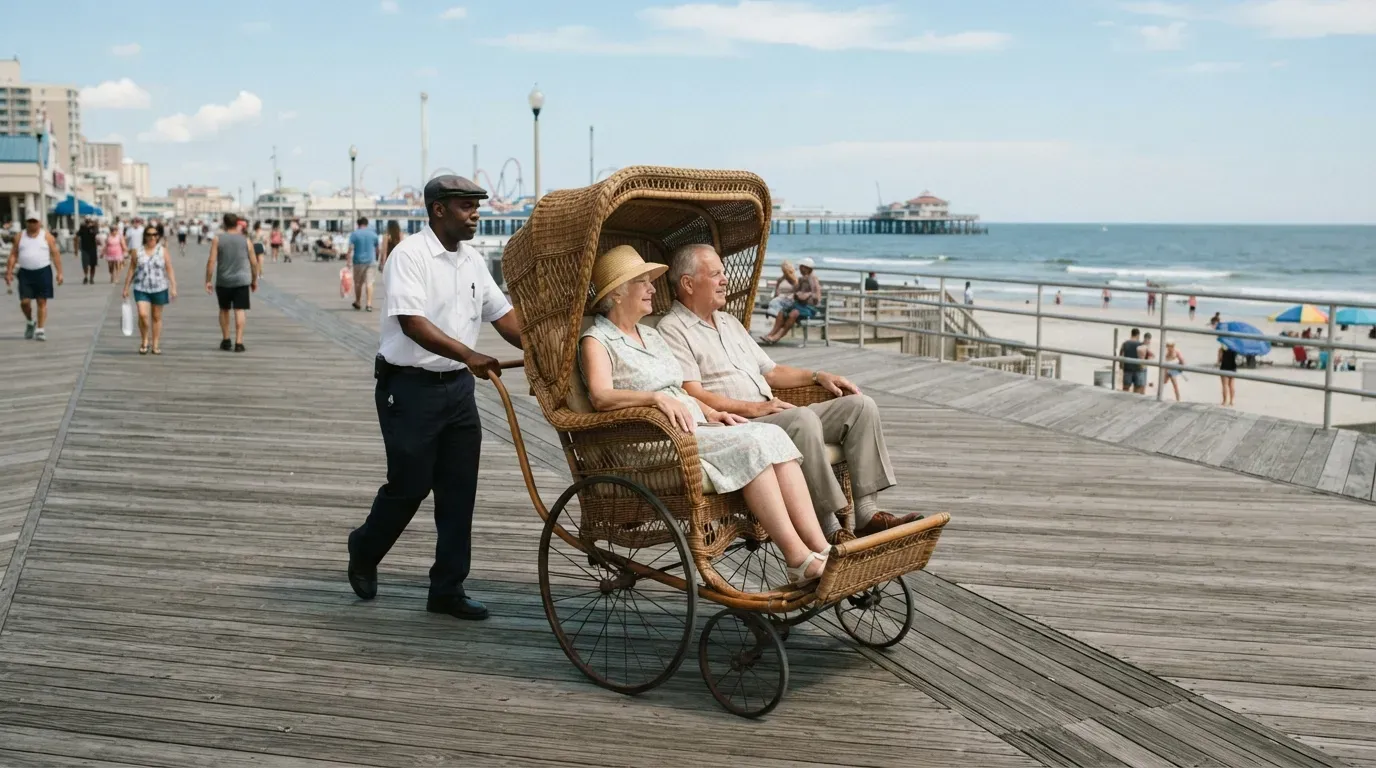
Atlantic City in particular became famous for its rolling chairs – wicker chairs on wheels, pushed by an attendant, letting visitors cruise the length of the boardwalk without walking a step.
These chairs became such a symbol of the resort that they appeared in postcards and ads for generations, representing a slower, more leisurely style of boardwalk tourism. Very few boardwalks maintain a genuine rolling-chair fleet today, and where they survive, they’re usually reserved for tourists rather than everyday locals.
#10 – Seashell Craft Shops Selling Handmade Souvenirs
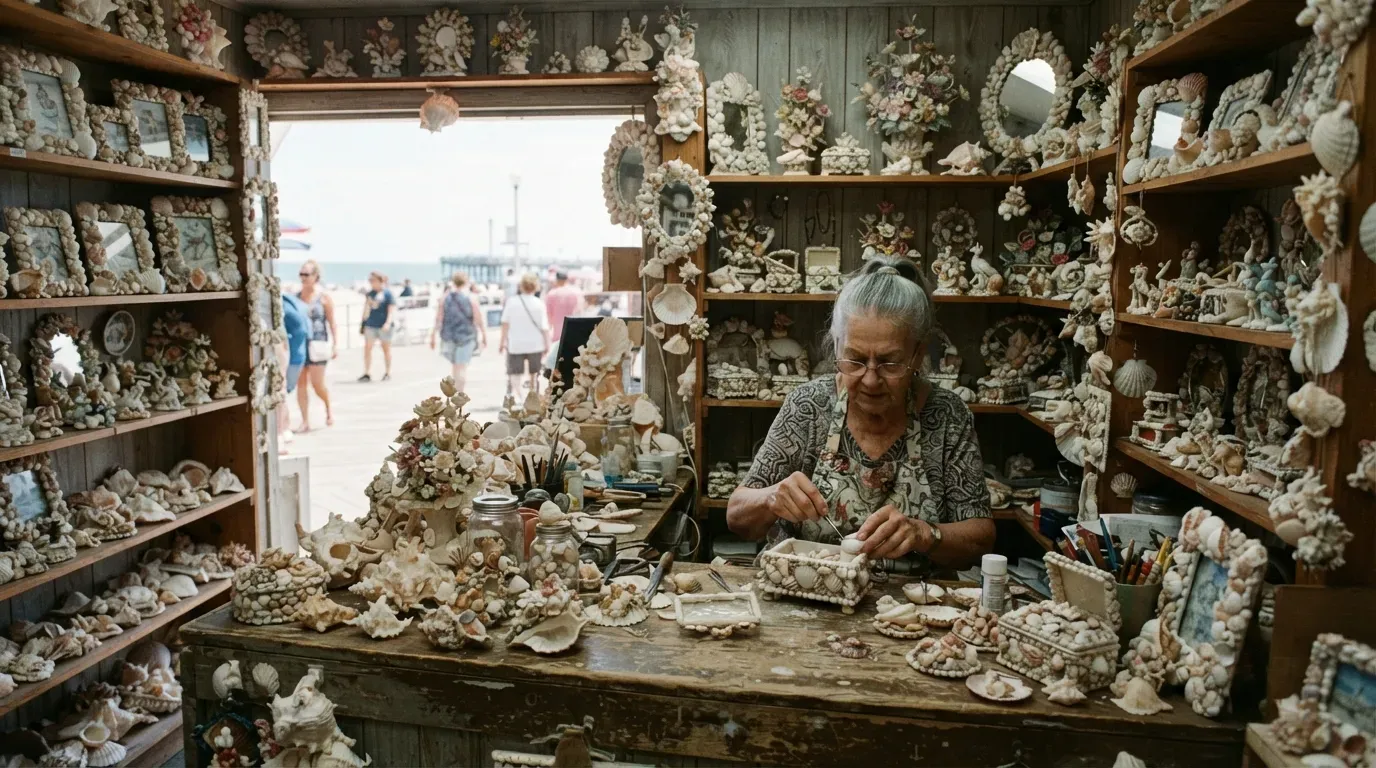
Before mass-produced trinkets took over, boardwalk shops sold genuinely handmade shell crafts – jewelry boxes, picture frames, figurines assembled shell by shell by local artisans working right behind the counter.
These shops relied on local shell-gathering and hand assembly, a labor-intensive process that couldn’t compete once overseas manufacturers started producing similar-looking items for a fraction of the cost. Most boardwalk gift shops now stock imported shell products instead of locally handmade pieces. A few holdout shops still do it the old way, but they’re increasingly rare.
#9 – Games of Skill That Gave Out Real, Useful Prizes
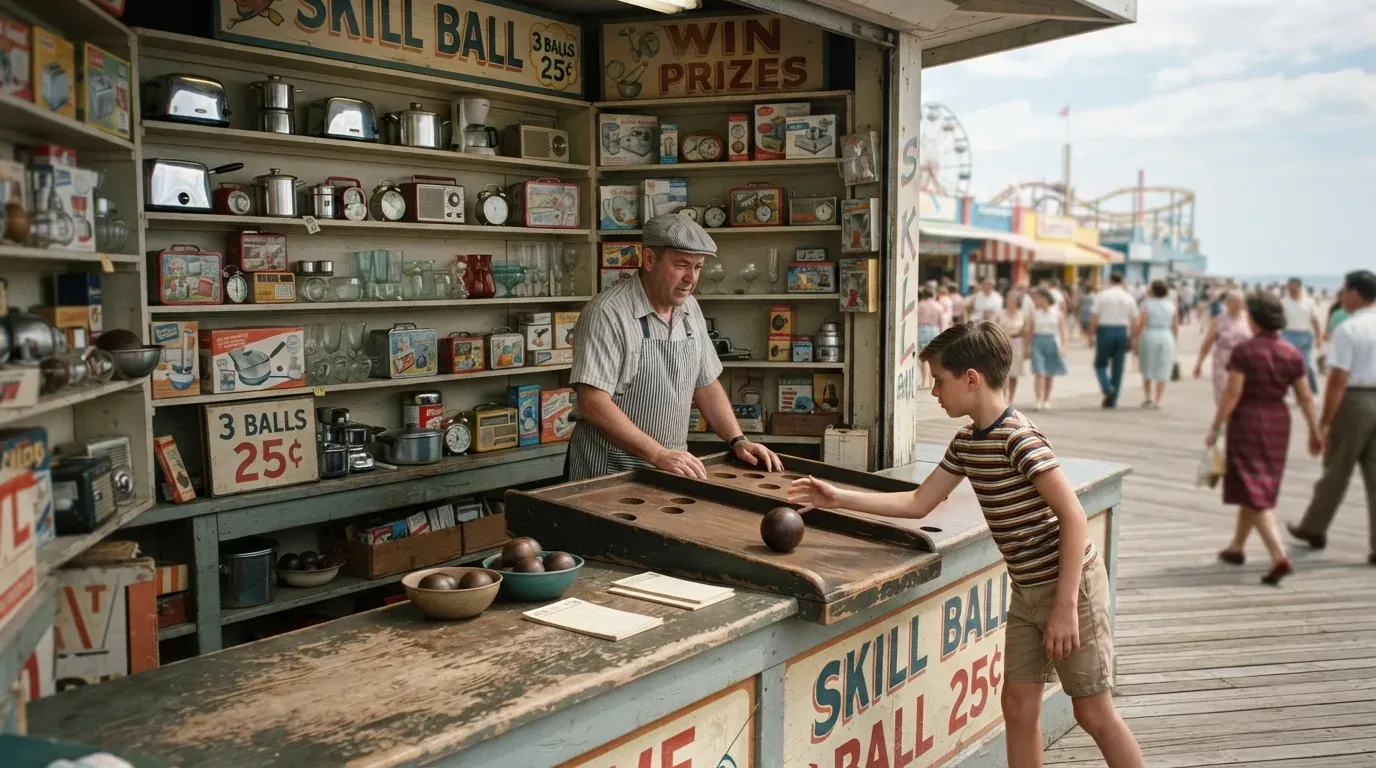
Old boardwalk game booths weren’t stocked with giant stuffed animals nobody wanted – they gave out actual useful prizes: kitchenware, small radios, even cash in some early setups.
These games required genuine skill, unlike many modern claw machines that are mechanically weighted against the player from the start. Regulatory crackdowns on gambling-adjacent games in the mid-20th century forced most operators to switch to prize-only formats using cheap plush toys. The shift changed the whole feel of boardwalk games from “win something real” to “win something you’ll toss in a closet.”
#8 – Miniature Train Rides Running the Length of the Boards
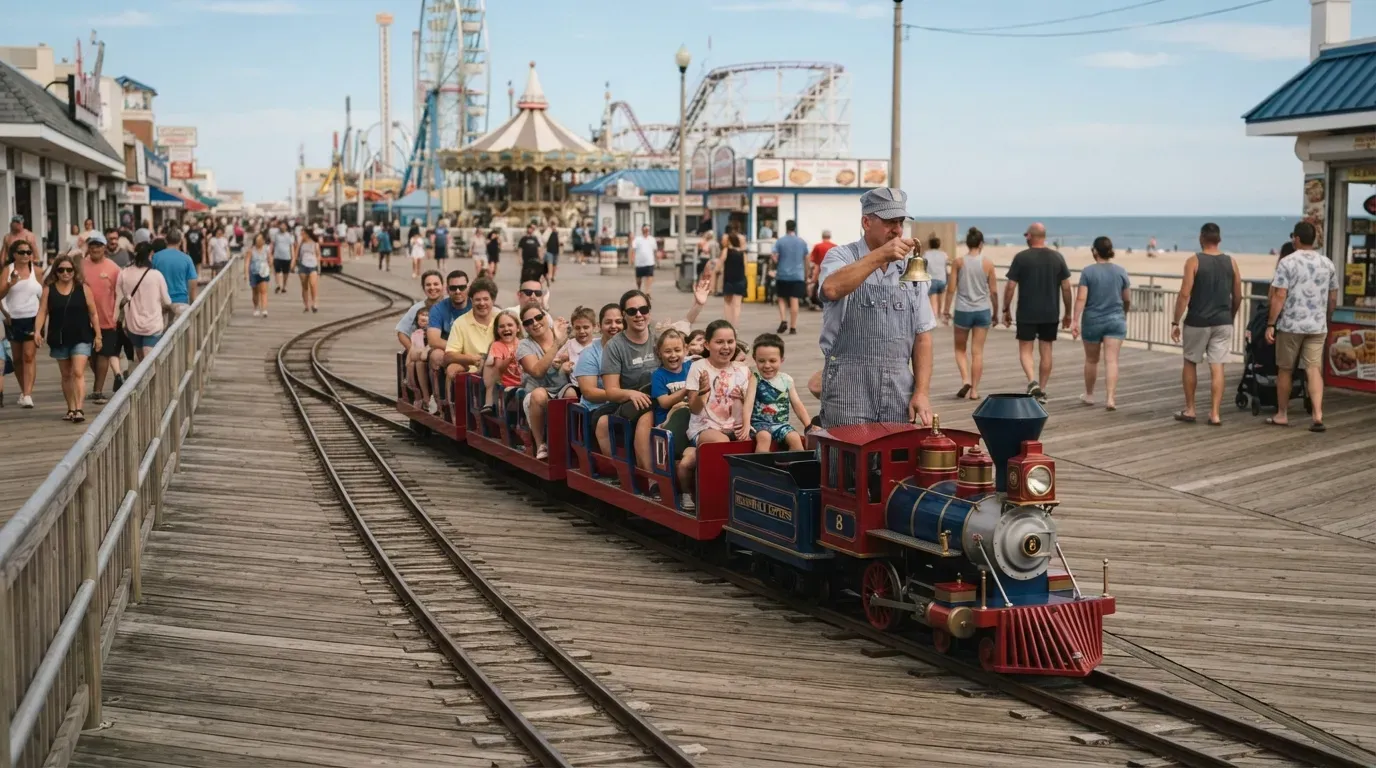
Small-scale miniature trains once ran along entire stretches of boardwalk, carrying families past every attraction at a slow, scenic pace, often with a conductor ringing a real bell at every stop.
These rides needed dedicated track space directly on the boardwalk itself, competing for the same real estate that later got converted into retail and dining. Most boardwalk miniature railways were quietly discontinued once foot traffic congestion made the tracks impractical. A small number survive at boardwalks with more open space, like certain stretches of the Jersey Shore.
#7 – Hand-Churned Frozen Custard Stands
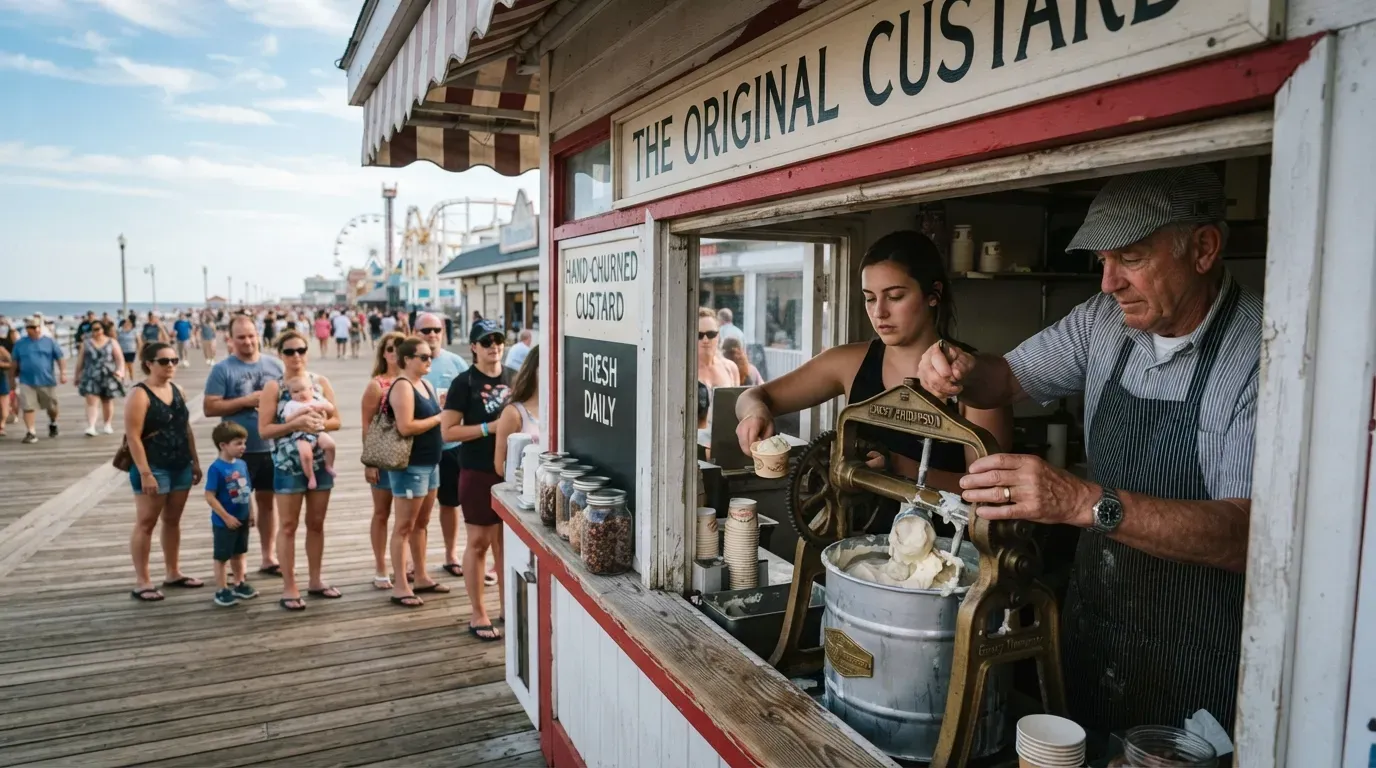
Frozen custard, a denser and creamier cousin of ice cream, used to be churned fresh in small batches right in the shop window, with lines forming the moment the machine started running.
The hand-churning process took real time and skill, and the custard had to be sold quickly since it didn’t hold up in freezers the way modern soft-serve does. Most boardwalk stands have since switched to machine-dispensed soft serve, faster to produce but noticeably different in texture. A handful of old-school custard stands, mostly family-run for generations, still do it the original way.
#6 – Carousels With Real Brass Ring Grabs
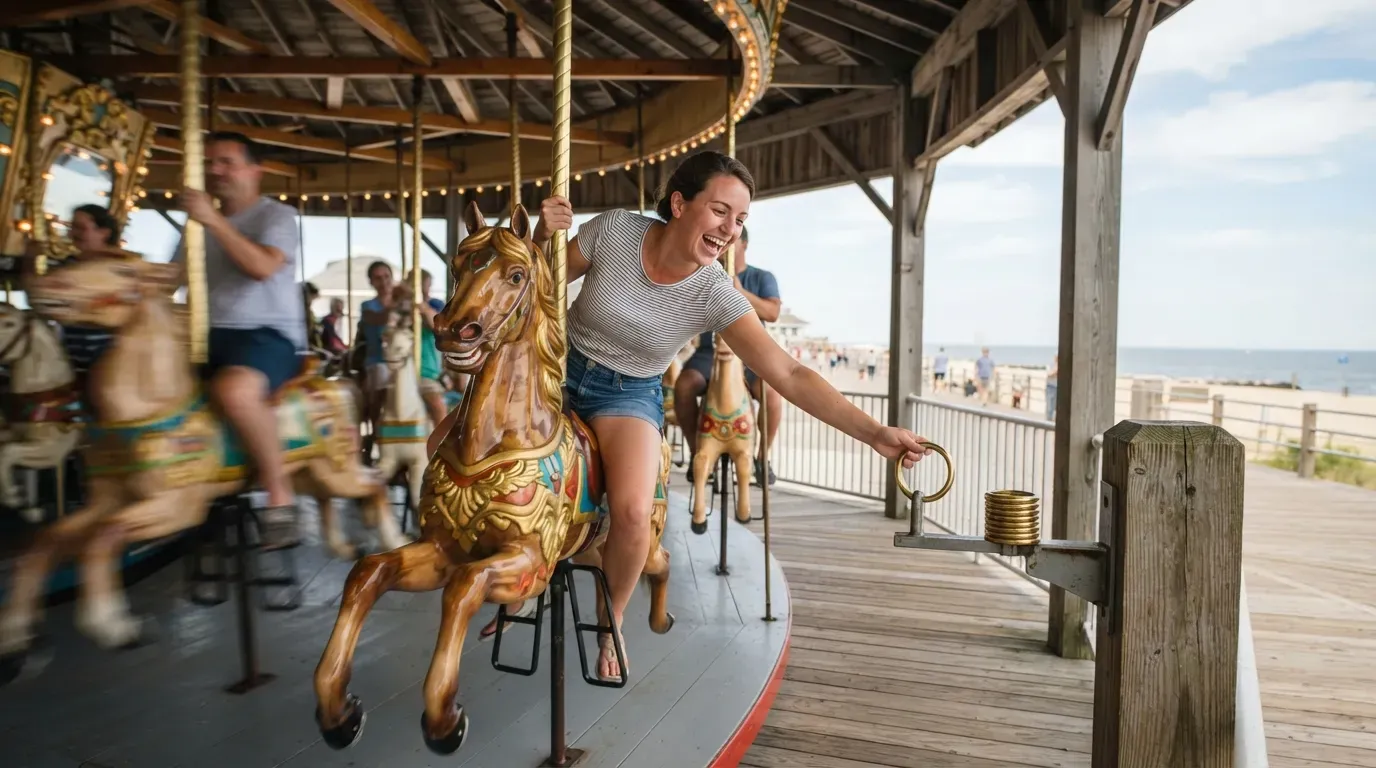
Classic boardwalk carousels weren’t just decorative – riders on the outer horses could reach out and try to grab a brass ring from a dispenser arm, winning a free ride if they succeeded.
The brass ring mechanism required careful calibration and regular maintenance, and it created genuine physical risk since riders leaned far off their horses to reach it. Liability concerns eventually forced most operators to remove the brass ring arm entirely, ending the tradition on the vast majority of surviving carousels. Only a small number of historic carousels nationwide still offer the real brass ring experience.
#5 – Trolley Parks Built Just to Sell Boardwalk Tickets
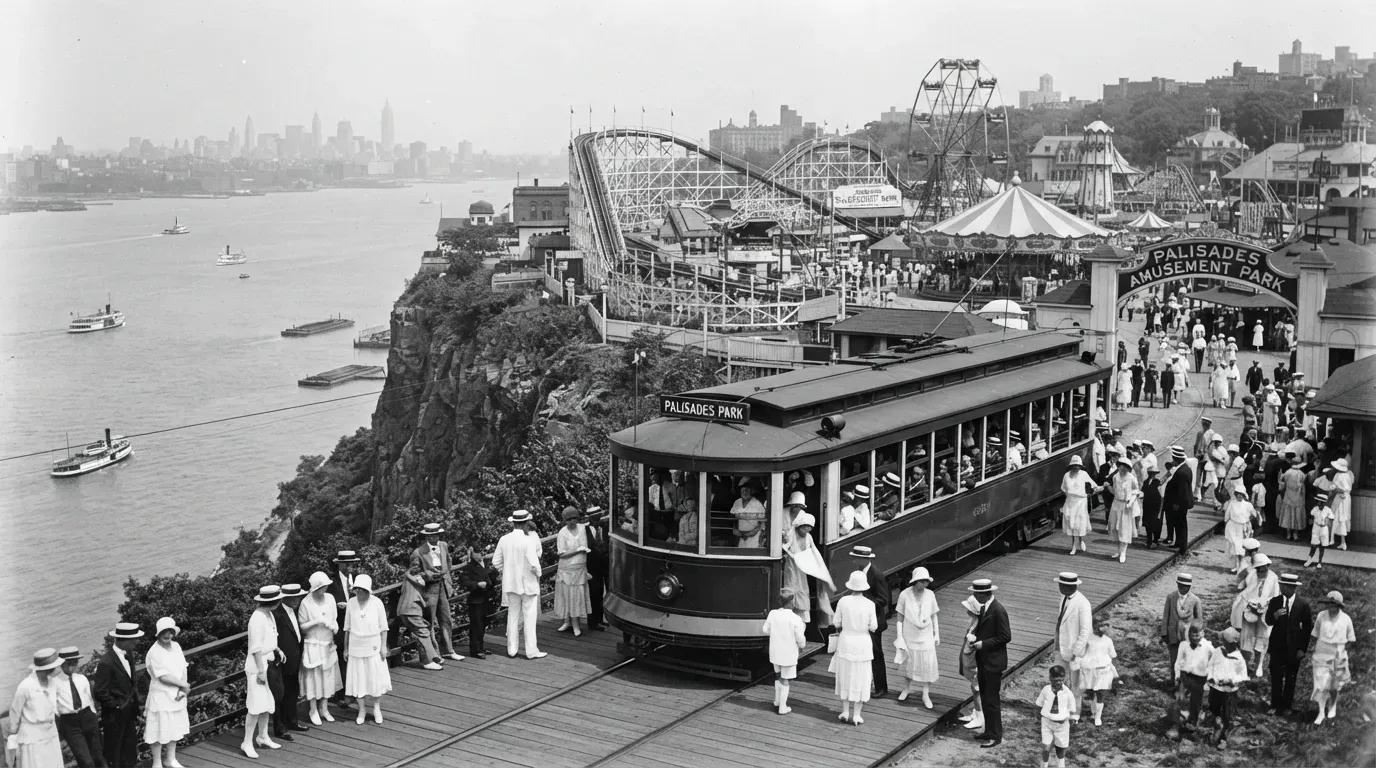
Some of the biggest boardwalk-adjacent parks in American history didn’t start as amusement destinations at all – they started as marketing tools for streetcar companies trying to sell weekend rides.
Before automobiles were common, the Bergen County Traction Company conceived Palisades Park in 1898 to attract evening and weekend riders to its streetcar line. Once cars became affordable, the whole trolley-park business model collapsed almost overnight. Nearly every trolley park built for this exact purpose has since closed, been demolished, or been swallowed by unrelated development, with Palisades itself replaced by apartment towers in 1971.
#4 – Boardwalk Bingo Parlors Packed on Rainy Days
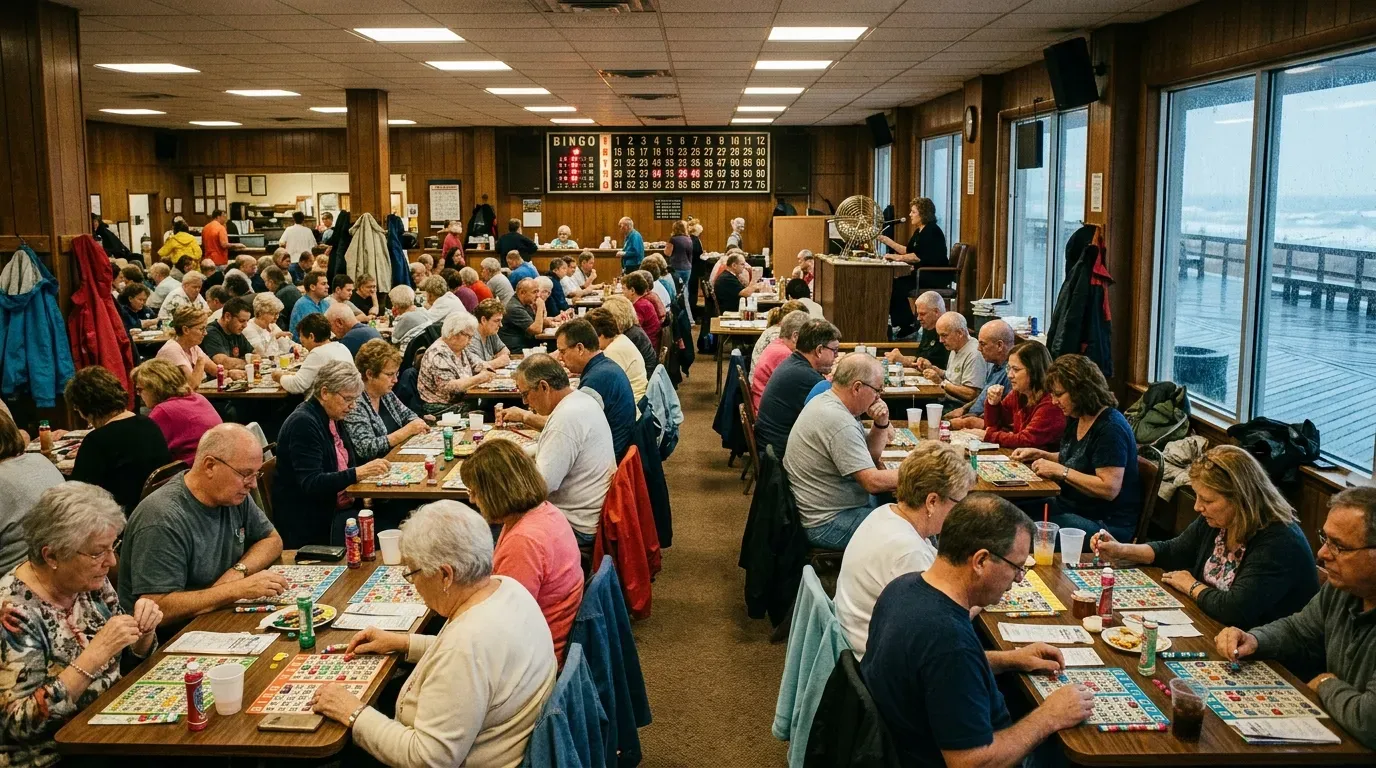
When the weather turned, boardwalk bingo parlors filled up fast, offering an indoor alternative that kept families entertained without ever leaving the boards.
These parlors ran multiple sessions a day throughout the summer season, often becoming social gathering spots where the same regulars showed up every single week. Many boardwalk bingo halls shut down once gambling regulations tightened and indoor space became more valuable for retail. The few that remain tend to be nostalgic holdouts rather than thriving businesses.
#3 – Freak Show Sideshow Tents on the Boards
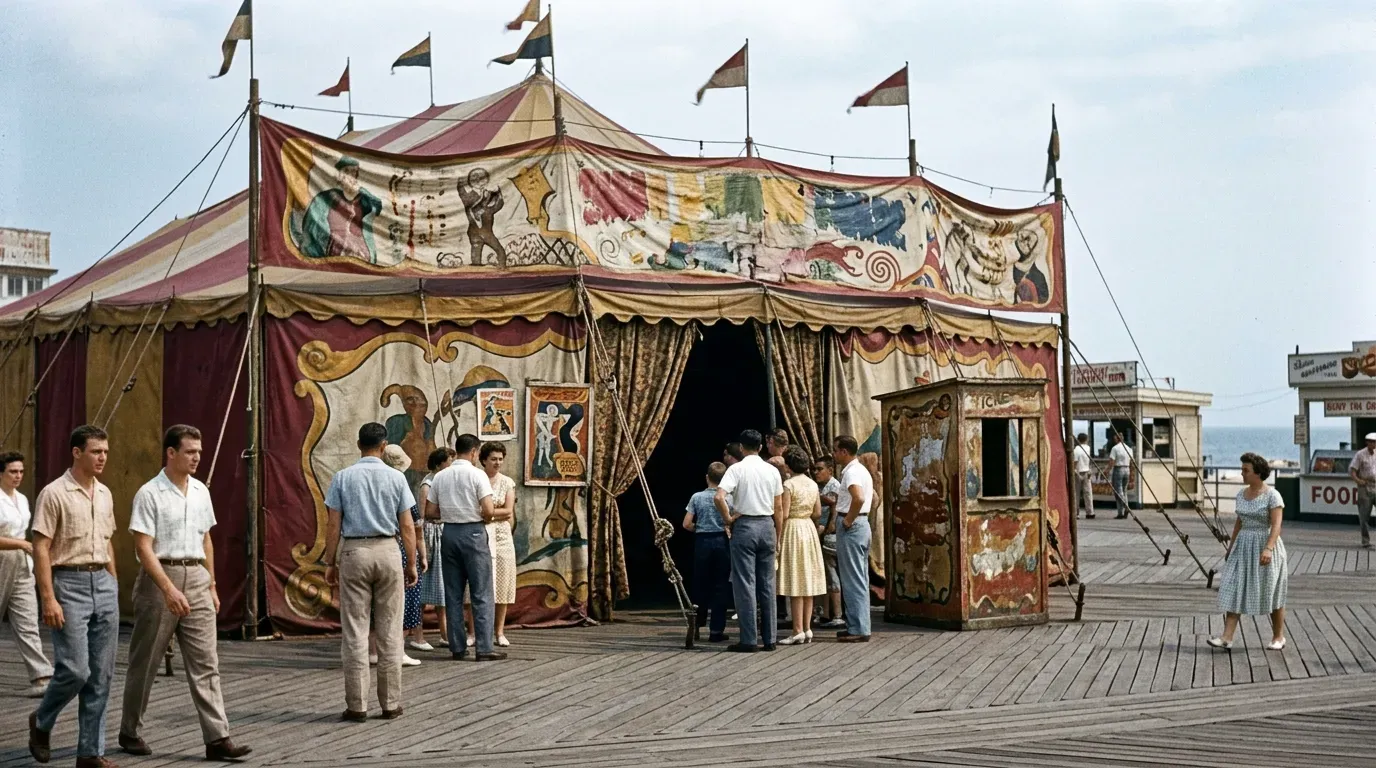
Sideshow tents were once a standard fixture on major boardwalks, promising to show visitors the world’s strangest performers and oddities for a small admission fee.
These attractions traded heavily on exploitation and shock value, which is exactly why cultural attitudes turned against them by the mid-20th century. Most boardwalks quietly phased out sideshow tents by the 1960s and 70s as public sentiment shifted and regulations changed. A few modern “sideshow revival” acts exist today, but they operate under entirely different ethical standards than the originals.
#2 – Entire Mechanical Ride Parks Squeezed Onto the Boardwalk
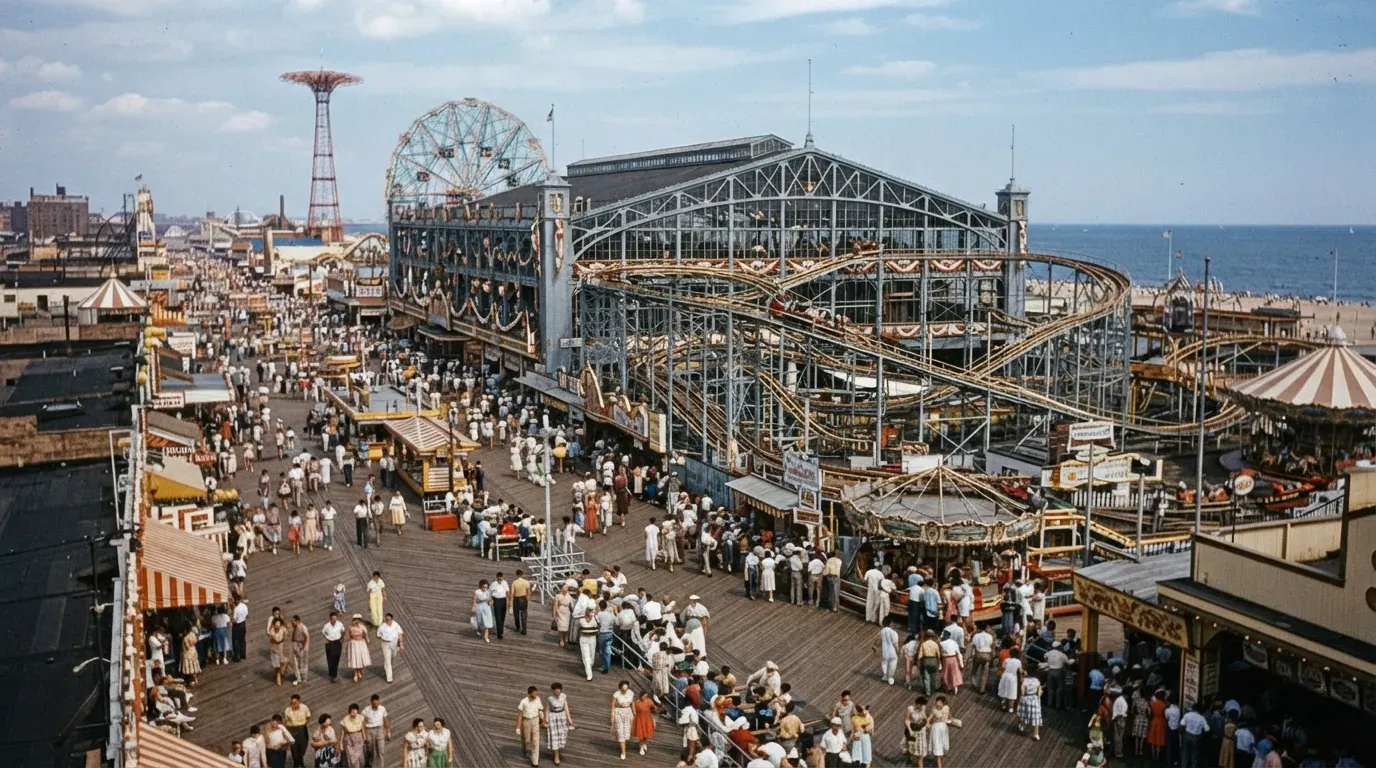
Before amusement parks needed hundreds of acres, entire ride parks were squeezed directly onto boardwalk piers and adjacent lots, packing dozens of attractions into a tiny footprint.
Steeplechase Park operated in Coney Island from 1897 to 1964, the longest-lasting of the three great Coney Island parks, covering just 15 acres at its peak. High crime and residential development eventually led to its closure in 1964, when Fred Trump bought the site with plans to build waterfront housing. The entire park, packed with rides most visitors today would consider chaotic, was gone within a matter of years.
At a Glance
- Operated from 1897 to 1964 – the longest-running of Coney Island’s three great parks
- Covered just 15 acres at its peak
- Closed after high crime and residential development pressures
- Site was sold to Fred Trump for waterfront housing plans
#1 – The Nightly Boardwalk Promenade Itself
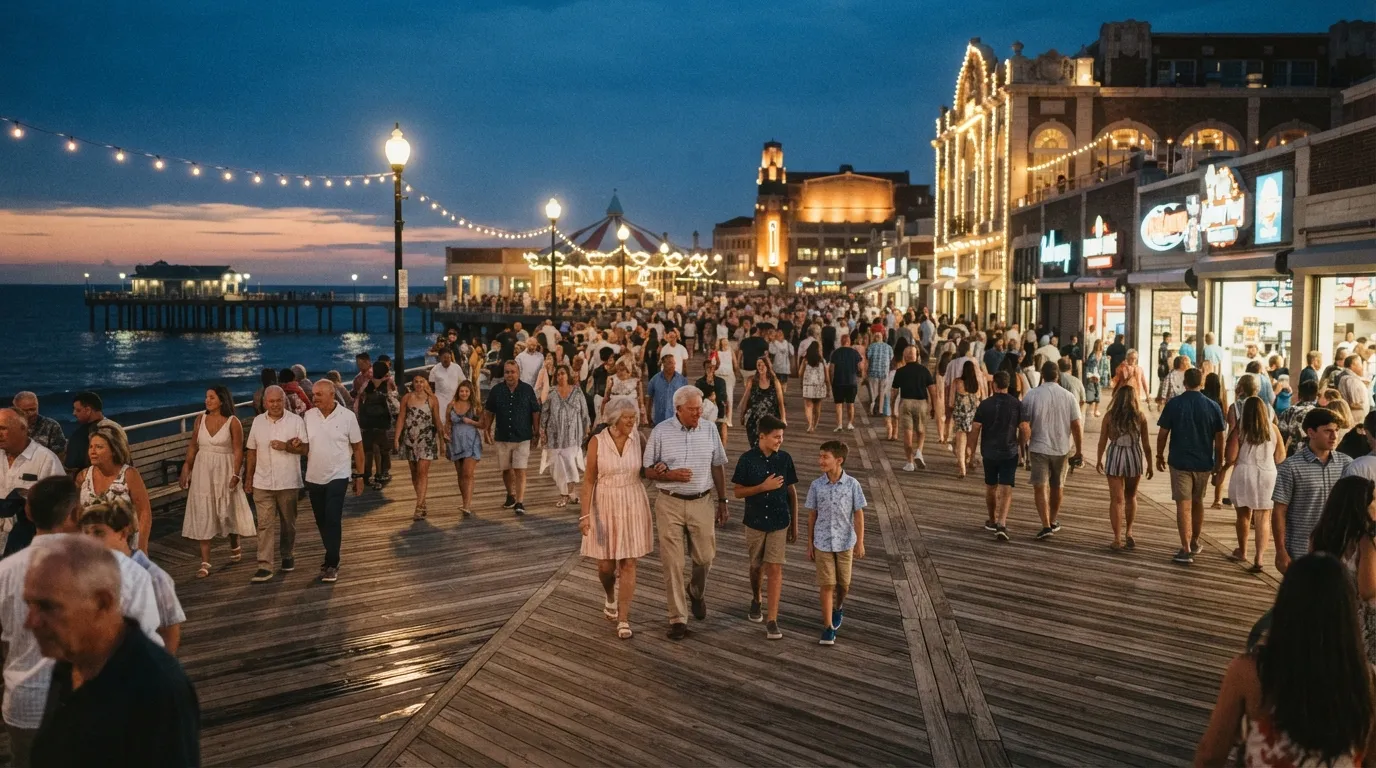
The single biggest boardwalk pleasure wasn’t a ride or a snack at all – it was the nightly promenade, when entire families dressed up specifically to walk the boards after dinner, greeting neighbors and strangers alike.
This ritual dates back to the earliest boardwalks in the country. Asbury Park’s boardwalk was built in 1871 with an orchestra pavilion, public changing rooms, and a pier designed specifically to give visitors a place to stroll and be seen. Most modern boardwalk visitors now walk with a phone in hand instead of simply strolling to see and be seen, and the slower, dressed-up evening promenade that once defined an entire summer culture has largely faded into memory.
What’s striking about this list isn’t just that these attractions disappeared – it’s how many vanished for reasons that had nothing to do with popularity. Fires, liability lawsuits, rezoning, and rising real estate values erased more boardwalk history than changing tastes ever did. The saltwater pools, the diving horses, the brass rings – all of it was working, right up until it wasn’t.
A handful of boardwalks still protect fragments of this world, but most of it now only exists in old postcards and grandparents’ stories. Did we miss your favorite lost boardwalk pleasure? Drop it in the comments – we want to hear what your family remembers.