
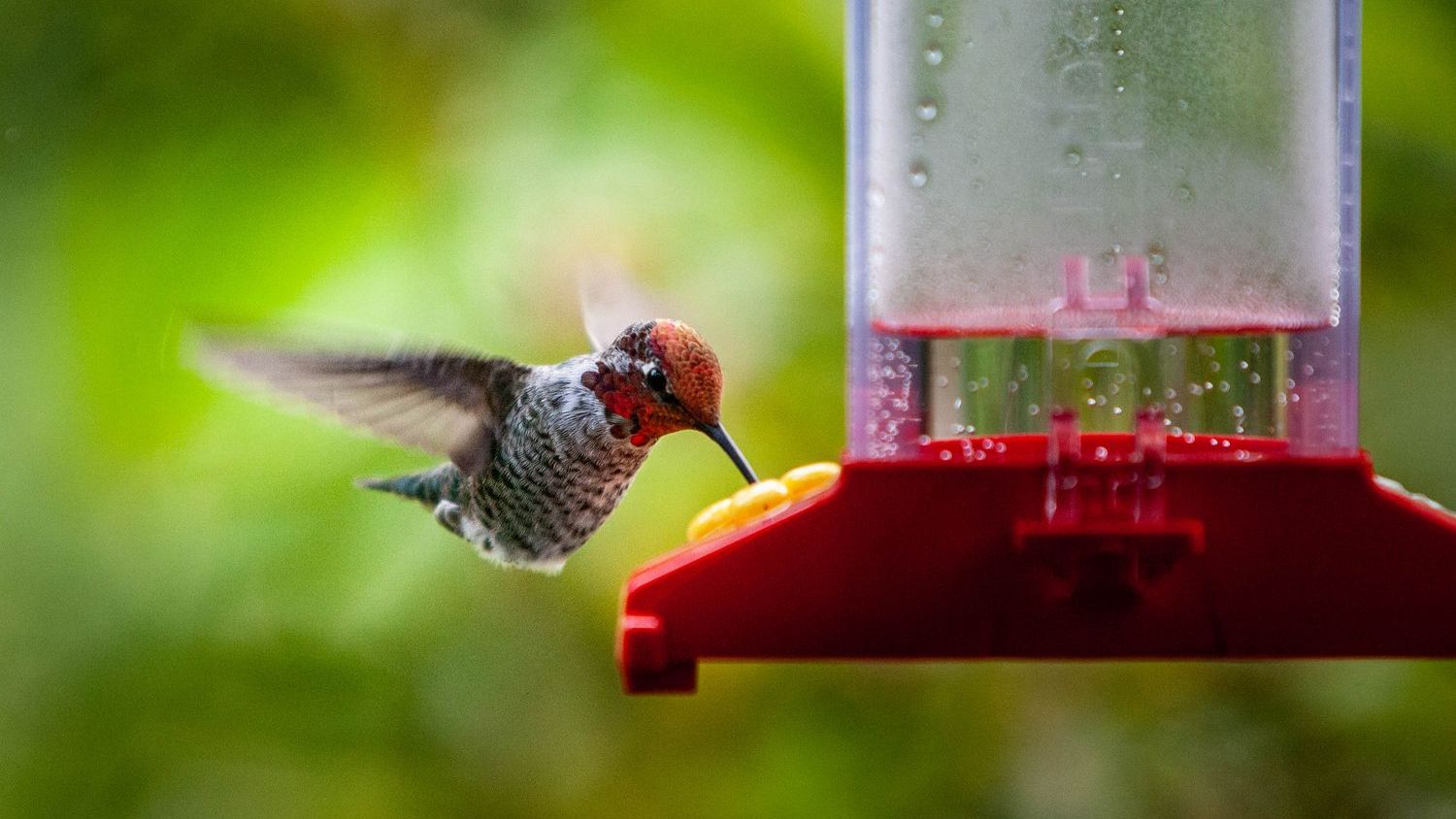
You put up a feeder, planted a few flowers, and waited. And waited. Meanwhile, your neighbor three houses down can’t keep hummingbirds away from her porch. Most backyard birders assume it’s bad luck or the wrong region or the wrong season. Hummingbird experts say luck has almost nothing to do with it. There are specific, concrete things happening in your yard right now that are silently routing these tiny birds in the opposite direction – and most homeowners have no idea they’re doing any of them.
The frustrating part is that many of the biggest offenders look completely harmless. A dirty feeder here, a cat lounging under a bush there, the wrong nectar recipe – each one sends a signal that your yard isn’t worth the stop. Some of the items further down this list are the ones that shock people most. Here are all 14.
#1 – A Feeder Full of Spoiled or Cloudy Nectar
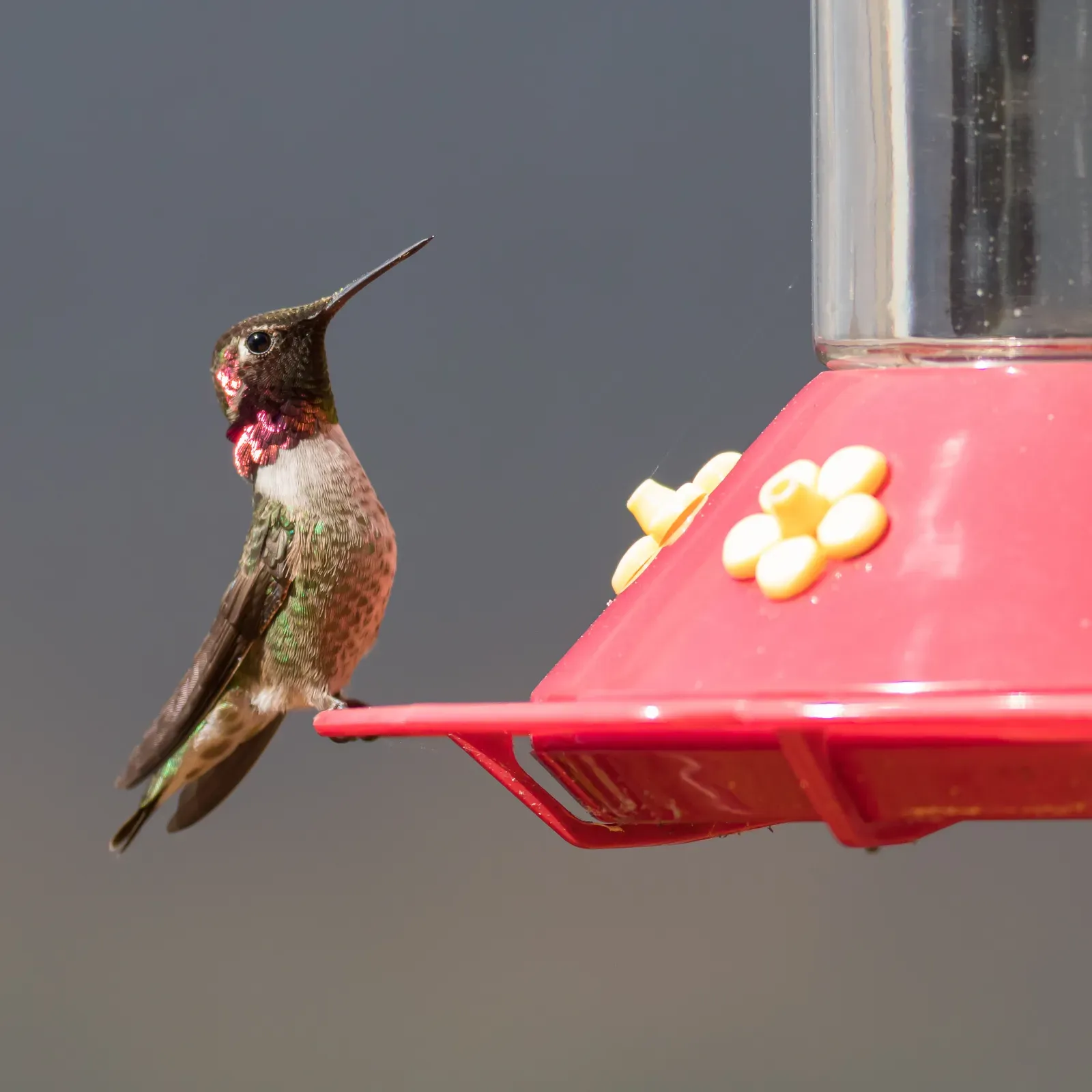
This is the single most common reason hummingbirds ghost a yard, and most people dramatically underestimate how fast nectar goes bad. When temperatures climb above 80°F, nectar needs to be swapped out and the feeder scrubbed every single day – and above 90°F, experts recommend refreshing it two or even three times daily. During a July heat wave, that’s not a suggestion you can skip on a whim.
Spoiled nectar ferments and grows harmful microbes. It smells off, tastes wrong, and can make hummingbirds sick. Here’s the part that stings: if your nectar has gone even slightly cloudy, the birds already know it’s bad before you do. Their sense of what’s safe is faster than your visual check. If it’s not crystal clear, clean the feeder and start over.
At a Glance: Nectar Freshness by Temperature
- Below 70°F: Change every 3–5 days
- 70°F–80°F: Change every 1–2 days
- Above 80°F: Change daily
- Above 90°F: Change 2–3 times per day
- Cloudy or sour-smelling: Discard immediately, regardless of temperature
#2 – Red Dye Added to the Nectar
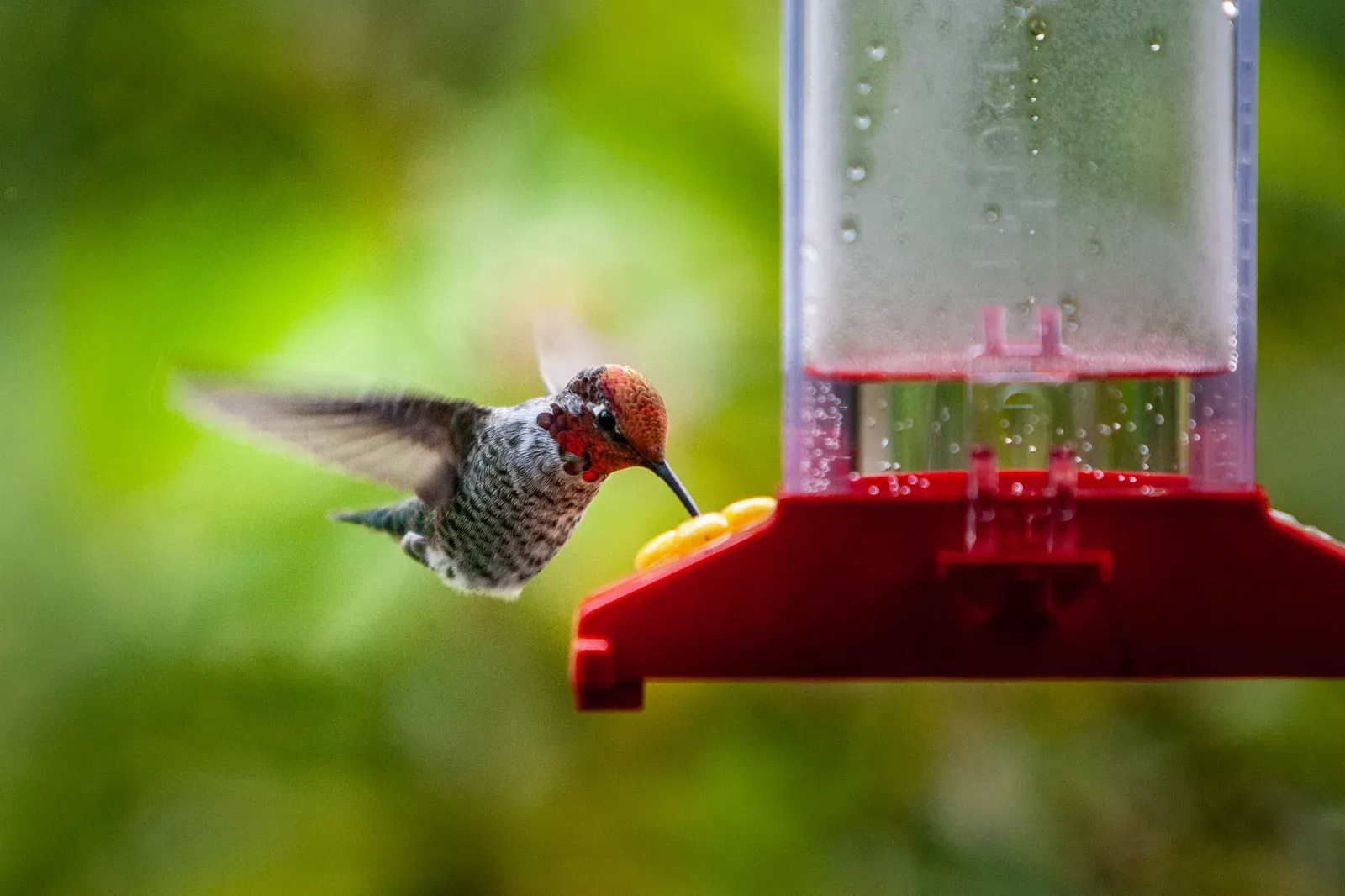
Walk down any garden center aisle in spring and you’ll see pre-mixed red hummingbird nectar staring back at you. It looks official. It looks right. It’s probably one of the worst things you can put in your feeder. The logic of dyeing sugar water red – because hummingbirds are attracted to the color – sounds reasonable, but the artificial dye itself offers zero benefit and carries real risk. Both Red No. 3 and Red No. 40 appear in commercial nectar mixes, and Red No. 3 is being banned from human food products starting in 2027 over safety concerns. If it’s not considered safe for people, the case for feeding it to a two-gram bird is hard to make.
The nectar hummingbirds drink in nature is completely clear. There is no reason to color it. One part plain white granulated sugar dissolved in four parts water is genuinely all you need – and the red on the feeder itself is more than enough to catch a hummingbird’s eye from across a yard.
#3 – Honey or Brown Sugar in the Nectar Mix
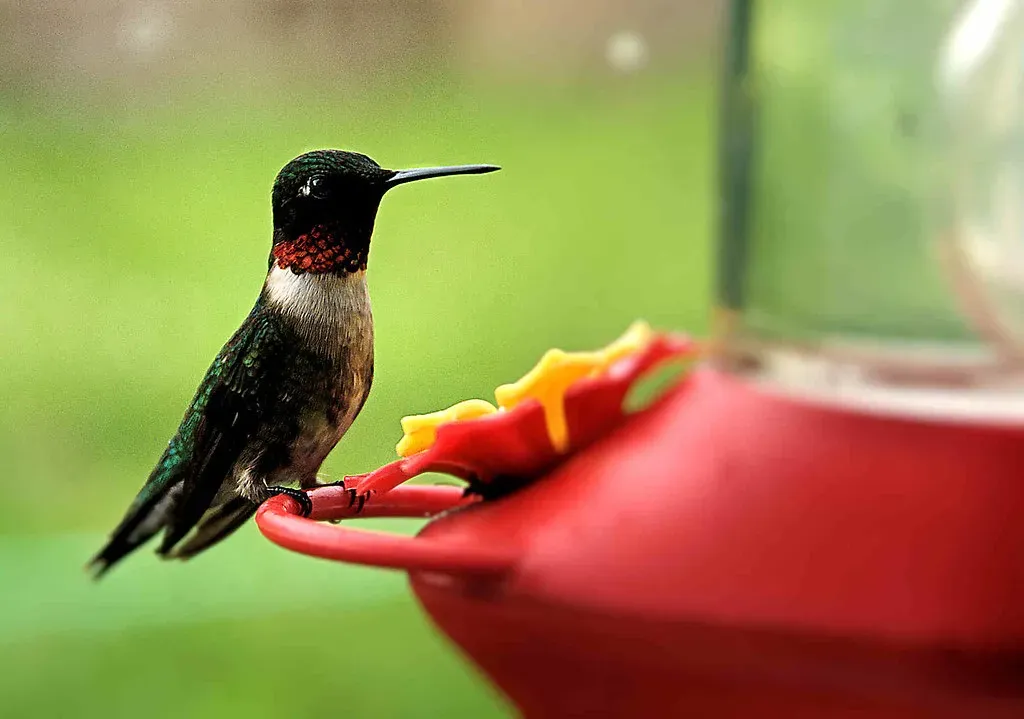
Some well-meaning people skip white sugar and reach for honey or brown sugar because they feel more natural. The logic sounds caring. The results can be deadly. Brown sugar is made by adding molasses back into refined sugar, and molasses carries a high iron content – and while trace iron is fine for most animals, it can be toxic to hummingbirds at elevated levels. Honey is worse: when mixed with water, it ferments rapidly, promotes fast bacterial and fungal growth, and can spoil in the feeder within a day or two in warm weather.
If hummingbirds drink fermented liquid, they can become disoriented or die. Worse, honey-based nectar can cause a deadly infection that makes a hummingbird’s tongue swell so severely it can’t fit back inside their bill – a condition that almost always ends fatally. Honey is also sticky enough to gum up feeder ports and attracts insects that quickly make the feeder hostile territory. The search for a “healthier” sugar is well-intentioned but genuinely backfires here. Plain white table sugar and clean water. That’s the entire recipe.
#4 – A Feeder Covered in Yellow Decorations
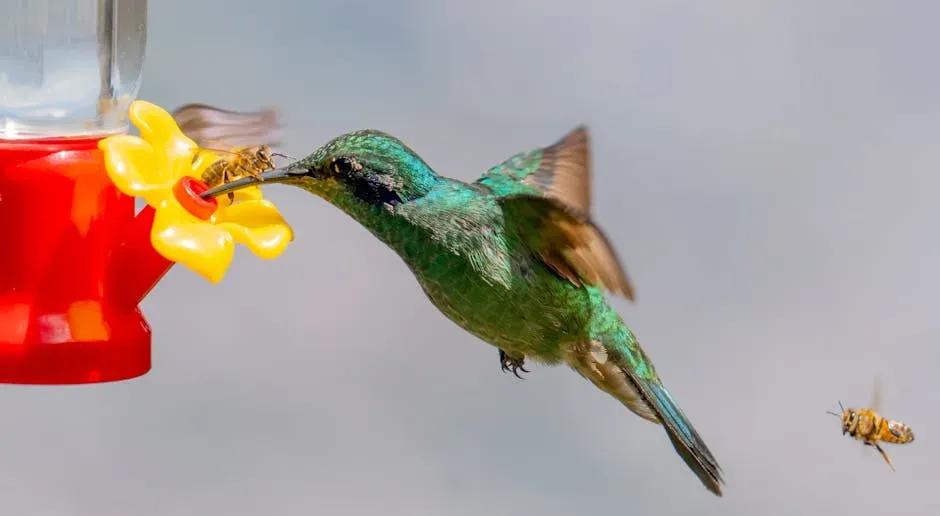
Here’s one most people have never heard: the color of your feeder’s plastic flowers and accents matters – just not in the direction you’d expect. Yellow accents on a feeder attract wasps and bees. Wasps swarming a feeder create a hostile environment that hummingbirds want absolutely nothing to do with, and they’ll simply move on to a calmer food source nearby.
If you’re already dealing with an infestation, switching to a dish-style feeder with ports on top helps – bees can’t reach deep enough to access the liquid. But the fastest fix is replacing any feeder loaded with yellow plastic accents. Red feeders, clean ports, no yellow flowers. It’s a small swap that changes the whole dynamic at your feeder within days.
#5 – Ants Invading the Feeder
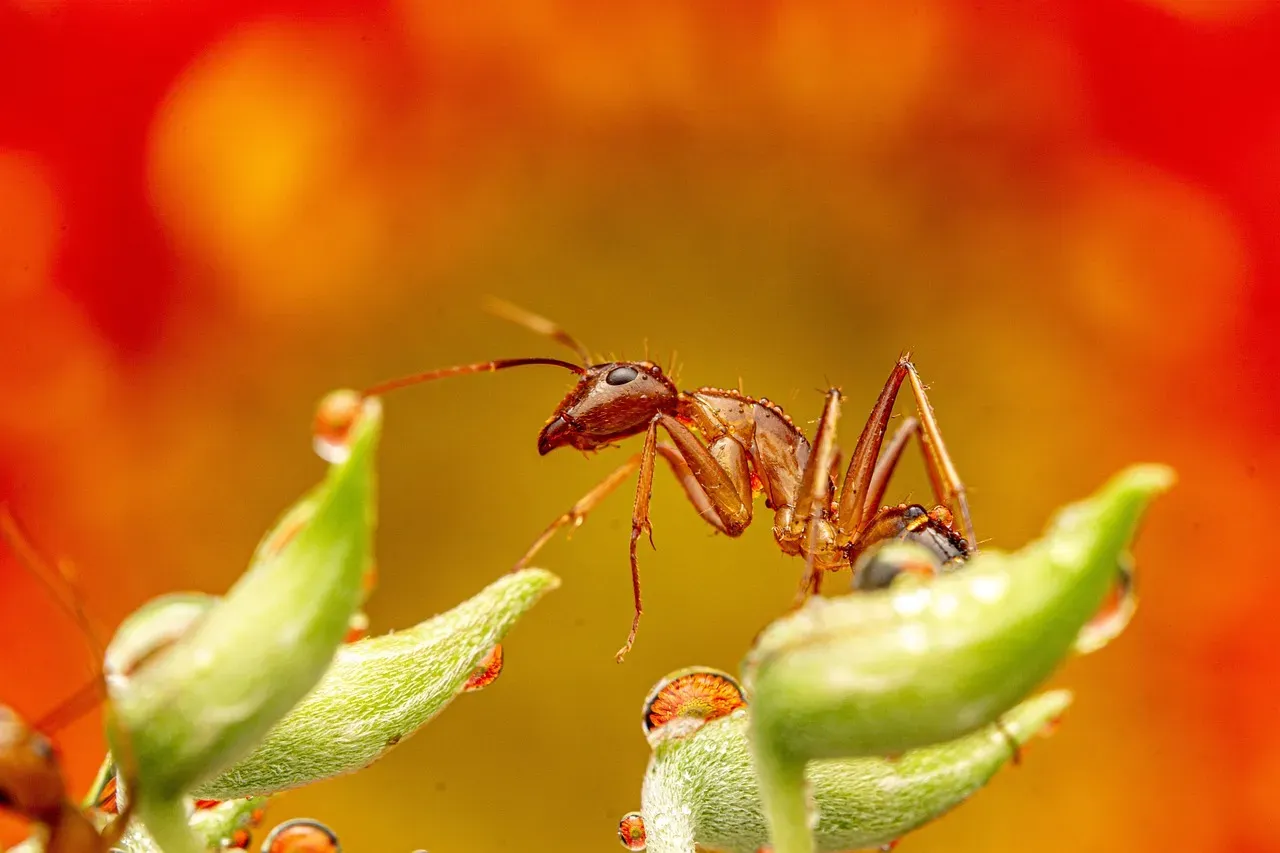
You might not notice a trail of ants climbing your feeder pole. Hummingbirds absolutely do. Ants crawl into the nectar wells, contaminate the sugar water, and clog the ports. Once that happens, the birds stop coming – and it happens faster than most people expect. An ant-infested feeder can go from busy to abandoned in less than a day.
The fix is simple and costs almost nothing: an ant moat. It attaches between the hanger and the feeder, and when you keep it filled with water, ants physically cannot cross it to reach the nectar. Many feeders already have a built-in moat that owners never notice or fill. Check yours before buying anything new. If you need a secondary deterrent, white vinegar disrupts the chemical trails ants use to communicate the path to food, and they’ll generally reroute elsewhere.
Worth Knowing: Common Feeder Pest Problems
- Ants: Contaminate nectar and block ports – use a filled ant moat to stop them cold
- Bees and wasps: Yellow feeder accents invite them; dish-style feeders with top ports discourage them
- Fruit flies: Attracted to spilled nectar – wipe feeder exterior at every refill
- Mold (black spots): Sign the feeder needs a deep scrub, not just a rinse
#6 – Pesticides and Insecticides Sprayed Around the Yard
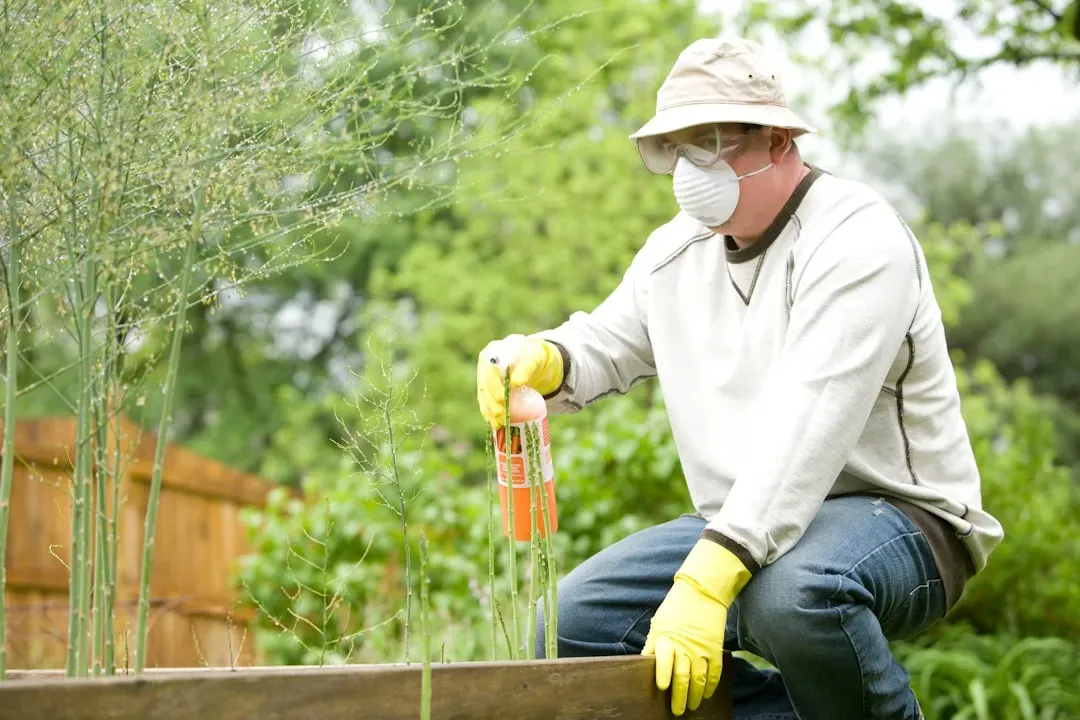
Most people think pesticides are a bug problem, not a bird problem. That’s exactly wrong. Hummingbirds don’t live on nectar alone – they also eat insects and spiders for protein, and a high-metabolism bird burning calories as fast as a hummingbird needs both. Spray your yard with broad-spectrum insecticide and you’ve just eliminated half their food supply without touching a single feeder.
Beyond the food loss, pesticide residue can linger on flowers and contaminate the nectar hummingbirds drink directly from them. The birds that notice a yard feels off – fewer insects, strange-tasting flowers – simply stop visiting. Broad-spectrum pesticide use is one of the most underrated hummingbird deterrents in any yard, and one of the hardest to diagnose because the connection isn’t obvious.
#7 – A Free-Roaming Cat in the Yard
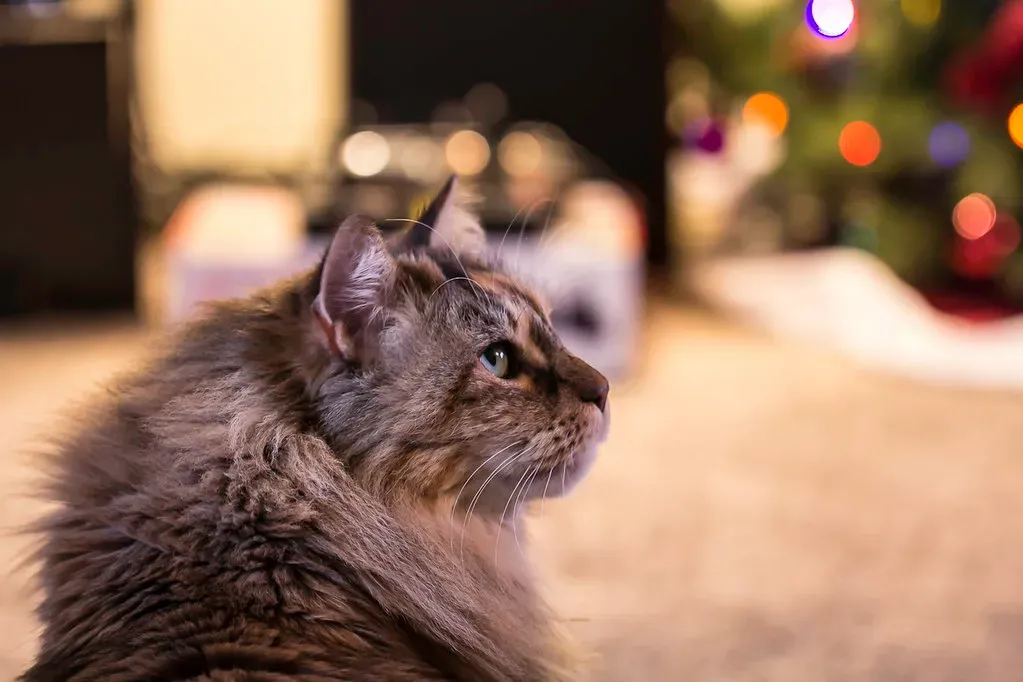
Your cat might look completely harmless lounging under the feeder in a patch of sunlight. Hummingbirds don’t see a napping house pet. They see a predator in ambush position. Hummingbirds are acutely sensitive to threat signals, and even a calm, stationary cat registers as danger. According to The Hummingbird Society, free-roaming domestic and feral cats are among the most common predators of non-nested hummingbirds.
It doesn’t matter if your cat has never caught a bird in its life. Its mere presence is enough to make hummingbirds permanently reroute away from your yard. Hanging feeders at least five feet off the ground and well away from fences reduces risk – but if a cat regularly patrols the area beneath your feeder, the birds will eventually stop treating that spot as safe, no matter how good the nectar is.
#8 – A Feeder Placed in Full, Blazing Afternoon Sun
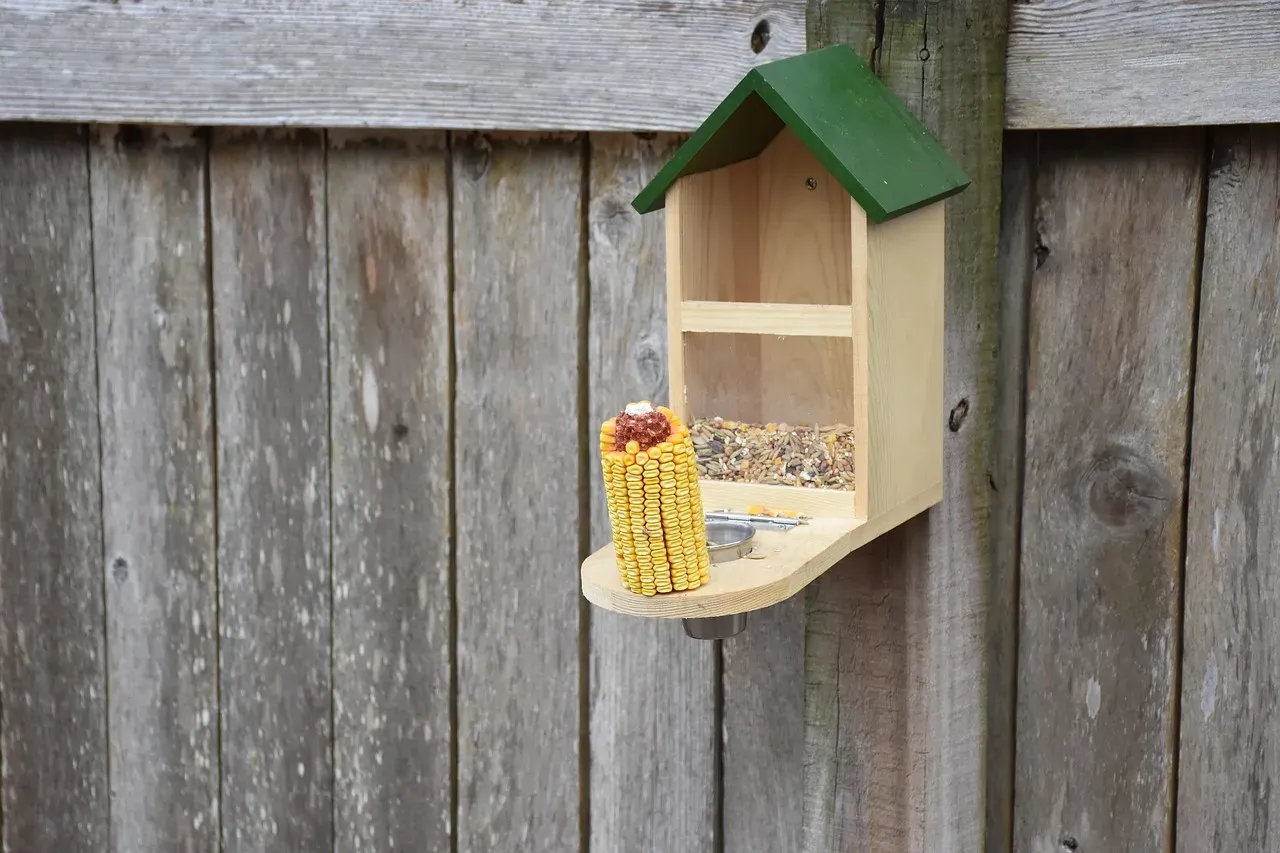
Feeder placement feels like a minor detail until you understand what direct summer heat actually does to sugar water. A feeder baking in full afternoon sun is a feeder going bad at record speed. Feeders placed in direct sun often need nectar replaced every one to two days – and on peak summer days, the nectar can become dangerously hot before it even has a chance to ferment. The birds will sense it before you see it turn cloudy.
The ideal placement gets morning sun for visibility and warmth but sits in shade during the hottest part of the afternoon. A tree branch, a pergola overhang, or even a garden umbrella can make all the difference. If you can’t easily move your feeder, try bringing it indoors during the peak heat window and putting it back out in the evening – it’s a small habit that dramatically extends how long the nectar stays fresh and appealing.
#9 – Only One Feeder Dominated by a Territorial Bird
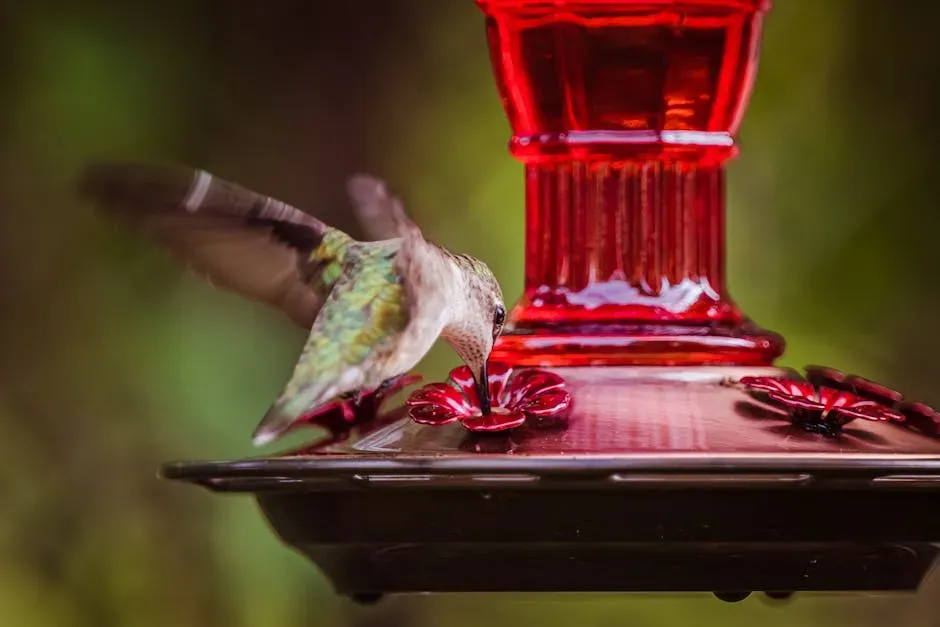
If you’ve watched a single aggressive hummingbird spend more energy chasing rivals than actually feeding, you’ve spotted the problem. Hummingbirds – especially males during breeding season – are fiercely territorial over food sources. Their instinct to guard a nectar supply is so strong that it carries over to feeders with an endless supply of sugar water; they simply don’t realize there’s always more. With only one feeder in the yard, a dominant bird will stake it out and drive off every other hummingbird that tries to land. The birds it chases away don’t keep circling. They leave.
The solution isn’t to remove the dominant bird – it’s to outwit it. Spread multiple feeders far enough apart that the territorial bird physically cannot guard them all at once. Experts recommend spacing feeders at least 10 to 15 feet apart, and positioning them so a bird on one feeder can’t see a bird on another – around a corner or on opposite sides of the house works best. The number of hummingbirds visiting your yard can increase dramatically with this one change.
Quick Compare: One Feeder vs. Multiple Feeders
- One feeder: Easy to manage, but one dominant male can lock out every other bird
- Multiple feeders (10–15 ft apart): Breaks territorial control – more birds feed simultaneously
- Feeders out of sight of each other: Best setup – guards can’t monitor what they can’t see
- Feeders at different heights: Extra buffer that further confuses aggressive birds
#10 – Large Aggressive Birds Crowding the Feeder
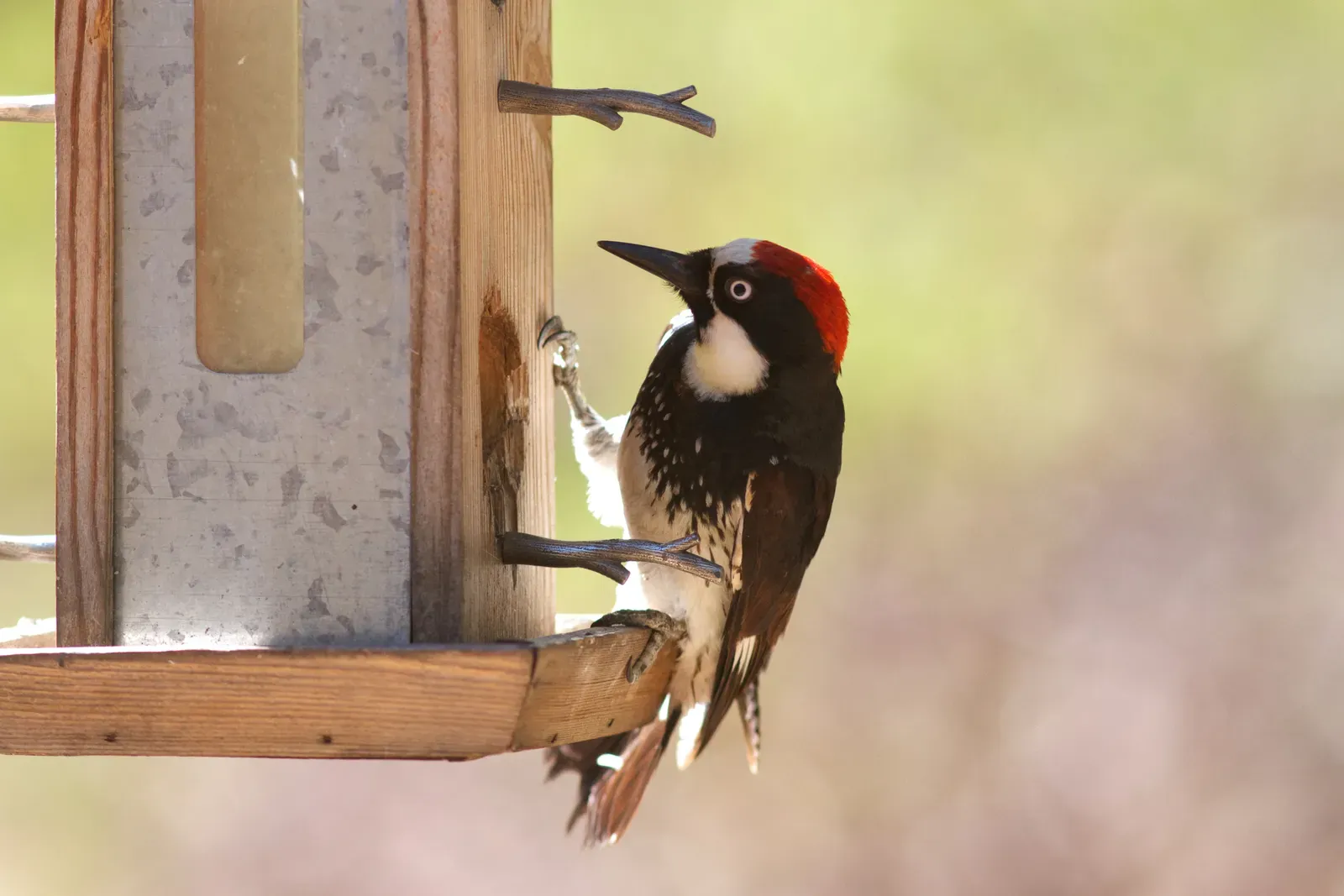
Orioles, woodpeckers, and house finches all love a free sugar-water meal – and they’re big enough to make hummingbirds feel unsafe. When larger birds take over a feeder, the hummingbirds don’t wait around. They move on. A single woodpecker holding court at your feeder for twenty minutes is enough to redirect every hummingbird in your yard to your neighbor’s setup that afternoon.
Small, perchless feeders designed specifically for hummingbirds solve this almost overnight. Most birds need to perch while eating. Without a perch, larger species can’t comfortably access the ports and quickly give up. Switching feeder styles is faster and more effective than trying to shoo away every uninvited guest – and the hummingbirds notice the difference quickly.
#11 – No Nectar-Producing Flowers Anywhere in Sight
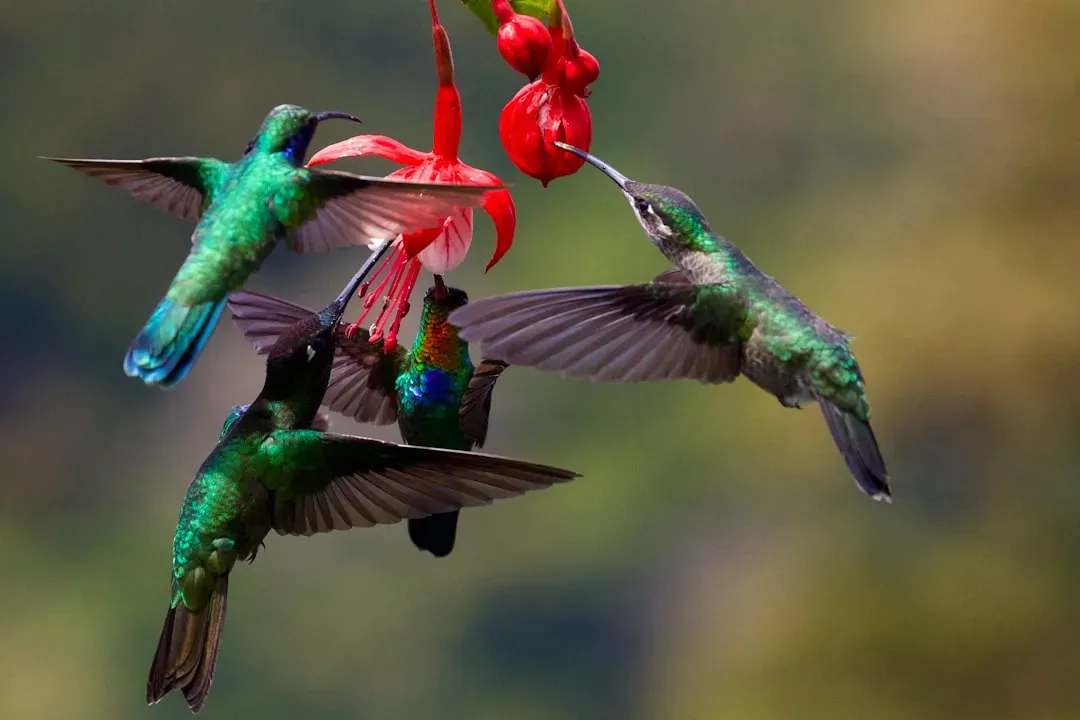
A lone plastic feeder hanging from a hook in an otherwise flat, plantless yard is better than nothing – but not by much. Hummingbirds are visual creatures moving fast through the landscape. A feeder with no surrounding flowers gives them one target to find and nothing to explore once they get there. A neighbor’s yard full of bee balm, cardinal flower, and salvia gives them a reason to slow down, investigate, and return.
Native tubular flowers do something a feeder alone can’t: they make your yard look alive and worth visiting from the air. Hummingbirds that find a yard with both reliable feeders and diverse blooms – especially plants with staggered bloom times across the season – treat it as a home base rather than a pit stop. That’s the difference between a yard that gets occasional visits and one that becomes part of a hummingbird’s daily patrol route.
Fast Facts: Top Native Plants for Hummingbirds
- Bee balm (Monarda): Long bloom season, beloved by ruby-throated hummingbirds
- Cardinal flower (Lobelia cardinalis): Tubular red blooms are almost irresistible
- Salvia (native species): Extended blooming keeps traffic coming late into fall
- Trumpet vine: High-volume nectar producer – can anchor a whole corner of the yard
- Columbine: One of the first bloomers in spring, catches early-season migrants
#12 – A Yard with No Color Signal Visible from the Air
Hummingbirds don’t wander your yard at ground level – they zip through at speed, scanning for visual cues that food is close. A yard that reads as gray, brown, or dull from above is a yard they’ll pass without slowing. Hummingbirds have four types of cone cells in their retinas compared to three in humans, and the fourth type is sensitive to ultraviolet light – they see a richer, more vivid version of the world than we do. A yard that looks colorful to you might look flat and uninteresting to them.
Red is the color most strongly associated with nectar-rich food sources in a hummingbird’s learned experience – it’s not just preference, it’s pattern recognition built over a lifetime of foraging. If your yard lacks strong visual anchors in red and related warm tones, you’re simply not registering on their radar. Even without space for major planting, bright red planter boxes, painted fence posts, or colored garden stakes near your feeder can create enough of a visual signal to pull a passing bird in for a closer look.
#13 – Praying Mantises Lurking Near Feeders and Flowers
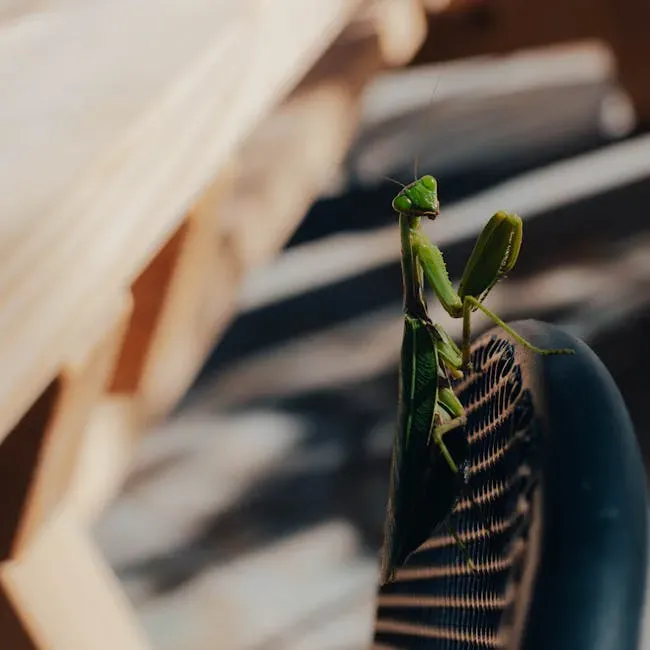
This one stops people cold when they first hear it. Praying mantises are widely regarded as harmless garden helpers – good for pest control, fun for kids to spot. Near a hummingbird feeder, they’re genuinely dangerous predators. Sandy Lockerman, a federally licensed bird bander who has banded approximately 4,000 hummingbirds over more than a decade, has described the reality plainly: a praying mantis will position itself on a feeder, grab an approaching hummingbird with its forelegs, and kill it. Snakes use the same ambush strategy near feeders and flowering plants.
A praying mantis will hang on the feeder, grab a hummingbird with its pincers, and suck the juice out of the bird.
Sandy Lockerman, federally licensed bird bander
Hummingbirds that survive a close call near your feeder will not come back. Experts recommend hanging feeders away from dense shrubs and low tree branches where mantises and snakes can hide and wait. Most people never think to check the underside of their feeder housing or the nearby branch tips – which is exactly why it keeps happening in yards where owners can’t figure out why the traffic suddenly stopped.
#14 – A Feeder Hung Too Close to Reflective Windows
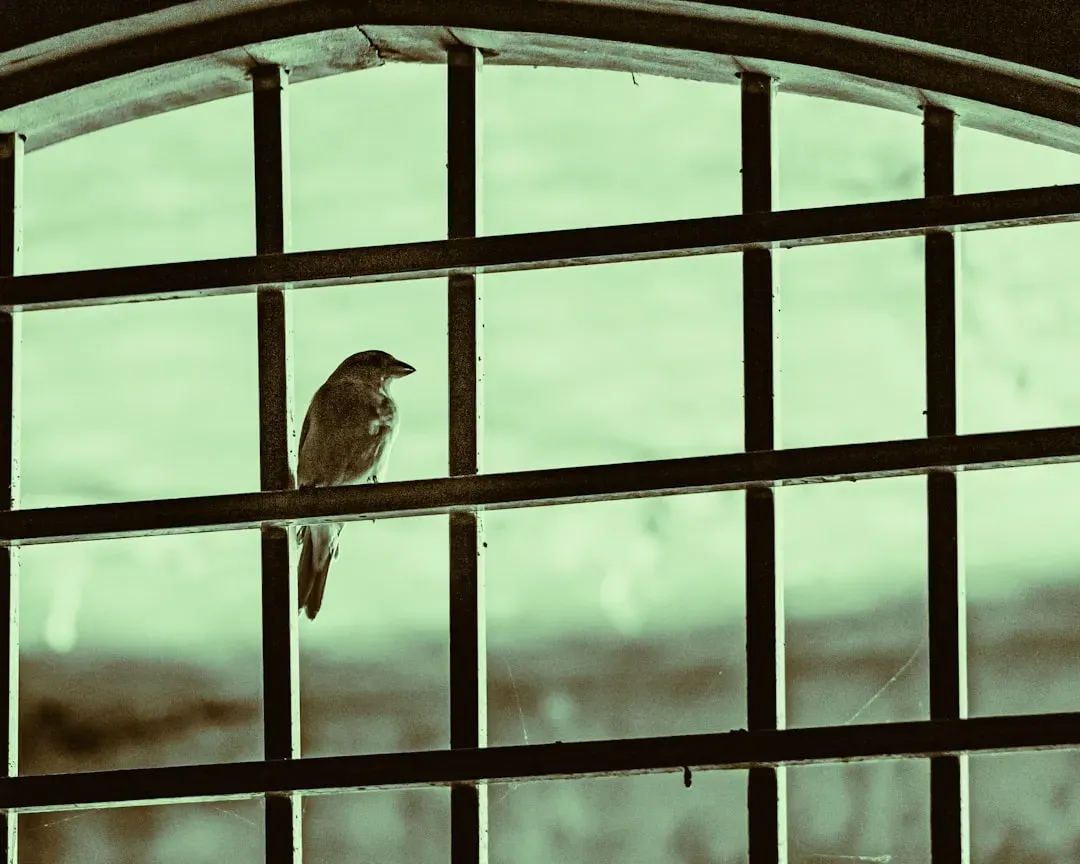
Most people hang their feeder as close to the house as possible so they can watch from the kitchen or living room. It feels like the obvious setup. It’s actually one of the most dangerous things you can do – and hummingbirds are uniquely vulnerable to it. Research by ornithologist Dr. Daniel Klem established that birds are killed most frequently at windows 15 to 30 feet from a feeder, and that fatal collisions drop to nearly zero when feeders are placed within 3 feet of the glass. Hummingbirds are estimated to be 33 times more likely than the average bird to die from a window strike.
The fix is to hang feeders either within 3 feet of the glass – close enough that a bird can’t build up dangerous momentum – or more than 30 feet away. Birds that survive a window strike in your yard learn to avoid it. The ones that don’t never come back at all. Move the feeder outside that danger zone, and you’ll almost immediately see more confident, regular visitors who actually feel safe being there.
Worth Knowing: The Window Danger Zone
- Within 3 feet of glass: Safe – birds can’t build lethal momentum; great for window-mount feeders
- 3 to 30 feet from glass: Danger zone – birds accelerate enough for fatal impacts
- Beyond 30 feet: Safe – birds have room to recognize and dodge the glass
- Window decals: Only effective when spaced 1–2 inches apart; widely spaced decals do not work
Take a slow walk around your yard and you’ll probably spot two or three of these problems before you even reach your feeder. The good news is that almost every item on this list has a fast, low-cost fix. Clean nectar, smarter feeder placement, a cat kept indoors, a splash of red near the flowers – small changes stack up quickly. Once hummingbirds decide your yard is safe and worth returning to, they’ll come back to the same spots season after season. The neighbor who always seems to have them buzzing around her porch? She figured these things out first – probably without even realizing it.