
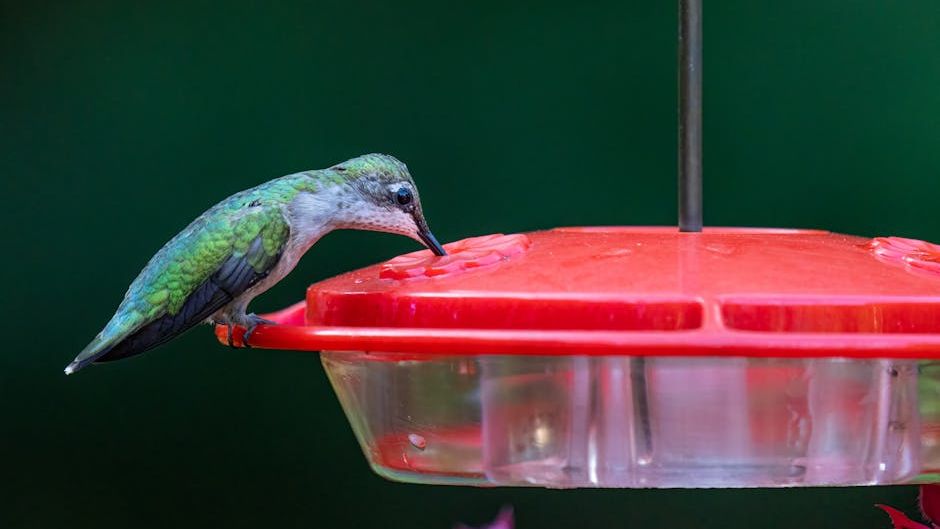
Most people hang a single red feeder, fill it with sugar water, and then stand at the window wondering why the hummingbirds barely stop – or never come back at all. The feeder isn’t the problem. The problem is that a feeder alone is like putting out a single chair and calling it a restaurant. Hummingbirds are hungry, yes, but they’re also picky, territorial, and surprisingly loyal to specific spots once they find one that checks all their boxes.
The gardeners who get a dozen birds blazing through their yard all summer aren’t doing one thing differently – they’re doing thirteen things differently. Some of these secrets cost nothing. A few will genuinely surprise you. And at least one involves something most gardeners reflexively destroy every time they see it.
#1 – They Visit Up to 2,000 Flowers a Day – Your One Feeder Isn’t Enough
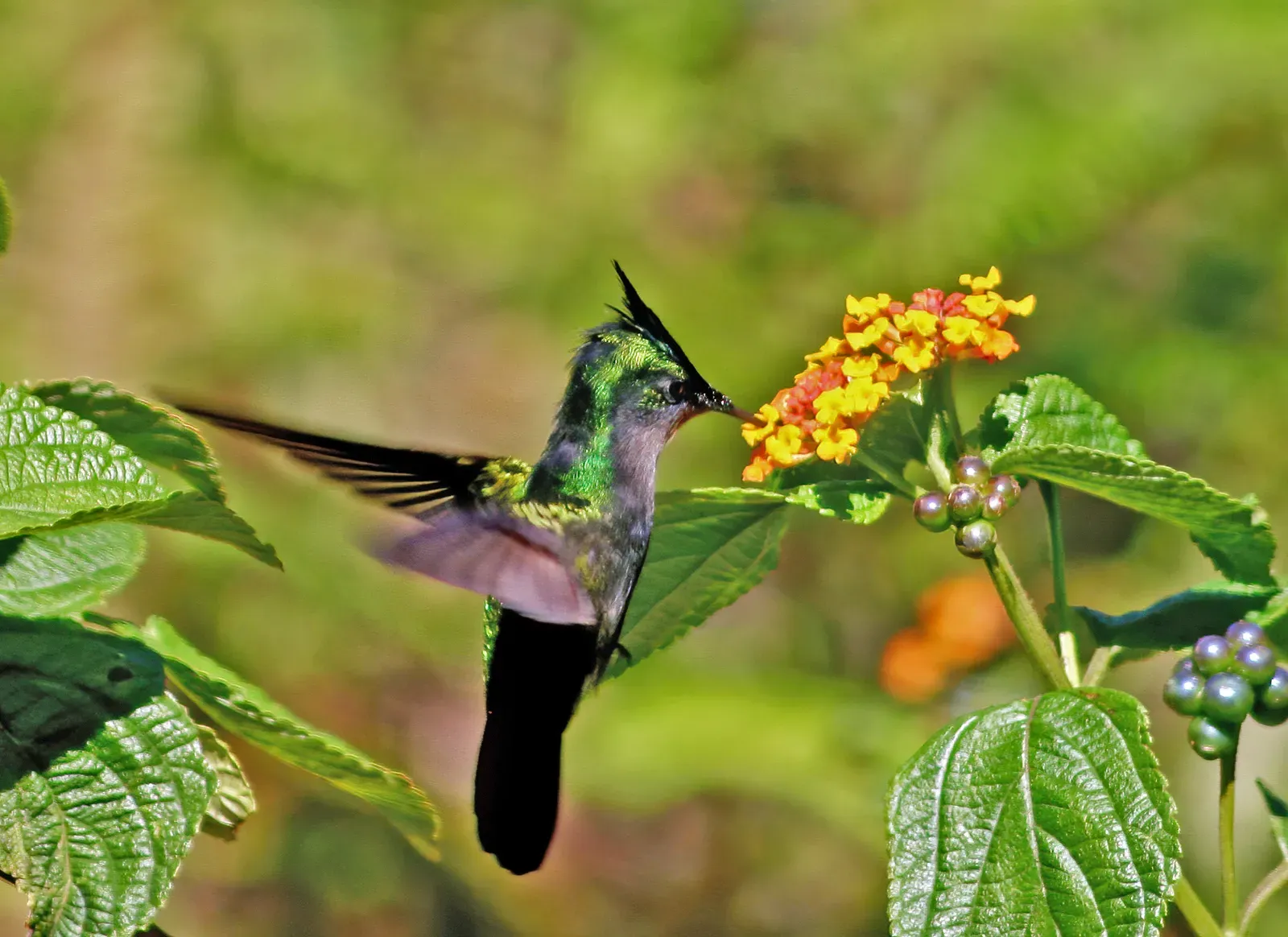
Here’s a number most backyard gardeners never hear: hummingbirds must eat every 10 to 15 minutes and visit between 1,000 and 2,000 flowers per day just to sustain their supercharged metabolism. A single feeder with four ports doesn’t come close to replacing that. Every time a hummingbird passes your yard, it’s running a split-second cost-benefit calculation – and one lonely feeder next to a patch of impatiens usually fails that test.
The fix is to think in layers: multiple feeders, multiple bloom types, multiple heights. Use trellises, fences, and garden sheds to support climbing vines, and add window boxes or container pots to create a terraced effect. The more visual “targets” you give a passing hummingbird, the longer it lingers – and the more likely it marks your yard as a regular stop on its daily route.
Fast Facts
- Hummingbirds feed every 10 to 15 minutes throughout the day – nearly nonstop from sunrise to dusk.
- They consume roughly half their body weight in nectar and insects daily.
- Scaled to human size, their daily caloric need equals roughly 155,000 calories.
- They enter torpor overnight – a near-hibernation state – and wake on the brink of starvation every morning.
- A hummingbird’s heart can beat up to 1,260 times per minute during peak activity.
#2 – Scented Flowers Are Wasting Your Garden Space
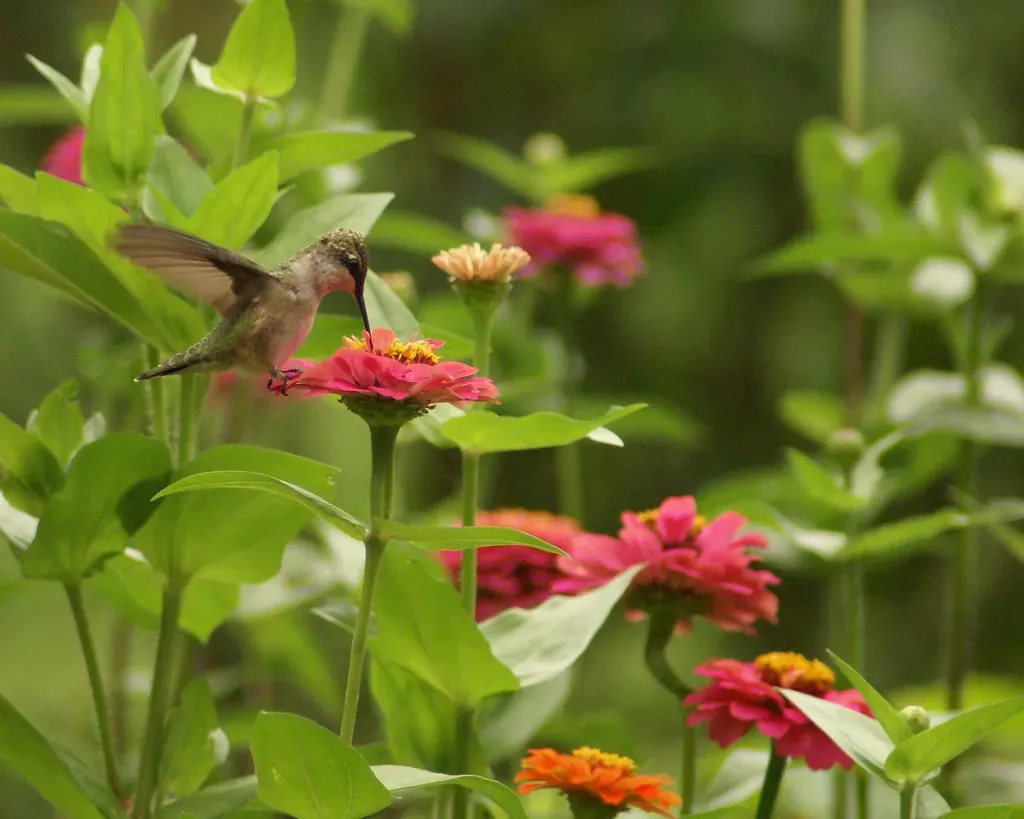
You planted roses. You planted lavender. They smell incredible – and hummingbirds couldn’t care less. Hummingbirds lack a well-developed sense of smell and navigate entirely by color, not fragrance. That gorgeous scented garden you’ve been cultivating? From a hummingbird’s point of view, it might as well be invisible. Flowers that rely on sweet fragrance to attract bees and butterflies are simply not built for hummingbirds.
What actually grabs their attention is visual intensity – deep reds, vivid oranges, and bright pinks act as unmistakable beacons from a distance. Even red flowers with the right color but the wrong shape, like roses and geraniums, can lure a hummingbird in for a look but offer almost no nectar payoff, so the birds quickly reject them. Color and tubular shape matter far more than fragrance. Planting for smell is planting for yourself. Planting for color is planting for them.
#3 – Multiple Feeders Placed Out of Sight of Each Other Is a Game-Changer
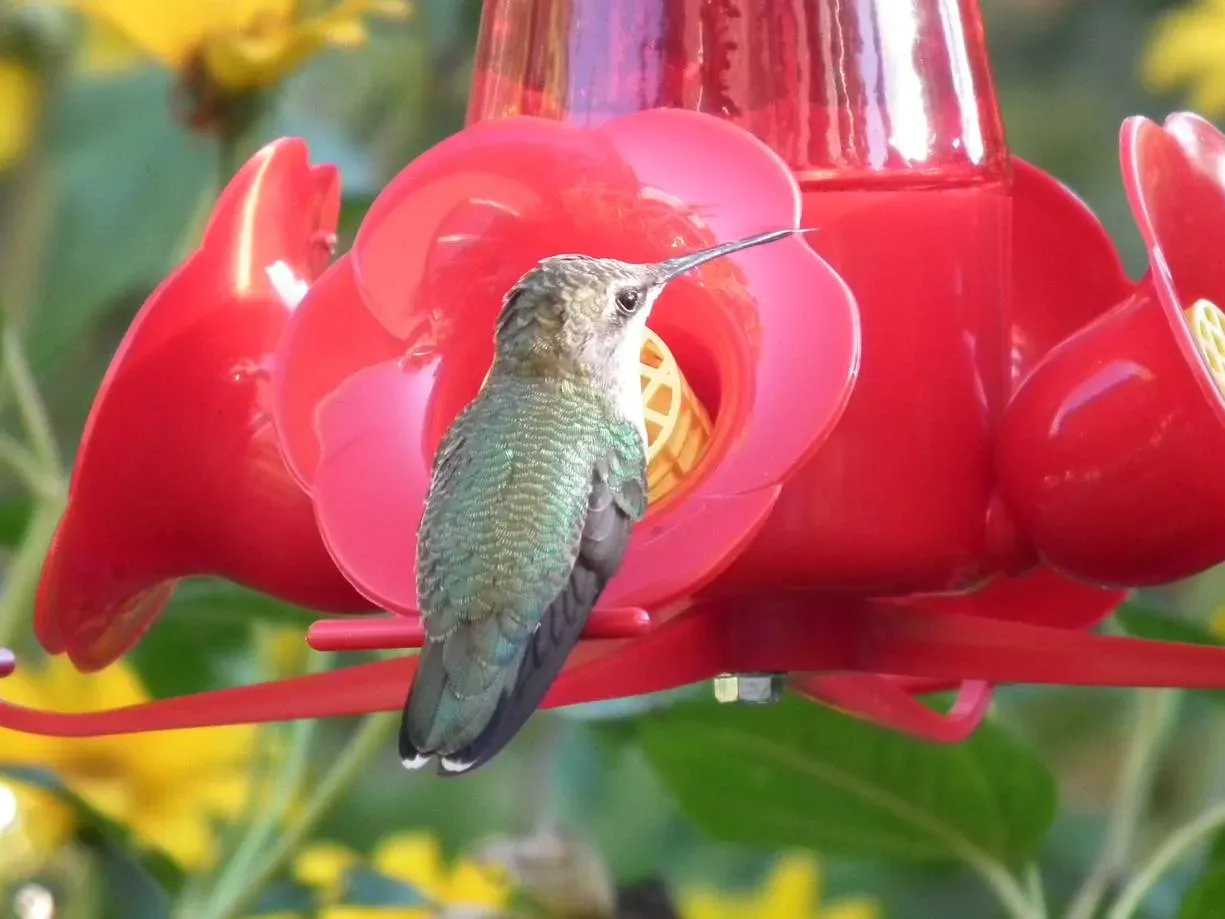
Most gardeners cluster their feeders together, assuming more in one spot means more birds. That logic backfires fast. Hummingbirds are fiercely territorial, and a single dominant bird will spend more time chasing others away than actually feeding – essentially turning your feeder into a one-bird show with a bouncer at the door.
The workaround is elegant: hang several feeders far enough apart that the birds can’t see one another. Put one around a corner, one behind a shrub, one on the opposite side of the house. You break the line of sight, neutralize the bully, and suddenly multiple birds can feed at once. One dominant bird can lock down a single-feeder setup for hours. Multiple out-of-sight stations turn a territorial standoff into an open buffet – and that’s when your numbers really start to climb.
#4 – Cardinal Flower Is the Secret Weapon Most Gardeners Skip
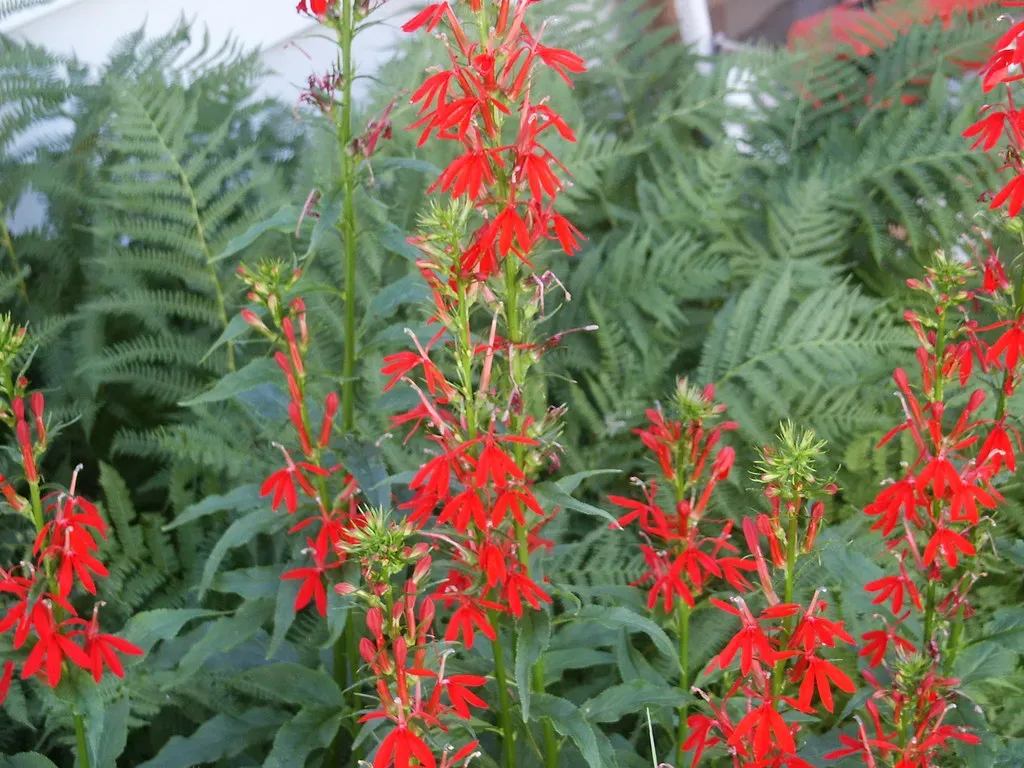
While most gardeners reach for coneflowers and black-eyed Susans, the serious hummingbird hosts quietly plant cardinal flower (Lobelia cardinalis) instead. It produces some of the most intensely red, deeply tubular blooms in the entire native plant palette – and those tall crimson spikes appear from July through September, precisely when hummingbirds are bulking up calories for fall migration. The timing alone makes it worth every inch of space it takes up.
In the wild, cardinal flower grows along stream banks and in wetland margins, reaching two to four feet tall with dramatic flowering spires. It bridges the nectar gap that hits many gardens in August, providing vital energy exactly when the birds need it most. Plant it in groups of three or more in morning sun with consistent moisture. It’s one of the few plants that delivers exactly what hummingbirds need, exactly when they need it – and most gardeners have never even considered it.
Why It Stands Out
- Blooms July through September – filling the late-summer nectar gap most gardens miss entirely.
- Its two-lipped, tubular flowers are shaped to match a hummingbird’s bill almost perfectly.
- A native perennial across eastern and central North America – no coddling required once established.
- Tolerates partial shade and wet spots where most hummingbird plants refuse to grow.
- Plant in groups of five for maximum visual impact from the air.
#5 – Your Perfectly Manicured, Pest-Free Garden Is Driving Them Away
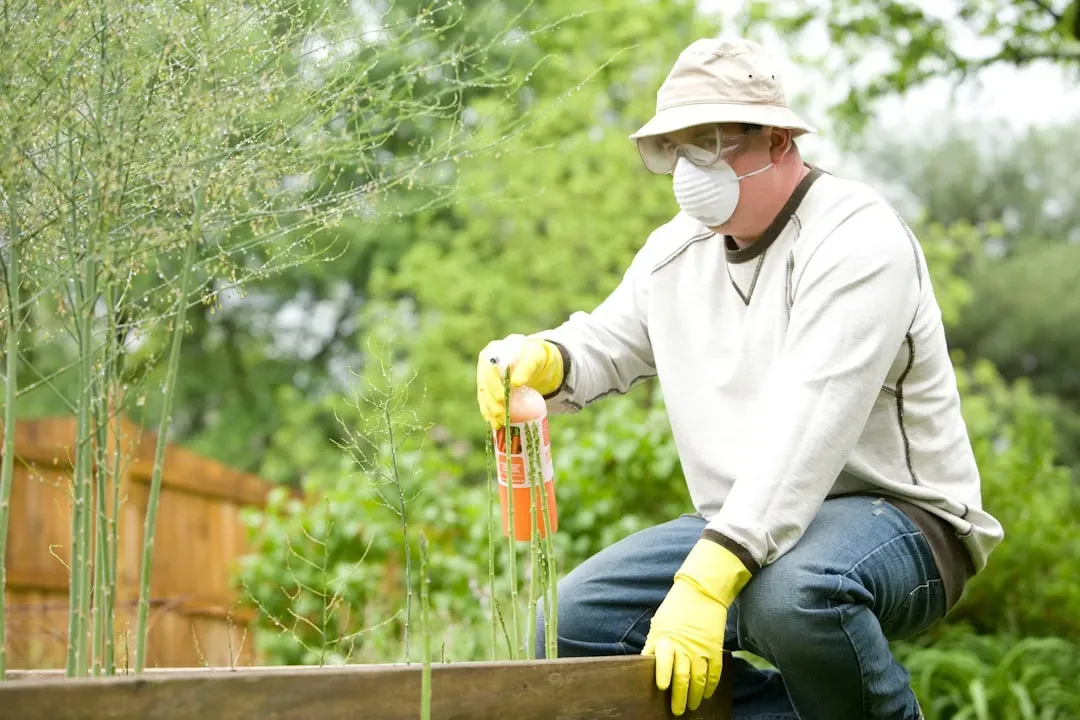
This one stings a little. That spotless, pesticide-treated yard you’ve worked so hard on is quietly making your property hostile to hummingbirds – not just because chemicals are toxic to birds, but because those treatments eliminate the insects hummingbirds depend on for protein. Most people think of hummingbirds as nectar drinkers. The reality is closer to the opposite.
“Hummingbirds like and need nectar but 80 percent of their diet is insects and spiders. If you don’t have those insects and spiders in your yard, it doesn’t matter how many hummingbird feeders you have – you are not going to be able to support hummingbirds.”
Dr. Doug Tallamy, entomologist and author of Bringing Nature Home
A little messiness in the garden – some leaf litter, native shrubs, unpruned corners – is not a flaw. It’s the protein pantry that keeps hummingbirds returning. The pristine yard looks great from the street. The slightly wild one is the one packed with birds.
#6 – A Mister or Drip Fountain Beats a Bird Bath Every Single Time
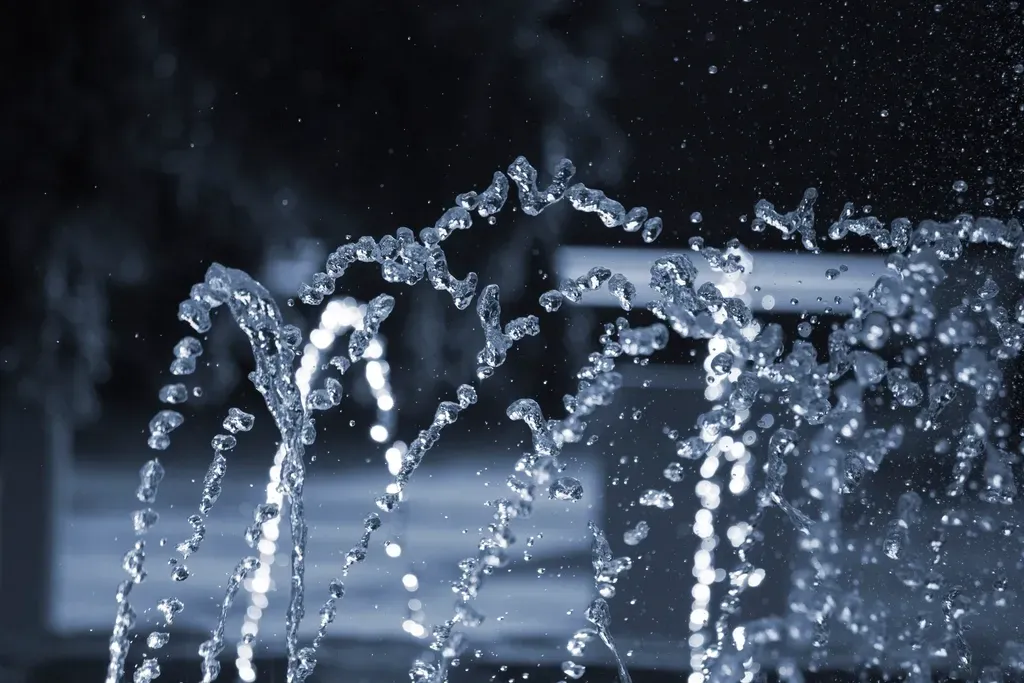
If you’ve got a standard deep bird bath and you’re wondering why hummingbirds never use it, here’s the simple reason: they can’t. Hummingbirds don’t wade into water the way robins or sparrows do. They prefer to bathe by flying through falling water or hovering near gentle sprays, and they’ll dart through wet shrubs for a quick rinse. A deep bath is architecturally wrong for them.
A garden misting device – the kind you attach to a hose and aim at a leafy shrub – can transform a quiet corner of your yard into a hummingbird spa. Hummingbirds will return to a reliable misting spot again and again, often hovering in the spray or drinking the droplets that collect on leaves. You don’t need an expensive fountain. A $15 misting attachment aimed at the right shrub can pull in birds that have been ignoring your yard for years.
#7 – They Spend 80% of Their Time Perching, Not Flying
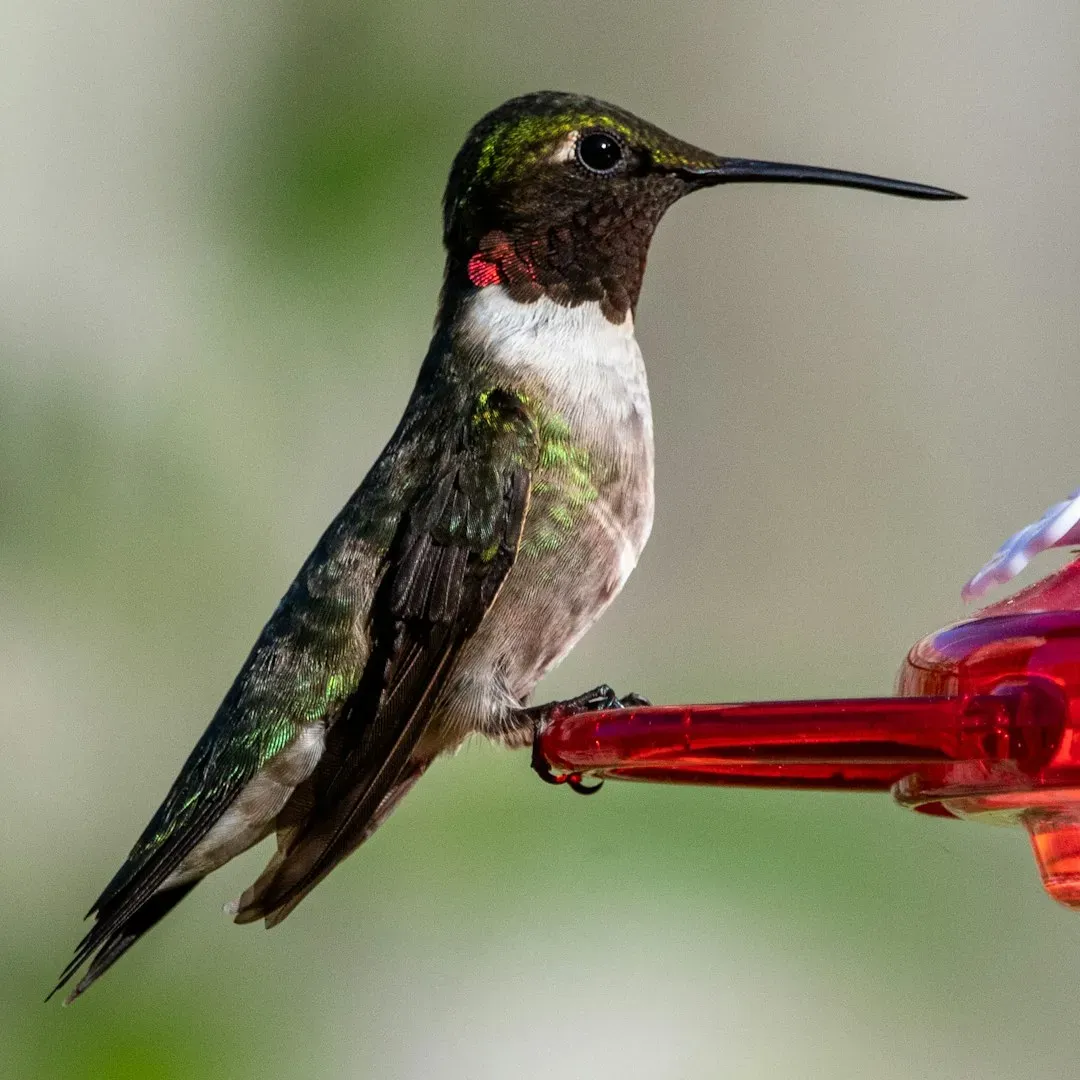
The mental image everyone holds of a hummingbird is the hovering blur at a flower. That’s only a fraction of their actual day. Hummingbirds spend roughly 80% of their time perching – sitting still, watching their territory, and recovering between feeding bursts. A yard with zero dedicated perching spots is a yard they’ll pass through but never truly settle into.
The best perches aren’t anything you buy. They’re the bare, thin branches at the tops of shrubs – exactly the kind most gardeners prune away without a second thought. A slender dead stick at the crown of a small tree is prime hummingbird real estate: high enough for a clear sightline, exposed enough to catch the sun. Stop over-tidying the tops of your shrubs. Those awkward sticks are doing real work.
At a Glance: What Hummingbirds Actually Want From Your Yard
- Perches: Bare, thin twigs at shrub tops – not decorative hooks or purchased stands.
- Water: Moving mist or drip spray, not a still, deep bird bath.
- Shelter: Dense shrubs on the windward side to block feeding-zone gusts.
- Protein: Insects and spiders – preserved by skipping pesticides and keeping some leaf litter.
- Nectar flow: Staggered blooms from spring through fall, not a single May flush.
#8 – Planting in Clusters Instead of Singles Doubles Your Traffic
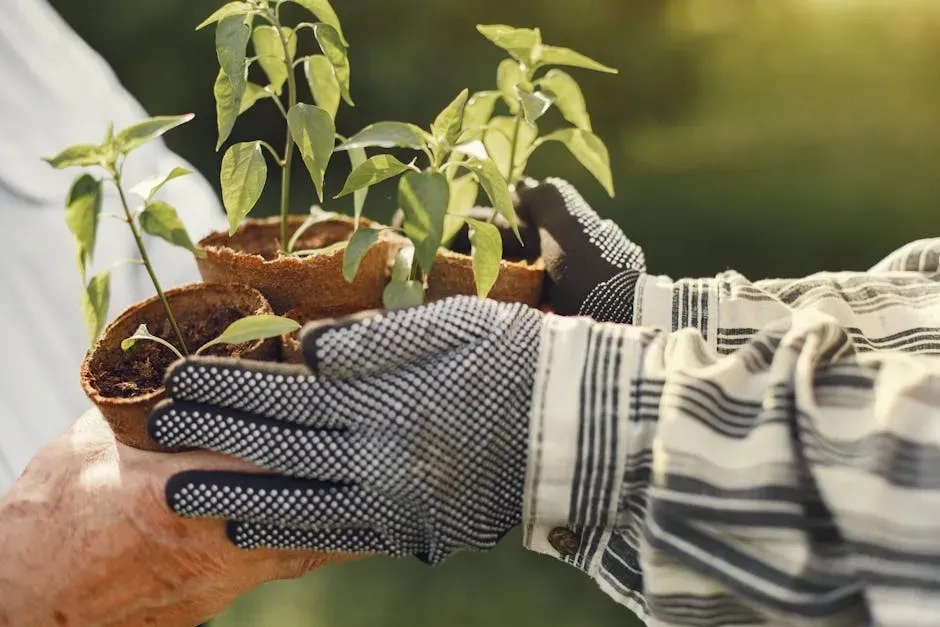
A single salvia tucked between hostas and ornamental grass is almost invisible to a hummingbird scanning from above. But three or five salvias planted together? That becomes a destination. Clusters of the same species create a larger, brighter visual target that’s far easier to spot from the air – and once a hummingbird lands, it can work multiple flowers without burning energy relocating.
Salvias, agastache, bee balm, lantana, and cuphea are all perfect candidates for this approach. Many of these bloom from late spring well into fall in most U.S. climates, meaning one well-placed cluster can anchor your hummingbird garden for an entire season. The shift from scattered singles to grouped masses is one of the simplest changes a gardener can make – and one of the most immediately rewarding in terms of bird traffic.
#9 – Hang a Banana Peel Near Your Feeder to Attract Their Favorite Protein
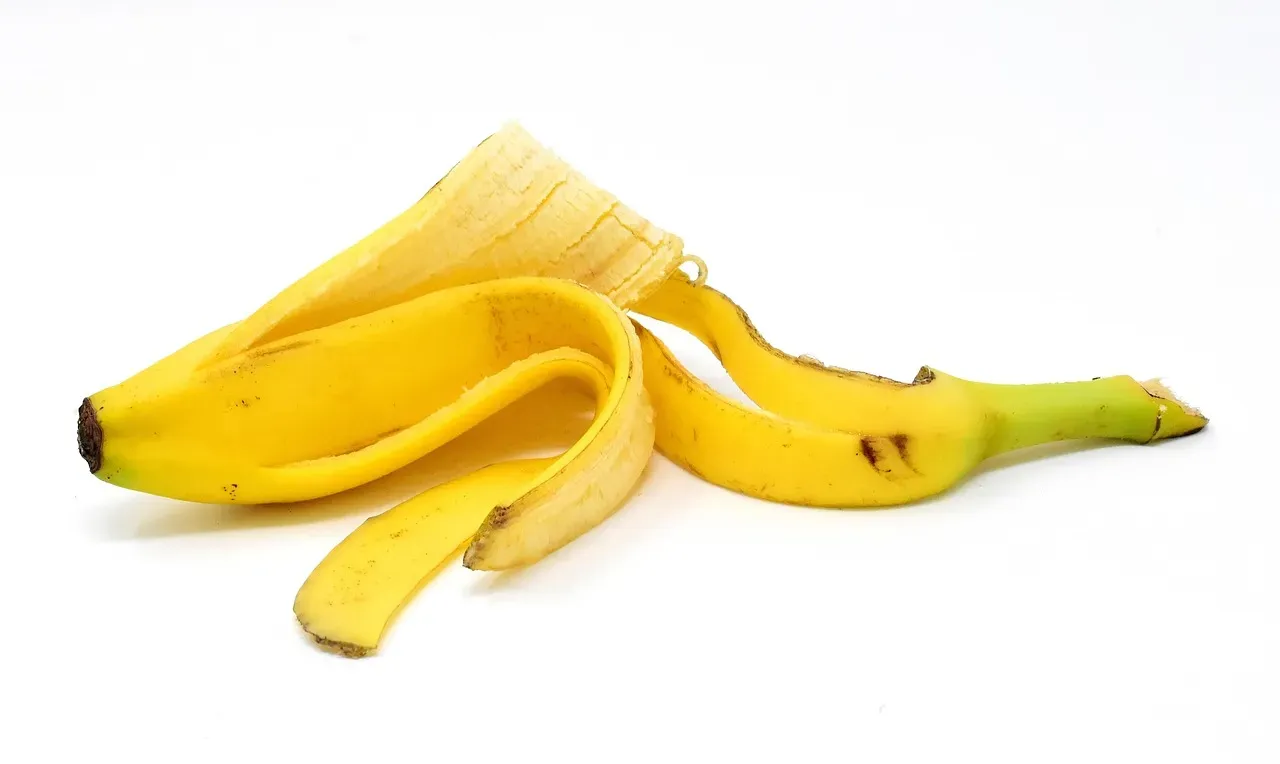
This tip sounds bizarre until you understand how hummingbirds actually eat. Sugar water covers their energy needs, but hummingbirds require protein to stay healthy, raise chicks, and fuel migration – and they get it from tiny insects like fruit flies, gnats, and mosquitoes, as well as spiders. Most feeder setups only solve half the equation and leave the protein side completely unaddressed.
The fix is almost embarrassingly simple: hang a small basket of overripe fruit or a banana peel near your feeder. Fermenting fruit draws in clouds of tiny fruit flies – exactly the insects hummingbirds hunt between nectar stops. Hummingbirds are opportunistic enough to forage for insects in the sap wells drilled by woodpeckers; they’ll absolutely work a fruit-fly cloud near a feeder. Give them the protein source right next to the sugar source, and your feeder becomes a full-service meal station instead of just a snack bar.
#10 – Staggered Bloom Times Keep Them From Abandoning You Mid-Summer
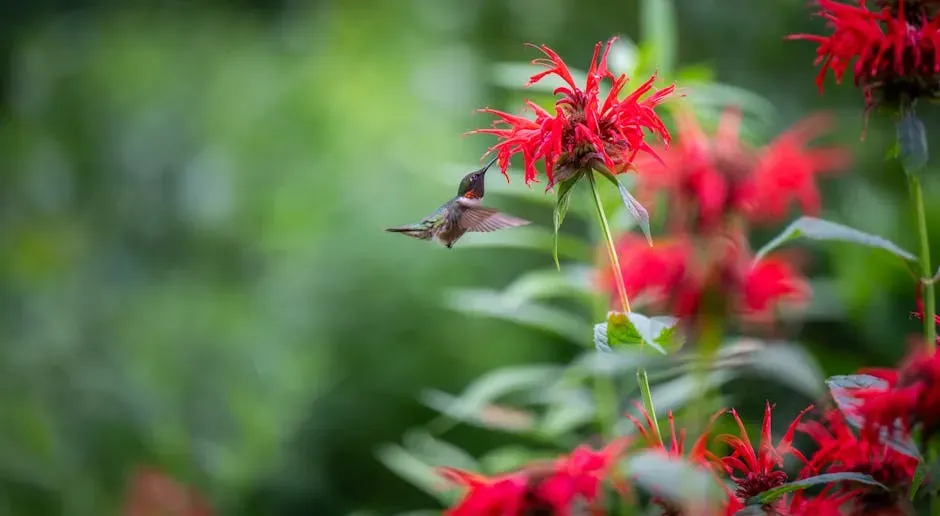
Most gardeners plant for spring color and then wonder why their hummingbird traffic falls off a cliff in August. A garden that peaks in early summer and goes quiet by late July is sending the birds elsewhere during one of the most critical feeding periods of the year – the pre-migration buildup. Hummingbirds that can’t find reliable late-season nectar in your yard will simply find it somewhere else.
Think of the season in three acts. Columbine (Aquilegia) serves early returning migrants in spring. Bee balm and salvia carry the summer. Cardinal flower bridges into late summer and early fall, right when birds need it most. Staggering bloom times is especially vital during nesting season, when female hummingbirds need a dependable food source within easy reach of the nest. A yard that feeds them in April, July, and September earns a level of loyalty that a May-only garden never will.
Quick Compare: Build a Three-Season Nectar Calendar
- Spring (Apr–May): Columbine (Aquilegia canadensis) – first fuel for returning migrants.
- Early Summer (Jun–Jul): Bee balm, salvia, trumpet honeysuckle – peak nesting support.
- Late Summer (Aug–Sep): Cardinal flower, agastache, cuphea – critical pre-migration refueling.
- Bonus: Lantana blooms all three phases in warm climates – one plant, full-season coverage.
#11 – Leaving Spider Webs Alone Is One of the Best Things You Can Do
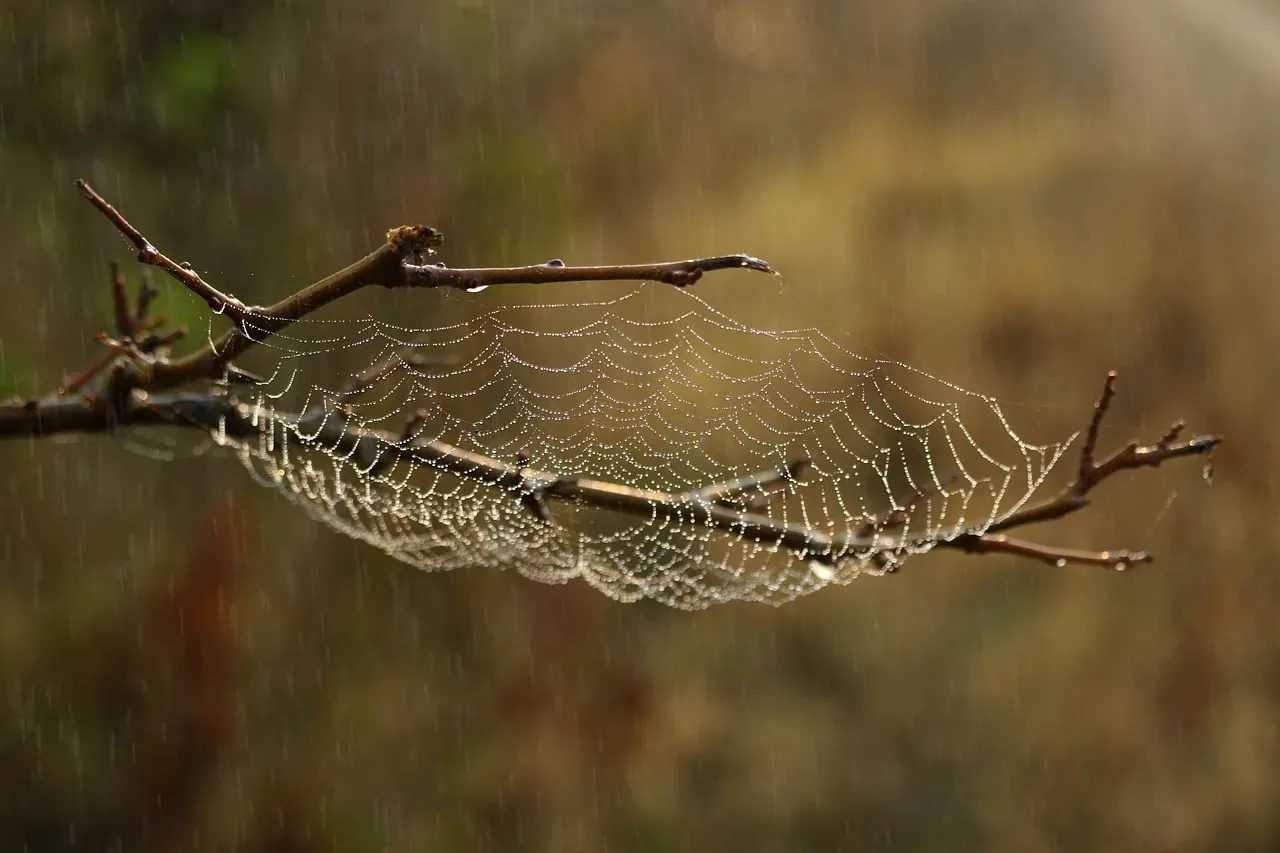
Most people see a spider web in the garden and knock it down without a second thought. That reflex is quietly costing you hummingbirds. Female hummingbirds deliberately collect spider silk while building their nests, weaving the sticky, elastic strands throughout the structure to bind it together. Spider silk is what allows a hummingbird nest to expand as the chicks grow – without it, the nest falls apart under pressure.
The spider webs scattered through your garden are literally the elastic walls of the next generation of hummingbirds. A nesting female actively scouts for yards that offer this material, and a garden that supplies it becomes far more attractive as a nesting territory. Leaving webs in place is one of the strangest, most effortless, and most genuinely impactful things you can do – and it costs you absolutely nothing except the habit of leaving things alone.
#12 – Wind Is the Silent Reason Hummingbirds Skip Your Yard
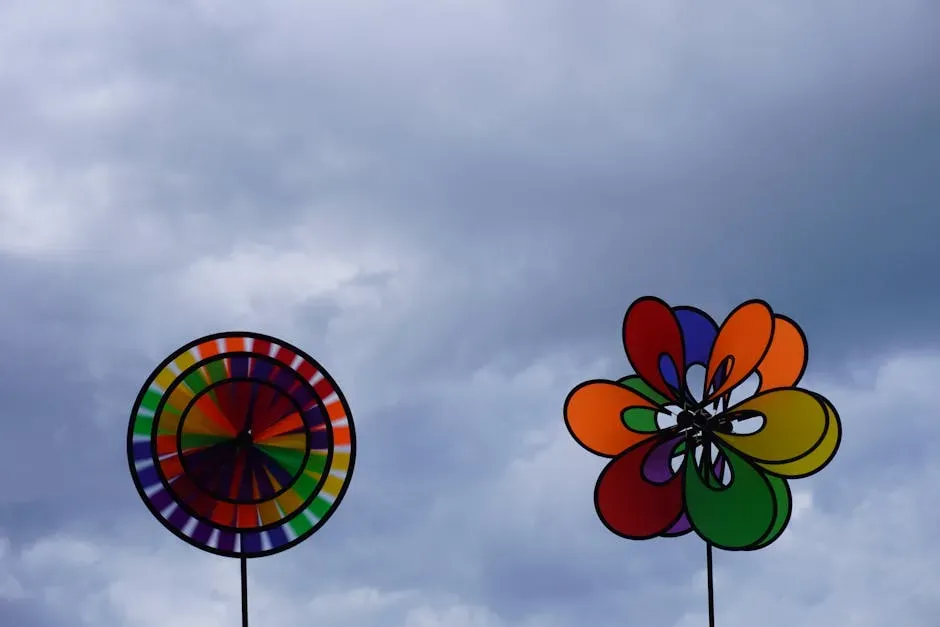
You’ve got the flowers, the feeder, the water feature – and the hummingbirds still seem to prefer the neighbor’s yard. The answer might simply be wind. A hummingbird hovering into a stiff breeze is burning energy faster than it’s gaining it. That’s a losing deal, and these birds are metabolically sharp enough to know it. Strong winds make feeding stressful and inefficient, and hummingbirds will consistently favor calmer spots over exposed ones.
Planting dense shrubs or small trees on the windward side of your feeding area creates a sheltered microclimate that hummingbirds actively seek out. Trellises, fences, and privacy screens can do the same job. This is one of the most overlooked setup errors in backyard birding – you could have the best plants and feeders on the block, but if they’re hanging in a wind tunnel, the birds will keep browsing past. Sometimes moving a feeder six feet to the sheltered side of a fence makes a dramatic, immediate difference.
#13 – Once You Earn Their Loyalty, They’ll Return to Your Yard for the Rest of Their Lives
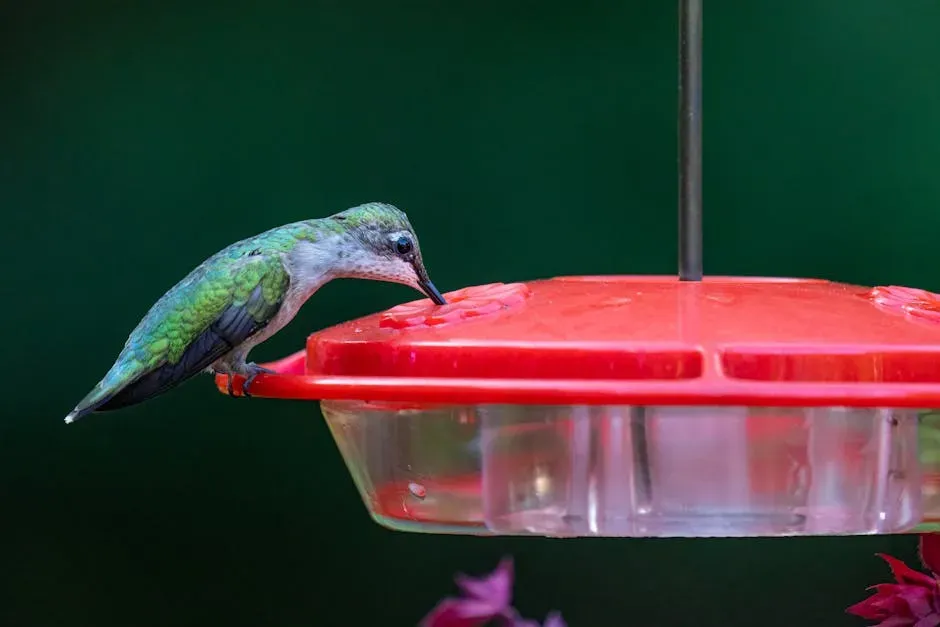
Here’s the detail that reframes everything else on this list. Hummingbirds exhibit strong site fidelity – many species return to the same yards, the same feeders, and even the same perches year after year if conditions remain favorable. Banding data has recorded ruby-throated hummingbirds returning to the exact same yard for up to nine years straight. That means every good decision you make this season is an investment in every season that follows.
Even with red flowers and a clean feeder, pure chance may keep your yard a secret until the first migrant discovers it – and sometimes that takes a few weeks. But once hummingbirds do find you, they tend to keep coming back throughout the season and return the following spring. Year one is planting the seed. The real reward arrives on the second visit, and it compounds from there. That’s the part the beginner guides always leave out – patience isn’t just a virtue here. It’s the strategy.
Worth Knowing
- Banding studies have recorded individual ruby-throated hummingbirds returning to the same yard for up to 9 years in a row.
- Male Anna’s Hummingbirds have been documented defending the same breeding territory for up to 11 years.
- Hummingbirds remember not just the location of your feeder but the exact spot it hung the previous year – keep it consistent.
- Female hummingbirds return to the same area where they were born to nest and raise young, compounding your yard’s value across generations.
- The oldest known wild hummingbird on record – a broad-tailed female – lived at least 12 years.
Most of what makes a backyard irresistible to hummingbirds costs nothing at all: leave the spider webs, stop spraying, add a $15 misting attachment, move your feeder six feet to the left. The wins are small, specific, and almost entirely overlooked by the average gardener. The single-feeder crowd is playing checkers. Now you know how to play chess.