

You hung the feeder. You filled it with something sweet. And then – nothing. No flicker of wings, no tiny blur hovering at the port, just an untouched feeder baking in the sun while your neighbor somehow has six hummingbirds fighting over hers. The frustrating truth is that most backyard gardeners are making at least two or three of these mistakes right now, and a few of them are genuinely invisible unless you know what to look for.
Some of these errors have been passed around as helpful tips for so long that they feel like common sense. One of them – the #1 mistake on this list – is still being sold in stores and recommended by well-meaning friends across the country. And it may be quietly harming the very birds you’re trying to help.
#15 – Putting the Feeder Out Too Late (and Taking It Down Too Early)
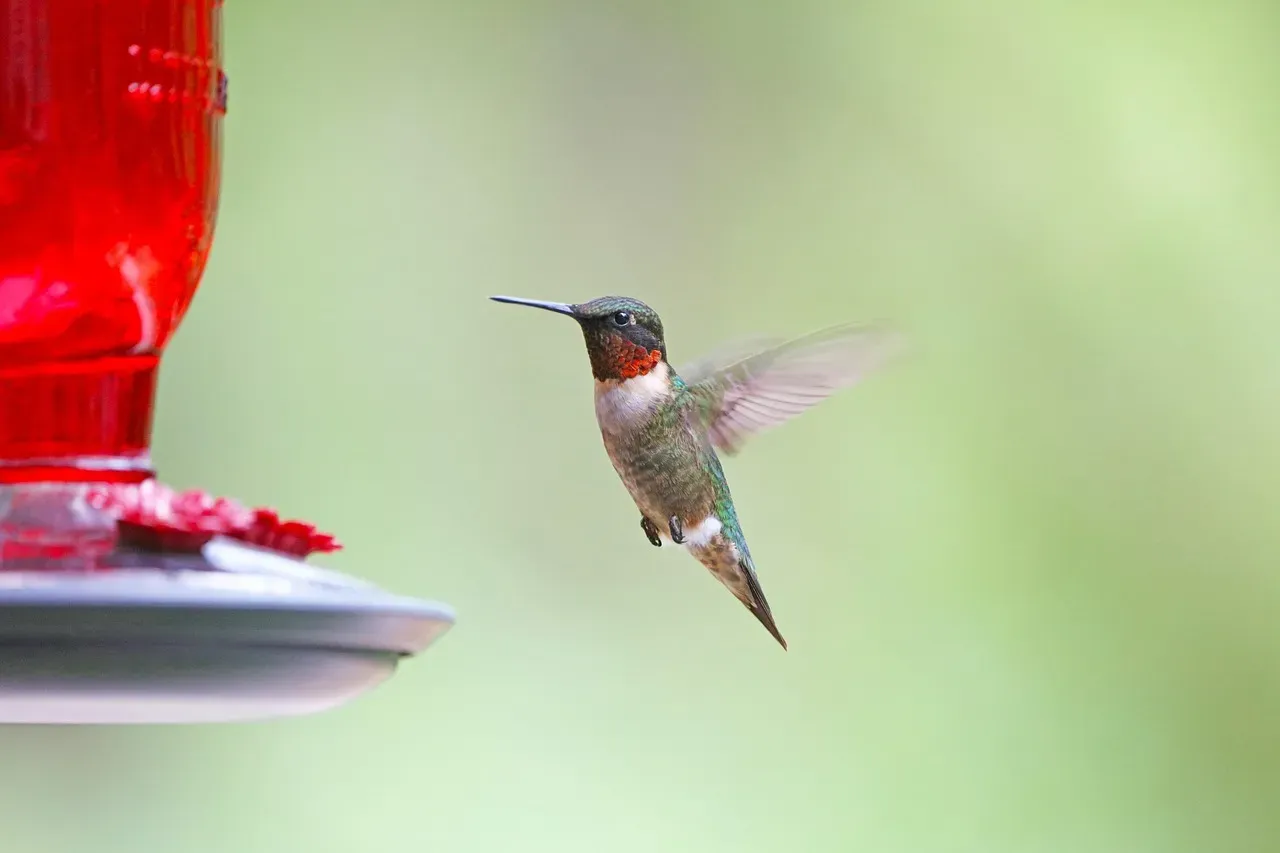
Here’s the logic trap almost everyone falls into: wait until you spot a hummingbird, then put out the feeder. It sounds reasonable. It’s exactly backwards. Those first scouts arriving from a thousand-mile migration need fuel immediately, and if your feeder isn’t up yet, they move on and don’t come back. Setting your feeder out two weeks before your expected first sighting gives early arrivals a reason to stick around – and tell their friends.
The fall timing is just as misunderstood. Most gardeners pull feeders down the moment the regulars disappear, not realizing late-season juveniles and stragglers are still passing through. Here’s the reassuring part: keeping your feeder up will NOT delay migration. The trigger for southward migration is shortening daylight, not the presence of food. Leave it up a few weeks longer than you think necessary – it costs you almost nothing and could save a late traveler’s life.
At a Glance: Feeder Timing by Region
- Gulf Coast & Deep South: Set up mid-February, keep through early November
- Middle latitudes (Mid-Atlantic, Midwest): Early-to-mid April through late October
- Northern states & Canada: Early May through late September
- Rule of thumb: Put it out 2 weeks early, take it down 2 weeks late – no harm done
- Migration trigger: Daylight length, not food availability – your feeder won’t delay their departure
#14 – Hanging the Feeder in Full Direct Sunlight All Day
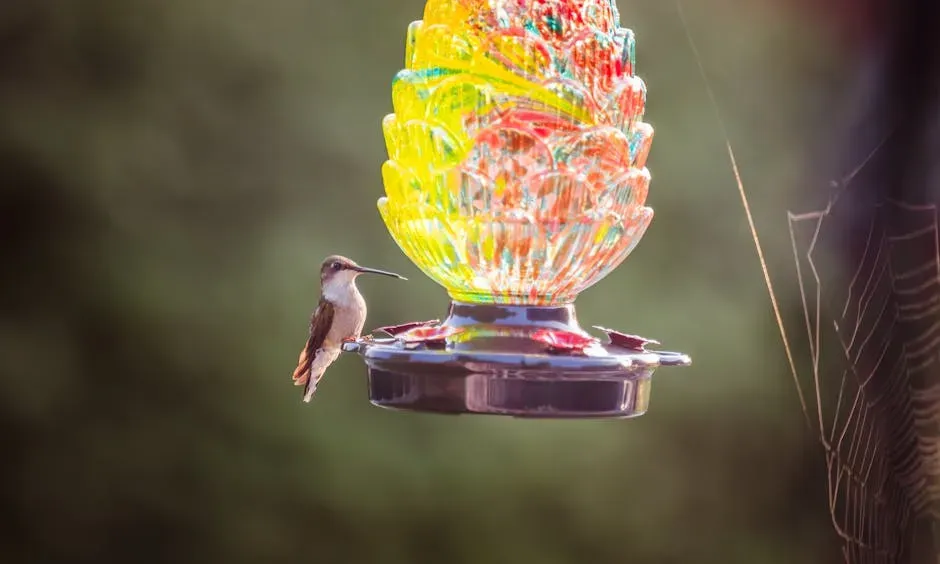
A sunny, visible spot feels like the obvious choice. The problem is what that sun does to the liquid inside. High temperatures drive fermentation, and in peak summer heat, nectar can turn rancid in as little as one day. What looks like a full, welcoming feeder from your kitchen window might be a cup of warm, spoiled liquid that hummingbirds can smell coming and will actively avoid.
The danger goes beyond bad taste. Mold and bacteria thrive in heated sugar water, and birds that drink it can contract serious illnesses. The ideal location catches morning sun – when temperatures are still cool – and sits in shade during the brutal afternoon heat. That one small shift can double how long your nectar stays safe and drinkable.
#13 – Not Cleaning the Feeder Nearly Enough
Most people rinse the feeder when they refill it and consider the job done. That’s not cleaning – that’s a quick rinse that leaves behind a thin film of sugar, mold spores, and bacteria. Experts recommend a full wash with mild detergent every time you refill, and in hot weather that means cleaning at least twice a week. Hummingbirds have sharp memories. If your feeder has served them spoiled nectar once, they remember and stop checking.
The deeper monthly clean matters just as much. Soaking your feeder in a diluted bleach solution – about one tablespoon of bleach per cup of water – then rinsing thoroughly, kills the mold and fungus that a soap wash can miss. Pay special attention to the feeding ports and any crevices where dark residue collects. A feeder that looks clean on the outside can still be quietly toxic on the inside. When in doubt, hold the ports up to the light – if you see any black or brown film, scrub again.
Fast Facts: Nectar Freshness & Cleaning Schedule
- Change nectar every 1–2 days in temps above 85°F
- Change nectar every 2–3 days in mild spring or fall weather
- Full soap wash: every refill
- Deep bleach soak: once a month (1 tbsp bleach per cup of water, rinse thoroughly)
- Check ports against the light – black or brown film means scrub again before refilling
#12 – Using the Wrong Sugar-to-Water Ratio
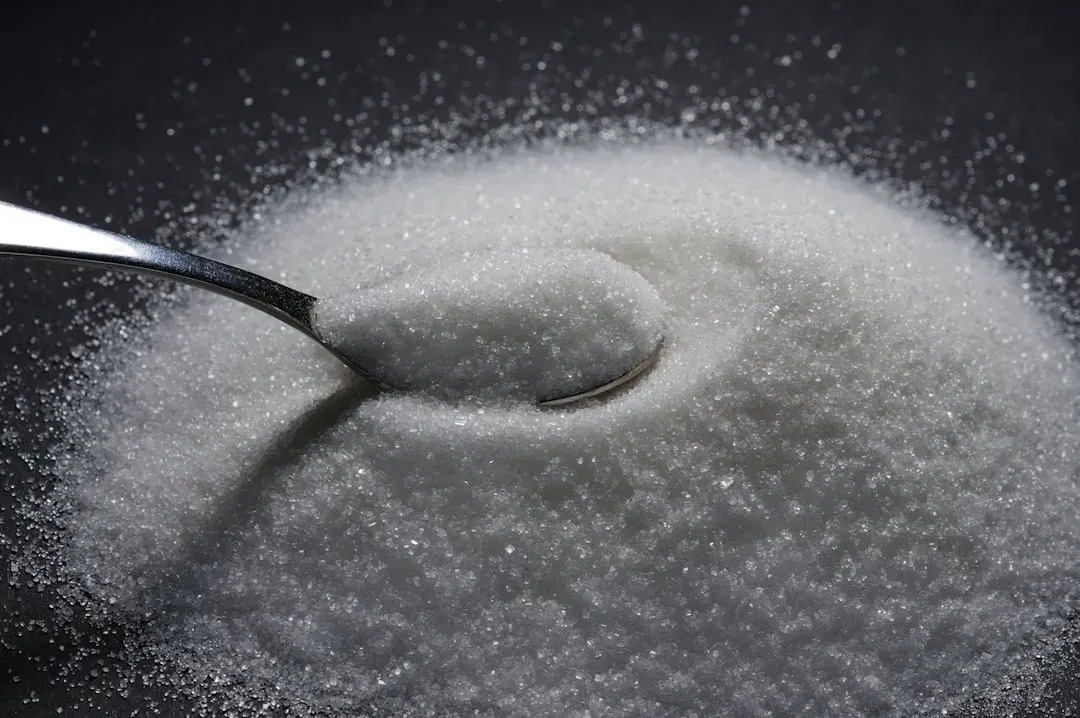
Any sweet liquid works, right? Not quite. The ratio matters more than most people realize. The correct formula is four parts water to one part plain white sugar – that’s it. This produces a roughly 20% sucrose solution that closely mirrors the concentration found in the natural flowers hummingbirds evolved to feed from. Too weak and it won’t attract them. Too strong and it gets interesting in a bad way.
Going richer than 3:1 isn’t doing the birds a favor. At higher concentrations, there’s genuine concern about dehydration and kidney stress because the birds have to process so much sugar with so little water. And here’s the counterintuitive twist: hummingbirds actually visit a slightly weaker feeder more frequently. More visits means more time in your yard. The standard ratio isn’t just safe; it’s actually the better choice for watching them up close.
#11 – Using Honey, Brown Sugar, or “Natural” Sweeteners Instead of White Sugar
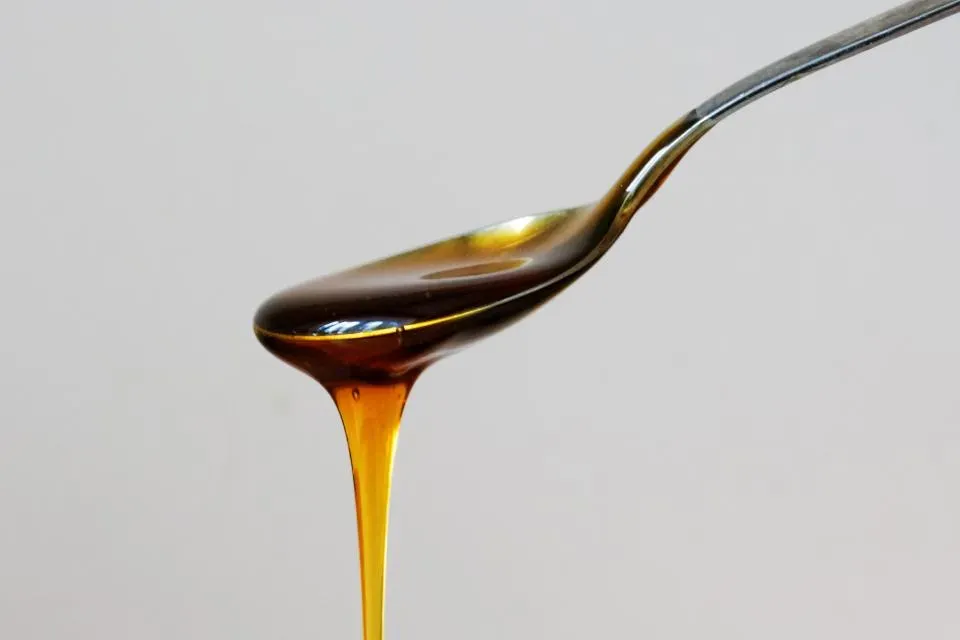
The push toward natural everything has reached hummingbird feeders, and it’s causing real harm. Honey sounds wholesome, but when diluted with water it promotes dangerous fungal growth almost immediately. Brown sugar, raw sugar, and organic varieties often contain iron and molasses content that can be toxic to hummingbirds over time. Artificial sweeteners offer zero calories – which means zero fuel for a bird burning energy at a rate that would destroy a human heart in minutes.
The National Audubon Society is direct on this: plain white refined sugar only. It’s 99.9% sucrose – the exact same sugar molecule found in flower nectar – and it carries none of the additives or mineral loads found in “healthier” alternatives. This is one case where the most processed option is genuinely the safest one. The natural-sounding substitutes feel like upgrades but function like slow poison.
Quick Compare: Sweetener Options for Hummingbird Nectar
- Plain white granulated sugar (4:1 ratio): ✅ Only safe choice – mirrors natural flower nectar
- Honey: ❌ Promotes rapid fungal growth when diluted with water
- Brown or raw sugar: ❌ Contains molasses and iron – potentially toxic over time
- Organic or “natural” sugar: ❌ Often has the same mineral concerns as brown sugar
- Artificial sweeteners: ❌ Zero calories = zero energy for the bird
#10 – Hanging Only One Feeder and Letting One Bird Dominate
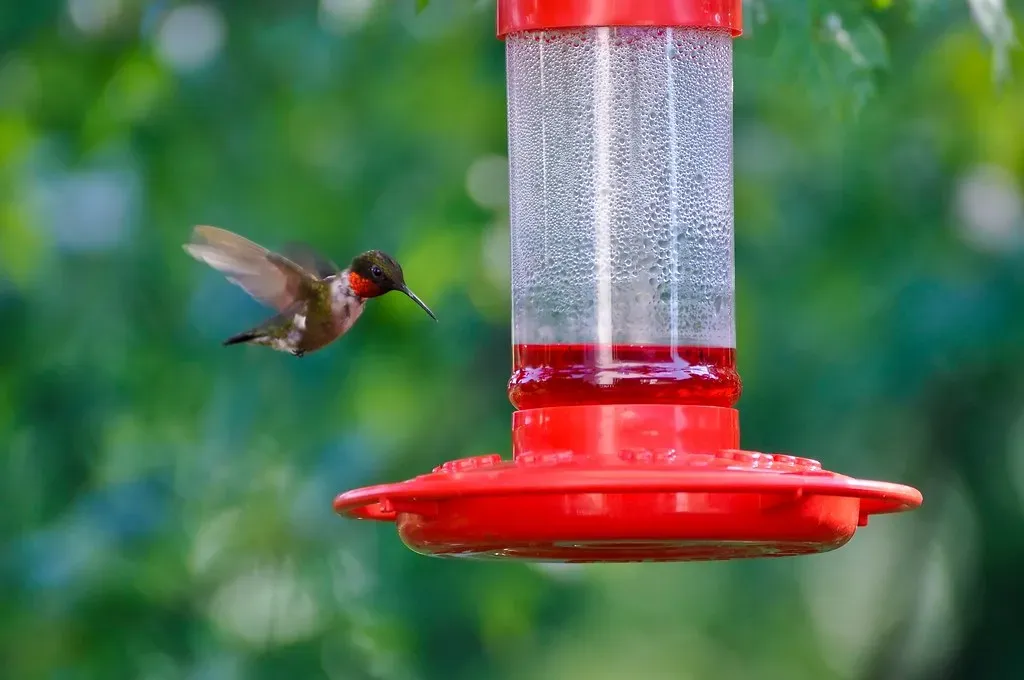
One feeder, one spot, simple. Except that if you’ve ever watched a yard with a single feeder, you’ve probably seen the same aggressive little male spending all day chasing every other bird away. Hummingbirds are fiercely territorial, and one dominant bird can effectively lock down an entire feeding station – even when there’s more than enough nectar for everyone. The result: you think you’re attracting one hummingbird when you could be hosting a dozen.
The fix is less about adding feeders and more about placement. Spread multiple smaller feeders around your yard so they’re out of sight of each other – if the dominant bird can’t see the second feeder from his perch, he can’t guard it. Spacing feeders 10 to 20 feet apart, or around a corner of the house, creates separate feeding territories that different birds will claim and defend. Suddenly the yard that had one visitor has four or five.
#9 – Placing the Feeder Too Close to Windows
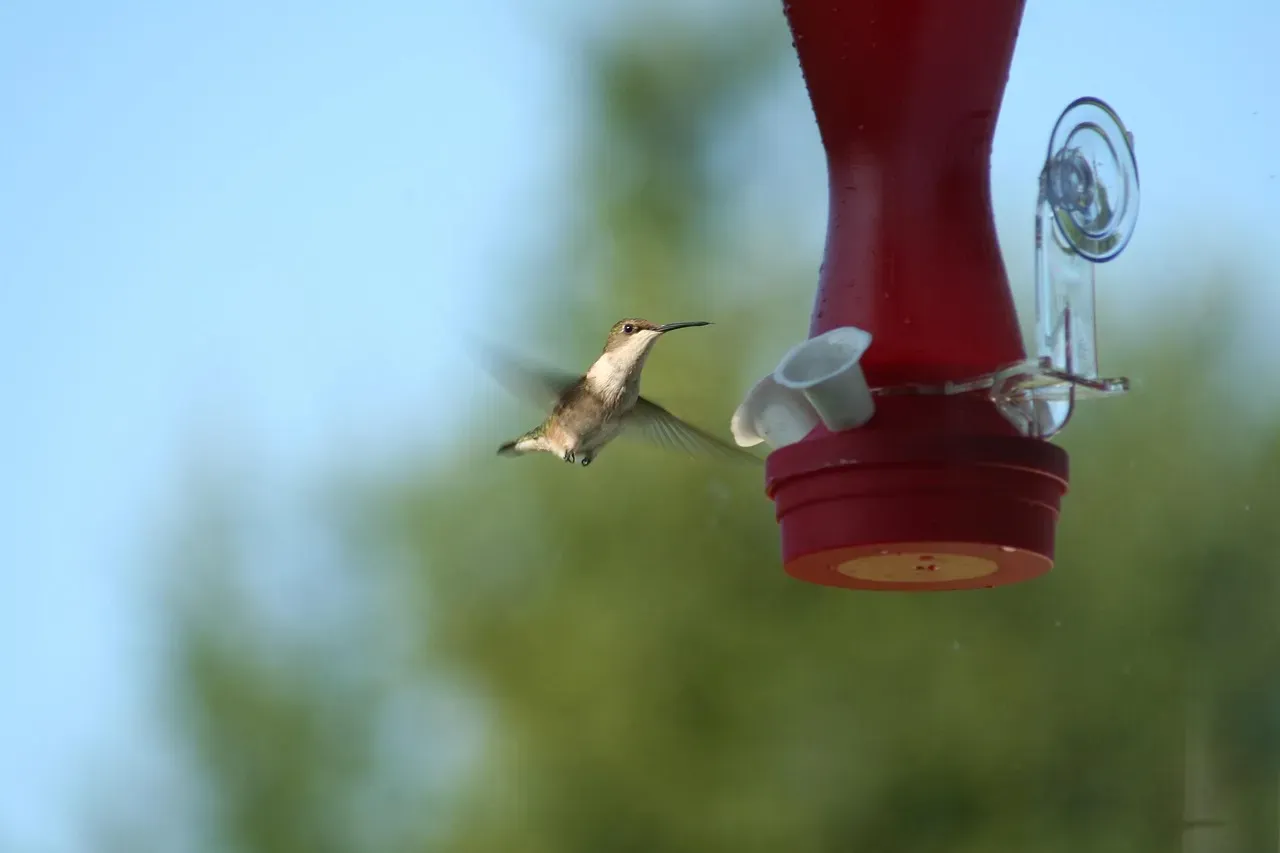
A window-facing feeder gives you a spectacular view and creates a real hazard. Hummingbirds travel at up to 30 miles per hour in normal flight and can double that in a dive. Reflective glass doesn’t register as a barrier – it registers as open sky or garden. The collision that follows is often fatal, and it happens fast enough that the bird never sees it coming.
The safe zones are clear: within three feet of the glass, birds can’t build up enough speed to injure themselves on impact. Beyond 30 feet, they have enough distance to recognize the reflection as a wall. The danger zone is everything in between – roughly 5 to 25 feet – which is exactly where most people hang their feeders for the best view. Moving a feeder just a few feet in either direction is a five-second fix that could save a bird’s life. Window decals or screens in the high-risk zone also help break up the reflection.
#8 – Ignoring Ants and Bees Until They Take Over
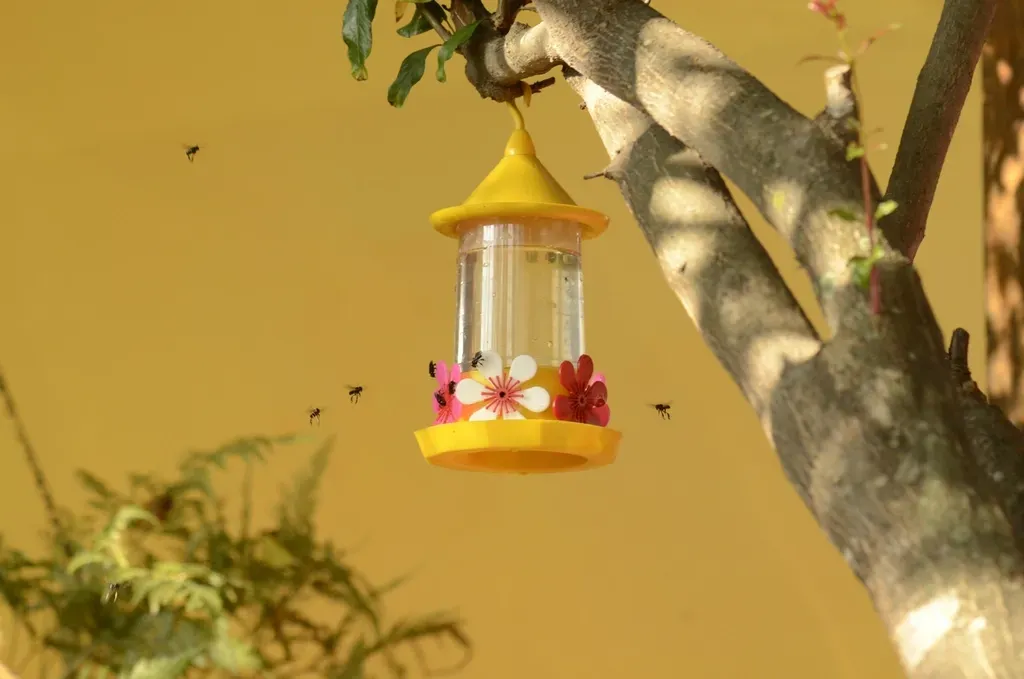
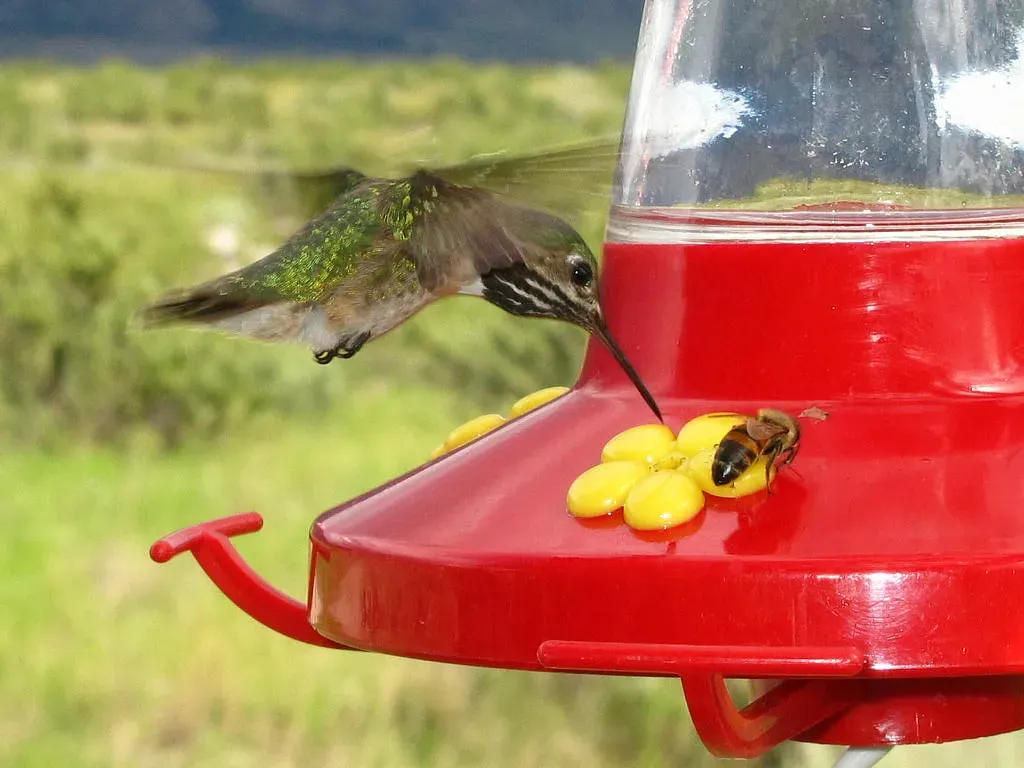
Ants and bees don’t just share the feeder – they colonize it, and once they do, hummingbirds consistently avoid that spot. Bees can get stuck in feeding ports, physically blocking access. Ants trail into the nectar reservoir and contaminate it. And the commotion of a feeder swarming with insects is enough to make any hummingbird decide a less chaotic flower is worth the extra flight time.
The two best defenses are cheap and simple. An ant moat – a small water-filled cup that hangs above the feeder – stops ants cold because they can’t swim across standing water to reach the nectar below. For bees, look for feeders with built-in bee guards over the ports, or add them separately. One more thing worth knowing: while red attracts hummingbirds, yellow attracts wasps. Avoid feeders or accessories with a lot of yellow plastic – it’s essentially a wasp welcome sign hanging in your yard.
#7 – Placing the Feeder Too Low to the Ground
A feeder at porch-railing height looks perfect from your chair. It also puts a hovering hummingbird within easy reach of every neighborhood cat. Hummingbirds hover in place while feeding – they’re not watching their feet. A cat crouched below a low feeder has an almost unfair advantage, and hummingbirds that sense predator pressure near a feeding spot simply stop returning to it.
The target height is four to six feet off the ground, away from tree trunks, retaining walls, or steps that give cats a launch platform. Go much higher than six feet and refilling becomes a chore serious enough that people skip it – which leads to stale nectar and bird-free yards. The four-to-six-foot range is the sweet spot: high enough to be genuinely safe, low enough that you’ll actually maintain the feeder properly. Both matter.
Worth Knowing: Feeder Placement Checklist
- Height: 4–6 feet off the ground – safe from cats, easy for you to maintain
- Window distance: Under 3 ft or over 30 ft – avoid the deadly 5–25 ft danger zone
- Sun exposure: Morning sun, afternoon shade – extends nectar freshness significantly
- From dense cover: Semi-open, visible from multiple flight angles with a clear escape path
- Near perches: Within easy reach of a branch or hook crossbar for resting between feeds
#6 – Overfilling the Feeder So Nectar Sits for Too Long
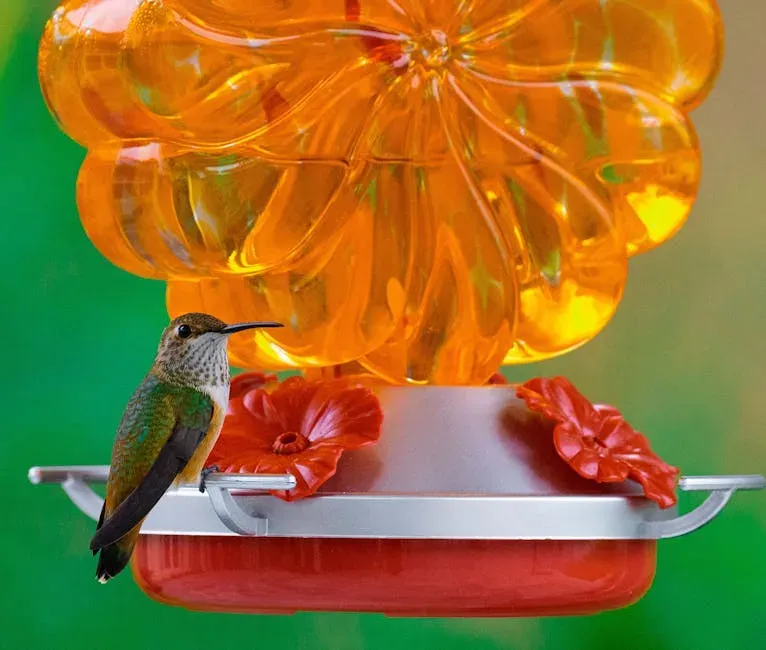
A big feeder feels like a convenience – fill it once, forget it for a week. But a reservoir full of nectar sitting in summer heat is essentially a slow-motion spoilage machine. Nectar ferments. Mold grows. And what looked like a full, ready feeder is actually a toxic one. In temperatures above 85°F, nectar can begin fermenting in under 48 hours, and hummingbirds that drink heavily fermented sugar water can develop fatal infections.
The smarter habit is filling only what the birds will drink in a day or two – start with a quarter of the feeder’s capacity and adjust from there based on how fast it disappears. In normal spring temperatures, change the nectar every two to three days. In peak summer heat, daily changes are ideal. A slightly inconvenient refill schedule is a small price for keeping birds alive and returning. A feeder that’s always fresh becomes a landmark on their route. A feeder that’s always borderline spoiled gets quietly crossed off their mental map.
#5 – Hiding the Feeder in Dense Foliage
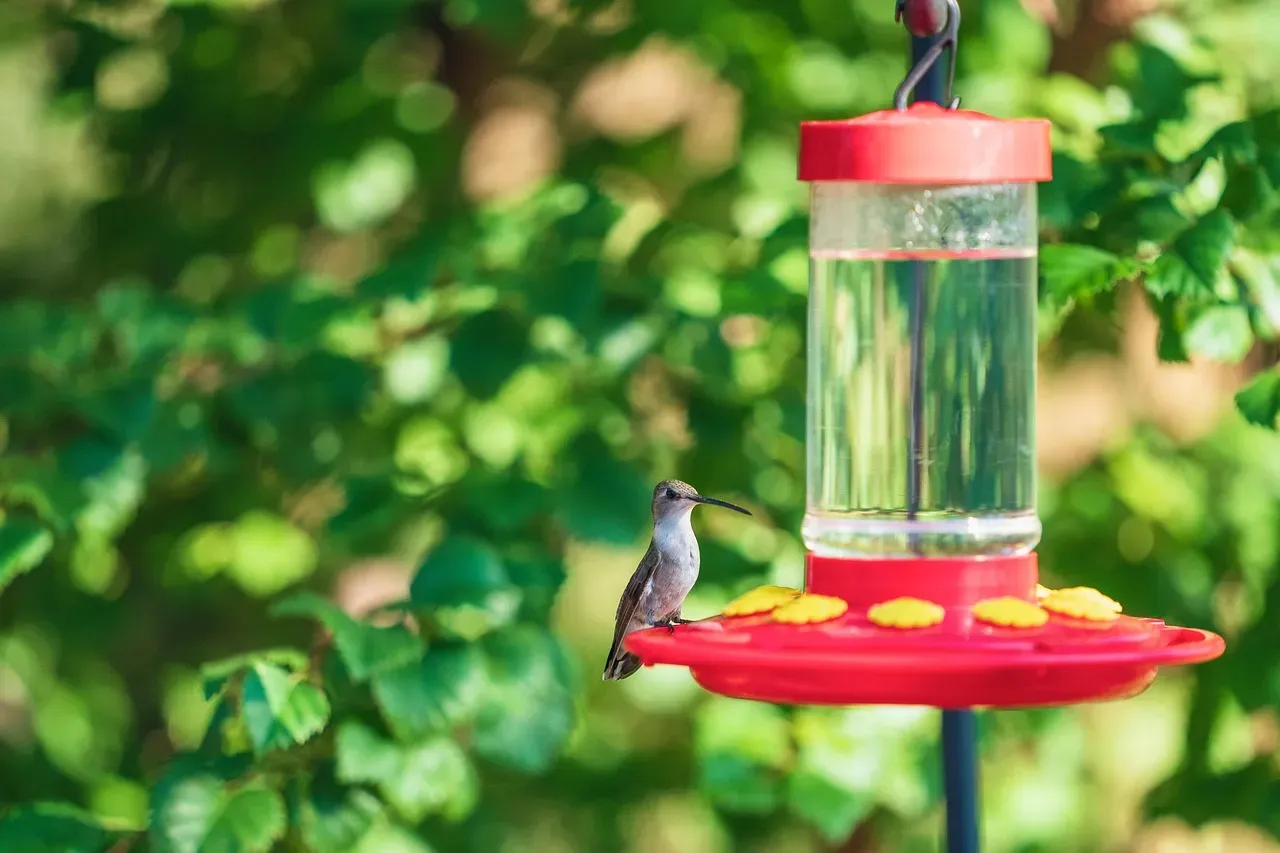
Tucking a feeder deep into leafy cover feels natural and protective. In practice, it works against you in two ways. First, hummingbirds scout feeding stations from a distance while flying at speed – if they can’t spot your feeder from the air, they won’t slow down to investigate. Second, dense foliage gives predators excellent concealment, and hummingbirds hovering at a feeding port need open sightlines to watch for threats.
The ideal position is semi-open: visible from multiple approach directions, near a few natural perches like small branches or a shrub edge, but not buried in a hedge where a cat or hawk can set up invisibly three feet away. Think of it as a clearing at the edge of cover rather than a hiding spot inside it. That balance – visible but sheltered – is what hummingbirds are instinctively looking for when they decide whether a spot is worth trusting.
#4 – Spraying Pesticides and Wiping Out Their Food Supply
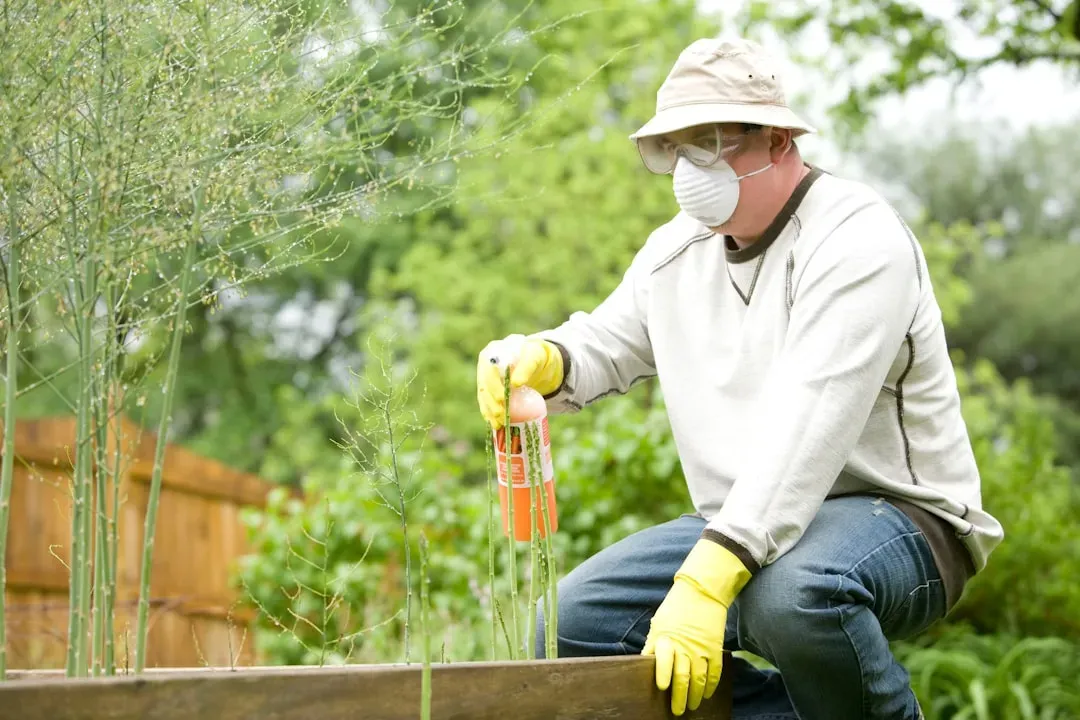
This is the connection most backyard gardeners genuinely never make. You picture hummingbirds as pure nectar drinkers. But nectar is only half their diet. Hummingbirds rely heavily on small insects for protein – gnats, aphids, fruit flies, mosquitoes, and tiny spiders. When you spray pesticides on your plants to keep them looking clean and pest-free, you’re eliminating the protein source that hummingbirds – especially breeding females raising chicks – depend on to survive.
The chemical exposure itself is also a direct risk. Hummingbirds are small enough that even trace pesticide residue on insects or flowers can cause measurable harm. A yard that looks immaculate from a gardening standpoint can be a genuine food desert for these birds. Experts note that hummingbirds are drawn to compost areas and streamside spots specifically because those zones are thick with the tiny insects they need. Stop treating your yard like a sterile environment and you immediately make it more livable for them.
#3 – Relying on Feeders Alone and Skipping Native Plants
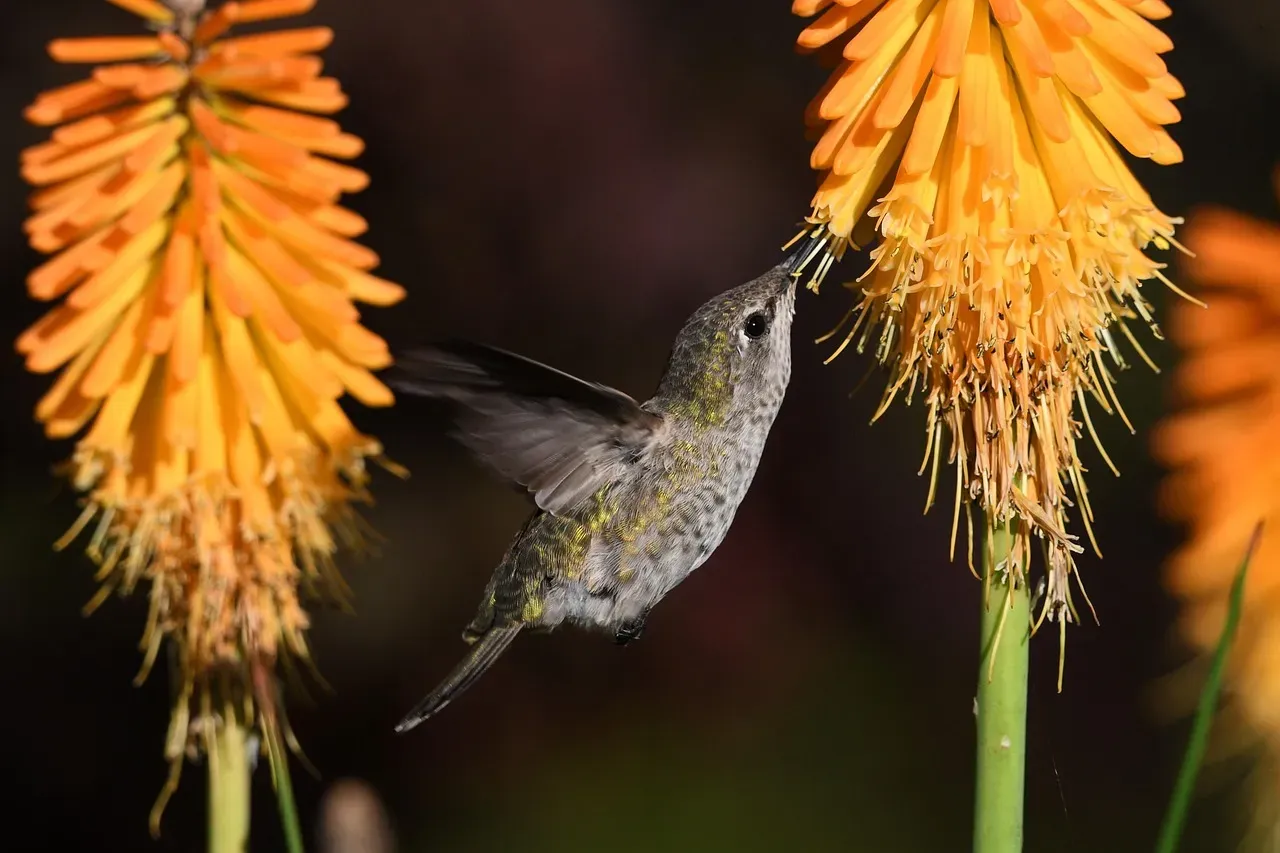
A feeder is a supplement, not a habitat. Relying entirely on one feeder and a bag of sugar is like offering a traveler only a vending machine when you could be running a full kitchen. Hummingbirds need nectar variety, insects, nesting materials, and perches – a single plastic feeder provides exactly one of those four things. Native flowering plants like trumpet honeysuckle, cardinal flower, bee balm, and native salvias deliver all four at once.
There’s a detail worth knowing before you grab anything at the garden center: many commercially grown flowers are bred for appearance, not nectar production. They look beautiful and smell lovely and give hummingbirds almost nothing to drink. Native varieties – plants that evolved alongside local hummingbird species – produce far more nectar and the right kind of insects. Even adding one or two native flowering plants near your feeder creates a habitat rather than a pit stop, and habitats earn repeat visits across multiple seasons.
Why It Stands Out: Native Plants vs. Feeder-Only Setup
- Native plants supply nectar and the insects hummingbirds need for protein
- Top picks: trumpet honeysuckle, cardinal flower, bee balm, native salvias, red columbine
- Many store-bought flowers are bred for looks – low or zero nectar production for birds
- Native plants provide nesting material and natural perches – a feeder offers none of that
- Even one or two native plants near a feeder transforms a pit stop into a habitat
#2 – No Perches Nearby for a Bird That Burns Energy Like a Formula 1 Engine
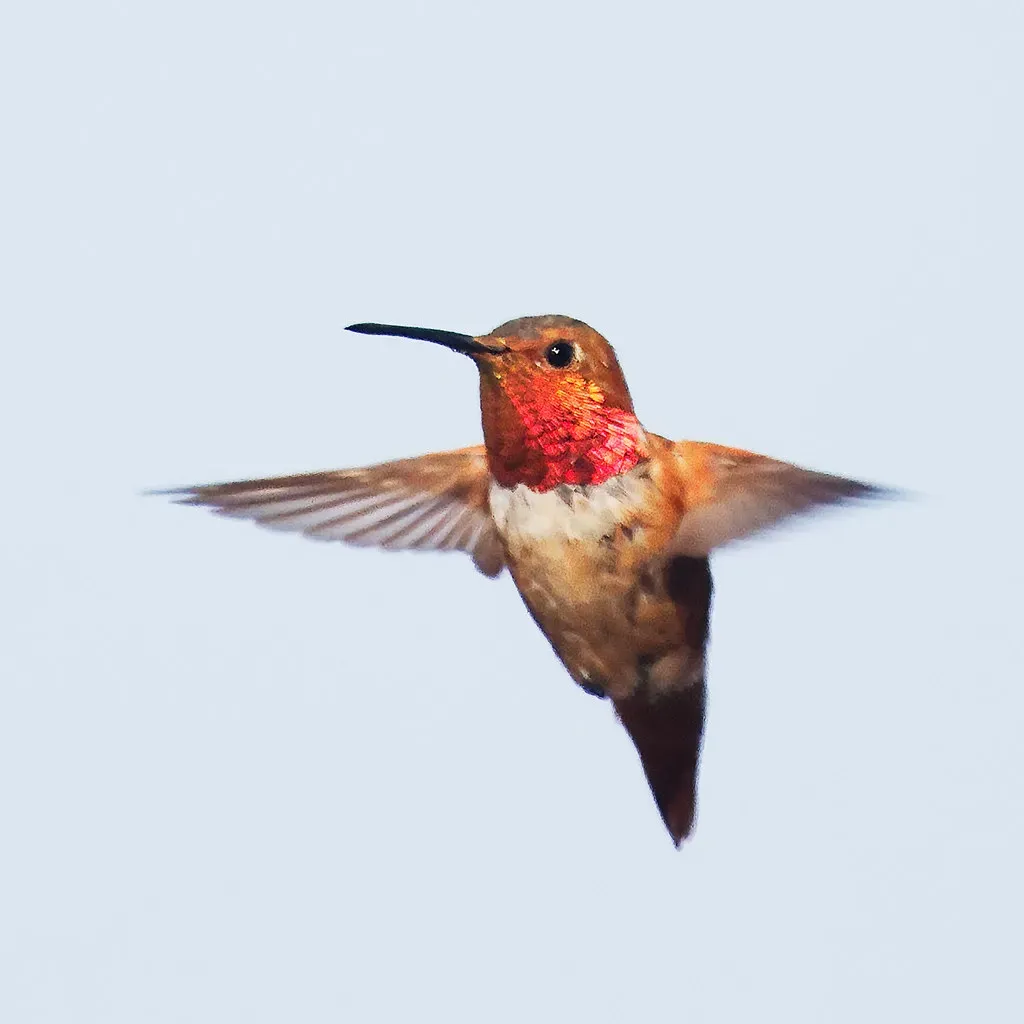
A hummingbird’s heart can beat more than 1,200 times per minute in flight. At that metabolic rate, rest isn’t optional – it’s survival. A feeder hanging in open space with no nearby perch is functional but tiring, like a highway rest stop with no place to sit. After a long flight, hummingbirds need to land, scan for threats, and recover between feeding bouts. No perches nearby means shorter, more anxious visits and fewer of them overall.
The fix is simple: position your feeder within easy reach of a few natural perches – small shrub branches, a shepherd’s hook crossbar, a nearby tree limb. Hummingbirds are territorial and actually prefer to perch between feedings so they can watch for rival birds approaching their food source. That perch isn’t just a rest spot; it’s a command post. Give them one and they’ll treat your feeder like home base rather than a quick stop they tolerate.
#1 – Adding Red Dye to the Nectar
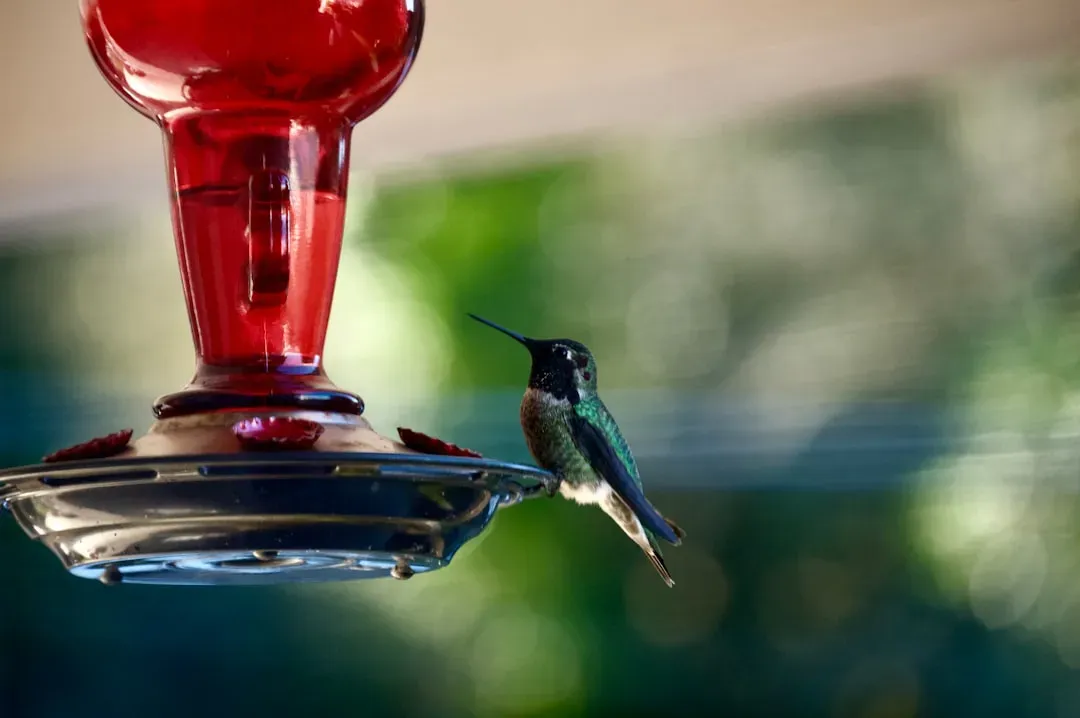
This is the one. The mistake baked into bad advice for decades, still sold in stores, still practiced by a huge percentage of backyard birders across the country. The belief is that red nectar attracts hummingbirds faster and better than clear nectar. It doesn’t. Hummingbirds key in on the red color of your feeder – the base, the ports, the housing. The color of the liquid inside is irrelevant to them. They’re not seeing red nectar and thinking “yes.” They’re finding the feeder by its exterior color and then drinking whatever’s inside.
So the dye adds no benefit – and there’s a real case that it causes serious harm. The red dye found in most commercial nectar mixes is Red Dye #40, a petroleum-derived colorant that has raised sustained concern among ornithologists and wildlife veterinarians. Calculations suggest that a hummingbird drinking exclusively dyed nectar could consume more than 15 times the amount considered safe relative to body weight in a single day. Wildlife rehabilitators report that red dye is still detectable in a bird’s droppings more than 24 hours after a single feeding – a sign of how long it lingers in their tiny systems. The Cornell Lab of Ornithology has specifically warned against using red-dyed nectar. Natural flower nectar is clear. The red parts of your feeder do all the attracting. Your nectar was never supposed to be red in the first place.
“Red dye is completely unnecessary in hummingbird nectar. The birds are attracted to the red color of the feeder, not the liquid. Dye additives can cause kidney damage and should be avoided entirely.”
The Bird Keeper
Every single mistake on this list is fixable in minutes. Move the feeder, adjust the recipe, skip the dye, plant one native flower. The reward is disproportionate – hummingbirds have extraordinary spatial memory and return year after year to the exact spots that treated them well. Get it right once and your yard becomes a reliable stop on their migration route, season after season. The birds that trust your yard aren’t just visitors. They’re regulars.