
Most travelers walk up to a hotel front desk thinking they’re just exchanging a credit card for a room key. What’s actually happening is something closer to a rapid-fire assessment. Experienced front desk agents have processed thousands of arrivals and sharpened their instincts to a degree that might genuinely surprise you – before you finish spelling your last name, they’ve already sized you up in ways you’d never expect. It isn’t surveillance. It’s hospitality operating at full speed.
Here’s what most guests never realize: those quiet observations shape everything from the room you’re assigned to the upgrades you’ll never know you missed. Some of what they notice is flattering. Some of it isn’t. And all 16 of these things are happening right now, at every front desk in the country, to people who have absolutely no idea.
#16 – Whether You Were Rude to the Valet Before You Even Got Inside
Staff members communicate about guests constantly – treat the valet poorly and the front desk knows before you reach the lobby. This isn’t gossip. It’s an operational pipeline that runs through every department and fires up the second your car pulls in. The doorman, the bellhop, the person who held the elevator – they’re all quietly feeding the front desk a preview of who’s coming.
The guest who barely acknowledges the doorman often becomes the one making unreasonable demands at 2 AM. Meanwhile, the person who takes two seconds to smile and say thank you is usually the easiest guest to work with all week. Your reputation inside the hotel starts before you say a single word at the desk. It’s one of the most underestimated truths in the entire check-in process.
Fast Facts
- Hotel departments share real-time guest notes across the property – valet, bell staff, and front desk are all connected.
- Front desk agents can flag a guest’s arrival behavior before the guest reaches the counter.
- Staff who feel respected are measurably more likely to exercise discretionary upgrades and perks.
- The interaction clock starts the moment your car pulls up – not when you say hello at the desk.
#15 – Your Energy Level the Moment You Walk Through the Door
The second you step through those doors, your body language tells a story. Are you slumped forward with exhaustion? Striding confidently? Frantically scanning the lobby for the desk? All of it registers. Anticipatory hospitality means picking up on what guests might need before they ask, and it starts with reading the room – specifically, reading you.
A guest arriving at 11 PM after a cancelled connecting flight radiates something completely different than a couple strolling in for a weekend anniversary. Staff don’t just notice the difference – they act on it. An exhausted guest who gets a 90-second check-in and a genuine “you look like you need a good night’s sleep” often remembers that moment more than the room itself. The energy you carry in essentially sets the service tone before a single word is exchanged.
#14 – How Prepared You Are With Your Documents
Seasoned travelers move differently. They have their ID and credit card ready before they reach the counter, they know what the desk needs, and they don’t fumble for a confirmation number buried in a week-old email. That frictionless 45-second handoff signals experience immediately. Front desk agents have processed enough arrivals to categorize a guest’s travel comfort level almost without thinking.
First-time travelers ask different questions – they’re surprised by the standard hold on their credit card, unsure about parking they already paid for, or want to check the room before unloading the car. None of that is a problem, but staff calibrate their explanations, their patience, and their upsell approach based entirely on how fluent you seem with the process. Veterans get efficiency. First-timers get the longer orientation. That read happens in about thirty seconds flat.
Worth Knowing
- Hotels routinely place a temporary incidental hold on your credit card at check-in – this can range from a small amount up to $1,000 at luxury properties, depending on the hotel.
- Having your ID, credit card, and confirmation number ready can cut your check-in time nearly in half.
- According to the AHLA’s 2025 Report, 38% of guests rank quick and easy check-in as a top driver of a positive stay.
- Guests who book directly are more likely to have their preferences pre-loaded – third-party bookings often arrive with less profile data.
#13 – Whether You’re on Your Phone During the Whole Interaction
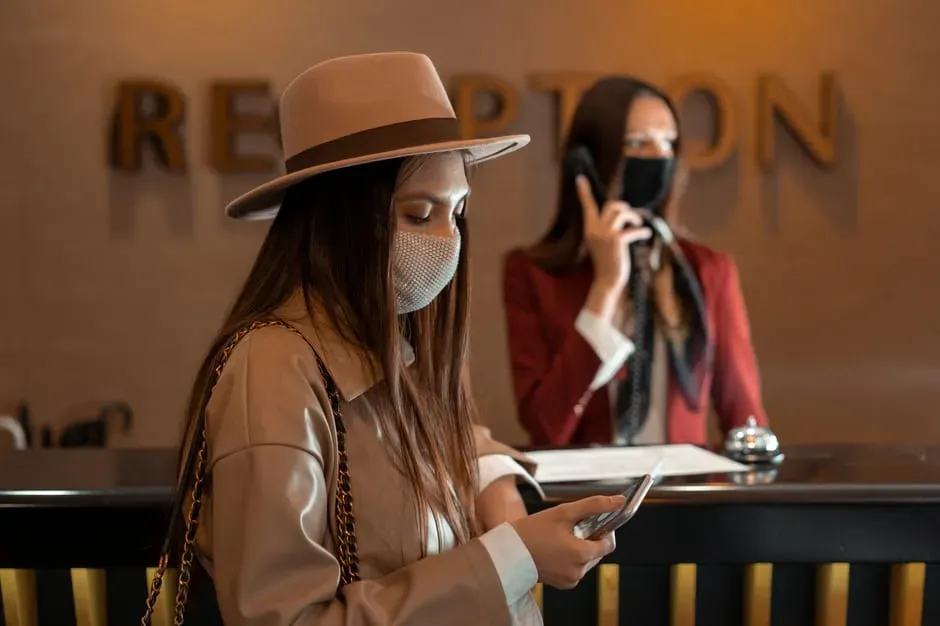
Are you that person who walks up to the desk mid-call, holding up one finger to the clerk? They notice. They also notice if you’re frantically texting, if you’re taking photos of the lobby ceiling, or if your phone stays tucked away entirely. The phone is a behavioral signal, and hotel staff read it fluently – it tells them where your attention actually is and how present you’re willing to be.
A guest who puts the phone away and makes eye contact during check-in almost always gets a warmer, more personalized interaction. The single act of pocketing your phone can shift a front desk agent from transaction mode into genuine hospitality mode – and those are two very different experiences. Guests remember tone and body language long after they’ve forgotten which floor their room was on.
#12 – The First Question Out of Your Mouth
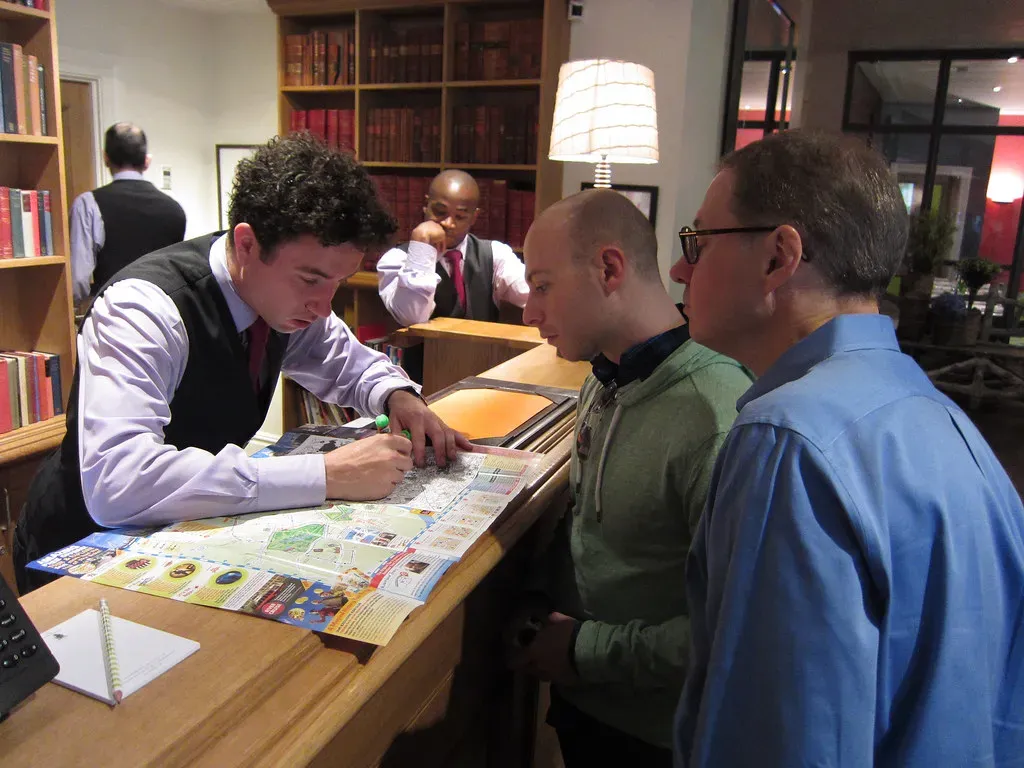
One front desk manager put it simply: guests who are comfortable financially tend to ask about experiences rather than expenses. Restaurant recommendations instead of the nearest discount grocery store. Spa availability rather than whether the gym is free. The very first question out of your mouth tells a front desk agent more about you than your booking confirmation does.
That opening question functions like a search query – it tells staff exactly what kind of stay you’re expecting and what they can realistically offer you. The agent who hears “where’s the nearest Whole Foods?” is already thinking differently than the one who hears “do you have a sommelier on property?” Neither question is wrong. But both of them immediately set the service script you’re going to get for the rest of your stay.
#11 – Your Outfit Versus the Hotel’s Vibe

It’s not about designer labels. Staff are looking at practical things: Are your shoes built for what your apparent plans suggest? Is your outfit weather-appropriate? Does it match the hotel’s energy? They particularly notice mismatches – a three-piece suit at a beach resort, flip-flops at a formal business hotel. These aren’t fashion judgments. They’re data points about what you probably need.
A business traveler in a tailored jacket asking about the fastest Wi-Fi gets treated very differently than someone in a windbreaker asking the same question. Leisure travelers get local color and activity suggestions. Business travelers get speed and efficiency. Your clothes essentially pre-set which service experience you’re about to receive – and the front desk agent makes that call before you finish your first sentence.
#10 – Whether You Acknowledge Other Staff in the Lobby
Some guests look through hotel staff like they’re furniture. Others make eye contact, use names from name tags, and say a real hello to the housekeeper wiping down the entrance table. The front desk agent watching you cross the lobby has already clocked which kind of guest you are – and it registers even if no one says a word about it out loud.
This observation isn’t about catching guests being rude – it’s about predicting behavior. Staff know that the person who walks past every employee without blinking is often the same person who calls the front desk at midnight over a minor inconvenience. Guests who treat every person in the building with basic dignity tend to receive a measurably different quality of service throughout their stay. The housekeeper you ignored on the way in might be the one who turns your room over first tomorrow morning.
At a Glance: What Staff Are Actually Tracking
- Eye contact with lobby staff – signals awareness and respect for the team
- Phone behavior during the walk in – indicates how present and engaged you’ll be
- How you treat the bellhop – often the fastest read on guest temperament
- Body language as you cross the lobby – tired, rushed, or relaxed all translate to different service approaches
#9 – The Travel Stress You’re Carrying In
Storming up to the front desk with steam practically coming out of your ears is the fastest way to get labeled as difficult before the conversation even starts. Staff immediately brace when a guest launches into complaints about traffic, delays, or airline failures before even saying hello. That frustrated energy spreads fast – and it travels up the chain. Front desk agents have been known to quietly flag a room number for the manager on duty before the guest has reached the elevator.
Here’s what most guests don’t know: front desk agents have enormous discretion about room assignments, noise levels, and how quickly maintenance responds to calls. A guest who arrives visibly furious and unloads on the clerk may be completely justified about the delayed flight – and still end up in the room next to the elevator shaft. A calm guest who mentions the same delay gets sympathy, sometimes a complimentary drink, and usually a better room. The math is uncomfortable but real.
#8 – Your Luggage and What It Signals
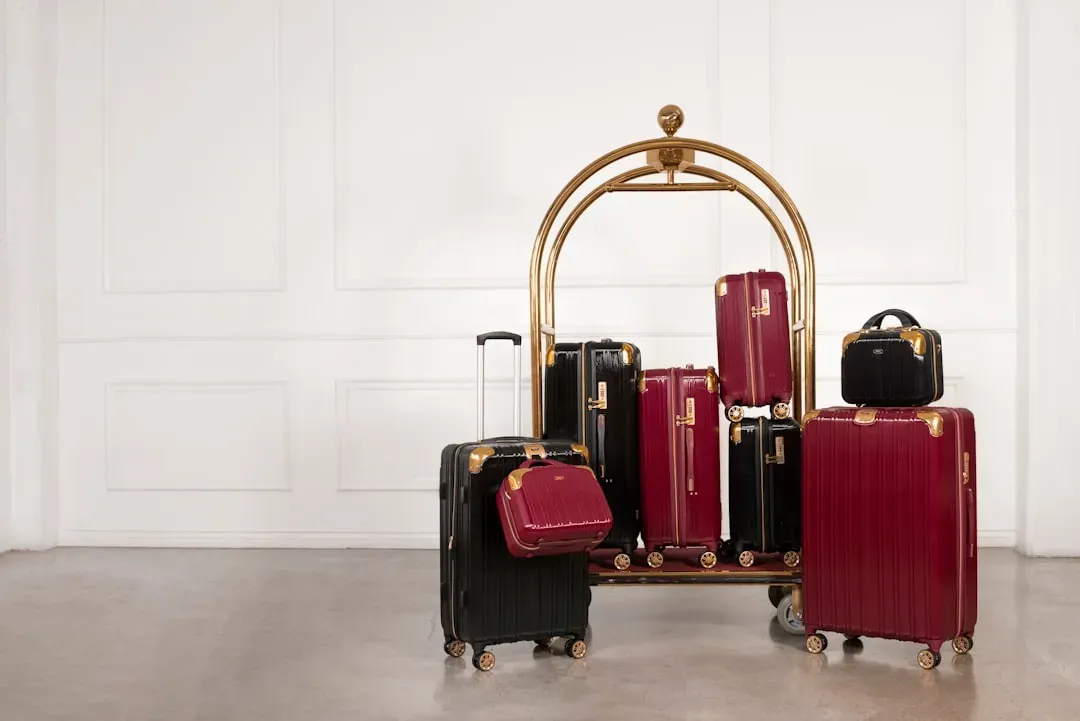
Matching hard-shell sets with TSA locks suggest one type of traveler. A single duffel held together with a bungee cord suggests another. Neither is better, but staff calibrate their approach based on what rolls through the door. A guest with coordinated luggage and a laptop bag is probably on a work trip and wants speed. A family hauling four overstuffed bags and a portable crib probably needs patience and a luggage cart – and someone to hold the elevator.
The number of bags, how they’re packed, and whether they’re already tagged with airline stickers all tell a story about where you came from and how long you’ve been traveling. A guest hauling bags from three different airlines who looks completely unfazed is someone staff immediately identify as a road warrior. Those guests typically get the smoothest, most efficient check-ins in the building – because everyone on the floor already knows exactly what they need.
#7 – Whether You’re Celebrating Something
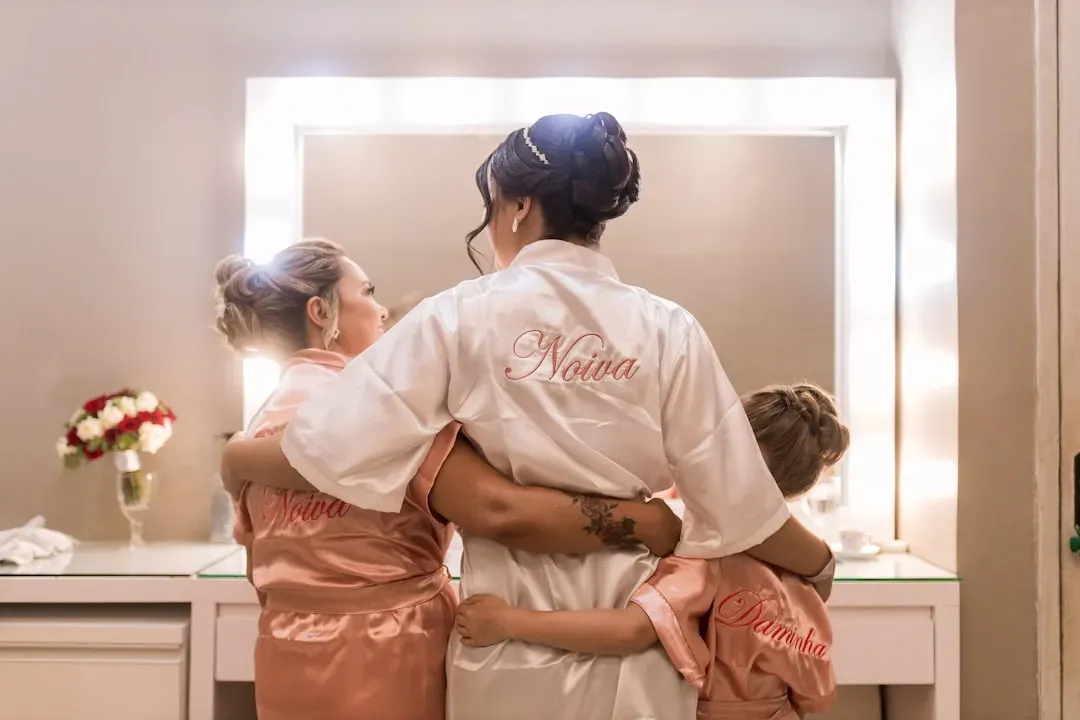
Hotel staff can read relationship energy faster than most people expect. The way couples stand together – or apart – at the check-in counter tells a story within seconds. Happy couples touch casually while waiting: a hand on the lower back, fingers loosely intertwined. Couples in conflict create physical distance – luggage placed between them, one person handling everything while the other disappears into their phone.
Staff use this read to decide whether to mention the champagne package, the couples’ spa deal, or simply stay efficient and professional. Mentioning a romantic add-on to a couple who’s clearly mid-argument is a disaster. But noticing the anniversary pin on a lapel and quietly upgrading the room without being asked – that’s the kind of moment that turns into a five-star review and a guest who comes back every year.
#6 – Your Loyalty Status and Booking History
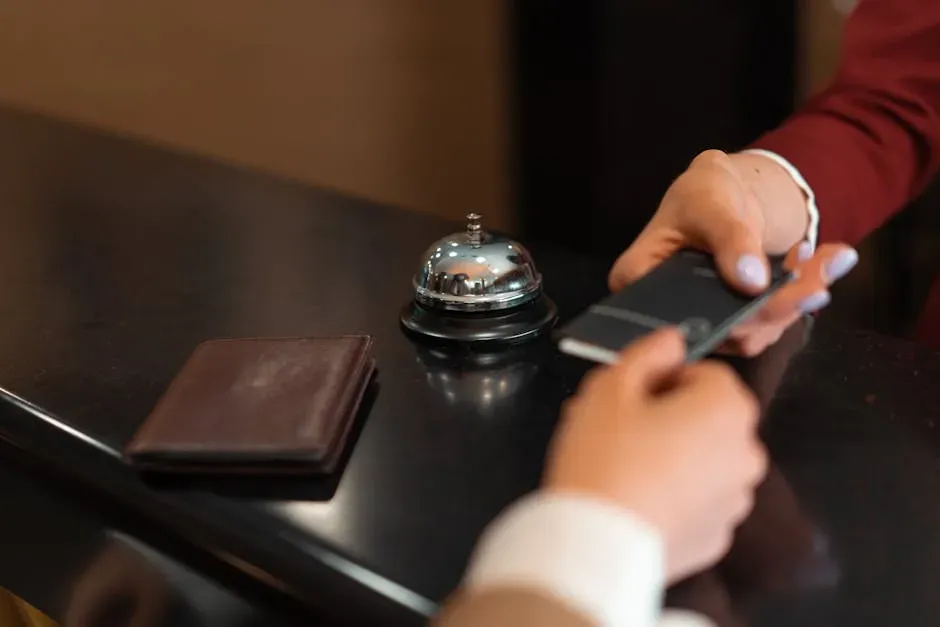
The moment your name hits the property management system, a world of information opens up. Hotels now use guest data and AI tools to surface preferences, complaints, and patterns before you finish your first sentence. A repeat guest who always requests a high floor and quiet room can be assigned that room before they even mention it. That kind of anticipation isn’t magic – it’s the file your previous stays built.
Here’s the part most guests forget: complaints travel forward in your profile just as reliably as preferences do. That noise complaint from two years ago is still in there. So is the glowing comment you left at checkout. Loyalty program membership now accounts for more than half of all occupied hotel rooms in the U.S. – which means the system already knows a great deal about the majority of guests before they open their mouths.
Quick Compare: Loyalty Tiers and Upgrade Reality
- World of Hyatt (Globalist) – Strongest suite upgrade guarantee; confirmed when available, not left to front desk discretion
- Marriott Bonvoy (Platinum+) – Upgrades at check-in subject to availability; no guarantee of suites even if empty
- Hilton Honors (Diamond) – Space-available upgrades at hotel discretion; excluded at 9 brands including Hampton and Garden Inn
- IHG One Rewards (Diamond) – No formal suite upgrade benefit; entirely hotel discretion and rarely involves suites
- Third-party bookings – Almost universally receive no points, no status credit, and the lowest upgrade priority
#5 – How You React When There’s a Problem
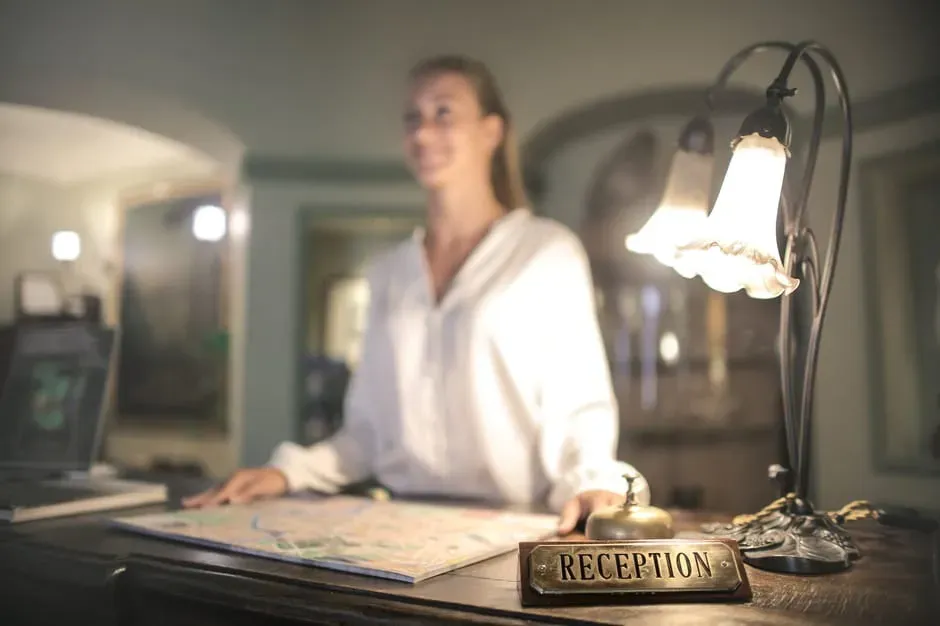
Nothing reveals a guest faster than a small hiccup at check-in. A room that isn’t ready yet, a credit card hold they weren’t expecting, a reservation that isn’t pulling up correctly – these moments are stress tests, and front desk agents are watching the results in real time. Tapping your foot, sighing loudly, or announcing that “this never happens at other hotels” marks you instantly. Staff deal with complex systems and genuine backend issues. Your theatrical impatience tells them exactly what the next three days are going to look like.
The guest who responds to a small snag with “no worries, take your time” is essentially handing the front desk agent permission to go above and beyond. The guest who responds with eye rolls gets processed efficiently and sent upstairs before they affect the other guests in line. Hotel staff are trained in reading subtle behavioral cues – and a guest who handles friction gracefully stands out so sharply that agents often go out of their way to make the rest of the stay exceptional.
#4 – Whether You’re Trying to Sneak in Extra Guests
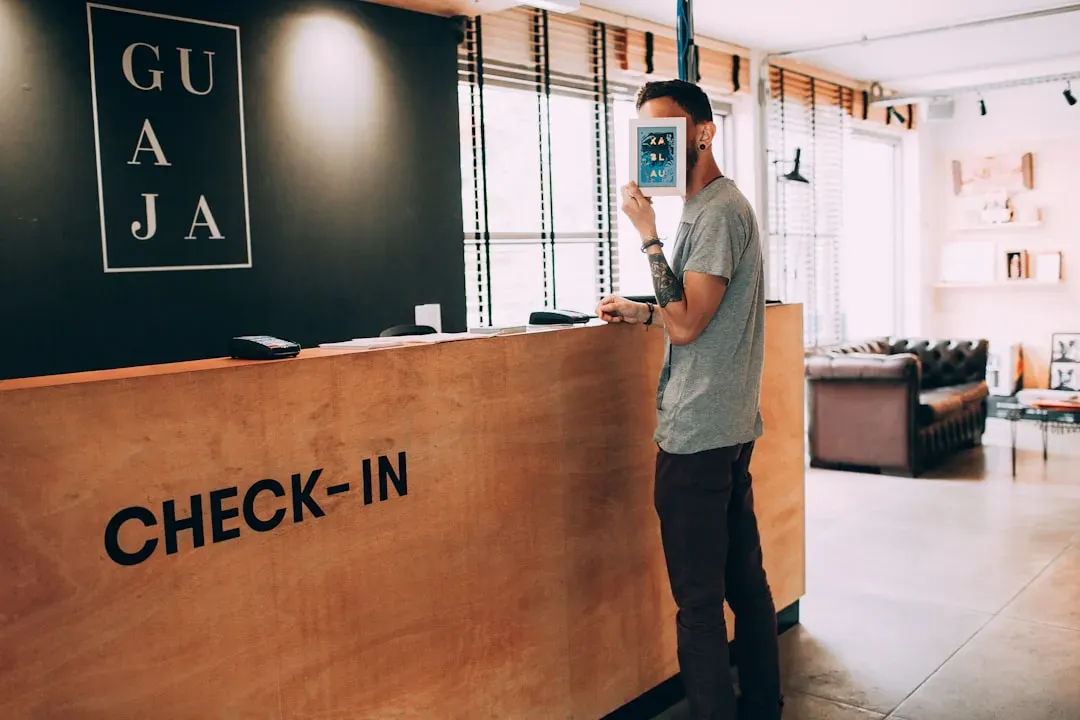
Staff immediately notice when two registered guests suddenly become five. The signs start right at check-in: a reservation for one person arriving with three others, vague answers to direct questions, or a noticeable hesitation when asked how many guests are in the party. Experienced front desk agents have seen this pattern so many times it registers almost before the conversation begins.
Those “discreet” extra visitors using the pool or grabbing breakfast aren’t going unnoticed – they’re being documented by breakfast attendants, housekeepers, and security cameras. Many hotels have reasonable additional-person fees, and honesty at check-in is always the cleaner option. Being caught mid-stay is far more awkward – and expensive – than a $25 extra-guest charge before you ever see your room.
#3 – Whether You’re a Genuinely Returnable Guest
Front desk agents control more than just room assignments. They influence whether maintenance responds quickly to your calls, whether the kitchen expedites your room service, and whether housekeeping gives your room extra attention. A dismissive “just give me my key” approach can subtly affect service quality for your entire visit. Staff note guest behavior in the system – and that information follows you, not just this stay but on future ones too.
That note in your profile doesn’t disappear. Front desk interactions directly contribute between 20% and 40% of total guest satisfaction scores in modern hotels – which means the 60 seconds at the front desk carry more weight than most people give them. A guest who makes a warm, human connection with the agent doesn’t just get better service this visit – they get flagged as someone worth remembering next time. Kind guests get room upgrades, late checkouts, and insider recommendations. Dismissive ones get exactly what they paid for. Nothing more.
#2 – Whether You’re Demanding an Upgrade Before You Say Hello

Hotel staff privately cringe when guests lead with upgrade demands at full volume. Front desk agents do have upgrade discretion – real discretion, sometimes worth hundreds of dollars per night – but they are far less likely to use it for guests who are creating a scene. The irony is brutal: the guests who loudly insist they deserve an upgrade are usually the last ones to get one, while the guests who ask quietly – or don’t ask at all – are often the ones who end up in the better room.
Timing matters enormously. Arriving during peak check-in and announcing that you “always get upgraded at other hotels” puts you on the mental do-not-upgrade list faster than almost anything else. Checking in after around 4 PM is actually smarter – by then the hotel has a clearer picture of what rooms are truly available. The formula that actually works is simpler than most guests imagine: be genuinely pleasant, make real eye contact, and let the agent feel like they’re doing something nice for you rather than complying under pressure. That distinction – between a favor and a demand – is everything.
Worth Knowing: The Upgrade Formula That Actually Works
- Check in later – after 4 PM the hotel knows its real availability and upgrades become more likely
- Book direct – third-party bookings are almost always last in the upgrade priority queue
- Say “complimentary upgrade” rather than “free upgrade” – the phrasing signals you understand how the industry works
- Let the agent feel like the hero – frame the ask as a favor, not a demand or an obligation
- Announcing your loyalty tier out loud often backfires – the agent already sees your status on their screen
#1 – The Very First Words Out of Your Mouth

Everything on this list – the luggage read, the loyalty profile pull, the energy scan, the quick assessment for extra guests – all of it happens in the background. But the single thing hotel staff say they clock most reliably, and most permanently, is the very first thing you say and how you say it. A genuine “Hi, how’s your shift going?” before the reservation name is even mentioned is one of the rarest things a front desk agent hears – and one of the most remembered. Research consistently shows that initial impressions form within seconds, and in hospitality, that window is everything.
A warm opening creates a halo effect – guests who start the interaction with real human warmth tend to interpret the entire stay more positively, even when small issues arise later. The opposite is equally true. The front desk agent who genuinely likes you after sixty seconds is your single most valuable asset in the entire hotel. They’re the one who finds you a quieter room, remembers your coffee order, and makes sure the rest of the team knows you’re good people. That all starts – or ends – with the first few words out of your mouth when you walk through the door.
The next time you approach a front desk, remember that the person on the other side of that counter is exceptionally good at reading people – and that the interaction goes both ways. Treat them like a human being rather than a service terminal, and the experience on both sides tends to be something worth remembering.