
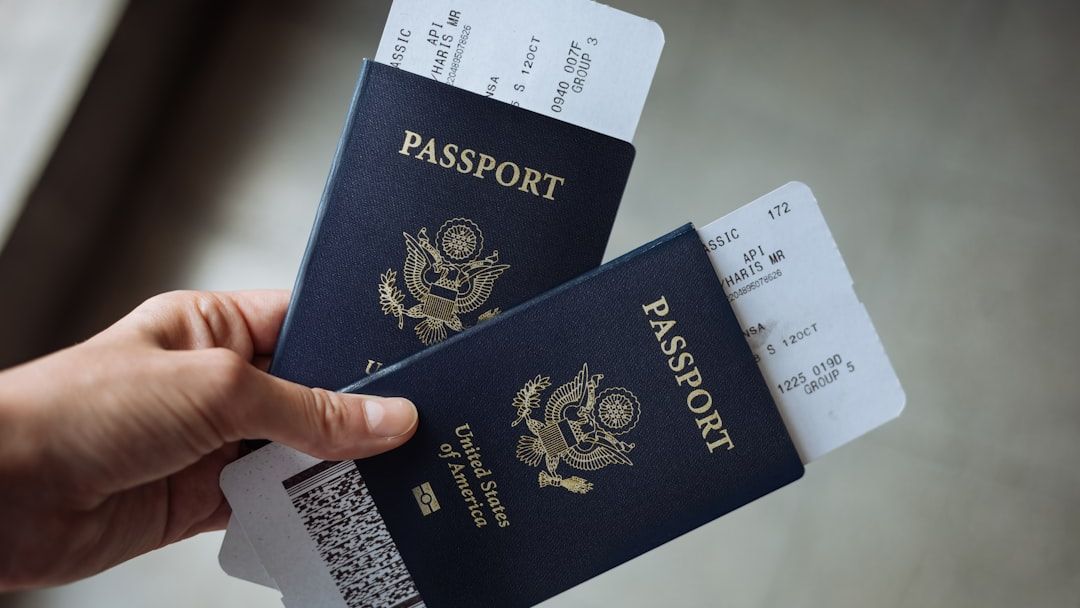
While most passengers shuffle toward the gate and hope for the best, a certain group of travelers over 60 are already seated, bags stowed, shoes off, and halfway through a crossword before the boarding chaos even starts. They didn’t get there by paying more or complaining louder. They got there by learning a short list of things the airlines never volunteer — quiet policies, free federal programs, and one-sentence phrases that unlock advantages sitting right out in the open.
The gap between a stressful boarding experience and a smooth one almost never comes down to luck. It comes down to knowing exactly what to say, when to say it, and which rules work silently in your favor. A few of these will surprise you. At least one will make you genuinely annoyed you didn’t know it sooner.
#1 – Arriving at the Gate Early Enough to Have a Real Conversation With the Agent
This is the move that veteran travelers over 60 say changed their entire relationship with flying — and it costs nothing. Arriving 45 minutes before boarding, instead of the usual frantic 10, gives you time to have a calm, unhurried, human conversation with the gate agent. Gate agents have enormous discretion over seat assignments, upgrade lists, preboarding access, and complimentary amenities — and they use that discretion almost entirely in favor of passengers who treat them like people. Most travelers never discover this because they arrive rushed, distracted, and phone-in-hand.
A warm introduction, a simple question about the flight, and a brief mention of a mobility need or a milestone trip builds instant goodwill. That goodwill translates into early boarding calls, better seat reassignments, and the kind of quiet, personalized attention that no app or loyalty tier can replicate. Frequent flyers over 60 understand something most passengers miss entirely: the best boarding secret isn’t a hack. It’s humanity.
Fast Facts
- Gate agents control seat upgrades, early boarding calls, and complimentary amenities — all at their discretion.
- Arriving 45 minutes early (vs. the rushed 10-minute dash) is the single biggest behavioral shift experienced travelers recommend.
- A calm, polite greeting costs nothing and routinely unlocks perks that app users never see.
- Most gate agents process hundreds of passengers a day — a friendly face genuinely stands out.
#2 – Simply Asking for Pre-Board Is All It Takes (No Doctor’s Note Required)
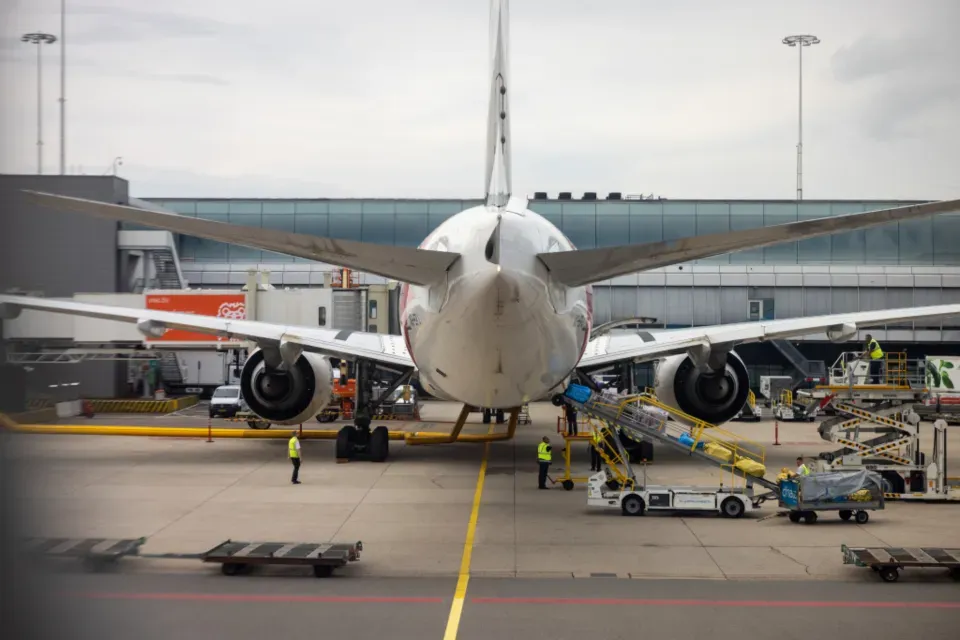
Most passengers assume pre-boarding is reserved for people in wheelchairs or those with obvious medical needs. That assumption costs them every single flight. You don’t need paperwork, a diagnosis, or any documentation to request pre-boarding if you need extra time — you just need to walk up and ask. Federal regulations under 14 CFR §382.93 require airlines to offer preboarding to any passenger who self-identifies at the gate as needing additional time or assistance to board, stow accessibility equipment, or be seated. It’s that simple.
Airlines actively encourage seniors to pre-board because it keeps the aisle from turning into a traffic jam. Whether you’re traveling with a mobility aid or simply prefer a slower, steadier pace, boarding early is available the moment you self-identify to a gate agent before boarding begins. Most airlines also allow one travel companion to pre-board with you at no charge. That companion perk alone is worth the 30-second conversation at the podium.
#3 – The “Courtesy Boarding” Request That United, Delta, and Southwest All Honor
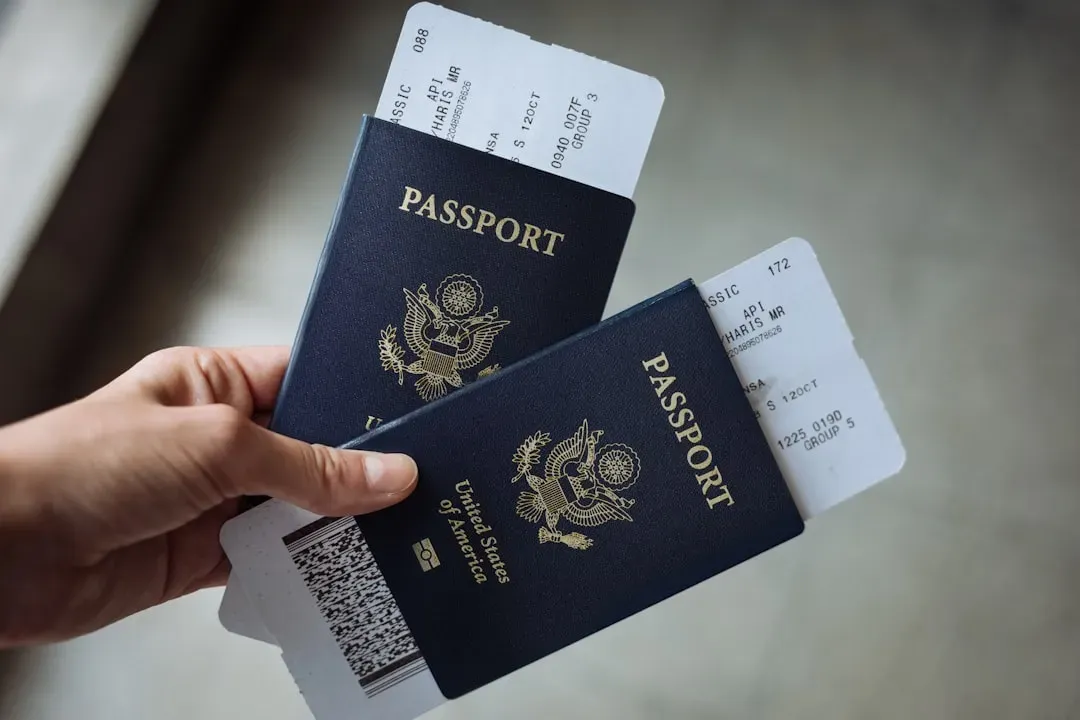
Here’s a specific phrase that experienced travelers over 60 have quietly added to their airport vocabulary: “courtesy boarding.” It’s not printed on any ticket or advertised on any airline website, but it’s a real policy at multiple major carriers. United introduced a formal “Courtesy Boarding” option that includes senior travelers upon request, and Delta and Southwest follow similar practices. You won’t find a banner for it at the gate. You just have to know to ask.
Walk up to the gate agent calmly and say, “I’d like to request pre-boarding assistance due to mobility needs.” You’ll board before the main crowd — no long lines, no overhead bin scramble, no rushing. The phrasing matters more than most people realize. Agents hear hundreds of requests a day; the ones phrased clearly and politely almost always get a yes.
#4 – Requesting an Aisle Wheelchair Boards You Before First Class
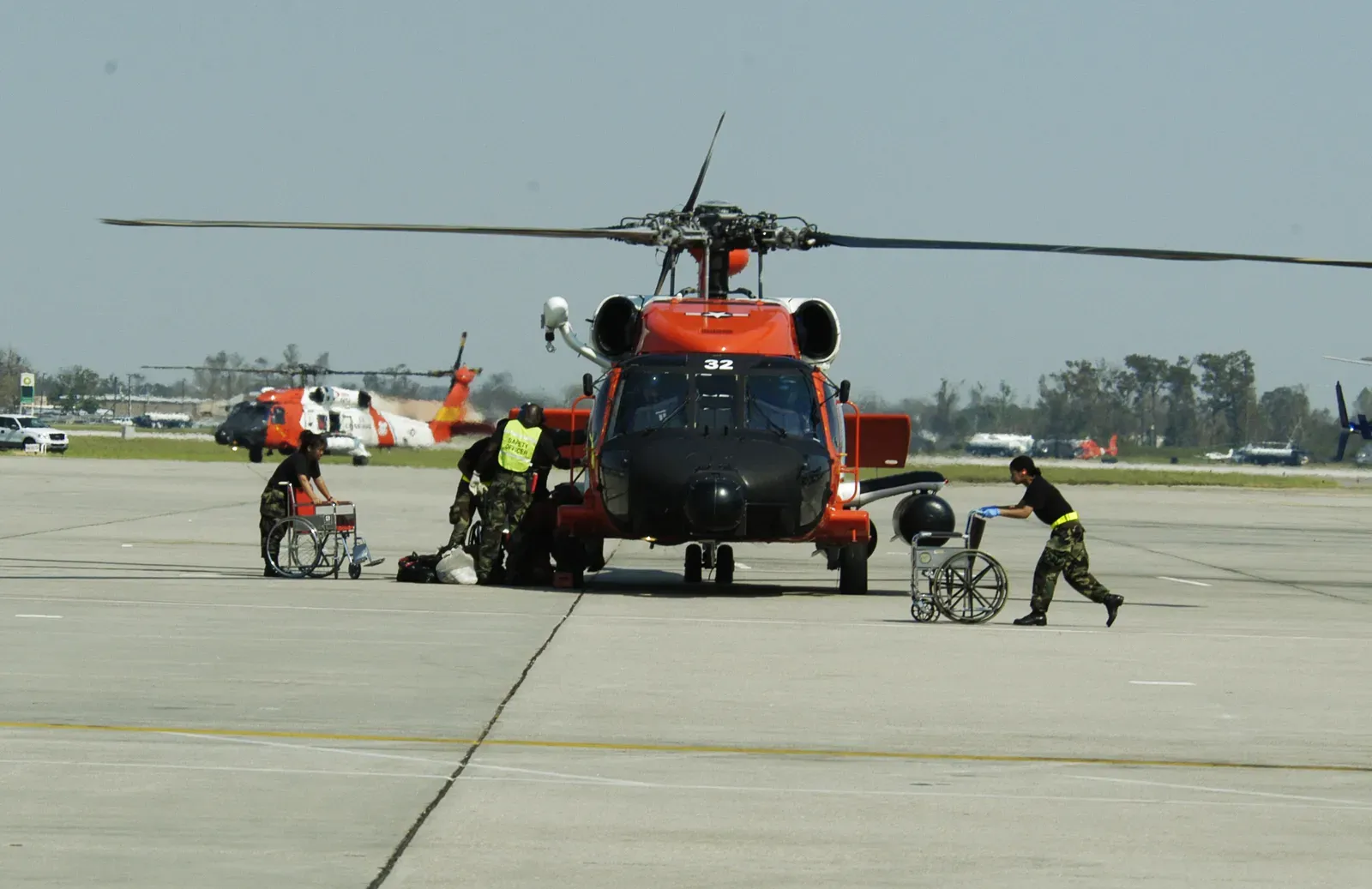
This one surprises even seasoned travelers. Requesting wheelchair assistance at the airport doesn’t just get you a push to the gate — it puts you at the very front of the entire boarding queue. Under DOT guidance, passengers with disabilities who request preboarding must be allowed to board before all other passengers — including first class, elite-level frequent flyers, and military passengers. And you can request this service for just one leg of a trip — outbound only, for example — without committing to it for the return.
Major U.S. airlines including American, Delta, and United all follow this protocol, and their staff are trained to assist. You don’t need to show medical proof. United’s website notes that aisle wheelchairs — narrower seats designed to fit inside airplane cabins — are available at the gate for free, allowing you to remain seated throughout the entire boarding process. It’s one of the most underused advantages available to any traveler over 60.
#5 – TSA Cares: The Free Federal Program That Almost Nobody Knows Exists

Most travelers over 60 have heard of TSA PreCheck. Far fewer have heard of TSA Cares — and it’s arguably more useful for anyone dealing with a health condition, mobility concern, or medical device. Launched in 2012, it’s completely free, requires no application or membership, and connects you with a dedicated passenger support specialist before you ever reach the screening checkpoint. That specialist meets you at the checkpoint, walks you through every step, and can arrange for a private screening if needed.
TSA Cares turns one of the most stressful parts of the airport into an almost seamless experience. To use it, call (855) 787-2227 at least 72 hours before your flight to request on-site assistance — or fill out the request form online if your trip is more than 72 hours away. The program assisted 69,000 travelers in 2024 alone, according to TSA’s own year-end report. For travelers who’ve dreaded security for years because of implants, oxygen equipment, or limited mobility, this program is genuinely life-changing — and it’s been sitting there the whole time.
At a Glance: TSA Cares vs. TSA PreCheck
- TSA Cares: Free, no enrollment, no approval — focused on support and guidance through the checkpoint.
- TSA PreCheck: $75–$85 for a 5-year membership — focused on faster screening through a dedicated lane.
- TSA Cares works at every airport regardless of which airline you fly — PreCheck depends on airline participation.
- TSA Cares assisted 69,000 travelers with disabilities and medical needs in 2024.
- Passengers 75 and older also qualify for expedited screening procedures automatically under TSA policy.
#6 – Your Medical Devices Don’t Count as Luggage – Ever
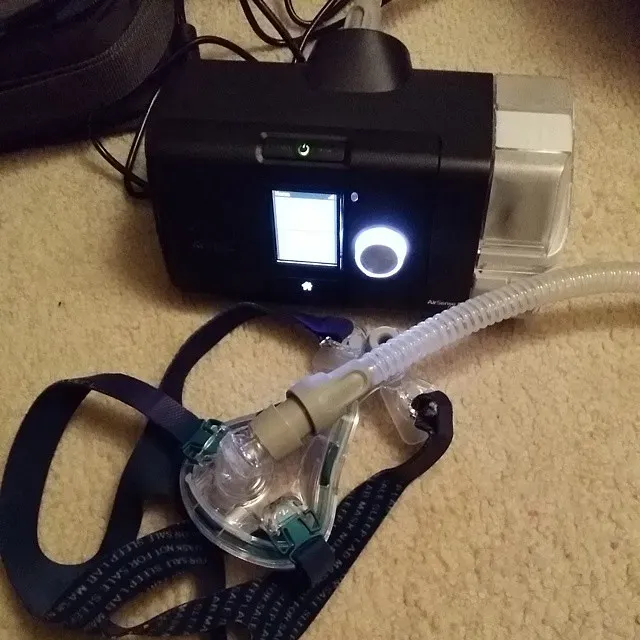
If you travel with a CPAP machine, a portable oxygen concentrator, a medication cooler, or any other health-related device, the anxiety about bag fees and carry-on limits is unfounded. Federal law under the Air Carrier Access Act requires airlines to allow medically necessary devices on board without counting them against your luggage allowance — and that applies to both carry-on and checked bags. You’ve likely been entitled to this for years without knowing it.
Just tell the agent at check-in that the item is “medically necessary” or that you are “traveling with medical equipment that is exempt from baggage fees.” Airlines are legally required to waive the fees. Under the same federal regulations, assistive devices also do not count against any limit on the number of pieces of carry-on baggage. The frequent flyers over 60 who know this rule never pay a single extra bag fee for their health gear — while the passengers next to them quietly hand over $35 for the same bag.
#7 – Asking for a Bulkhead Seat or Fee Waiver at Check-In (Not Online)
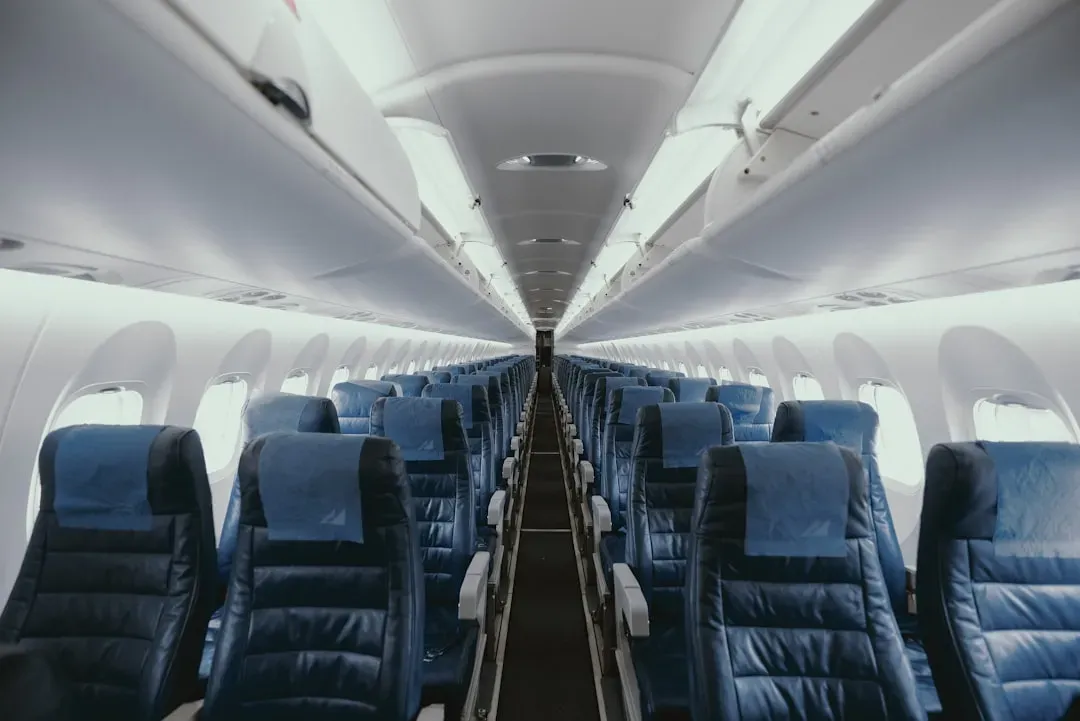
Bulkhead seats — the row directly behind a dividing wall — offer some of the most coveted legroom on any aircraft. Most passengers assume those seats cost extra, so they never ask. Experienced frequent flyers over 60 know better. Legacy airlines often quietly waive seat-selection fees for senior travelers, especially for bulkhead rows near the front of economy, but only if you ask at check-in or the gate. Trying to claim this perk online almost never works.
For seniors, a bulkhead or aisle seat near the front of the cabin makes boarding, stretching, and bathroom access dramatically easier. The key word in any request is “politely.” Gate agents deal with demanding passengers all day; a warm, direct ask from a senior traveler gets a very different response than a complaint. One sentence, delivered kindly, often unlocks a seat upgrade that would otherwise cost $40 or more.
#8 – Getting a Non-Ticketed Companion All the Way to the Gate
Here’s one that most passengers don’t realize is still possible in the post-9/11 era: airlines can issue a companion security pass that lets a non-traveling guest walk through security, reach the gate, and stay until boarding is complete. For travelers over 60 who want a family member nearby until the last possible moment — or simply want help getting settled — this is one of the most quietly generous policies in commercial aviation.
United Airlines, for example, allows up to two people to obtain a security pass from the ticket counter. Philadelphia International Airport’s “Wingmate Pass” can be reserved online one to seven days before your visit, letting a non-ticketed companion escort a traveler all the way to the gate at no extra cost. Always call the airline or check the specific airport’s website before your trip to confirm current availability. The policy exists at more airports than most people think — it just requires a single phone call to unlock.
Worth Knowing
- Companion gate passes are issued at the ticket counter — not online and not at the security lane itself.
- Philadelphia International’s “Wingmate Pass” can be reserved 1–7 days in advance through the airport’s website.
- United allows up to 2 people to receive a companion security pass per traveler.
- Availability varies by airport — always call the airline or check the airport’s site the day before travel to confirm.
#9 – Requesting a Courtesy Cart Before You Think You Need One
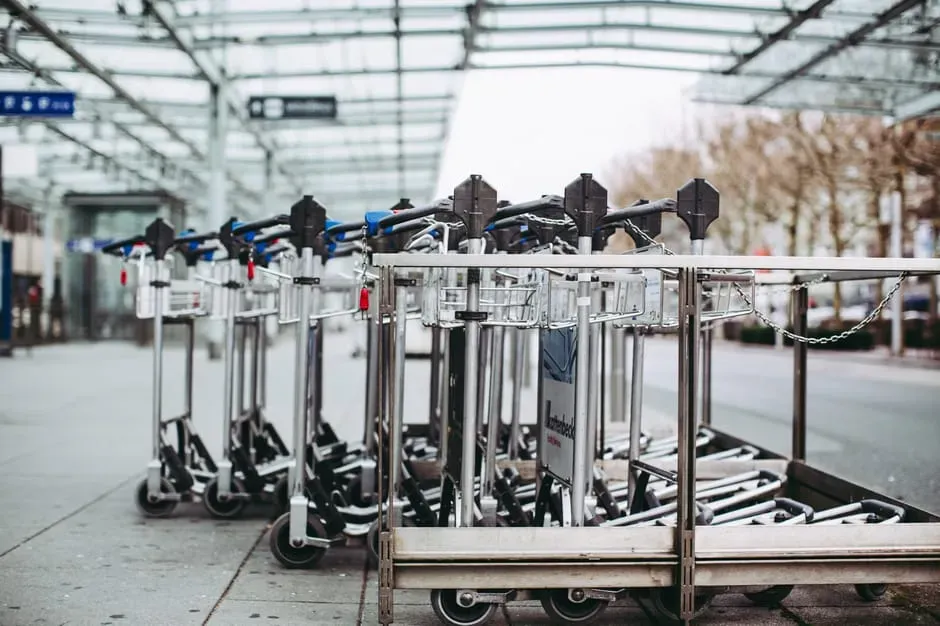
Most travelers only think to ask for an airport courtesy cart when they’re already exhausted, running late, or in pain. The savvy move is to request one proactively — before you feel like you need it. These electric carts turn a 20-minute terminal walk into a 5-minute ride, and they’re free. The catch is that you have to ask early, not at the gate when you’re already pressed for time.
Ask at the check-in counter or the airline’s service desk the moment you arrive at the terminal. For anyone navigating a major hub like O’Hare, LAX, or Atlanta’s Hartsfield-Jackson, this single move can be the difference between making a connection comfortably and sprinting through a concourse. Seasoned travelers over 60 treat this as a default part of their airport arrival routine — not something they save for emergencies.
#10 – Dressing “Pulled Together” Quietly Raises Your Upgrade Odds

Gate agents and flight attendants notice what passengers are wearing — more than most people realize. This isn’t vanity. It’s a well-documented pattern among experienced flyers: looking neat and put-together, combined with a respectful and friendly attitude, measurably increases the chance of receiving a better seat or noticeably better in-cabin service. Flight attendants have confirmed in interviews that when rare complimentary upgrades happen at the gate, well-dressed passengers receive them far more often than casually dressed ones.
Even without an upgrade, dressing well still pays off. There’s a real perception among flight crews that a pulled-together appearance and respectful behavior go hand in hand — and that perception quietly shapes how you’re treated from check-in to landing. For frequent flyers over 60, this is a near-effortless adjustment that costs nothing and routinely returns more than it spends.
The way you present yourself signals to the crew how you expect to be treated. It’s not about fashion – it’s about respect.
A senior flight attendant, quoted in The Points Guy
#11 – Checking the App 48 Hours Out for Steeply Discounted Upgrade Offers
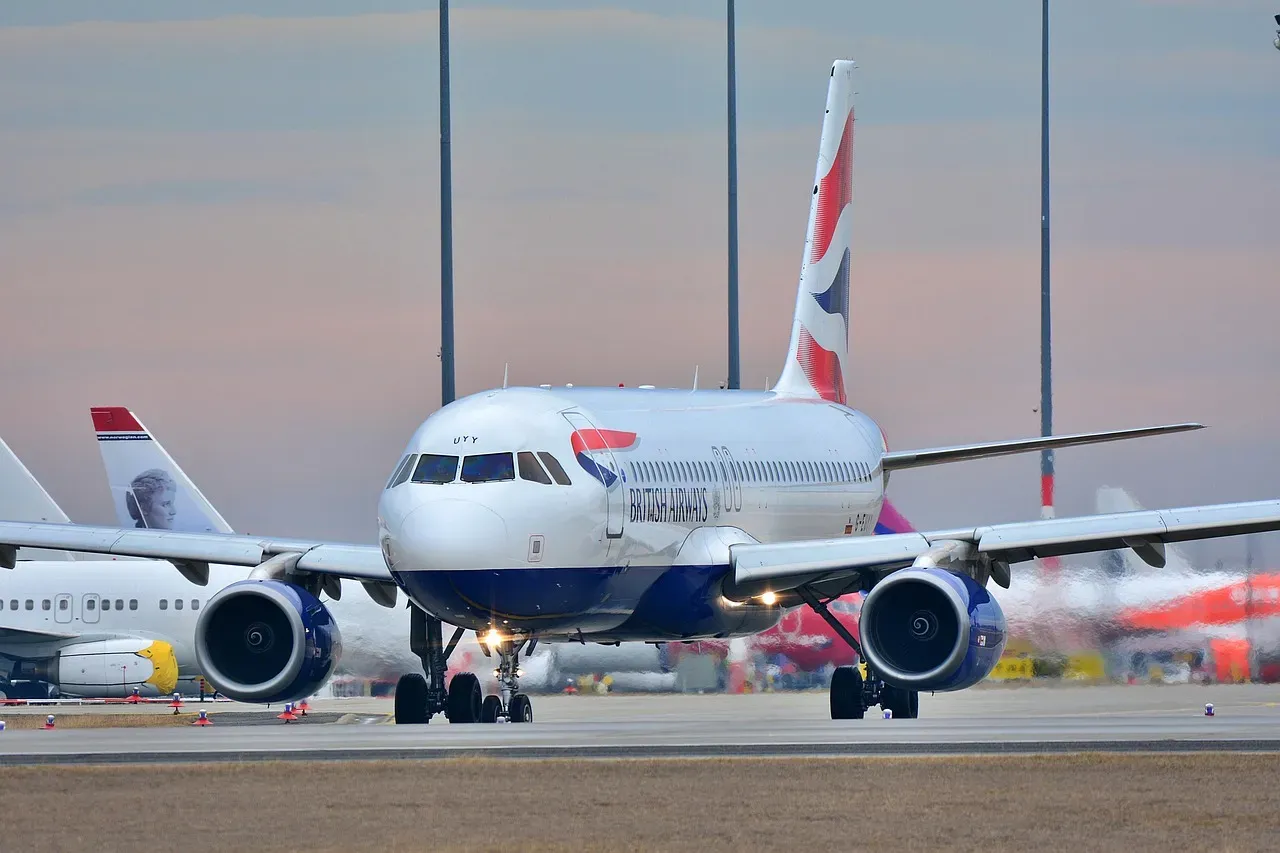
Airlines routinely release unsold premium seats at a steep discount in the final 48 hours before departure. Most passengers in economy have no idea this window exists. Frequent flyers over 60 who travel regularly know to open the airline app at that 48-hour mark and check for upgrade offers — sometimes finding business or premium economy seats available for a fraction of the usual price difference.
Some airlines also let you bid on an upgrade before the flight. If you’re traveling for a milestone — a birthday, anniversary, or a long-awaited trip — mention it at check-in or the gate alongside a polite upgrade inquiry. It doesn’t guarantee anything, but good timing plus a friendly, specific request stands out in ways that generic demands never do. Most passengers in economy seats don’t ask at all. That alone gives you a meaningful edge.
Quick Compare: Best Moments to Request an Upgrade
- 48 hours out: Check the airline app for discounted bid or instant-upgrade offers on unsold premium seats.
- At check-in: Mention a milestone occasion politely — agents have more flexibility here than at the gate.
- At the gate (30 min before boarding): Ask calmly if any seats are still available — this is when last-minute moves happen.
- Never: During boarding or after boarding has begun — agents have zero flexibility at that point.
#12 – Always Carrying a Printed Backup Boarding Pass (The Old-School Move That Still Saves Trips)
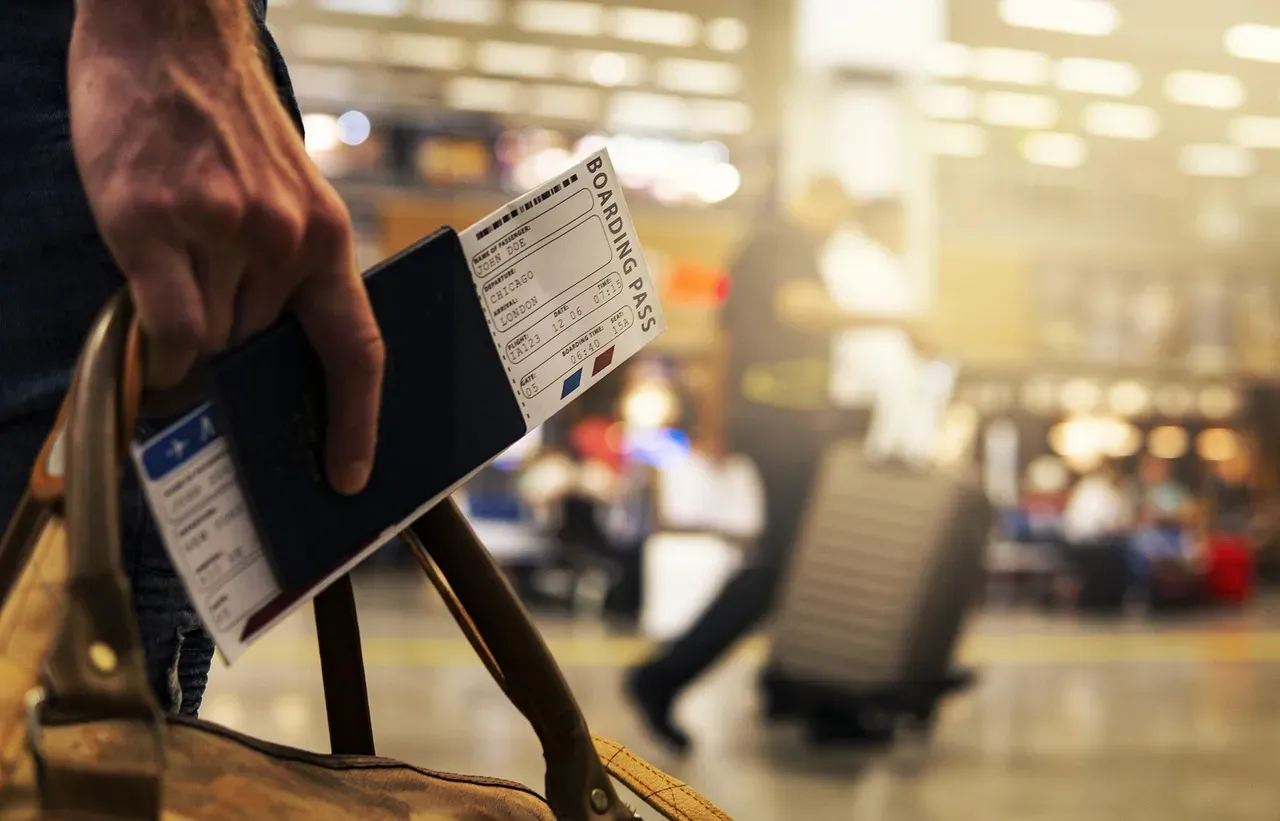
Everyone under 40 boards with a phone screen. And when the battery dies at the gate, the airport Wi-Fi glitches out the digital pass, or the app freezes at exactly the wrong moment, the entire boarding line grinds to a halt while they troubleshoot. Experienced travelers over 60 sidestep this whole problem with one simple habit: a printed paper backup. It’s considered old-fashioned. It’s also genuinely brilliant.
You can print your boarding pass at home, at the self-serve kiosks in the terminal, or at the ticket counter — it takes about 90 seconds. There’s also a real security angle to this habit: airports with inconsistent cell service, especially in older terminals or underground concourses, can make digital passes unreliable at exactly the moment you need them most. Paper doesn’t need a signal, a charge, or a working app. It just works.
#13 – Joining the Loyalty Program Even If You Only Fly Twice a Year
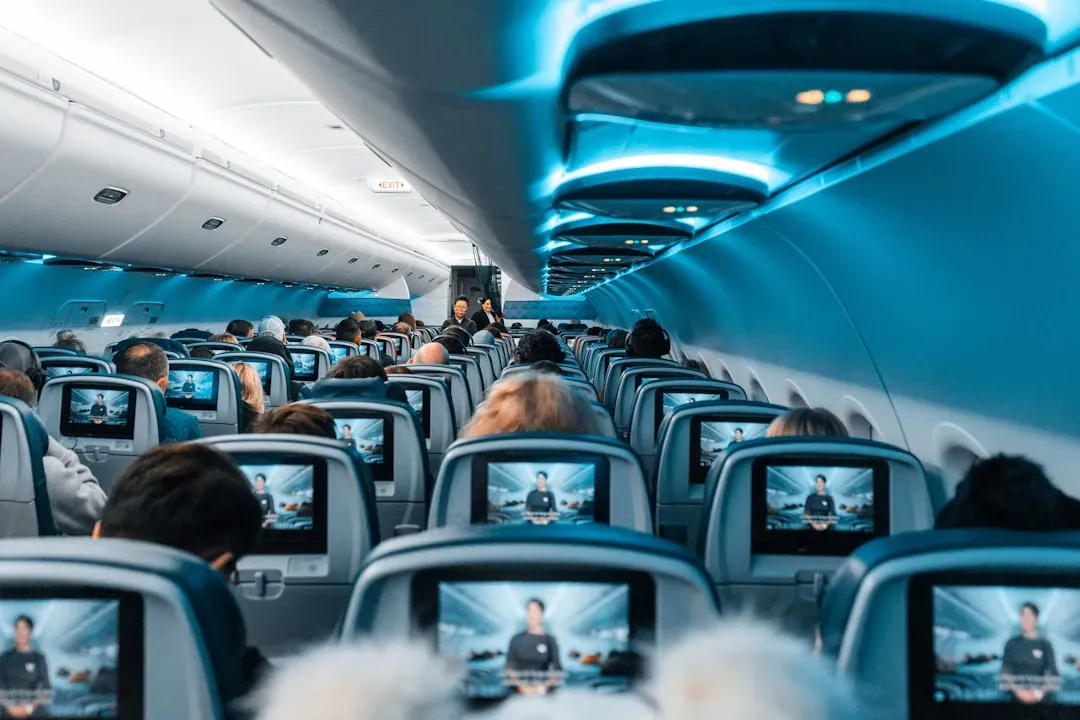
A lot of travelers over 60 skip airline loyalty programs because they assume you need to be a road warrior racking up 100,000 miles a year to see any benefit. That’s one of the most expensive misconceptions in travel. Even low-frequency flyers accumulate meaningful perks — and simply being a program member often unlocks boarding advantages, seat selection options, and service courtesies that non-members never receive.
Enrollment is free on every major U.S. carrier. Members can accumulate miles through flights, credit card purchases, or partner offers, and many airlines allow members to redeem miles toward upgrades at a fraction of the full-price fare difference. There is genuinely no reason not to join. The passengers who skip it aren’t saving anything — they’re leaving real benefits on the table every single time they fly.
#14 – Knowing That Gate-Checked Mobility Devices Are Always Free by Federal Law
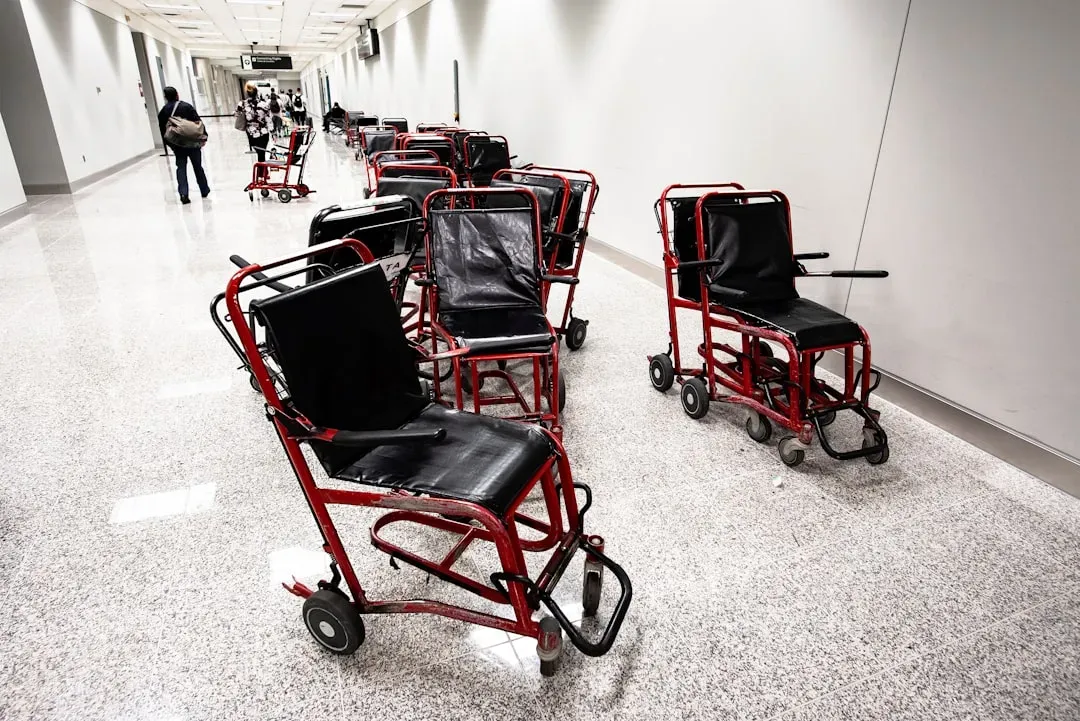
If you travel with a walker, cane, collapsible wheelchair, or mobility scooter, there is no legitimate fee any U.S. airline can charge you to bring it to your destination. This isn’t a courtesy policy that varies by carrier — it’s a federal requirement. Under the Air Carrier Access Act and its implementing regulations, collapsible wheelchairs and other assistive devices have priority for in-cabin storage space over other passengers’ items, and wheelchairs and assistive devices have priority over other items for storage in the baggage hold.
Some passengers have paid fees they never legally owed simply because they didn’t know this rule existed and nobody at the counter volunteered the information. Knowing the law by name — and stating it calmly and specifically if there’s any pushback — changes the conversation instantly. You don’t have to argue. You just have to know.
Why It Stands Out
- Mobility devices (walkers, canes, wheelchairs, scooters) are free to check or gate-check on all U.S. airlines — no exceptions.
- Assistive devices do not count against your carry-on or personal item allowance under federal regulation.
- Collapsible wheelchairs get priority overhead bin space over other passengers’ bags if you preboard.
- Mobility equipment checked at the gate receives priority placement in the baggage hold.
- If an agent tries to charge you, calmly cite the Air Carrier Access Act (14 CFR Part 382) — the conversation will shift immediately.
#15 – Booking the First Flight of the Day to Escape the Cascade Entirely
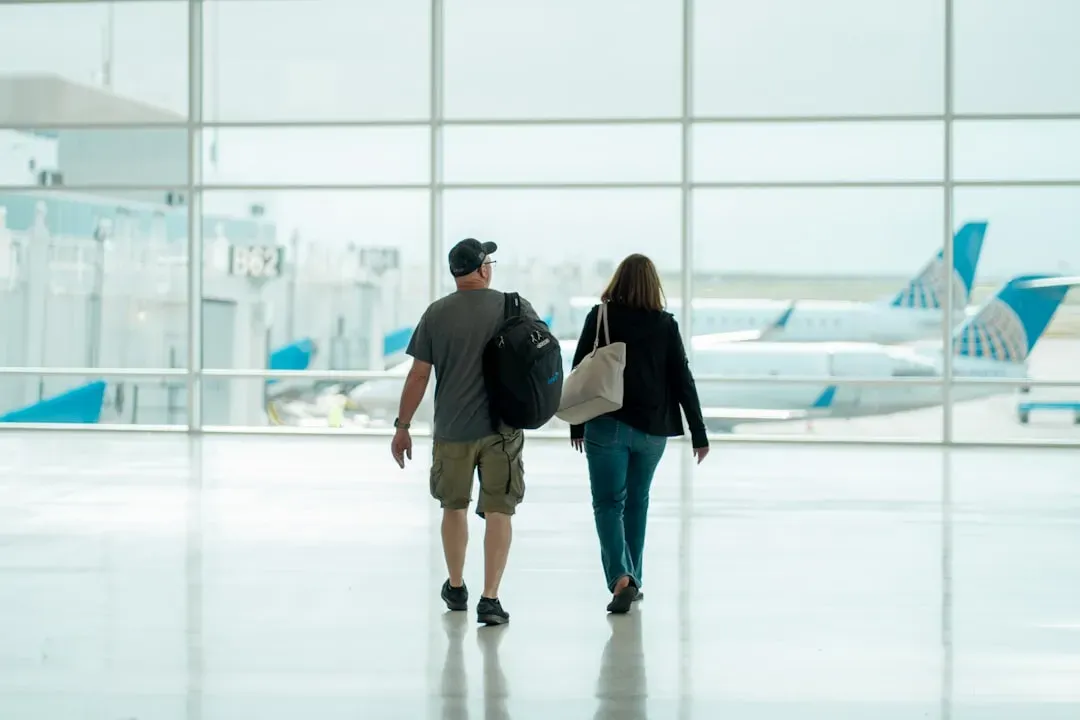
No amount of elite status fully protects you from this: afternoon and evening flights are delay magnets. A plane delayed in Atlanta at 7 a.m. ripples through the entire system by 3 p.m. The aircraft sitting at your gate at 4 p.m. may have already absorbed two delays before it even arrived. Analysis of U.S. Department of Transportation on-time performance data found that in the worst-performing months, the earliest morning flights are 30% more likely to depart on time compared to afternoon or evening flights — and on-time performance sees its steepest single-hour drop between 4 p.m. and 5 p.m.
The plane that boards your morning flight slept at that airport overnight. It hasn’t been delayed anywhere yet. The gate area is calmer, the agents are fresher, and morning departures run on schedule far more reliably than afternoon ones. For travelers over 60 who find airport chaos physically and emotionally draining, eliminating that variable is worth more than almost any other item on this list. Flight attendants have said for years that they head to work at the crack of dawn for exactly this reason — and now you have the same advantage.
The passengers over 60 who fly best aren’t the ones who paid the most or complained the loudest. They’re the ones who learned which questions to ask, which federal laws protect them, and which quiet policies airlines never advertise. From the TSA Cares hotline to the companion gate pass to simply knowing the phrase “courtesy boarding” — every item on this list is free, legal, and available right now. You just have to know it exists. Did any of these catch you off guard? Drop the one you’re trying first in the comments — and tag someone who needs to know about #6.