
Most people figure nighttime safety means locking the front door and calling it done. Retirees who’ve had a close call know better – a near-fall in a pitch-black hallway, a groggy stumble toward the bathroom at 2 a.m., a stranger’s knock after midnight. According to the National Safety Council, in 2024 alone, 43,020 adults aged 65 and older died as a result of preventable falls – and the hours between midnight and sunrise are when most household accidents happen, in homes that are completely unprepared for them.
What’s striking isn’t that these habits are complicated. They’re not. What’s striking is how many careful, health-conscious people have never once thought to start them. The retirees who sleep soundly and stay injury-free share a very specific kind of nightly routine – and some of what they do will genuinely surprise you.
#16 – They Never Go to Bed Without Checking Every Door Lock Personally

Most people assume they locked up. Retirees who take security seriously actually walk the perimeter every single night without exception. Front door, back door, garage entry, first-floor windows – the whole circuit. It takes about 90 seconds and closes a gap that burglars specifically look for. Younger adults almost never do this, because they assume the door they think they locked is the door that actually got locked.
According to the National Crime Prevention Council, adults over 60 are targeted for home intrusions at 1.5 times the national average – not because they’re careless, but because criminals perceive them as less likely to resist or respond quickly. The FBI reports that front and back doors account for 34% of all break-ins. A quick nightly walk-through doesn’t just confirm locks – it builds a clear mental picture of your home’s security status before you’re asleep and vulnerable. But the lock check is only half the story when it comes to the front door.
Fast Facts
- The full perimeter check takes roughly 90 seconds
- Front and back doors account for 34% of all break-ins (FBI)
- Adults 60+ are targeted for home intrusions at 1.5x the national average
- Garage entry doors are among the most commonly forgotten check points
#15 – They Keep a Video Doorbell Active Around the Clock
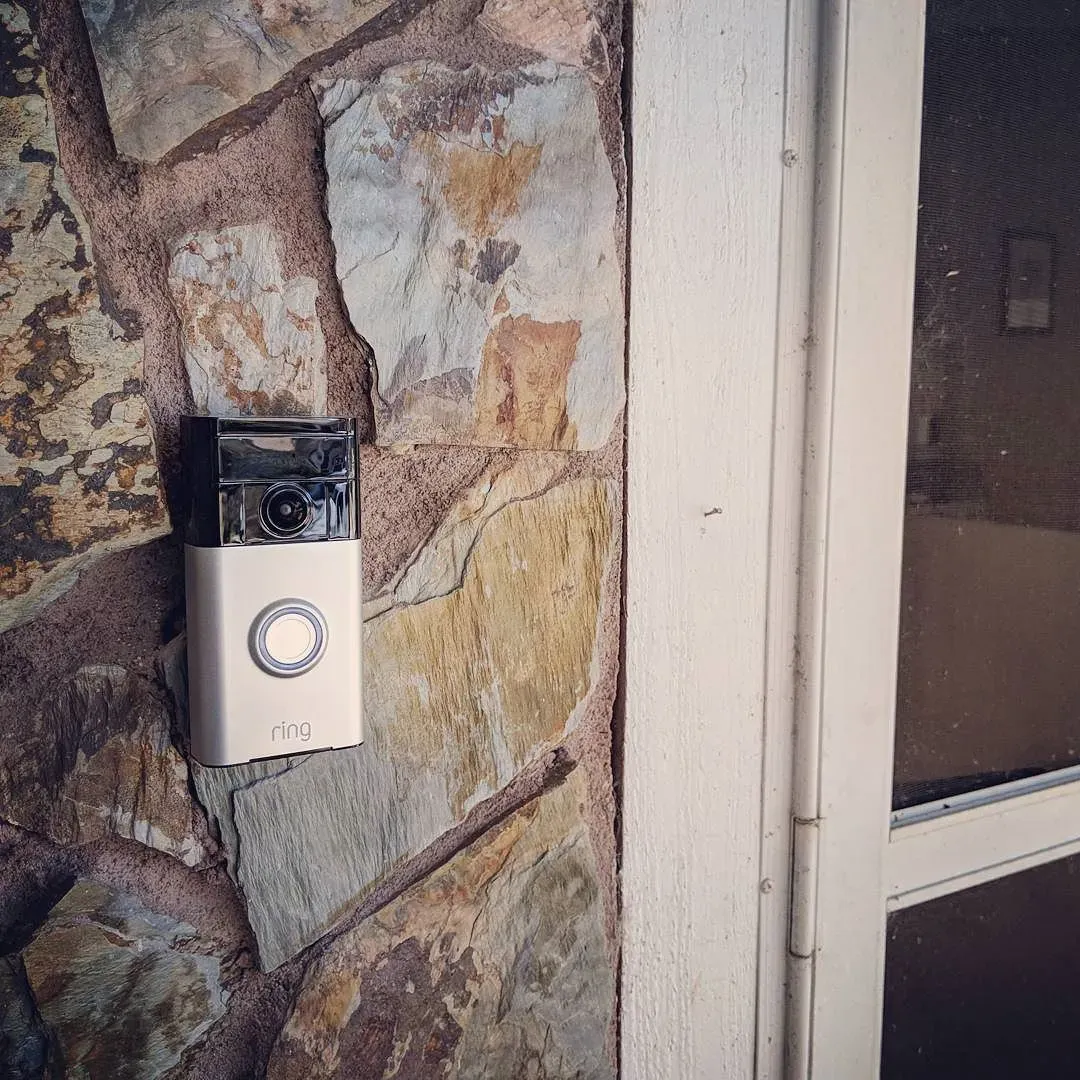
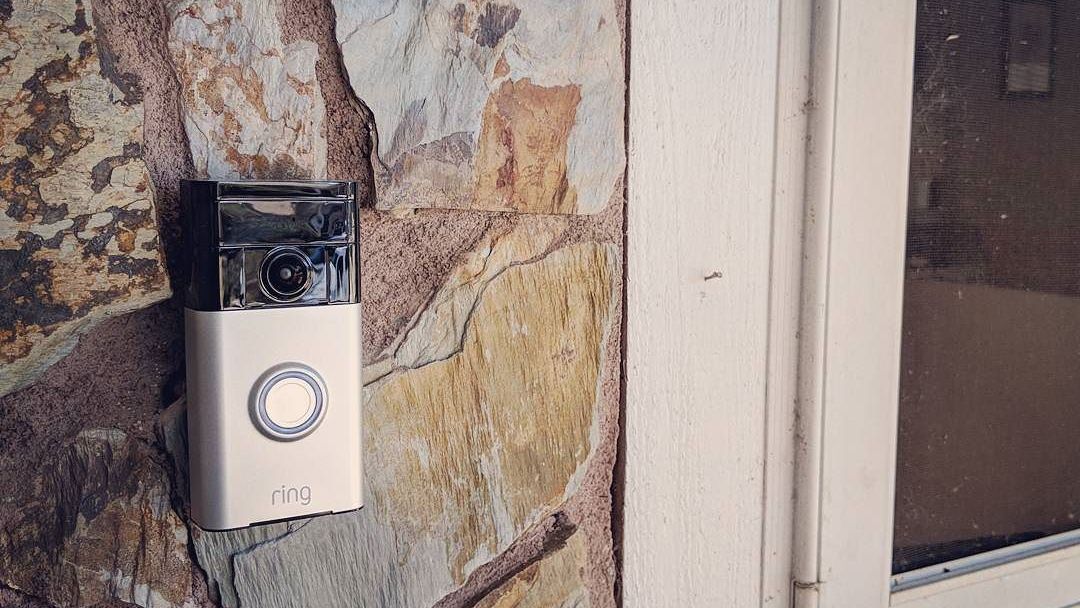
A surprising number of retirees say the video doorbell changed their entire sense of nighttime security. A late-night knock – whether it’s a lost driver, a package thief, or something more concerning – can now be handled without opening the door or leaving the bedroom. You see who’s there, you speak if needed, and you stay exactly where you are. That level of control is something most people don’t realize they’re missing until they have it.
Current models like Ring and Google Nest integrate real-time video with two-way audio and remote monitoring, and they connect directly to a phone or tablet. Opening the door to a stranger is one of the most common – and most avoidable – safety mistakes seniors make. Seeing your front porch clearly at midnight from the comfort of your bed is a genuinely different feeling than lying there wondering. But the front door is only one entry point, which is exactly why #14 matters so much.
#14 – They Secure Sliding Doors and Windows With Physical Bars

Smart locks are great, but retirees with real security experience know a determined intruder can bypass electronic systems. That’s why the most cautious ones double up with mechanical reinforcements – door jammers, security bars, or even a cut piece of wooden dowel laid in the sliding door track. These are completely passive. No battery, no app, no maintenance. They just work, every night, without being asked.
Sliding glass doors are notoriously weak entry points. A standard factory latch provides almost no resistance against forced entry, and most people never think about it twice. A purpose-built security bar for the track costs under $20 and adds a meaningful physical barrier that electronic locks simply can’t replicate. The best safety upgrades are the ones that work quietly in the background – and this one does exactly that. While you’re thinking about the perimeter, #13 is the outdoor habit most people completely overlook.
#13 – They Leave Strategic Exterior Lights On All Night
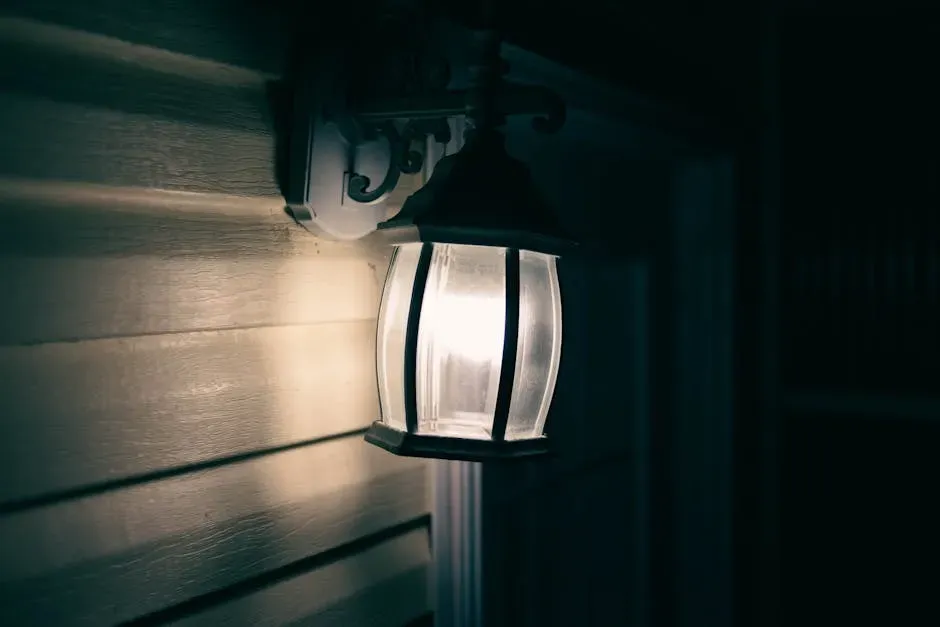
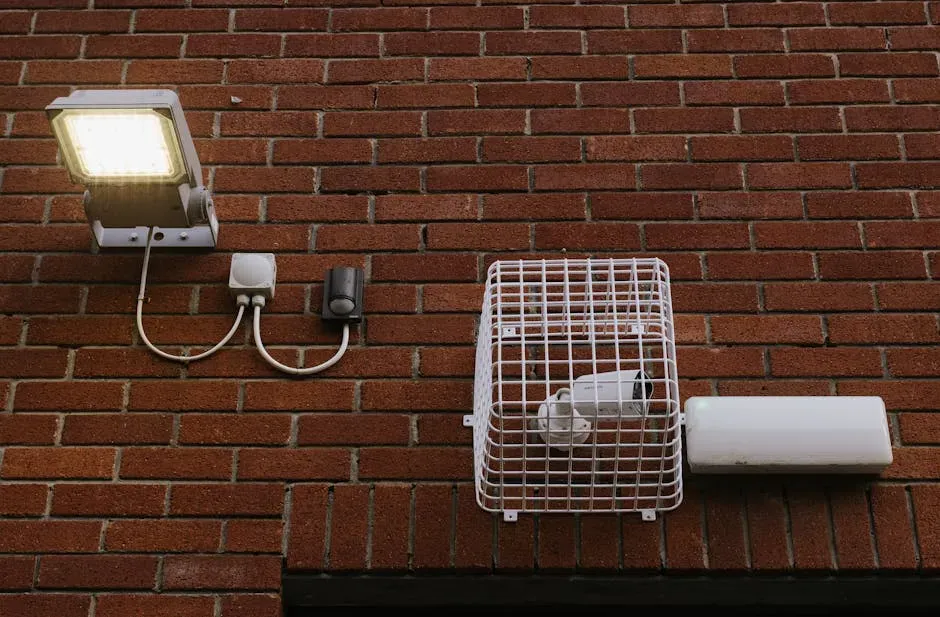
It’s not about leaving every light blazing. It’s about deliberate placement. Motion-activated lights and dusk-to-dawn fixtures near front and back doors, walkways, garages, and porches serve two purposes at once: they deter intruders and they light the path if a senior needs to step outside after dark. Retirees who’ve thought this through test their lights regularly, replace burned bulbs promptly, and position motion sensors to cover blind spots.
The Department of Justice reports that homes with consistent exterior lighting experience 44% fewer intrusions. That’s not a rounding error – it’s nearly half. Solar-powered path lights are a favorite among retirees because there’s no wiring, no electricity cost, and almost no maintenance. The right exterior lighting is one of the highest-return safety investments a homeowner can make. But it’s what happens with lighting inside the house that trips most people up – literally – as you’ll see in #12.
At a Glance
- Homes with consistent exterior lighting see 44% fewer intrusions (Dept. of Justice)
- Motion-activated fixtures cover blind spots without running all night
- Solar path lights: no wiring, no electricity cost, minimal upkeep
- Dusk-to-dawn bulbs replace timers and never need manual adjustment
- Regular bulb checks matter – a burned-out light is the same as no light
#12 – They Install Motion-Sensor Lights Along Every Nighttime Route
Picture the path from your bedroom to the bathroom at 3 a.m. Now picture walking it half-asleep without touching a switch. That’s what a well-placed motion-sensor setup makes possible. The light comes on before you’ve taken a single dangerous step in the dark – no fumbling, no squinting, no guessing where the edge of the rug ends and the hardwood begins.
Many retirees layer both plug-in nightlights and battery-backed motion sensors so the route stays visible even during a power outage. Darkness hides steps, furniture edges, and loose rugs that can drop a person instantly – motion-activated lighting removes that risk passively, without requiring any thought or action from someone who’s half asleep. That layered thinking is exactly what separates their approach from everyone else’s. Speaking of layers – #11 is about what you put on your feet before you even get out of bed.
#11 – They Keep Non-Slip Footwear Right Next to the Bed

Socks are the enemy. Smooth hardwood, tile, or laminate flooring combined with socked feet in the middle of the night is a slip-and-fall waiting to happen. Experienced retirees keep a pair of non-slip slippers or grip socks directly beside the bed – close enough to put on before their feet fully hit the floor. It’s a 10-second habit that eliminates one of the most common causes of nighttime falls in the home.
Wearing properly fitted shoes with nonskid soles is a core fall-prevention recommendation from the National Institute on Aging – avoid walking in stocking feet, and replace slippers that have stretched out and gone loose. Some fabrics like acrylics and satins can make bed surfaces slippery too, which means new pajamas and bedding are worth a closer look. Grip slippers cost almost nothing and remove a real, recurring risk that people 20 years younger never even think about. But footwear is only one piece of the bedroom equation – #10 is about the bed itself.
#10 – They Make Sure the Bed Height Is Set for Safe Entry and Exit

This one surprises people. Most of us sleep in whatever bed we’ve had for years without ever asking whether it’s the right height for getting in and out safely in the dark. A bed that’s too low requires a significant effort to stand from. A bed that’s too high – where your feet can’t easily reach the floor – turns every exit into a controlled fall waiting to happen. The right height means feet flat on the floor with hips just slightly above the knees.
Wrong bed height is one of the most commonly cited and most overlooked factors in nighttime bedroom falls. Placing a sturdy, heavy nightstand directly beside the bed adds something to hold onto while standing up or sitting down – it doubles as both a surface and a support. Getting this right costs nothing and changes the risk profile of every single night. And once you’re in bed, the habit in #9 is one the savviest retirees do without fail.
Quick Compare
- Bed too low: Requires serious leg strength to stand; harder after waking from deep sleep
- Bed too high: Feet dangle; every exit becomes a small drop
- Right height: Feet flat on the floor, hips slightly above the knees – safest for standing
- Bonus fix: A heavy, stable nightstand doubles as a grab support at zero extra cost
#9 – They Put a Charged Phone and Flashlight Within Arm’s Reach of the Bed

Power outages, medical events, strange sounds outside – any of these can happen at midnight, and the worst time to go looking for your phone or a flashlight is when adrenaline is already pumping. Retirees who take nighttime safety seriously treat the bedside table like a small emergency station. Phone charged, flashlight within reach, and – for those who live alone – those two items are non-negotiable before the light goes off.
A fully charged phone means you can call 911, contact a family member, or use a voice assistant without getting out of bed at all. Smart assistants can control lighting, thermostats, security systems, and medication reminders from bed – which limits unnecessary nighttime movement and reduces fall risk in its own right. The goal is to need to get up as little as possible when something goes wrong. #8 takes that emergency-preparedness thinking one critical step further.
#8 – They Wear or Keep a Medical Alert Device Within Reach While Sleeping

There’s a reason this habit has become nearly universal among retirees who live alone or have any mobility concern. If something goes wrong at night – a fall, a medical event, a moment of sudden disorientation – being able to call for help without reaching a phone can be the difference between a quick response and hours spent alone on the floor. Many retirees who have one say they wish they’d started years earlier, before they thought they needed it.
Current medical alert devices can be worn as necklaces, bracelets, or watch-style wearables, and connect directly to a 24/7 monitoring center. The newest models include automatic fall detection, meaning they can send an alert even if you’re unable to press the button yourself. According to a 2025 survey by the National Council on Aging, most users wear their device as a necklace or wristband, and the majority say a fall – either their own or a loved one’s – triggered the decision to get one. It’s the kind of quiet backup most people don’t think they need – right up until the night they do.
Worth Knowing
- Most medical alert systems run $20–$45/month with no long-term contract required
- Automatic fall detection can alert a monitoring center even if you can’t press the button
- Top-rated 2026 options include Bay Alarm Medical, Medical Guardian, and Lively Mobile2
- Some Medicare Advantage plans offer discounts – worth checking before paying full price
- Chest-worn sensors have shown up to 98% fall detection accuracy in research studies
#7 – They Test Smoke and Carbon Monoxide Detectors on a Fixed Schedule
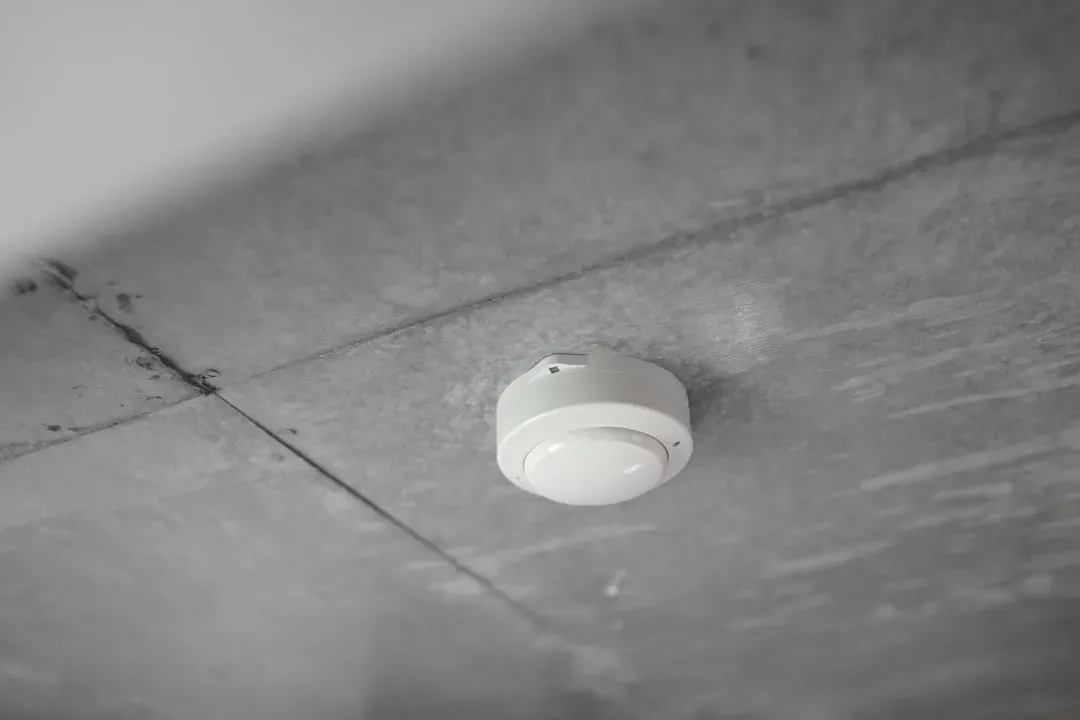
Having detectors installed is not the same as having detectors that work. In fires where smoke alarms were present but didn’t sound, the National Fire Protection Association found that more than 43% had missing or disconnected batteries. Retirees who take this seriously treat detector maintenance like a recurring bill – monthly tests, battery swaps every six to twelve months, full unit replacement every decade. No exceptions.
The NFPA also reports that adults 65 and older are 2.5 times more likely to die in a fire than younger individuals, largely because of slower reaction times and mobility challenges that make rapid escape harder. Carbon monoxide is called the “silent killer” for a reason – it has no smell, no color, and no warning signs before it becomes dangerous. Detectors need to be placed inside every bedroom and outside sleeping areas, not just in hallways. Many homes still get this wrong. Placement matters just as much as having them at all – which leads directly to what #6 addresses.
#6 – They Clear the Floor of Every Trip Hazard Before Turning Off the Lights

It sounds almost too obvious to mention. It isn’t. A pair of shoes beside the bed, a magazine on the floor, a phone charger cord crossing the hallway – these are the things that send people to emergency rooms at 2 a.m. Experienced retirees do a fast visual sweep of the bedroom, hallway, and bathroom before turning in. After about a week, it becomes automatic. The cost is 60 seconds. The alternative is a fracture.
Non-slip pads under area rugs, cords routed away from walking paths, and absolutely no throw rugs in the bedroom – these are the specific recommendations from the National Institute on Aging’s room-by-room safety guidelines. Clutter on the floor at night is an entirely preventable risk, and it’s one that accumulates gradually and invisibly until it isn’t invisible anymore. The habit in #5, though, is one most people don’t start until they’ve already had a problem – and that’s a shame.
#5 – They Keep Furniture in the Same Positions and Never Rearrange Without Relearning the Route

This one sounds odd until you understand the logic. The brain navigates familiar spaces almost on autopilot – especially when you’re groggy and the lights are low. When furniture shifts, even slightly, that autopilot gets thrown off. Retirees who’ve moved safely through their homes for years know a consistent floor plan isn’t about aesthetics. It’s a navigation system that works best when you’ve stopped thinking about it.
The same principle extends to everyday objects: the water glass on the same side of the nightstand, the phone charger in the same outlet, the slippers in the same spot. When changes to a bedroom layout cause disorientation in the dark, the result is often a fall mid-stride – someone reaching for furniture that isn’t where they remembered it. Stability and predictability are profoundly underrated safety tools. But #4 is about something that catches even careful people completely off guard.
#4 – They Review Medications for Nighttime Side Effects With Their Doctor

Here’s the one that genuinely surprises people. Falls, dizziness, and nighttime disorientation aren’t always about floor layout or lighting. Sometimes the biggest risk is already in the medicine cabinet. Some medications cause side effects – dizziness, confusion, blood pressure drops – that are especially dangerous at night when someone gets up suddenly from deep sleep. The more medications a person takes, the higher the cumulative fall risk becomes.
Physical changes, health conditions, and the medications used to treat them all make falls more likely with age. Fall prevention researchers have found that while annual medication review compliance is relatively high among seniors who know about it, awareness that it reduces fall risk is still surprisingly low. The gap isn’t effort – it’s information. Asking a doctor or pharmacist specifically which medications could impair nighttime balance or alertness is one of the most powerful safety steps on this list and one of the least glamorous. Number #3 costs nothing and takes ten seconds – but almost no one does it.
Why It Stands Out
- Blood pressure medications can cause sudden drops when standing up from sleep
- Sleep aids, antihistamines, and muscle relaxants all increase nighttime fall risk
- Taking 4 or more medications at once significantly multiplies cumulative fall risk
- A pharmacist – not just a doctor – can flag dangerous drug interactions at no cost
#3 – They Do a Quick Visual Check of the Stove and Appliances Before Bed
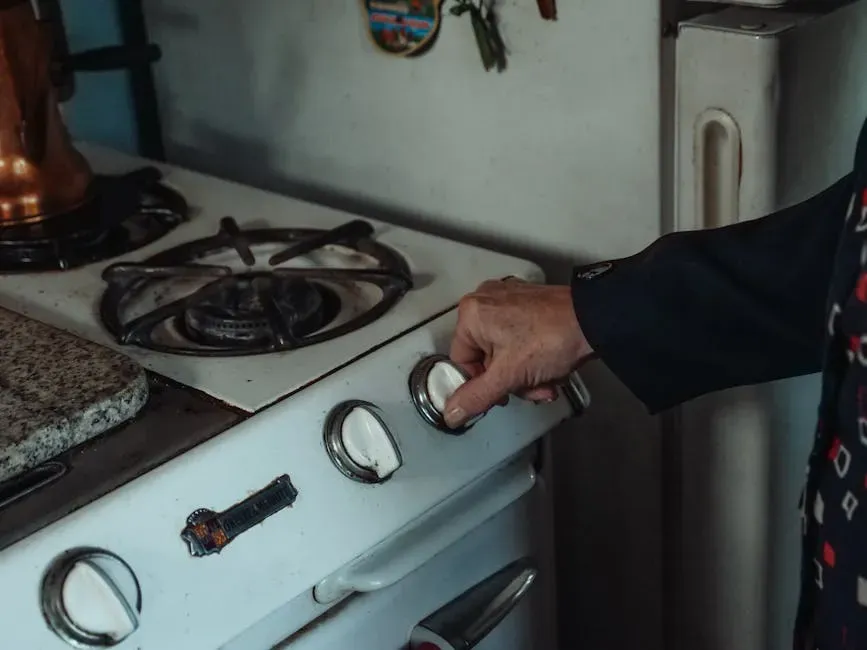
Retirees who’ve had a kitchen scare – or watched a neighbor’s house catch fire from a forgotten burner – develop this habit fast and never drop it. Before bed, every night: a quick walk to the kitchen to confirm the stove is off, nothing is sitting near a heat source, the coffeemaker is unplugged. It takes 30 seconds. Most house fires that start in the kitchen do so because something was left on or left too close to something hot – and most of those fires ignite at night when no one is awake to catch them early.
Appliance safety also means regularly cleaning the lint filter in the dryer and making sure vents aren’t blocked – dryer fires are among the most common and most preventable household fires. This is the kind of unglamorous habit that retirees try to pass down to their adult kids, who mostly nod and then ignore it until they almost learn it the hard way. The 30-second kitchen walk-through eliminates a genuine, recurring risk. Now for #2 – which may have the most psychological payoff of anything on this list.
#2 – They Have a Written Emergency Plan – and Have Actually Practiced It

Most people have a vague idea of what they’d do in an emergency. Retirees who take nighttime safety seriously have something more concrete: an actual plan. They know which door is the safest exit from the bedroom. They know where the fire extinguisher is. They know who to call first if a medical event happens at midnight. Having it written down somewhere visible is the difference between acting with purpose and freezing in confusion.
This matters more at night than any other time, because waking from deep sleep to an alarm or a loud noise produces real cognitive fog. People who’ve mentally rehearsed their response – even once – move faster and make better decisions than those reacting cold. Slower reaction times and mobility challenges make a rapid escape harder as you age, which is precisely why practicing before an emergency is the only version that actually works. The plan doesn’t need to be complicated. It just needs to exist. And then there’s #1 – the habit that ties everything together, and that the most prepared retirees treat as completely non-negotiable.
#1 – They Do a Full Nightly Safety Walkthrough Before Bed, Every Single Night Without Exception

This is the habit that separates people who think about safety from people who actually have it. Not a mental checklist – a physical walk. Locks confirmed. Lights set. Floor paths cleared. Stove off. Devices charged. Medical alert on. The whole circuit takes under three minutes. Retirees who’ve done it for years describe it the way most people describe brushing their teeth: it’s not something they think about anymore. It just happens.
The National Safety Council reports that in 2024, over 43,000 adults aged 65 and older died from preventable falls, with more than 3.85 million treated in emergency departments for fall-related injuries in 2023 alone – and the overwhelming majority were preventable. The nightly walkthrough doesn’t require money, technology, or any special equipment. It requires only consistency, which – as every retiree who swears by it will tell you – is both the hardest and the most valuable thing of all. The people who start this habit early rarely end up wishing they had. The people who don’t almost always do.
At a Glance: The 3-Minute Nightly Walkthrough
- Confirm every door and ground-floor window lock
- Verify stove and appliances are off
- Clear any trip hazards along all nighttime routes
- Check that phone, flashlight, and medical alert device are charged and within reach
- Confirm exterior and interior safety lights are set
None of these 16 habits are complicated, and most of them are completely free. What they require is a single decision: to stop treating nighttime as a guaranteed safe zone and start treating it as the specific window of vulnerability it actually is. Retirees who’ve made that decision aren’t living in fear. They’re sleeping better because they’ve made fear unnecessary. If even two or three of these habits are missing from your nightly routine right now, tonight is a reasonable time to start.