

Most families assume the home is the safest place for an aging parent. It’s familiar, it’s comfortable, it’s theirs. But here’s what ER nurses will tell you quietly, after years of piecing together how patients ended up in their bay: in 2024 alone, 43,020 individuals aged 65 and older died from preventable falls, and over 3.85 million were treated in emergency departments for fall-related injuries – a number that has climbed 38% over the past decade. That’s not a freak-accident problem. That’s a home-environment problem.
What’s genuinely unsettling is that nurses see the same hazards on repeat. Not exotic dangers – the lamp cord across the hallway, the bathroom with no grab bars, the pill organizer sitting empty on a Tuesday. What follows is the list they wish more families would read before someone ends up on a gurney.
#1 – Stairs to the Bedroom With No Realistic Plan to Avoid Them
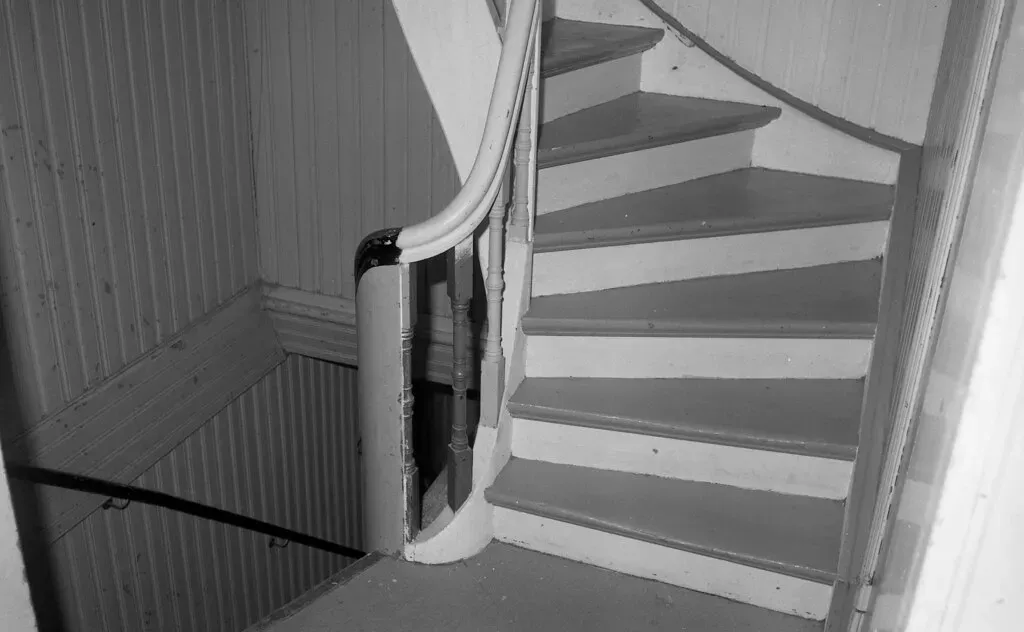
Of everything ER nurses and home health workers flag as a slow-building crisis, this carries the most weight: a two-story home where the bedroom and bathroom are upstairs, and the person is navigating those stairs multiple times a day with diminishing balance, fading vision, and weakening legs. Over the past decade, fall-related deaths among adults 65 and older have increased by 51%. A significant portion of those are stair falls in the person’s own home – the place everyone assumed was safe.
A national survey found that 22.9% of home falls resulting in an ER visit happened on the stairs, making it the second most common specific location inside the house. But the real danger isn’t the single dramatic tumble – it’s the near-miss that happens every week, quietly building until the inevitable. Families often say they knew the stairs were a problem “for a while.” Moving a bedroom to the ground floor, adding a stairlift, or having a serious conversation about the living situation is hard. ER nurses will tell you, clearly and without drama, that it’s far easier to have it before someone ends up on a gurney.
Fast Facts
- Fall-related deaths among adults 65+ have risen 51% over the past decade.
- Nearly 1 in 4 older adults falls every year – but fewer than half tell their doctor.
- Falling once doubles the chance of falling again.
- Stair falls account for roughly 22.9% of home fall ER visits – almost 1 in 4.
- Over 3.85 million older adults were treated in ERs for fall injuries in 2023.
#2 – No Working Smoke or Carbon Monoxide Detector
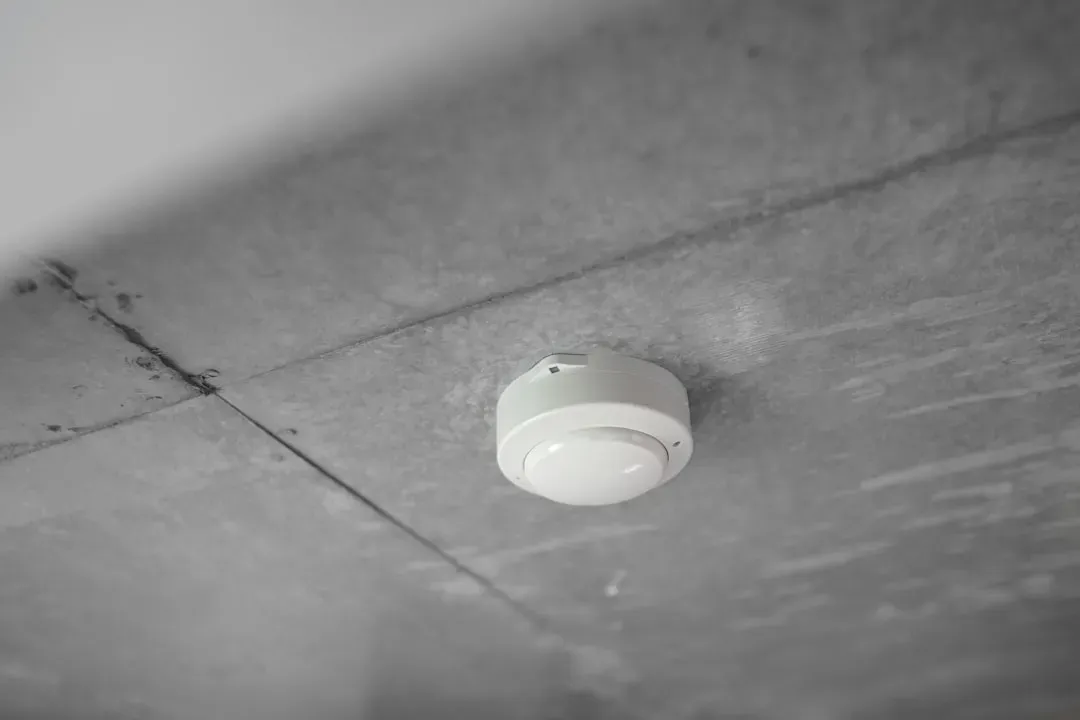
Older adults are at greater risk than any other age group of dying in a house fire – and they’re also less likely to be woken by a smoke alarm, due to age-related changes in sleep depth and hearing. A smoke alarm with a dead battery, or no alarm at all, removes the only early warning system an older adult has at night. Smoke detectors belong in every bedroom and on every level of the home, with batteries replaced every six months.
Carbon monoxide poisoning is even more insidious – it’s odorless, invisible, and mimics flu symptoms or confusion, meaning it can go completely unrecognized in an older adult until they’re unconscious. Having all fuel-burning appliances inspected yearly and installing working CO detectors throughout the home is basic safety infrastructure. But in a significant number of homes where older adults live alone, these devices are missing, dead, or disabled. ER nurses know this because they’ve seen what happens when they’re not there.
#3 – A Water Heater Set Far Too High
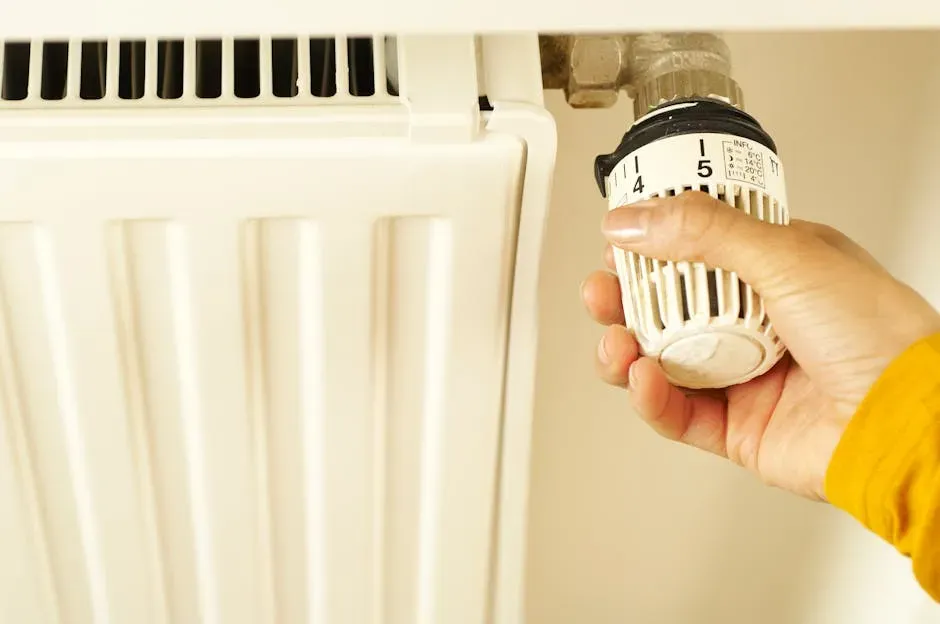
This one genuinely surprises most families. Scalding burns are a significant but underreported source of ER visits in older adults, and the culprit in many homes is a water heater that was set decades ago and never touched since. The U.S. Department of Energy recommends setting water heater thermostats at 120°F for safety. The reason this is especially dangerous for older adults is twofold: reaction time slows with age, and skin sensitivity decreases – meaning someone may not feel that the water is burning them until serious damage has already occurred.
A scald burn that causes a younger person to flinch and step back can cause a full-thickness burn requiring hospitalization in someone over 70 before they fully register the pain. Anti-scald devices on faucets add another layer of protection. Setting a hot water heater to no more than 120 degrees is one of the simplest and most overlooked home safety adjustments that exists. Check the thermostat. It takes two minutes.
#4 – No Medical Alert Device and a Phone That’s Always in Another Room

Every 11 seconds, an older person is treated for a fall in an emergency room. But the statistics don’t capture what happens in the gap between the fall and the 911 call. A person who falls and cannot get up – and cannot reach a phone – can lie on a hard floor for hours. That “long lie,” as it’s called in emergency medicine, dramatically worsens outcomes. Dehydration sets in. Hypothermia can develop on cold tile. Secondary injuries from the body’s position compound the original one.
ER nurses have seen patients who lay on their kitchen or bathroom floor for 12 hours or more before being found – and it was the long lie, not just the fall itself, that caused the most serious damage. Medical alert systems provide immediate help at the press of a button and have become increasingly affordable and wearable. A phone permanently left on the kitchen counter is not a safety plan. For anyone living alone over 70, a wearable alert device is one of the highest-impact investments a family can make – and yet most homes don’t have one.
#5 – Electrical Cords Running Across Walkways

Extension cords and charging cables stretched across floors are so normalized in American homes that nobody notices them anymore. But in a household where an older adult shuffles their feet slightly – a completely natural gait change that comes with age – those cords are trip wires. The shuffle-walk pattern many seniors develop isn’t a quirk. It’s a subconscious adaptation to balance changes. The foot doesn’t fully clear the ground with each step, which means even a low cord at ankle height can catch it.
The truly dangerous cords are the ones that have been there so long that everyone in the household has stopped seeing them. They get stepped over hundreds of times without incident – until they don’t. Running cords behind furniture, along baseboards, or replacing lamps with wireless solutions takes a Saturday afternoon. It’s the kind of fix that families often say they were “meaning to do” when they’re sitting in a hospital waiting room.
#6 – Expired, Unlabeled, or Mixed-Up Food in the Refrigerator
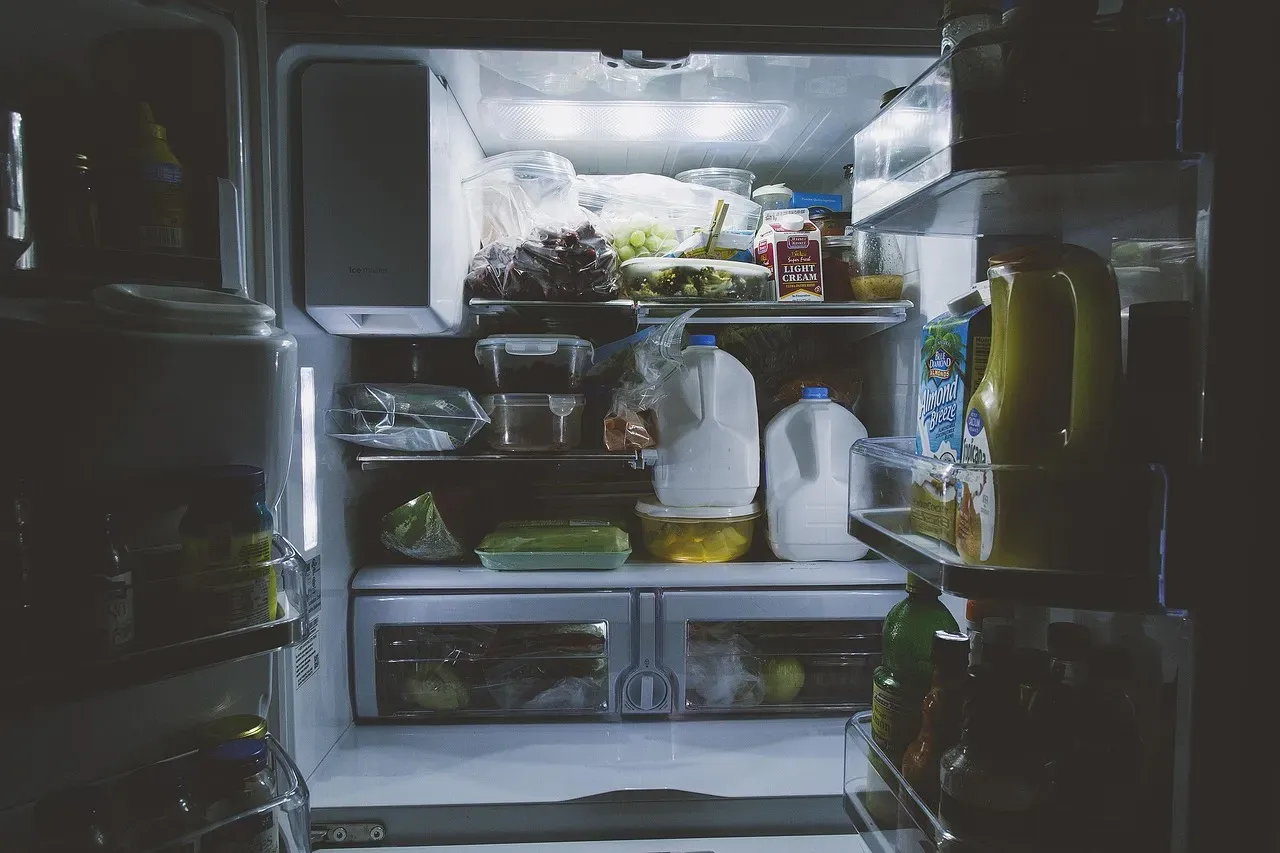
ER nurses and home health workers who do assessments describe a specific moment of concern when they open a patient’s refrigerator: food with no clear dates, leftovers that have been there far too long, or contents that suggest someone has stopped eating real meals. A foodborne illness in someone over 75 with a weakened immune system doesn’t stay mild – it can spiral into serious dehydration, sepsis, and hospitalization with alarming speed.
Beyond spoiled food, the bigger pattern nurses notice is a fridge that’s nearly empty – evidence of someone who has quietly stopped eating regularly. Poor nutrition weakens muscle mass, accelerates bone density loss, impairs balance, and reduces immune response. All of that directly increases fall risk and infection vulnerability. A near-empty refrigerator and near-empty water glasses are two sides of the same dangerous coin, and both are visible to anyone willing to look.
Worth Knowing
- Poor nutrition in older adults accelerates muscle loss – a key driver of balance failure and fall risk.
- Foodborne illness can escalate to sepsis in adults 75+ far faster than in younger people.
- A near-empty fridge is one of the earliest visible signs of self-neglect or cognitive decline.
- Dehydration and malnutrition together impair the immune system, coordination, and reaction speed.
#7 – Furniture Being Used as a Walking Aid

Watch how an older adult moves through their living room. Do they grip the back of the couch as they pass? Reach for the counter rounding into the kitchen? Shuffle along the wall in the hallway? This is called “furniture surfing,” and it’s a real-time sign that a person’s balance has deteriorated to the point where they need assistive support – but haven’t received it yet. The furniture they’re relying on – a rolling office chair, a lightweight side table, a wobbly bookshelf – was never designed to hold a person’s weight mid-fall.
When a person grabs a lightweight chair for support and it slides, the resulting fall is often worse than if nothing had been there at all. The underlying issue is that this person probably needs a cane or a walker and either doesn’t know it or is resisting one. Whether the trip is to the kitchen or across the living room, a mobility aid is essential – and a conversation with a doctor about balance and gait is long overdue in more homes than most families realize.
#8 – A Shower or Tub With No Non-Slip Mat

Bathtubs were not designed with 75-year-old bodies in mind. They have a high step-over threshold, a hard porcelain surface, and they get coated in soap residue every single day. The bathroom is consistently one of the top locations for senior falls – 235,000 people visit the ER each year for a bathroom fall, and 14% of those are hospitalized. Getting in is hard enough. Getting out on a wet foot, with residual soap on the floor, is where most of the accidents happen.
A textured non-slip mat costs about $15. A hip replacement costs upward of $35,000 and comes with a recovery that often permanently alters an older adult’s independence. Non-slip mats inside and outside the tub add traction; a shower chair provides a safe place to sit and eliminates the balance challenge of standing on one foot to wash. ER nurses see tub falls constantly. The households where they happen almost never have a mat.
#9 – A Cluttered Floor Path Between the Bed and the Bathroom
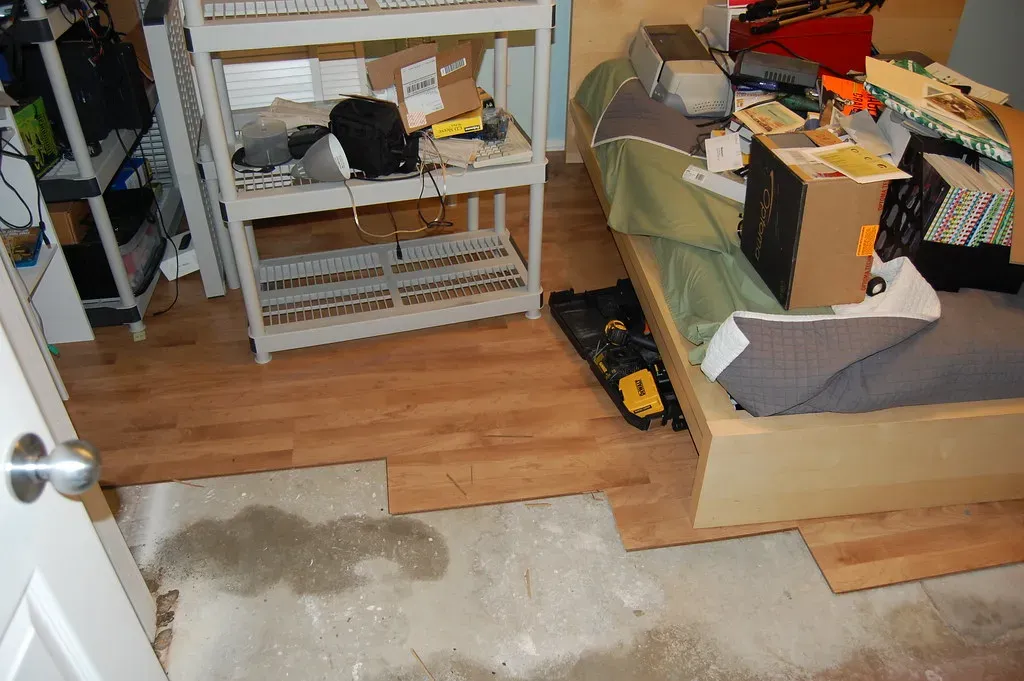
It’s not dramatic clutter, usually. A pair of shoes by the bedside. A charging cable running across the floor. A small stool that got moved and never put back. A laundry basket sitting there for three days. Any one of these objects, encountered at 3 a.m. by someone moving on autopilot, can change everything. Falls are the leading cause of injury among older adults – and many happen in plain sight, tripping even steady people on objects that were always “meant to be moved.”
The path from the bed to the bathroom is the single highest-risk corridor in any older adult’s home, bar none. Clearing that corridor – shoes in the closet, cables routed along the wall, nothing on the floor between bed and bathroom – takes less than ten minutes and can prevent a hip fracture that sidelines someone for months. It’s one of the fastest, cheapest, highest-return safety fixes in existence. Most homes haven’t done it.
At a Glance: The Overnight Fall Risk Chain
- 3 a.m. bathroom trip – the single most common timing for senior home falls
- Low lighting – age-related vision changes make dark hallways genuinely hazardous
- Sedating medications – many sleep aids and blood pressure drugs impair balance and coordination
- Cluttered floor path – even one misplaced object between bed and bathroom is enough
- No grab bar nearby – nothing to catch a stumble before it becomes a fall
#10 – Almost No Drinking Glasses or Water Visible Anywhere

Walk through an older adult’s kitchen and count how many water glasses are out, accessible, and filled. In many homes, there isn’t one. It’s estimated that up to 40% of older adults are chronically under-hydrated – and the problem isn’t willpower. Older adults experience reduced thirst perception and diminished kidney function, meaning they can be dangerously dehydrated without feeling thirsty at all. That’s what makes it so insidious.
Confusion, sudden dizziness, and “acting strange” – symptoms that families often interpret as a stroke scare – frequently turn out to be severe dehydration in the ER. Dehydration in seniors raises the risk of falls, UTIs, kidney problems, and cognitive decline. When you layer medications like diuretics on top of already-reduced fluid intake, the risk compounds fast. A visible, filled water glass within easy reach is not a small thing. In some households, it’s the difference between a quiet Tuesday and an ambulance call.
#11 – Medications Piled Up With No Clear System
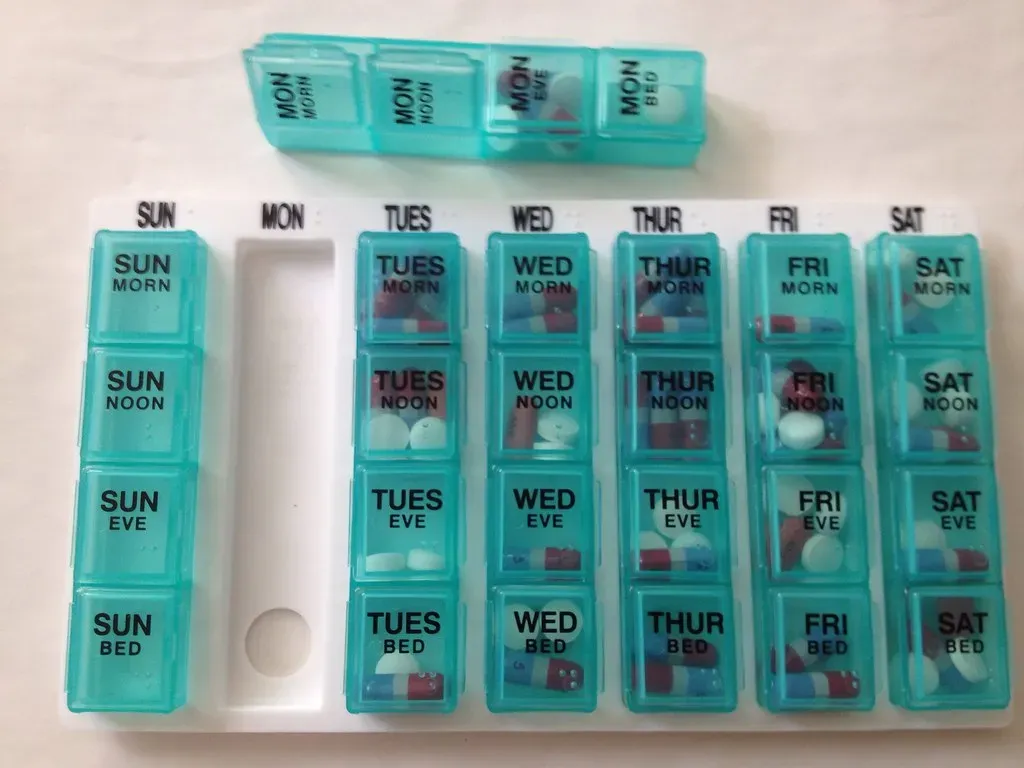
Nurses working triage don’t just ask what happened – they ask what medications the patient takes. When the answer is a shrug, or a grocery bag of 15 bottles handed over without explanation, that’s a red flag that something has been going wrong at home for a while. Polypharmacy is extremely common in older adults, and the more drugs in the mix, the higher the chance of dangerous interactions, accidental double doses, or missed doses that trigger a quiet crisis. Unsecured or disorganized medications are a recognized safety hazard – especially in households with any memory concerns.
The most common medication-related scenario ER nurses see isn’t dramatic overdose – it’s the quiet cascade: a missed blood pressure pill leading to a spike, or a double dose of a diuretic causing dangerous dehydration. A simple, clearly labeled pill organizer checked daily can prevent hospitalizations that cost families thousands of dollars and weeks of difficult recovery. It’s one of the highest-leverage, lowest-cost interventions available – and in many households, there’s nothing like it in sight.
#12 – Stairs Without Sturdy Handrails on Both Sides
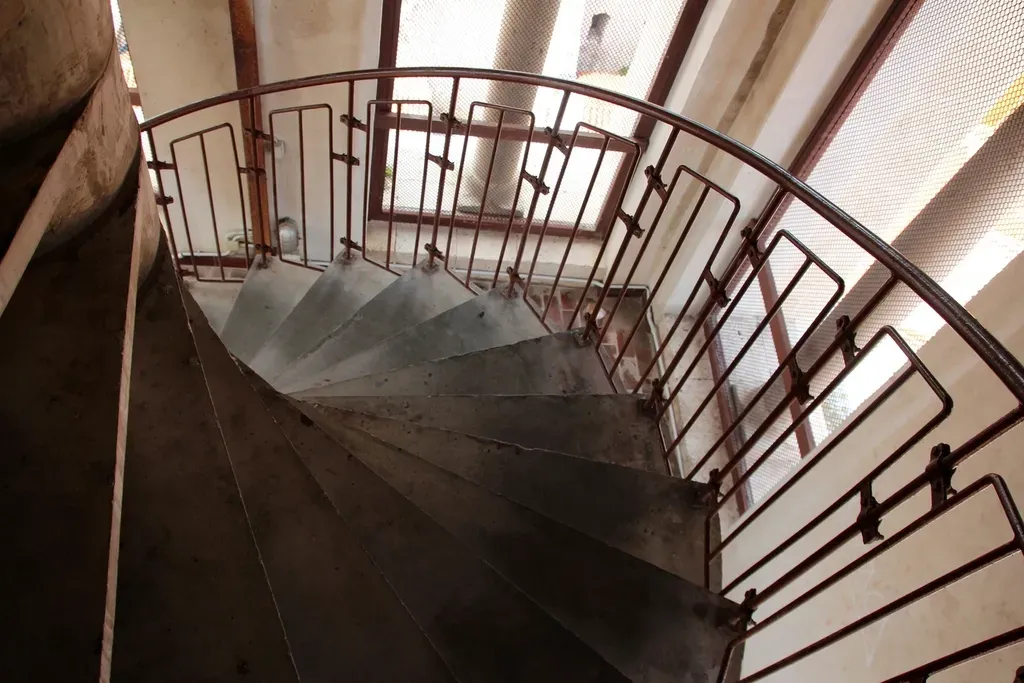
A national survey found that among home falls resulting in an ER visit, 22.9% occurred on stairs – almost one in four. That’s a structure most families treat as permanent and non-negotiable because the house was built that way. Stairway falls are cited as a leading cause of accidental death in older adults, and several specific factors make them worse: steep risers, poor lighting, and handrails that are present in name only.
A single handrail on one side might have worked fine at 50. At 75, it’s often not enough – especially when carrying laundry or navigating with a cane. A wobbly or loose handrail is actually more dangerous than no handrail at all, because it can shift right when a person puts their full weight on it. Sturdy, properly mounted handrails on both sides of the staircase are essential – not optional, not eventually. This week.
#13 – Dim Hallways and No Nightlights Between Bedroom and Bathroom
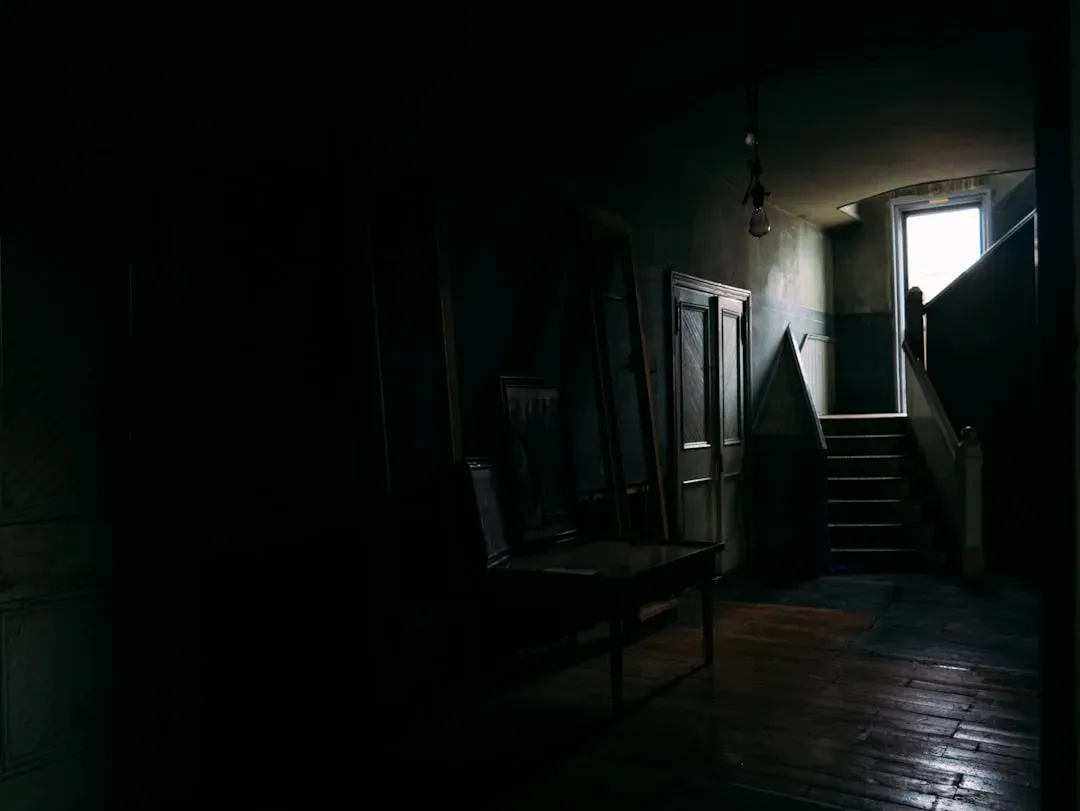
Ask any ER nurse when most older adult falls happen at home, and they’ll say the same thing: the overnight bathroom trip. A person wakes at 3 a.m., disoriented from sleep, possibly on a sedating medication, and navigates a dark hallway they assume they know by heart. What looks like a clear path in daylight becomes a minefield of chair legs, pet bowls, and door thresholds in the dark. Age-related vision changes make low-light navigation genuinely dangerous – not just inconvenient.
The most effective and least expensive fix is a motion-activated nightlight placed every 8 to 10 feet between the bedroom and the bathroom. Motion-sensor lights in hallways, bathrooms, and near the bed remove the most dangerous variable: the moment when a person is upright, disoriented, and in the dark. It sounds almost too simple. But the data says it works – and ER nurses say the homes where these falls happen almost never have them.
Quick Compare: Nightlight Options for Seniors
- Motion-activated plug-in nightlights – best overall; turn on automatically, no fumbling for switches (~$8–15 each)
- Always-on LED night lights – simple and cheap, but use more energy and provide fixed light only
- Under-bed motion sensor strips – illuminate the floor path the moment feet hit the ground; excellent for bedroom exits
- Smart bulbs on voice control – good for tech-comfortable seniors, but require setup and Wi-Fi reliability
#14 – A Bathroom With No Grab Bars Anywhere
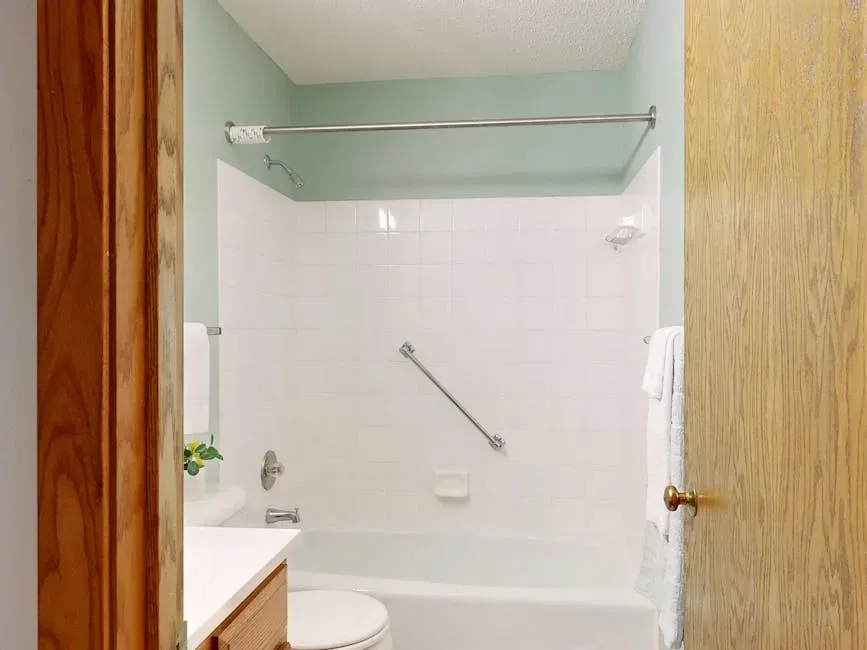
The bathroom is one of the most dangerous rooms in any American home for someone over 65. A CDC report found that 235,000 people go to the ER each year from a bathroom fall, and 14% of those are hospitalized. Those injuries happen not just in the tub – they also happen getting up from the toilet. Rising from a low seat requires explosive quad strength that most people over 70 simply no longer have, especially first thing in the morning when blood pressure is still low.
A home with no grab bars is one of the first things experienced ER nurses mentally flag when a patient describes their living situation. Research has found that homes equipped with grab bars and assistive devices reported a 30% reduction in fall-related injuries – and University of Toronto researchers found that participants who had a grab bar were 75.8% more likely to recover their balance during a critical transfer than those who did not. That’s a measurable, significant difference – for a piece of hardware that costs less than $40. The fix exists. Most homes just don’t have it yet.
#15 – Loose Throw Rugs Scattered Through Every Room
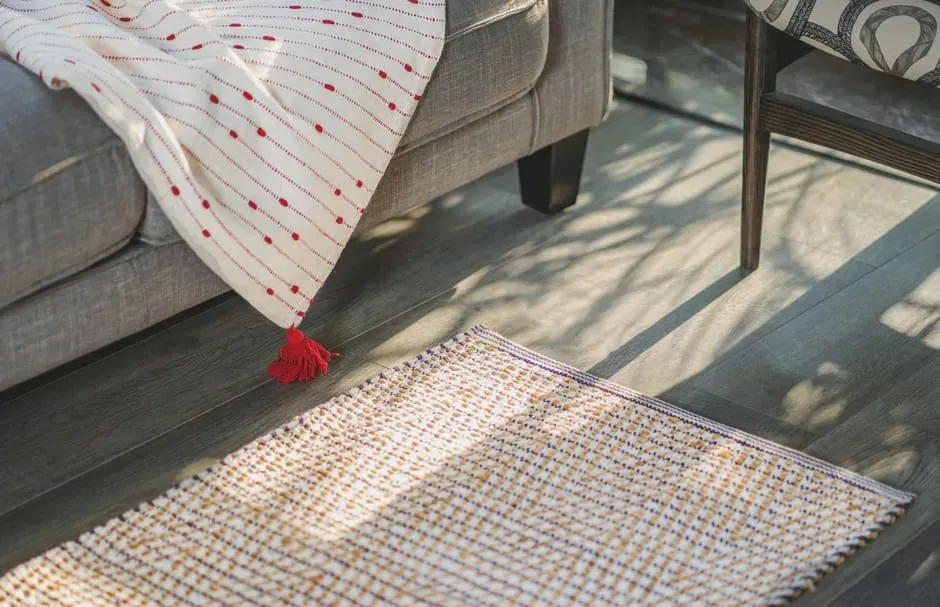
Walk into almost any older adult’s home and you’ll find them: the decorative rug in the hallway, the small mat by the kitchen sink, the faded runner in the bedroom. They feel homey. They’re also one of the most consistent hazards ER nurses describe when patients come in with wrist fractures, hip injuries, and head lacerations. Loose rugs can wrinkle or shift underfoot, and the leading edge catches a shuffling foot at exactly the wrong moment – particularly on smooth flooring where the rug itself can slide.
The single most dangerous rug in any older adult’s home is the one placed right outside the bathroom door – the spot where a person steps out with wet feet, reduced balance from medication, and low lighting at 2 a.m. Seniors should either remove area rugs entirely or secure them with double-sided carpet tape so there’s no edge to catch. ER nurses don’t debate this one. The rugs have to go.
Why It Stands Out: The Hidden Danger of Throw Rugs
- Loose rugs are involved in a disproportionate share of older adult home falls – yet most families see them as décor, not hazards.
- The shuffling gait that naturally develops with age makes rug edges far more likely to catch a foot than they would for a younger walker.
- Smooth hardwood and tile floors let rugs slide on impact, turning a stumble into a full fall instantly.
- Double-sided carpet tape costs under $10 and eliminates the sliding risk – or remove the rug entirely for zero cost.
- The bathroom doorway rug is the single highest-risk placement: wet feet + low lighting + medication side effects = a perfect storm.
The pattern across all 15 of these hazards is the same: they’re visible, they’re fixable, and they’re almost universally present in homes where older adults eventually end up in the ER. None of this requires a major renovation or a large budget. Most of it requires a Sunday afternoon walk-through, a hardware store run, and an honest conversation with a parent or loved one. The hardest part isn’t the fix. It’s recognizing the hazard before it becomes the emergency.