
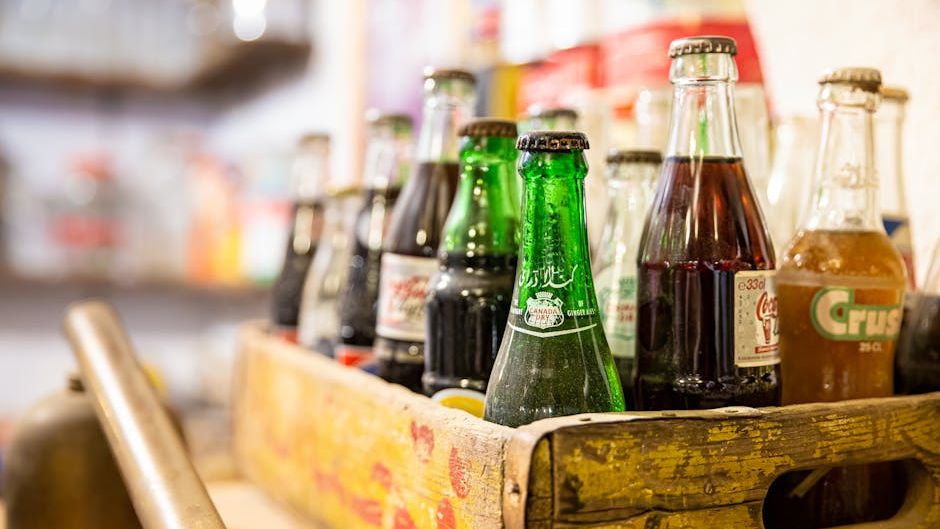
We live in the golden age of home delivery. A few taps on your phone and almost anything shows up within 48 hours. But here’s what nobody talks about: Americans had a far richer, more personal version of home delivery for over a century before Amazon existed – and most of it is completely gone. Not just gone from the mainstream. Gone from memory. Whole industries, entire daily rituals, and dozens of faces that neighbors knew by first name have quietly disappeared without so much as a farewell.
Some of these vanished deliveries kept families warm in winter, kept food from spoiling in summer, and kept communities stitched together in ways a warehouse robot simply can’t replicate. A few of them are so strange by today’s standards that they sound made up. They weren’t. And at least one left physical evidence still sealed inside the walls of millions of American homes right now. Here are 23 things that used to land on your doorstep – and have simply ceased to exist.
#23 – The Sears Catalog Order: A Department Store That Came to You
Long before online shopping, families ordered goods from thick mail-order catalogs. Sears allowed customers to browse hundreds of products and place orders by mail or phone, and everything from clothing and toys to appliances could arrive right at the doorstep. For rural Americans especially, this wasn’t a luxury – it was the only practical way to access goods that city dwellers took for granted. The catalog itself was an event, arriving annually and thumbed to pieces before the next one came.
The Sears catalog became a go-to for one-stop shopping: clothing, furniture, tools, toys, and even full house-building kits could be ordered and delivered across the country. From 1908 to 1940, Sears sold more than 70,000 pre-cut kit homes – shipped primarily via railroad boxcars and delivered as far as Alaska. The last printed Sears catalog was discontinued in 1993, ending a 97-year run that had defined American consumer life and closing a chapter most people didn’t realize was over until it was long gone.
Fast Facts
- Sears offered more than 370 distinct home designs over its 34-year kit-home program
- Kit home prices ranged from roughly $200 to $6,000 – some as low as $146 for a two-room cottage in 1911
- Kits included pre-cut lumber, shingles, millwork, and building instructions – but not land, plumbing, or electrical
- Some Sears kit homes have since sold for over $1 million at today’s real estate prices
- The annual Sears catalog ran to 1,400 pages and featured more than 100,000 items
#22 – Fresh Bread From the Bakery Route
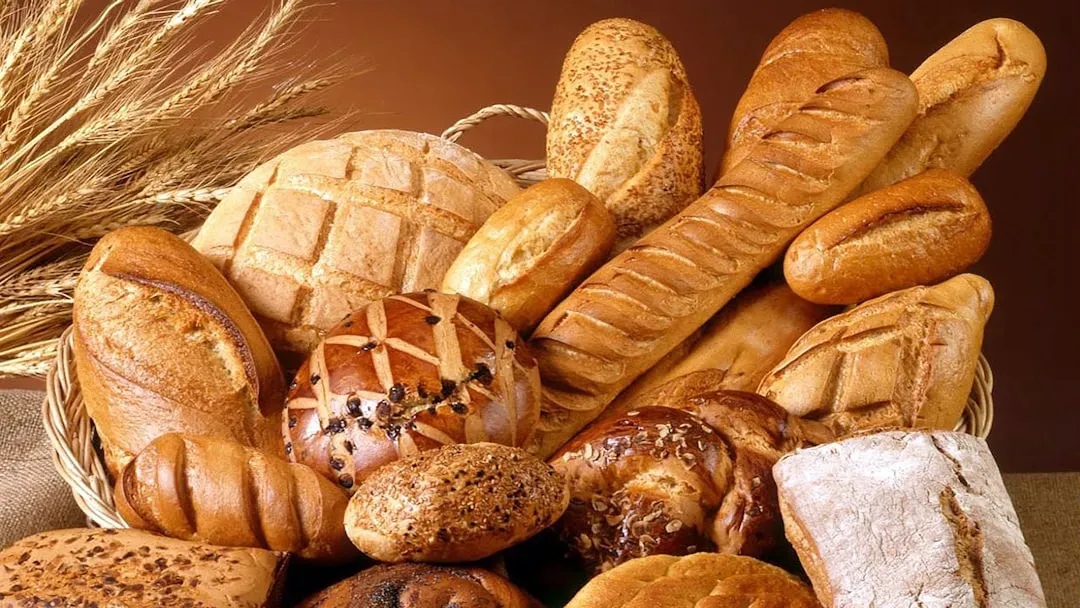
Local bakeries once delivered fresh bread and pastries directly to homes. Drivers brought loaves and sweet baked goods made that very morning, and families placed regular orders to make sure they always had something warm waiting. The smell of fresh bread arriving at the door was a small luxury that was also completely ordinary. This wasn’t a specialty service – it was as routine as the mail.
Bread delivery thrived because supermarkets simply didn’t exist in their modern form yet. The Taystee and Sunbeam bread trucks were fixtures of mid-century American neighborhoods, pulling up before most families had finished their morning coffee. When chain grocery stores took over and offered cheaper, longer-shelf-life loaves, the bread man’s route dried up almost overnight – and with it went the idea that bread was something fresh, something that arrived warm, something worth waiting for.
#21 – The Seltzer Man and His Pressurized Glass Bottles

Before sparkling water brands like LaCroix were trendy, seltzer delivery was the height of fizz sophistication. Delivered in sturdy, pressurized glass siphon bottles, it was perfect for everything from cocktails to afternoon spritzers. In cities like New York, the seltzer man – often a second-generation immigrant – had loyal customers who never switched as long as he was on the route. This wasn’t a transaction. It was a relationship.
These weren’t flimsy plastic bottles. The thick-walled glass siphons were hand-blown in Czechoslovakia, built to withstand up to 60 pounds of pressure per square inch, and reused dozens of times – customers paid a deposit on the bottle itself. In 1960, when seltzer delivery was thriving, there were hundreds of seltzer men working routes across New York City alone. Today, Gomberg Seltzer Works in Brooklyn – now in its fourth generation – is the only remaining seltzer-filling shop in New York City. The bottle design was perfect. The trade just ran out of time.
#20 – Coal Delivery: The Fuel That Kept America Warm

Until around 1940, most American families heated their homes by burning coal. The coal delivery man traveled door to door, shoveling fuel through a small iron door and down a chute into the basement, where homeowners fed it directly into the furnace. This wasn’t a once-a-year event – families needed coal restocked regularly throughout winter, and the coalman’s schedule was as fixed as the calendar.
The job was punishing – heavy sacks, dusty basements, predawn starts – but it kept homes alive through brutal winters for generations. Most American homes built before 1940 still have sealed coal chutes in their foundations: small iron doors set into the brick, permanently shut, silent relics of a winter ritual that lasted for over a century. Natural gas and central heating made coal delivery obsolete almost overnight. The chutes stayed. Everything else vanished.
#19 – Bottled Soda From the Local Bottling Company
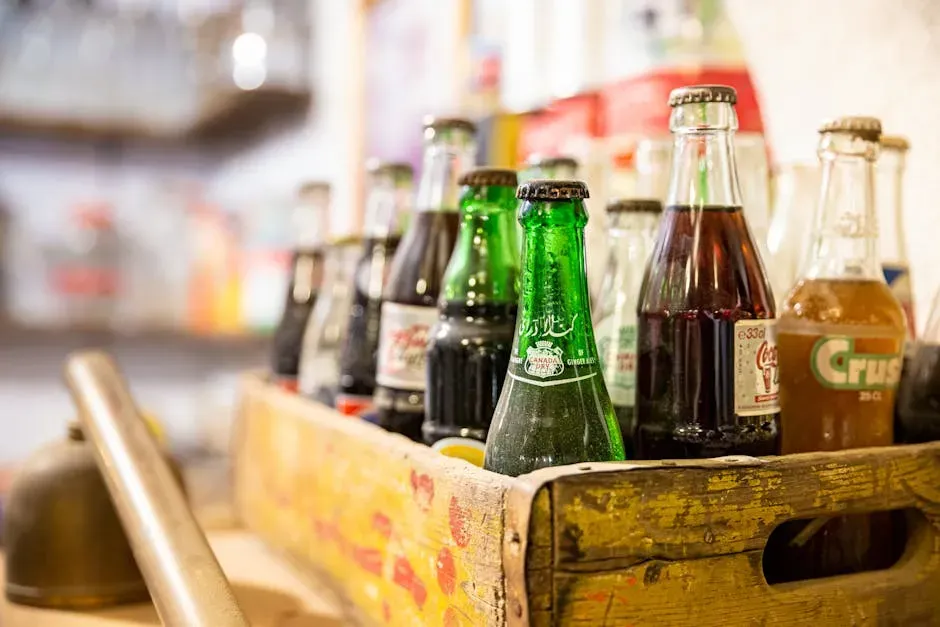
Some neighborhoods had soda deliveries from local bottling companies. Wooden crates filled with glass bottles were delivered directly to homes and exchanged for empties, and the familiar clinking of glass on glass was a recognizable sound on many streets. Before Coca-Cola and Pepsi consolidated the market, hundreds of regional bottlers ran these routes. The soda that arrived at your door might only exist within a 50-mile radius.
The real loss wasn’t just the convenience – it was the regional flavors. When local bottlers disappeared, so did dozens of sodas that were only available on their specific routes. Most of those flavors are gone forever, with no archive, no recipe, no surviving bottle. The consolidation that gave America cheap, nationally consistent soda quietly erased an entire layer of American regional food culture that most people never knew to mourn.
#18 – The Knife Sharpener Who Came Down Your Street
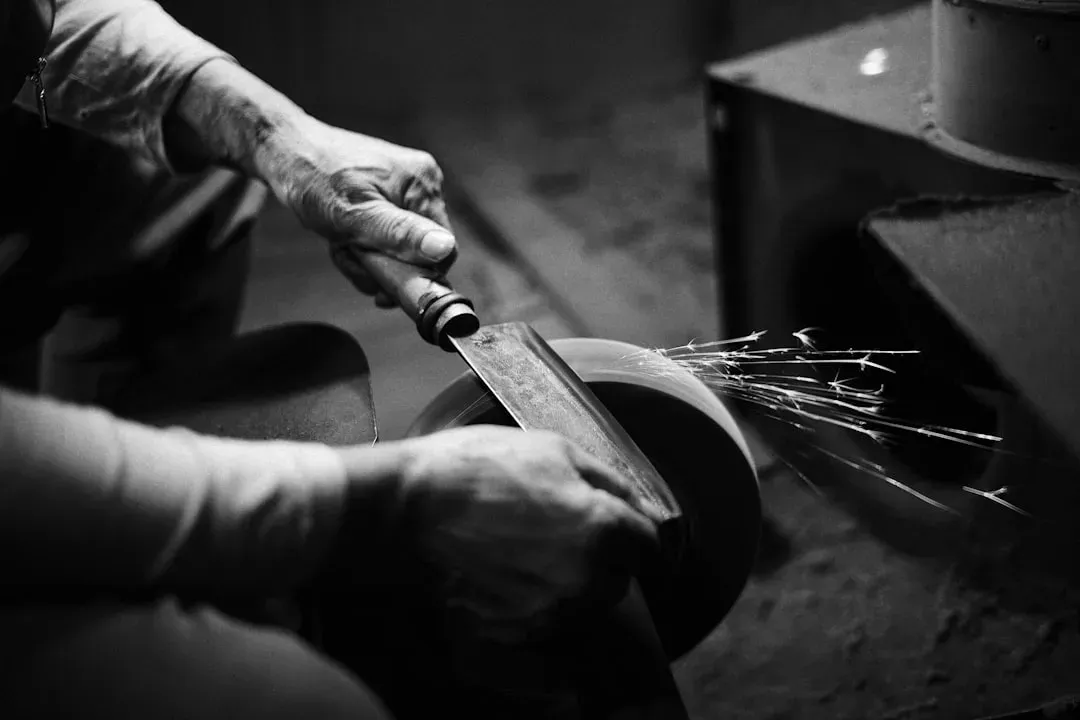
The knife and scissor sharpener used to push his cart through the neighborhood announcing himself with a distinctive multi-note flute. Housewives or young children would bring out what needed sharpening and watch him work – pedaling a foot-powered grinding wheel, restoring blades with a skill that took years to develop. He didn’t knock. He announced himself, and people came to him.
A professional grinding wheel on a pedal-powered cart could restore a dull blade better than anything sold in a modern kitchen store. The trade didn’t die because the service got worse; it died because cheap, disposable knives made “good enough” the new standard. Nobody sharpens a $4 knife – they just buy another one. The itinerant knife grinder was a fixture of American streets from the colonial era through the mid-20th century. He left no monument, no successor, and no replacement.
#17 – Diaper Service: Clean Ones Delivered, Dirty Ones Taken Away
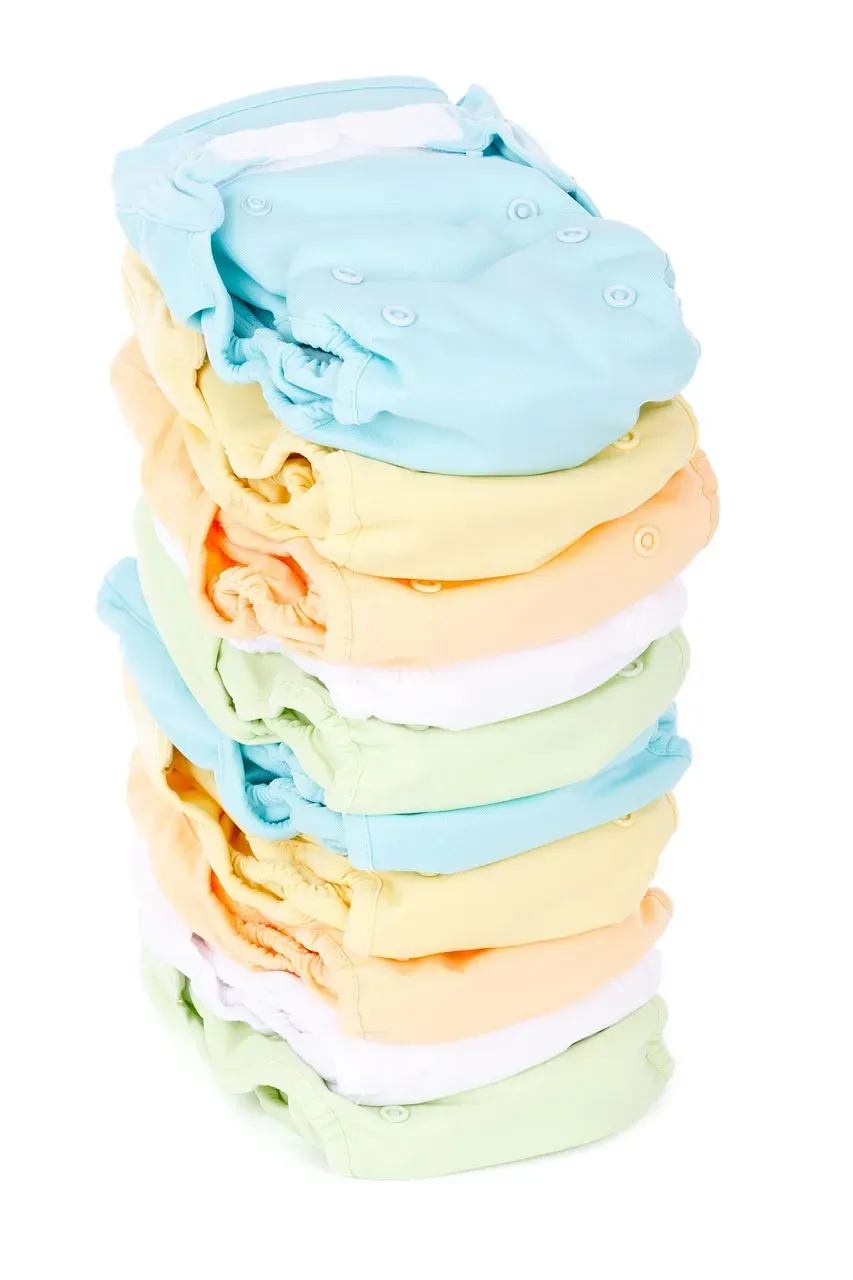
For decades before disposables took over, this was how millions of American families handled infant care. A uniformed driver arrived weekly, swapped a stack of fresh laundered cotton diapers for the soiled ones, and was on his way. No plastic waste, no landfill guilt – just a thoroughly practical system that worked beautifully for an entire generation of parents.
Diaper delivery services peaked during the postwar baby boom of the 1950s and early 1960s, operating in virtually every major American city. Procter & Gamble’s introduction of Pampers in 1961 began the slow unraveling of the entire industry. By the 1980s, most commercial diaper services had closed. Parents who grew up with cloth diaper delivery now buy plastic disposables by the case from a warehouse club – a trade that future generations may not view as progress.
At a Glance: The Disposable Diaper Takeover
- Pampers launched in 1961 – within two decades, cloth diaper services had nearly vanished from major cities
- Cotton diaper delivery produced zero single-use plastic waste; modern disposables take an estimated 500 years to decompose
- A weekly diaper service typically exchanged 70 to 80 laundered diapers per visit
- A small number of eco-focused cloth diaper delivery services have revived the model in select U.S. cities since the 2010s
#16 – Fresh Eggs From the Egg Man

The egg man typically ran his route alongside the milkman or as a separate neighborhood circuit, carrying flats of fresh eggs directly from local farms to doorsteps – often still warm from the hen. This was farm-to-table before anyone used that phrase, and it was the normal way urban and suburban families stocked their kitchens with one of the most basic foods on earth.
A freshly laid egg delivered within 24 hours is measurably superior in taste and quality to a supermarket egg that may be six weeks old – a fact food writers rediscover periodically but the mass market has never acted on. Once large grocery chains established reliable cold supply chains in the 1960s, the egg man’s route became redundant almost overnight. The eggs got cheaper, more available, and significantly less fresh. Most people alive today have never tasted the difference.
#15 – The Telegram: Urgent News Delivered to Your Door
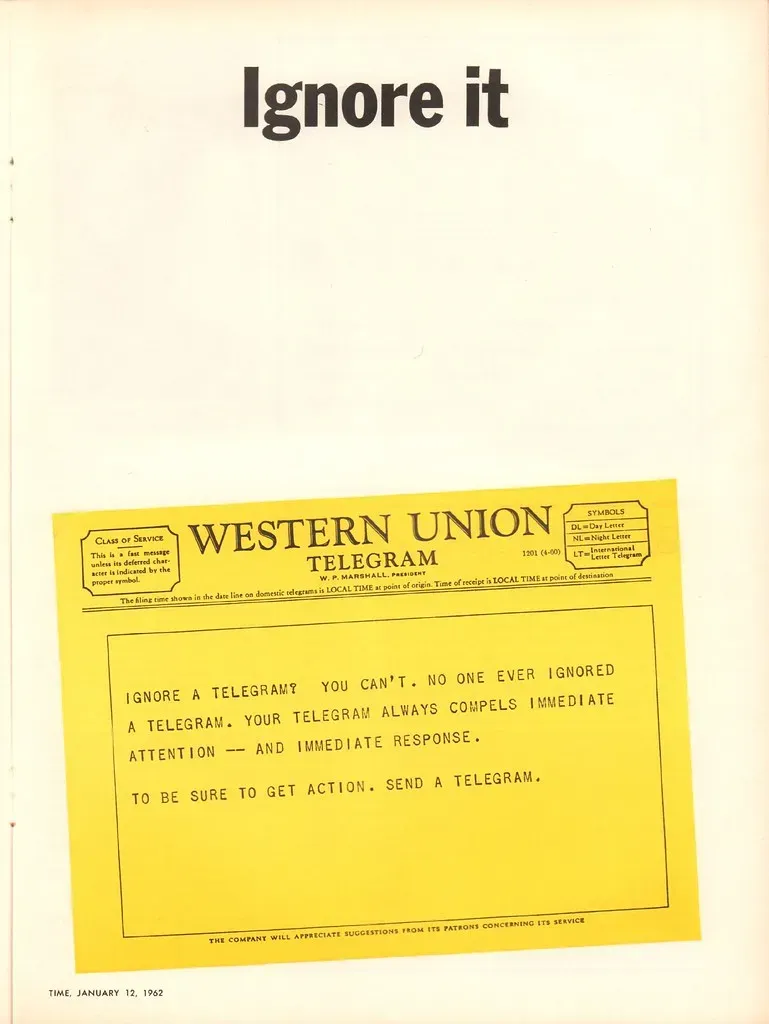
Before the telephone was universal, the telegram was how urgent messages traveled. A Western Union messenger – often a young man on a bicycle – would appear at your door with a small sealed envelope. Opening it meant something had happened: a birth, a death, a military notification, a business deal closed. Receiving a telegram during World War II was something American families genuinely dreaded, because it so frequently meant the worst news imaginable had just arrived at the front door.
Western Union delivered its last telegram in January 2006, ending a service that had operated since 1851. At its peak in 1929, Western Union transmitted over 200 million telegrams in a single year. The telegram carried emotional weight that no text message or email has ever replicated – the physical act of a messenger delivering a sealed note made the message’s importance undeniable. When the telegram vanished, it took a specific kind of gravity with it. Some news just doesn’t land as hard in a push notification.
#14 – The Phonebook: Delivered Free Every Year, Used Less and Less
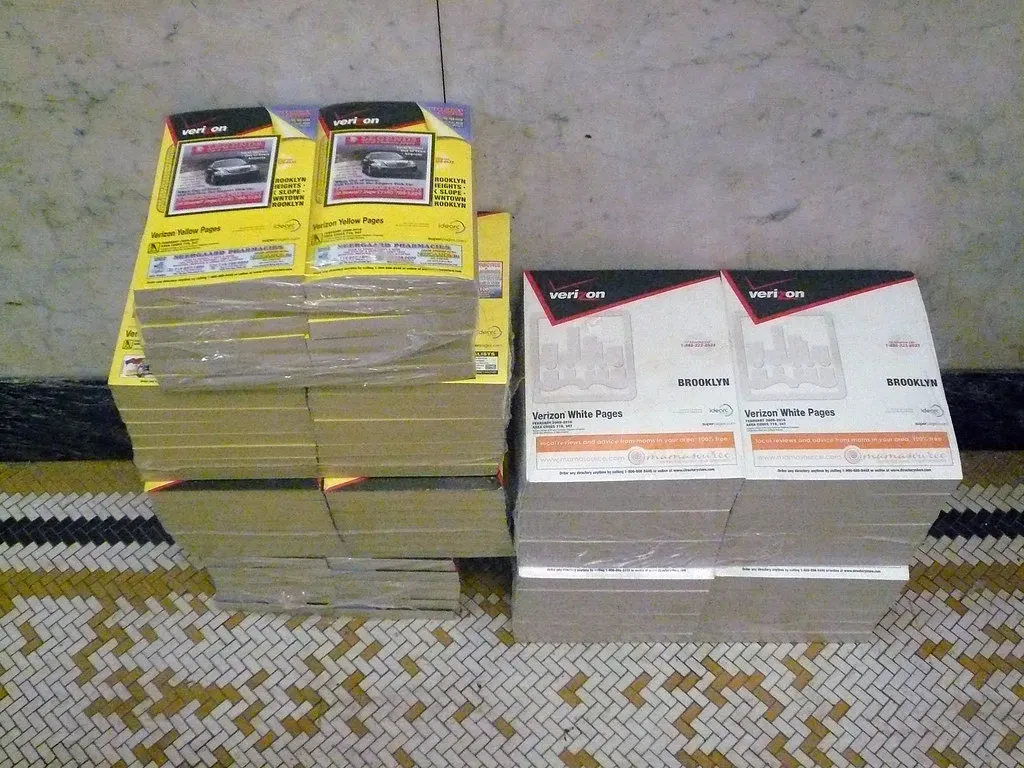
For most of the 20th century, the arrival of the new phonebook was an annual household event. The old one immediately became a doorstop, a booster seat, or an improvised weight. The new one went beside the kitchen telephone where it stayed for the rest of the year, consulted dozens of times before the next edition showed up. It was infrastructure, delivered in paper form, absolutely free.
During the 2010s, surveys found that 70% of people admitted they would not even open their phonebook. Tens of millions of unread books were dumped in landfills every year before most cities finally stopped the deliveries in the early 2010s. For years, the industry kept printing them even after the evidence of their uselessness was overwhelming – which makes the phonebook’s end not just a story about technology, but about an industry that couldn’t accept its own obituary.
#13 – The Fuller Brush Man: Your Personal Cleaning Supplies Rep
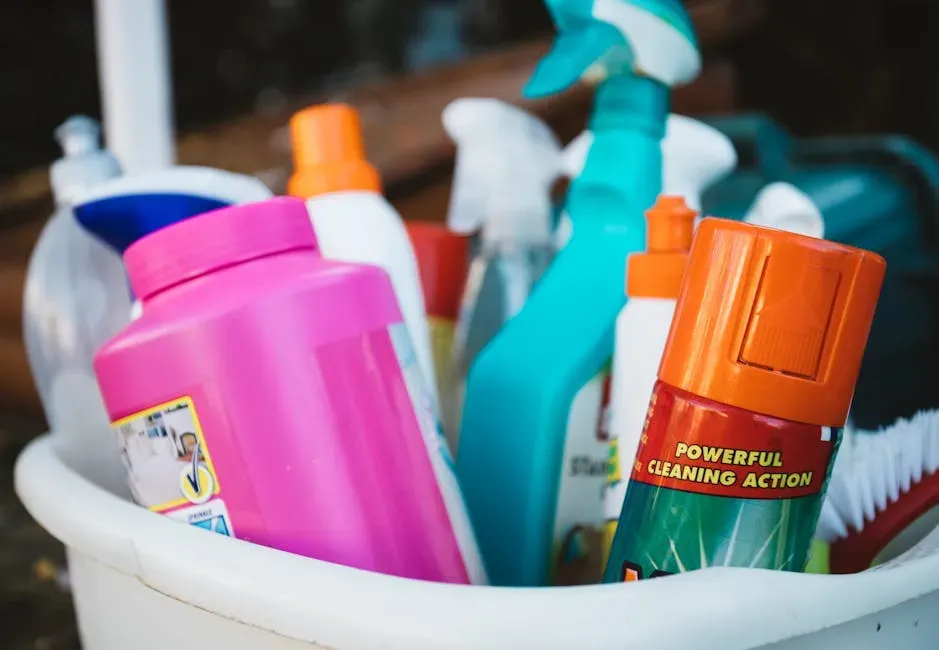
Founded in 1906 by Alfred C. Fuller, the Fuller Brush Company built a massive sales force that sold brushes, brooms, and household products door to door. The Fuller Brush Man didn’t just show up and hand you something – he demonstrated. He’d get down on his knees and scrub your floor to prove the product worked. In an era when most women were home during the day, he was part salesman, part performance, and entirely welcome.
The average Fuller Brush salesman called on 2,000 to 6,000 families a year and rang 60 doorbells a day. By 1960, the company hit $100 million in sales. The company’s salesmen reportedly included Billy Graham and Paul Reubens before their more famous careers took off. The door-to-door era ended as suburbs sprawled, women entered the workforce, and nobody was home to answer the bell anymore. Amazon now does essentially what the Fuller Brush Man did – minus the charm and the personal guarantee.
Quick Compare: Fuller Brush Man vs. Amazon
- Fuller Brush Man: Knocked on your door, demonstrated the product live, and stood behind it personally
- Amazon: Leaves a box on the porch; no demo, no name, no comeback if it doesn’t work
- Fuller Brush Man: Knew your household, remembered your last order, and came back on a schedule
- Amazon: Algorithmically remembers your order history – but has never met you
- Fuller Brush Man: 60 doorbells a day, 2,000–6,000 families a year per salesman
- Amazon: Millions of packages daily – zero human sales interactions
#12 – Encyclopedia Sets: Knowledge Delivered in 24 Leather Volumes

Encyclopedia salespeople were relentless with a pitch that hit every parent exactly where they were most vulnerable: “You want your children to succeed, don’t you?” Those twenty-four leatherbound volumes, delivered right to your door, promised to give a child every answer they’d ever need. Throw in the world atlas and the annual Year Book update mailed to your home every twelve months, and your kid was practically guaranteed a future.
At their peak, Britannica employed over 2,300 salespeople working that emotional pitch across America. After 244 years, in 2012 Encyclopedia Britannica printed its last edition and switched to a digital-only format. Parents who spent $800 to $1,000 on a set in the 1970s – a month’s wages for many families – were essentially buying a Wikipedia that stopped updating the day it was printed. The sets still turn up at estate sales, immaculate and completely unread, a monument to parental love and a very effective sales pitch.
#11 – Dry Cleaning Pickup and Delivery
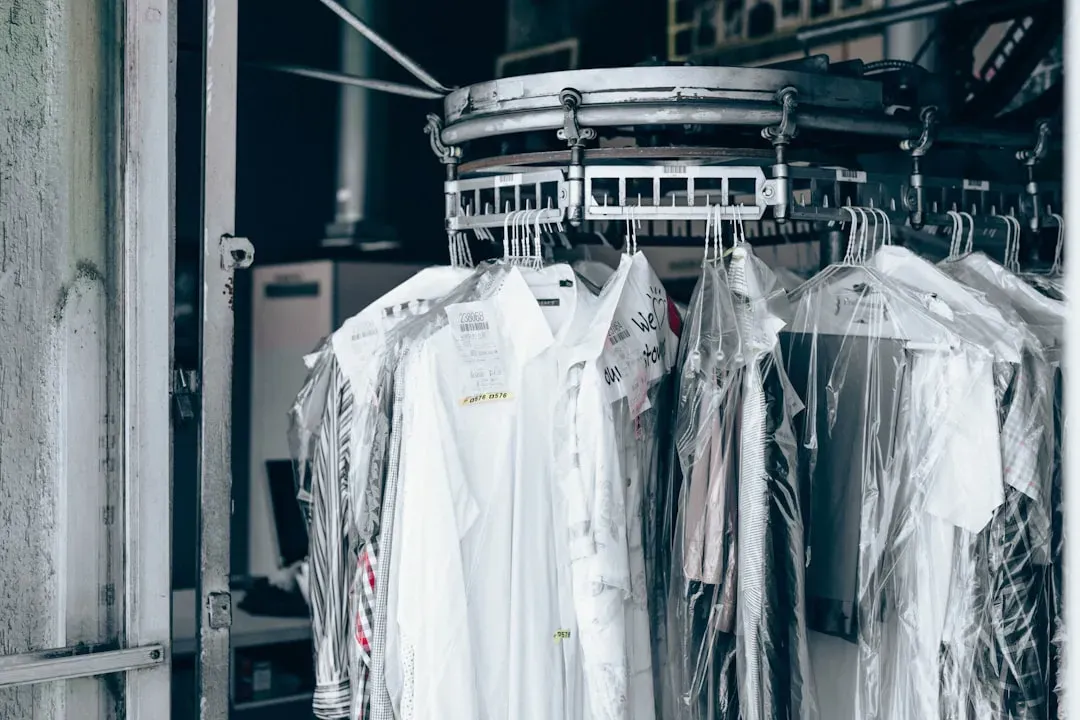
Before every suburb had a dry cleaner on the corner, the dry cleaner came to you. A driver would appear at the door, collect your clothes in paper-wrapped bundles, and return them pressed and bagged on wire hangers a few days later. Laundries used window card systems – the same display-card method used by ice and coal men – to coordinate pickups and flag completed orders. Professional garment care, delivered and returned, without leaving the house.
The route driver was a known face in the neighborhood, often on a first-name basis with every household on his circuit, with some routes running weekly for the same families for 20 to 30 years without a missed pickup. As car ownership spread and strip malls multiplied, the economics of route delivery couldn’t compete with the drop-off shop three minutes from home. The route model largely vanished by the 1970s, taking with it the quiet dignity of a service that came to you because your time was considered worth something.
#10 – Fresh Meat From the Butcher’s Delivery Boy

Local butchers sometimes delivered fresh cuts of meat and seafood to households, orders carefully wrapped in brown paper and brought to homes early in the day. This wasn’t a premium service for the wealthy – it was the standard way working-class urban families received protein before the supermarket era. You’d call in your order the night before, and the butcher’s boy would show up on a bicycle with your parcels before noon.
At its peak in the early 20th century, virtually every American city block had a butcher within walking distance who also ran a delivery route for regular customers. The rise of refrigerated supermarket meat cases in the 1950s – pre-cut, pre-wrapped, and cheaper – dismantled the entire ecosystem. Today, farm-to-door meat subscription boxes are trying to resurrect the model. But most Americans have never experienced the difference between a hand-cut steak delivered that morning and a supermarket package that’s been sitting in modified-atmosphere packaging for weeks.
#9 – Vinyl Records by Mail: The Original Streaming Service
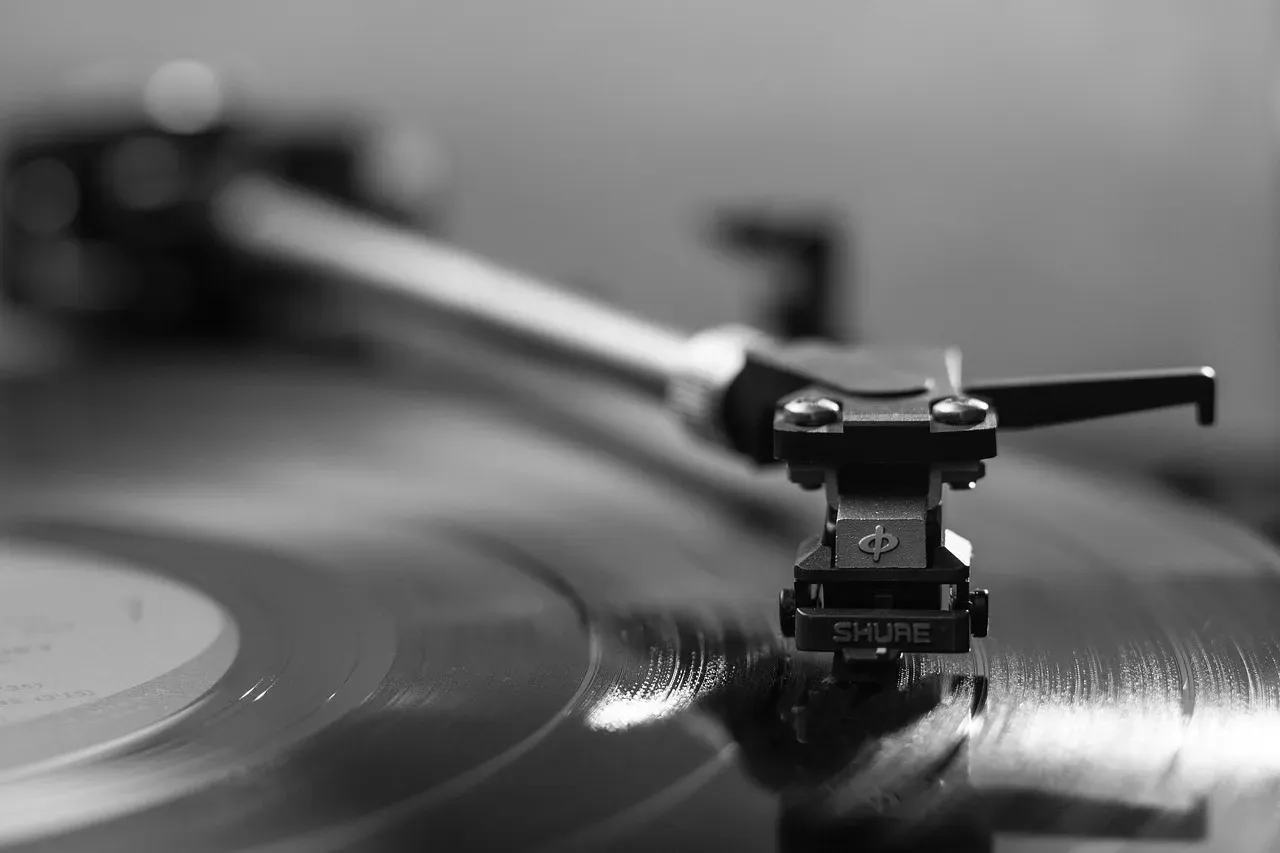
Music fans once joined record clubs that mailed vinyl albums – and later cassettes and CDs – directly to their homes. Columbia House and RCA Music Service were the titans of this world, and for decades they were genuinely how millions of Americans discovered new music. The deal was almost comically generous upfront – sometimes a dozen records for a penny – with the catch being a commitment to buy more at full price later. Most people took the penny deal and quietly never fulfilled the commitment.
Columbia House peaked at 16 million members in 1996, and at its height in the early 1990s the club and its competitors accounted for more than 15% of all CD sales in the United States. The model survived vinyl, cassette, and CD but couldn’t survive the internet. By 2009, Columbia House shut down its music division entirely. The ritual of waiting for a padded envelope full of new music – chosen from a printed catalog, ordered by mail – is so distant from modern listening habits that it barely registers as the same activity as pressing play on Spotify.
Worth Knowing: Columbia House by the Numbers
- Founded 1955 as the Columbia Record Club; grew to 16 million members by 1996
- Accounted for over 15% of all U.S. CD sales at its early-1990s peak
- Shipped its one-billionth record in 1990
- The notorious penny-for-12-records deal required purchasing additional albums at full price – most members never did
- Music mail-order operations shut down in 2009; the Columbia House brand was gone for good by 2015
#8 – The Avon Lady: Beauty Products and a Conversation

The Avon Lady wasn’t just a salesperson – she was the neighborhood’s unofficial social network. She knew which houses were struggling, which mothers needed a pick-me-up, and which teenagers were saving up for their first lipstick. Founded in 1886 by David McConnell, Avon built an empire on the direct-sales model where women sold to women in their own communities. By the 1960s, Avon had over 500,000 representatives ringing doorbells across America, making it one of the largest sales forces in the country.
“Ding dong, Avon calling” is one of the most recognized advertising slogans in American history – and it represented a real, recurring event in millions of households. The Avon Lady brought the catalog, placed the order, and personally delivered the products on her next visit. She didn’t just sell blush and perfume; she provided companionship to homemakers in an era before social media filled that role. When she stopped coming, some households lost the only regular visitor they had who wasn’t family.
#7 – The Iceman: Blocks of Ice for Your Icebox

From the late 19th century through the mid-20th century, icemen made daily rounds delivering ice for iceboxes before the electric refrigerator became standard. The ice sat in an insulated compartment above the food, melted steadily, and needed constant replacement. The iceman would bring the requested amount to the door – typically a 25- or 50-pound block – and carry it inside using iron tongs and a leather shoulder pad. It was a service as essential as running water.
Being an iceman was punishing work. Most began their rounds at 4:00 a.m. and worked seven days a week through holidays, with summer being the most brutal and busiest season. A 100-pound block was standard on larger deliveries, and the physical toll of the job was enormous. The electric refrigerator killed the trade almost completely by 1950. But for children growing up before that, the iceman’s arrival on a hot summer day – chips of ice flying off the block, a sliver offered to a watching kid – was one of the great simple pleasures of a vanished childhood.
#6 – The Doctor Who Made House Calls

Among the things delivered to the home: ice, coal, milk, dry cleaning, firewood – and doctor care. The house call wasn’t a relic even in mid-century America; it was still common practice in the 1950s and early 1960s, and many Americans alive today remember a doctor arriving at the front door with a black leather bag. He didn’t need an appointment booked six weeks out. He just came when you were sick.
In 1930, 40% of all physician-patient encounters in the United States were house calls. By 1980, that number had fallen to under 1%. The causes were real – specialization, liability concerns, and the inability to bring equipment to a home – but so was the loss. A doctor who visited your house saw your life: the food in the kitchen, the stress on a parent’s face, the neighborhood you lived in. That context doesn’t exist in a 15-minute office visit. It definitely doesn’t exist in a telehealth window.
#5 – The Newspaper Carrier: Morning News on the Porch
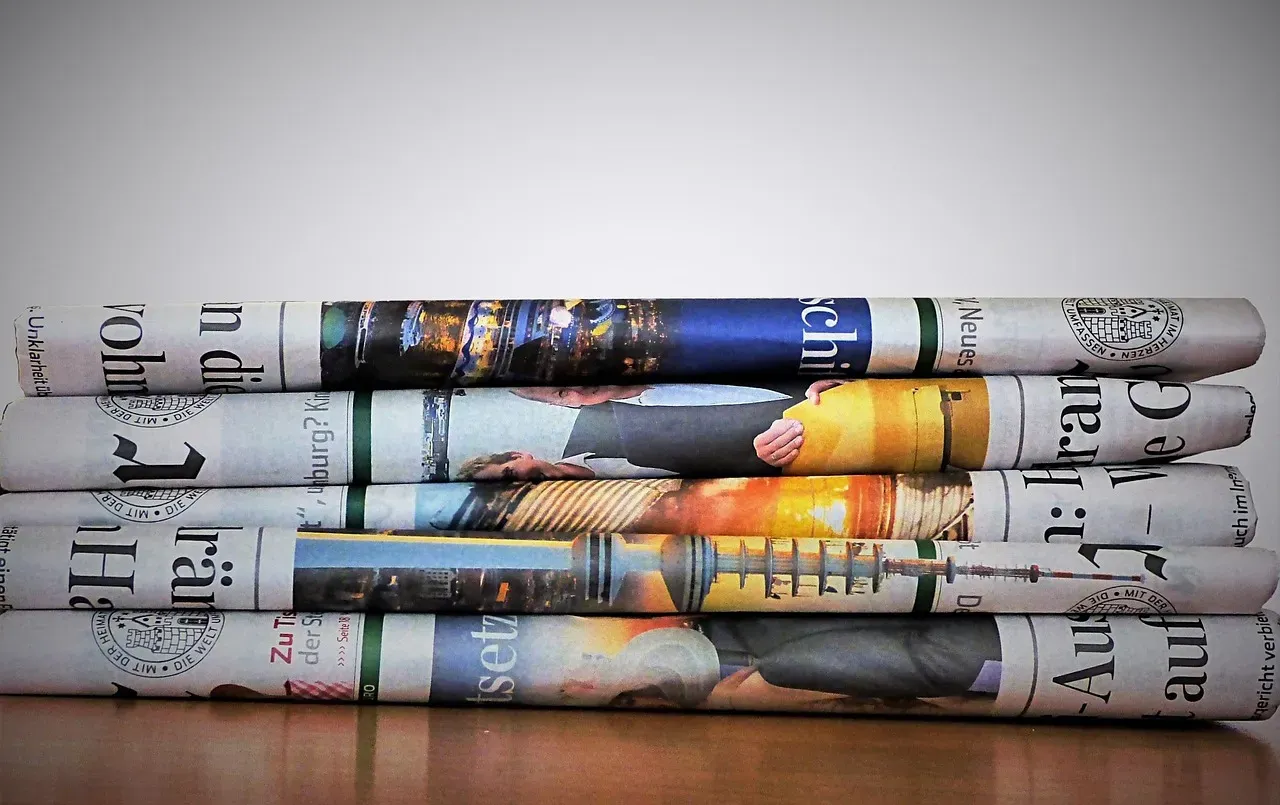
Few daily rituals were as satisfying as finding the paper waiting on your doorstep before the rest of the house woke up. Newspaper carriers – often teenagers earning their first real money – brought the stories of the world directly to the porch, every morning, in all weather, without fail. At the height of the newspaper era, a single carrier might have 50 to 100 customers on one route, memorizing every driveway and porch configuration by feel in the dark.
U.S. daily newspaper circulation peaked at roughly 63 million copies in 1984 and has fallen relentlessly ever since. Most remaining papers have switched to adult drivers with cars, and home delivery itself is being discontinued city by city. The image of a folded paper landing on a wet porch at 5 a.m. is now a set piece for period films, not a lived experience for most Americans. An entire first-job ritual that defined American adolescence for over a century is nearly gone.
#4 – Jewel Tea and the Household Grocery Wagon
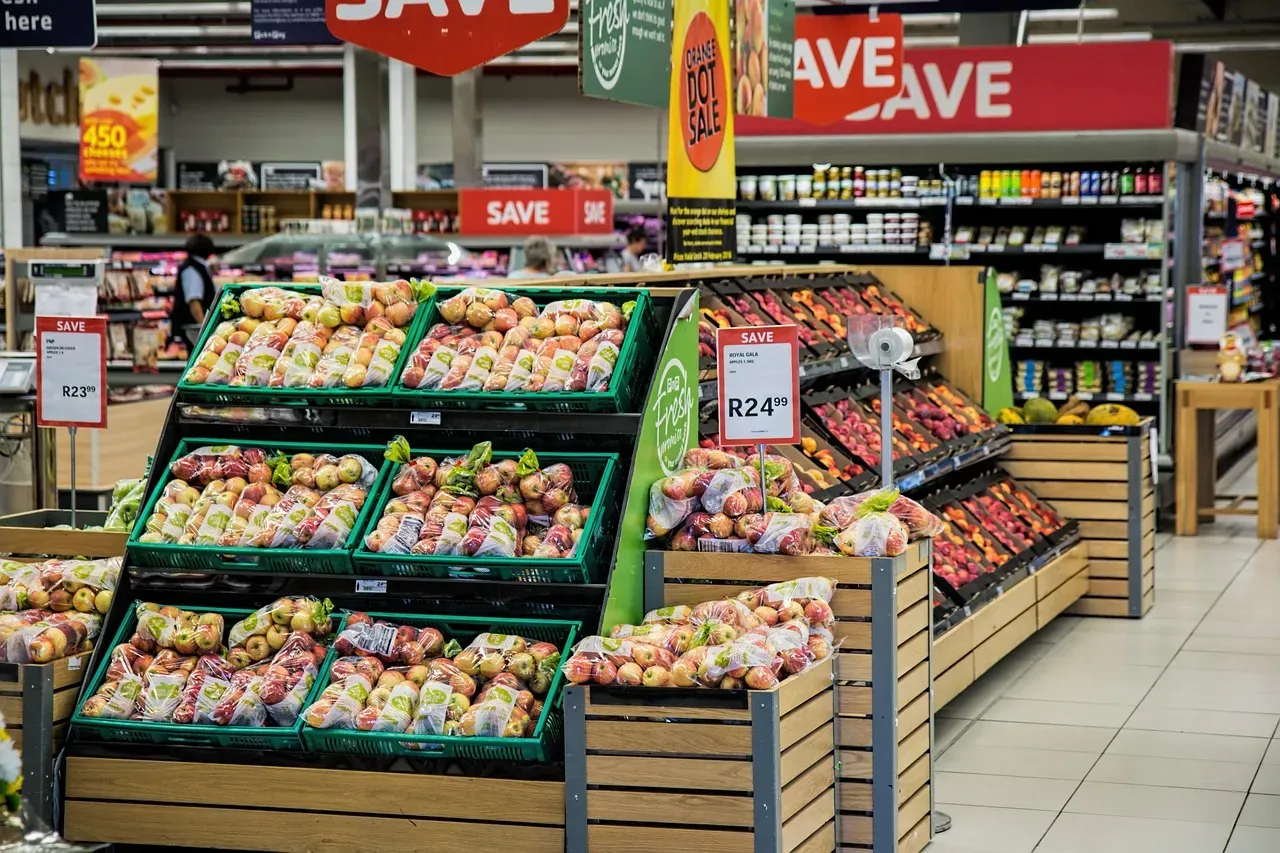
The Jewel Tea Company began in 1899 with a simple premise: bring the grocery store to the customer’s door. Salesmen called “route men” drove wagons and later trucks loaded with coffee, tea, spices, baking supplies, and specialty food items, stopping at the same households on the same day every week for years. The route man knew your grandmother’s name, her standing order, and exactly which shelf in her pantry the vanilla extract lived on.
What made Jewel Tea remarkable wasn’t just the delivery – it was the loyalty premium system. Customers who purchased regularly accumulated points toward Autumn Leaf pattern china and kitchenware, pieces that today fetch serious prices at antique auctions. Entire generations of American households owned matching china sets they never bought in a store; they earned them, cup by cup, from a man who came to the door every week. Jewel Tea’s route business peaked in the 1950s before grocery store dominance made it impossible to compete on price. The Autumn Leaf china those route men delivered is now actively collected as one of the most distinctly mid-century American artifacts in existence.
Why It Stands Out: The Jewel Tea Legacy
- Founded 1899 – route men served the same households weekly for years, often decades
- The Autumn Leaf china premium was exclusive to Jewel Tea and was never sold in stores
- Complete Autumn Leaf place settings now regularly sell for hundreds of dollars at antique auctions
- At its peak, Jewel Tea operated one of the largest door-to-door sales forces in the Midwest
#3 – The Milkman in His Glass Bottles
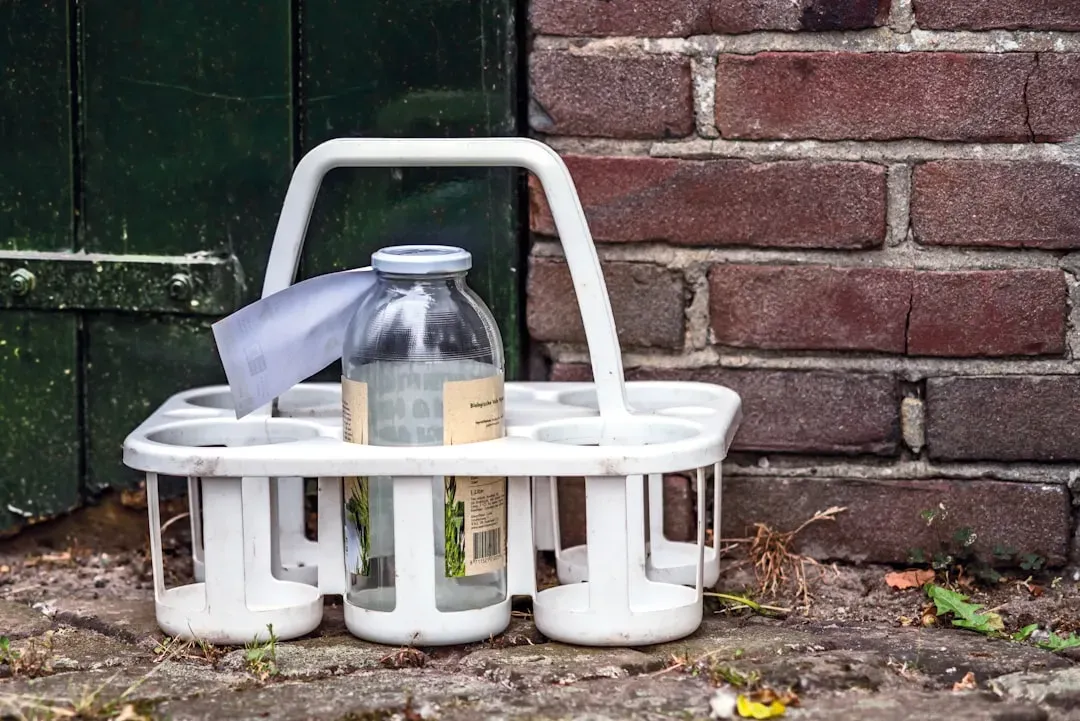
The first home milk deliveries occurred in Vermont in 1785. By the early 20th century the system had evolved into something remarkable: houses installed insulated boxes or built-in milk doors for drop-offs, and empty bottles along with payment were left out for pickup. On average, a glass milk bottle made about 22 round trips before getting broken or lost. The system was elegant, efficient, and deeply human – a daily exchange between a driver who knew your family and a household that depended on him.
In 1963, nearly 30% of U.S. consumers had milk delivered to their homes. By 1975 that number had dropped to under 7%. By 2005, it was 0.4%. Suburban sprawl made routes longer, supermarkets offered lower prices, and refrigerators became standard everywhere. The milkman didn’t just deliver milk – he was the first face most households saw each morning, and his disappearance quietly ended a century-long daily human connection between dairy farmer, driver, and family that no app has come close to replacing.
#2 – S&H Green Stamps: Loyalty Rewards Delivered With Every Purchase
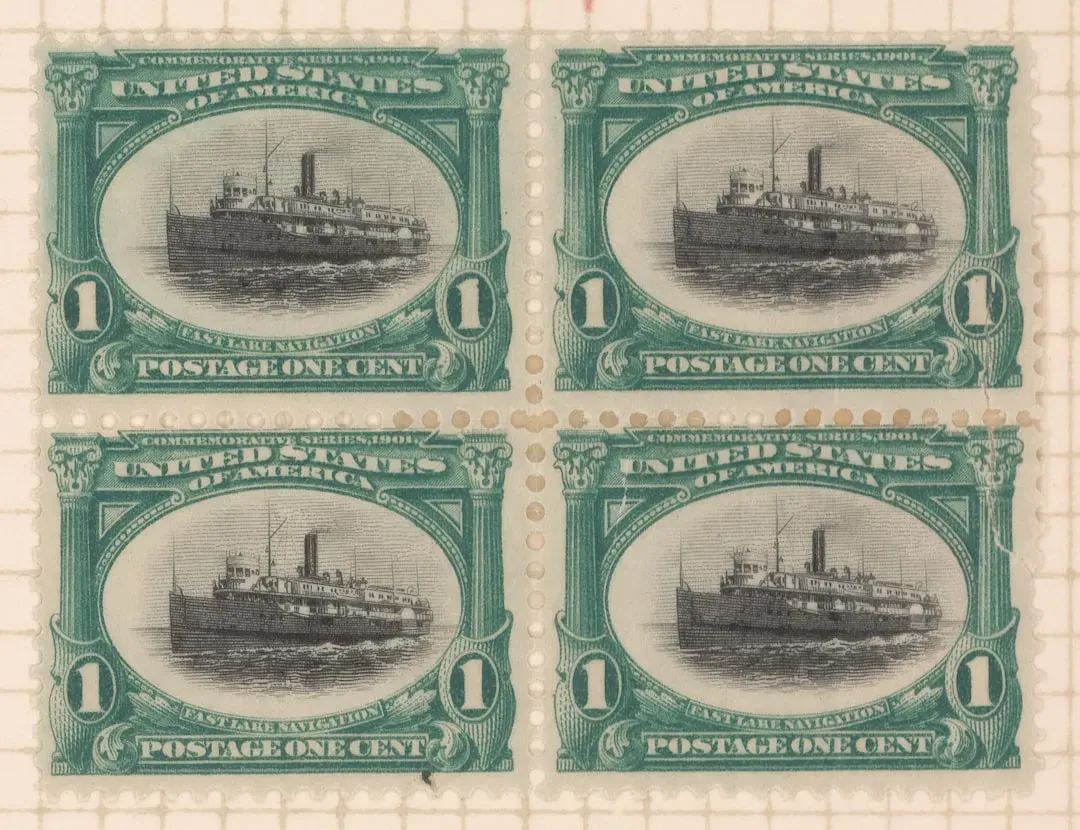
You had to go to the store to earn them – but the stamps came home with you, the books were filled at the kitchen table, and the merchandise catalog was delivered to your door. S&H Green Stamps were the original loyalty points program, issued by grocery stores, gas stations, and retailers from the 1930s through the 1970s. You licked the stamps, filled the little booklets, and eventually exchanged them for household goods from a redemption center or by mail. At their peak in the 1960s, S&H was printing three times more stamps than the U.S. Postal Service – making Green Stamps the single largest issuer of trading stamps in the world.
The whole ecosystem revolved around the catalog that arrived at your home, showing exactly how many stamp books it took to get a toaster, a lamp, or a bicycle. Families saved stamps the way people later collected airline miles – strategically, obsessively, with a specific prize in mind. The program collapsed in the 1970s as discount retailers competed purely on price and the stamp program became a cost no one could justify. For millions of American families, the Green Stamp catalog arriving in the mail was the closest thing to Christmas morning that a Tuesday in February could offer.
#1 – The Milk Door: Built Into the Wall and Still There
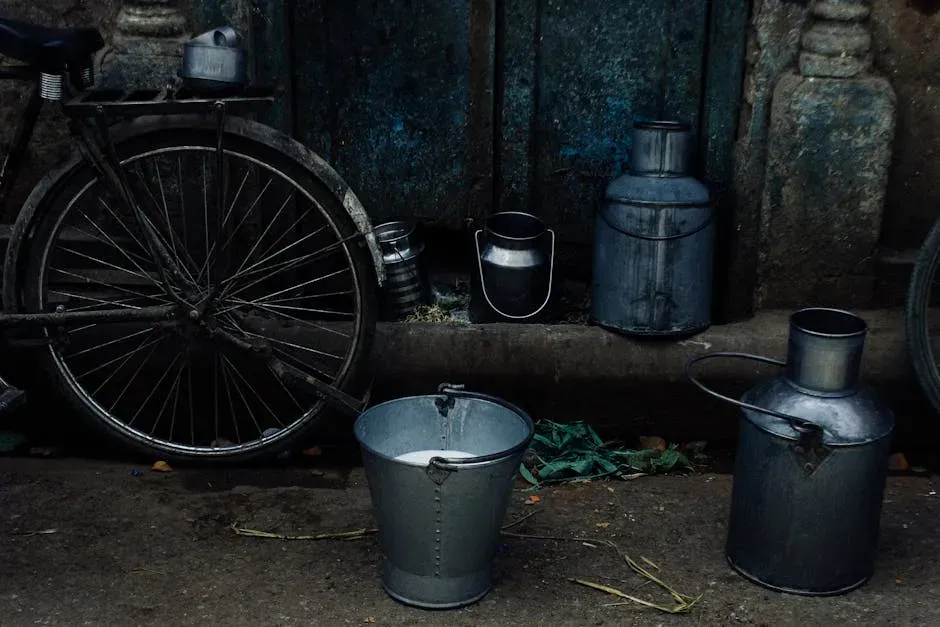
This final entry isn’t just about the milk – it’s about the architecture the milk created. In the 19th and early 20th centuries, a little door on the side of the house was a common sight across America. These built-in compartments – usually with two doors, one on the outside and one on the inside – were designed specifically for milk delivery. The milkman would place the bottles in from outside; the family would retrieve them from inside without ever opening the front door. No contact necessary. No wasted trip. The system was that well thought out.
What makes this the most quietly stunning entry on the entire list is that the evidence is still literally built into millions of American homes – small sealed doors in brick walls, painted over and forgotten, that once connected the outside world to the kitchen every single morning. Find one on an old house in any American city and you’re touching the most intimate daily routine of a family you’ll never know. Unlike most things on this list that left no physical trace, the milk door remains embedded in the walls of old neighborhoods across the country: a perfect little portal to a way of life that is entirely, irreversibly gone.
What’s striking about all 23 of these vanished deliveries isn’t just nostalgia – it’s what they represented together. A world where the economy came to you. Where the person delivering your food or fuel or news knew your name. Where commerce was fundamentally local and human. The iceman, the milkman, the bread man, the egg man, the seltzer man – they formed an invisible web of daily connection that held neighborhoods together in ways that were invisible until they were gone. We replaced all of it with convenience and lower prices, and most of the time the trade felt worth it. But some days, when a notification pops up that your anonymous package has been left at the door, it’s worth remembering what “home delivery” actually used to mean.