

There is a version of air travel that existed for exactly twenty years and then vanished almost overnight. Not “slightly better.” Not “fewer delays.” We’re talking caviar finished tableside at 35,000 feet, cocktail lounges on the upper deck of a 747, and Christian Dior designing the crew uniforms. Anyone born after 1980 has spent their entire flying life in a world that replaced all of that with a $35 bag fee and a six-inch bag of pretzels.
But here’s what the glossy vintage Pan Am brochures quietly left out: the golden age had a dark side that’s even stranger than the luxury. Hijackings were so common they became stand-up punchlines. Stewardesses were fired for getting married. The crash rate was three times higher than it is today. Everything below is real – the jaw-dropping glamour, the bizarre rules, and the parts that nobody puts on a nostalgia poster.
#1 – You Had to Dress Like You Were Going to a Wedding Just to Board the Plane
Flying in the 1950s and 1960s wasn’t a casual errand – it was a full social occasion, and the dress code enforced itself without anyone needing a sign. Men wore suits and ties. Women wore dresses, gloves, and hats. Nobody had to tell anyone to look sharp, because the social pressure was total: everyone on that plane was wealthy enough to fly, and they all knew it.
Photographs from the era show passengers looking like they’re headed to a Broadway opening night, not a boarding gate. The modern category of the “experienced budget traveler in a hoodie” simply did not exist. Flying was still an event – a memorable one – and the clothes were part of the ritual. That cultural shift happened fast after deregulation opened the skies to everyone and turned the occasion into a commute.
At a Glance
- Men: suits, ties, dress shoes – no exceptions
- Women: dresses, hats, and gloves were standard
- Casual attire was socially unthinkable, not just frowned upon
- The shift to “anything goes” boarding happened almost entirely post-1978 deregulation
- Today only a handful of ultra-luxury carriers still enforce a dress standard in first class
#2 – Your Ticket Could Cost the Equivalent of a Small Car
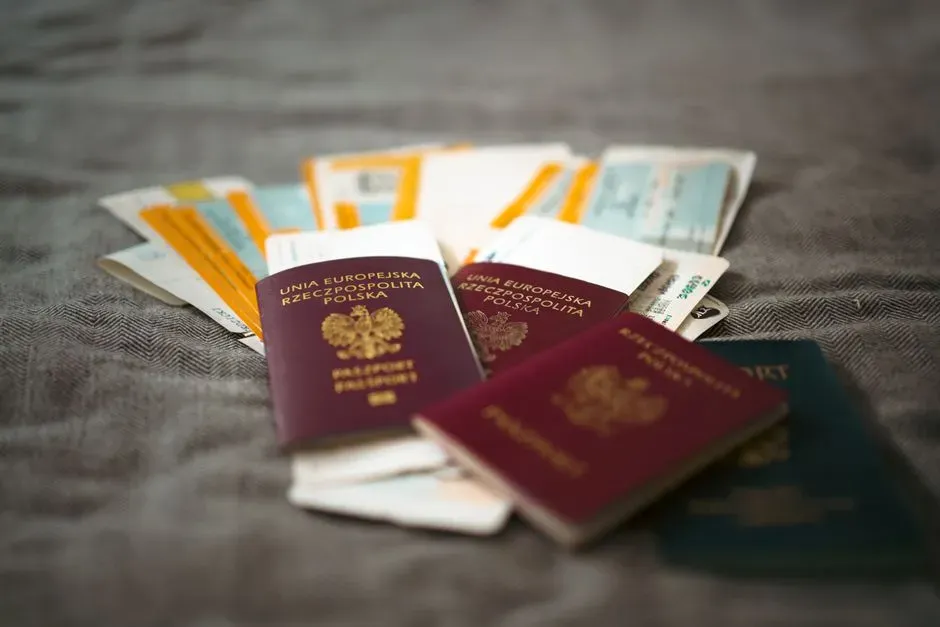
The prices weren’t just “a bit steep.” They were breathtaking. A transatlantic flight ticket in the early 1960s cost around $600 – roughly $5,800 in today’s money – and that was one way, not round trip. The so-called bargain fares from New York to Paris in 1955 translated to over $3,200 in 2023 dollars. The luxury was real, but so was the bill that kept most Americans permanently on the ground.
Aviation professor Guillaume de Syon has put it plainly: flying in the golden age cost four to five times what it costs today relative to income. The average American in the 1950s might pay up to 5% of their annual salary for a single ticket. Today that same route costs well under 1% of median household income. The exclusivity wasn’t incidental – it was structural, and it’s why the airlines could afford to serve rack of lamb to economy passengers without going broke.
#3 – Airlines Were Legally Forbidden from Competing on Price
Here’s the mechanism behind all that legendary service – and it’s not what most people expect. Before the Airline Deregulation Act of 1978, the federal government set airfares and decided which airlines were allowed to fly which routes. Since carriers couldn’t undercut each other on price, they competed the only way they legally could: on the experience. The lobster wasn’t generosity. It was strategy.
Pan Am partnered with top chefs. Uniforms came from haute couture houses. Seat pitch stayed generous because there was no financial incentive to cram in an extra row. The moment deregulation hit and price competition became legal, the gourmet meals and gold cutlery disappeared almost overnight – not because airlines suddenly got cheap, but because the rules that had forced them to spend on service no longer existed.
#4 – Flight Attendants Had a Mandatory Retirement Age – Often Before 35
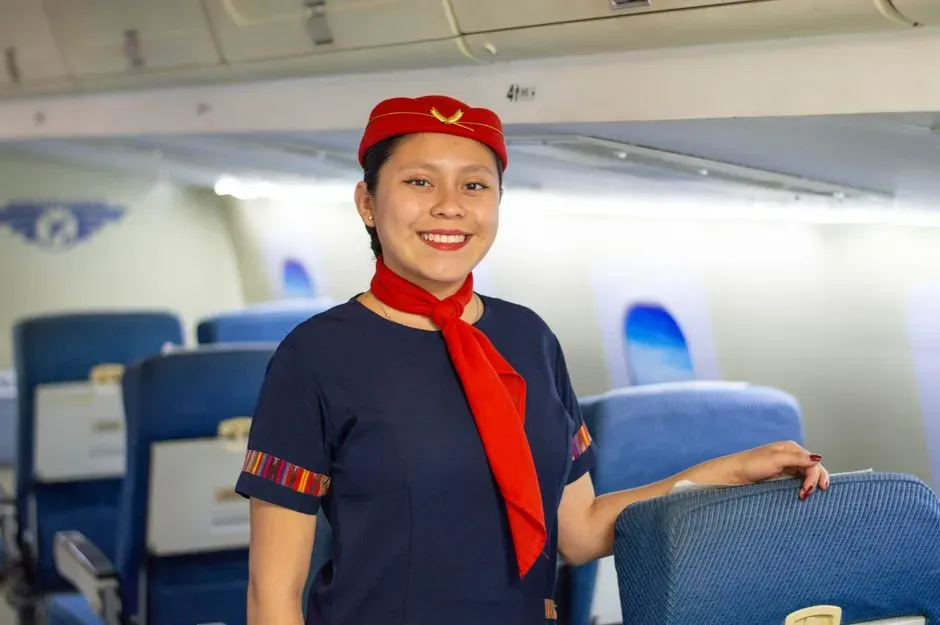
The role of the golden age stewardess looked glamorous from the outside, but the contract terms were stunning. Many airlines required attendants to retire before 30 or 32. The policies also included strict weight limits and bans on marriage or pregnancy – rules that weren’t written in invisible ink but spelled out plainly in employment agreements that new hires signed without legal recourse.
Many stewardesses lost their jobs simply for getting married – a practice that wasn’t eliminated until civil rights litigation in the late 1960s and 1970s forced airlines to change. The women who flew those glamorous routes were jetting around the world in Dior uniforms while simultaneously fighting for the right to keep their jobs past their wedding day. The glamour was real for some. The labor conditions were brutal for nearly all of them.
Worth Knowing
- Mandatory retirement: often as early as age 30 or 32
- Marriage meant automatic termination at most major carriers
- Strict weight and height limits were written into employment contracts
- United Air Lines’ 1937 rules required stewardesses to be under 25, no taller than 5’4″, and weigh no more than 115 lbs
- Civil rights lawsuits in the late 1960s and ’70s forced airlines to end most of these policies
#5 – The First Stewardesses Were Actually Trained Nurses

The origin of the flight attendant role is far more practical than the polished image suggests. Early airlines recruited registered nurses specifically because commercial flights in the 1930s were loud, turbulent, and genuinely frightening for most passengers. Having a medical professional on board wasn’t a marketing touch – it was a reasonable precaution against mid-flight panic and air sickness at an era when the experience was still deeply unfamiliar.
United Air Lines formalized those requirements in 1937: stewardesses had to be under 25, no taller than 5’4″, and weigh no more than 115 pounds. The job blended genuine medical competence with appearance standards that wouldn’t survive a single HR review today. That combination – nurse, hostess, and model rolled into one – defined the role for decades before it was eventually, slowly, and incompletely reformed.
#6 – Designer Fashion Houses Created the Crew Uniforms
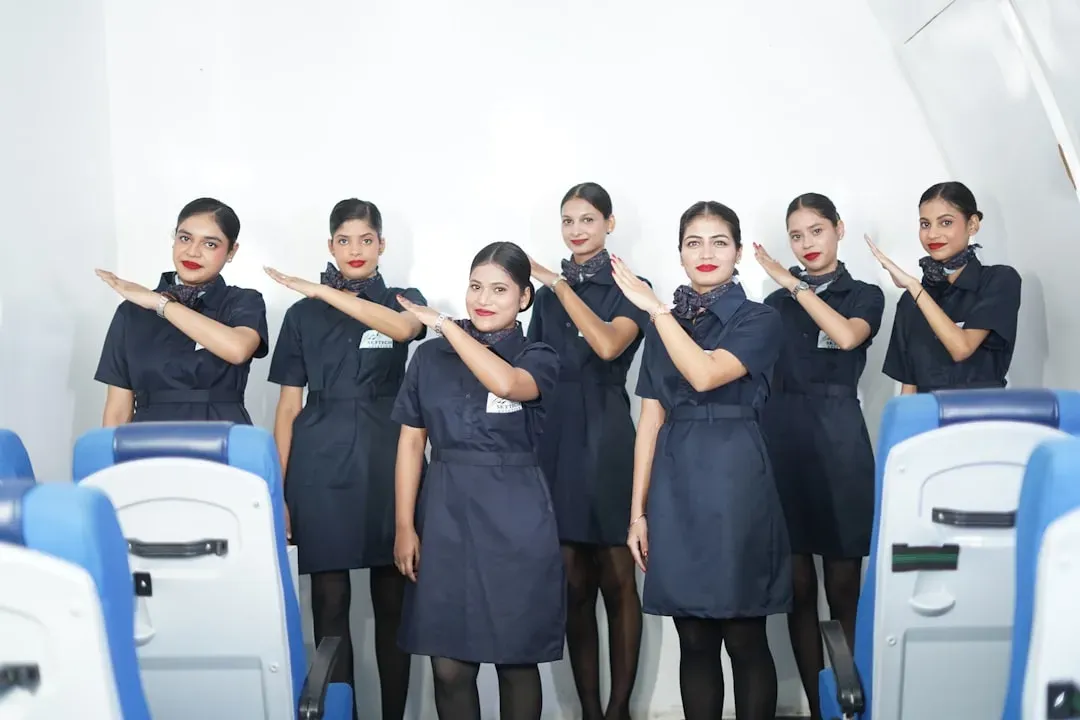
When aviation historians describe golden age cabin crew as looking like rock stars walking through the terminal, the aesthetic investment behind that image was real money and real names. Christian Dior dressed Air France. Chanel and Pierre Balmain worked with Olympic Airways and Singapore Airlines respectively. These weren’t off-the-rack blazers with a logo patch – they were haute couture commissions from the most respected fashion houses in the world.
The stewardess was a genuine cultural figure of glamour and worldliness, depicted in advertising with a sophistication that sold the entire fantasy of international travel, not just transportation. Cathay Pacific provided individual fresh orchid corsages for women passengers in first class on its Hong Kong routes. That’s a level of considered detail that modern airlines haven’t come within ten miles of replicating.
#7 – Economy Class Passengers Got Steak and Lobster

This one genuinely stuns people. Golden age in-flight dining wasn’t a first-class-only perk. Pan Am served meals on actual designer plates with real glasses and real silverware – and that was in economy. Plastic trays with foil lids hadn’t been deployed as an acceptable customer experience yet because no one had been forced to think of that as an option worth considering.
Not only were meals served on real china, but the food itself was real food. Economy travelers received gourmet meals including steak and lobster. Pan Am also tailored menus to the destination – flying to Hawaii might mean shredded pork and local delicacies. The idea of paying extra for a snack box on a domestic flight would have been genuinely incomprehensible to a 1965 economy passenger. It wasn’t a first-class thing. It was just how flying worked.
Quick Compare
| Then (1960s Economy) | Now (2020s Economy) |
|---|---|
| Multi-course meal on real china | $12 snack box or pretzels |
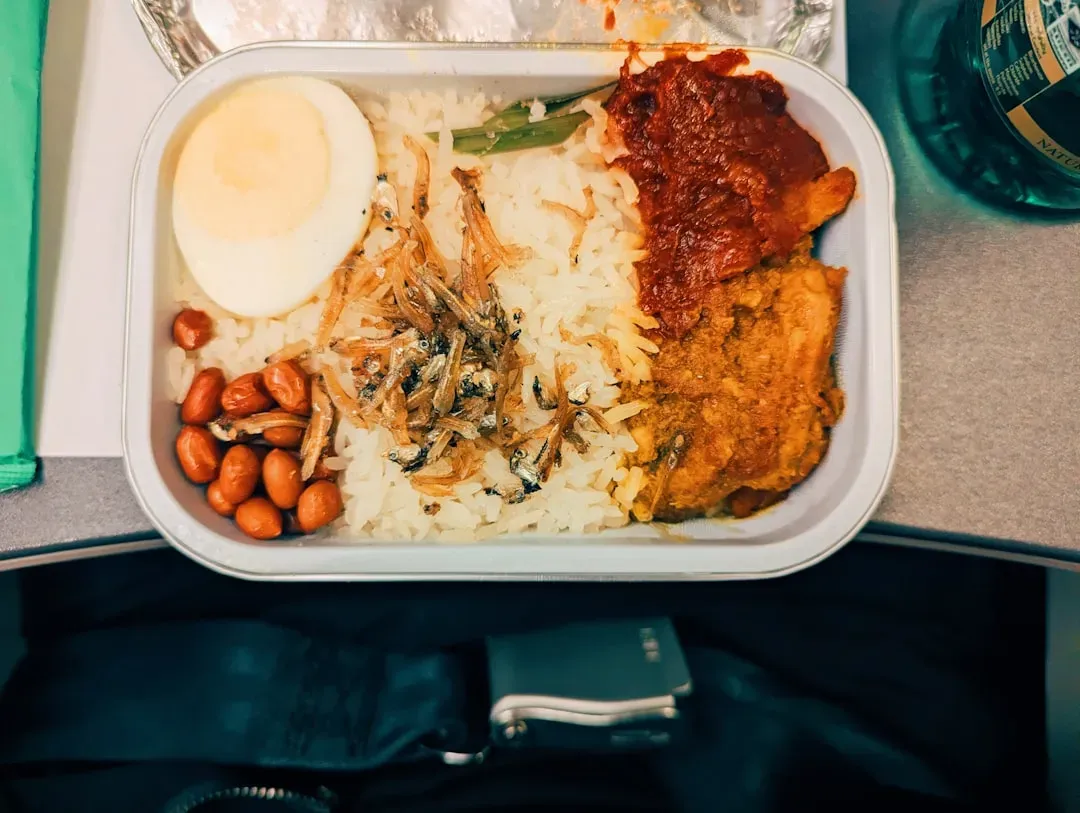
| Real silverware and glassware | Plastic tray with foil lid |
| 38–40 inch seat pitch | 28–31 inch seat pitch |
| Checked bags included | $35–$45 per checked bag |
| Seat selection included | Fees for non-middle seats |
#8 – First Class Had a Dedicated Cocktail Lounge, Not Just a Bigger Seat
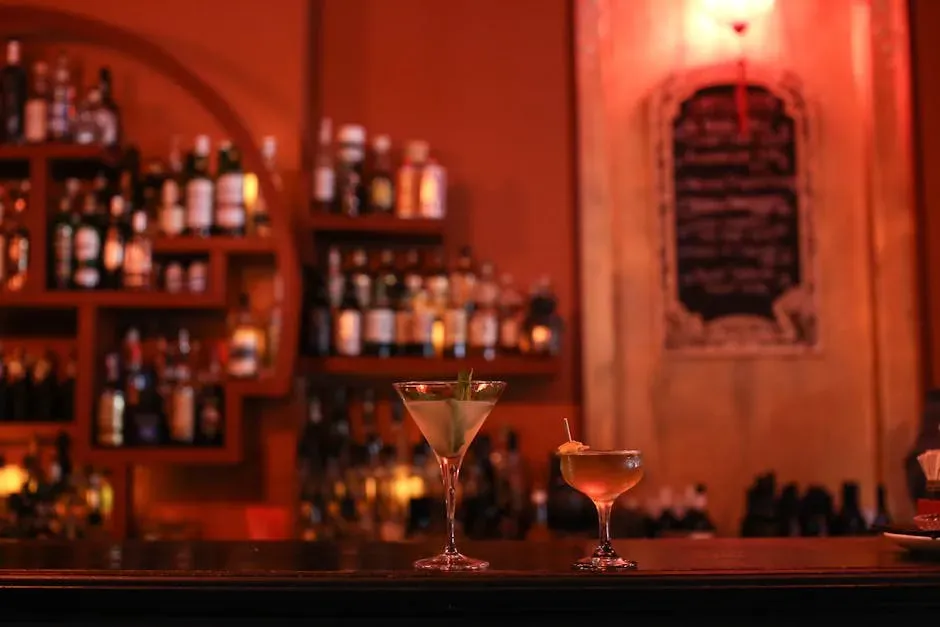
When Pan Am launched the Boeing 747 in 1970, that famous upper deck wasn’t rows of seats – it was a social space. Pan Am turned the jumbo’s entire upper deck into a restaurant in the skies for first-class passengers. Guests went upstairs for dinner, sat at linen-covered tables, ordered from a proper menu, and returned to their seats when they were finished. The plane had a dining room.
Pan Am’s first class on the 707 had already featured a dedicated cocktail lounge in the forward section. American Airlines’ 747s came with a fully live piano bar on the lower deck – not a recording, but an actual musician performing in the air. There was serious discussion inside at least one airline about installing a baby grand on board for live entertainment. Whether that idea ever made it off a whiteboard is almost beside the point – the fact that it was a serious conversation tells you everything about what the era considered possible.
#9 – Meals Were Cooked Raw on the Plane, Not Reheated From Frozen
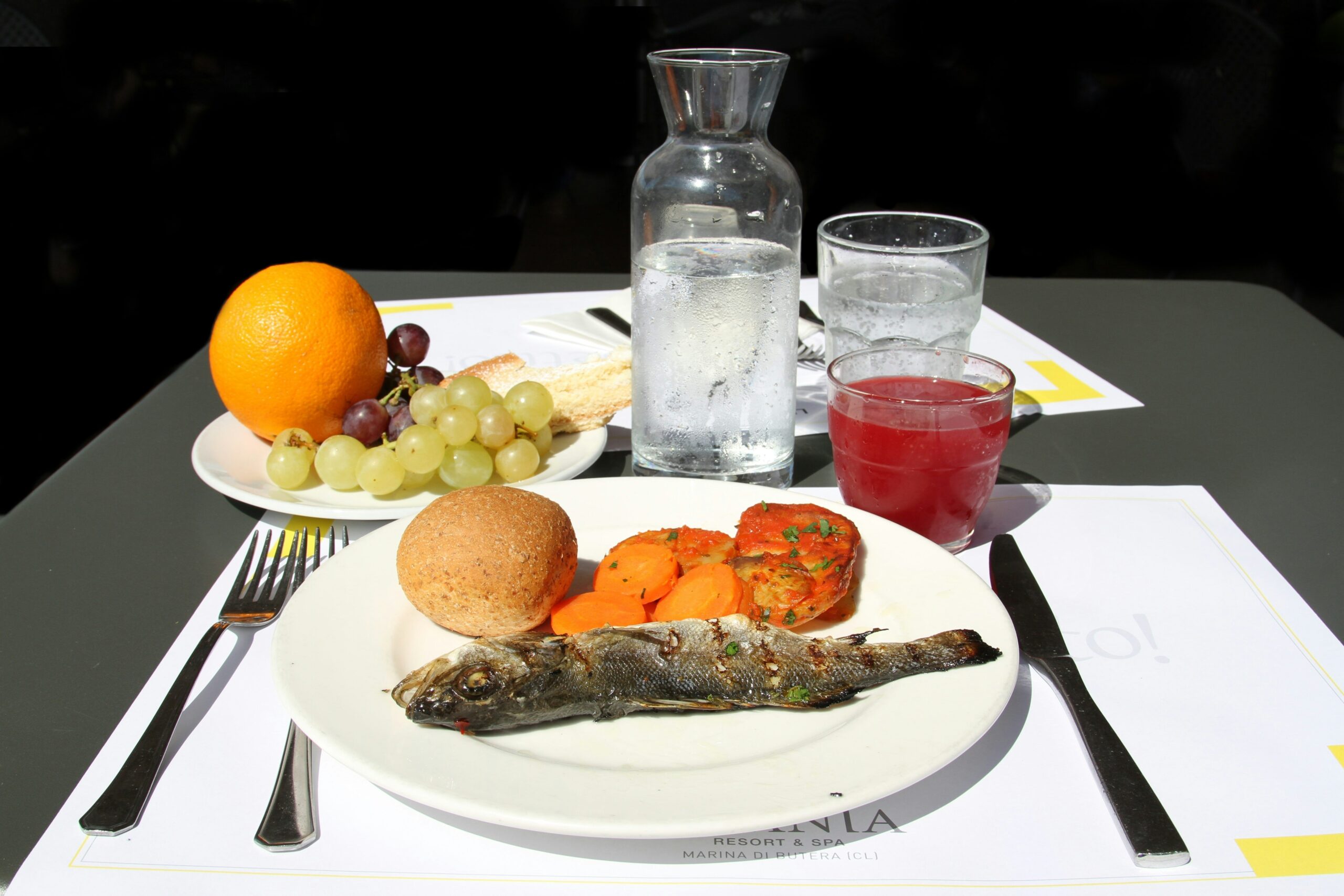
The first class dining experience in the golden age wasn’t just about the menu – it was about how the food was actually prepared in the air. Cabin crew started with canapés, then rolled out a cart with appetizers including beluga caviar and foie gras. A salad was mixed tableside in the cabin. Then came the main event: a chateaubriand, a rack of lamb, or a roast beef that had boarded the plane raw and was cooked in the galley during the flight.
Raw meat, loaded onto the aircraft at the gate, roasted at cruising altitude, carved tableside. That’s not a scene from a restaurant review – that’s what a first class transatlantic passenger could expect on a major international carrier in the 1960s. The wine list on some routes included Cristal and Dom Pérignon champagne. The word “reheated” would not have made sense to anyone describing the meal.
#10 – Some Airlines Had In-Flight Fashion Shows
When you can’t compete on price and the flight is eight hours long, you get creative. Some American carriers in the 1960s ran actual fashion shows down the aisle – models walking the cabin showing off the latest collections while passengers sipped cocktails from real glasses and watched from seats with nearly 40 inches of pitch. It sounds like a parody of the era, but it was a genuine entertainment offering on scheduled commercial flights.
The context makes it less absurd: airlines were competing against ocean liners for the transatlantic traveler’s loyalty. A crossing on the Queen Mary took days. A flight took hours. But the liner had ballrooms and promenades and white-gloved service. To compete, airlines leaned into every theatrical flourish they could think of. Olympic Airways had gold-plated cutlery in first class. A fashion show down the aisle was, in that context, just another reasonable option.
#11 – Smoking Was Allowed Everywhere on the Plane, Including the Lavatory
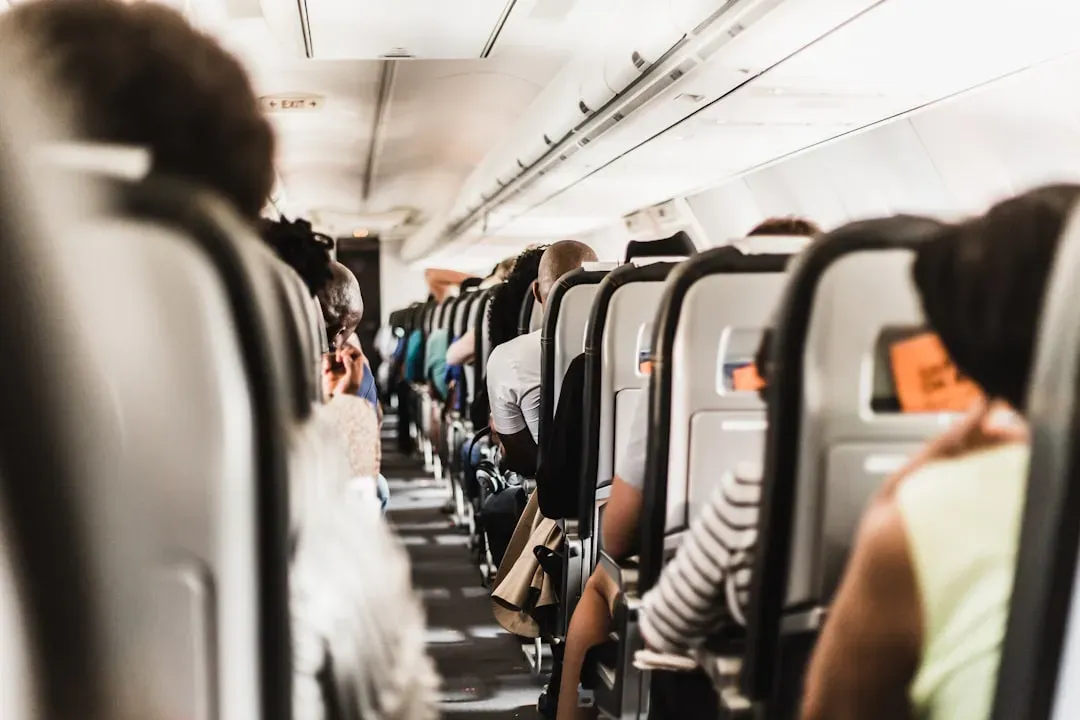
Golden age air travel didn’t have a non-smoking section. It had a smoking section – which was the entire aircraft. Cigarettes, pipes, and cigars were all permitted while airborne. Flight attendants routinely lit cigarettes for passengers as part of standard service. Handing out matches was a job duty, not an afterthought.
Onboard fires became a documented problem when lit cigarettes set hand towels alight in lavatories, eventually forcing airlines to install fire detectors and suppressors. The federal government mandated smoking and nonsmoking sections on planes in 1973 – but as anyone who flew during that era knows, smoke doesn’t read the signage. It wasn’t until 2000 that the last smoking flight landed. Not 1980. The year 2000. Anyone who flew internationally before then breathed secondhand smoke for the entire trip, whether they wanted to or not.
#12 – There Were Almost No Security Checkpoints at All
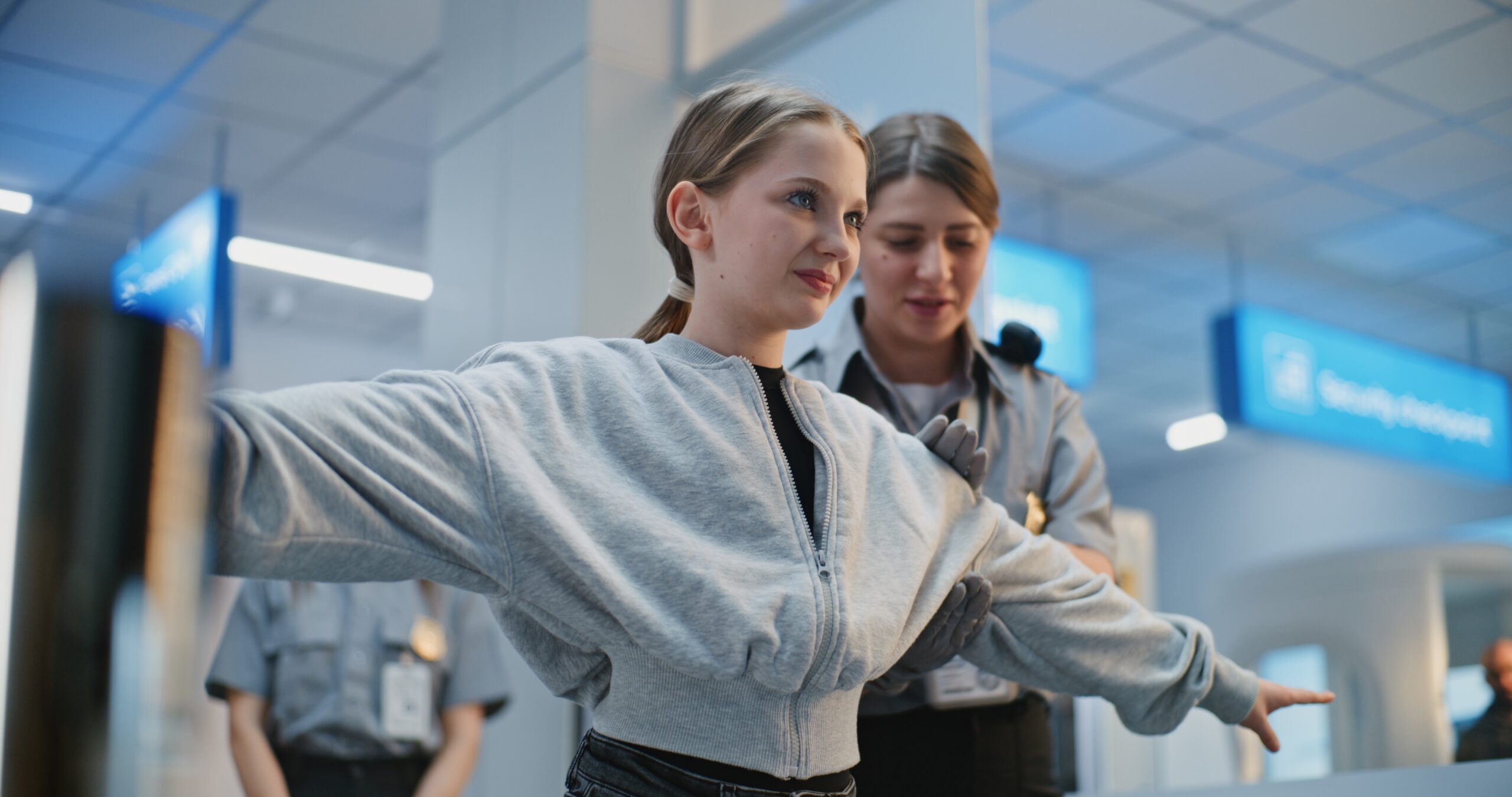
Walk up, show a ticket, board the plane. That was essentially the golden age airport security process for most of its run. There were no metal detectors, no X-ray machines, no body scanners, no liquid restrictions, no shoe removal. The infrastructure that anyone born after 1980 considers completely unremarkable simply did not exist. Airports felt more like train stations than the controlled-access zones they became after 9/11.
Metal detectors for passengers and X-ray inspections for bags didn’t arrive until the 1970s, and even then the process was minimal by modern standards. The practical consequence was that friends and family could walk passengers all the way to the gate – a ritual so ordinary to anyone born before 1985 that it barely registered. It ended permanently in September 2001 and has never come back in any form that resembles what it was.
#13 – Hijackings Were So Common They Became a Punchline
The freedom from security checks came with an ugly flip side. In the U.S. alone, there were 130 hijackings between 1968 and 1971. That is not a typo. The threat was so constant and so normalized that “Take me to Cuba” became a reliable stand-up punchline. More than 50 hijackings occurred in 1969 alone – a number that sounds impossible until you realize there was almost nothing stopping anyone from simply walking onto a plane armed.
Airports during this period featured kiosks selling flight insurance prominently near the gates. Passengers could buy a life insurance policy on their way to board – a detail that sits awkwardly next to the vintage brochure images of smiling stewardesses and tableside caviar. The golden age was genuinely glamorous for the right passengers on the right flights. It was also an era when boarding a plane carried a statistically non-trivial chance of ending up somewhere you hadn’t planned to go.
Fast Facts
- 130 hijackings in the U.S. alone between 1968 and 1971
- More than 50 hijackings occurred in the single year of 1969
- “Take me to Cuba” became a recognized stand-up comedy punchline by the early 1970s
- Flight insurance kiosks were a standard fixture near departure gates
- Meaningful passenger screening didn’t begin until the mid-1970s
#14 – Flying Was Objectively Far More Dangerous Than It Is Today
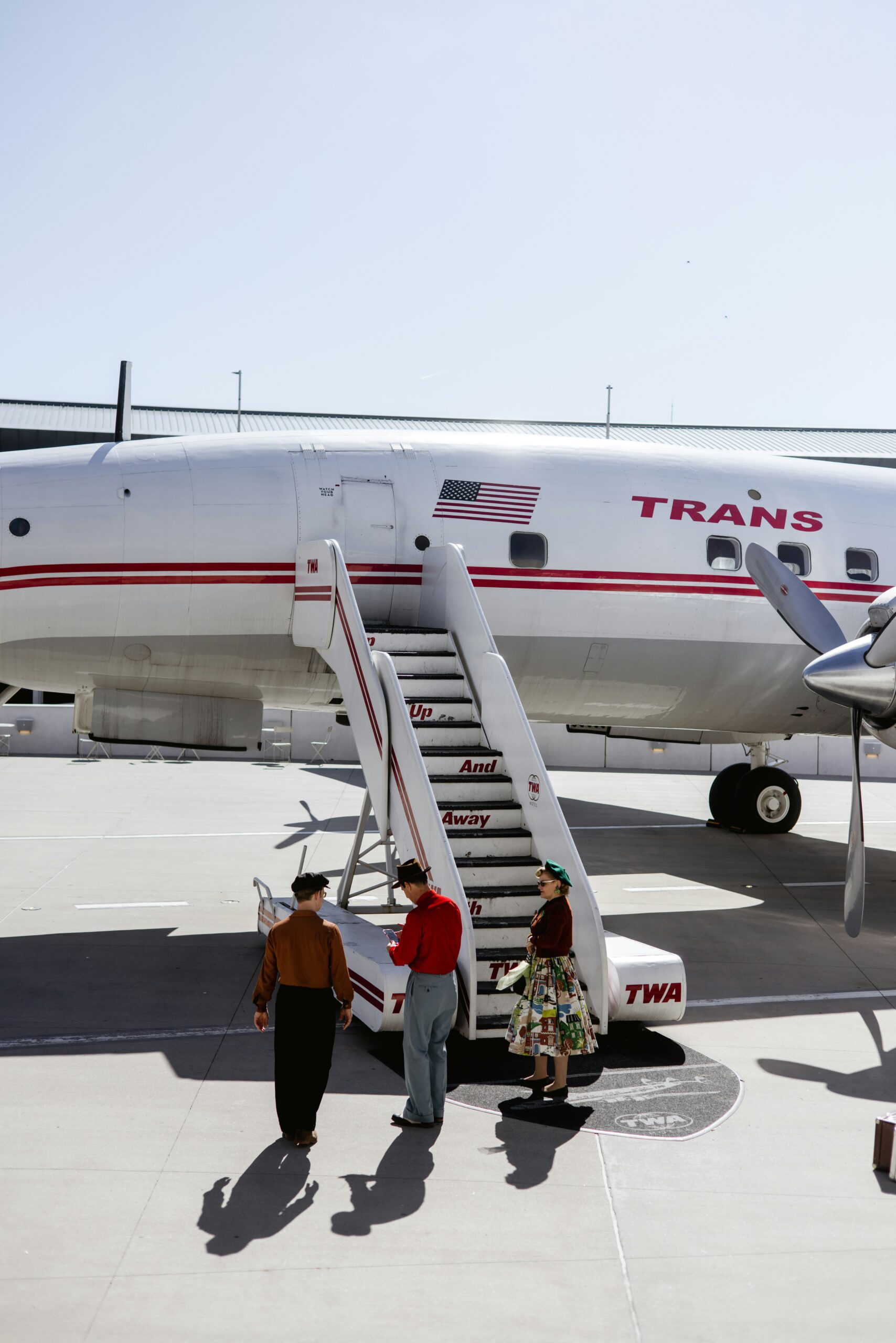
Nostalgia has a reliable way of editing out crash statistics. In the 1950s and 1960s, U.S. airlines experienced at least a half-dozen crashes per year, most resulting in fatalities of everyone on board. The luxury and the genuine risk coexisted, and passengers who read the newspapers were fully aware of both. The caviar was real. So were the body counts.
According to Bureau of Transportation Statistics data, there were 5,196 total aviation accidents in the U.S. in 1965, compared to 1,220 in 2019. The fatality rate was 6.15 per 100,000 flight hours in the golden age, compared to 1.9 today. People mourn the legroom and the lobster – almost nobody includes the crash rate in the nostalgia. That’s a significant omission.
#15 – Planes Had to Stop Multiple Times Just to Refuel
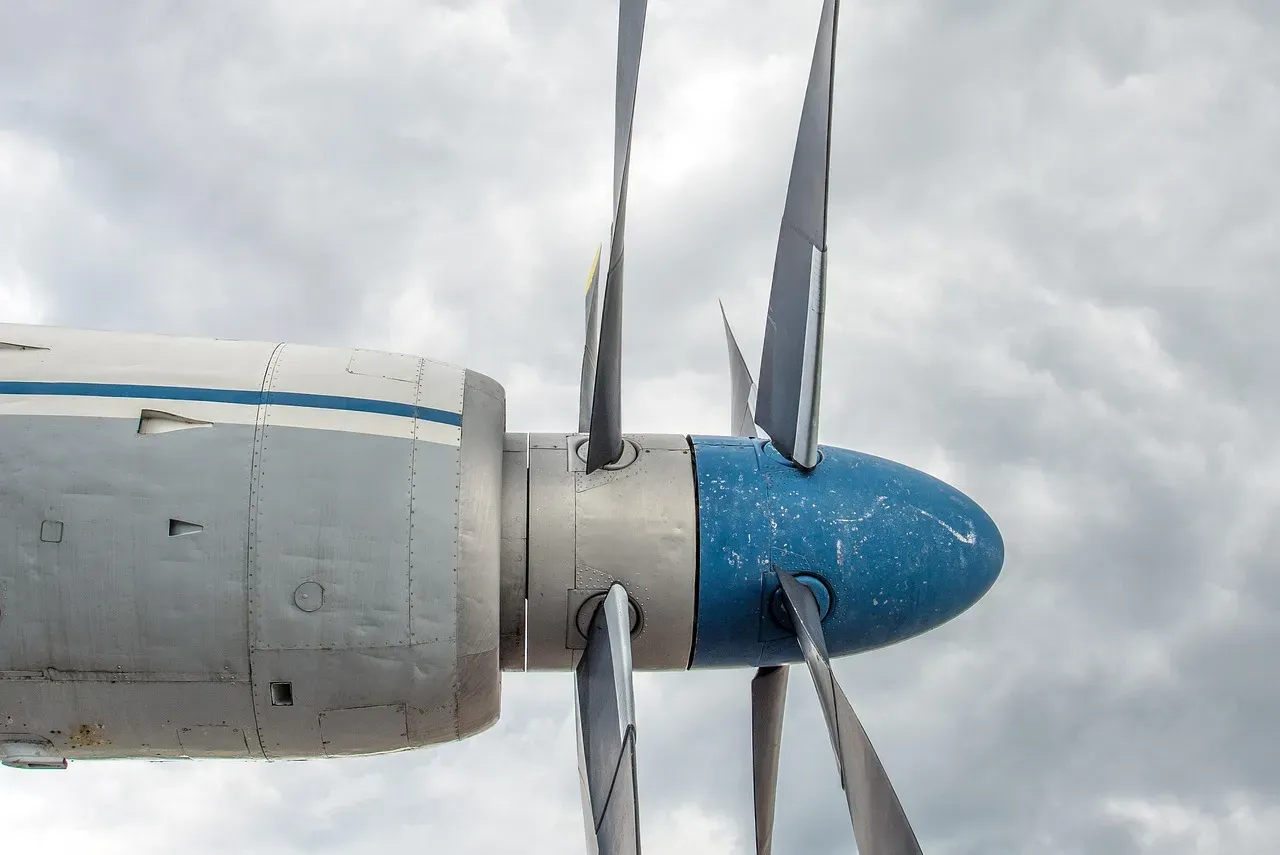
Before the jet age fully matured, getting from one continent to another meant a series of intermediate stops that would drive a modern traveler to despair. Propeller-driven aircraft like the DC-4 maxed out at around 10,000 to 12,000 feet – too low to fly over bad weather – and needed refueling stops that added hours to almost every long-haul route. A New York to London trip that takes under seven hours today could stretch past fifteen in the early 1950s.
Most pre-jet commercial aircraft were also unpressurized, meaning turbulence was constant, altitude was limited, and air sickness was common enough to be a standard planning assumption. The romance of the propeller era conveniently omits the air sickness bags being passed around the cabin mid-Atlantic. The introduction of the Boeing 707 in 1958 cut the New York-London run nearly in half and changed what passengers were willing to tolerate from that point forward.
#16 – Seat Pitch Was Nearly 40 Inches – Everywhere on the Plane
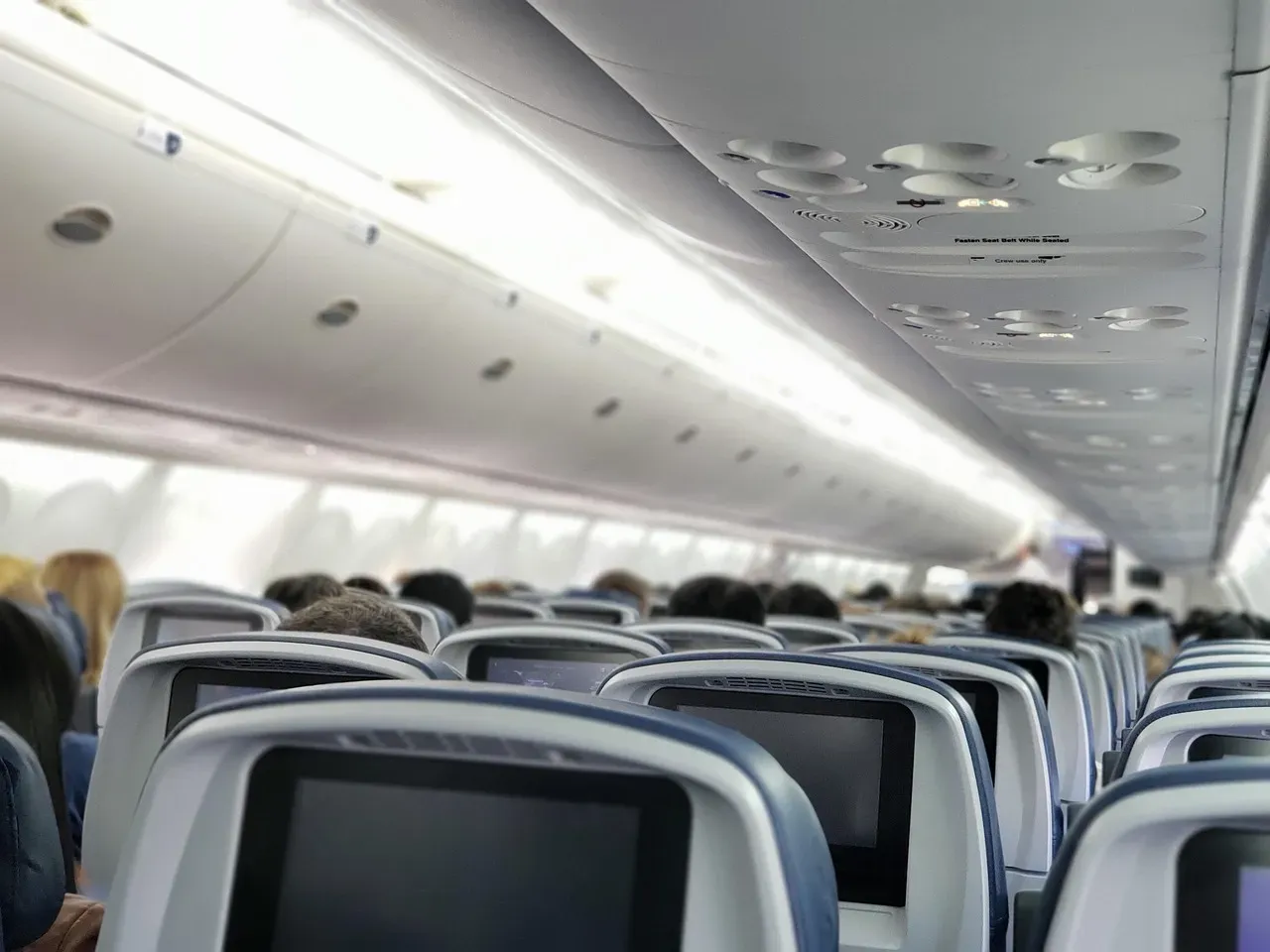
The legroom comparison between the golden age and today is stark enough to make any frequent flier quietly furious. Average seat pitch in the 1960s and 1970s ran around 38 to 40 inches. Today’s domestic economy average sits at 28 to 31 inches. That’s a difference of nearly ten inches – roughly the gap between today’s economy and today’s premium economy or domestic first class – except in the golden age it applied to every seat on the aircraft.
The shrinking happened gradually and quietly, one inch at a time, across four decades of post-deregulation cost-cutting. No single airline announced that it was making flying worse. The pitch just tightened, year by year, until six-foot passengers started arriving at their destinations with their knees bruised and their patience gone. That gap doesn’t sound catastrophic on paper. It feels catastrophic on a five-hour flight.
#17 – The Boeing 747 Was Designed With a Genuine Upstairs Dining Room
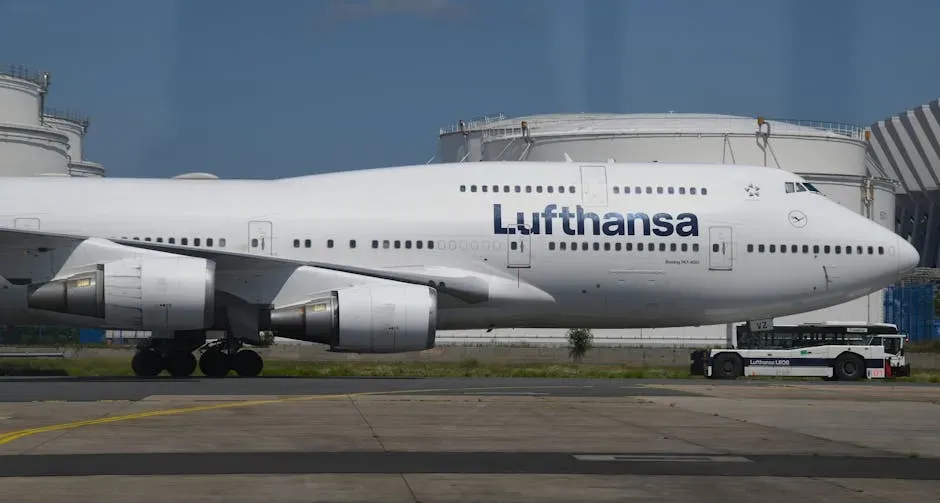
When the 747 launched in 1970, the upper deck wasn’t overflow seating – it was a dining room with tablecloths. Passengers couldn’t sit up there for takeoff and landing, but they went upstairs for dinner and came back down afterward. According to Pan Am’s own 1977 Annual Report, 30 percent of first class passengers said the upstairs restaurant was a factor in their decision to choose Pan Am over a competitor. For a brief window in the early 1970s, a scheduled commercial flight had a separate floor dedicated to eating dinner.
The 747 played a paradoxical role in aviation history. It was simultaneously the pinnacle of golden age luxury – the upstairs dining room, the cocktail lounge, the sheer visual drama of the aircraft – and the vehicle that began dismantling the golden age entirely. The 747 carried 450 passengers where the 707 carried 150. The same plane that gave the world an airborne restaurant also made it economically inevitable to fill every seat as cheaply as possible. It created the golden age’s finest moments and signed its death certificate in the same design.
#18 – You Could Walk to the Gate Without a Ticket to Say Goodbye
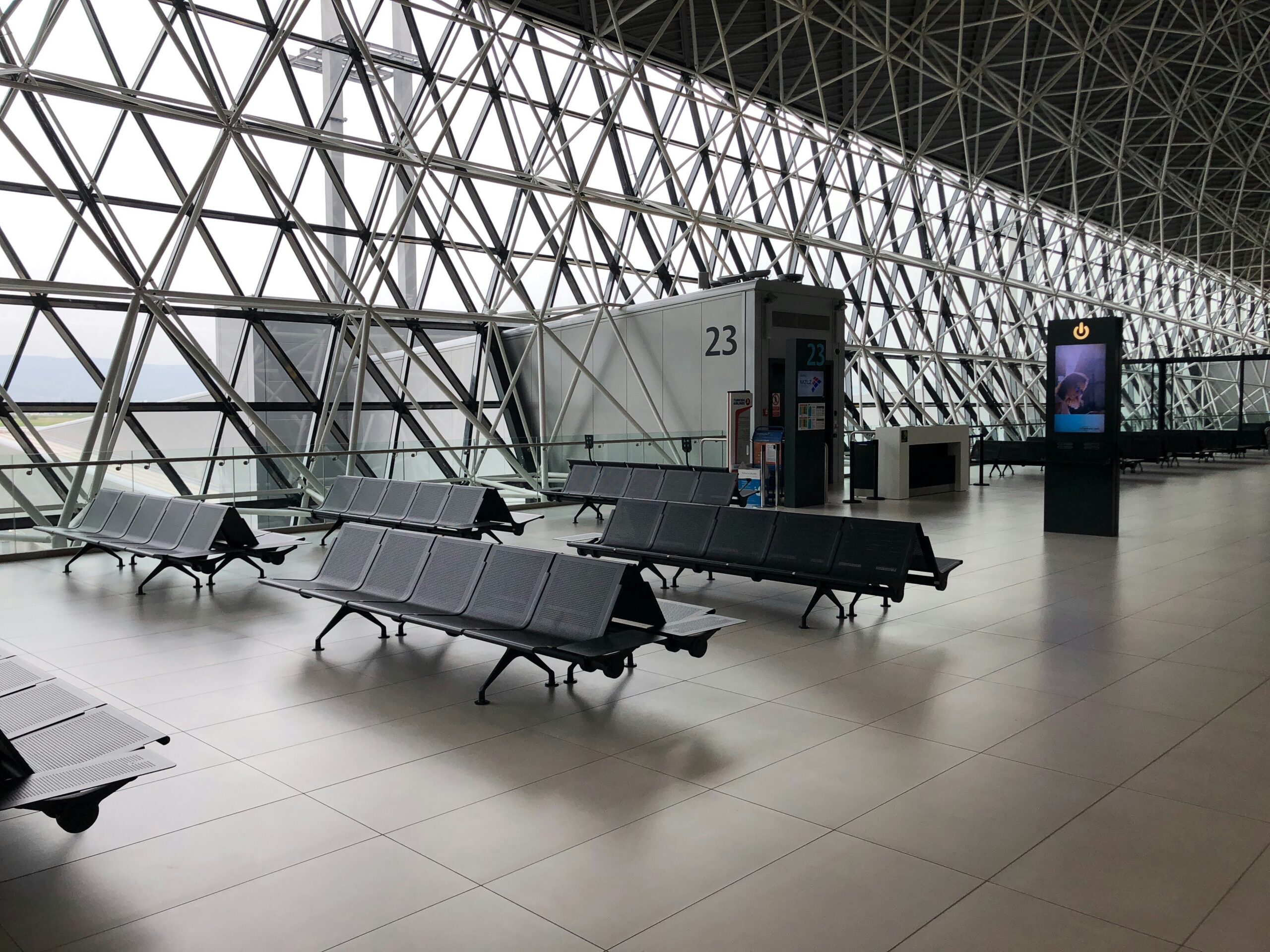
Before September 2001, airports were genuinely public spaces all the way through. Families and friends walked their loved ones to the gate, watched the plane push back through the terminal window, and drove home. There was no security barrier dividing those who were flying from those who were just there to wave. The gate farewell was a completely ordinary ritual – unremarkable enough that most people who experienced it never thought to document it.
You could also arrive at the airport minutes before departure and walk straight to the gate without stress. No thirty-minute security queue, no laptop removal, no shoes off. The ritual of the gate goodbye – something that felt so ordinary to anyone born before 1985 – is completely alien to anyone who grew up flying after 2001. It disappeared in a matter of weeks in the fall of that year and has never returned. A generation of travelers has grown up never knowing it existed.
#19 – The Government Decided Which Routes Airlines Were Allowed to Fly
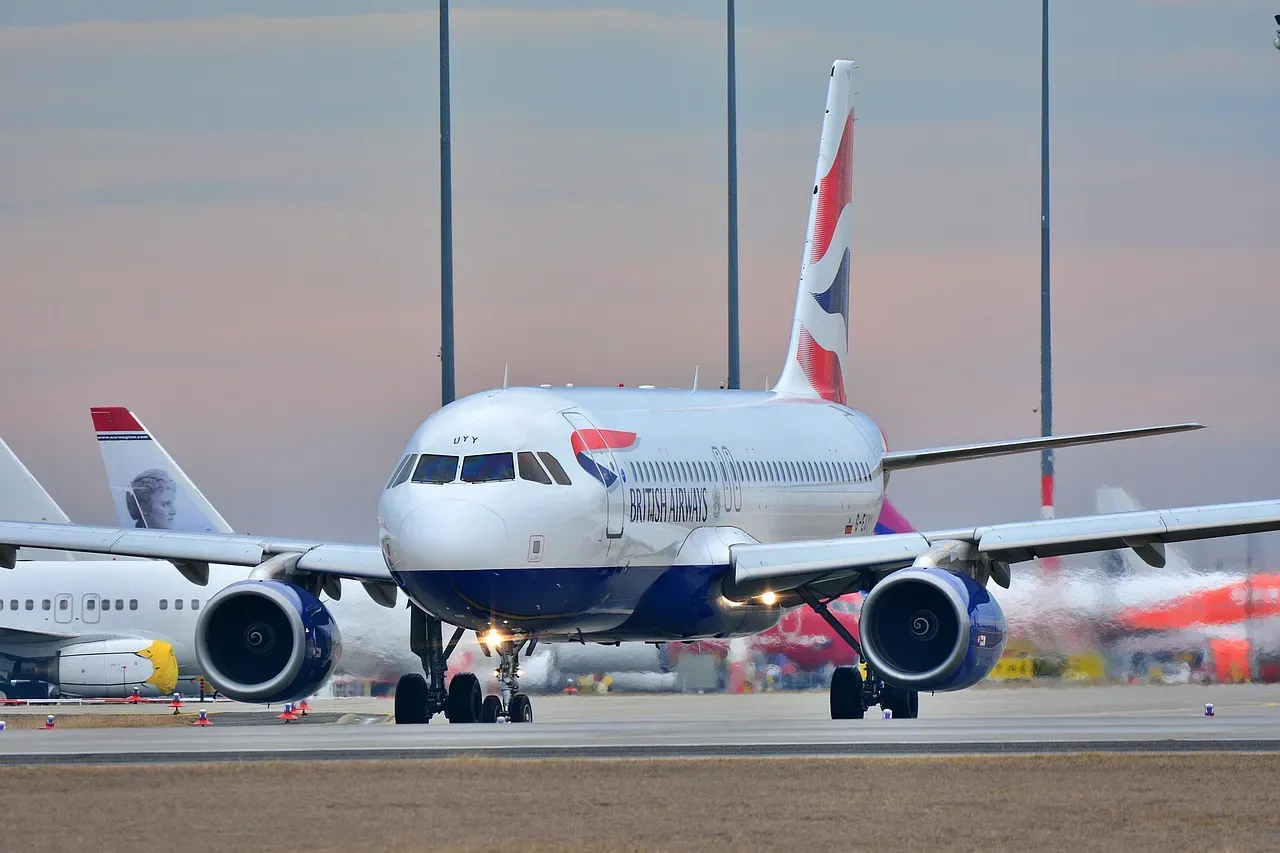
The federal government didn’t just regulate golden age fares – it controlled the entire map of where airlines could operate. Carriers couldn’t simply identify demand and launch a new route. They needed federal approval, a process that entrenched existing airlines and insulated them from any real competitive pressure. The government was, in effect, managing which airlines survived and which routes were worth flying.
When deregulation hit in 1978, airlines were suddenly free to compete on price and to fly wherever they saw opportunity. The carriers that survived were the ones that learned to strip cost – and the most controllable cost was service. In 1960, U.S. airlines carried roughly 62 million passengers annually. By 2019, the global figure had grown to 4.5 billion. Deregulation worked, in the sense that flying became something ordinary people could actually do. The experience those people gave up in exchange is the thing everyone is still mourning forty years later.
Why It Stands Out
- Before 1978, the Civil Aeronautics Board set every fare and approved every route
- Airlines legally could not start a price war – service was their only competitive weapon
- The Airline Deregulation Act of 1978 opened competition virtually overnight
- Within five years of deregulation, gourmet meals and generous pitch had largely vanished
- Global passenger numbers grew from ~62 million (1960) to 4.5 billion (2019) – access won, luxury lost
#20 – Pan Am Was So Dominant It Was Basically America’s Unofficial National Airline
Pan American World Airways wasn’t just the most famous airline of the golden age – it was a cultural institution that shaped how Americans understood the entire idea of international travel. Pan Am operated the first commercial round-the-world flights. It pioneered jet service across the Atlantic when it launched the Boeing 707 route from New York Idlewild to Paris on October 26, 1958. For decades it was the face of American ambition abroad, the carrier you flew when the destination itself was supposed to mean something.
The menus preserve a glimpse of the golden age of air travel in which fine dining, fine wines, and thoughtful design created a passenger experience of mystique and allure.
Northwestern University Transportation Library
When Pan Am collapsed in December 1991 – bankrupted by deregulation, fuel costs, and the aftermath of the Lockerbie bombing – it didn’t just lose its routes. It took an entire mythology with it. Former employees still gather through organizations like World Wings, a philanthropic association of ex-Pan Am flight attendants, keeping the identity alive decades after the last flight landed. No airline since has come close to occupying the same cultural space.
#21 – The Airlines Were Competing With Cruise Ships, Not With Each Other on Price
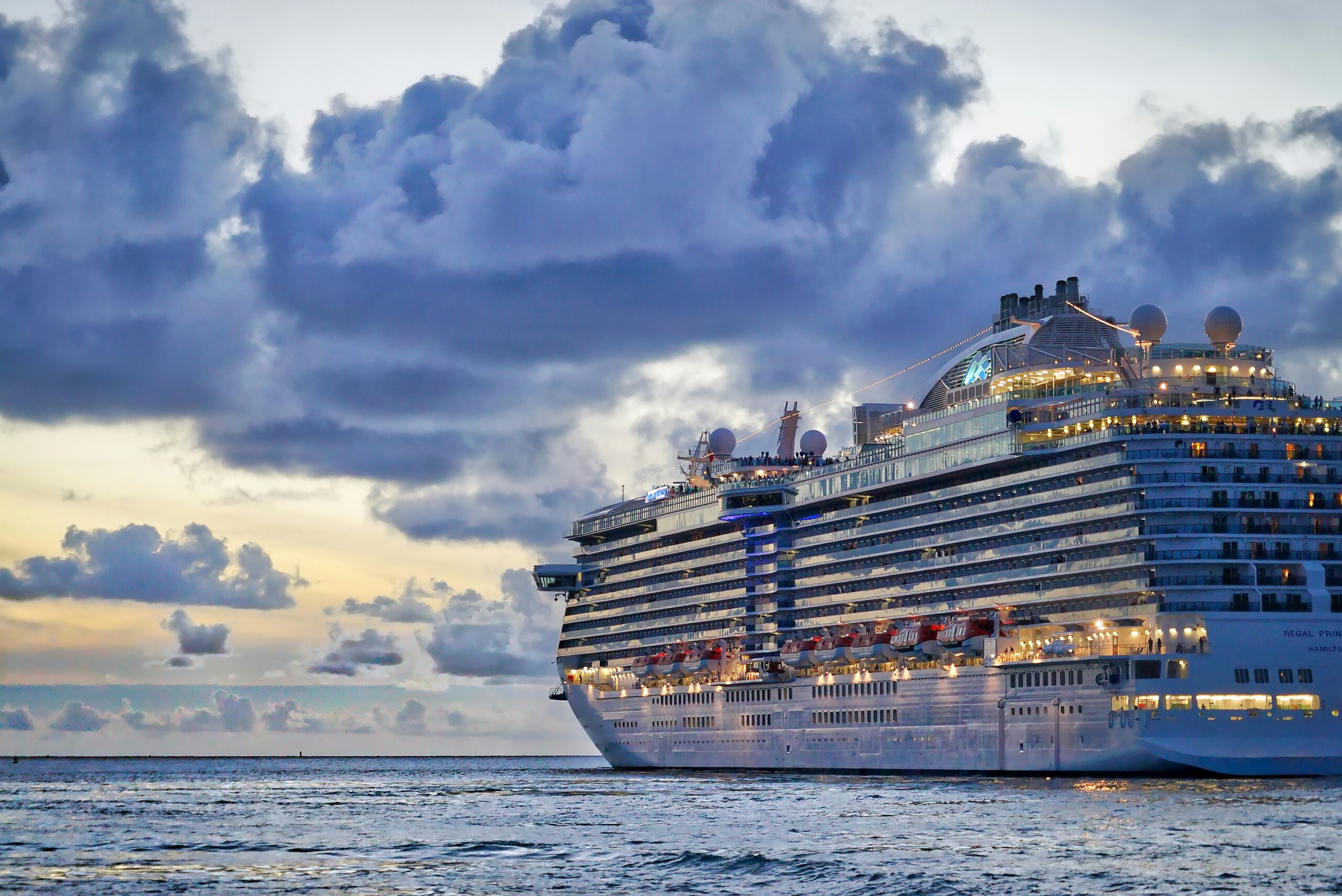
The strategic backdrop of golden age aviation is something most people have never considered. In the early 1950s, flying across the Atlantic was in genuine competition with sailing across the Atlantic – and the ocean liners had a century’s head start in terms of luxury, prestige, and passenger expectation. The Queen Mary had ballrooms. The Île de France had a proper French restaurant. Airlines needed to close that gap fast, and they did it with lounge areas, multi-course meals, and Dior uniforms.
Airlines didn’t invent in-flight luxury out of generosity – they invented it because the Queen Mary was the competition. The moment jet travel made flying dramatically faster than sailing, and the moment deregulation made price the primary battleground, the competitive pressure that had produced all that luxury simply evaporated. The lobster wasn’t a gift. It was a sales tactic aimed at people who were genuinely considering booking a cabin on a ship instead.
#22 – The Only People Flying Were Wealthy Travelers on Expense Accounts
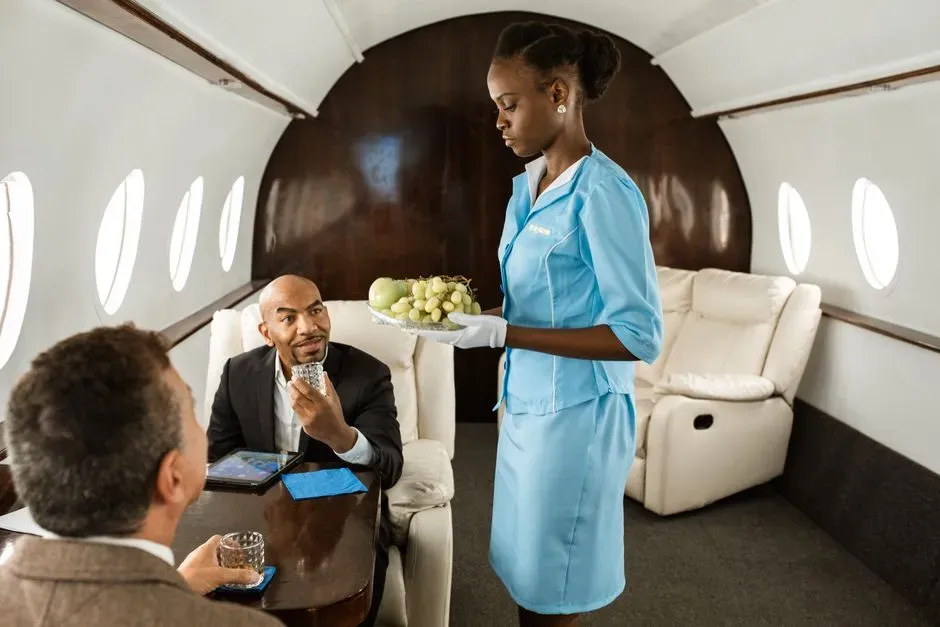
The golden age is often remembered as a time when “everyone” dressed up and “everyone” was treated like royalty. That word “everyone” is doing enormous work. The most statistically likely golden age frequent flier was a white male businessman whose company was paying for the ticket. First class on a Pan Am transatlantic flight was not something most families ever sampled – not because they didn’t want to, but because the ticket price was genuinely out of reach for the vast majority of working Americans.
The glamour and the demographic reality were deeply intertwined. More women, more young people, and retirees did begin flying as the era progressed, but air travel remained financially out of reach for most households throughout the golden age. The ceremony, the Dior uniforms, and the caviar service were real. They were also accessible only to a narrow socioeconomic stratum. The “golden” in golden age depended entirely on who you were and whether someone else was picking up the tab.
#23 – Bags Were Free, Meals Were Free, and Nothing Had a Hidden Fee
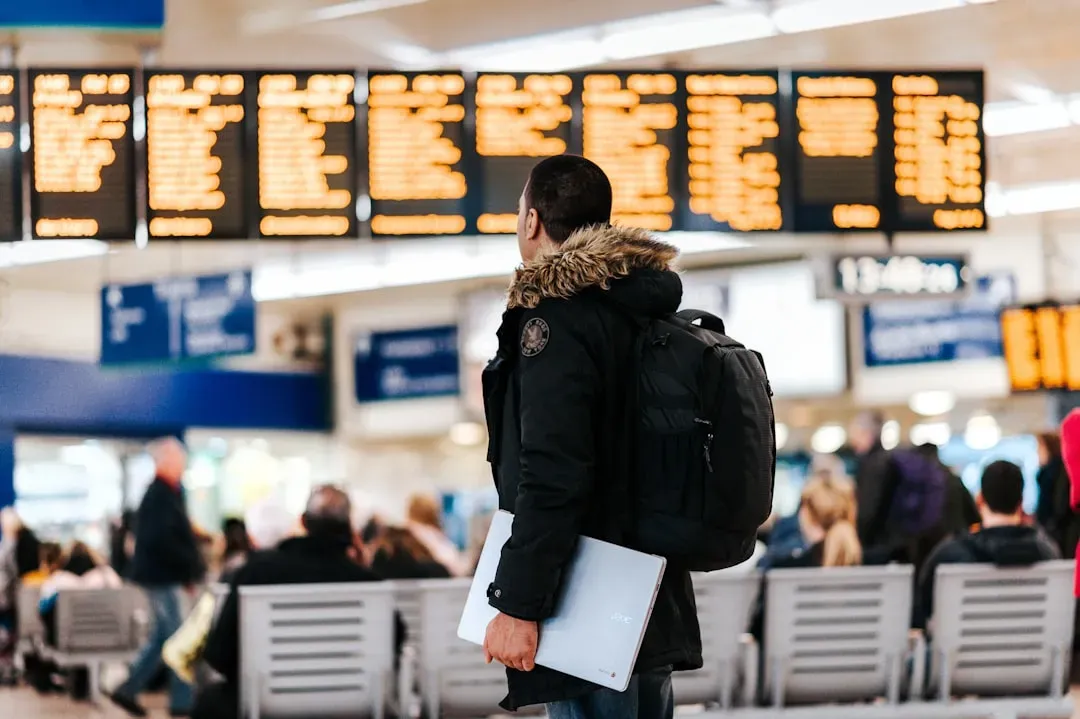
If a time-traveler from 1968 landed at a modern airport and tried to check a bag, select a seat that wasn’t a middle seat, and buy a snack on board, they would be speechless. Even after deregulation made air travel broadly affordable, flight attendants still served full meals and checked baggage was included in the cost of a ticket. The unbundling of services – charging separately for bags, seats, meals, and eventually carry-ons – crept in gradually over decades, quietly enough that most passengers barely noticed until the erosion was complete.
Back then, it was standard to find free-flowing champagne in real glassware alongside multicourse gourmet meals – lobster, caviar, prime rib carved tableside on fine china. The idea that an airline would charge $35 for the right to put a bag in the overhead bin would have landed as a bad joke in 1970. The modern fee structure didn’t arrive all at once. It was a slow, deliberate, decades-long erosion that is now so normalized most passengers have simply stopped noticing it happens.
#24 – Flying Was So Rare and Significant That People Kept Their Ticket Stubs Like Mementos
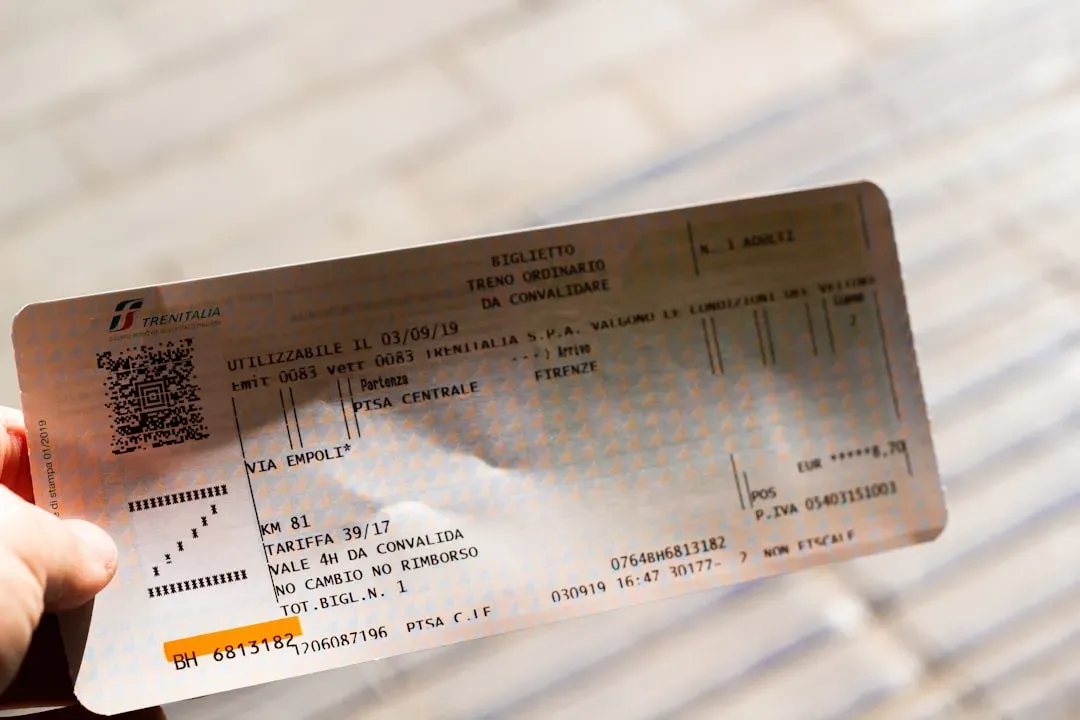
At the very top of what the golden age lost isn’t the lobster or the legroom – it’s the weight of the moment itself. For most of the golden age, a flight was still a genuinely remarkable event. Passengers kept their menus as souvenirs. They kept their ticket stubs. They took photographs inside the cabin the way people photograph a wedding or a graduation. The Northwestern University Transportation Library notes that golden age airline menus were designed objects – components of a visual identity meant to convey “adventure, excitement, and an optimism about the future.”
In 1958, roughly 57 million passengers flew commercially. By 2019, that number had grown to 4.5 billion globally. The miracle of flight became so routine that today most people board in silence, scrolling their phones before the cabin door closes, mildly annoyed that the Wi-Fi is slow. That shift – from sacred occasion to mundane inconvenience – might be the most significant thing the golden age actually lost. The golden age was real. But it existed for a sliver of the population, at prices that would stagger most people today, wrapped in safety statistics that would give a modern regulator nightmares. What was surrendered was ceremony. What was gained was access. Whether that trade was worth it probably depends on whether your family could afford to fly before 1978 – or whether they had to wait until deregulation made a ticket something an ordinary person could actually buy.