
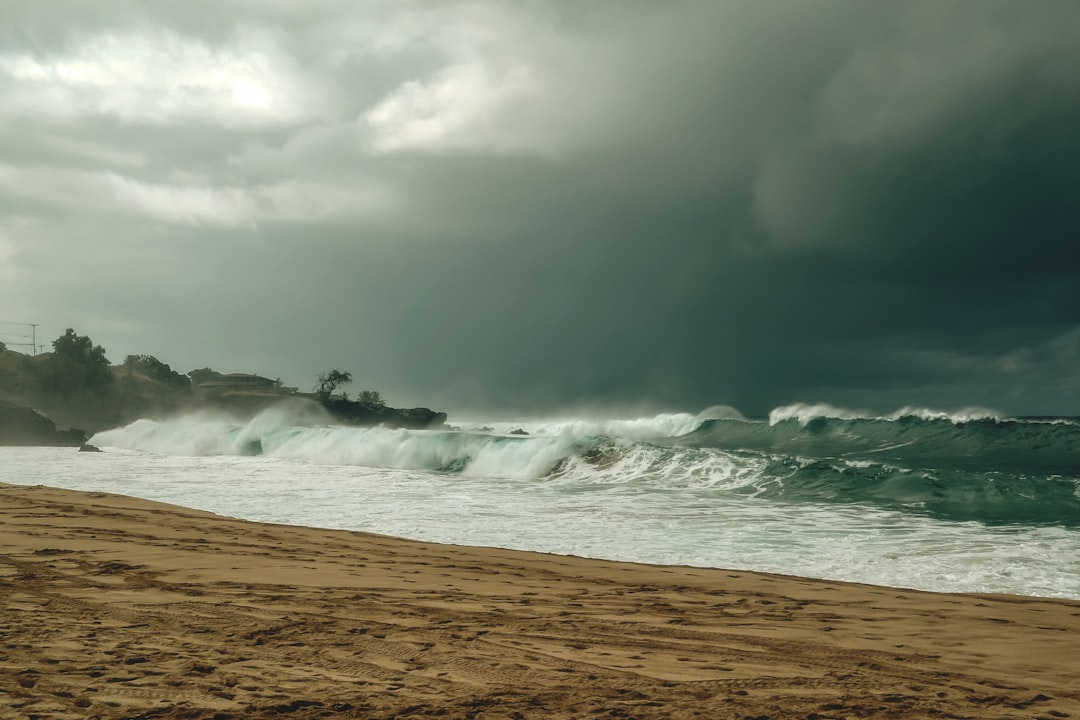
Recapping the First Storm’s Toll (Image Credits: Unsplash)
The recent powerful kona low storm system drenched the islands with torrential rains, triggering widespread flooding, landslides, and significant travel disruptions.[1] Recovery efforts continue as a second, weaker kona low develops west of the state, raising concerns for additional heavy downpours as early as Thursday.[2] Officials urge visitors to stay informed to safeguard their itineraries amid saturated soils that heighten flash flood risks.
Recapping the First Storm’s Toll
Heavy rainfall from the initial kona low battered multiple islands last week, causing road washouts, coastal erosion, and property damage particularly in areas like Kīhei on Maui.[3] High winds reached hurricane force in some spots, leading to power outages and event cancellations across the state.[4]
Tourism took a hit with hotels reporting a roughly 5% drop in bookings and substantial revenue shortfalls, especially on Maui where individual properties lost hundreds of thousands monthly.[1] Airlines faced operational challenges, stranding passengers and prompting safety-driven decisions. The Hawaiʻi Tourism Authority activated protocols to protect guests during peak impacts.
What’s Ahead with the Next Kona Low
Meteorologists forecast this incoming system to deliver periods of heavy rain, though less intense than its predecessor, with leeward regions most vulnerable to rapid runoff.[2] Thursday marks a First Alert Weather Day, as pockets of intense precipitation could extend into the weekend. Saturated ground from prior rains amplifies dangers statewide.
Current conditions feature lingering haze and scattered showers, with lows around 70 degrees near shores. High surf advisories have eased in some zones, but vigilance remains key for coastal activities.
Securing Your Air Travel
The Hawaii Department of Transportation recommends arriving three hours early for transpacific flights and 90 minutes for interisland ones due to potential weather-related delays.[5] Major airports recorded notable cancellations during the first storm’s peak: Honolulu saw 37 on Friday and 25 on Saturday, while Kona logged 9 and 30 respectively.[1]
| Airport | Friday Cancellations | Saturday Cancellations |
|---|---|---|
| Daniel K. Inouye (Honolulu) | 37 | 25 |
| Kahului (Maui) | 16 | 54 |
| Ellison Onizuka Kona | 9 | 30 |
| Lihue (Kauai) | 11 | 3 |
Carriers like United issued waivers for dates through March 15, allowing rebookings without fees.[6] Travelers should monitor airline apps and websites obsessively.
On-the-Ground Precautions
Once arrived, prioritize safety by confirming road statuses and avoiding low-lying areas prone to flooding. Hawaiʻi Volcanoes National Park closed sections like Chain of Craters Road during the first event.[1] Hotels implemented measures such as generator checks and indoor activities to keep guests secure.
Follow these steps to minimize risks:
- Check National Weather Service alerts daily via weather.gov/hfo.
- Register for local emergency notifications through county civil defense apps.
- Secure travel insurance covering weather disruptions and evacuations.
- Pack essentials like rain gear, non-perishables, and portable chargers.
- Confirm attraction openings, as parks and beaches may shutter abruptly.
- Stay at accommodations during active warnings, as advised by tourism officials.
Proactive Booking Strategies
Opt for flexible fares that permit changes without penalties, especially now with uncertainties lingering. Review policies for refunds or credits tied to severe weather waivers. Long-term visitors face fewer hurdles than short-stay trips from the mainland.
Contact your hotel directly for updates on amenities and potential soft bookings. Though disruptions stem from natural forces, Hawaii’s infrastructure rebounds quickly, ensuring most plans proceed smoothly post-event.
Key Takeaways
- Monitor flights closely and arrive early at airports to buffer delays.
- Prepare for localized heavy rain from the weaker second kona low, focusing on leeward spots.
- Leverage travel waivers and insurance to adapt plans flexibly.
Hawaii’s allure persists beyond temporary weather challenges. What adjustments are you making to your island itinerary? Tell us in the comments.