


Ask anyone who has recently had a baby and moved between countries, and they’ll tell you the gap in support can be jarring. In one nation, a new parent might spend more than a year at home with most of their salary intact. In another, the very idea of paid time off after childbirth simply doesn’t exist as a legal right.
The differences aren’t just about culture or tradition. They reflect decades of policy choices, some generous and forward-looking, others left almost entirely to employers or families to sort out on their own.
Estonia: the global benchmark for paid leave
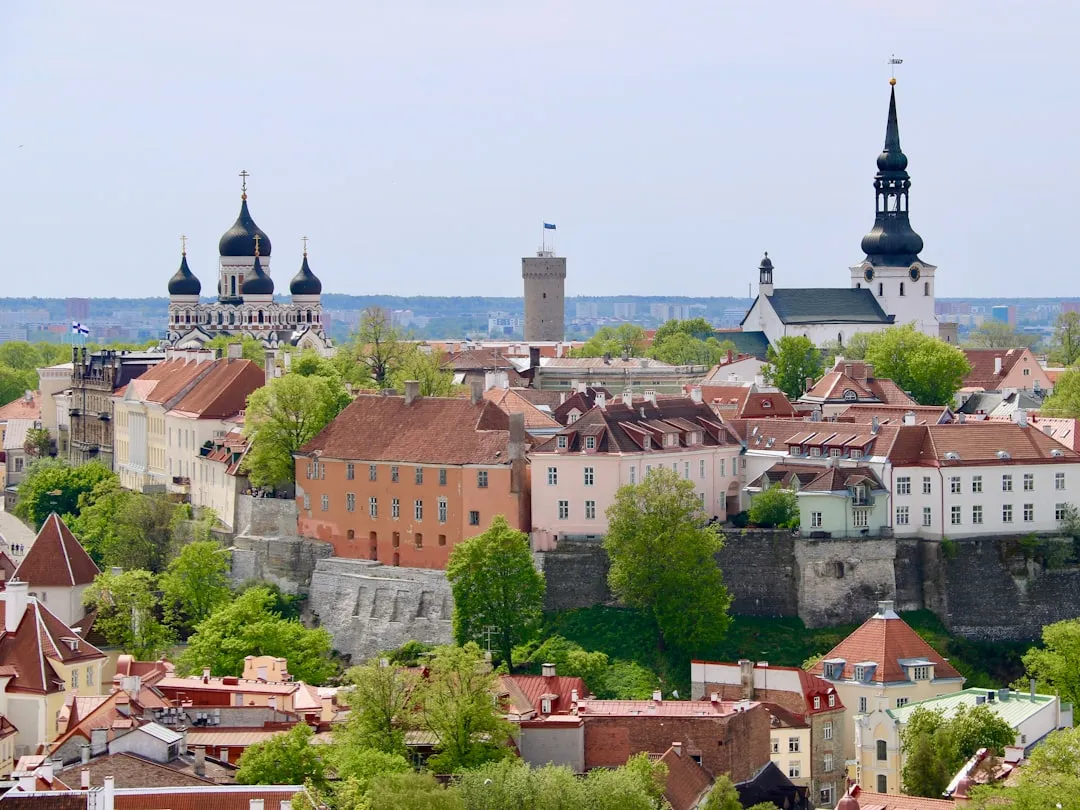
Estonia is routinely singled out as having the most generous parental leave system in the world, and the numbers back that up. Mothers can take 20 weeks of fully paid maternity leave followed by 62 weeks of optional “bonus” parental leave. That combination pushes total paid leave time well past a year, with the government footing most of the bill through social insurance.
What sets Estonia apart isn’t just the length of leave but how much of it comes at full pay. These 10 countries offer the best maternity leave policies, blending pay with time off, starting with Estonia’s up to 86 weeks of leave, including 20 weeks of 100% paid maternity leave and over a year of paid parental leave. Few countries anywhere come close to matching that combination of duration and income protection.
Bulgaria: the longest stretch at high pay

Bulgaria often gets called the world leader when duration and pay percentage are weighed together. Bulgaria is the world leader in maternity leave, with employees getting 58.60 weeks off and also paid 90 percent of their salary. That’s more than a year of leave with the vast majority of income still coming through.
The funding model relies on the country’s social security system rather than individual employers, which helps explain why coverage is so consistent across industries. Bulgaria offers up to 58.6 weeks of maternity leave, with 90% of the salary paid through social security. For families, that predictability matters almost as much as the length of leave itself.
Sweden: leave built for both parents
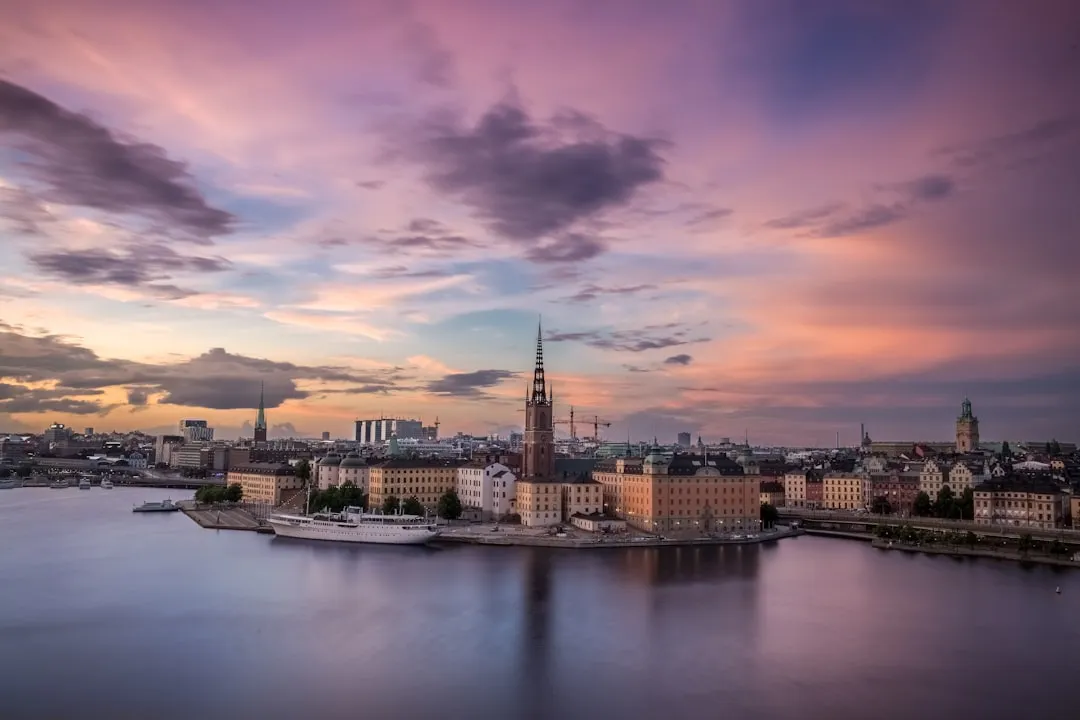
Sweden’s system stands out for a different reason: it was designed from the start to be shared between two parents rather than centered mainly on the mother. Sweden offers 69 weeks (480 days) of paid parental leave per child, with 390 days paid at about 80% of salary. The remaining days are paid at a flat government rate rather than a percentage of income.
Sweden also builds in incentives that push fathers to actually use their share of the leave, rather than letting it default to mothers. Sweden provides a total of 480 days of paid parental leave but reserves 90 days for each parent. That reserved portion has become a template that other countries, including several in the Nordic region, have tried to copy in their own reforms.
United States: no federal paid leave at all

The United States remains the most frequently cited example of a wealthy country without any national paid parental leave program. The U.S. is the only country among 41 nations that does not mandate any paid leave for new parents, according to data compiled by the OECD. Instead, new parents rely on a patchwork of unpaid federal protection and whatever their state or employer happens to offer.
The federal law that does exist only guarantees time off, not pay. In the United States, the Family and Medical Leave Act (FMLA) is a law that requires covered employers to provide at least 12 weeks of unpaid family leave time after the birth or adoption of a child. A handful of states, including California, New York, and New Jersey, have stepped in with their own paid leave programs, but there’s still no nationwide guarantee.
Papua New Guinea: leave without a pay mandate

Papua New Guinea is one of the longest-standing examples of a country with no legal paid leave requirement for new parents. Papua New Guinea has no legal requirement for paid maternity leave, and although limited protections may be available through some employers, national standards remain absent. That leaves the outcome largely dependent on individual workplaces.
Historical reviews of global labor law have flagged Papua New Guinea as an outlier for a long time. In 2014, the International Labour Organization reviewed parental leave policies in 185 countries and territories, and found that all countries except Papua New Guinea have laws mandating some form of parental leave. That distinction has stuck through subsequent updates to global leave data.
Tonga: minimal protections, no guaranteed pay
Tonga’s approach to parental leave is limited both in scope and in duration. Tonga provides minimal maternity protections, typically limited to approximately 30 days of unpaid leave, without guaranteed income support. That’s a fraction of what workers in Europe or much of Asia can expect.
The lack of income support means the burden falls heavily on personal savings or family networks. The short list of countries that don’t offer any form of paid maternity leave includes Papua New Guinea, Suriname, the Marshall Islands, Micronesia, Nauru, Palau, Tonga, and the United States. Tonga sits firmly within that small, frequently cited group.
Micronesia: leave exists, but pay does not
The Federated States of Micronesia is another Pacific nation where leave time isn’t tied to any wage replacement. The Federated States of Micronesia offers minimal maternity leave protections, with no mandated paid leave at the national level. Whatever support new parents receive tends to come down to individual employer policy rather than law.
This gap places Micronesia alongside a small cluster of island nations that consistently appear on lists of countries without paid leave mandates. The Marshall Islands, Micronesia, Nauru, Palau, Papua New Guinea, Tonga, and the United States are the only seven countries in the United Nations that do not require employers to provide paid time off for new parents. That list has remained largely stable for years.
Marshall Islands: no national wage guarantee
The Marshall Islands rounds out the group of nations without a legal requirement for paid parental leave. Its labor framework guarantees job-protected time away from work in some cases, but nothing that mandates continued pay during that period. A different study showed that of 186 countries examined, 96% offered some pay to mothers during leave, but only 44% of those countries offered the same for fathers. The Marshall Islands falls outside even that baseline for mothers.
Because the country’s economy leans heavily on small businesses and public sector jobs, enforcement of any informal leave arrangements tends to vary widely from one workplace to the next. Without a national insurance fund to draw from, there’s no consistent mechanism to replace lost wages during leave. That absence of infrastructure is a common thread among all five countries in this group, more than any single cultural or political explanation.
Taken together, these eight countries show just how wide the range really is when it comes to supporting new parents. On one end, nations like Estonia, Bulgaria, and Sweden have built social insurance systems that treat paid leave as a basic expectation, funded collectively and available to nearly every worker. On the other, a small group of countries, including one of the world’s wealthiest, still leaves new parents without any guaranteed income during the weeks or months after a child arrives.