


Walk through a shop in Stockholm and try paying with a crumpled banknote. There’s a decent chance the cashier will politely explain that the till simply doesn’t accept it anymore. Meanwhile, cross into a bakery in Munich or a corner store in Osaka, and that same banknote will be welcomed without a second thought. The gap between these two worlds has only widened in recent years, and it says a lot about how differently nations think about money, privacy, and convenience.
Sweden: the country closest to leaving cash behind
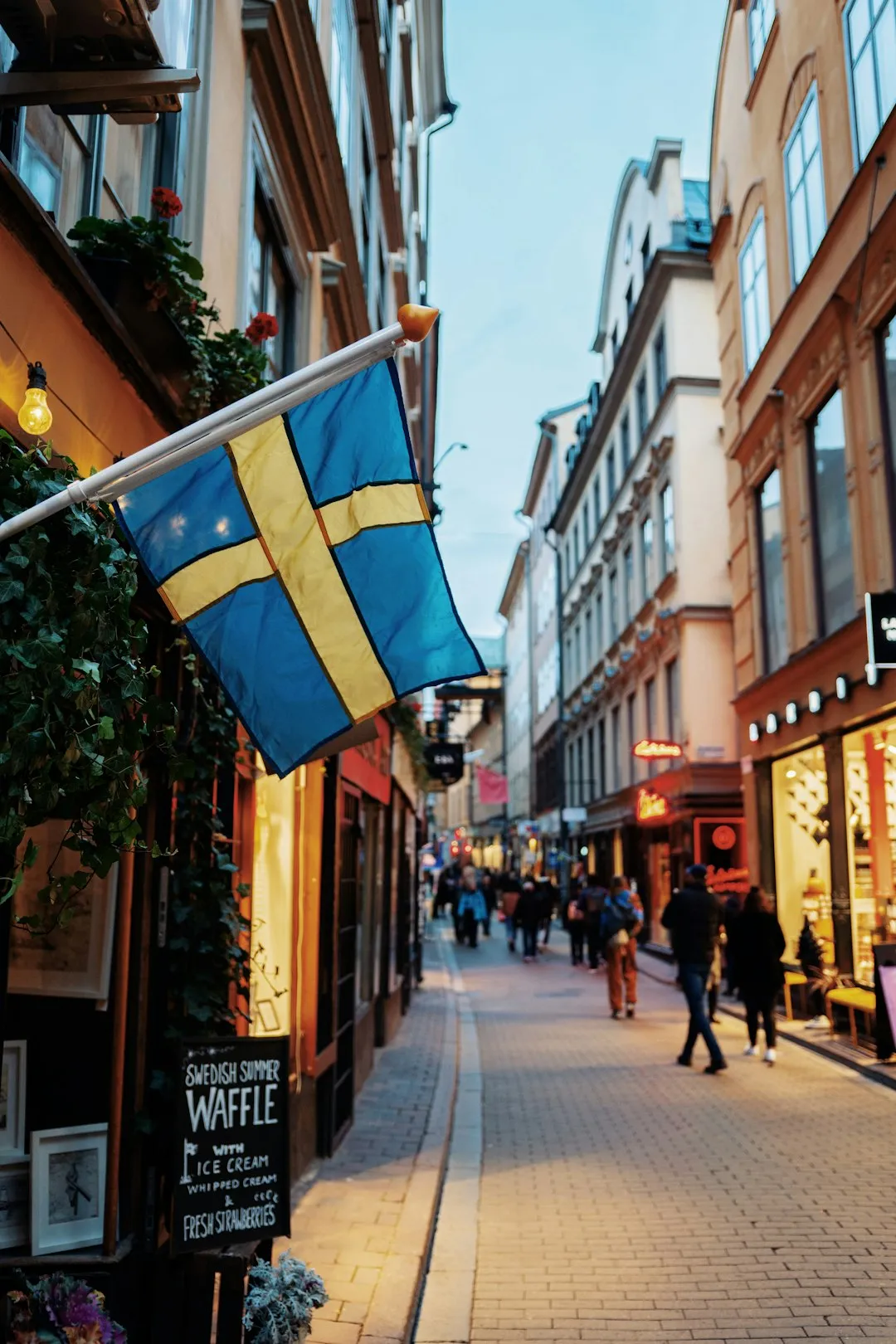
Sweden has spent over a decade positioning itself as the world’s leading candidate for a fully cashless economy. In the last ten years, the proportion of goods paid for with cash has fallen from around 40 per cent to less than 10 per cent, and the trend has not reversed. A cashless society is certainly closer in Sweden than it is in most other European countries, with only a quarter of the population regularly using cash and 25% saying they never pay using physical money.
The engine behind this shift is Swish, the mobile payment app that Swedes use for everything from splitting a dinner bill to paying rent. Swish, launched in 2012 for real-time money transfers using just phone numbers, has made cash increasingly obsolete. Even so, the Riksbank has pushed back against a total elimination of notes and coins. The bank’s 2025 Payments Report emphasized the need to protect cash’s role for payment system resilience, proposing legislation to mandate acceptance of cash for essential goods and services.
Norway: ahead of its Nordic neighbors

Norway has quietly overtaken Sweden as the most cashless country in the Nordic region. Norges Bank, the country’s central bank, reported that Norwegians are using coins and bank notes for just three to four percent of financial transactions, moving Norway into prime position as the most cashless Nordic country, ahead of neighbouring Sweden. That is not a small margin. It puts Norway among the very lowest cash-usage rates recorded anywhere in the world.
Contactless technology has become the default rather than the exception. In 2020, 65% of payments at physical points of sale were contactless, a share which increased throughout the year, with BankAxept reporting that 80 percent of payments in December 2020 were contactless. Mobile wallets have followed the same trajectory, and Norway is a strong contender in the cashless race, with 98% of its citizens using debit or credit cards, and over 95% of Norwegians using mobile payment apps.
South Korea: cards, apps, and a fading role for banknotes

South Korea has built one of the most thoroughly cashless retail environments in Asia, driven by a culture that embraced electronic payment infrastructure early and never looked back. With an astounding 95% of the population using credit cards, the country has eclipsed some of the most developed nations in the world, including the United States and the United Kingdom. Apps like Samsung Pay and Kakao Pay have layered mobile convenience on top of an already card-heavy society.
Cash has become something close to a backup option rather than a daily tool. Cash transactions now account for less than 20% of South Korea’s total retail payments, a stark contrast to countries like the United States, where cash still makes up a substantial portion of daily transactions. Everyday habits reflect this shift clearly, since unlike many countries where credit cards are used mainly for significant purchases, South Koreans use them regularly for everyday transactions, whether commuting on the subway, purchasing food, or paying bills.
China: leapfrogging straight to mobile payments

China took a different route to the same destination, skipping widespread credit card adoption almost entirely in favor of QR code based mobile payments. Upper-middle-income China sits at just 10% cash usage, reflecting its leapfrog to mobile payments through Alipay and WeChat Pay, bypassing traditional card infrastructure entirely. That is a strikingly low figure for a country of well over a billion people.
The scale of e-commerce in China reinforces just how deeply digital payment habits run. China is leading the charge in eCommerce and is the biggest eCommerce market in the world, with annual online sales of $672 billion and an annual growth rate of 27.3%. Scanning a code with a phone has become so routine that one of the most popular ways to pay by phone is QR code scanning, a method that has been successfully adopted from Beijing to more rural areas such as Sichuan.
Germany: Europe’s most stubborn cash economy
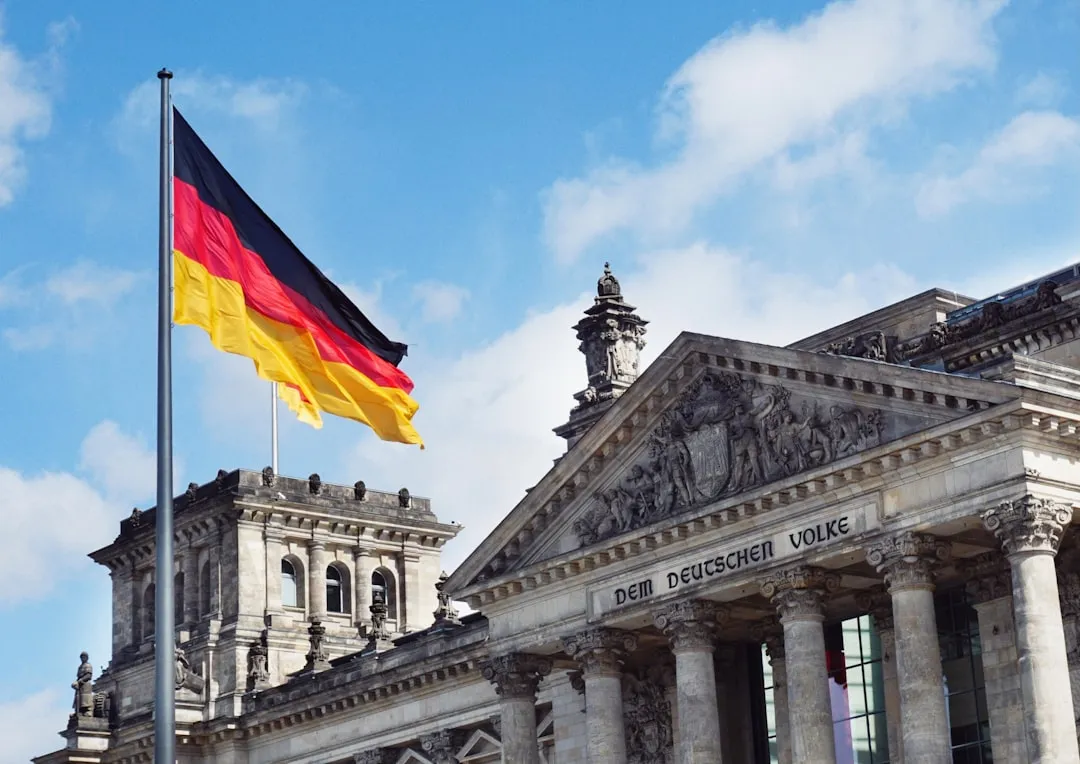
Despite its reputation for engineering precision and efficiency, Germany remains one of the most cash-attached economies in wealthy Europe. Germany tops the rankings with regard to using cash for transactions, with 73% of those surveyed saying they had recently used physical money to make a purchase. That figure stands in sharp contrast to neighboring Nordic countries where cash has nearly vanished from daily life.
Retail data backs up the survey findings rather than contradicting them. Cash still accounted for 51% of all German in-store transactions in a 2023 study, a figure that surprises most merchants entering the market for the first time. Analysts often point to privacy concerns as the underlying reason, since Germany at 51% is an anomaly among wealthy European nations, likely due to privacy reasons and mistrust in big banking institutions.
Japan: high-tech nation, low-tech wallets
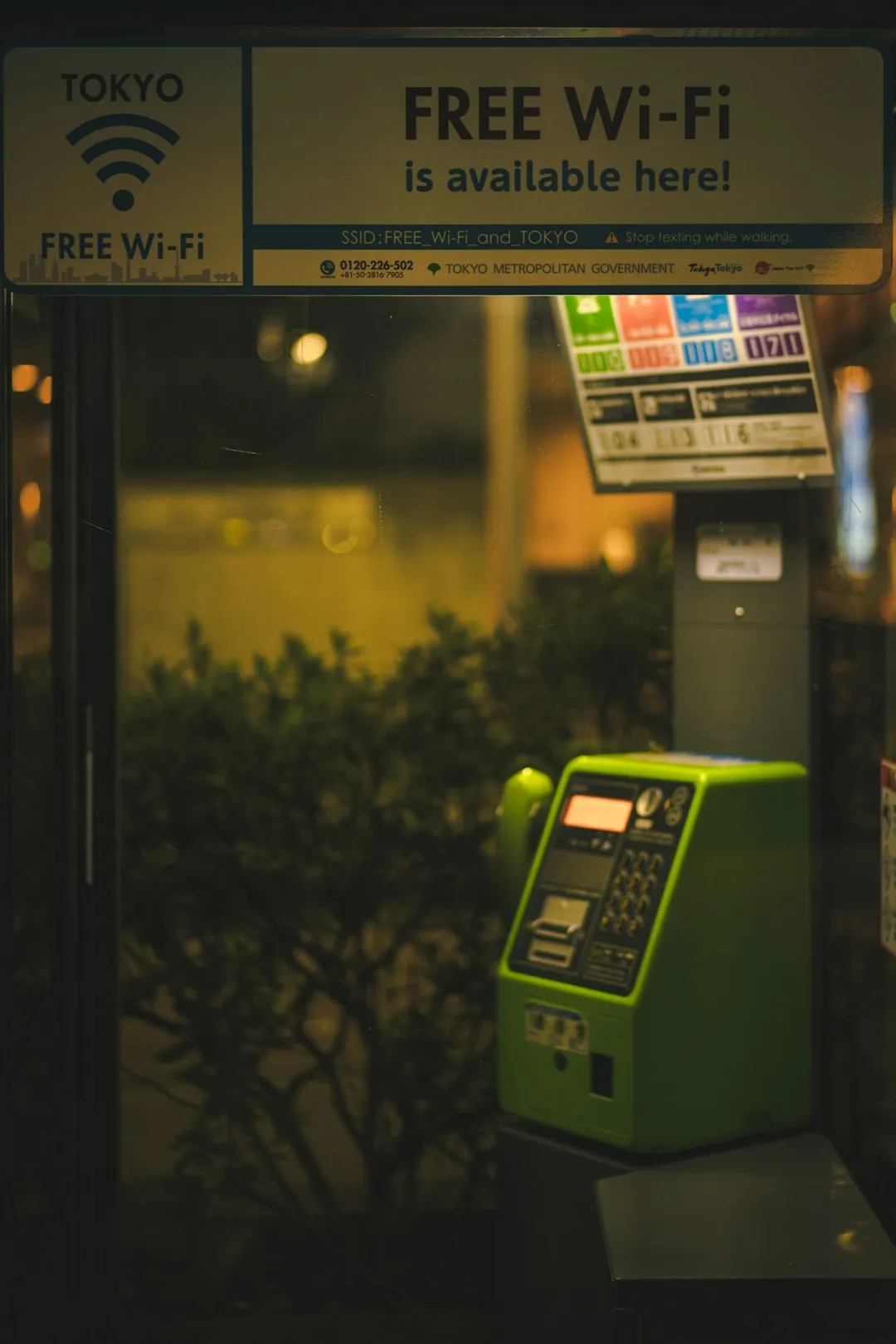
Japan presents one of the more curious contradictions in global payments. It’s a country famous for robotics and bullet trains, yet cash refuses to loosen its grip on daily commerce. Japan at 60% is remarkably high for such a technologically advanced nation, helped by more use in rural areas.
Government efforts to shift the balance have moved slowly compared to targets set years ago. In 2019, the country’s government revealed its “Cashless Vision,” aiming to increase cashless payments to 40 percent by 2026, though at the time only around 18 percent of payments in Japan were cashless. Cultural habits appear to matter as much as infrastructure here, since Japan’s cash preference persists despite the country having the technological infrastructure to support digital alternatives.
Austria: quietly holding the line on banknotes

Austria rarely makes headlines in payments coverage, but it sits firmly in the cash-loving camp alongside its larger neighbor Germany. Regional surveys consistently group the two countries together when identifying where physical money remains dominant. One of the best examples in the study is that of Germany and Austria compared to many Scandinavian countries, where if you’re German or Austrian, it’s likely you still use cash most of the time.
Broader eurozone data reinforces this pattern rather than treating Austria as an outlier. There is a slope between the cash loving southern countries as well as Germany, Austria and Slovenia on the one hand, and Finland, Estonia and the Netherlands on the other hand. The divide across Europe isn’t shrinking quickly, and Austria remains firmly on the paper money side of that line.
The countries that have shed cash and the ones that haven’t rarely split along income lines. Wealth alone doesn’t explain why a shopper in Oslo taps a phone while one in Vienna still counts out coins. Culture, privacy attitudes, and trust in banking institutions shape these habits just as much as technology does, and that mix of factors is why the map of cash usage looks the way it does today.