
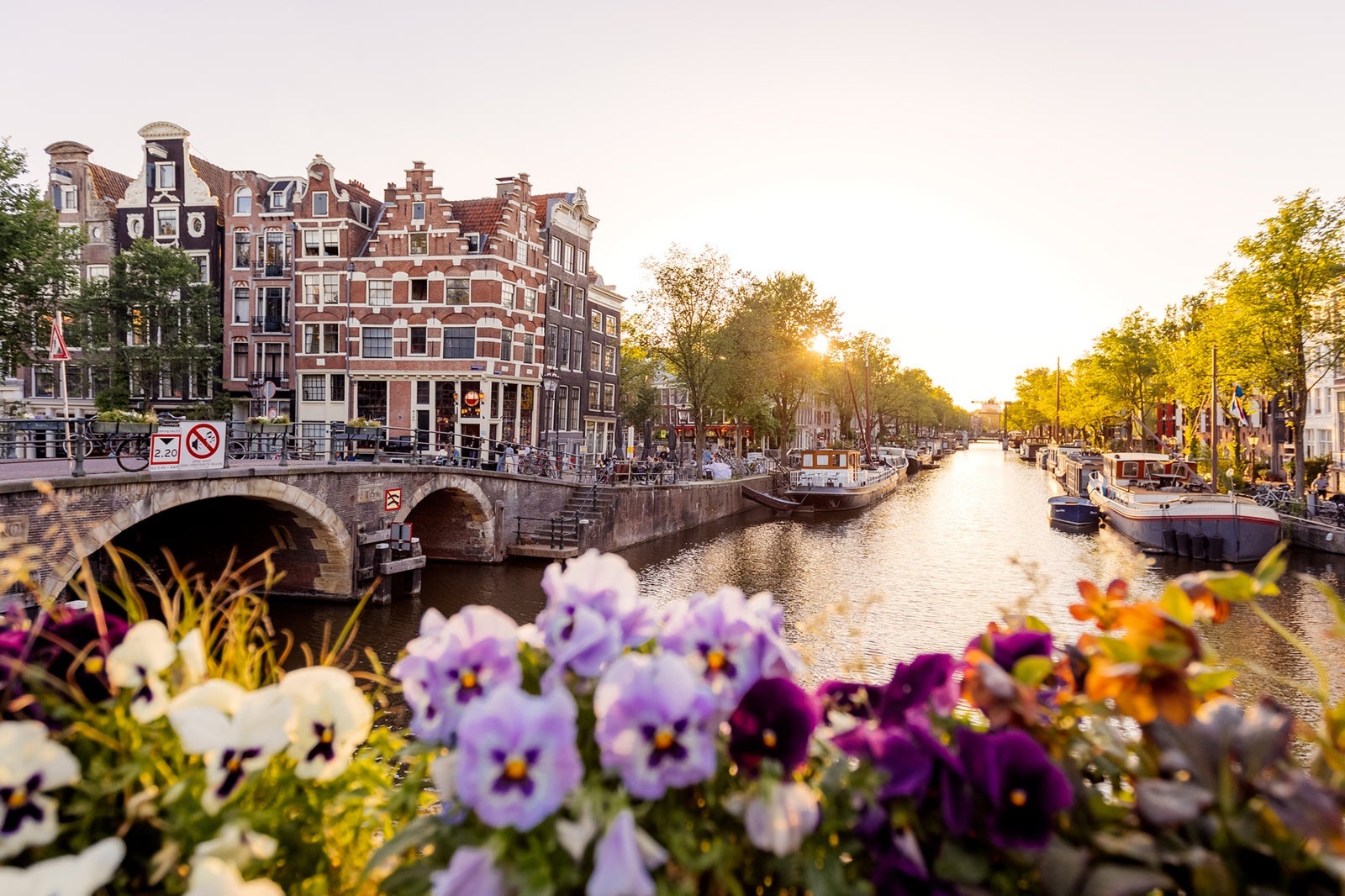

There was a time when booking a flight to Europe felt like the easiest decision in travel. Grab a cheap fare, pack light, wander through a few old cities, and call it a good summer. That equation has quietly shifted over the past couple of years, and anyone paying attention to what’s actually happening on the ground this year will notice the math no longer adds up the same way.
I used to go every summer without a second thought. Lately, every time I open a booking site, something makes me close the tab again. It’s not one single problem. It’s a pile of smaller ones that, together, changed how the trip actually feels once you land.
The crowds are no longer just an inconvenience
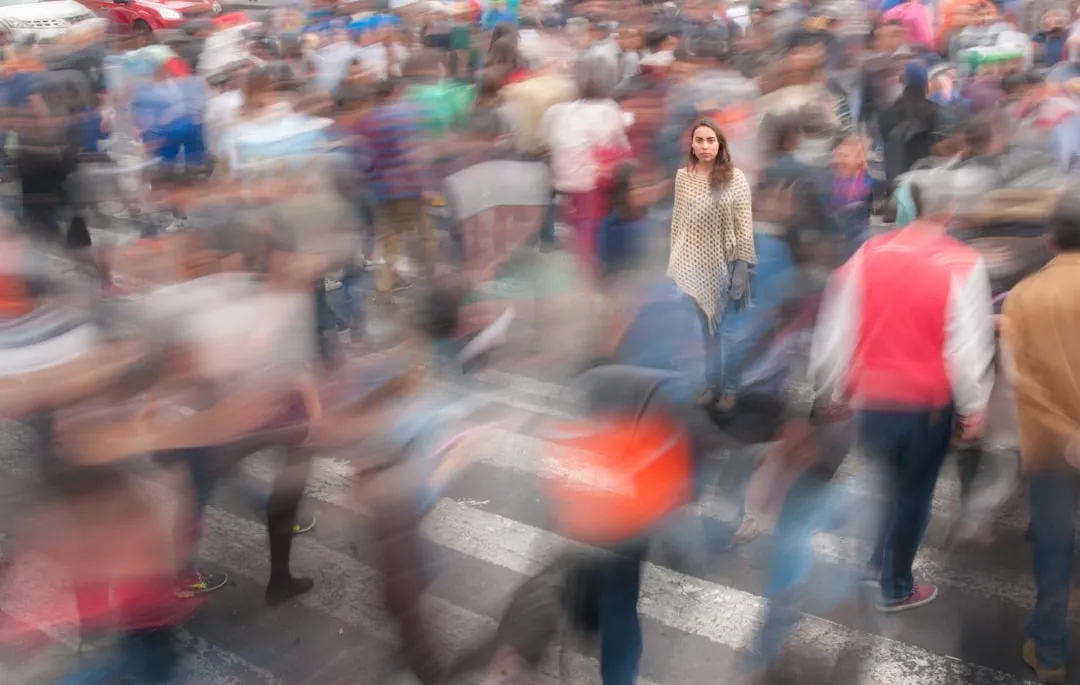
Anyone who has stood in a packed Venice alley or tried to get a photo in front of the Sagrada Família in July already knows the feeling. What used to be seasonal congestion has become a year round condition in the most popular cities. Despite searing heat, scorching wildfires and overcrowding, visitors keep on coming to Europe, with the biggest burden falling on southern Europe to accommodate them.
The flashpoints are predictable at this point. The biggest flashpoints are in the Canary Islands, Mallorca and Barcelona in Spain, Venice, Rome and the Amalfi coast in Italy and several Greek islands such as Santorini and Mykonos. Even areas that never used to feel touristy, like certain Parisian neighborhoods, are now under strain from sheer footfall.
Tourist taxes keep climbing, city by city

What used to be a small line item on a hotel bill has turned into a real budget consideration. Amsterdam, Barcelona, and Venice currently have the highest combined tourism charges among European cities. In Barcelona specifically, guests pay two stacked levies that appear as one line on the bill, the regional Catalan tourist tax plus a municipal surcharge, combining to roughly 7.50 euros per person per night in a five star hotel, with a tourist apartment running about 6.25 euros.
It’s not just Spain. In France, Paris’s per-night tourism tax was raised by adding a new regional surcharge equal to 200% of the base tax, with a five star hotel’s tax jumping from €3.60 to €11.70 per night. None of these fees alone will break a budget, but stacked across a two week, multi city trip, they add up faster than most people expect.
Museums and landmarks now charge visitors differently

One of the more jarring shifts is dual pricing, where locals and non locals no longer pay the same amount to see the same painting or walk through the same square. Venice wants up to €10 just to walk through the door, and the Louvre now charges non Europeans 45% more than locals. It’s a small detail, but it changes the feeling of the visit.
Traveling somewhere used to mean being treated the same as everyone else in line. Now there’s a visible, priced distinction between guest and resident almost everywhere you look. Paris’s dual pricing at museums disproportionately affects non EU visitors, and budget travelers increasingly report feeling like walking ATMs.
The heat has stopped being just an inconvenience
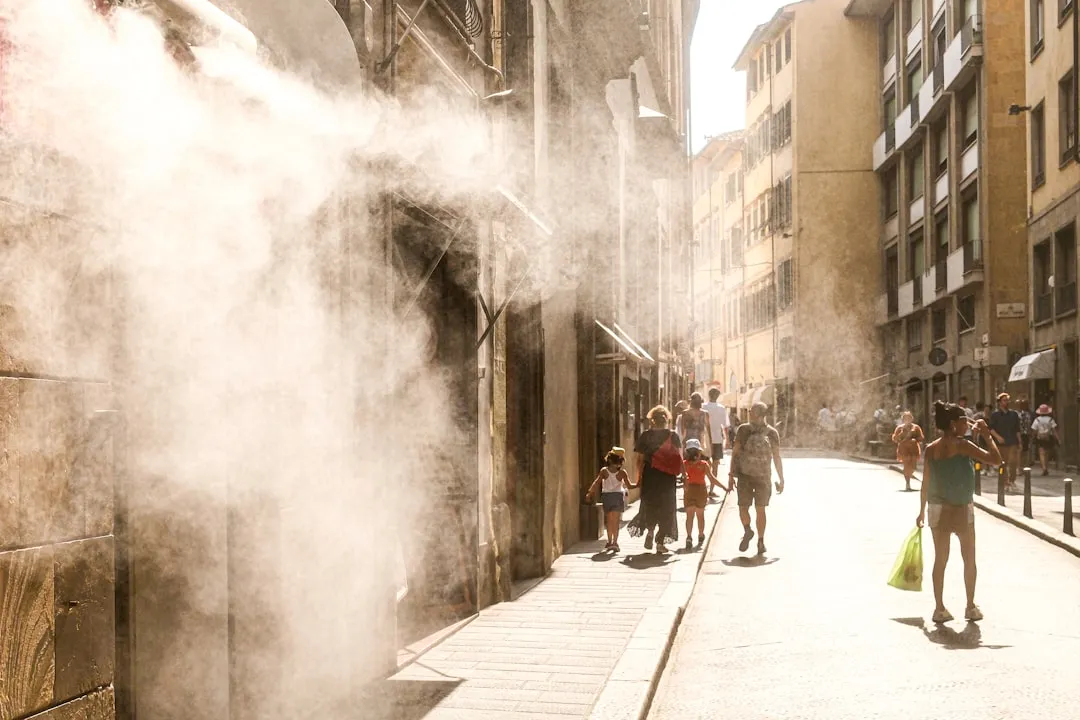
Summer in southern Europe used to mean sunshine and long dinners outside. Increasingly, it means checking the forecast before deciding whether to leave the hotel at all. A second, more severe heatwave began on June 17, just before the summer solstice, and Météo-France declared June 23 the country’s hottest day since records began in 1947, with temperatures reaching 44.3°C in Pissos..
Wildfires are now part of the summer travel conversation

Heat and dry vegetation have combined into a fire season that touches far more than remote forests. The EU’s Joint Research Centre, using data from the European Forest Fire Information System, reported that 118,737 hectares had burned across the EU in 2026. Some of that has bled directly into tourism infrastructure and major events.
Even the Tour de France wasn’t spared. Organisers confirmed that a stage from Granollers to Les Angles would operate under exceptional conditions because of major wildfires in the Pyrénées Orientales department, with the caravan removed from the French section and the public asked not to gather at the finish line. That’s the kind of disruption that used to be rare and is now something travelers plan around.
The exchange rate isn’t doing American travelers any favors
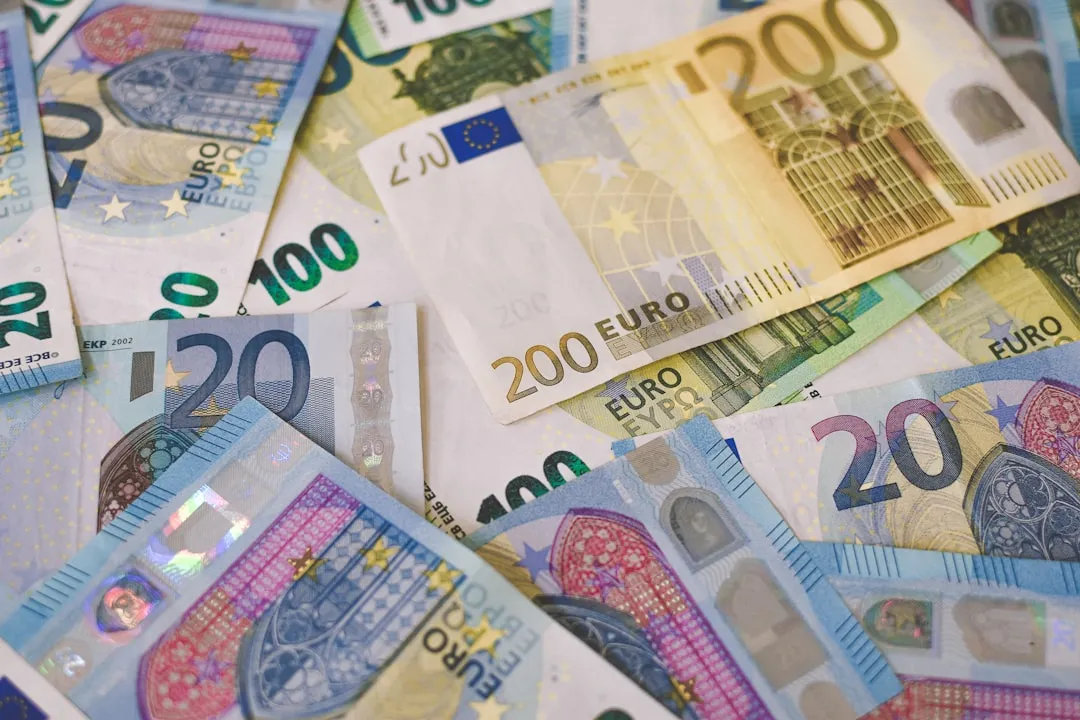
A weak euro used to be one of the quiet perks of a European trip for anyone spending dollars. That cushion has thinned out considerably. European Central Bank reference rates published in late April 2026 showed the euro around 1.1712 against the U.S. dollar, meaning the exchange rate is not offering the kind of cushion that sometimes made Europe feel cheaper in dollar terms.
The effect shows up in small, cumulative ways rather than one big shock. What is changing is not one giant shock, but the slow buildup of hotel taxes, entry fees, transportation costs, weaker value on some exchange rates, and the everyday cost of meals, museum visits and local transit once people arrive. Travelers are noticing, and adjusting their trips accordingly.
Flights and hotels are simply pricier this year
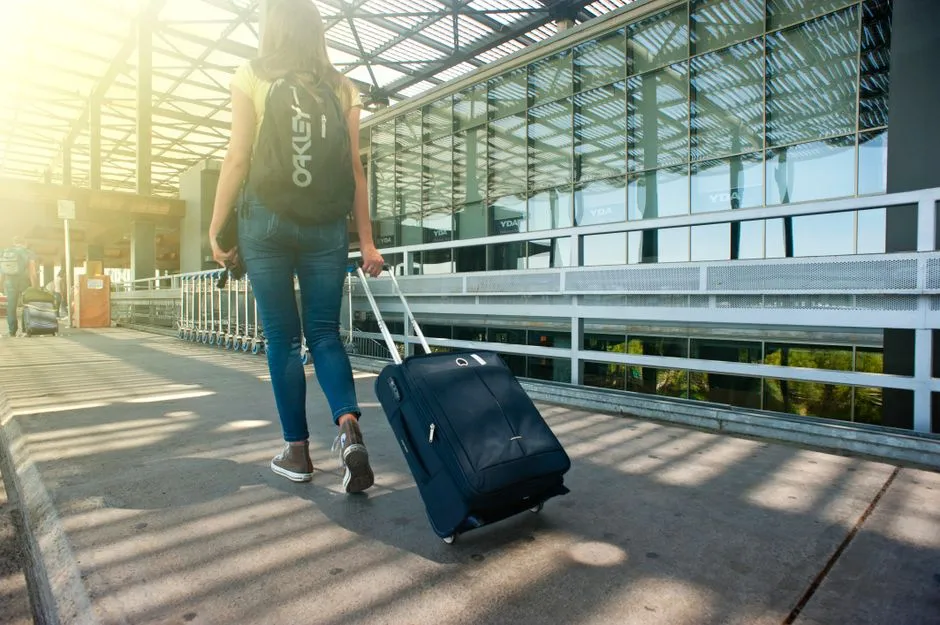
Beyond currency, the base cost of getting there and staying somewhere has climbed on its own. Hotel prices across the world have increased by more than 7 percent this year, with Europe leading this increase, making it one of the most expensive regions for travelers. Airfare hasn’t been immune either, with limited capacity and fuel cost volatility pushing ticket prices higher across major outbound markets.
Timing still matters more than almost anything else. The cost of a European vacation rises sharply in summer, when flights and hotels can run 30 to 50 percent above shoulder season rates. If a summer trip is non negotiable, that gap alone is worth sitting with before booking.
Locals are pushing back, and it’s changing the atmosphere
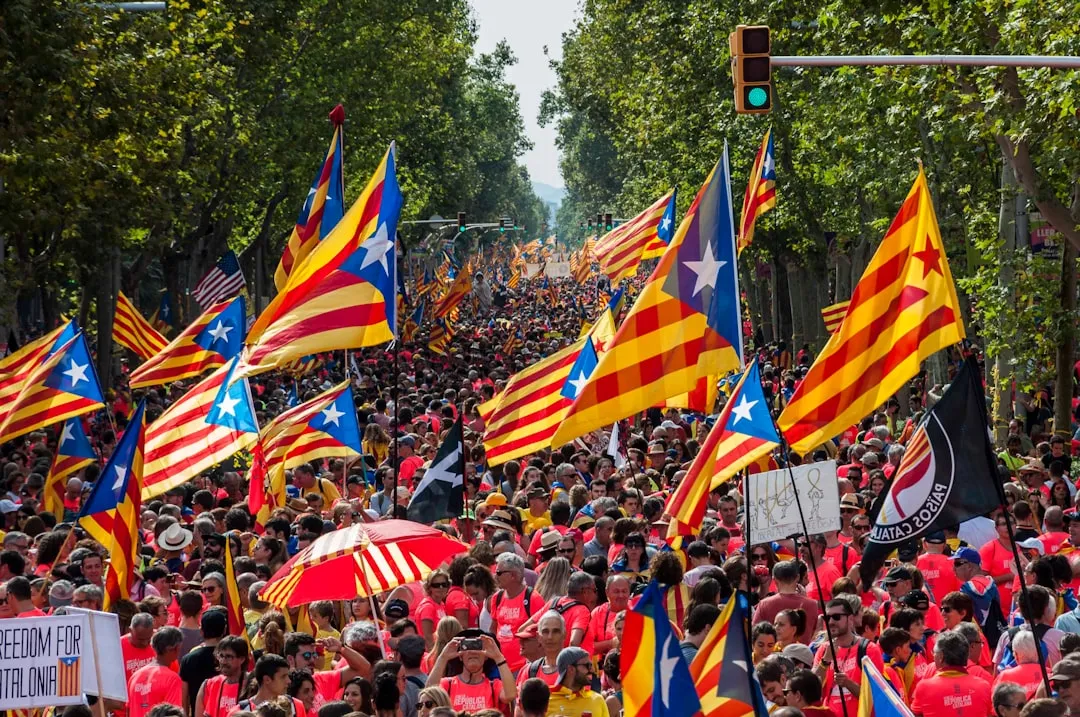
None of this exists in a vacuum. Residents in some of the most visited cities have been vocal about how tourism has reshaped their neighborhoods and their rent. Spain, which ranks first among 30 countries analysed for overtourism pressure, registered anti tourism protests in more than 40 cities nationwide, from Barcelona to the Canary Islands.
It’s worth being clear that this isn’t hostility aimed at individual visitors. Spain is experiencing a sustained wave of anti overtourism demonstrations, but they are not riots and are not aimed at hurting individual tourists, organized largely by neighborhood associations and housing groups whose core grievance is that rents and home prices have soared as long term housing converts to short term tourist lets. Still, walking into a demonstration or a defaced key box isn’t exactly the welcome most people picture when they plan a European vacation.
Where the smarter money is heading instead
None of this means Europe has become unlivable or unlovable. It means the calculation has changed, and a growing number of travelers are adjusting rather than canceling outright. Skyscanner’s 2026 travel trends report, based on data from over 22,000 travelers, found that nearly a third experienced negative effects from overtourism and about a third are now actively seeking quieter destinations, choosing Albania over the Amalfi Coast and Ljubljana over Prague.
Shoulder season has become the obvious workaround for people who still want the continent without the peak season chaos. Shoulder season travel in April, May, September, and October often means lower tourist taxes, fewer crowd management fees, and better availability, and April in Lisbon or October in Rome is simply a better trip than July in either city, crowds or no crowds. That’s less a reason to give up on Europe entirely and more a reason to rethink when and how you go.
Final thoughts
None of this adds up to Europe being ruined or off limits. It adds up to a continent that costs more, moves slower through border control, runs hotter in summer, and increasingly asks visitors to plan around conditions that used to be background noise. For some travelers that’s a manageable trade off. For others, it’s enough to look elsewhere, or at least to book differently than they used to.
The old version of a spontaneous, budget friendly European summer is fading, not because the continent stopped being beautiful, but because the surrounding conditions changed faster than most travel habits have caught up to. Whether that means skipping this year’s trip or simply going in October instead of July is a personal call. Either way, it’s worth going in with open eyes rather than the assumptions that used to make Europe an easy default.