
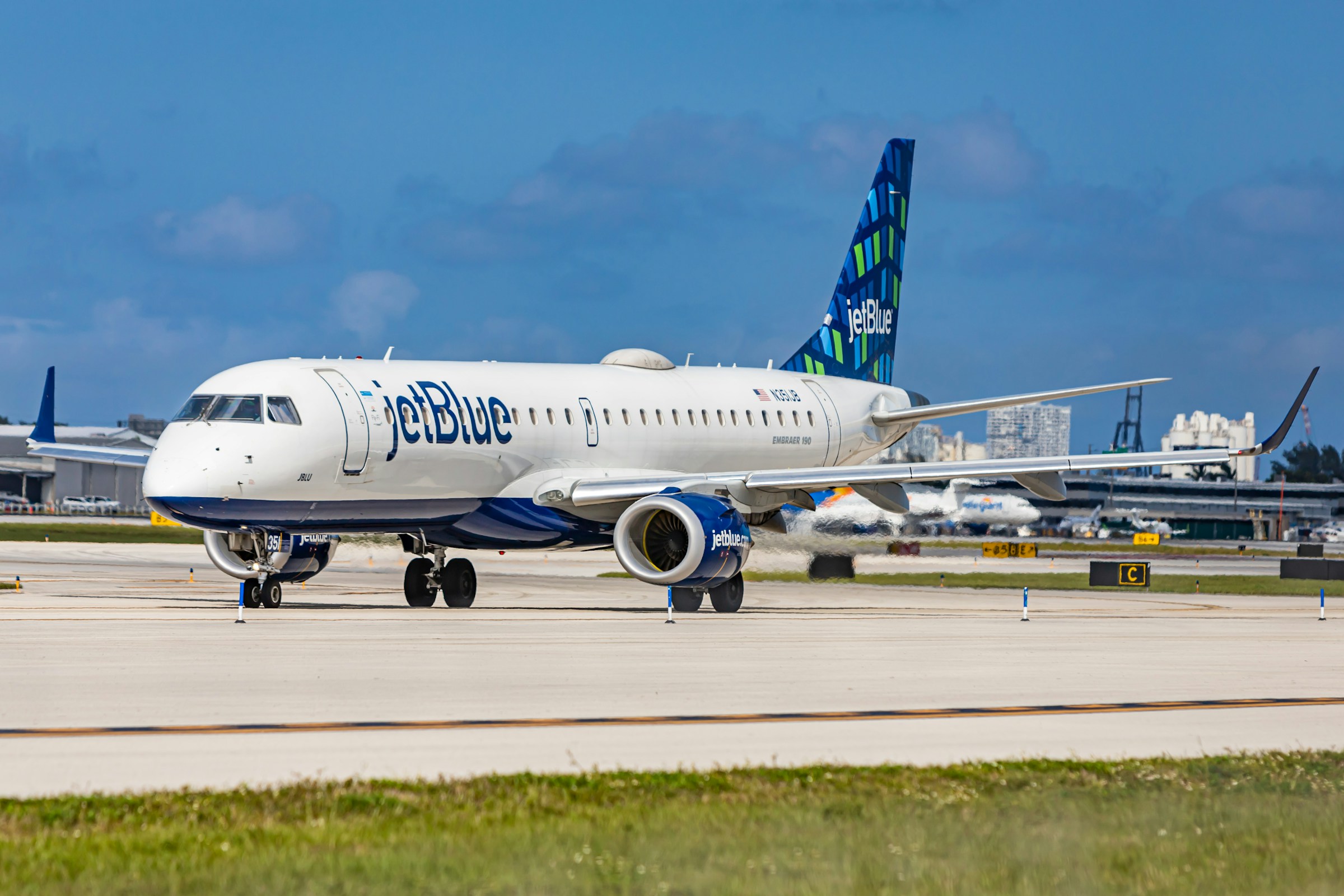
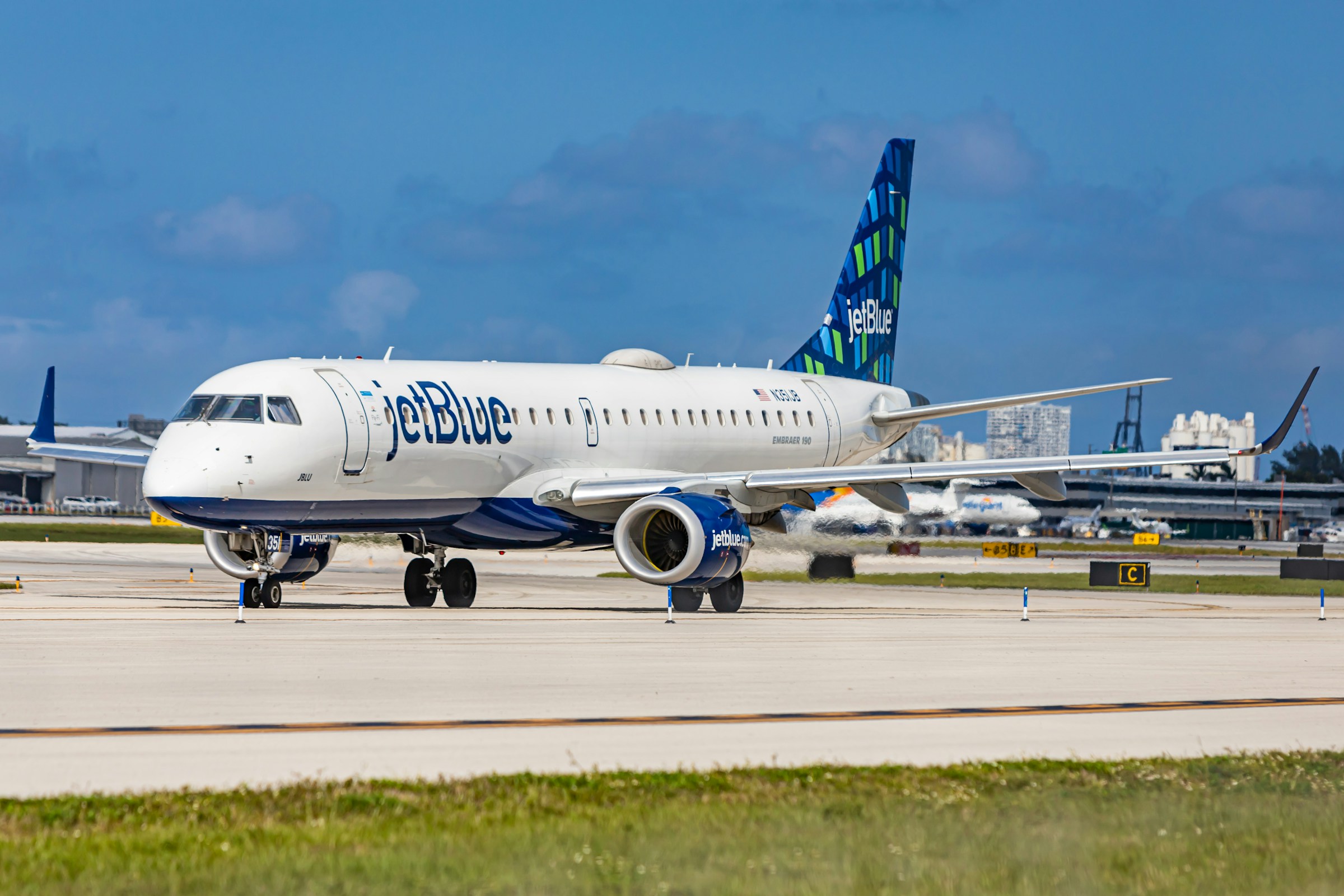
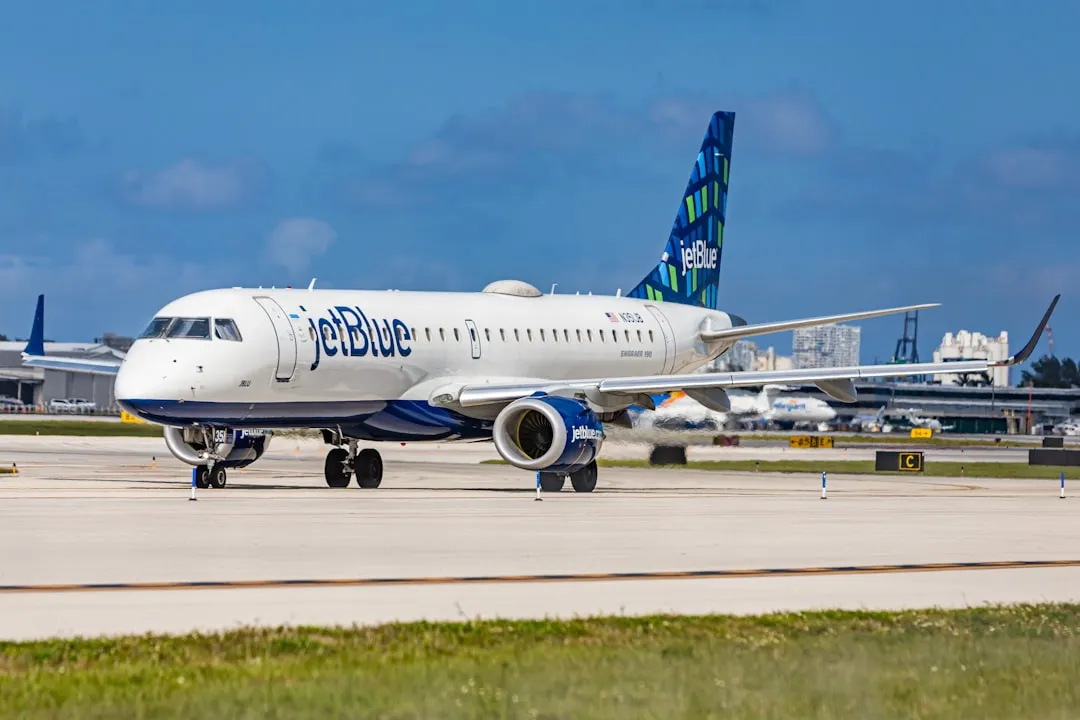
A routine cross-country flight turned into an unexpected spectacle when a JetBlue passenger noticed something scurrying above her head, and it was not a stray napkin or a loose cable cover. It was, by all appearances, a rodent moving through the illuminated panels running along the overhead bins. The video she captured quickly spread across social media, drawing millions of views and forcing the airline into a public conversation it likely never wanted to have.
The incident has reignited a familiar but unsettling question for air travelers: how does a wild animal end up loose inside a commercial aircraft cabin, and what happens once it is spotted mid-flight? The answers involve airport ground operations, aircraft maintenance protocols, and a passenger response that has become its own case study in how airlines manage a public relations headache in real time.
A Routine Flight Takes an Unusual Turn
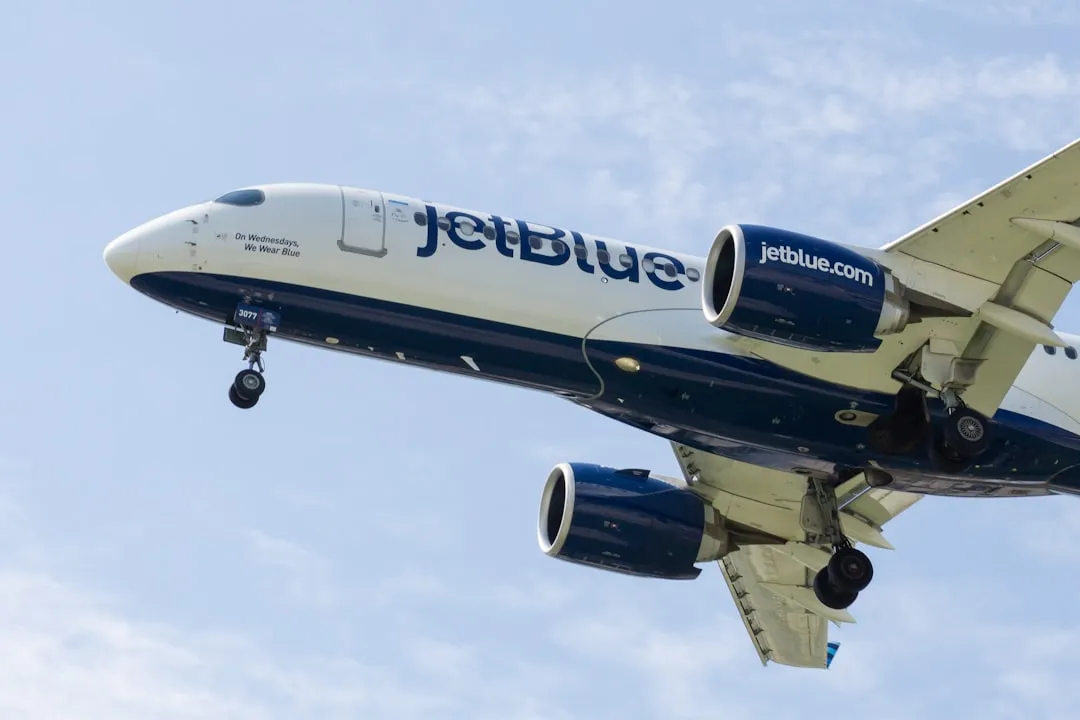
The sighting occurred on a JetBlue flight that had originated on the East Coast and was headed toward New York’s JFK Airport, with the passenger continuing onward to a Caribbean destination. According to reporting on the incident, a California resident named Brittney Brimway said she was flying with her three children from Los Angeles to Turks and Caicos with a layover in New York City. She was seated in the airline’s premium cabin, a detail that made the discovery all the more jarring for those following the story online.
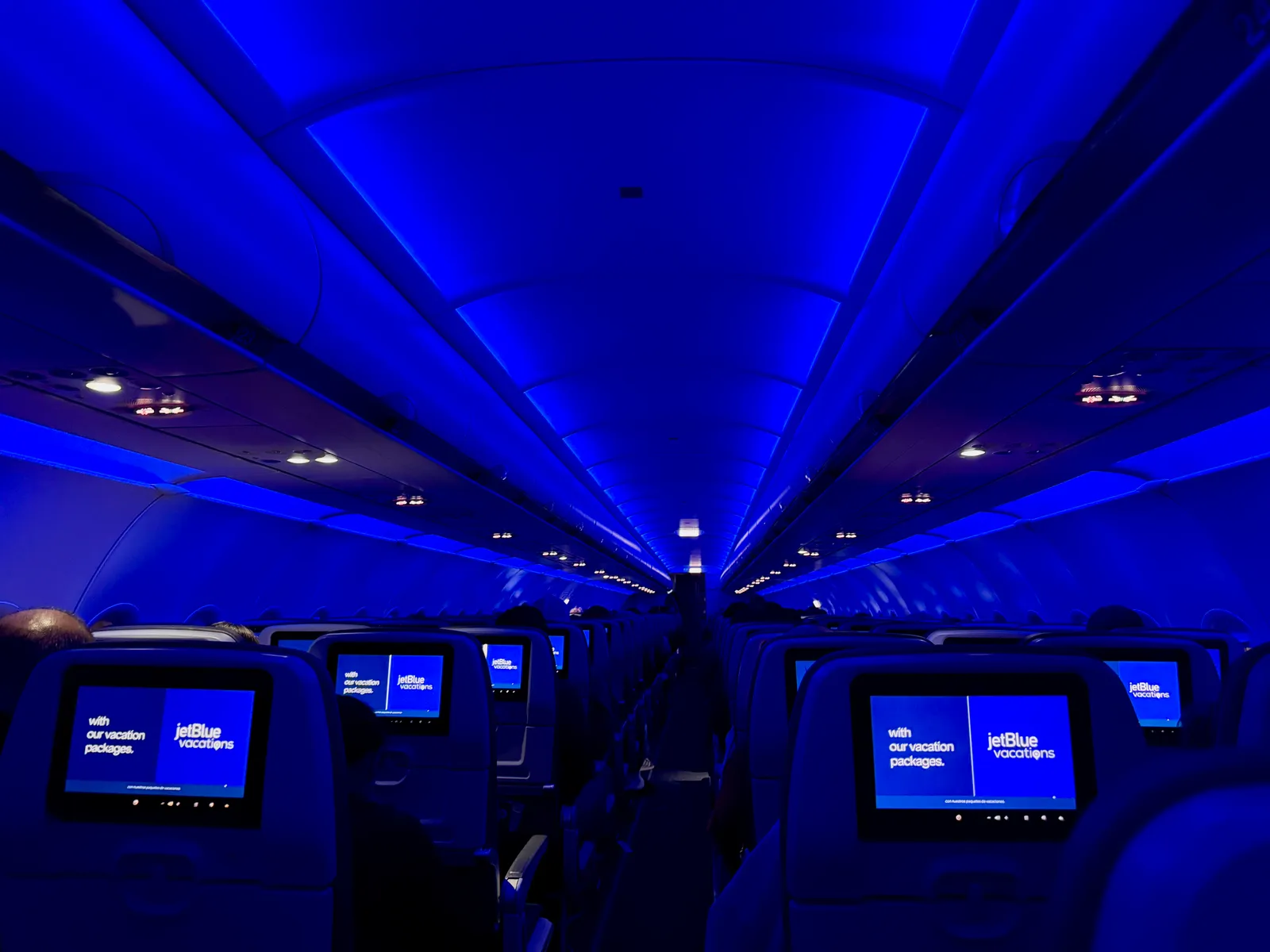
The animal was not hiding in a seat pocket or under a tray table. Instead, a passenger traveling in the airline’s premium Mint cabin posted a video that appeared to show a rat moving through the lighted panels above the overhead bins during a flight. The footage showed the creature’s shadow tracing along the light bar beneath the bins, a spot most travelers would never think to check.
How the Passenger First Noticed the Rodent
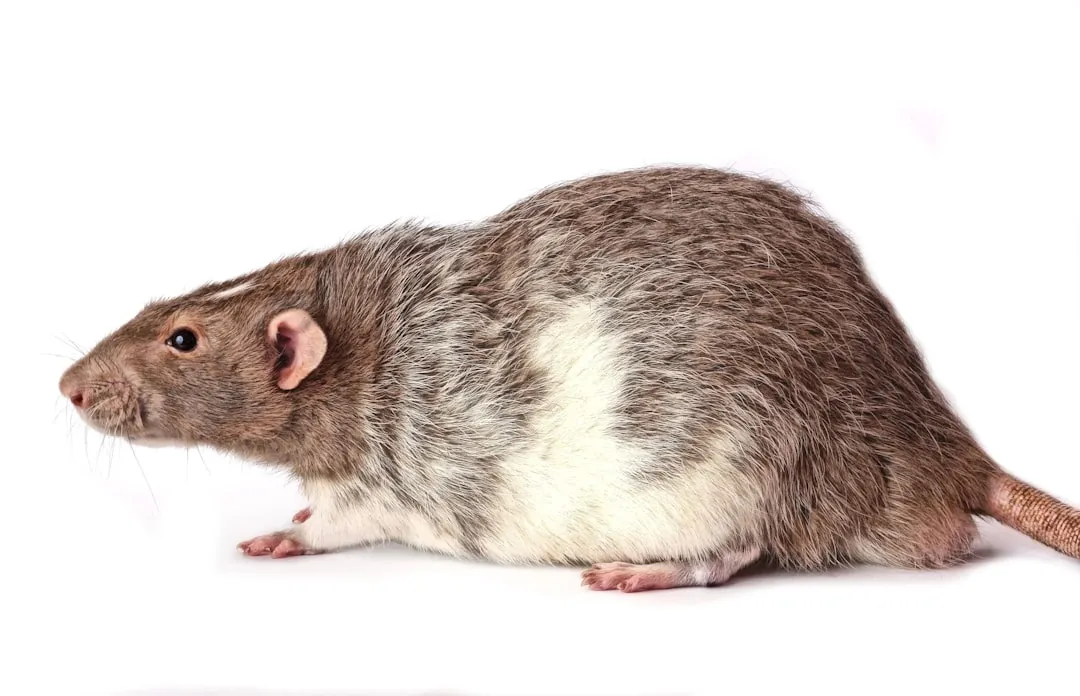
Brimway’s account of the moment she realized something was wrong has a distinctly relatable, almost cinematic quality to it. She described being awakened mid-flight by her own child, who insisted something was moving above them. “I was trying to sleep with my 10-month-old and my 13-year-old son woke me up stating there was a rat in the plane,” she said. “I told him no there wasn’t, and he insisted I get up to look. So, I did and once I saw it, I yelled at him to record it.”
Her reaction, captured in her own words afterward, reflected the shock most passengers would feel in that situation. “I was completely in shock, disgusted and worried,” she noted. The footage itself, originally filmed by her son, ended up circulating widely once she shared it publicly, turning a private moment of alarm into a viral talking point almost overnight.
The Video Goes Viral Across Social Media

Once posted to Instagram, the clip took on a life of its own. The video went viral, receiving over one million views within a relatively short span, drawing reactions ranging from disgust to dark humor. Brimway did not mince words about the situation in her original caption. “You can’t make this s— up! Our first class with @jetblue had a rat YES a RAT in the overhead bin!!!” she wrote in the caption, adding the hashtag “Mint” in reference to JetBlue’s premium business class.
The online response was a mix of genuine concern and comic relief, a combination that seems to follow almost any viral airline mishap. The clip drew a mix of reactions from netizens, ranging from jokes such as “Relax, Ratatouille (is) just flying home to see his family” to expressions of concern, including “This is my nightmare.” Other commenters focused less on the humor and more on the practical risk, noting that rodents chewing through wiring is no laughing matter for anyone who understands how an aircraft’s electrical systems work.
JetBlue’s Public Apology and Direct Response
To its credit, JetBlue did not stay silent. The airline responded directly within the comment section of the viral post rather than issuing a delayed corporate statement days later. JetBlue responded in the comments, writing: “We are sorry to see this.” That simple acknowledgment was followed by a request for more specific information so the carrier could track down exactly which aircraft and flight were involved.
The full response asked the passenger to provide booking details, a standard step for any airline trying to match a viral complaint to an actual flight record. The airline commented on the post, writing, “We’re sorry to see this. Please message us your confirmation code, name on the reservation, and date of birth.” Brimway later said she followed up privately with the airline, and according to her own account, she has since spoken to the airline and was told her flight is going to be refunded.
What JetBlue Said in Its Official Statement
Beyond the social media exchange, JetBlue also provided a more formal comment to press outlets following up on the story. The airline framed the event as an isolated occurrence rather than a systemic problem, while still acknowledging the seriousness of the concern. In a statement shared with PEOPLE, JetBlue said: “While incidents of this nature are rare, maintaining a safe and comfortable experience for our customers remains a top priority, according to the carrier’s broader messaging around the event.
It’s worth noting that airlines rarely confirm every detail of a pest-related incident publicly, partly because inspections and internal reviews take time to complete. It was not confirmed what type of animal was on the flight, even as passengers and media outlets referred to it interchangeably as a rat or a rodent based on the visual evidence in the video. That ambiguity is fairly typical in these situations, since a fast-moving shadow behind a light panel does not always allow for a precise species identification.
Why a Loose Rodent on a Plane Is a Genuine Safety Concern
What makes this story more than just an amusing anecdote is the very real engineering risk that rodents pose to aircraft. Wiring bundles run throughout the fuselage, and a rodent chewing through the wrong one is not a trivial problem. Rats can completely sever wires, leading to the loss of secondary backup systems, instrument failures, or inaccurate sensor data. That is precisely why airlines treat these sightings as maintenance emergencies rather than mere nuisances.
The biological reason behind this behavior is straightforward but often overlooked by passengers. Rat teeth grow constantly, forcing them to chew on hard surfaces like wire insulation to wear them down. Rodent urine is also highly corrosive to aircraft metal, and accumulated droppings trap moisture, accelerating structural corrosion over time. In other words, even a rodent that never touches a single wire can still cause slow, cumulative damage simply by being present inside the airframe for an extended period.
What Happens Once an Airline Confirms a Rodent Is Onboard
Industry guidance is fairly consistent on this point: a confirmed rodent sighting effectively grounds the aircraft until the situation is resolved. A plane cannot fly with a confirmed rodent loose on board. That means the aircraft involved in this JetBlue incident would typically be pulled from its normal rotation for inspection rather than sent right back out on its next scheduled route.
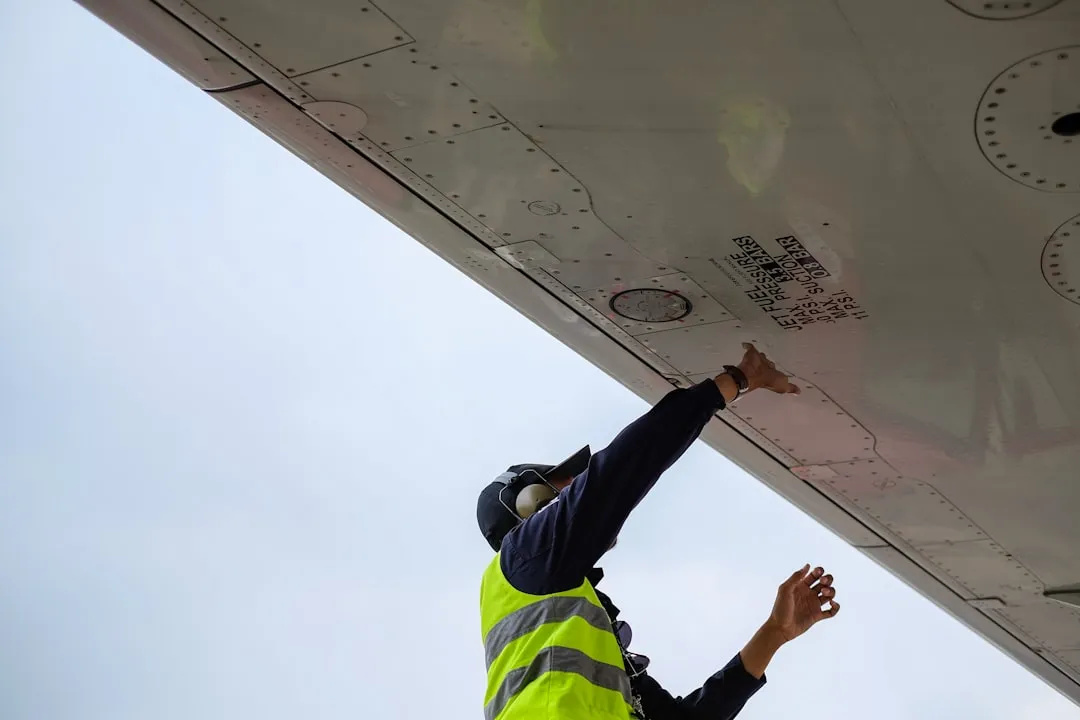
The process that follows is methodical and can take considerable time. Maintenance crews are typically assigned to take the plane out of service and trap the rats after using tracking powders to discover the location of the rodents inside the plane. Once the animal is captured, technicians still have to verify nothing was damaged. Technicians pull out interior paneling along the entire path the rodent may have traveled, and mechanics physically trace the aircraft’s critical wiring bundles before the plane is cleared to resume passenger service.
What Passengers Are Advised to Do If They Spot a Rodent Mid-Flight
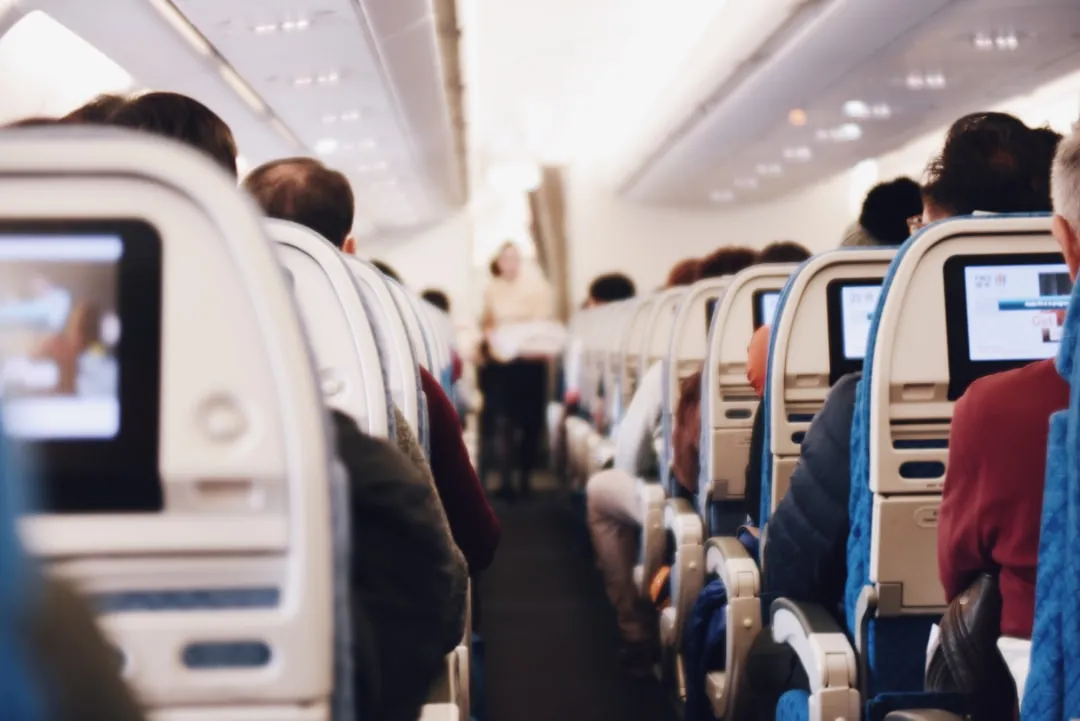
One recurring theme in coverage of this incident was criticism over whether the passenger alerted the crew during the flight itself, rather than simply filming the animal. Aviation writers covering the story were quick to point out the recommended protocol. The straightforward response to spotting a rat in flight is to notify the cabin crew as soon as possible, and it’s best not to shout or make a scene to avoid a disruption to the other passengers.
Once notified, flight attendants have a clear chain of communication to follow, and passengers seated nearby are not simply left to fend for themselves. Flight attendants will notify the pilots to inform maintenance that there is a pest control issue that needs to be dealt with on landing, and if there are open seats, passengers can be relocated to a row away from where the rat was spotted. Crews are generally instructed not to try to physically intervene mid-flight. Typically, the crew will not try to trap or chase the vermin in flight, as it could simply create more problems than it solves.
This Is Not the First Time an Airline Has Faced a Rodent Stowaway
JetBlue’s viral moment is uncomfortable, but it is far from unprecedented in commercial aviation. Some carriers have gone as far as turning planes around mid-flight once a rodent was confirmed onboard. In February, the pilots of an SAS Scandinavian Airlines flight from Stockholm to Malaga were forced to turn back nearly two hours into the flight after passengers spotted a rodent stowaway on board the Airbus A320, with the pilots reporting to air traffic control that passengers had seen a mouse in the cabin.
That was not even an isolated case for the Scandinavian carrier. SAS has been particularly unlucky with rodents on planes, as this incident happened less than a year and a half after another of its flights to Malaga also had to divert when a mouse was spotted in the cabin. Rodents are not the only unwelcome cabin guests either. In January 2024, flight attendants on an AirAsia flight from Bangkok to Phuket deployed plastic carrier bags to catch a stowaway snake that was spotted keeping warm in the overhead lighting of the Airbus A320 aircraft. These episodes suggest overhead lighting compartments have become an unlikely but recurring hiding spot for small animals across multiple airlines.
How Airports Try to Keep Pests Off Planes in the First Place
Preventing these incidents starts long before boarding, at the jet bridge itself. Airports rely on physical barriers designed specifically to stop small animals from slipping aboard during ground operations. Airports act as the critical first line of defense to keep pests off commercial aircraft, and air curtains on the passenger boarding walkway are one of the primary systems that keep rats and other pests from entering with a physical barrier of continuous airflow.
Beyond air curtains, there are physical seals meant to close off any small gaps where a determined rodent might squeeze through. Supporting this system are the overlapping layers of rubber and canvas that seal the gap between the plane and the jet bridge when docked for boarding and deplaning. Ground crews and maintenance teams are supposed to inspect these barriers regularly, since even a small tear can create an opening large enough for a mouse or rat to exploit, particularly at airports located near food storage areas or waste facilities.
Conclusion
The JetBlue rat sighting is unlikely to change how millions of people fly every year, but it is a reminder that the aviation system, for all its engineering precision, still has to contend with the unpredictable habits of wild animals. Between the viral video, the airline’s swift apology, and the underlying safety protocols that followed, the episode captures both the absurdity and the seriousness that these situations can carry at once.
For now, the lesson seems less about blaming any single airline and more about recognizing how quickly a small, overlooked gap between an aircraft and a jet bridge can turn into a nationwide news story. The next time a passenger glances up at the softly lit panel above the overhead bin, they might just look a little more carefully than before.