
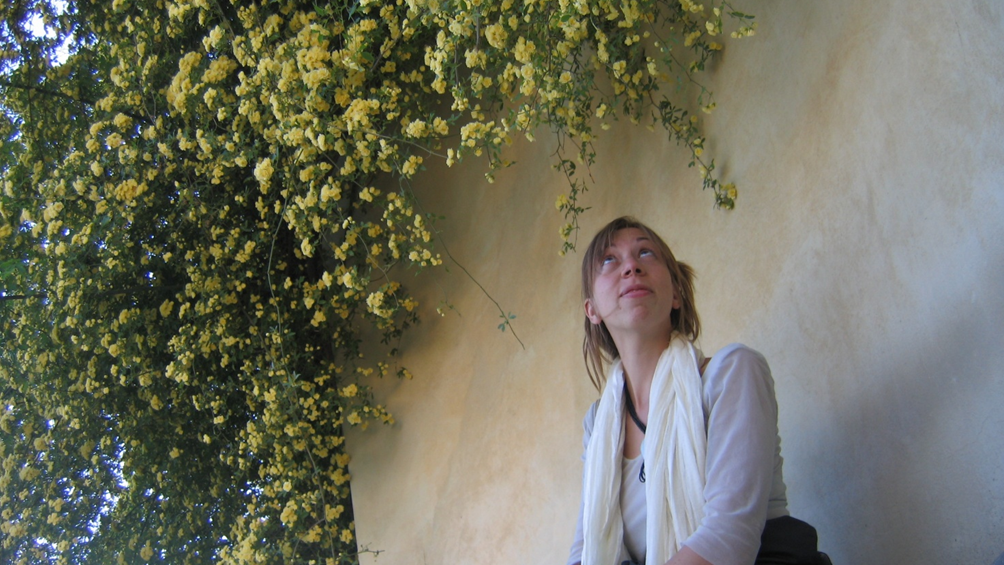
Spring in Florence feels immediate and unmistakable. It is, without question, the city’s most rewarding season—and the high amount of visitors confirms it. The transition happens quickly. Within days, winter’s muted restraint gives way to warmth and contrast. Light softens the stone, drawing out honeyed tones from façades that only weeks earlier appeared cool and austere. Shutters swing open. Café tables reclaim sidewalks and piazzas. Along the riverbanks and in hillside gardens, green returns with confidence.
Living here has taught me that Florentine spring is a true explosion of color and strong sensations. Wisteria threads itself across ancient walls. Market stalls fill with artichokes and fresh peas. The Arno holds onto the late-afternoon sun a little longer each day. For travelers accustomed to abrupt seasonal spectacle, Florence in spring is the place to be: it’s a historic urban landscape suddenly reanimated by light.
The Incomparable Gardens of Florence
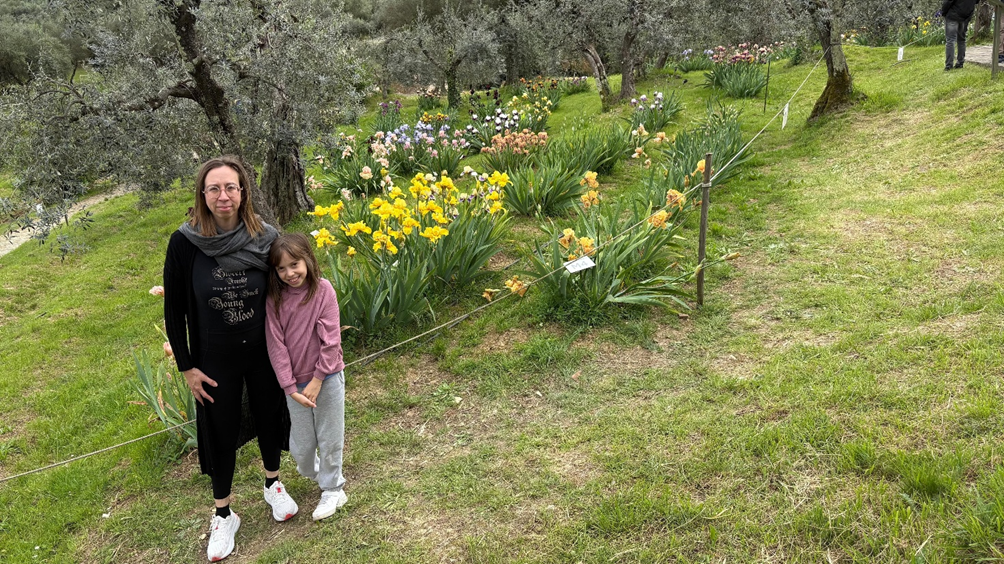
Spring in Florence is best understood through its gardens, conceived with architectural precision—terraces carved into hillsides, axial paths aligned with sightlines, groves arranged to frame domes and bell towers. From the theatrical terraces of the Boboli Gardens to the secluded expanses of Giardino Torrigiani and the olive-dotted slopes of Giardino di Rusciano, to the gardens of the more remote Ville Medicee, come spring, each garden literally shows off with its amazing flowers and trees in bloom and their amazing colors.
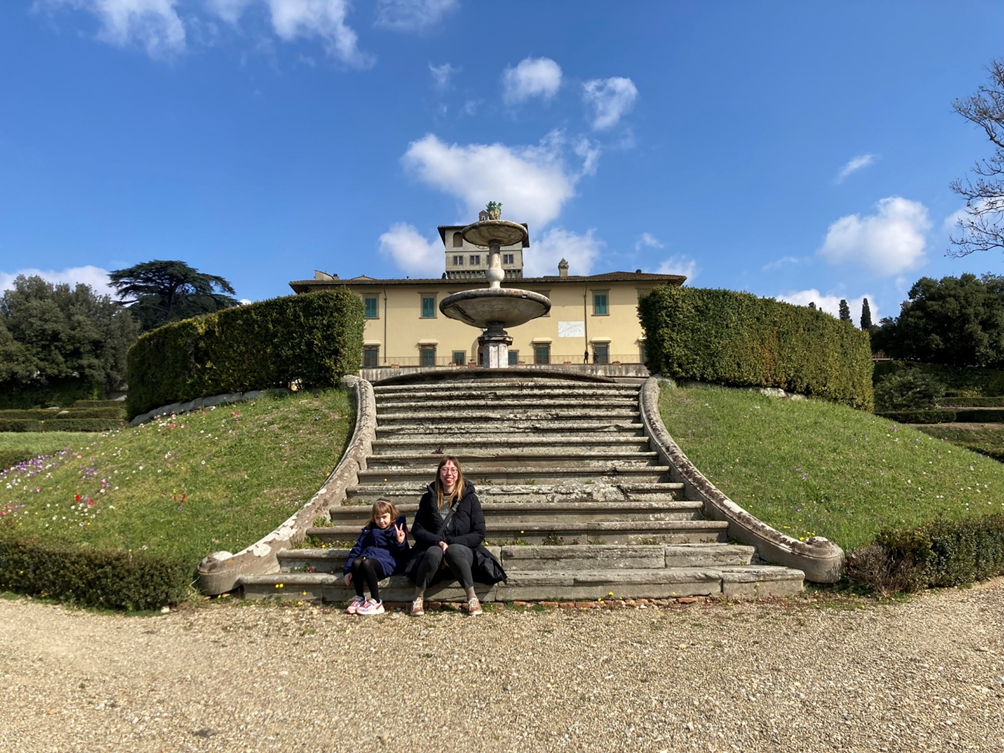
Wisteria cascades over stone walls and curls around iron gates, introducing a violet softness to façades that have stood for centuries. The city’s verticality—narrow streets, tall palazzi, tightly framed sky—turns into a stage for botanical intervention. Blossoms appear briefly, then recede, while pietra serena lintels and rusticated bases remain constant.
The Arno and the Art of the Evening Walk
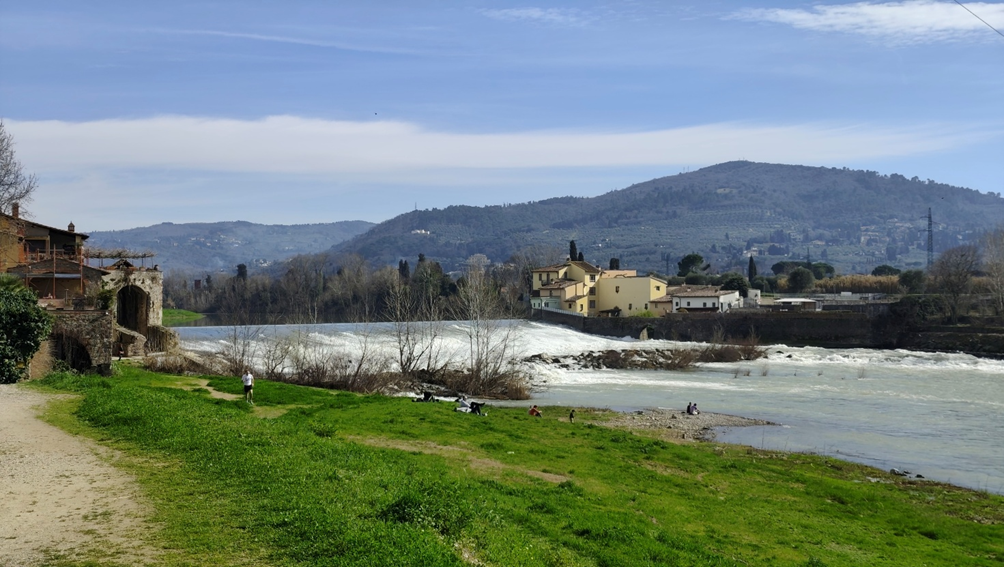
Spring redefines the relationship between the city and the Arno. Winter light tends to flatten the river into a muted ribbon; by April, reflections sharpen. The pastel color façades along the lungarni glow at sunset, and the water mirrors them in elongated streaks of peach and gold. The river becomes a horizontal counterpoint to the city’s vertical architecture. Evenings settle comfortably into the 60s and low 70s Fahrenheit, inviting long, unstructured walks—the kind Italians simply call the passeggiata. Residents drift along the embankments, cyclists glide past at an easy pace, and conversations spill outward from cafés into the cooling air.
For a quieter stretch, follow the Arno eastward toward Girone, beyond the densest part of the city. Here the river narrows, forming a modest cascade, and one of Florence’s oldest surviving watermills still stands as a reminder of the Arno’s working past. The walk feels less ceremonial and more elemental, where the city gradually loosens its grip and the landscape begins to take over.
Spring on the Table
Seasonality in Florence appears first at the markets. Artichokes stack in tight spirals. Fava beans arrive in bright green pods, their matte surfaces hiding a vivid interior. One of the most Florentine rituals of the season is eating fresh fava beans with slices of pecorino—sheep’s milk cheese, firm yet creamy, its saltiness sharpened by the sweetness of the raw legumes. It’s a pairing that feels architectural in its balance: soft and dense, green and ivory, fresh and aged.
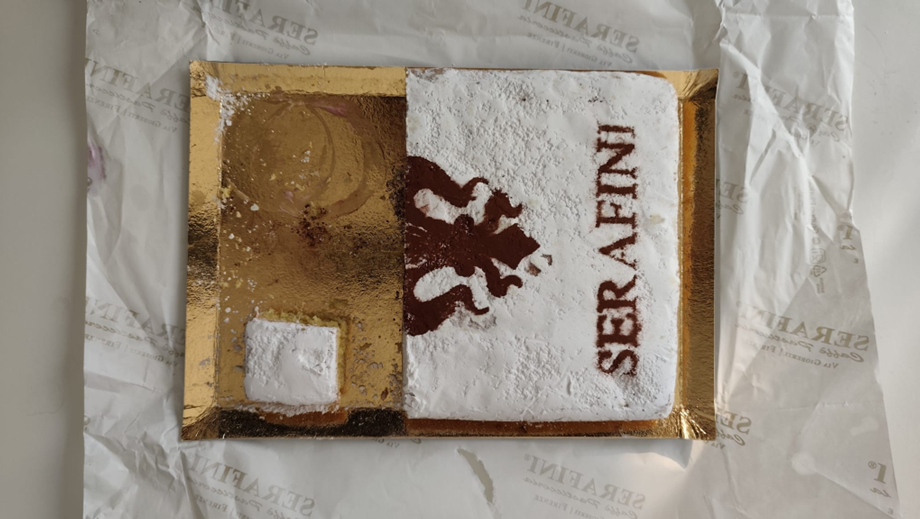
Easter brings another seasonal marker: schiacciata alla Fiorentina, a tall, airy sponge cake dusted generously with powdered sugar, often stenciled with the Florentine lily. Its bright orange hue comes from citrus zest, and its texture is surprisingly light. Unlike heavier winter desserts, it mirrors the season—lifted, fragrant, less dense. Spring menus also lean toward tender greens, young asparagus, and lighter preparations of meat.
Easter in Motion
Spring in Florence reaches a dramatic crescendo on Easter Sunday with the Scoppio del Carro, a ritual that has unfolded for centuries in front of the Cathedral of Santa Maria del Fiore. A towering, elaborately decorated cart is pulled through the historic center by white oxen and positioned between the cathedral and the baptistery. Inside the church, during Mass, a mechanical dove—symbolizing the Holy Spirit—travels along a wire from the high altar to the cart outside, igniting a cascade of fireworks.
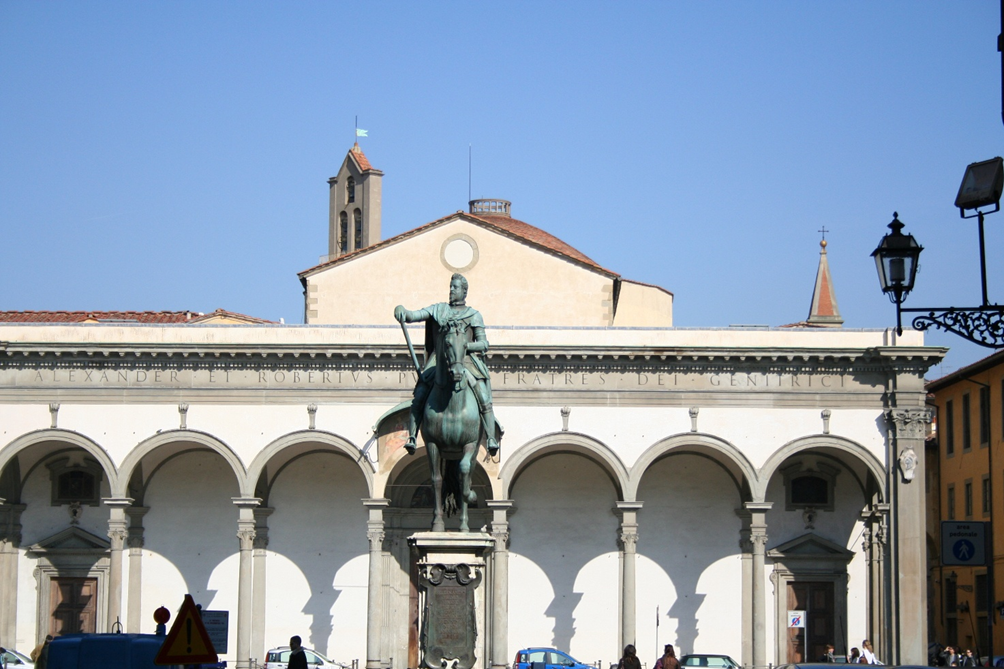
The spectacle is one of the many peculiar ways of celebrating Easter, each different all over Italy. Crowds fill the piazza, families gather in their spring attire, and anticipation builds in a space shaped by centuries of ceremony. The explosion is brief but resonant, echoing against marble façades and Brunelleschi’s dome. Around it, quieter traditions unfold—Easter lunches with the family stretching into the afternoon.
A Season not to be Missed
Watching Florence unfold in spring is not to be missed. Light recalibrates façades, gardens regain dimension, and seasonal foods introduce fresh contrast to familiar tables. For travelers, this season offers something instructive: a Renaissance city adjusting itself to warmth with restraint and intelligence. Moving through its streets in April or May, you sense a careful rebalancing—stone and blossom, history and habit, permanence and renewal held in thoughtful proportion.