
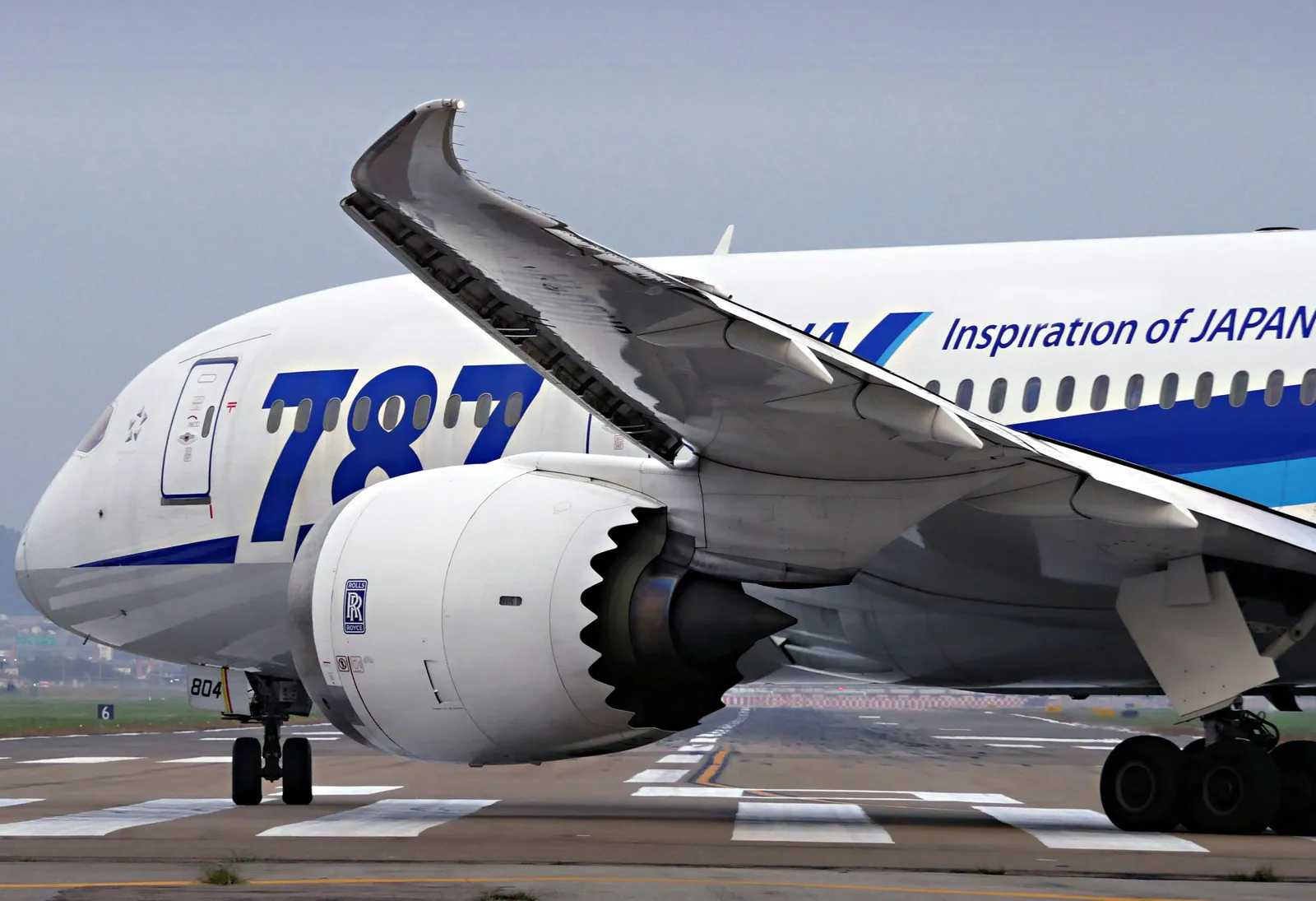
Delta Air Lines is preparing a significant change in how it configures long-haul aircraft. The carrier’s upcoming Boeing 787-10 Dreamliners will devote more than half their seats to premium products, a clear departure from the mix found on many of its current transatlantic jets. This approach aligns with Delta’s broader effort to expand higher-margin cabins while limiting growth in standard economy capacity.
Transatlantic Routes Set to Benefit
The new Dreamliners are expected to serve primarily on flights between the United States and Europe. Delta views the 787-10 as a natural successor to its aging Boeing 767 fleet, which has long handled many of those routes. Executives have indicated the aircraft will help modernize that network with greater efficiency and more premium inventory.
Delta already plans to introduce its next-generation Delta One business-class product on the Airbus A350-1000, which enters service next year on longer international routes. The 787-10 will complement that aircraft by handling a substantial share of transatlantic demand starting in 2031.
Premium Seating Takes Center Stage
At least 50 percent of seats on each new 787-10 will be premium, according to comments from Delta’s chief commercial officer. That figure represents a notable increase from the roughly 30 percent premium share typical on the 767s these aircraft will replace. The shift is intended to improve both operational efficiency and overall profitability on the routes involved.
Decisions about whether the new planes will receive the latest Delta One seats remain under review. Airline leaders have noted that several years remain before deliveries begin, leaving time to finalize the exact cabin layout. The emphasis on premium space, however, is already clear.
Delta’s Wider Premium Strategy
This move fits a pattern Delta has followed in recent years. The airline has stated it does not plan to increase the total number of coach seats it offers in 2026 or 2027. Instead, it continues to allocate more cabin space to premium products that have supported stronger financial results.
Recent narrowbody deliveries illustrate the same direction. New Airbus A321neos, for example, include 11 rows of domestic first class. The incoming A350-1000s will likewise feature only 50 percent standard economy seats. Together these choices show a consistent preference for higher-yield configurations across the fleet.
Industry Comparisons and Next Steps
Delta is not alone in this direction. United Airlines has already introduced Boeing 787-9 aircraft with 99 premium seats across business class and premium economy. The competitive landscape suggests other carriers may follow similar paths as they refresh long-haul fleets.
Travelers planning future trips should watch how these changes affect availability and pricing on popular routes. A compact comparison of current and planned configurations highlights the scale of the adjustment:
| Aircraft | Premium Share | Primary Role |
|---|---|---|
| Boeing 767 | ~30% | Current transatlantic workhorse |
| Boeing 787-10 | >50% | Future replacement from 2031 |
| Airbus A350-1000 | 50% economy | Longer routes with new Delta One |
The practical result for passengers is more opportunities to book upgraded experiences on key international flights, even as standard economy capacity grows more slowly. How the industry balances this premium focus with demand for affordable seats will shape booking options well into the next decade.