
The bags were packed. The countdown was over. And then, within hours of stepping onto that ship, something went quietly, frustratingly wrong. Retirees who’ve been there say the same thing almost every time: it wasn’t one big disaster that wrecked their first day at sea. It was a small, invisible mistake nobody warned them about – the kind that feels obvious in hindsight and brutal in the moment.
The first day on a cruise ship runs on its own logic. It has its own clock, its own traps, and its own rewards – if you know where to look. Some of the biggest payoffs on this list aren’t about what you should avoid. They’re about what insiders quietly do while everyone else is standing in the wrong line. Here are the 17 mistakes that retirees say they wish someone had told them before they ever walked down that gangway.
#1 – Not Reading the Fine Print on What’s Actually Included
This is the one that blindsides more first-timers than any other – and it hits on day one, fast. Retirees board genuinely believing their cruise fare covers nearly everything, only to discover that drinks, specialty dining, Wi-Fi, shore excursions, and sometimes even bottled water all carry separate charges. The sticker shock doesn’t just sting the wallet. It changes the entire emotional tone of the trip before the ship even clears the harbor.
Alcoholic beverages, specialty coffees, and most soft drinks are typically charged separately. Specialty restaurants carry a surcharge. Shore excursions, spa treatments, and Wi-Fi packages all add up fast. On a typical 7-night sailing, a couple who didn’t read the inclusions could easily spend $800–$1,500 more than they budgeted – not because they were reckless, but because they assumed “cruise” meant “all-inclusive.” Check your onboard account daily through the cabin TV or cruise app. It’s a small habit that prevents a very ugly surprise on disembarkation morning.
At a Glance: Common Add-On Costs First-Timers Miss
- Drinks: Most lines charge separately; an 18–20% gratuity is added automatically on top
- Specialty dining: Cover charges typically range from $25–$60 per person, per restaurant
- Wi-Fi: Packages vary widely; unlimited plans often run $20–$30 per day
- Shore excursions: Booked onboard, these can easily run $80–$200+ per person
- Daily gratuities: Automatically added to your account – see #10 for the full breakdown
#2 – Flying In the Same Day as Departure

It seems airtight on paper: book a morning flight, land by noon, board by 2 p.m. Cruise veterans call it one of the riskiest gambles in travel. A single delayed connection and the ship leaves without you – and it absolutely will not wait. This isn’t a hotel that holds your room. The ship has a port schedule, a crew contract, and 3,000 other passengers who showed up on time.
Flying in the night before turns a potential disaster into a genuinely pleasant bonus. A quiet dinner in Miami. A morning stroll through the French Quarter before New Orleans’ port opens. Many retirees say that extra night became one of their favorite memories of the whole trip. Missing your own cruise because of a two-hour flight delay is every first-timer’s nightmare – and it’s entirely preventable with one extra hotel night that costs a fraction of what you already spent on the sailing.
#3 – Ignoring the Online Check-In Process

Most first-timers assume check-in happens at the port, the same way it does at a hotel. So they skip the cruise line’s online pre-registration entirely. Then they arrive at the terminal, step into a line that stretches to the far wall, and watch everyone who checked in online walk straight past them. Online pre-registration lets you upload your passport photo, set up your onboard spending account, and lock in a boarding time window – all before you leave home.
Your cruise card functions as your room key, boarding pass, and onboard charge card. If you didn’t link a credit card during online check-in, you’ll be visiting guest services to activate your account – which is absolutely the most crowded desk on the ship during the first few hours of embarkation. Skipping pre-registration can mean an extra 90 minutes standing in a terminal before you ever lay eyes on the ship. Log in, upload your documents, and book your boarding window. It takes 15 minutes at home and saves an hour of misery at the pier.
#4 – Putting Medications in Checked Luggage

This one comes up constantly in retiree cruise forums, and it’s easy to understand why. When the porter takes your big suitcase at the pier, it enters a sorting system that won’t deliver it to your stateroom for hours – often not until 6 or 8 p.m. that evening. Everything you need for the first half of your trip needs to be in a bag on your shoulder, not rolling away on a luggage cart.
Pack a dedicated day bag with your medications, travel documents, phone charger, a change of clothes, and your swimsuit. For retirees managing daily prescriptions, this isn’t just an inconvenience – it can become a genuine medical issue if the ship is already underway and your blood pressure medication is locked in a suitcase somewhere in deck 4’s luggage holding area. It’s the simplest possible fix: one small bag that stays with you. Everything else can wait until evening.
Fast Facts: Your Embarkation Day Bag Essentials
- All daily medications (never in checked luggage)
- Passport, boarding documents, and a printed backup copy
- Phone charger and a portable power bank
- Swimsuit, sunscreen, and a light layer for air-conditioned spaces
- A small amount of cash for porter tips (customary: $1–$2 per bag)
#5 – Arriving Way Too Early (or Too Late)
First-timers instinctively treat embarkation like airport security – get there as early as possible, no exceptions. But cruise terminals aren’t airport lounges. There’s limited seating, almost no food options, and nowhere remotely comfortable to wait when a thousand other passengers had the exact same idea at the exact same time. Your cruise line assigns a boarding window for a reason.
Arriving hours before your window opens guarantees crowds and concrete floors. Arriving too far past it means a frantic rush to the gangway with your heart pounding. The sweet spot is showing up within your designated window – not an hour before it opens. If you arrive in your port city early, find a coffee shop, walk the waterfront, and enjoy the city. You paid for this trip. The luxury starts before you board.
#6 – Getting Stampeded at the Buffet

The moment passengers board, the overwhelming majority make a straight line for the Lido Deck buffet. It’s packed, chaotic, loud, and roughly as relaxing as a stadium concession stand at halftime. This is not the serene vacation beginning most retirees pictured when they booked. And yet, almost every first-timer walks directly into it.
Many of the ship’s main dining rooms and complimentary sit-down venues are open during embarkation and nearly empty. You can sit down, get table service, and eat a proper meal while everyone else is jostling for a plastic tray upstairs. On large ships carrying 4,000+ passengers, the embarkation buffet is the single most predictable bottleneck on the entire vessel. Seasoned cruisers know to go literally anywhere else. Check the app, find an open café or grill near the pool, and start the trip the way you actually planned it.
#7 – Leaving Data Roaming Switched On
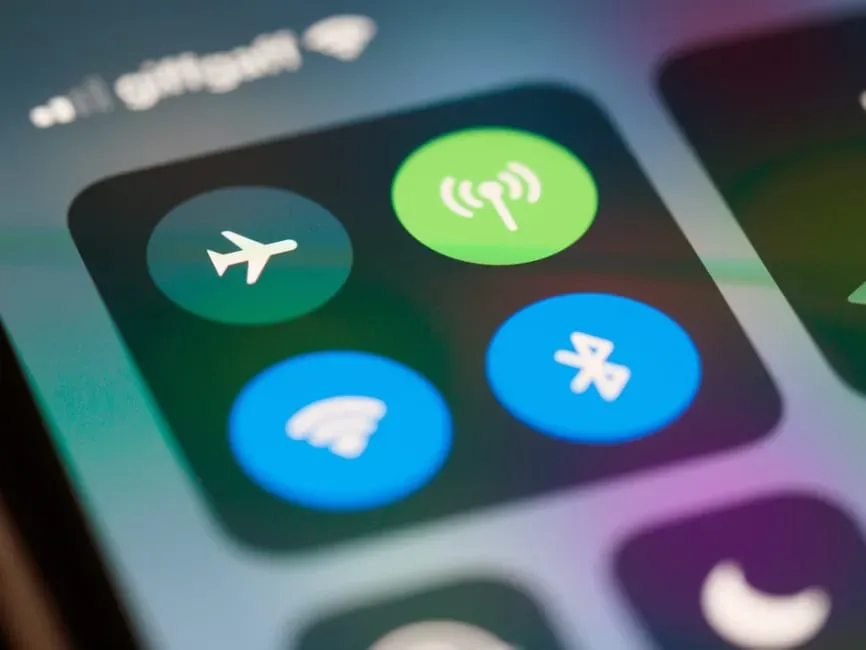
The ship pulls away from the dock. Your phone is in your pocket, data roaming is on, and somewhere in the background it’s downloading emails, syncing photos, and refreshing apps – all on an international maritime network called “Cellular at Sea.” The moment your ship moves beyond the coast, you’re no longer on your standard cell carrier. You’re on a maritime satellite connection that charges rates your monthly plan was never built for.
The fix takes about four seconds: put your phone in Airplane Mode as soon as the ship leaves port. You can still enable Wi-Fi within Airplane Mode to use the ship’s app or any internet package you purchased. Some retirees have reported unexpected international data bills in the hundreds of dollars from a single afternoon of passive background syncing – photo uploads, app updates, email attachments quietly downloading while they were having lunch. One afternoon. Hundreds of dollars. Airplane Mode is free.
Worth Knowing: Phone Rules for Day One at Sea
- Enable Airplane Mode the moment the ship clears the pier
- Wi-Fi can be turned back on inside Airplane Mode – you won’t lose app access
- “Cellular at Sea” maritime rates are separate from your standard international plan
- Notify family before you board; messaging via the ship’s app is usually free
- Check with your carrier before departure – some plans now include ship Wi-Fi calling
#8 – Not Booking Dining and Shows in Advance
Everyone pictures wandering into a beautiful specialty restaurant on night one without a reservation, getting a perfect table, and ordering something wonderful. On modern mega-ships carrying 4,000 or more passengers, that fantasy ends the moment you reach the host stand and hear “I’m sorry, we’re fully booked through Thursday.” Popular specialty restaurants and headline shows don’t stay open long once boarding begins.
Most cruise lines let you reserve dining and entertainment through the app before you ever set foot on the ship. If you didn’t book in advance, make it the very first thing you do after the muster drill. The most coveted 7 p.m. dinner reservations on popular sailings can vanish within the first hour after boarding. If you’re celebrating an anniversary, a birthday, or a retirement milestone at sea, a $0 reservation made three weeks early is the difference between a perfect night and a disappointing one.
#9 – Skipping the Spa’s Embarkation Day Deals
Most retirees don’t find out about this one until day three, when it’s already too late. Cruise ship spas run their deepest discounts specifically on embarkation day to fill the appointment book early. Massages, facials, couples treatments, and thermal suite day passes can be significantly cheaper on day one than they will be for the rest of the sailing. By the following morning, prices climb back to full rate and stay there.
If a spa day is anywhere on your wish list, walk to the spa within the first hour of boarding and ask about same-day specials. Popular time slots and couples treatments sell out fast. Embarkation day spa discounts are one of the most consistently overlooked money-savers in all of cruising. Insiders head there before they even find their stateroom. It’s one of those things that feels almost too simple – until you realize you saved $80 on a massage before dinner.
#10 – Assuming Gratuities Are Already Covered
Many retirees book what feels like a complete, all-in cruise package and genuinely believe that means everything is handled. Then the final bill arrives and there’s a line item for daily service charges that nobody mentioned at the travel agency. Gratuities on a cruise continue to catch first-timers off guard, and every cruise line handles them differently.
Most major cruise lines apply automatic daily gratuities to your onboard account – and rates have been climbing. On a 10-night cruise for two people, automatic gratuities alone can add $370 or more to your final bill – money many first-timers never budgeted for. You can often prepay gratuities before embarkation, which lets you lock in the current rate and removes the daily charge from your onboard account entirely. Check the fine print on your booking confirmation before you leave home – not after you’ve already boarded.
Quick Compare: 2025–2026 Daily Gratuity Rates by Major Cruise Line
| Cruise Line | Standard Stateroom | Suite |
|---|---|---|
| Royal Caribbean | $18.50/person/day | $21.00/person/day |
| Carnival | $17.00/person/day | $19.00/person/day |
| Celebrity | $18.00/person/day | $23.00/person/day |
| Norwegian | $20.00/person/day | $25.00/person/day |
| Princess | $18.00/person/day | $20.00/person/day |
| Holland America | $18.00/person/day | $20.00/person/day |
Rates current as of early 2026. Several lines increased gratuities in late 2024 through early 2026. Always verify with your cruise line before sailing.
#11 – Not Downloading the Cruise Line’s App
Every major cruise line now runs a dedicated smartphone app, and most first-timers treat it as optional – something to maybe look at later. Insiders say it’s basically the ship’s operating manual, and ignoring it on day one means fumbling around an 18-deck floating city without a map. The app manages dining reservations, shows your onboard account balance, lists every open restaurant in real time, and lets you message your travel companions for free without burning through ship Wi-Fi.
Download the app before you leave home, log in, and link your reservation number. By the time you board, you’ll already know which restaurants are open, where the medical center is, and what’s happening that evening. On ships like Royal Caribbean’s Oasis-class vessels, the app isn’t a convenience – it’s genuinely the only realistic way to navigate a vessel with more square footage than some shopping malls. First-timers who skip it spend the first two days lost. Those who use it from day one feel like they’ve sailed before.
#12 – Missing the First-Day Onboard Specials
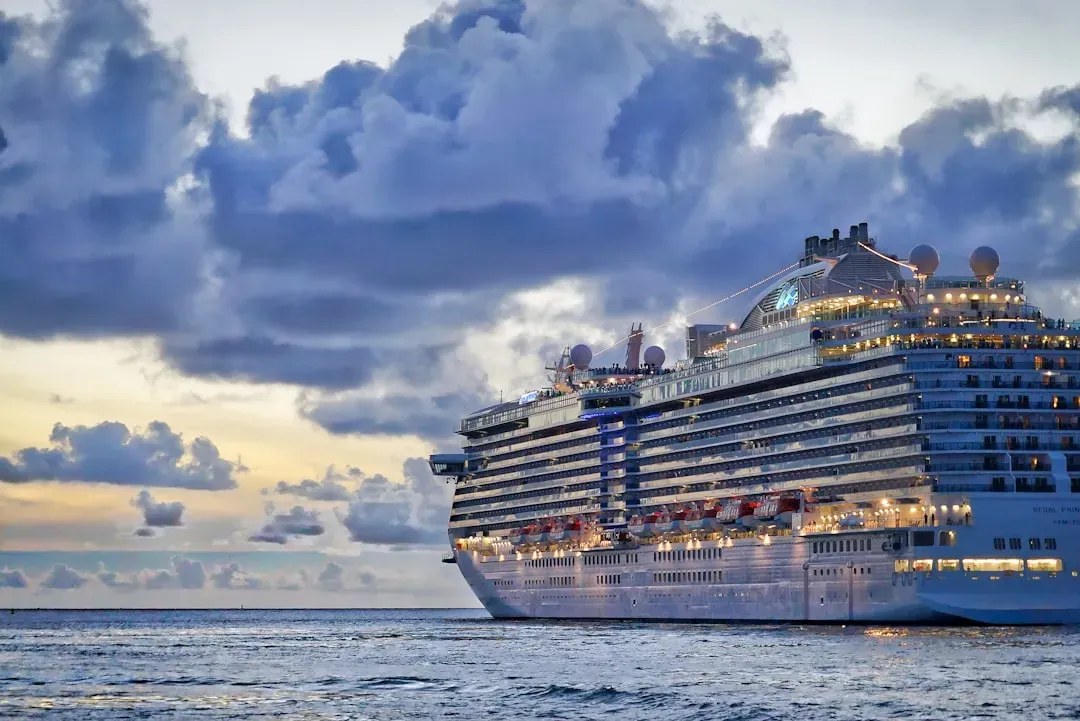
Cruise lines run some of their best deals – drink packages, internet bundles, excursion discounts, entertainment upgrades – specifically on embarkation day. They don’t advertise this loudly. Many passengers wait, figuring they’ll decide once they’ve settled in, only to find that the deal they saw on the pier is completely gone by morning. These flash offers are real, they’re time-limited, and they disappear quietly.
Special offers are often promoted in the daily program, on flyers left in your stateroom, or at information desks near the atrium and pool deck during the first afternoon. Internet packages, spa bundles, and drink upgrades purchased on day one often come in noticeably cheaper than the same products purchased mid-sailing. By day two, the flash deals are gone and rack rates are back in full effect. Spending 20 minutes tracking these down on boarding day can realistically save $100 or more over the week – money that goes toward something you’ll actually remember.
#13 – Never Meeting the Cabin Attendant
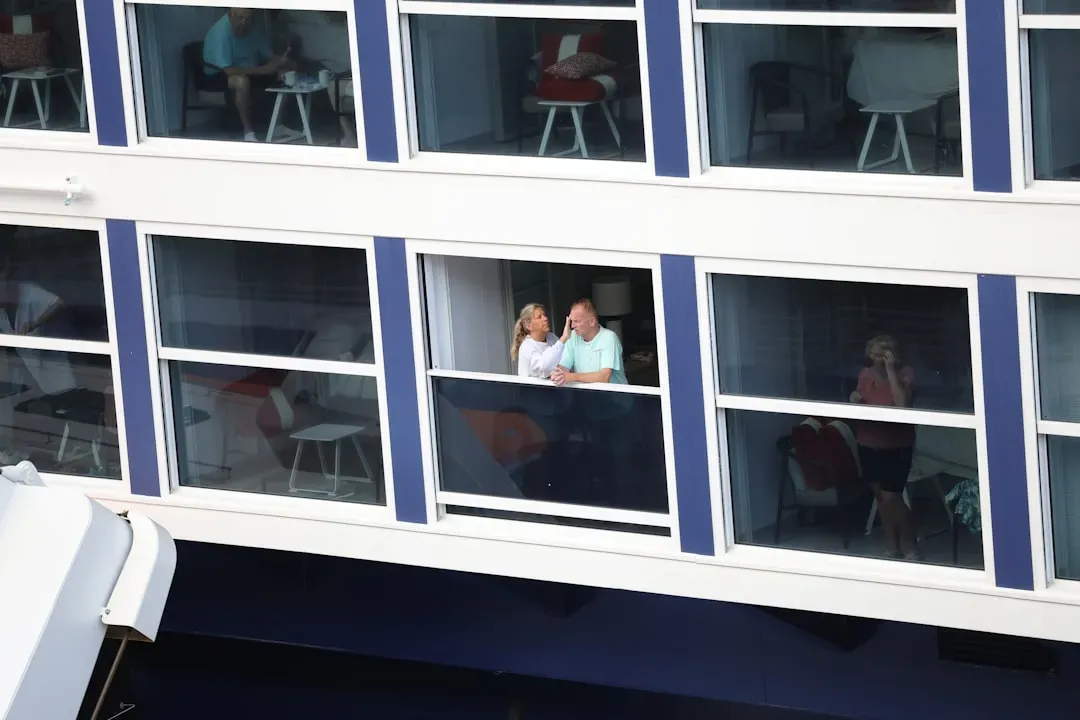
Your cabin steward is, quietly, the most important person on the ship for your daily comfort – and most first-timers never introduce themselves. They leave the room, assume everything will be handled perfectly, and then wonder why the small things they wanted never quite materialized. Extra towels, an ice bucket, an additional blanket, specific pillow preferences – none of that happens automatically unless someone asks.
Once your stateroom is ready, take five minutes to find your cabin attendant, introduce yourself, and share any requests upfront. Also use that moment to check that everything in the room actually works: the lights, the air conditioning, the safe, the TV. Retirees who cruise frequently say the single best upgrade they ever made was simply learning their cabin steward’s name on day one. The service that follows is noticeably, genuinely different – and it costs nothing but a brief conversation and a little human warmth.
Why It Stands Out: What to Ask Your Cabin Steward on Day One
- Extra pillows or a mattress topper (often available, rarely offered unprompted)
- A daily ice bucket – surprisingly useful all week long
- Extra hangers if closet space feels tight
- Your preferred turndown time (morning service, evening, or both)
- Any broken fixtures, strange smells, or temperature issues – report them now, not on day five
#14 – Ignoring the Muster Drill
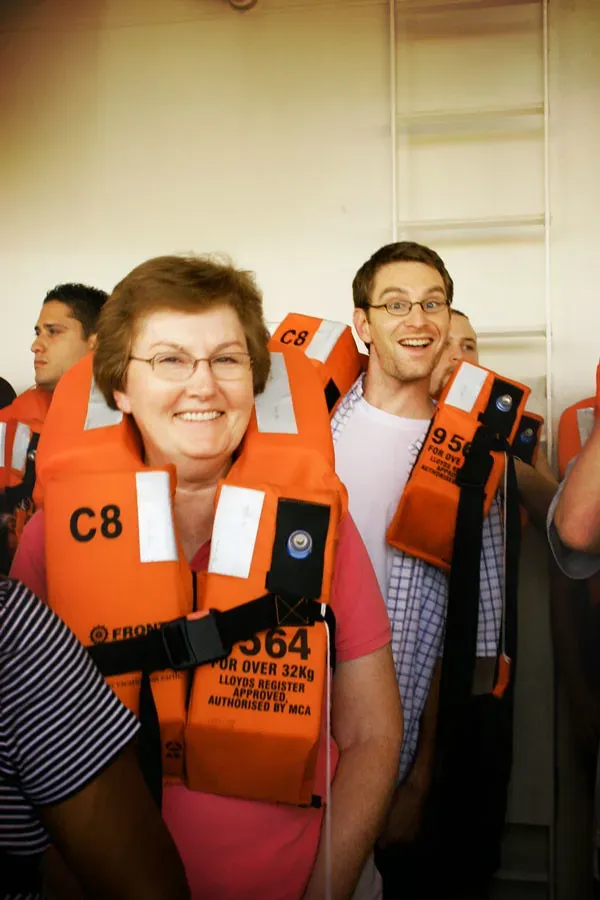
Nobody wants to spend part of their first afternoon standing at a muster station in the sun. But treating the mandatory safety drill as an optional inconvenience is a mistake – one the ship’s security team takes seriously enough to track you down if you skip it. The muster drill is a legal requirement under international maritime law. It covers emergency procedures, life jacket use, and the location of your designated station. Every passenger, every sailing, no exceptions.
Security staff scan cruise cards to verify attendance, and they will find you if your card hasn’t checked in. Many cruise lines now offer a streamlined e-muster format where you watch a safety video on your phone and check in digitally at your station, which takes about 10 minutes total and is dramatically less painful than the old all-hands-on-deck version. Complete it early, check the box, and move on. Your first sundowner on the upper deck is waiting, and it tastes better when you’ve got nothing left on the to-do list.
#15 – Skipping the Ship Exploration Window
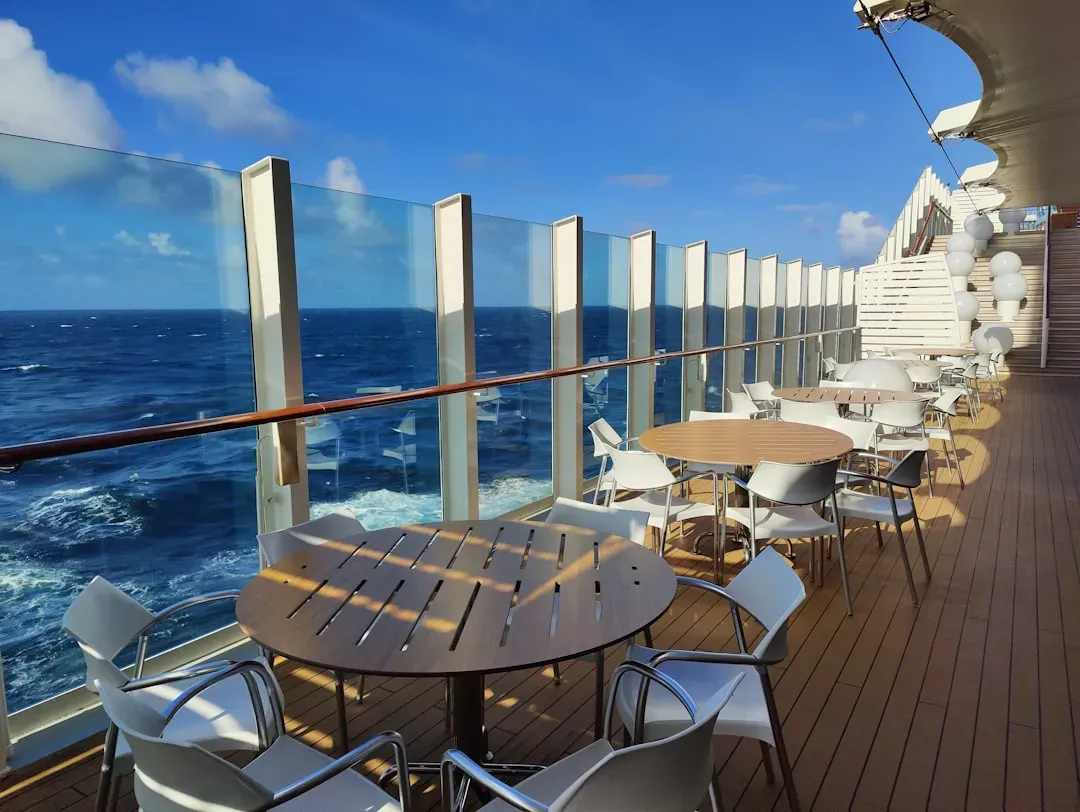
The first two hours after boarding are genuinely unrepeatable. The ship is only half-full. The pools are uncrowded. The bars have no lines. The prime deck chairs are still available. And most first-timers waste this entire window in their stateroom, unpacking bags that won’t even arrive for another six hours. There is nothing in that room you urgently need to organize right now.
Walk every deck. Find the quiet restaurants, the hidden lounges, the outdoor spots with the best views. Note where the medical center is. Figure out which pool has the most shade and which bar has the fastest service. By dinnertime on day one, the best spots on the ship will already be claimed by the passengers who explored while you were arranging toiletries. Leave the suitcase. The ship is yours right now in a way it won’t be again until disembarkation morning – use it.
#16 – Not Preparing for Seasickness

A surprising number of first-time cruisers – particularly those who’ve never spent time on open water – board with zero preparation, fully convinced it won’t happen to them. Then the ship clears the harbor, hits its first real ocean swell, and the horizon starts moving in a way their inner ear wasn’t expecting. Seasickness isn’t a weakness. It’s a sensory mismatch that can sideline even experienced sailors when the ship’s motion outpaces the brain’s ability to adapt. And once the nausea starts, you’re playing catch-up for hours.
If you’re prone to motion sickness at all – in cars, on boats, on winding roads – start preventative measures before symptoms begin, not after. Options range from over-the-counter medications like meclizine to prescription patches to pressure-point wristbands. The single most effective structural fix: book a midship cabin on a lower deck, where the ship’s motion is least pronounced. Waiting until you’re already green to ask the medical center for help is the one seasickness mistake that’s hardest to come back from on day one.
Fast Facts: Reducing Seasickness Risk Before You Board
- Cabin location matters: Midship, lower-deck cabins experience the least motion
- OTC options: Meclizine (Bonine) and dimenhydrinate (Dramamine) work best taken before symptoms start
- Prescription patches: Scopolamine patches (behind the ear) last up to 3 days – ask your doctor well before departure
- Pressure bands: Sea-Bands are drug-free and can be used alongside other remedies
- Ship size helps: Larger ships (100,000+ gross tons) ride more smoothly than smaller vessels in open water
#17 – Overpacking the Carry-On (and Underpacking the Essentials)
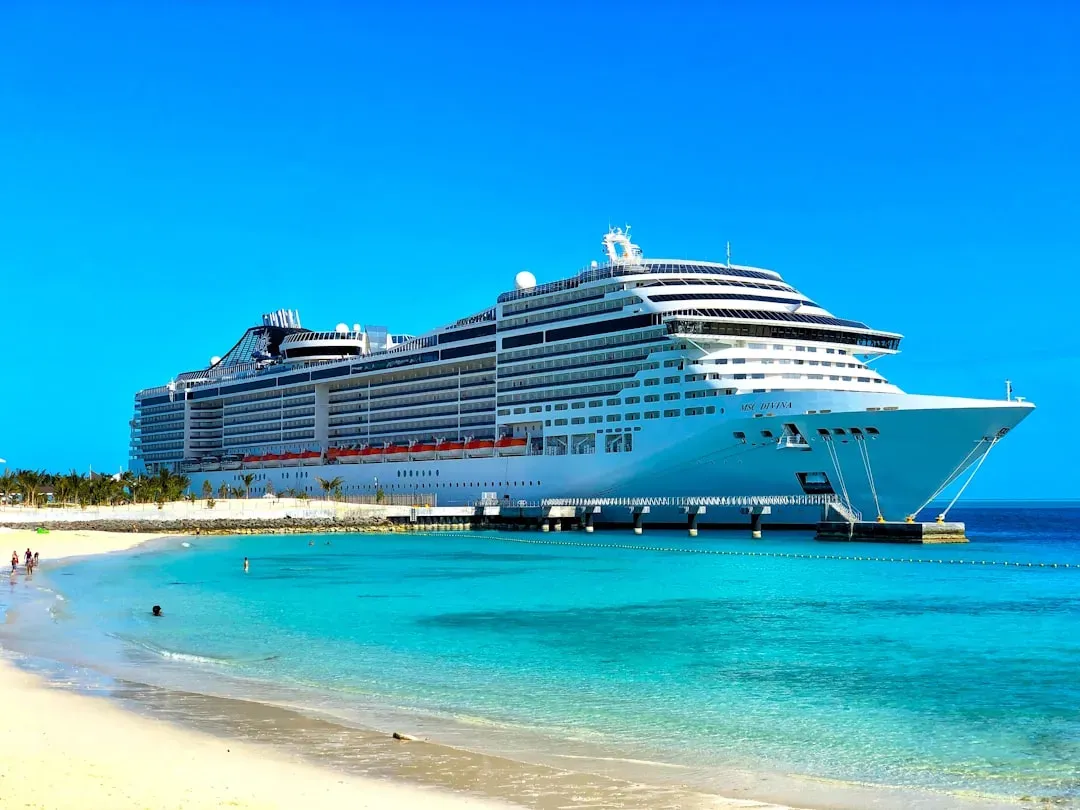
There’s a tendency among first-time cruisers to either cram the carry-on with everything they own – or hand everything to the porter and assume it’ll magically appear in the stateroom within the hour. Both extremes hurt in different ways. Lugging a 30-pound bag around a ship for six hours while your cabin is being prepared isn’t relaxing. But leaving your swimsuit, sunscreen, and phone charger in checked luggage means spending those same six hours in your street clothes, watching everyone else at the pool.
The fix is a small, dedicated day bag – think of it as your first-day survival kit. Medications, documents, a change of clothes, sunscreen, a charger, a light jacket, and anything else you’d need to be comfortable until evening. Keep it light enough to carry easily, but complete enough that you don’t need your big suitcase until dinner. Experienced cruisers call this the single most important packing adjustment a first-timer can make – and it requires nothing more than five minutes of intentional packing the night before you leave home.
The first day at sea should feel like the best day of the year – and for most retirees, when it goes right, it absolutely does. The ship is beautiful. The horizon is wide open. There is genuinely nowhere else you need to be. Almost every mistake on this list has a simple fix, and nearly all of them come down to one thing: knowing what to expect before you step on board. The retirees who had the best first days weren’t luckier. They were just a little more prepared. If any of these caught you off guard on a past sailing, drop your story in the comments – the best cruise advice almost always comes from the people who learned it the hard way.