
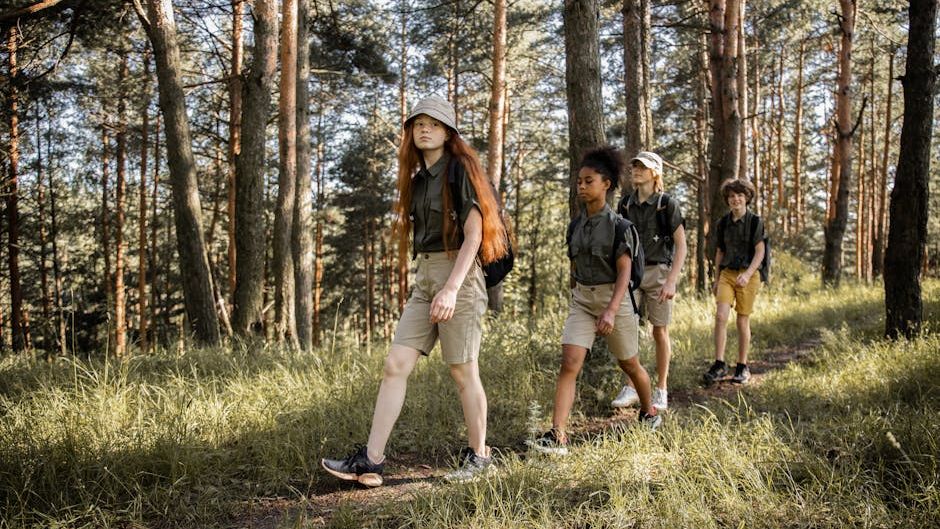
The search for real and transformational travel experiences has quietly become one of the biggest forces reshaping the tourism industry. Travelers increasingly look for chances to connect with nature, push themselves physically and psychologically, and immerse themselves in their surroundings. That’s not just a market trend. It’s a window into something far more personal.
Post-pandemic society has been undergoing a transition of unprecedented scale, and the toll on mental health has been visible. Roughly a quarter of people globally were diagnosed with depression or anxiety in 2020, and the ripple effects are still being felt today. Adventure travel has become one of the more surprising ways people are quietly trying to answer a single, persistent question: do I still have what it takes?
1. You Choose Physically Demanding Destinations Because You Want a Test, Not a Holiday
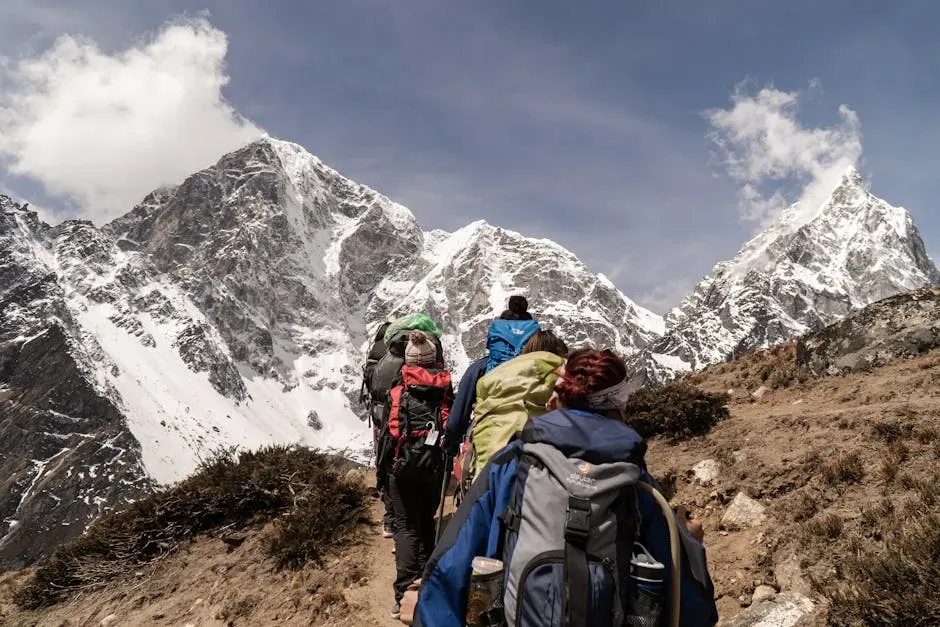
There’s a reason some people skip the beach resort and book a trek through a high-altitude mountain range instead. It’s rarely just about the scenery. Studies of extended-period expeditionary adventurers show that participants often choose extreme outdoor experiences, such as polar expeditions or long-distance runs, primarily for their psychological benefits and their capacity to expand psychological boundaries. The mountain is a backdrop. The real terrain is internal.
Research exploring the psychological benefits of adventure tourism shows that these experiences go far beyond stress relief, offering coping mechanism development, the enhancement of self-esteem and confidence, and the active cultivation of resilience and adaptability. When someone books a multi-day trek instead of a simple city break, they’re not being masochistic. They’re issuing themselves a challenge that everyday life stopped providing. Psychologist Albert Bandura identified that confidence grows fastest through mastery experiences. When someone hikes further than they ever have, the brain doesn’t just feel proud. It rewrites what it believes is possible for that person.
2. Solo Adventure Travel Signals a Deep Need to Rediscover Self-Reliance

Choosing to travel alone, especially into unfamiliar or demanding environments, is rarely just about the freedom of an open schedule. In 2024, major adventure operators launched dedicated solo travel trips, tapping into a rising trend where solo travelers want to explore with like-minded individuals while simultaneously enjoying the independence of traveling alone. That specific combination, community without dependency, tells you something meaningful about what these travelers are actually seeking.
Learning to navigate a foreign city or adapt to new customs requires problem-solving and tolerance for uncertainty, which is an essential skill for emotional resilience. For someone who has recently come through a divorce, a job loss, a health scare, or simply a long stretch of feeling stuck, proving that they can navigate a foreign country with a backpack and no fixed plan is profoundly personal. Reintegrating into daily life after significant challenges is rarely seamless, yet these experiences leave a lasting impact on personal identity and life goals, often inspiring individuals to reassess priorities and explore new interests. Solo travel, done hard and done intentionally, can be the reset that no therapist’s couch fully delivers.
3. Your Preference for Nature-Based Extremes Reveals How Urgently You Need to Lower Your Stress Load
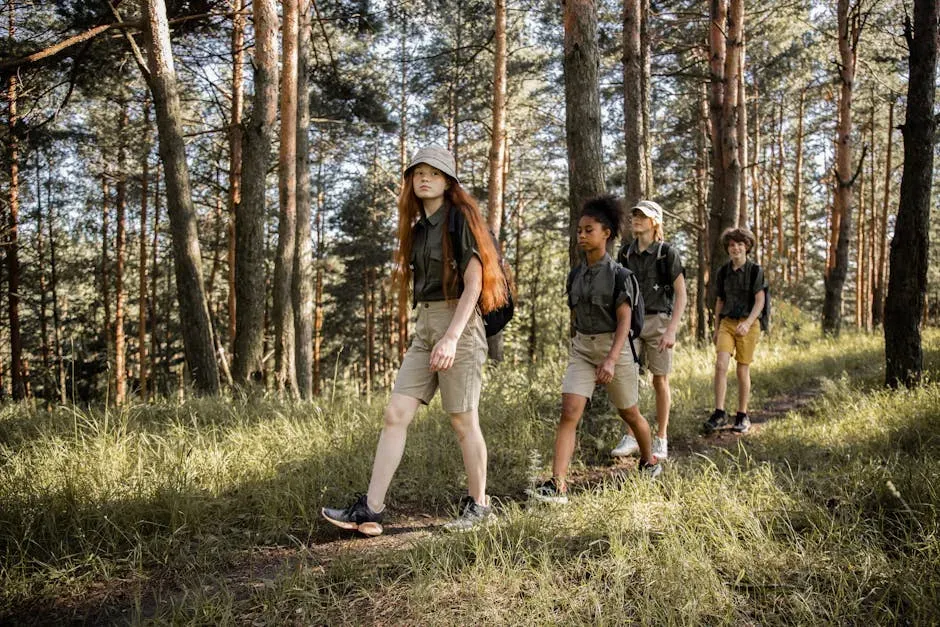
Choosing a white-water rafting trip over a spa weekend, or a wilderness camping route over a luxury hotel, often points to something the body already knows. More people are actively taking charge of their own mental health through regular nature-based adventure activity participation, and those who engage consistently enjoy far greater mental health benefits than those who only dip in occasionally. The body craves something that modern indoor life rarely provides.
Research shows that being outside lowers cortisol, reduces the repetitive negative thinking linked to depression, and improves cognitive function. That’s not a small thing. Cortisol is the body’s primary stress hormone, and chronic elevation of it is linked to everything from sleep problems to cardiovascular strain. Regular outdoor activity participation in national parks has been shown to improve mental health and positively impact coping, resilience, and stress alleviation. When someone finds themselves scanning adventure travel websites late at night, they’re often looking for a way out of a stress load they’ve been carrying far too long. The wilderness isn’t escapism. It’s medicine.
4. Choosing High-Risk Activities Points to a Search for Evidence That You’re Still Capable
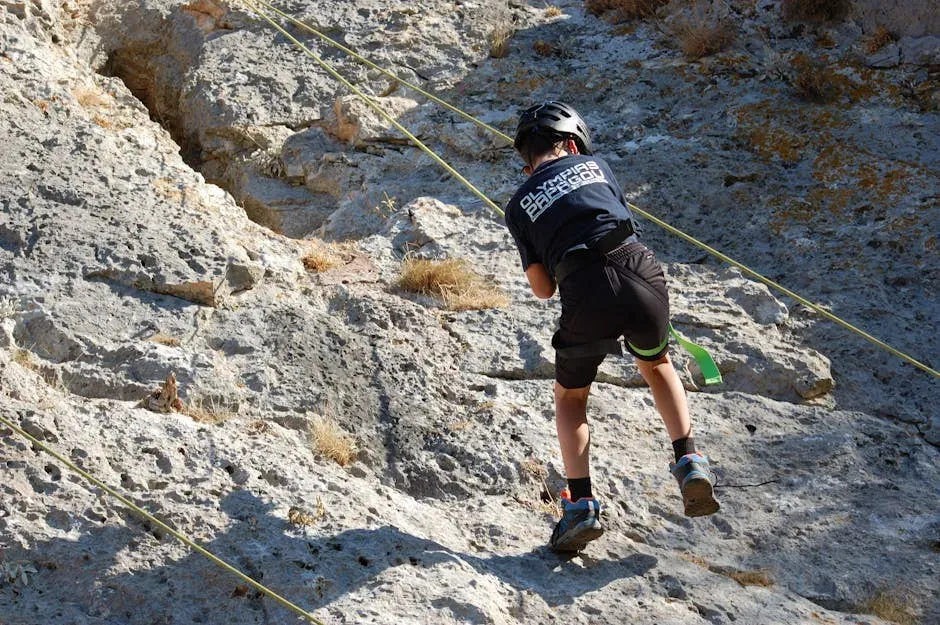
The thrill of risk-taking activates the brain’s pleasure centers, releasing adrenaline and endorphins that heighten the senses and intensify the experience. As individuals confront uncertainty and embrace challenges with anticipation, they undergo profound psychological transformations, expanding their comfort zones and cultivating resilience in the face of adversity. That’s the science. The felt experience, though, is something simpler and more honest: I needed to know I could still do something hard.
Expeditionary adventurers often choose extreme challenges for their capacity to expand geographical, physical, and psychological boundaries, with autonomy, resilience, post-adventure growth, and self-actualization making the risks and pain feel worthwhile. This is particularly common among people in their late thirties, forties, and fifties, who may sense that conventional life has started to make fewer demands on their courage. The demand for adventure tourism among the 25 to 40 age group is expected to grow at a significant rate through the end of the decade, reflecting a notable shift in travel preferences among younger millennials and older Gen Z individuals. The search isn’t really for adrenaline. It’s for confirmation.
5. Choosing Transformational Travel After Life Disruptions Reflects the Deepest Form of Resilience-Seeking

There is a very specific kind of adventure travel booking that happens in the weeks following a major life disruption. A layoff. A breakup. A health diagnosis. A milestone birthday that felt more like a reckoning. Rates of anxiety and depression surged dramatically during the pandemic, and studies have since demonstrated the advantages of nature-based and cultural travel in lowering stress, improving cognitive restoration, and promoting post-traumatic growth, positioning tourism as a potential recovery catalyst. The timing of these bookings is rarely coincidental.
Experienced outdoor enthusiasts consistently benefit from regular adventure engagement, thriving through self-efficacy, belonging to a community, and identity development. Overcoming challenges, building resilience, and developing coping strategies appear to impact long-term well-being most strongly, particularly when travelers transfer these skills back to their everyday lives. This is the part that matters most. Clients are increasingly embracing travel as a transformational experience, choosing activities that combine thrills with self-empowerment, seeking opportunities to recharge and reset. The summit, the canyon, the open sea, these aren’t just travel memories. They become the evidence file that the self draws from during future difficulties, proof held quietly in reserve that says: I’ve done hard things before, and I can again.
The Bigger Picture: Adventure Travel as Identity Work
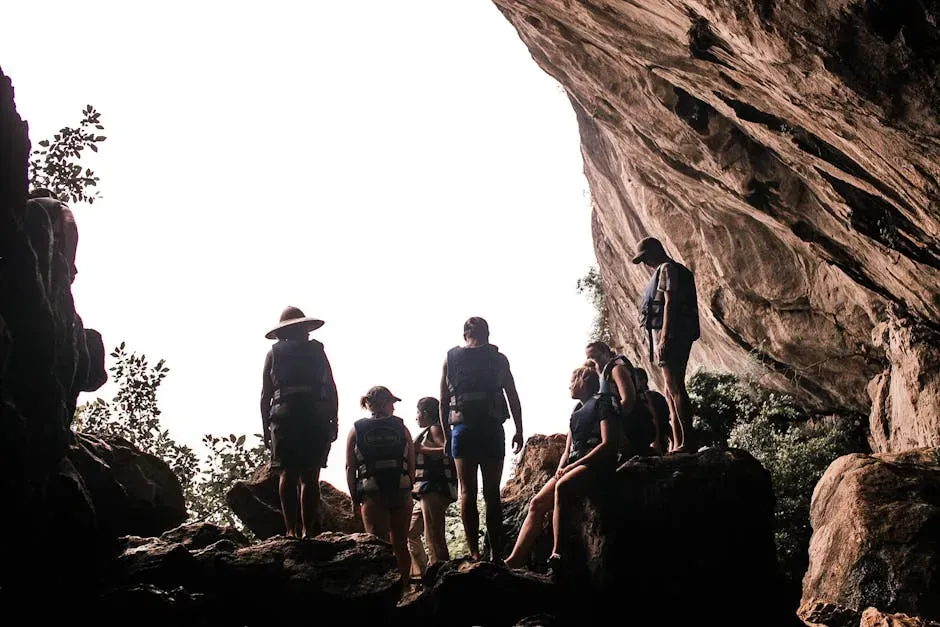
It’s worth stepping back and acknowledging what the data actually shows. The global adventure tourism market was estimated at nearly 900 billion dollars in 2024, and the search for real and transformational travel experiences has been one of the central forces fueling that growth. That scale tells you something. This isn’t niche behavior. It’s a widespread human response to a world that has become increasingly comfortable, sedentary, and emotionally demanding in ways that gyms and therapy don’t fully address.
Researchers are now challenging the traditional risk-focused view of adventure, advocating for a broader definition that includes diverse experiences and interactions, moving away from the stereotypical young male risk-seeker toward more diverse and inclusive participant profiles. Adventure travel is no longer a personality type. It’s a tool. Good mental health involves strong coping and resilience skills, and it fosters the ability to manage everyday stress and fulfill one’s potential. The journey outward, it turns out, is almost always a journey inward at the same time.
The next time someone talks about their upcoming trek in Patagonia or their solo motorcycle trip across a continent, resist the instinct to file it under wanderlust. There’s usually something quieter underneath, a quiet but urgent need to confirm, one difficult mile at a time, that they’re still the person they always believed themselves to be.