
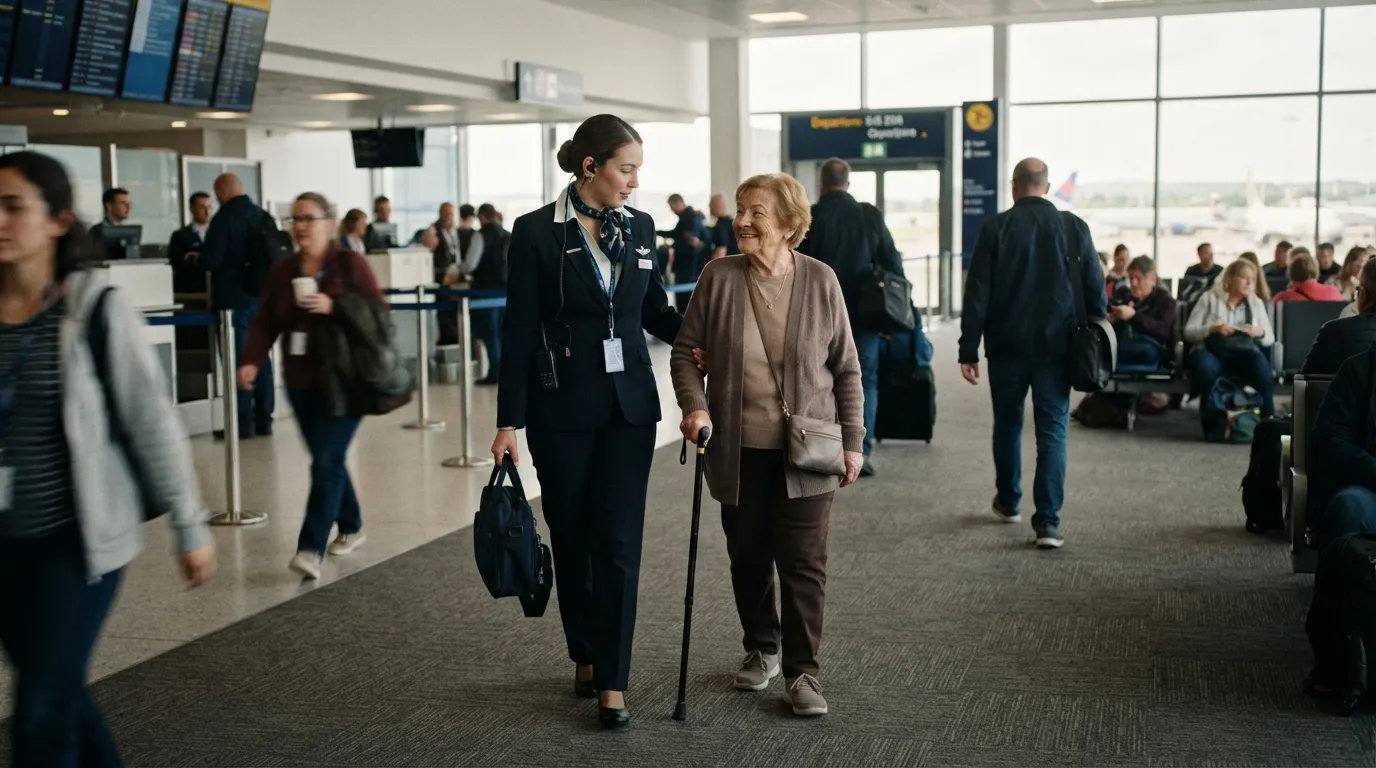
Everyone assumes the help stops at the wheelchair parked by the gate agent’s podium. That part is real, but it’s the smallest visible piece of a much bigger, unadvertised operation that follows older travelers from the moment a ticket is booked until a stranger walks them all the way to their next gate.
None of this gets printed on a boarding pass or mentioned in the safety video, and there’s a reason for that. Airlines would rather you think the whole thing runs on policy, not on people quietly rearranging their own workload to make sure nobody gets left behind. What ground crews actually do once someone over 60 walks through the terminal doors is stranger, kinder, and more organized than almost anyone expects.
1. Your reservation gets a silent flag before you even reach the airport
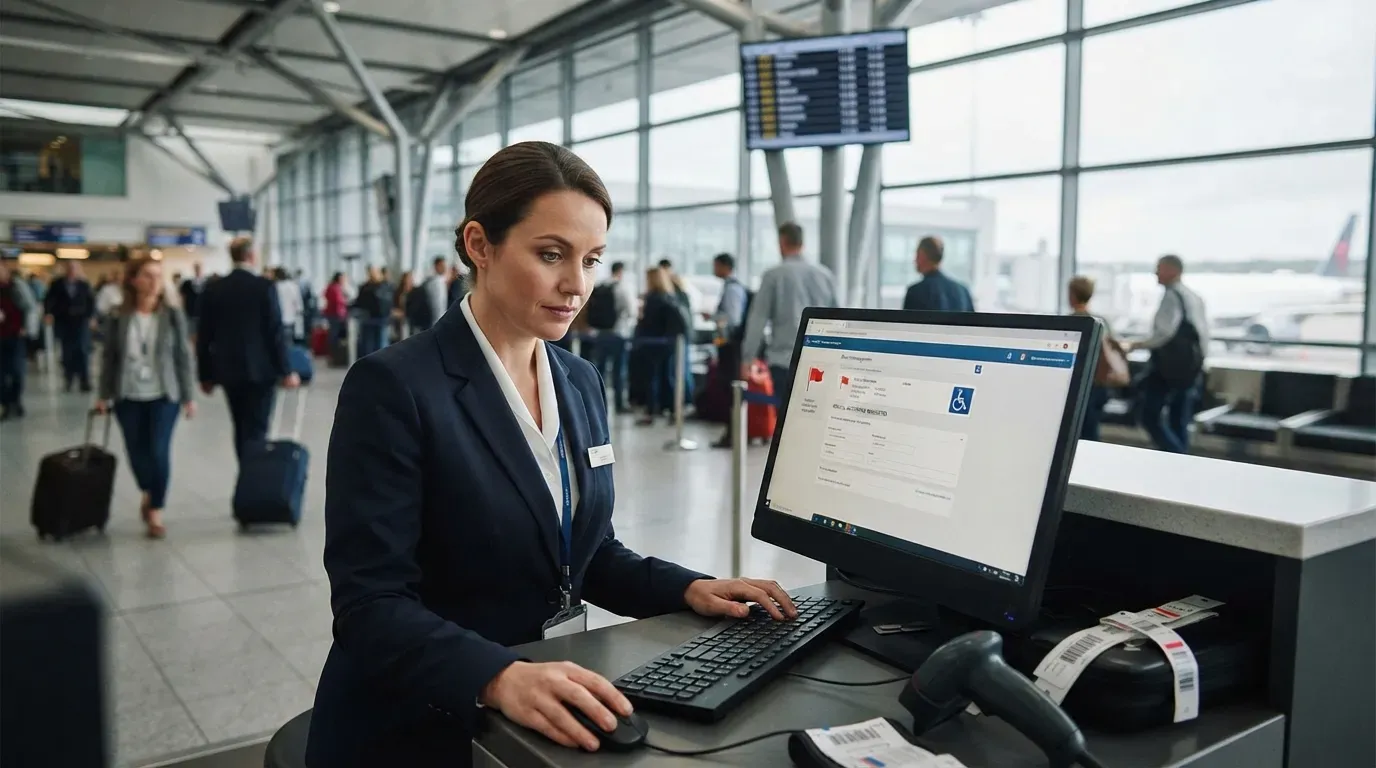
When a family member calls ahead or a passenger requests help online, the reservation gets tagged internally, and that tag follows the traveler through every touchpoint in the system. Most reservations get marked with a “special assistance requested” note so airport staff know to meet the traveler at check-in or curbside. That single flag quietly alerts ticket counters, gate agents, and ramp crews long before the passenger ever shows up.
What’s rarely explained is how early this needs to happen to actually work. To request wheelchair support or mobility assistance, seniors or family members should contact the airline at least 48 hours before the flight. Skip that window, and the help still exists, but it turns into a last-minute scramble instead of a plan that was already waiting.
Fast Facts
- Request assistance at least 48 hours before departure for the smoothest setup
- A single “special assistance” tag follows you through check-in, security, and the gate
- The flag can be added online, by phone, or at the ticket counter
- Last-minute requests are still honored, just with less time to prepare ahead
2. There’s an unofficial 30-minute rule almost nobody knows about
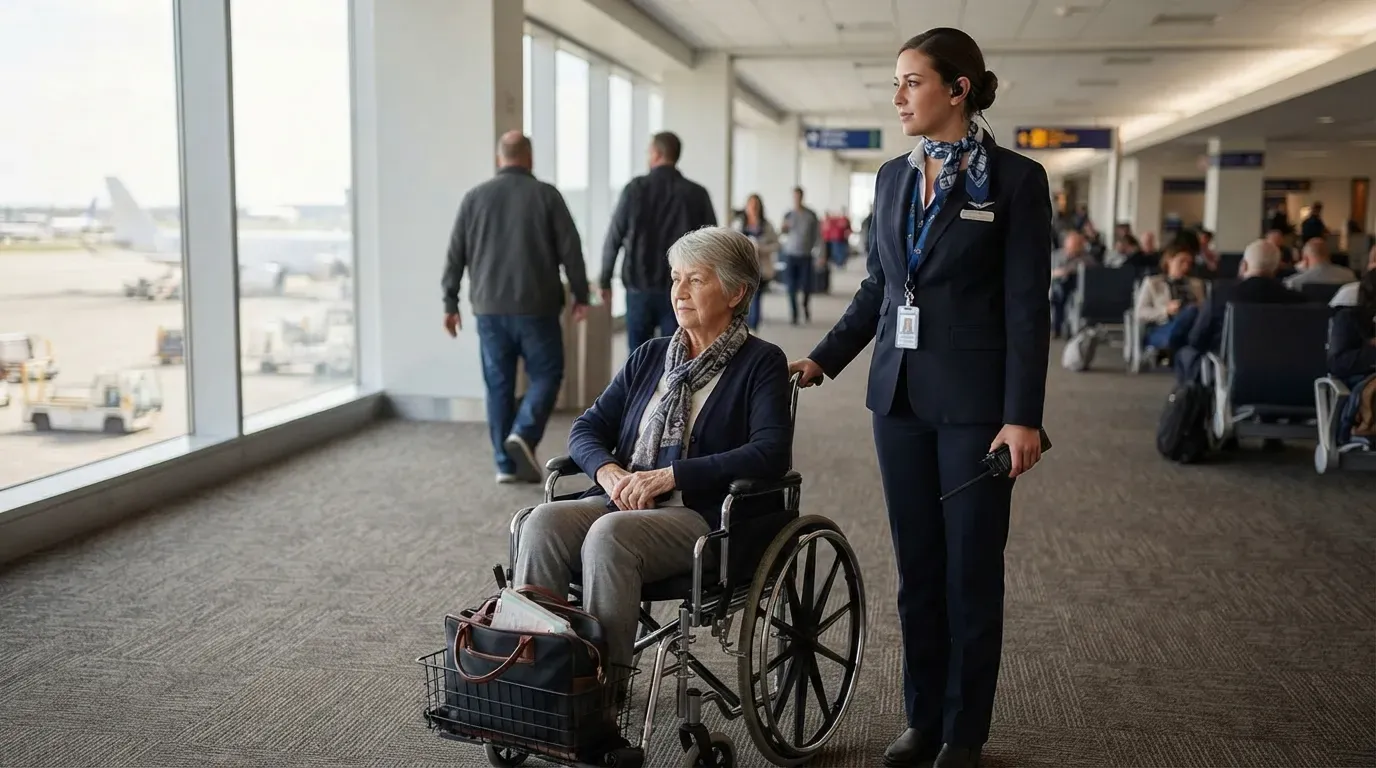
Federal rules require far more attention to older or less mobile passengers than most people assume. When an airline is assisting a passenger who isn’t independently mobile because of a disability, it cannot leave that passenger unattended for more than 30 minutes, and this holds true even if a companion is traveling with them.
Ground crews treat this as a hard line, not a suggestion. It’s the reason a wheelchair attendant checks back in, radios another agent, or physically lingers nearby instead of walking off after a handoff. Most fliers never realize a clock like this is running the entire time they’re sitting in the terminal.
3. Gate agents can move you to the front of the line without a word of explanation
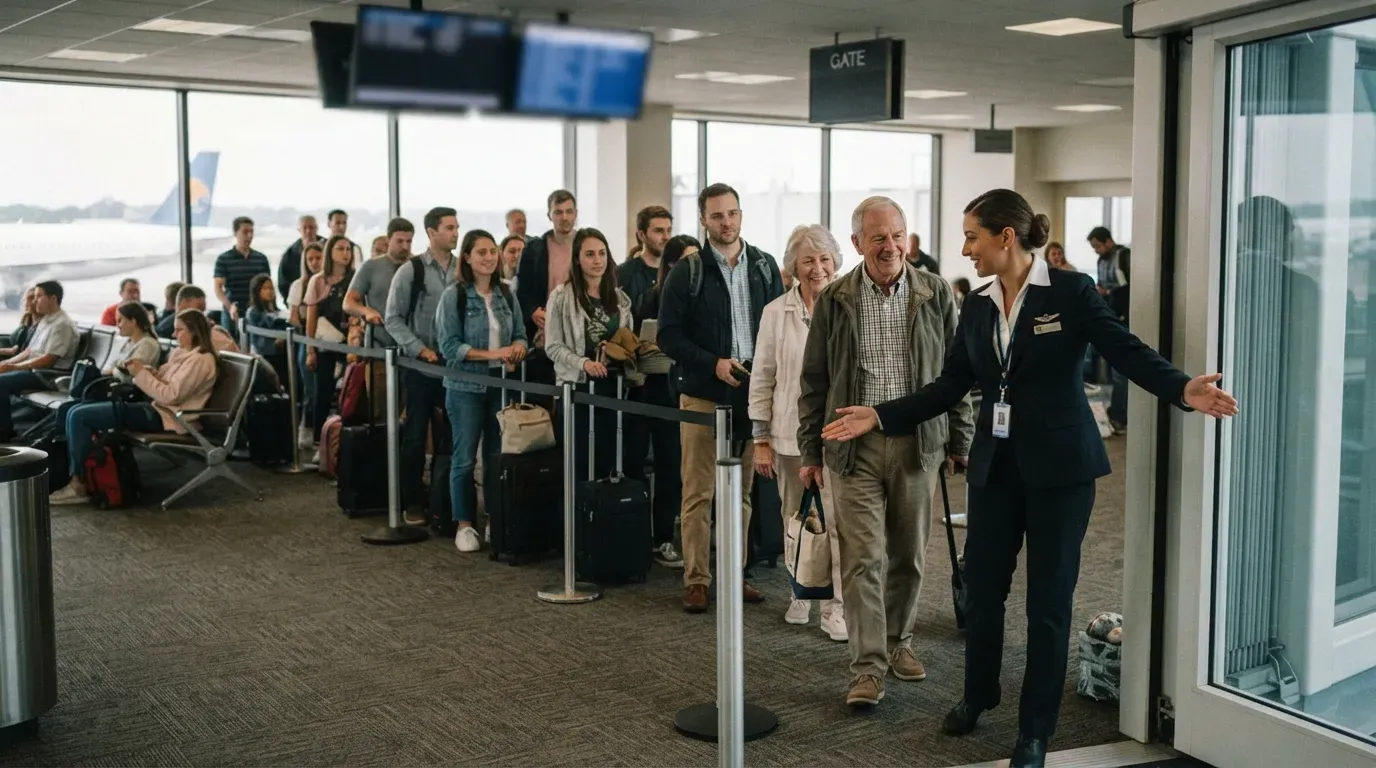
Boarding order looks random from the seats, but it isn’t. If a passenger self-identifies as needing extra time or help to board, the airline must let that passenger board before everyone else. That’s why an older traveler sometimes gets waved forward while dozens of younger passengers keep waiting in line.
Multiple carriers build this directly into their process. Southwest’s assistance service includes boarding and deplaning help plus a pre-board option, and passengers who use it board before anyone else, with the airline trying to keep a seat open beside them. It isn’t favoritism. It’s a quiet accommodation most passengers never notice happening a few feet away.
4. Airline staff will detour you to a bathroom, even mid-escort
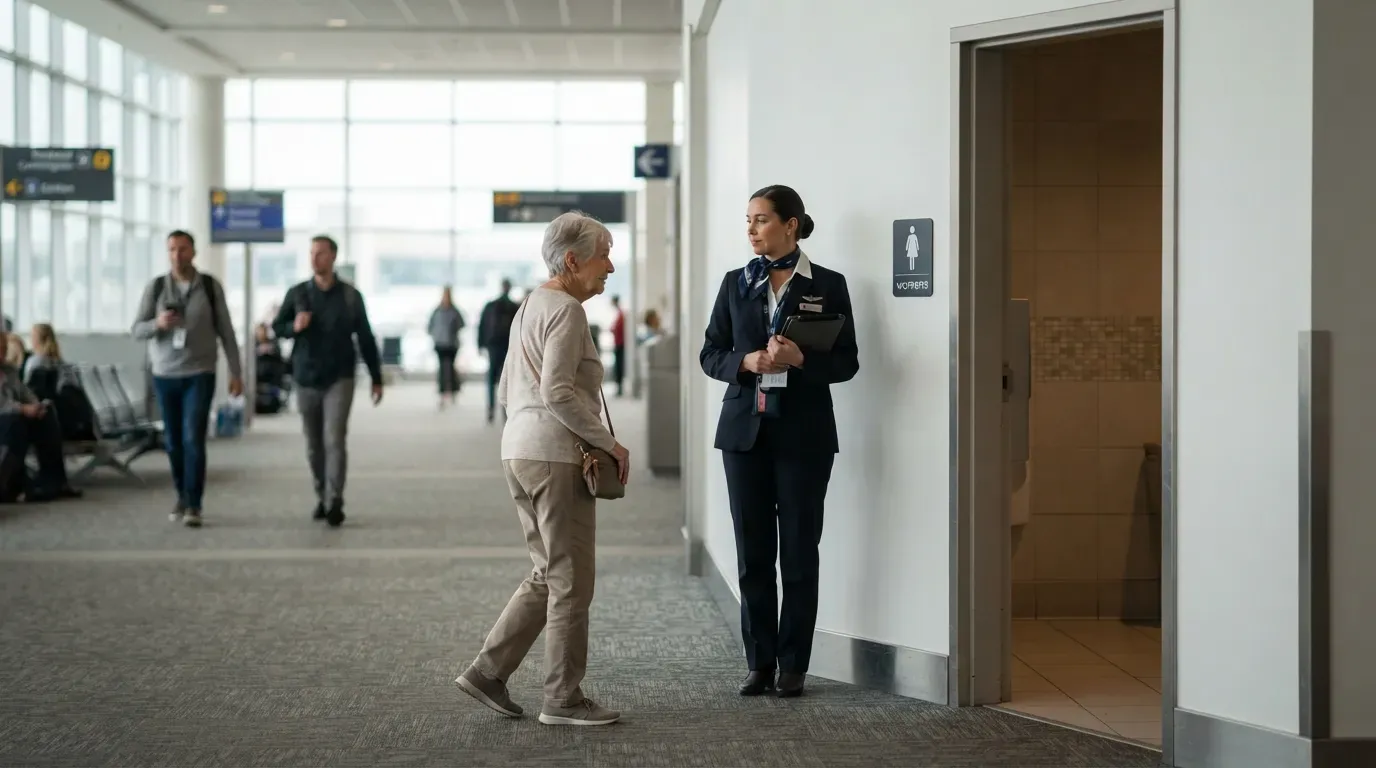
This one surprises almost everyone who hears it for the first time. Airlines are required to let passengers stop at the bathroom while being escorted to their flight, and if requested, the person assisting them must stop at the restroom entrance and wait.
There’s a small catch buried in the rule that ground crews quietly manage on your behalf. Staff are only required to stop if the bathroom is on the way and the detour won’t cause an unreasonable delay. In practice, attendants often route the walk through a restroom anyway, folding it into the trip instead of treating it as an interruption.
5. There’s a federal hotline built specifically for travelers 75 and older
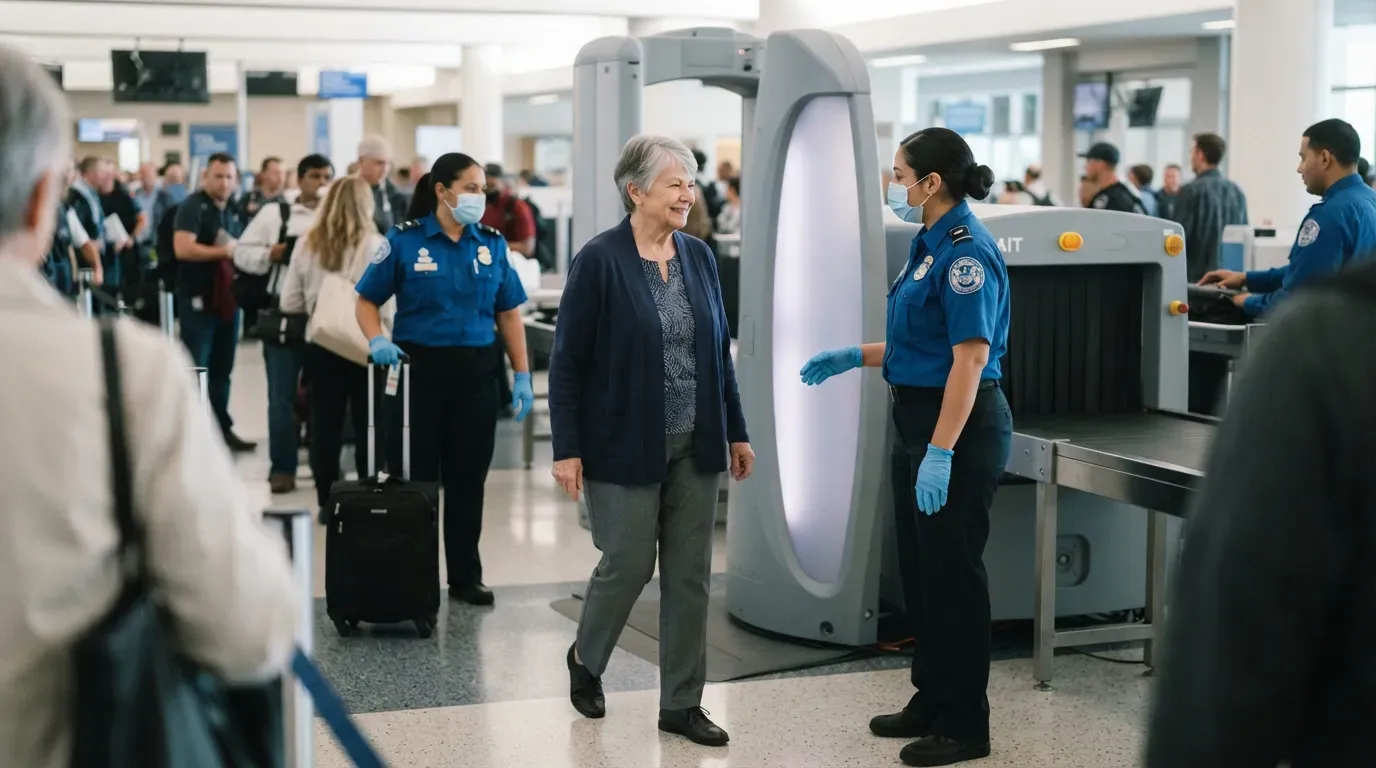
Most fliers have never heard of TSA Cares, and that’s exactly why it works quietly instead of loudly. The program exists to help passengers with disabilities, medical conditions, and other extra needs prepare for security screening before they ever get in line.
It comes with real, specific perks for older passengers. Travelers 75 and older can receive expedited, risk-based screening, and may leave their shoes and a light jacket on, with the option to request to be seated during the process. Almost nobody asks for it ahead of time, which means almost nobody gets the smoother version.
At a Glance
- TSA Cares can be contacted ahead of any trip to arrange help
- Travelers 75 and older qualify for expedited, risk-based screening
- Shoes and a light jacket can often stay on during the process
- Passengers may request to be seated while being screened
6. TSA officers sometimes walk the terminal just to find you
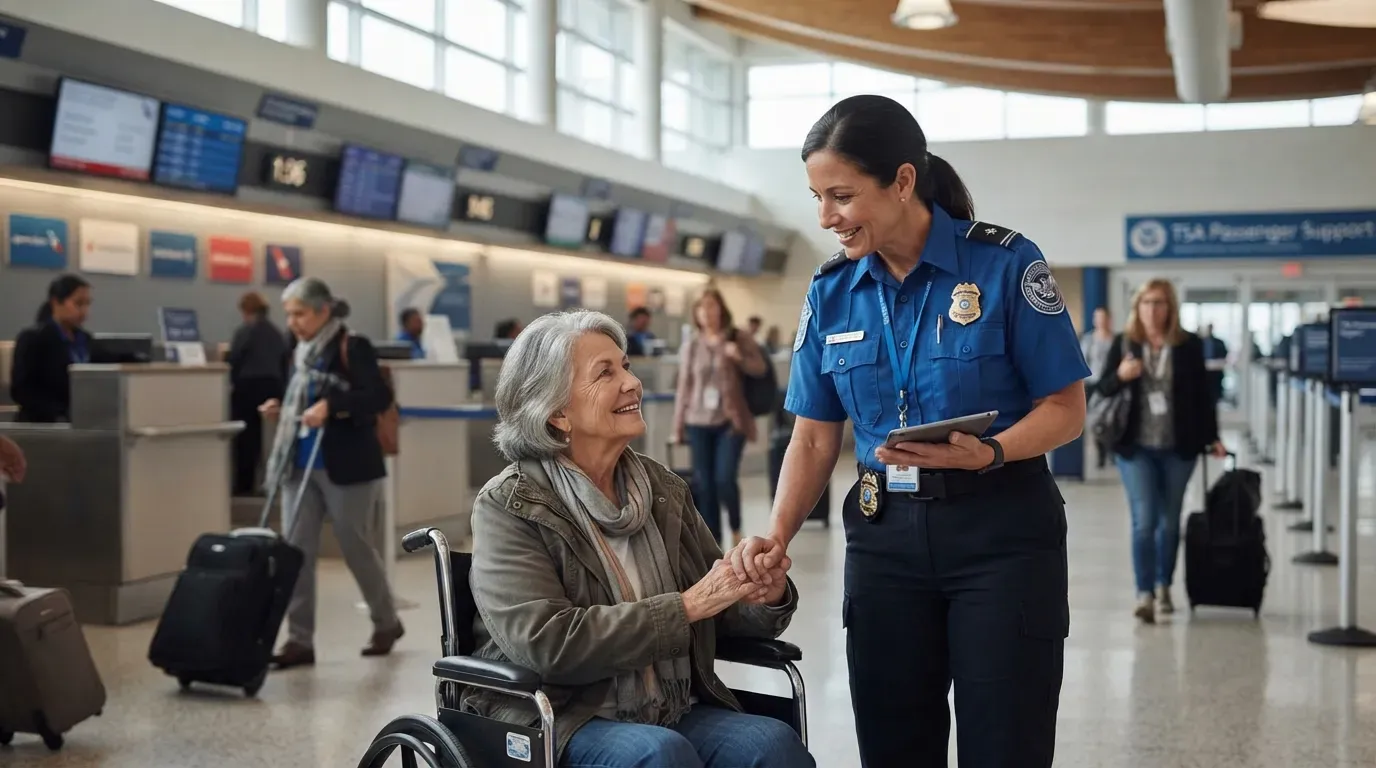
This isn’t a rumor. It’s documented behavior from inside the checkpoint. On slower days, Passenger Support Specialist teams walk the airport, especially near check-in counters, specifically to see whether anyone needs help, essentially working as walking billboards for a service most travelers don’t know exists.
The emotional impact of this quiet outreach is bigger than most people expect. One TSA supervisor described passengers who “literally go into tears because they are so happy with our team and how much we comfort them.” Most travelers assume they have to ask first. Some staff are actively out looking for them instead.
7. Your own wheelchair usually rides with you, not against you
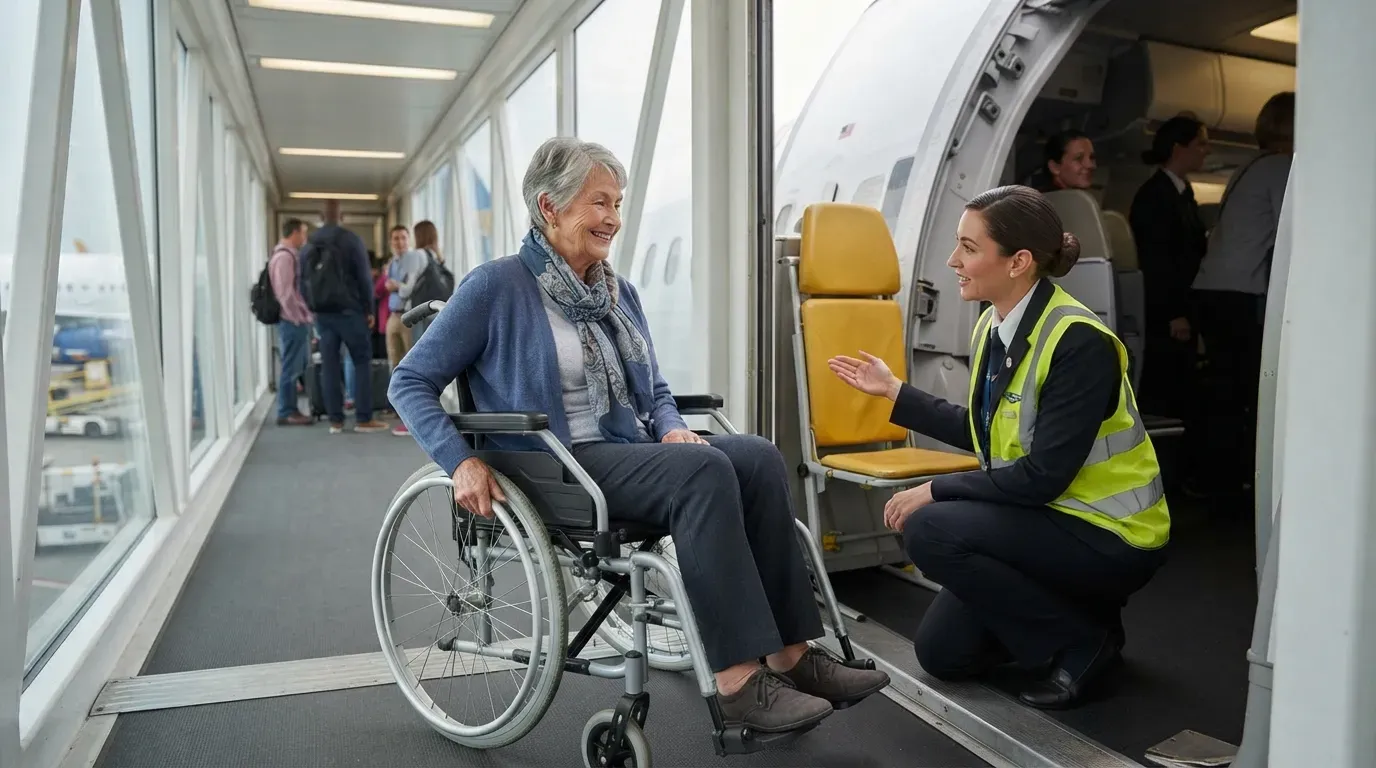
There’s a persistent myth that personal mobility devices get swapped out the moment you reach security. In most U.S. airports, that isn’t how it actually works. Passengers can typically stay in their own wheelchair for most of the journey through the terminal, which keeps a small but real sense of independence intact.
Ground crews treat the swap to an aisle chair as a last step, not a first one, saving it for the boarding door itself. Manual wheelchairs can usually be used right up until that point and then loaded into the cargo hold, while electric wheelchairs are handled separately in the hold. It’s a small sequencing choice, but it keeps older travelers in familiar equipment as long as physically possible.
Quick Compare
- Manual wheelchairs: stay with the passenger until the boarding door, then load into the cargo hold
- Electric wheelchairs: handled separately and stowed in the hold ahead of boarding
- Aisle chairs: used only for the final steps onto the aircraft, not the terminal walk
8. Ramp and gate teams quietly coordinate your entire connection, city to city
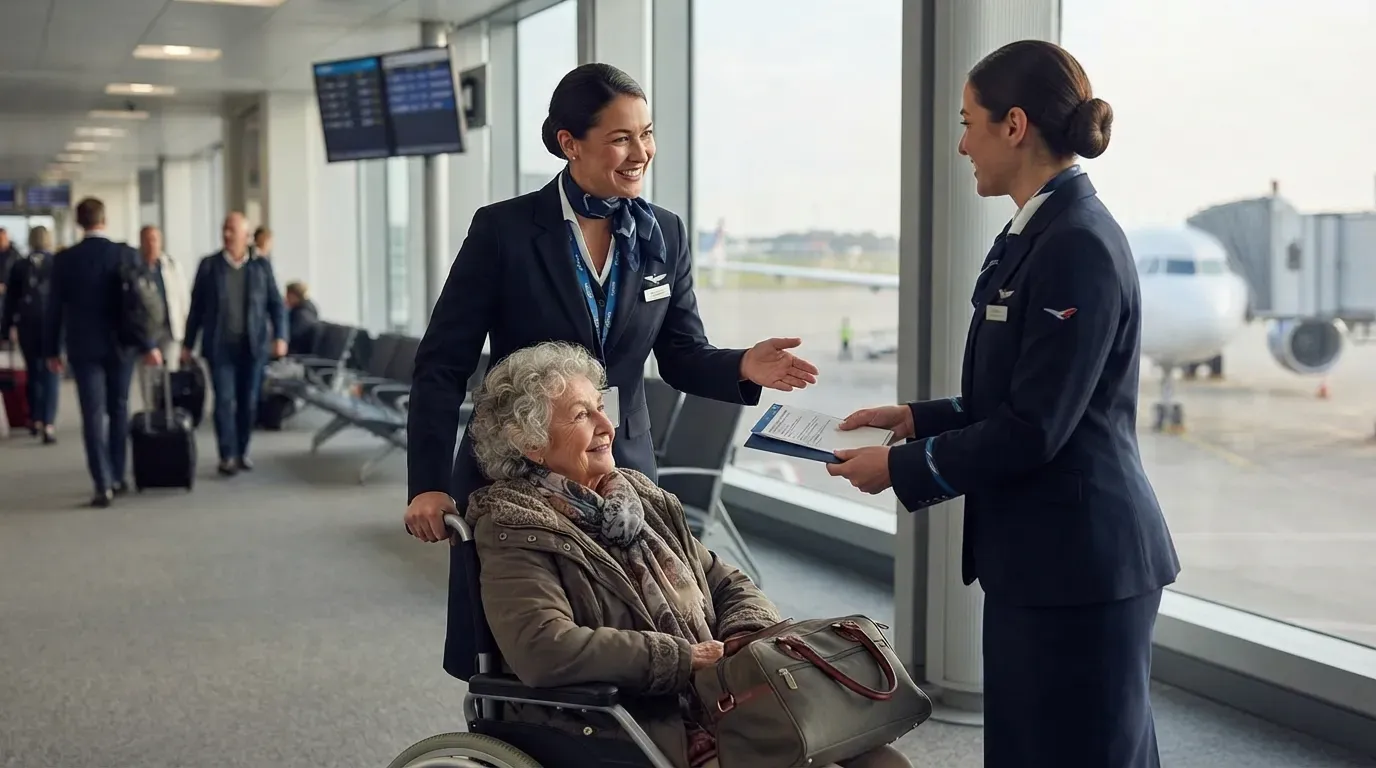
The help doesn’t stop when the plane door closes, and it doesn’t restart from zero at the next airport either. Airlines are required to assist passengers from their seat on the arriving flight all the way to the gate of their connecting flight, if they have one.
Behind the scenes, this means one airport’s team is quietly relaying information to the next before the traveler even lands. If someone has a connecting flight, separate assistance is arranged at that next airport in advance. Most passengers never realize two entirely different ground crews just handed them off like a relay baton.
9. Someone is required to physically meet you at the arrival door, no matter what
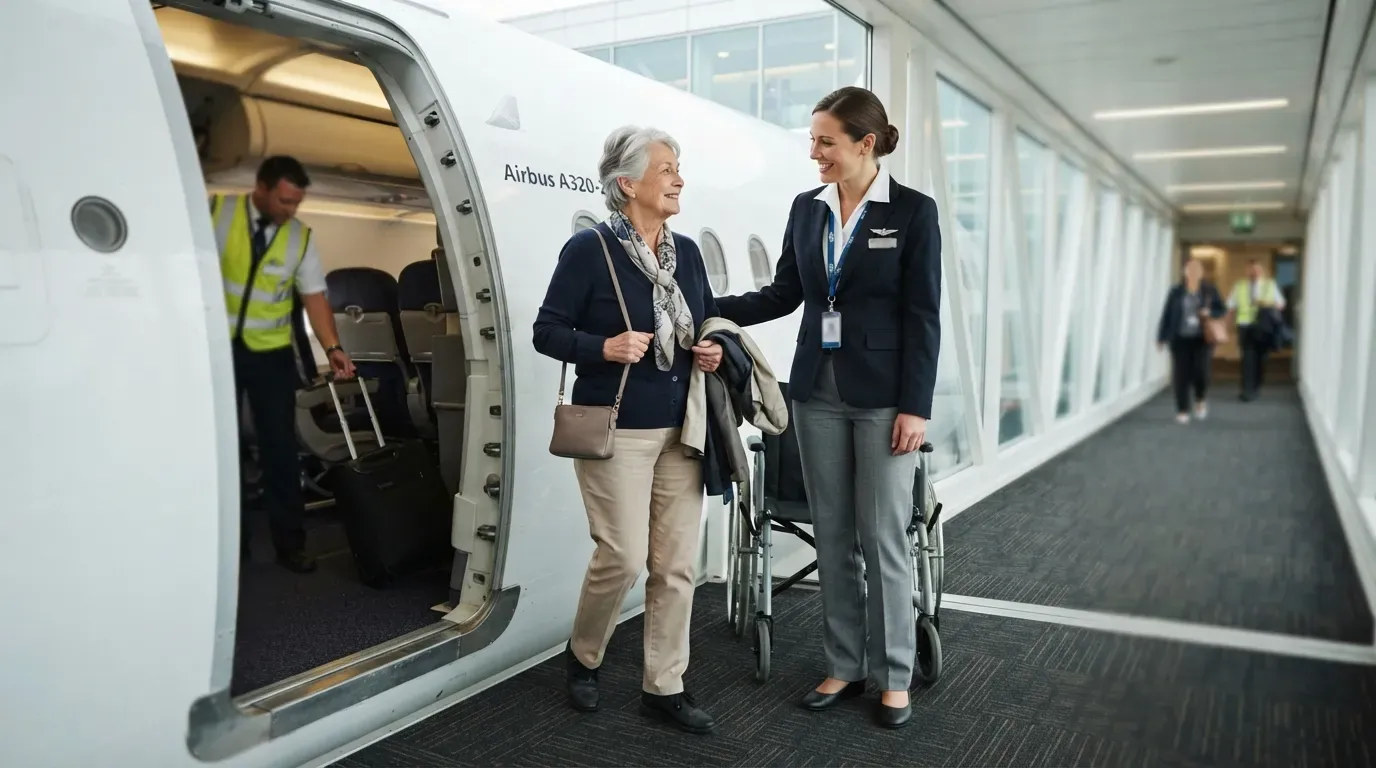
This is one of the quietest guarantees in the entire system, and it’s non-negotiable. Upon landing, a team member meets passengers at the aircraft door and helps them collect bags and get to the exit or to their ride.
The deplaning process itself is also more protected than most travelers assume. If a passenger needs wheelchair help getting off the aircraft, airlines are required to provide prompt assistance, meaning it arrives right after the last passenger who didn’t request help has already deplaned. It’s a promise written into federal rules, not a courtesy that depends on which agent happens to be working that day.
10. Airline luggage-carrying rules quietly protect older travelers who can’t lift bags
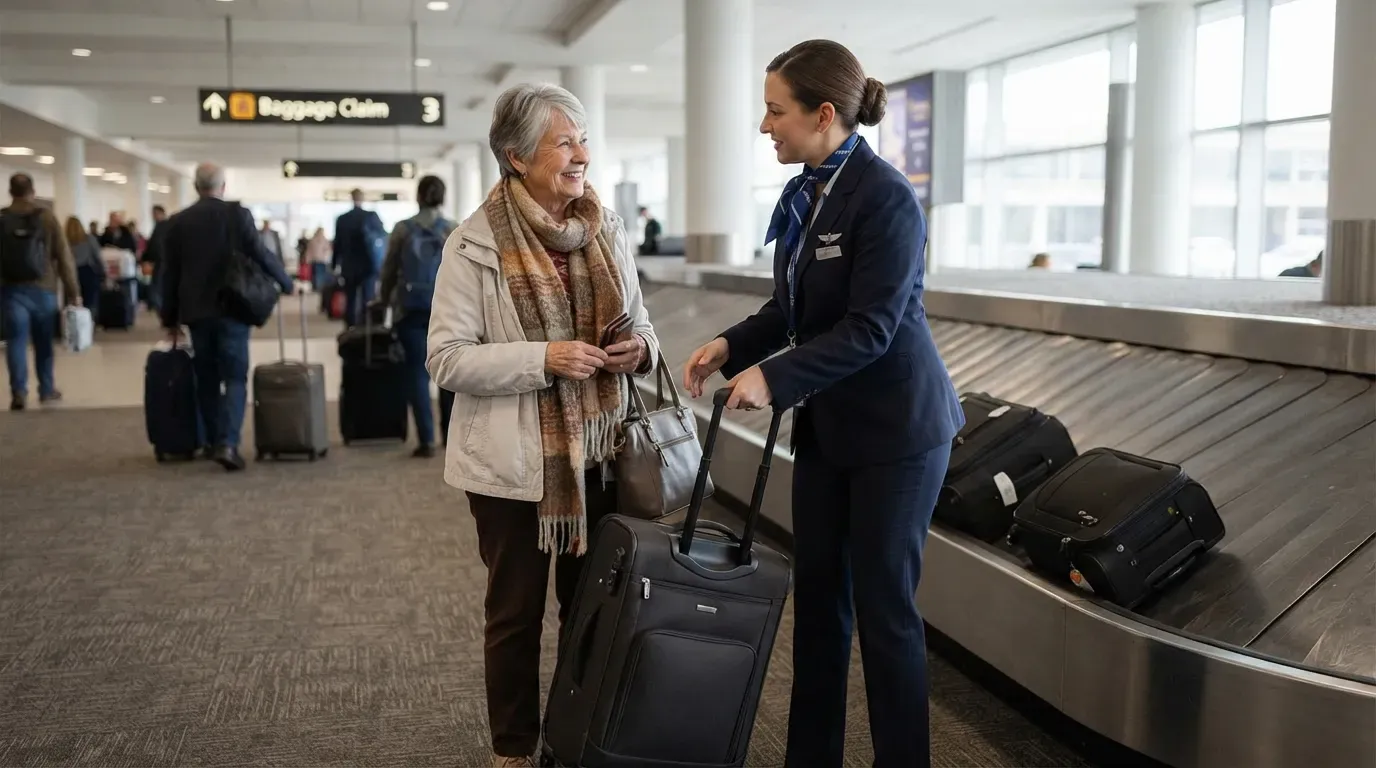
This detail rarely makes it into any pre-flight checklist, yet it’s one of the most useful protections for older travelers hauling a heavy carry-on. When assisting passengers with disabilities, airlines are required to help carry gate-checked or carry-on luggage whenever a passenger can’t manage it themselves.
This coverage stretches further into the airport than most people expect, not just curb-to-gate. Airlines are also required to provide help in key areas like ticket counters and baggage claim. A surprising number of travelers over 60 struggle in silence with a suitcase instead of simply asking, unaware the help is already guaranteed to them.
Worth Knowing
- Help is guaranteed at ticket counters, not just at the gate
- Baggage claim assistance is included, not an extra favor
- Carry-on help applies to any passenger who can’t manage the bag alone
- Many older travelers never ask, simply unaware it’s already covered
11. Some staff quietly go further than any rulebook requires
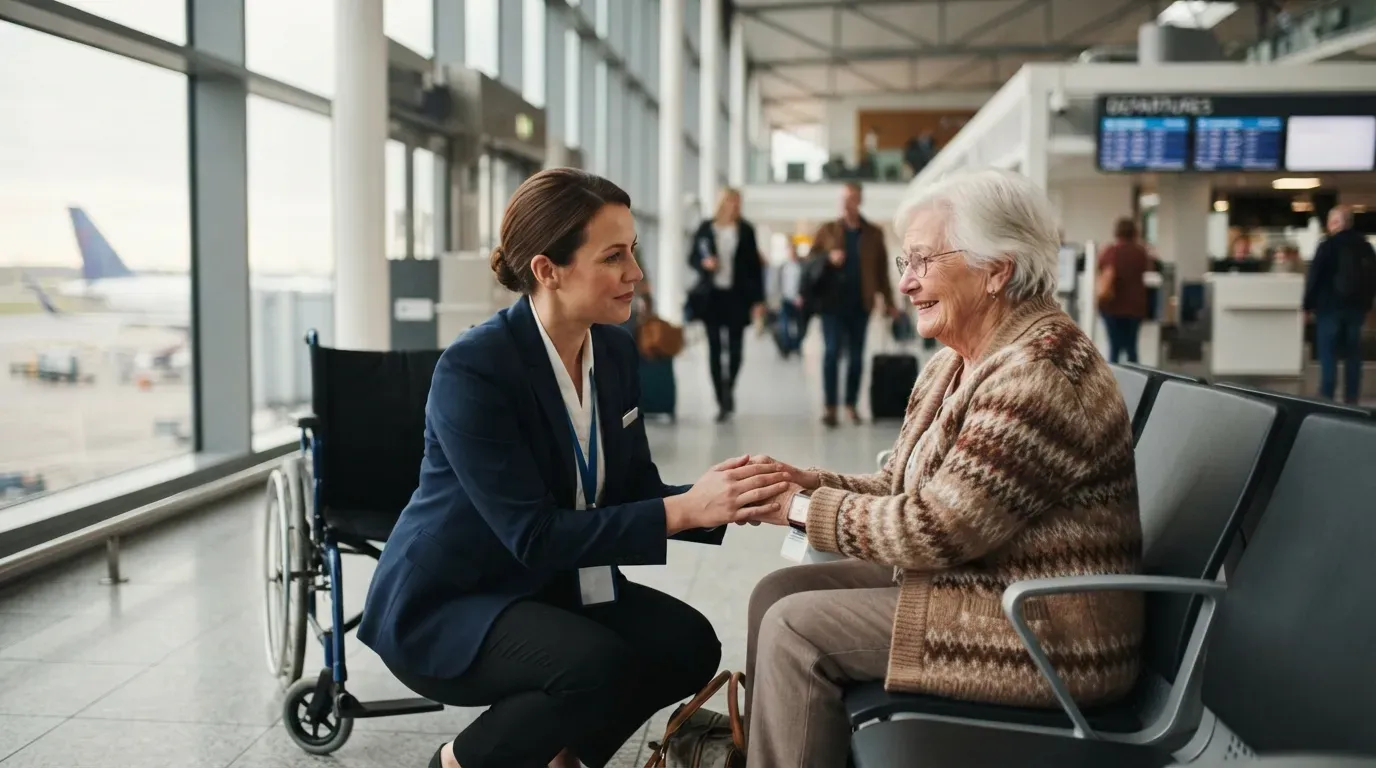
This is the part that never makes it into a policy manual, because it isn’t policy at all. Passenger Support Specialists have described handling far more than screening logistics for the older travelers they assist. One specialist described helping older adults with dementia who couldn’t navigate the airport alone, and passengers who simply needed moral support more than anything else.
Here’s the uncomfortable truth many families overlook: airlines are legally required to get you through the airport, but they aren’t equipped to be your medical safety net once you’re in the sky. Airlines and airports cannot provide ongoing personal or medical care during a flight, and while crew members may help when they can, their responsibility is to every passenger on board. Airline employees aren’t trained to manage medications or respond to personal medical emergencies in the air. The kindness on the ground is real. It simply has limits once the door closes.
The Bottom Line
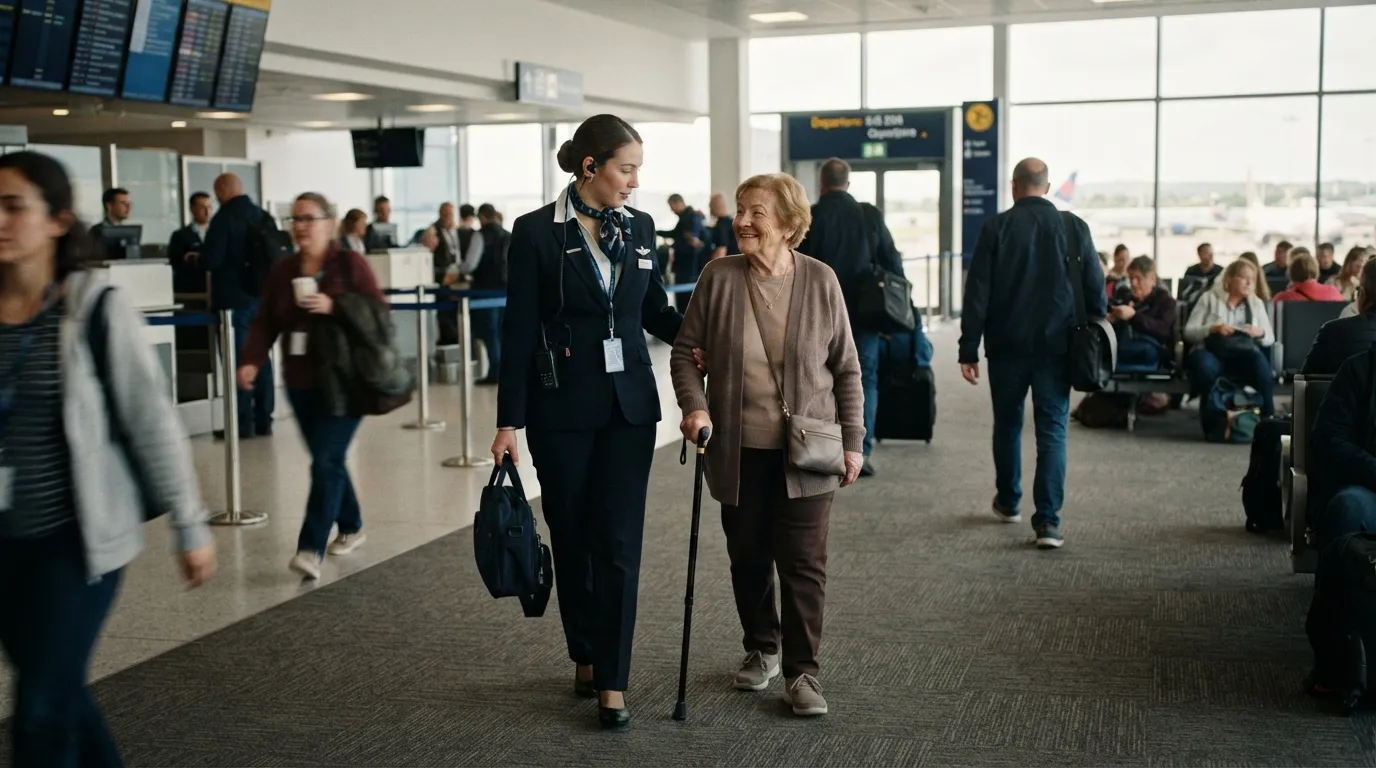
Ground crews and TSA staff carry out a surprising amount of unglamorous, unadvertised care for passengers over 60, from silent reservation flags to 30-minute check-ins to staff walking terminals looking for people who need help before anyone asks. Federal rules back much of it, but the warmth behind it, the bathroom detour, the search through a crowded check-in line, often comes down to individual staff choosing to do more than the job technically requires.
None of it makes the commercials. It doesn’t need to. Somewhere in every terminal, right now, someone is quietly making sure an older traveler isn’t navigating it alone.