
There’s a strange pull to places that carry a warning label. Travel forums are full of stories from people who landed in a city flagged as risky, spent a week snapping photos and eating street food, and came home with nothing worse than a sunburn. That gap between official caution and lived experience is exactly why certain destinations keep pulling in visitors year after year, even as government advisories pile up.
The eight places below aren’t obscure war zones nobody has heard of. They’re beach towns, mountain trails, and capital cities that show up on bucket lists constantly, often the very same year they show up on “do not travel” maps too.
Acapulco and the Mexican State of Guerrero
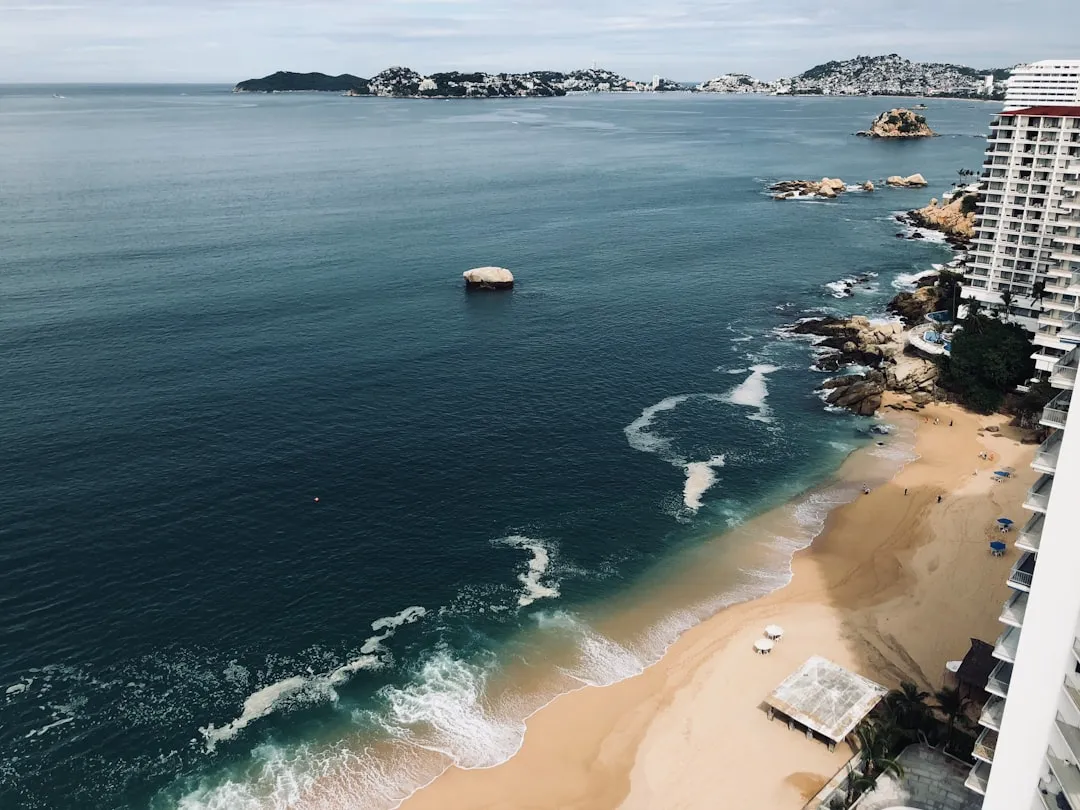
Acapulco built its reputation in the 1950s as the glamorous escape for movie stars, and that brand still lingers even though the ground reality has shifted dramatically. U.S. government employees may not travel to any area in the state of Guerrero, including tourist areas Acapulco, Zihuatanejo, Taxco, and Ixtapa, because Guerrero is considered very dangerous due to cartel violence and fights over territory. That’s not a footnote buried in fine print, it’s the headline advisory for a place still marketed on travel sites as a classic Mexican beach getaway.
What makes Guerrero different from a garden-variety high-crime area is the loss of state control in parts of it. Armed groups are active independently of the government in many areas of Guerrero, and members of these groups frequently maintain roadblocks and may use violence towards travelers. Tourists still show up for the bay views and the cliff divers at La Quebrada, largely because Acapulco’s hotel zone can feel calm on any given afternoon, even while the surrounding state operates by very different rules after dark.
Tamaulipas and Mexico’s Northern Border Cities
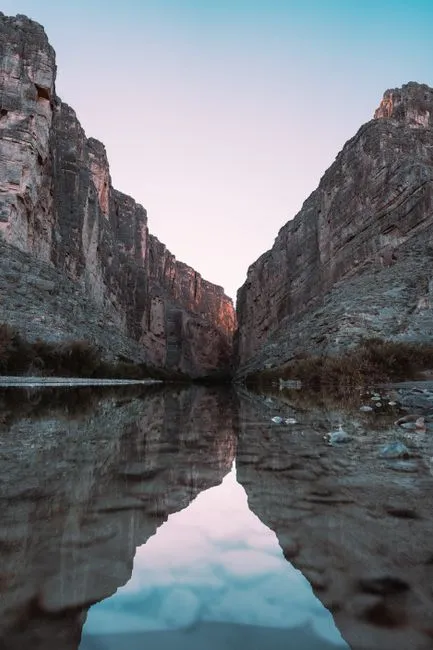
Nuevo Laredo, Reynosa, and Matamoros sit just across the Rio Grande from Texas, close enough that some travelers treat a quick border crossing as a day trip rather than a real journey into a conflict zone. Tamaulipas, bordering Texas, is contested by the Gulf Cartel and Northeast Cartel, and its three main border cities have persistent cartel checkpoints, kidnapping, and violence targeting both Mexican nationals and foreigners. These aren’t resort towns dressed up for visitors. They’re working border cities where commerce and cartel logistics have become tangled together.
The warnings here aren’t hypothetical or dated. In January 2025, the U.S. government issued a Level 4 “Do Not Travel” alert for specific municipalities including Reynosa, Rio Bravo, and San Fernando in Tamaulipas, citing cartel violence and kidnapping risks. Yet cross-border shoppers, medical tourists chasing cheaper dental work, and family visitors continue making the trip, often reasoning that a short, direct visit carries less exposure than the advisories suggest.
Rio de Janeiro’s Favela-Adjacent Neighborhoods, Brazil
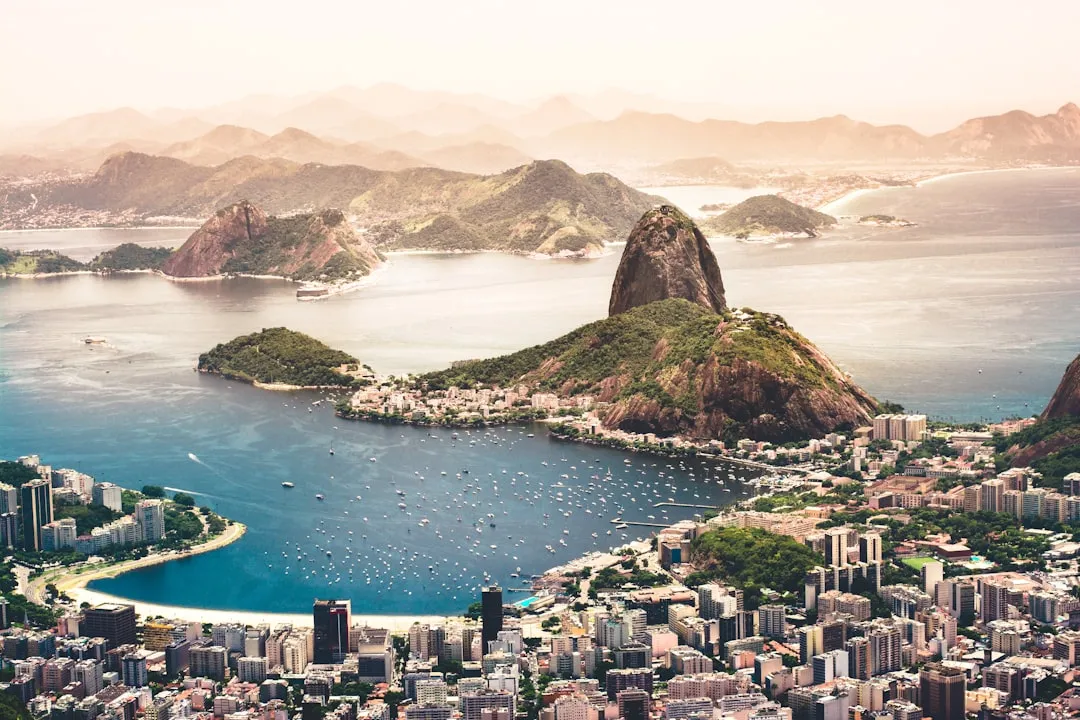
Rio’s postcard image, the beaches, the mountain views, the samba, sits directly next to some of the most heavily armed urban conflict zones in the Western Hemisphere. The U.K. government advises tourists to be cautious in certain neighborhoods, avoid favelas unless on an organized tour, and stay alert in crowded areas. The favelas climb the hillsides visible from nearly every tourist viewpoint in the city, which is part of why curiosity about them never really fades.
The danger isn’t theoretical. In February 2026, an investigation was published into one of the most violent police operations in Brazilian history in the favelas of Complexo do Alemão and Penha, where more than 120 people were killed during a raid targeting the Comando Vermelho gang. American officials go further than the British guidance. The U.S. Embassy advises against traveling to informal housing developments, even on a guided tour, because neither tour companies nor police can guarantee safety when entering these communities. Tour operators still run daily favela visits regardless, and demand hasn’t slowed.
Cape Town’s Table Mountain Trails and Townships, South Africa

Cape Town is routinely ranked among the world’s most beautiful cities, and it draws visitors in the millions for exactly that reason. Cape Town attracted 8.92 million tourists in 2024, establishing itself as South Africa’s premier tourist destination. What surprises many first-time visitors is that danger isn’t confined to obviously rough neighborhoods, it’s shown up on the hiking trails everyone recommends.
In just the first five months of 2025, there were 47 reported attacks on the trails of Table Mountain alone, and if the trend continued, 2025 was on track to surpass the previous record of 151 attacks in 2023. Meanwhile, the Cape Flats sit a short drive from the city’s postcard waterfront. The Cape Flats are known for high crime rates and should definitely be avoided, situated southeast of the CBD and ruled by gangs, considered a no-go area for tourists with extreme violence common. Most visitors never see that side of the city, but it exists close enough that the contrast has become part of how locals describe Cape Town itself.
Caracas, Venezuela
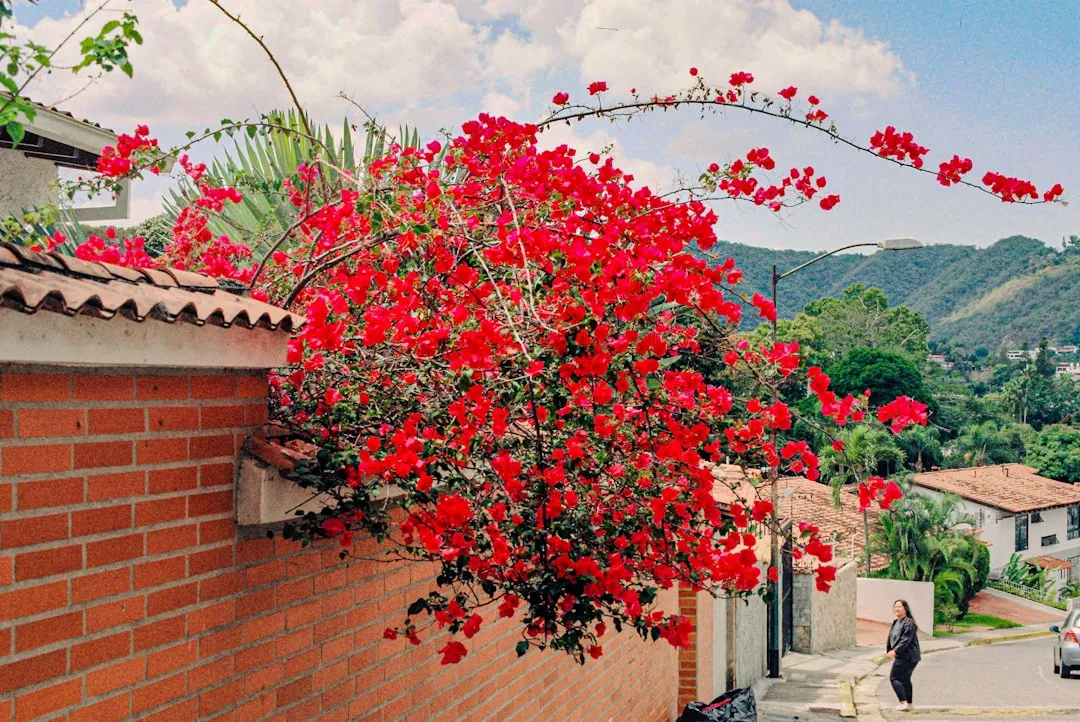
Venezuela’s capital used to appear in travel guides for its colonial architecture and mountain backdrop. Today it appears far more often in crime data. Caracas presents the highest concentration of violent crime in the country, with the Venezuelan Violence Observatory recording 4,145 homicides in the capital district during 2025, equivalent to 45.2 per 100,000 residents. Even neighborhoods that once felt walkable have shifted in character over the past several years.
Kidnapping adds a layer of risk that sets Caracas apart from most other capital cities still open to visitors. Kidnapping is a serious threat, including in Caracas, with express kidnappings occurring frequently. The area around the international airport carries its own specific warnings, since travelers face increased risk using unregulated taxis from the airport serving Caracas, with security risks also present when using ATMs nearby. Still, a trickle of adventure travelers and diaspora visitors keeps arriving, usually with pre-arranged transport and a strict itinerary.
Kingston and Montego Bay, Jamaica
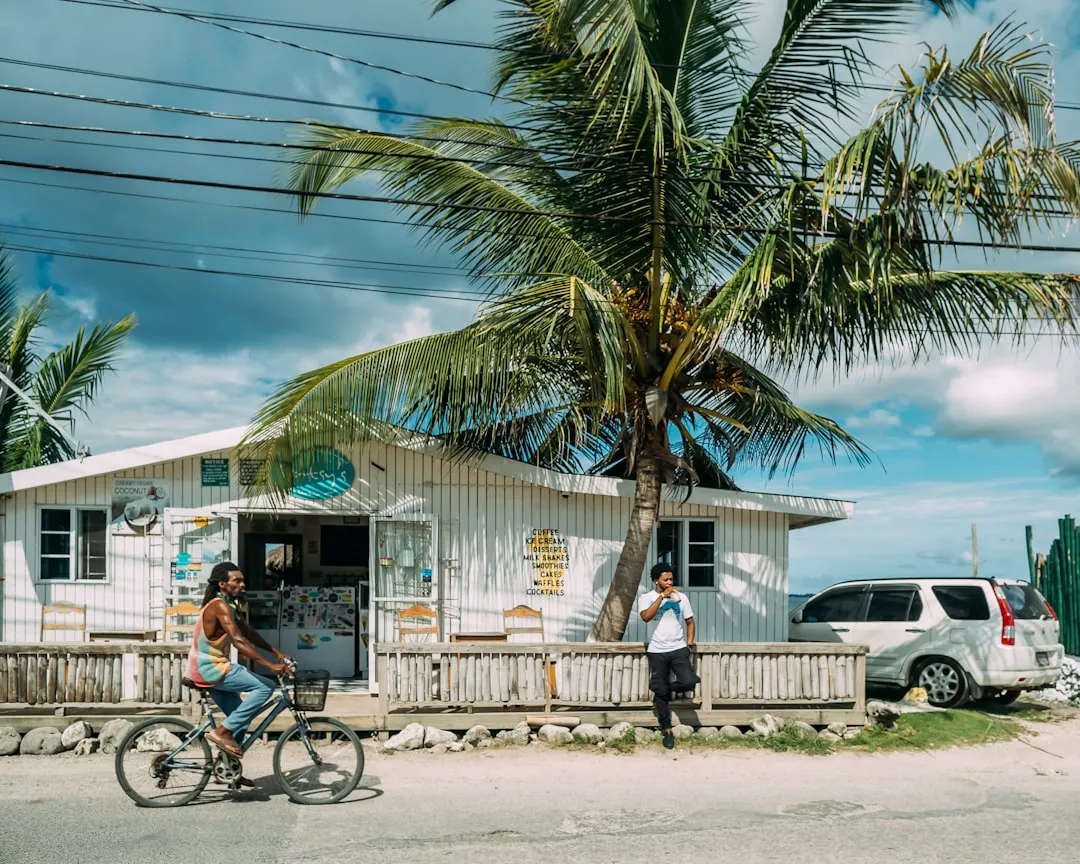
Jamaica sells itself on all-inclusive resorts and reggae culture, and for the most part that marketing holds up inside the resort gates. The trouble starts once visitors step outside them. While Jamaica’s resorts are generally safe, violent crime including homicide, robbery, and sexual assault is a serious problem particularly in Kingston and Montego Bay, and the country has maintained one of the highest murder rates in the region, often exceeding 40 to 50 per 100,000. That’s a striking number for an island that remains one of the Caribbean’s most visited destinations.
Part of what keeps tourism flowing despite the numbers is geographic separation. Most vacation packages route travelers straight from the airport to a gated resort strip, never putting them anywhere near the neighborhoods driving the crime statistics. It’s a workable arrangement for many visitors, though it also means the island’s reputation for danger and its reputation for relaxation exist almost as two separate countries layered on top of each other.
Thailand’s Deep South Border Provinces
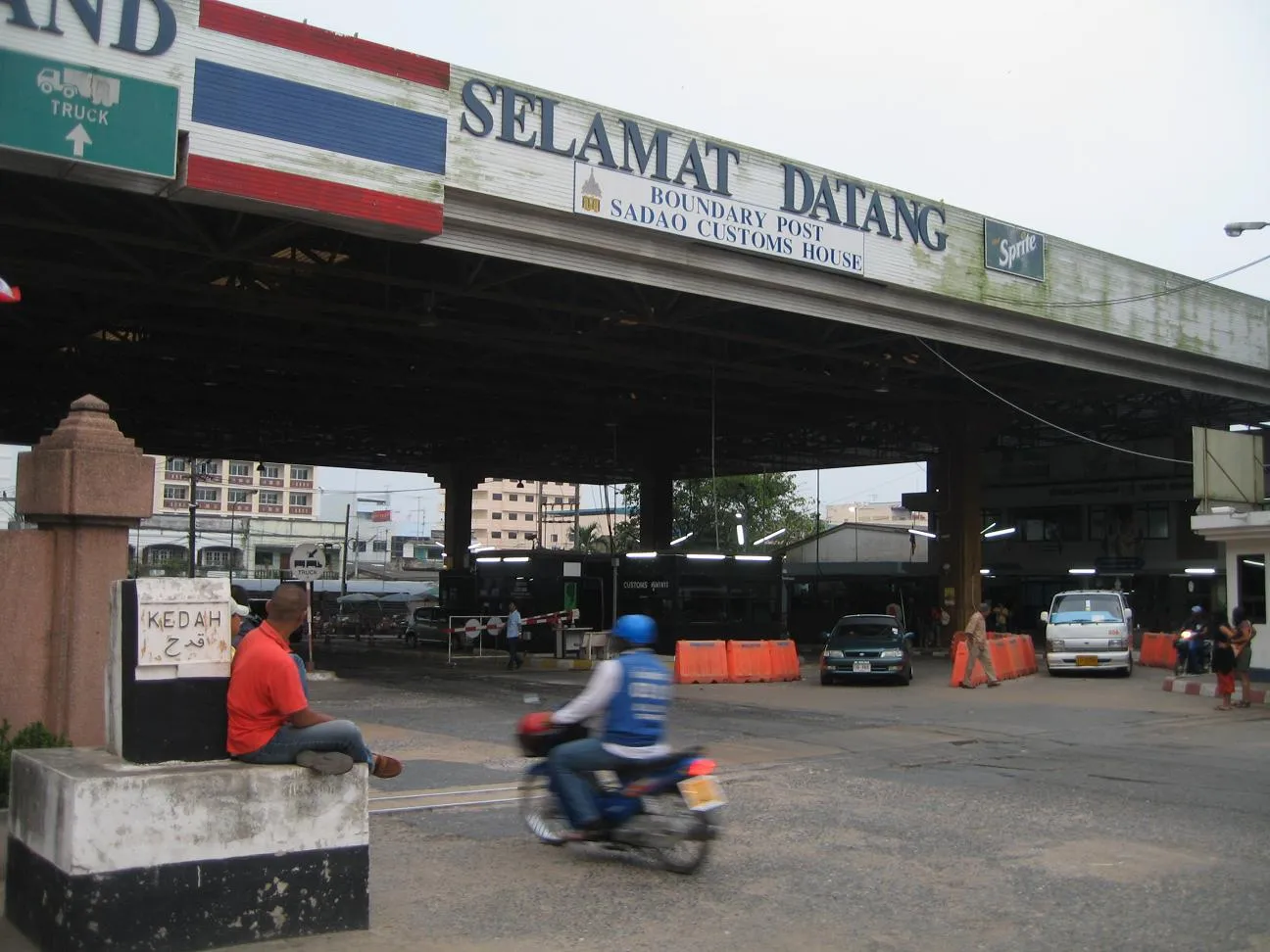
Most of Thailand functions as one of Southeast Asia’s safest, most tourist-friendly countries, which is exactly why the southern border provinces catch some travelers off guard. Travel safety in Thailand varies greatly by region, but the touristy destinations and developed cities are safe to visit. The exception sits in the far south, near the Malaysian border.
Travelers should avoid all travel to the border regions and the southern provinces of Songkhla, Yala, Pattani, and Narathiwat due to high crime rates associated with narco-trafficking routes, infectious diseases, and terrorism. Few mainstream tourists venture there deliberately, but backpackers chasing a land crossing into Malaysia or curious travelers drawn by lower prices and fewer crowds sometimes pass through without fully registering that they’ve left the safe zone the rest of the country enjoys.
Afghanistan’s Historic Sites
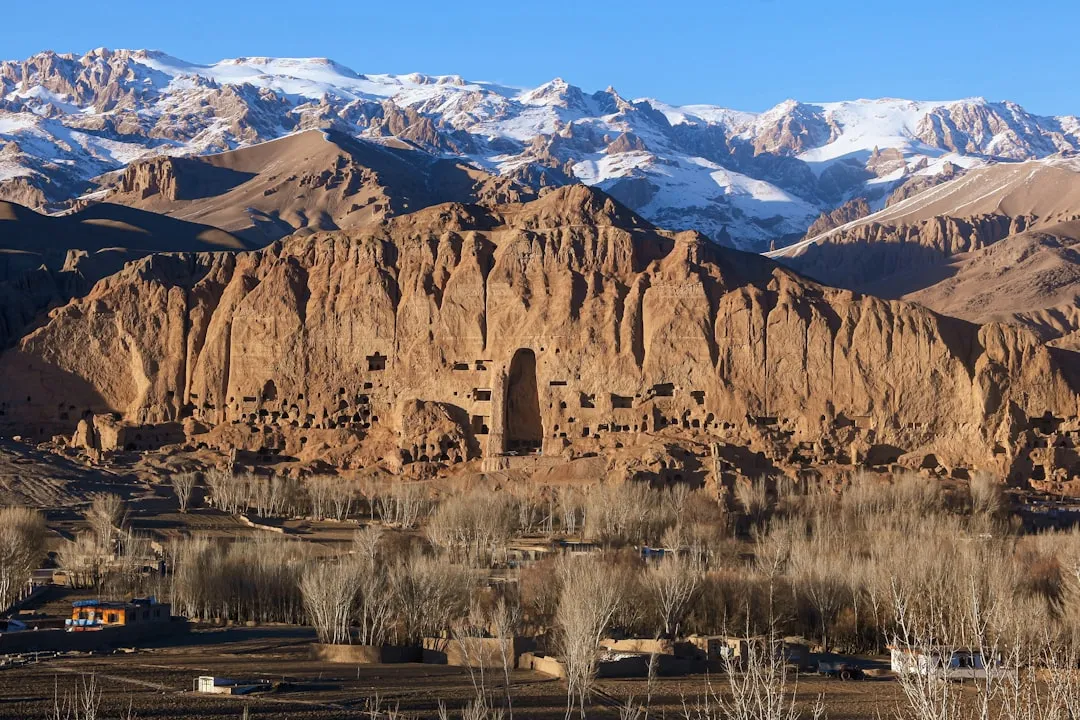
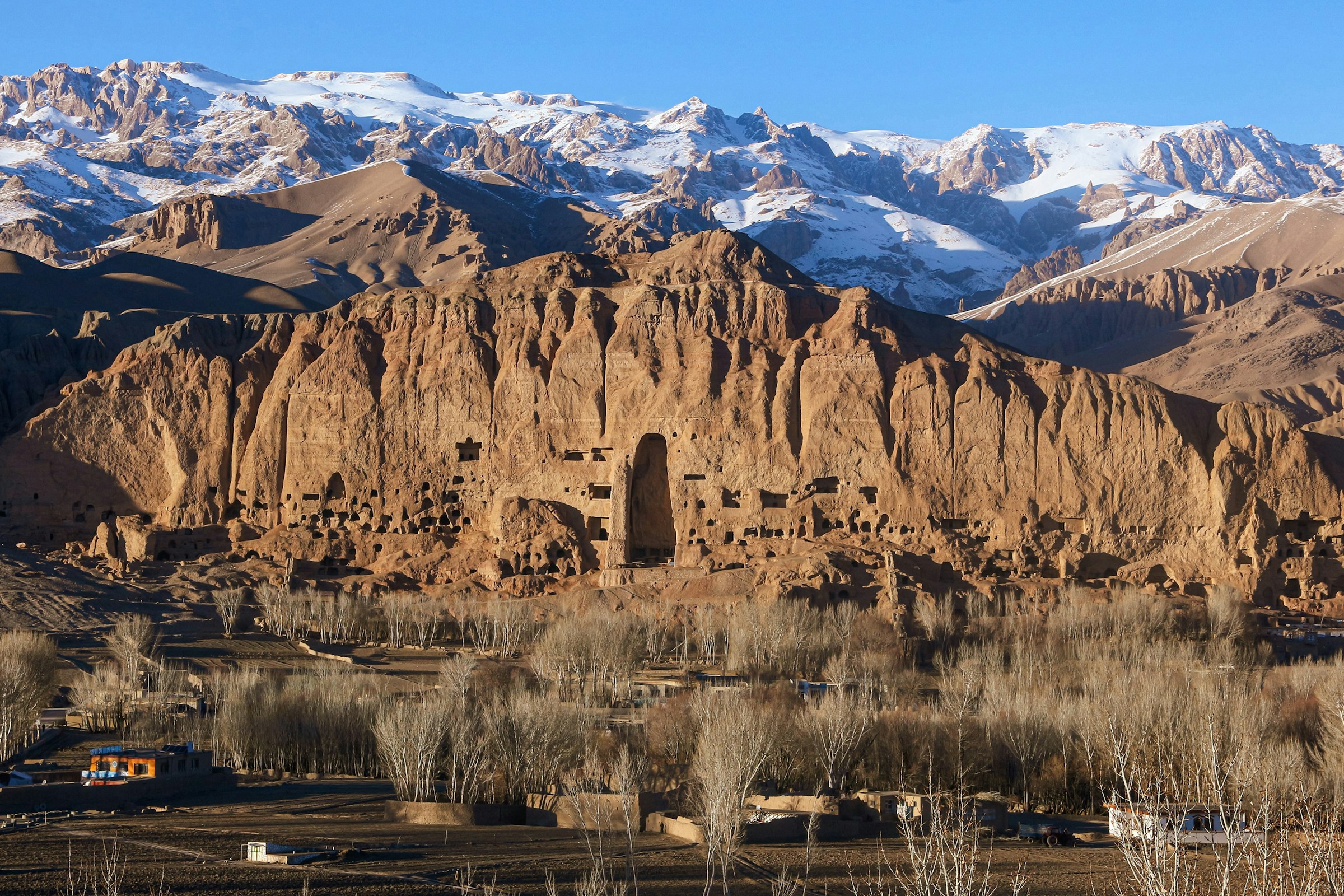
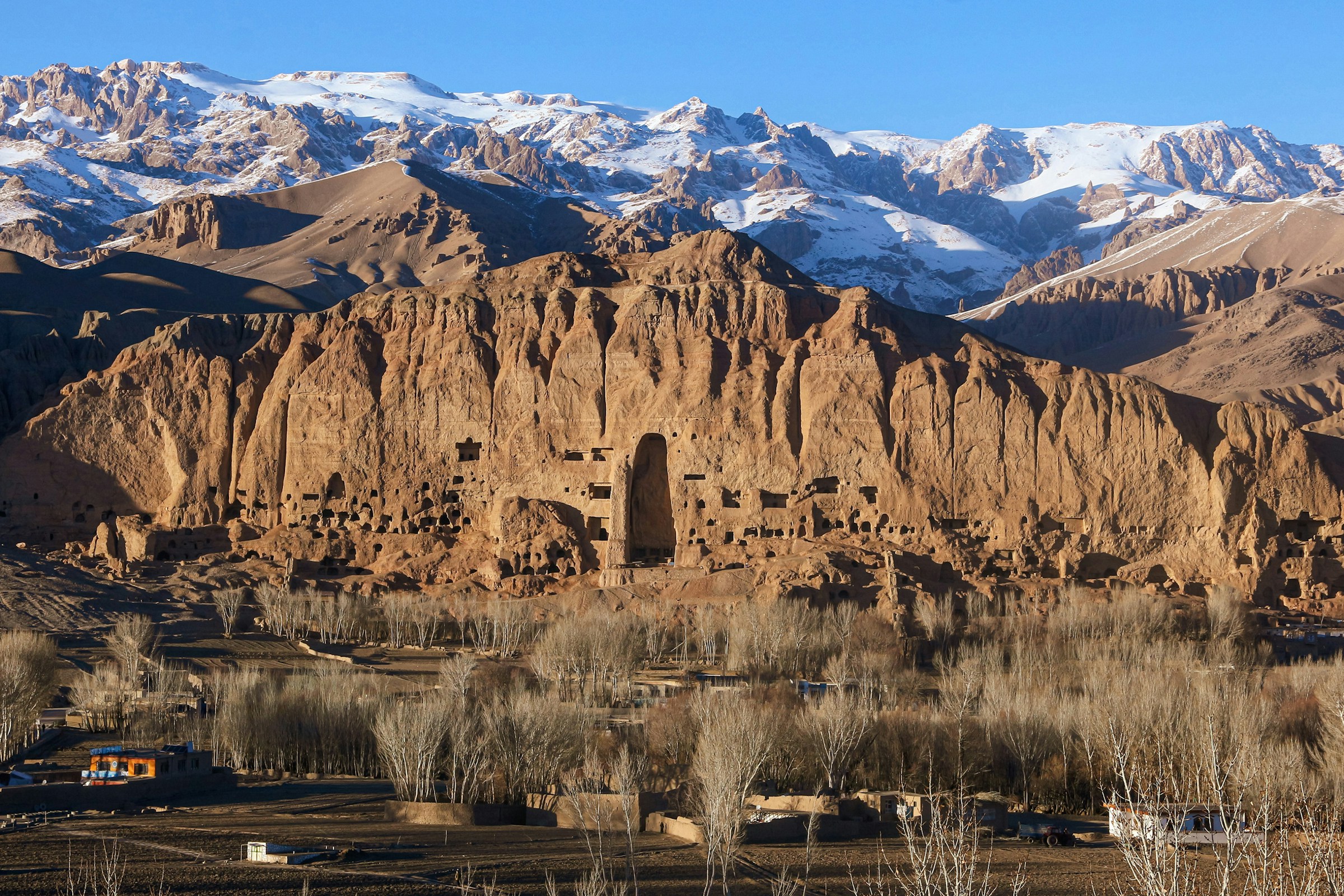
Afghanistan holds some of the most striking archaeological and mountain scenery in Central Asia, and a small but visible community of danger-tourism travelers has started documenting it online. Despite a shift in governance over the last few years, Afghanistan remains at the top of every “extreme risk” list, and while some vloggers have recently shared footage of its stunning landscapes and ancient history, the threat of terrorism and arbitrary detention is constant. The footage circulating on social media rarely captures that tension.
The practical risks extend well beyond security incidents. Healthcare facilities are severely limited, and the legal landscape for foreigners is unpredictable at best. As one industry summary put it plainly, while Afghanistan possesses extraordinary historical and natural landmarks, the operational risk environment makes leisure travel untenable in 2026. That hasn’t stopped a small stream of independent travelers and content creators from making the trip anyway, treating the warnings as background noise rather than a deal breaker.
Every one of these destinations tells a version of the same story: genuine natural beauty or cultural richness sitting right beside a level of risk that official advisories describe in blunt, unambiguous language. Tourists keep showing up not because the danger is invented, but because most visits still end without incident, and that track record is powerful enough to outweigh a warning most people never read past the headline of. The gap between statistics and personal experience is where these places live, and it doesn’t look like it’s closing anytime soon.