


Choosing where to spend retirement often comes down to two practical questions: how far will your money stretch, and what happens the day you actually need a doctor. Those two concerns tend to pull in opposite directions in a lot of popular destinations, since countries with dazzling healthcare often carry price tags to match. The five countries below have earned their reputations by managing to balance both sides of that equation reasonably well.
None of these places are secret discoveries. They show up again and again in retirement indexes and expat surveys precisely because retirees who have already made the move keep reporting the same thing: decent care, reasonable bills, and none of the financial anxiety that can come with aging in a high cost system.
Portugal

Portugal remains one of the most attractive destinations for retirees thanks to its affordable living costs, stunning coastline, and excellent healthcare system, with a couple able to live comfortably for €1,700 to €2,500 a month. Smaller towns push that budget even further. Portugal’s public healthcare system, the SNS, is highly ranked, while private insurance costs €400 to €1,000 annually, which is a modest add on for retirees who want quicker access to specialists.
The country’s healthcare system, the Serviço Nacional de Saúde, is highly regarded and accessible to legal residents, often at little to no cost. Most retirees who move here eventually supplement it with a private plan anyway, mainly for convenience rather than necessity. Portugal is extremely safe, ranking 7th as the most peaceful country in the world in the 2025 Global Peace Index, and offers universal healthcare through the SNS or affordable private providers. That combination of safety and low cost medical access is hard to overstate for anyone planning a long stay abroad.
Spain

Spain has a talent for making excellent healthcare feel unremarkable, in the best possible sense. Spain’s healthcare system consistently ranks among the world’s best, and public care is available to legal residents after a year for a monthly fee, €60 under age 65 and €157 over 65. Private coverage on top of that is surprisingly cheap for a Western European country.
One retiree living in Málaga described paying about $75 per month for private insurance as a healthy 45 year old, which covers nearly everything with no copay. Retirees will naturally pay more depending on age, but even then the numbers rarely approach US or UK private insurance rates. Daily costs help too. Groceries run between €240 and €450 per month for a couple, and utilities cost about €70 to €140, leaving plenty of room in a modest monthly budget for healthcare premiums.
Costa Rica

Costa Rica built its reputation on a mix of natural beauty and a surprisingly robust public health system. The public system, known as the Caja Costarricense de Seguro Social, is accessible to legal residents and provides comprehensive, low-cost care. Retirees who want faster specialist access typically layer on private insurance, and it does not cost much to do so.
Healthcare in Costa Rica is excellent through both public and private systems, with private insurance averaging $60 to $150 monthly, which is a small price for peace of mind. Living costs stay reasonable as well, since couples can live comfortably on $1,800 to $2,500 per month. The residency path is equally approachable, given that applicants must prove a stable, lifetime monthly income of at least $1,000 USD from a pension, Social Security, or similar source to qualify for the Pensionado Visa.
Panama
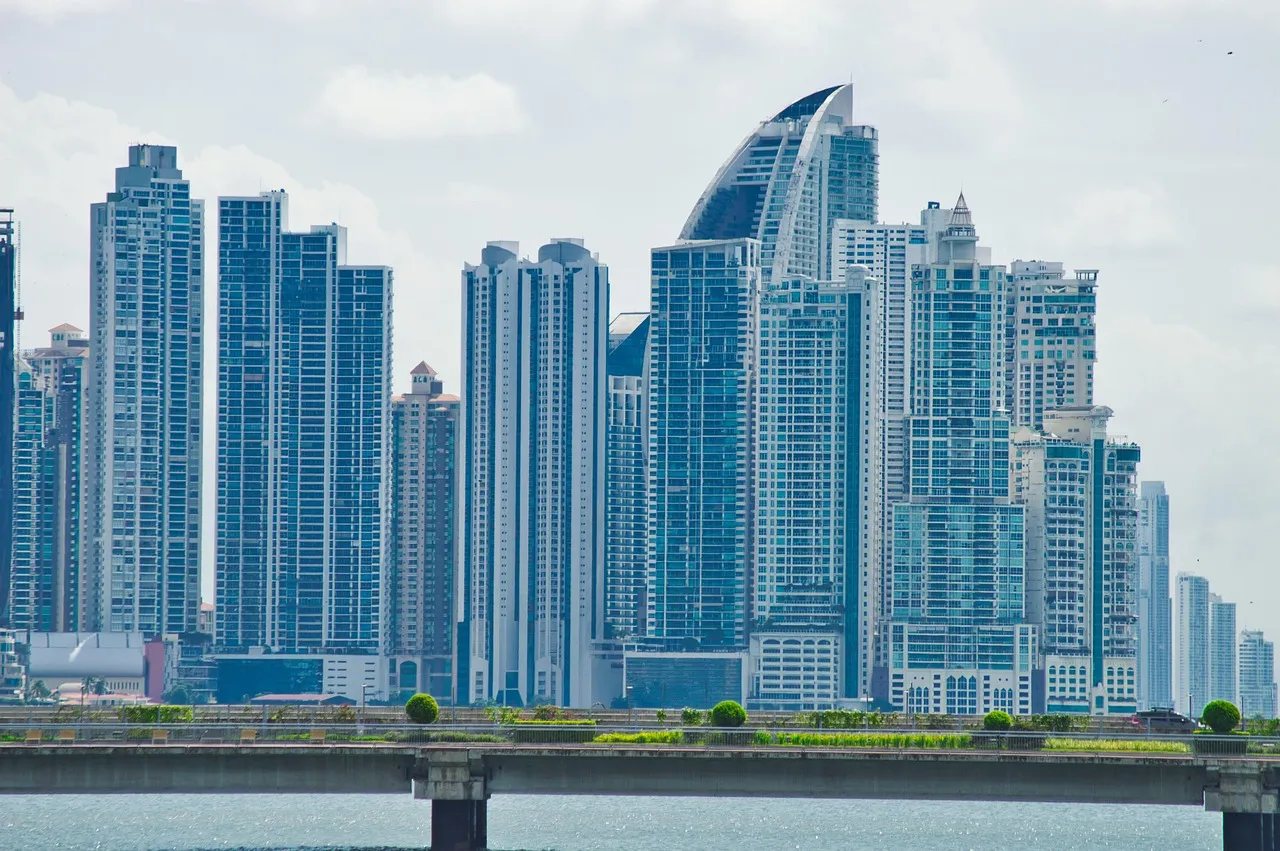
Panama pairs a dollarized economy with some of the region’s most polished private hospitals. Top-notch hospitals like Paitilla, San Fernando, and Pacífica Salud are affordable, modern, and incredibly efficient, and many are affiliated with distinguished organizations like Joint Commission International or Cleveland Clinic. That kind of accreditation matters when you are choosing a hospital in a country you did not grow up in.
Language barriers rarely become an issue either, since so many Panamanian doctors study abroad and speak English that this is a very comfortable place to land, even if you don’t speak Spanish, and that applies to dentists and specialists as well as general MDs. Prices stay far below what similar care would cost in the United States, with one expat reporting a crown replacement that cost roughly a fraction of the typical American price for the same procedure. Panama ranks 84th on the Global Peace Index, higher than its surrounding countries, and its healthcare system is comparatively modern and affordable, rounding out a package that appeals to retirees who want quality care without the price tag that usually comes attached to it.
Greece

Greece has climbed to the top of several retirement rankings recently, and healthcare plays a real part in that rise. Greek healthcare is relatively strong and affordable, offering a mix of public and private services, and while the public system covers essential care, many foreigners opt for private health insurance to access shorter wait times, English-speaking doctors, and a broader range of services. Athens and Thessaloniki carry the bulk of the country’s most advanced private facilities.
The affordability angle is just as striking. The cost of living in Athens is 43.1% lower than in New York City, and a doctor’s visit might run around $69, a figure that would barely cover a copay in many parts of the United States. Tax policy sweetens the deal further, since the Article 5B 7% flat regime on foreign-source income remains in place for up to 15 years for qualifying retirees, giving retirees more breathing room in their monthly budget for whatever healthcare needs come up.
None of these five countries offer a perfect system without tradeoffs. Public healthcare access sometimes takes time to kick in for new residents, rural areas can lag behind major cities in medical infrastructure, and private insurance costs still rise with age everywhere. Still, each of these destinations manages something that is genuinely rare: healthcare that will not bankrupt a retiree, delivered in a country where daily life does not require a six figure nest egg to feel comfortable. For anyone weighing where to spend their retirement years, that combination is worth taking seriously.