

There’s a particular kind of daydream that shows up during a slow afternoon at work: quitting the daily grind, moving to a stone cottage somewhere in the European countryside, and paying next to nothing for the privilege. It sounds like a scam or a headline designed to get clicks, yet the offer is real in a handful of places, though the fine print matters more than the price tag ever does.
Local governments across parts of Europe have spent years trying to solve the same problem: aging populations, empty houses, and villages slowly losing their pulse. Selling a home for the price of a coffee is their attempt at a fix, and it has pulled in curious buyers from the United States, the United Kingdom, and beyond. Here’s a look at three towns where that offer is genuinely on the table right now.
Mussomeli, Sicily, Italy
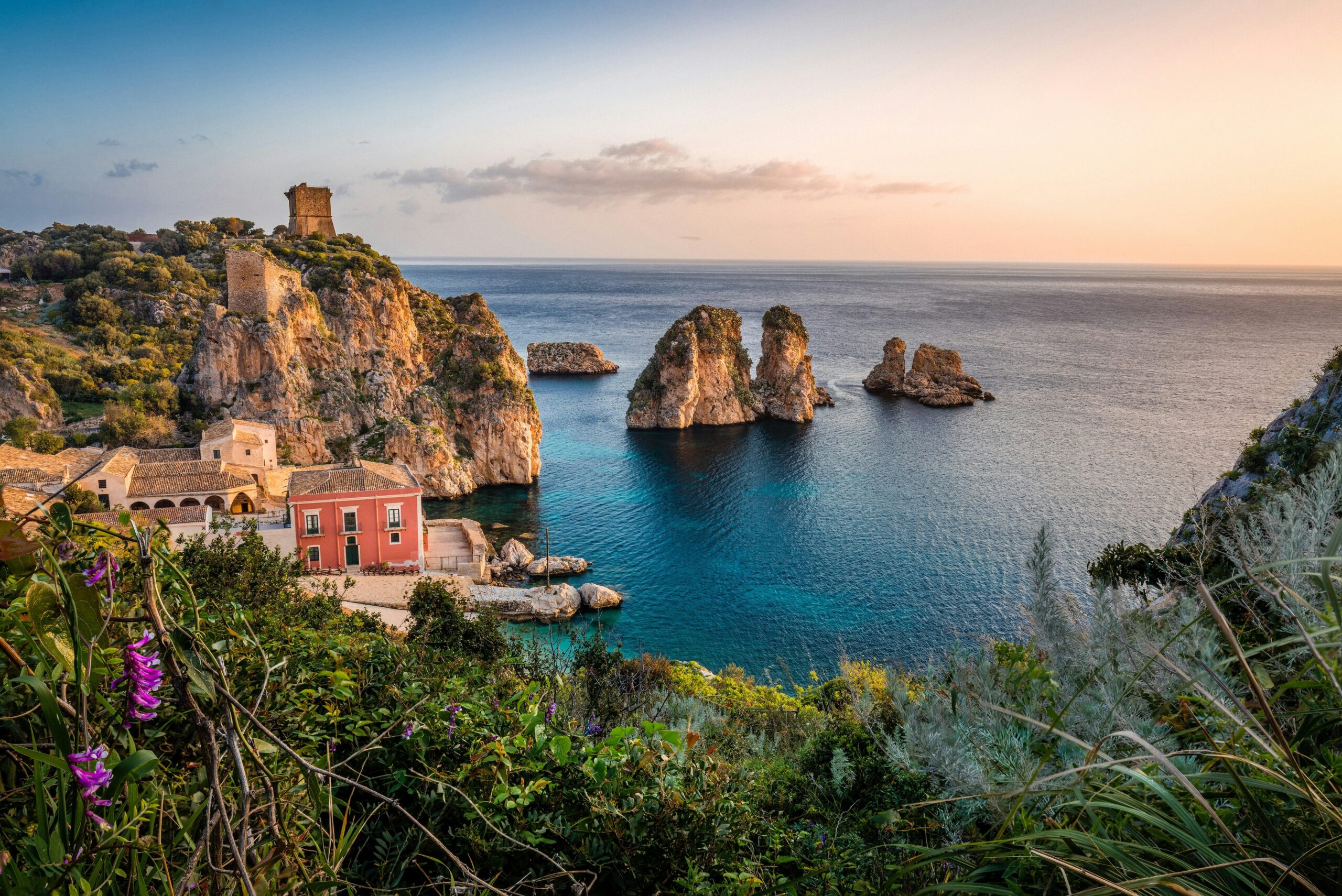
Mussomeli sits in central Sicily and has become something of a poster child for Italy’s one euro house movement. As reported by CNN Travel, Mussomeli in central Sicily is one of the best-known Italian towns offering €1 homes. Beyond the symbolic listings, the town also has pricier fixer-uppers for buyers who want less renovation work and a quicker move-in timeline.
Other properties are available at a premium, which means they need less work and you could move in straightaway, starting at around $12,000. The town’s location is part of the draw too. A 60-minute drive south is Agrigento, an ancient Greek settlement, still home to temples that sit among blooming pink almond trees, and a 90-minute drive away is Villa Romana del Casale, home to what UNESCO calls the finest in-situ Roman mosaics anywhere. Mount Etna and the Arab-Norman thermal baths near Kefa La Diana round out the surrounding attractions, making Mussomeli a base for exploring rather than an isolated outpost.
Ambert, Puy-de-Dôme, France
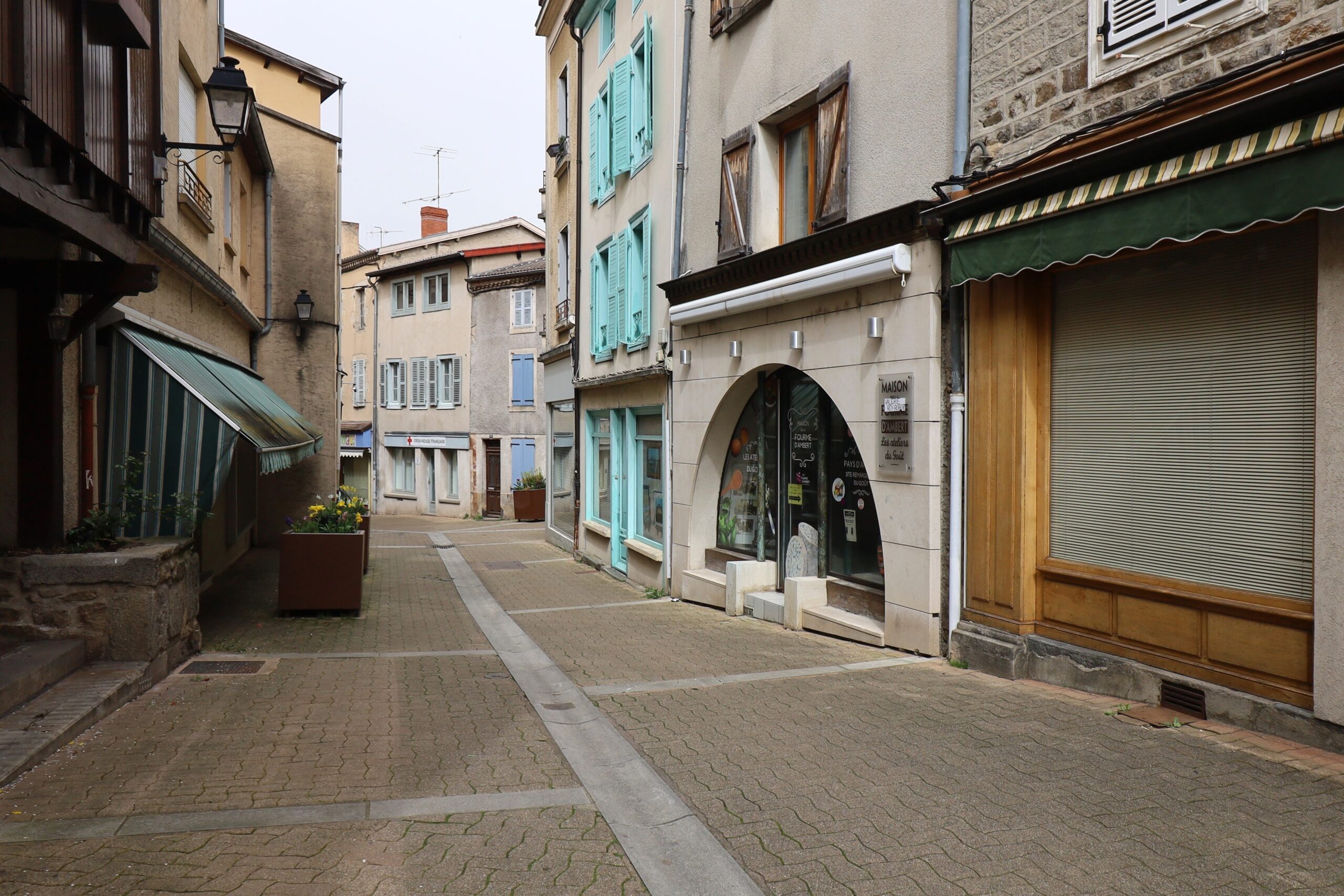
France doesn’t run one euro programs as often as Italy does, but Ambert has become one of the clearer examples of the trend crossing the border. Ambert has a population of 6,500 and sits in the Puy-de-Dôme region of France, known for its medieval streets and cheesemakers, and the village has begun offering houses for €1 to counter a declining population. The scheme is not a one-off gesture but part of a longer strategy tied to the town’s future.
The houses for €1 are part of a five-year plan aimed at halting population decline and encouraging people to relocate there. There are early signs it’s having some effect, since an extra class was opened in the commune’s local public school two years ago, and the former chamber of commerce and industry building is being renovated to reopen as a public building in 2026, bringing in dozens of employees. Even so, the town is candid about how far it still has to go, given that in some parts of the town, vacancy rates reach 60 percent. Buyers don’t need French citizenship, though a little French might go a long way when dealing with contractors, and the commitment includes restoring the homes within a specific timeframe and actually living there for at least three years.
Mirueña de los Infanzones, Ávila, Spain
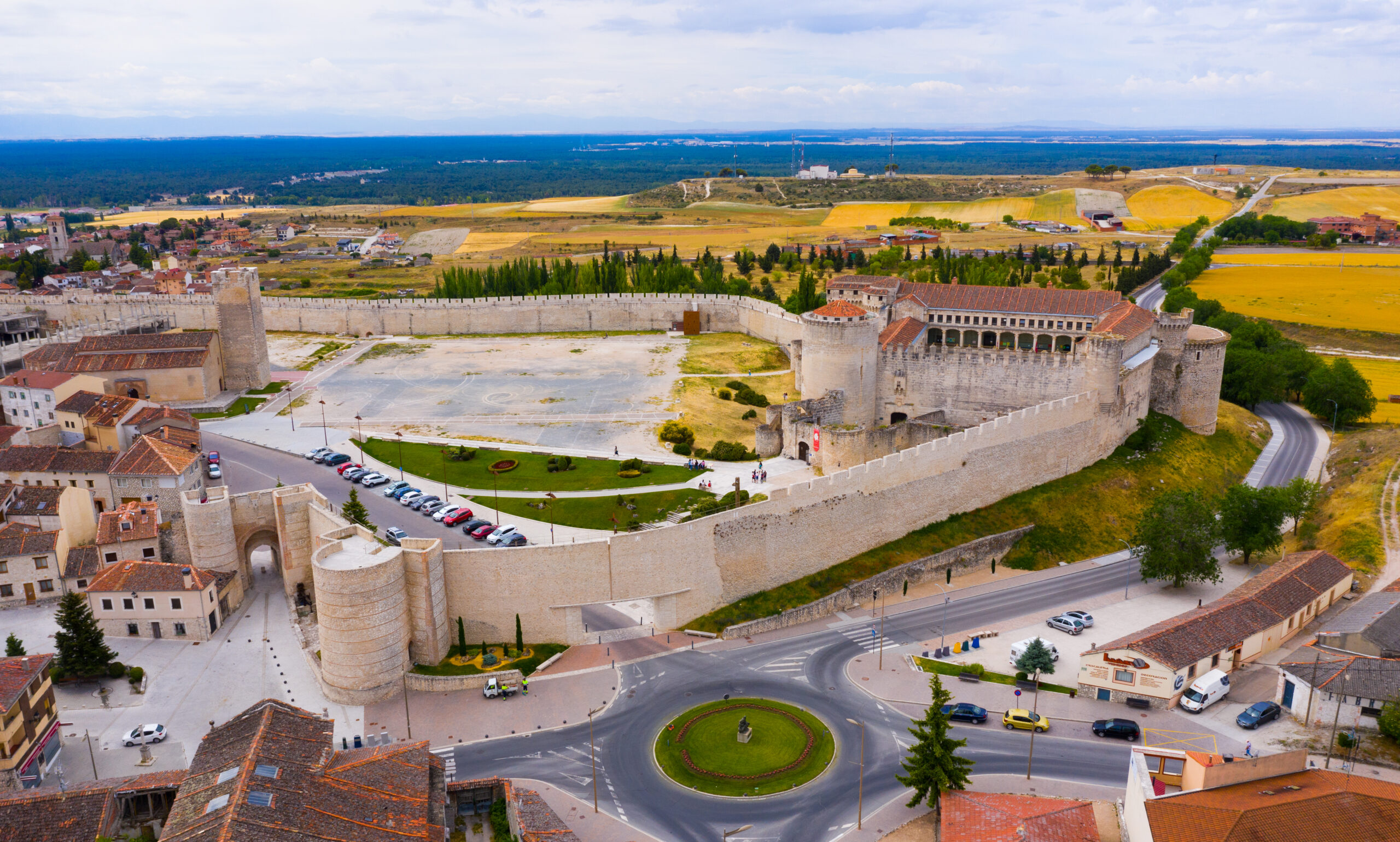
Tucked into the Castilian countryside of Ávila province, Mirueña de los Infanzones is a tiny village with a population that has hovered around one hundred people for years. According to 2025 census data, the town counts 86 registered residents. It’s a landscape of wheat fields, stone churches, and wide open sky, the kind of place that feels frozen somewhere between the last century and this one.
What sets this village apart from other €1 schemes is the unusual condition attached to some of its properties. The €1 homes come with a unique twist, since new residents have the opportunity to run the local bar, making them a social hub in this intimate, close-knit village. That detail says something about the real goal behind these programs, which isn’t just filling empty houses but keeping small-town life functioning at all, down to who pours the coffee each morning. Life here comes with real trade-offs too, since the remote setting means less access to nightlife, shops, or cultural events, a mostly local economy with few job opportunities outside agriculture and small businesses, and a language barrier that makes Spanish knowledge helpful for integrating.
None of these deals are quite what the headline number suggests. Every program requires a renovation commitment that usually runs into the tens of thousands of dollars, plus a residency period that can stretch three years or more before you’re free to sell or move on. What you’re really buying isn’t a house so much as a stake in a place trying to survive, and whether that trade feels worthwhile depends entirely on how much you value quiet mornings, stone walls, and the patience to deal with local bureaucracy.