
Most people under 50 think home safety is something you deal with when you have toddlers – cabinet locks, outlet covers, a baby gate at the top of the stairs. Then the kids grow up, the gates come down, and the whole safety mindset quietly disappears. Here’s what that assumption costs: in 2024, over 43,000 Americans aged 65 and older died from preventable falls, and in 2023, more than 3.85 million were treated in emergency departments for fall-related injuries. That’s not a fringe statistic. That’s a crisis hiding inside perfectly ordinary homes.
The homeowners who’ve lived long enough to know better have built a checklist that most younger families never think about – until something goes wrong. These aren’t expensive renovations or dramatic overhauls. They’re specific, often invisible checks that take minutes to do and can prevent consequences that change everything. Some of them will surprise you. A few will make you want to get up right now and check your own home.
#1 – Doing a Formal Room-by-Room Home Safety Walk-Through Once a Year
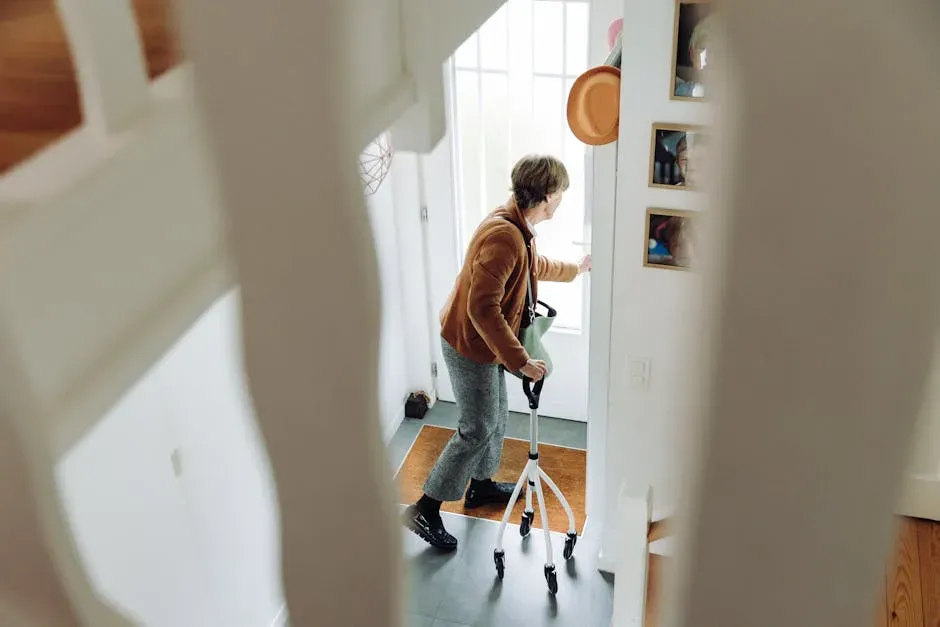
This is the one that separates the homeowners who stay safe from the ones who get lucky. Not a quick mental scan. An actual walk-through with a checklist, fresh eyes, and the explicit goal of finding problems before they find you. With more than 70 known fall hazards identified inside and outside the average home, a deliberate room-by-room audit catches the things that daily familiarity makes invisible – the GFCI that quietly stopped working, the handrail that slowly got loose, the extension cord that crept across a walkway over the winter.
Ninety percent of older Americans say they want to age in place – stay in their own home instead of moving to assisted living – yet 85% have done nothing to prepare their homes for it. A formal annual walk-through changes that equation. The homeowners over 60 who stay safe longest aren’t the ones who did one big renovation. They’re the ones who walk through their home once a year specifically looking for the small things that quietly become dangerous. Younger families tend to wait until something breaks, falls, or trips someone. That’s the single biggest difference – and it costs nothing to fix.
At a Glance: What the Annual Walk-Through Covers
- Every handrail, stair tread, and step edge – indoors and out
- All electrical cords, extension cords, and power strips
- Smoke alarm and CO detector age, placement, and function
- Bathroom grab bars, non-slip surfaces, and night lighting paths
- Outdoor lighting, walkway cracks, and trip hazards near entry points
#2 – Installing Grab Bars That Are Actually Rated for Body Weight
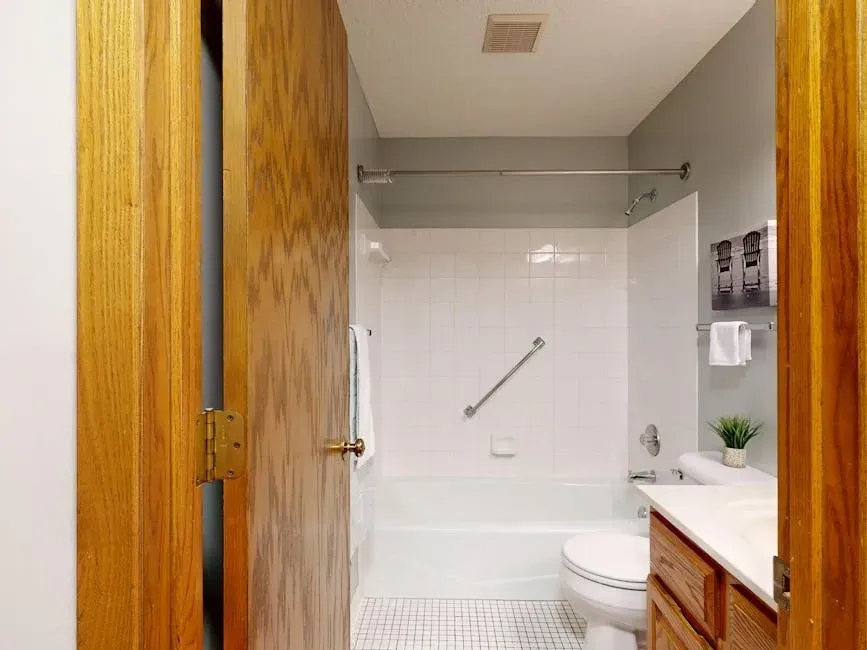
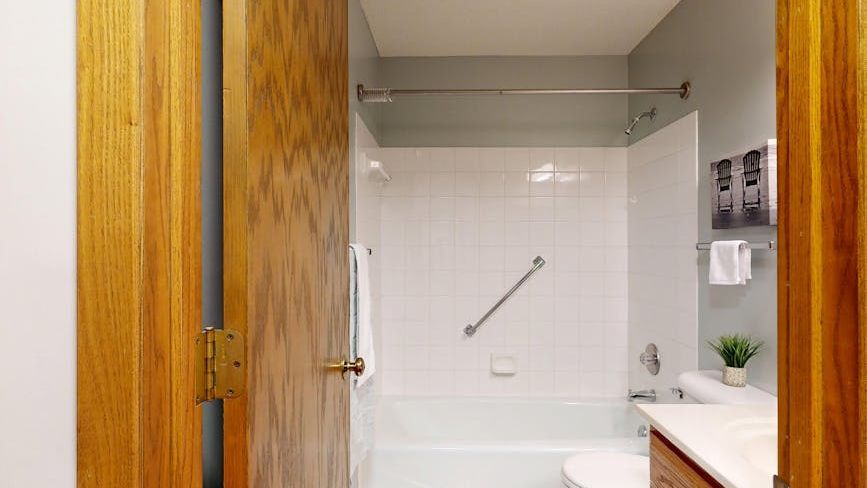
A towel bar is not a grab bar. A suction-cup handle is not a grab bar. Many households have one or both installed in their bathrooms and genuinely believe they’re protected – but they’re not. Properly installed grab bars in high-risk zones can reduce bathroom fall incidents by up to 60%, according to aging-in-place studies – and some estimates put the reduction even higher when bars are anchored in both the shower and near the toilet. That number applies to real, professionally anchored grab bars rated to support full body weight. Not decorative rails. Not peel-and-stick holders that look sturdy until they’re not.
Most families who think they have grab bars installed actually have towel rails or suction devices that will pull free under real load – which is precisely when the worst falls happen. Experienced homeowners over 60 verify that every bar is stud-mounted, then grip it and pull hard. Anything that flexes, creaks, or shifts gets replaced immediately. It takes 30 seconds to test. And the bathroom check doesn’t stop there – #11 on this list reveals how far beyond the bath mat bathroom safety really goes.
#3 – Walking Every Outdoor Path After Dark to Check Lighting and Trip Hazards
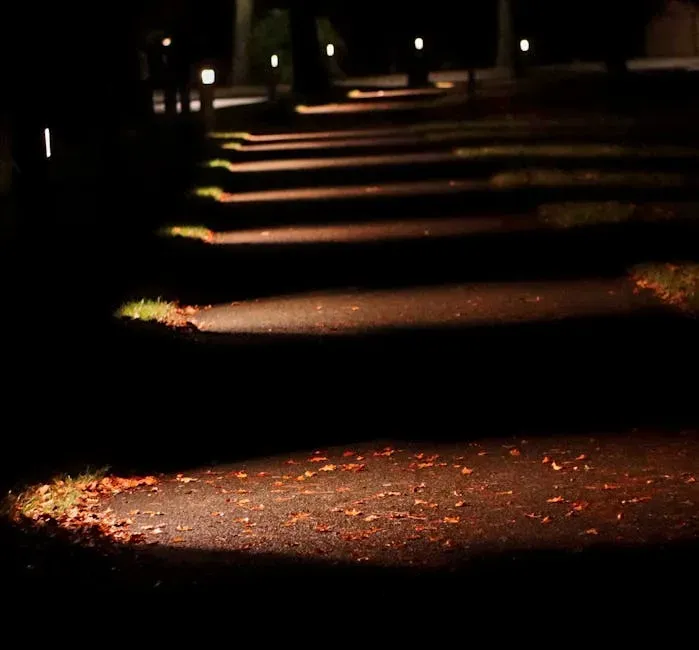
You walk your driveway, front path, and back steps a hundred times in daylight without noticing a thing. Walk the same path at dusk and suddenly you see the cracked pavement edge, the step that dissolves into shadow, the garden hose left across the walkway. Experienced older homeowners actually walk their entire exterior perimeter after sunset at least once a season – because that’s when you discover what daytime inspections completely miss.
Outdoor lighting that seems bright when you install it can become dangerously inadequate as bulbs dim, trees grow, and seasonal shadows shift. The front steps of a home are among the highest-risk spots on the entire property – and most homeowners have never stood at the bottom of them in the dark to check whether they’re actually visible. Motion-sensor pathway lights and reflective markers on step edges are inexpensive, permanent fixes. The check at #4 is one most families don’t even know they need – and it involves furniture that looks perfectly stable right up until it isn’t.
#4 – Securing Top-Heavy Furniture to the Wall

Tall bookshelves, large dressers, filing cabinets, big-screen TVs on stands – any piece of furniture with a high center of gravity is a tip-over risk. Most families assume furniture is stable because it hasn’t fallen yet. But a person grabbing a shelf for balance, a heavy drawer pulled all the way out, or a sudden bump during a stumble is all it takes to bring down a 200-pound dresser onto whoever is standing next to it.
Anti-tip furniture straps cost less than $15 and anchor almost any piece of furniture to a wall stud in minutes. They’re invisible once installed. Furniture tip-over injuries send tens of thousands of people to the emergency room every year – and the risk is entirely preventable. Younger families tend to treat anti-tip straps as a childproofing product and remove them when the kids grow up. Older homeowners never do. Because an adult grabbing a bookcase for support creates the exact same risk as a toddler climbing it.
#5 – Inspecting Every Electrical Cord for Damage and Placement
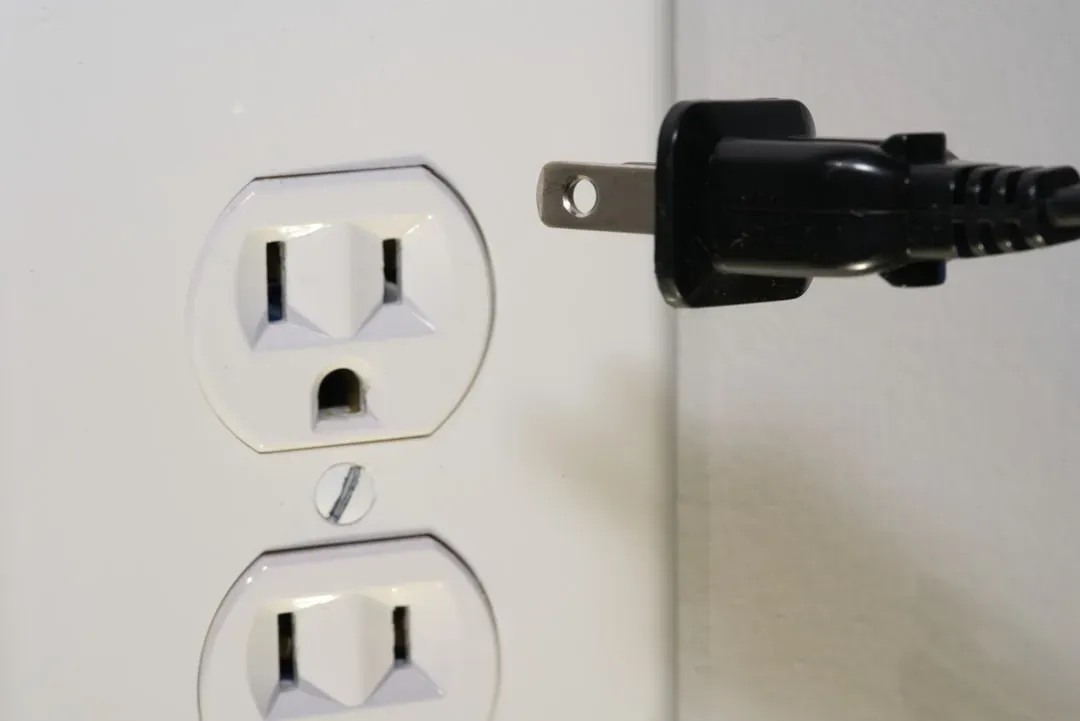
A lamp cord running under a rug, a phone charger stretched across a doorway, a power strip buried under a couch – younger households route cords wherever they fit without thinking twice. Experienced homeowners over 60 know better. Cords stretched across walkways are both a tripping hazard and a fire risk in one overlooked detail, and furniture resting on cords can damage them in ways that are invisible until they spark.
A cord that’s been pinched under a heavy piece of furniture for two years can have internal damage you’ll never see – until it’s too late. Older homeowners do a full cord audit of every room – lamps, TVs, phone chargers, small appliances – at least once a year. It takes 15 minutes and catches hazards that look completely harmless at a glance. Replacing appliances that have frayed or worn cords is non-negotiable. The check at #6 is one that most families have never thought of as a safety system at all – but it protects against one of the most predictable risks in the home.
#6 – Night Light Placement in Every High-Risk Path
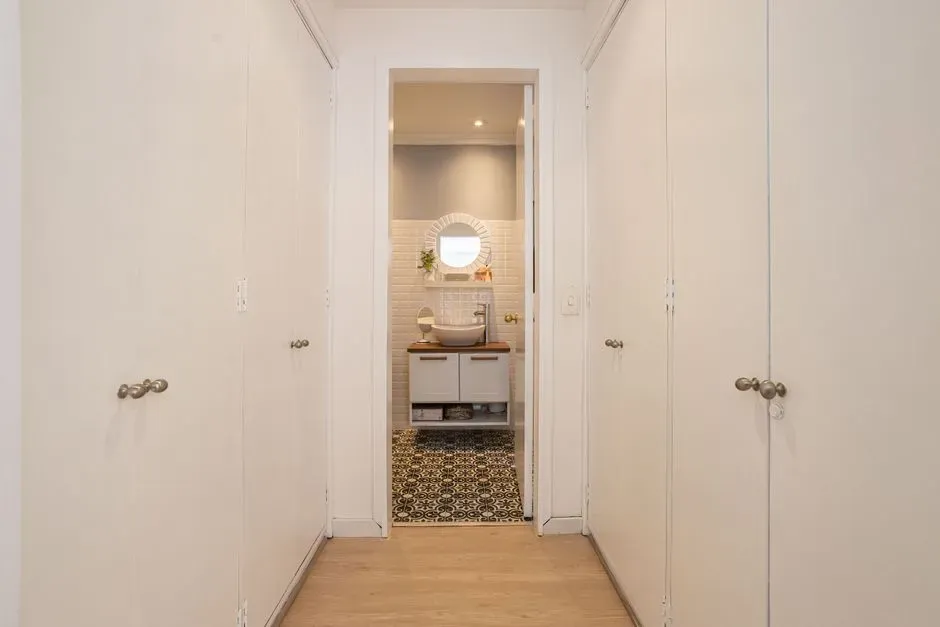
Most falls don’t happen in bright daylight. They happen on the bathroom trip at 2 a.m., the kitchen walk at midnight, the hallway between the bedroom and the stairs. Those 12 feet of darkness are some of the most dangerous floor space in any home – and most families have nothing illuminating them. Younger households rarely think about lighting as a safety system. Older homeowners treat every nighttime path as a potential hazard zone and light it accordingly.
Motion-activated night lights are especially effective because they switch on automatically – no fumbling for a switch while still half asleep. Poor lighting has been directly linked to increased falls, and motion-sensor lights in hallways and bathrooms can dramatically reduce that risk without changing anything else about the home. Ensuring stairways and entryways are well lit is equally critical. The fix is cheap and permanent. But the check at #7 involves a control most younger homeowners have never even located on their own water heater – and the consequences of ignoring it are immediate and painful.
Fast Facts: Night Lighting That Actually Works
- Motion-activated plug-in night lights cost as little as $8 to $12 each
- Key spots: hallway outside every bedroom, top and bottom of stairs, bathroom entrance
- 55% of fall injuries among older adults occur inside the home – darkness is a major factor
- Sensor lights that activate at 50 lux or lower respond in true darkness conditions
- Replace bulbs in fixed night lights annually – dimming is often too gradual to notice
#7 – Dialing the Water Heater Down to 120°F
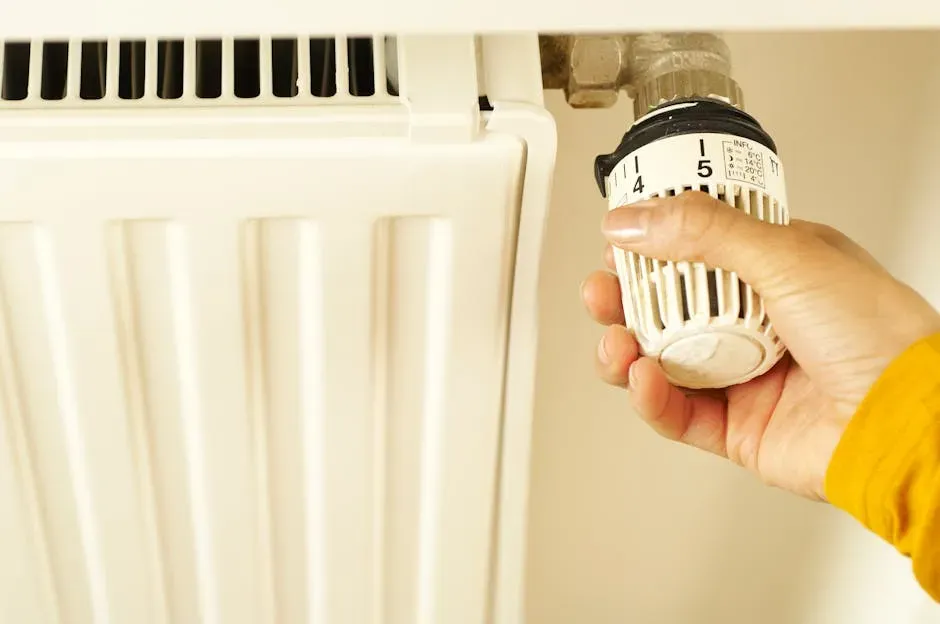
Most water heaters ship from the factory set at 140°F – hot enough to cause a serious scald burn in seconds. Water at 140°F can cause third-degree burns especially fast for children, the elderly, or anyone with thinner skin and slower reflexes. The recommended setting is 120°F, which dramatically reduces scald risk while still allowing dishwashers and laundry cycles to sanitize properly. This matters for everyone in the household, but especially for older adults whose skin is thinner and whose reaction time to sudden heat may be slower.
Most younger homeowners have never touched the temperature dial on their water heater – or even know where it is. Lowering the temperature to 120°F reduces standby heat loss and energy costs while also slowing mineral buildup and extending appliance life. The average household water heater is still set well above 120°F, meaning most families are unknowingly running a scalding risk every single day. Experienced older homeowners check this setting the day they move in and verify it every year. It’s a 30-second check. The invisible risk at #8 is even harder to detect – because you can’t see it, smell it, or feel it coming.
#8 – Installing Carbon Monoxide Detectors Near Every Sleeping Area
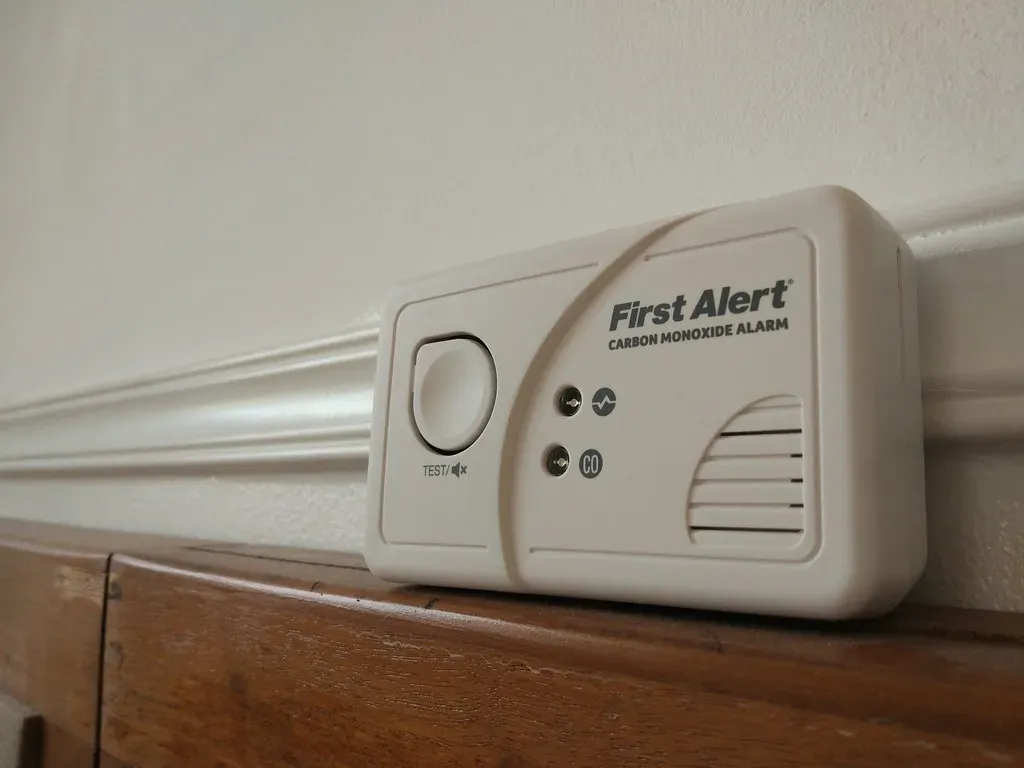
Carbon monoxide has no smell, no color, no taste, and no warning. CO detectors should be installed on every level of the home and within 10 feet of every sleeping area, tested monthly, and replaced every 5 to 7 years. Yet many homes – especially those built before detectors became standard – have no CO protection at all. Younger families often assume the smoke alarm handles it, or that the combination detector they have is sufficient even if it’s been sitting on the same wall for a decade.
Gas water heaters with blocked vents, cracked heat exchangers, or improper combustion can generate CO that accumulates silently in living spaces – and older adults are at particular risk. A CO detector placed too high, or positioned in a room that’s rarely occupied, can fail to alert occupants until levels are already life-threatening. Experienced homeowners over 60 check both the placement of detectors and the venting on gas appliances every year – not just when they move in. The check at #9 involves a device almost every home has, that almost every family thinks is working just fine – and often isn’t.
Quick Compare: CO Detector Placement – Right vs. Wrong
- Right: On every level of the home, within 10 feet of each sleeping area
- Right: Within 10 to 20 feet of gas appliances like furnaces and water heaters
- Wrong: Inside a bathroom or kitchen – humidity causes false alarms
- Wrong: In a corner where air doesn’t circulate – mount 10 to 12 inches from walls on ceilings
- Wrong: A unit that hasn’t been replaced in over 7 years – sensors degrade silently
#9 – Replacing Smoke Alarms That Are Over 10 Years Old
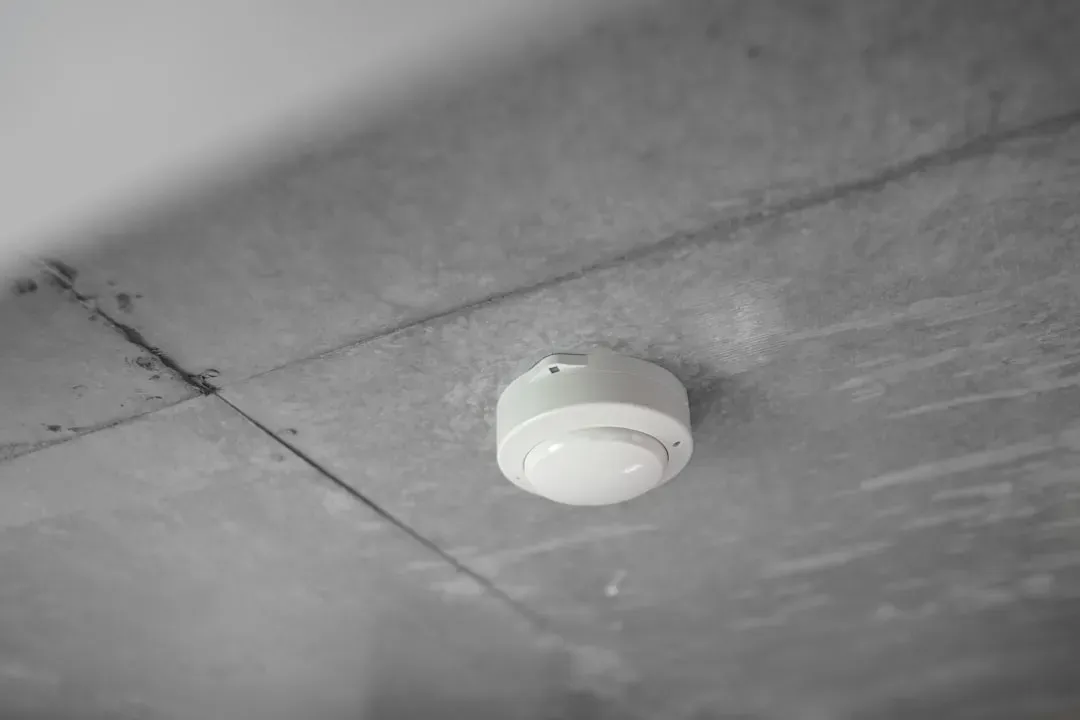
You press the test button, it beeps, and you think it’s fine. But that test only confirms the battery and the buzzer – it tells you nothing about whether the sensing chamber can still detect actual smoke. According to the National Fire Protection Association, smoke alarms should be tested at least once a month and fully replaced every 10 years. The manufacture date is stamped on the back of every unit – and most people have never once flipped one over to look.
Homeowners who’ve lived in the same house for decades often discover during a safety check that alarms installed when they moved in are 15 or even 20 years old. The sensing components degrade silently – an alarm can beep when tested while being nearly unable to detect real smoke. Older adults face a disproportionate risk of dying in a house fire, which is exactly why experienced homeowners over 60 treat smoke alarm age as a serious annual check, not just a battery swap. The check at #10 involves another safety device in your home that most families have never once tested – and have no idea needs testing at all.
#10 – Testing Every GFCI Outlet in the House Twice a Year
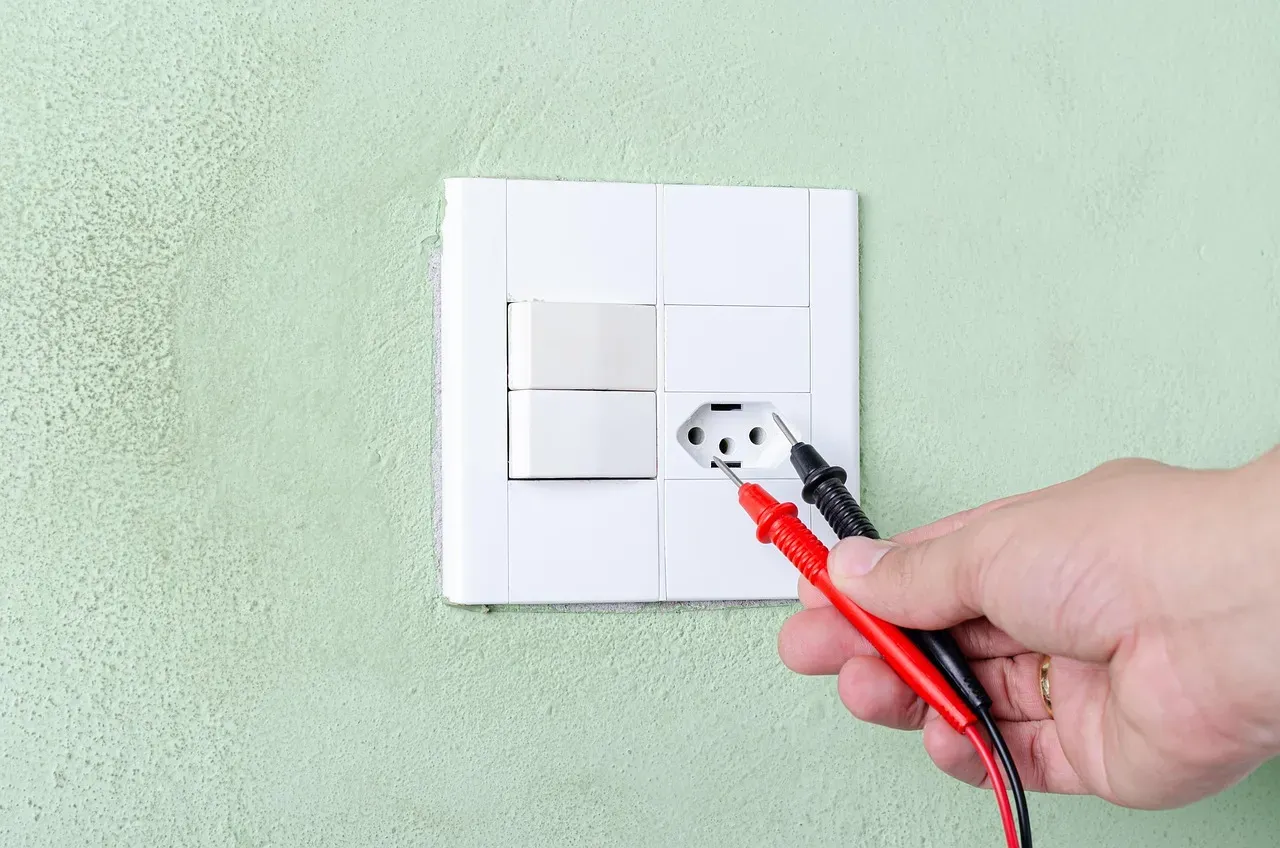
Those outlets in your bathroom and kitchen with the two small buttons – “TEST” and “RESET” – aren’t just code requirements. They’re your last line of defense against electrical shock near water. GFCI outlets monitor electrical current and shut off power in a fraction of a second when a fault is detected. Most younger homeowners have never once pressed the test button. They assume the outlet works because it always has. But GFCI outlets are electronic devices that can wear out – and the electrical receptacle in a GFCI may continue to supply power even after the safety circuit has completely failed.
Testing is simple: press “TEST” and you should hear a click and lose power at that outlet. Press “RESET” to restore it. If the outlet fails to trip or reset, call a licensed electrician – because a non-functional GFCI looks perfectly normal right up until it fails to protect you. GFCI outlets have an average service life of around 10 years, and homes in storm-prone areas can see failures in as few as five. A GFCI outlet can appear completely fine while being entirely non-functional. There’s no visual indicator that it’s failed. Older homeowners treat this as a twice-yearly ritual, like changing batteries. Most younger families don’t know it needs testing at all. Next up, #11 reveals why the bathroom is far more dangerous than most families realize – and it goes way beyond the bath mat.
#11 – The Bathroom Non-Slip Check That Goes Beyond the Bath Mat
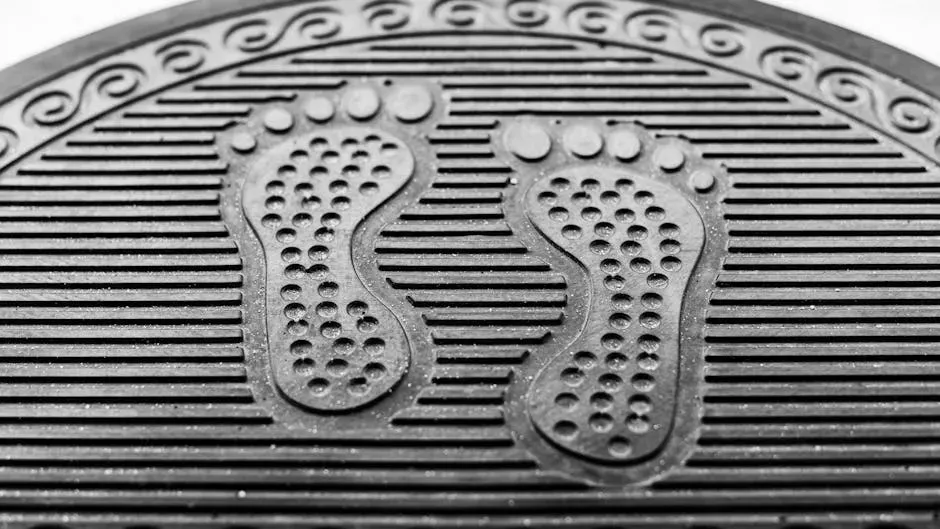
Everyone knows to put a mat in the tub. That’s where most families’ bathroom safety thinking stops – and that’s exactly the problem. Falls in the bathroom account for 22.7% of all fall-related emergency department visits, making it the third most dangerous location in the home. The floor outside the tub, the tile between the vanity and the toilet, the step-over threshold on a combination tub – all of it needs grip, not just the inside of the shower.
Experienced older homeowners actually test their bathroom floor with wet feet – getting it wet on purpose, then standing on it. A tile that feels perfectly solid when dry can become almost frictionless when wet, and most homeowners have never once tested this. Non-slip adhesive strips in the shower, non-slip mats on the tile floor outside the tub, and grab bars properly anchored near the toilet and shower form a system – not just a bath mat dropped on one square foot of a room where you’re barefoot, wet, and often moving fast. The check at #12 involves the stairs – and one hazard there that’s almost universally overlooked.
#12 – Marking the Top and Bottom Stair Steps So They’re Visible
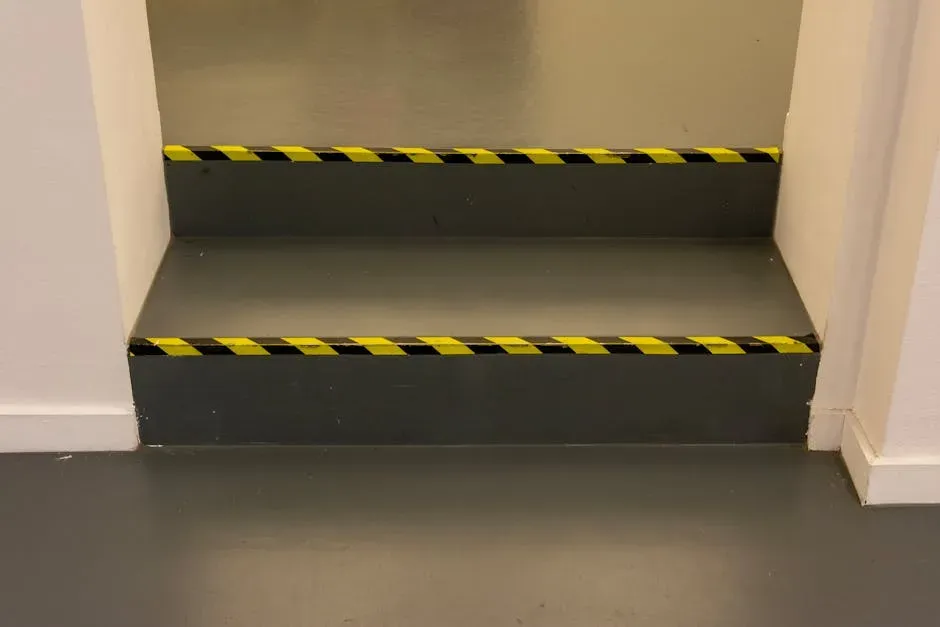
Most people can’t tell you exactly which step is the last one without looking down. In low light – or when carrying laundry, groceries, or anything that breaks your sightline – misjudging the final step is shockingly easy. Experienced homeowners over 60 apply a simple, nearly free fix: contrasting tape or paint on the top and bottom stair edge to make them immediately visible. It takes about two minutes to apply and works every time someone approaches those steps in the dark or with their arms full.
Nonslip treads on bare wood stairs, good lighting at both the top and bottom of every staircase, and repaired loose carpeting or boards are all part of the same staircase audit that sharp homeowners run at least once a year. Bare wood steps with no contrast marking and no grip texture are one of the most common accident setups in homes that have never had a safety check – and one of the easiest to fix. Younger families treat stairs as background furniture – always there, rarely inspected. The check at #13 involves the same staircase, and it’s one you can test in about five seconds right now.
Worth Knowing: Stair Safety by the Numbers
- Stairs are the second most common fall location in the home, behind same-level floor trips
- 22.9% of home falls that result in an ER visit occur on stairs
- Misjudging the top or bottom step is the leading cause of stair-related falls in adults over 60
- Contrast tape on step edges costs under $10 and takes under five minutes to apply
- Loose carpet on stairs is both a grip hazard and a trip hazard – repair or remove it
#13 – Checking Whether the Handrail Actually Holds Your Weight
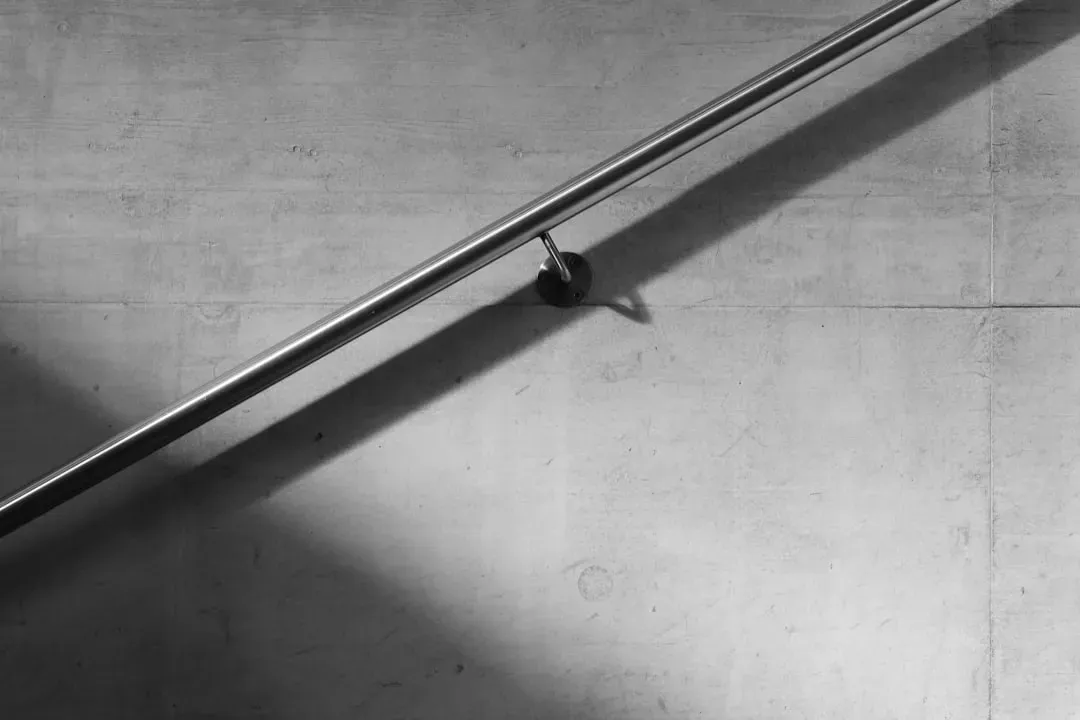
Here’s a quick test most people have never done: walk to your staircase, grab the handrail with both hands, and yank it hard toward you. Did it move? If it did, that railing is decorative at best and dangerous at worst. Falls on stairs account for nearly 23% of home fall-related ER visits, making stairs the second most common fall location in the home. A wobbly handrail doesn’t just fail to prevent a fall. It can actively cause one when someone leans on it expecting solid resistance and gets none.
Handrails should be installed on both sides of stairs where possible, firmly secured to the wall, and rated to hold a person’s full weight under sudden load. A single loose bracket is all it takes to turn a stable-looking railing into a hazard that gives way at exactly the wrong moment. Older homeowners check this regularly because they’ve seen firsthand what happens when it’s neglected. Younger families assume that if the railing was installed when the house was built, it’s still fine. Test it today. And the final check – #14 – is one that most families walk past every single day without a second thought.
#14 – The Throw Rug Test Every Young Family Fails

Walk through almost any home owned by someone over 60 and you’ll notice something: almost no loose throw rugs in high-traffic zones. That’s not a design choice – it’s a hard-won safety rule. Loose area rugs wrinkle, shift, and curl at the edges, and that invisible curl catches feet mid-stride in a way that’s almost impossible to anticipate. Younger homeowners love the look of a layered rug in the hallway or a runner near the kitchen sink, but they rarely check whether those rugs are actually anchored.
Older adults either remove area rugs from high-traffic areas entirely or secure them with double-sided carpet tape – and they test them regularly by deliberately dragging a foot across the edge. The most dangerous rugs look completely fine at a glance. It’s the unseen curl or the slight shift on a hardwood floor that catches a foot, and you never see it coming until you’re already falling. Most young families have never once tested their rugs this way. People over 60 do it instinctively. That instinct – earned through years of paying attention – is exactly what separates a home that looks safe from one that actually is.
Fast Facts: The Throw Rug Risk Most Families Ignore
- Same-level trips – including rug catches – are more common fall causes than stair falls
- Hardwood and tile floors amplify rug shift risk; even a quarter-inch curl is enough to catch a foot
- Double-sided carpet tape costs under $10 and dramatically reduces edge lift on most rugs
- High-risk zones: hallways, kitchen sink areas, bathroom entries, and beside the bed
- The safest option in high-traffic zones: remove loose rugs entirely or replace with secured, low-profile mats
The gap between older homeowners and younger families on home safety isn’t about money or ability. It’s almost entirely about habit and awareness. Most of the 14 checks on this list cost nothing and take minutes. The ones that require a small investment – proper grab bars, motion-sensor lighting, contrast tape on stairs – pay for themselves the first time they prevent an incident. Over the past decade, fall-related deaths among older adults have increased by 51%. The majority happened in homes that looked perfectly fine. The homeowners who’ve lived long enough to know better figured out this checklist through experience. You don’t have to wait that long to learn the same lessons.